
Fiction
I have been reading these fiction books since the beginning of 2019. I like non-fiction but have started reading fiction since the love of my life passed away.
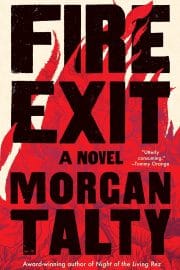
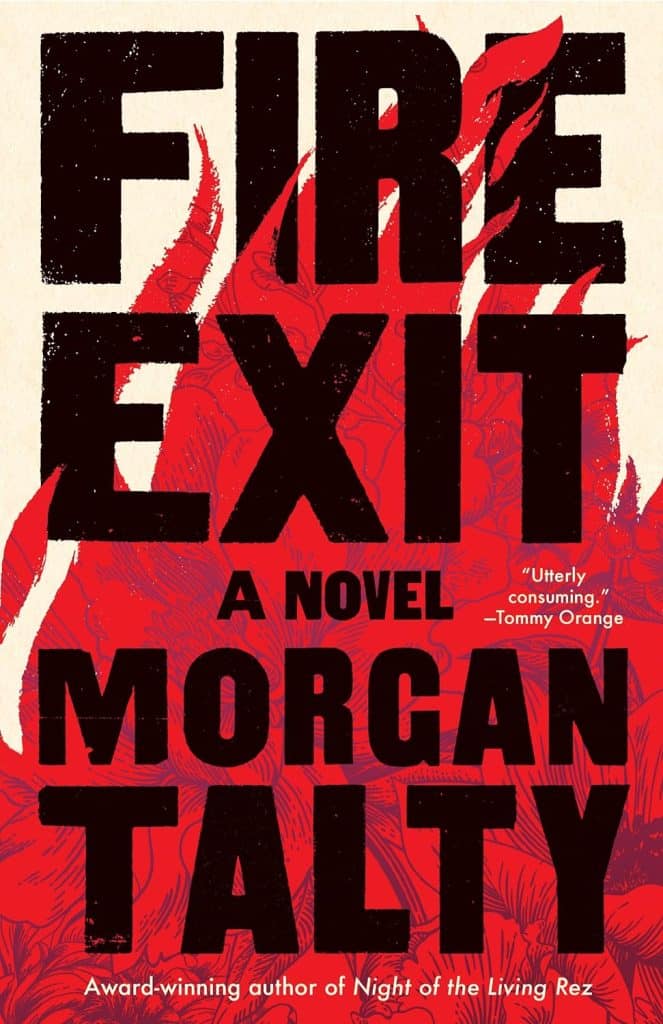
by Morgan Talty
Today, I started reading the novel “Fire Exit” by Morgan Talty. The book is the debut novel of the award-winning author of “Night of the Living Rez,” Morgan Talty. “Fire Exit” is a compelling story that explores the themes of family, legacy, culture, and our complex obligations toward one another. These are themes that I have focused on after losing my wife.
The protagonist, Charles Lamosway, lives by a river near Maine’s Penobscot Reservation. He watches his neighbor Elizabeth grow up, from her early days to her twenties, but he holds a secret: Elizabeth is his daughter, a truth he can no longer conceal.
Charles becomes anxious when he hasn’t seen Elizabeth for weeks. As he tries to hold on to his home, look after his friend Bobby and his mother Louise, and grapple with his past, Charles is forced to confront painful memories and ask himself difficult questions. Is it his place to share the secret about Elizabeth, and would she want to know the truth even if it means losing everything she has ever known?
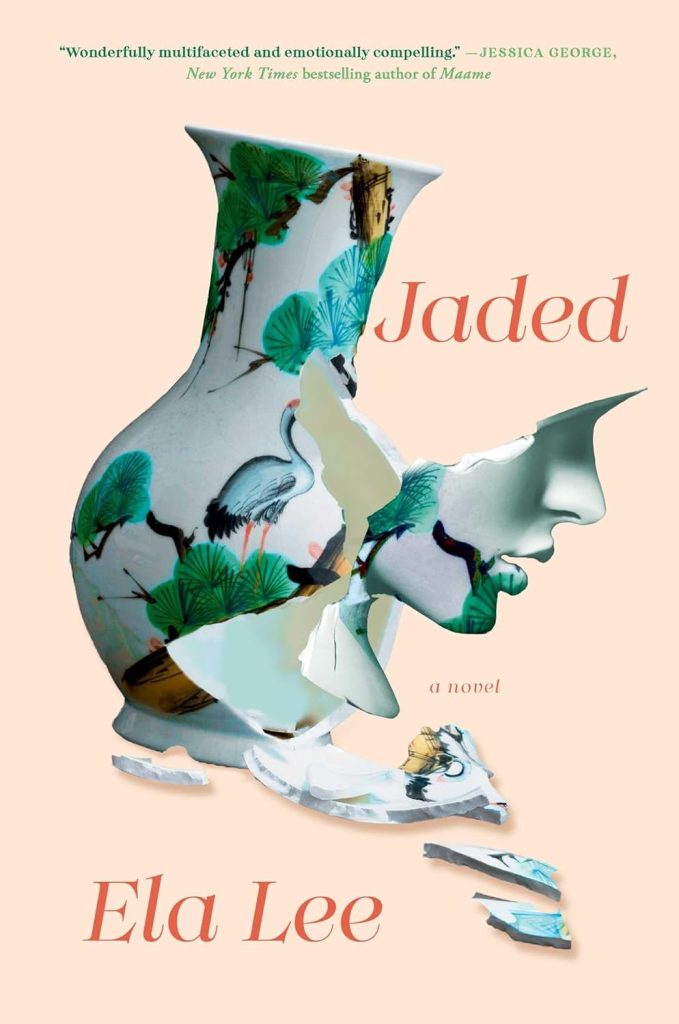
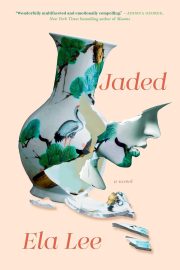
by Ela Lee
Today, I started reading “Jaded: A Novel” by Ela Lee. The main character’s name is Jade, which isn’t even her real name. Jade began using it as her Starbucks name because all children of immigrants have a Starbucks name. “Jaded” is a must-read book for fans of “Queenie” and “I May Destroy You.” It offers a blistering—and sometimes darkly funny—account of consent, power, race, sexism, and identity in a broken society.
Jade has accomplished everything she ever wanted.
She’s a successful lawyer, a dutiful daughter, a beloved girlfriend, and a loyal friend. However, everything starts to crumble when she wakes up the morning after a work event, naked and alone, with no idea how she got home. Jade is caught between her parents, who can’t understand, her boyfriend, who feels betrayed, and her job, which expects silence.
Jade thought she was everything she ever wanted to be. But now she feels like nothing at all.
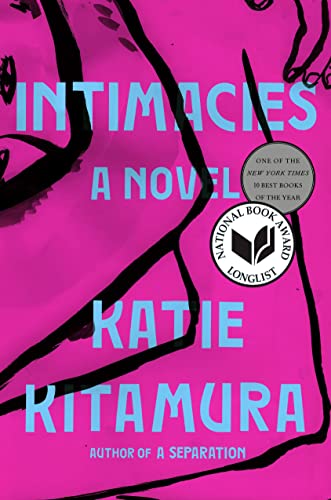
by Katie Kitamura
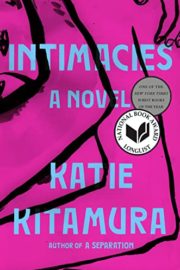
Intimacies: A Novel by Katie Kitamura is about an interpreter who has come to The Hague to escape New York and work at the International Court. A woman of many languages and identities is finally looking for a place to call home.
Intimacies: A Novel is the second book by Ms. Kitamura that I have read this year. The multiple intimacies of the novel overlap and at times seem confusing, but in the end, it makes sense even if it is unclear how or where she will live the next phase of her life. A Separation is also written hypnotic, making it difficult to stop reading.
I not only highly recommend Intimacies: A Novel but have become a fan of Katie Kitamura and look forward to reading more of her books.
Goodreads summary provides a good overview.
She’s drawn into simmering personal dramas: her lover, Adriaan, is separated from his wife but still entangled in his marriage. Her friend Jana witnesses a seemingly random act of violence, a crime the interpreter becomes increasingly obsessed with as she befriends the victim’s sister. And she’s pulled into explosive political fires: her work interpreting for a former president accused of war crimes becomes precarious as their relationship is unbound by shifting language and meaning.
This woman is the voice in the ear of many, but what command does that give her, and how vulnerable does that leave her? Her coolly impassioned views on power, love, and violence, are tested, both in her personal intimacies and in her role at the Court. She is soon pushed to the precipice, where betrayal and heartbreak threaten to overwhelm her; it is her drive towards truth, and love, that throws into stark relief what she wants from her life.
When you buy a book or product using a link on this page, I receive a commission. Thank you for supporting Sharing Jan’s Love blog.
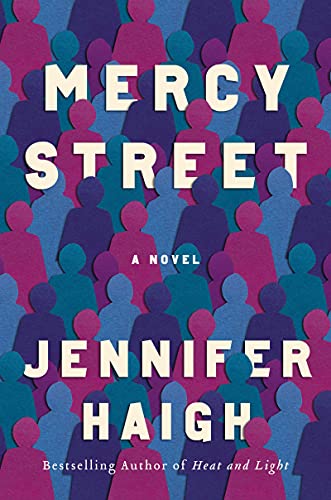
by Jennifer Haigh
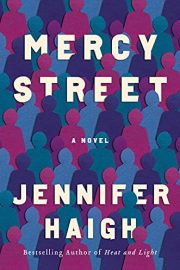
Mercy Street: A Novel by Jennifer Haigh is a tense, riveting story about the disparate lives intersecting at a Boston women’s clinic. The novel was named Best Book of the Year by the Washington Post, the New Yorker, and the Boston Globe. Mercy Street is a novel for right now, a story of the polarized American present. Ms. Haigh is a gifted storyteller who has written a very readable book. I highly recommend it.
I truly enjoyed Mercy Street. I read her short story Zenith Man and enjoyed her storytelling skills. I wanted to read her most recent novel. Until the last few pages, I was unsure how Ms. Haigh‘s intricate storylines could conclude the story. Usually, I can predict how a story will unfold well before I finish reading it. Mercy Street was a rare exception to that rule.
I have never had to run the gauntlet in front of a women’s clinic, but Ms. Haigh has made that experience so real that I could taste it. The day-to-day work of the staff and the clients was detailed and believable. The male characters, Timmy, the affable pot dealer; Anthony, a lost soul; and Excelsior11, the screenname of Victor Prine, were drafted credibly.
As stated earlier, I highly recommend this book.
Jennifer Haigh is the author of seven best-selling, critically acclaimed works of fiction. Her first, Mrs. Kimble, won the PEN Hemingway Award for debut fiction. Her latest, Mercy Street, was named a Best Book of 2022 by the New Yorker and won the Mark Twain American Voice in Literature Award. A Guggenheim fellow and Iowa Writers’ Workshop graduate, she lives in Boston.
When you purchase a book through one of my links, I earn a small commission that helps support my passion for reading. This contribution allows me to buy even more books to share with you, creating an incredible cycle of discovering great reads together! Your support truly makes a difference!
by Elizabeth O'Connor
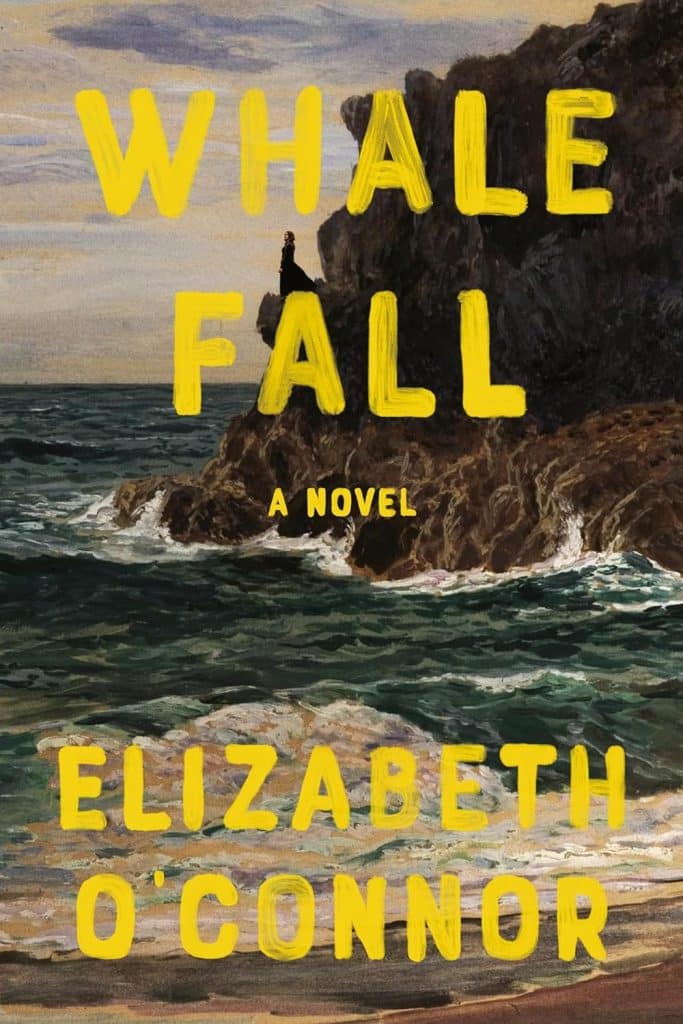
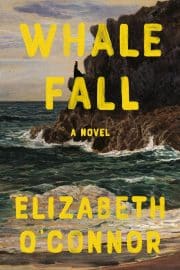
I have started reading “Whale Fall: A Novel” by Elizabeth O’Connor. With its unique blend of loss, isolation, folklore, and the journey of self-discovery, this debut novel offers a compelling narrative set in 1938 on a remote Welsh island. The story is catalyzed by the arrival of a dead whale, a powerful symbol that sets the stage for the characters’ journeys.
The story revolves around Manod, a young woman who has spent her entire life on the island. Despite their island home’s harsh yet stunning surroundings, Manod yearns to explore life beyond it, a desire that will resonate with many readers.
As two English ethnographers arrive to study the island’s culture, Manod sees it as a potential escape from her community. However, her growing involvement with them triggers a profound internal conflict. She grapples with the dilemma of pursuing her desires or remaining loyal to her community. This struggle resonates with the universal human experience, making it a compelling read for many.
‘Whale Fall‘ vividly portrays the tensions that surface when one person’s aspirations threaten the unity of a community. O’Connor’s narrative skillfully depicts the community and Manod on the brink, forced to confront a world that seems to infringe upon them. This evokes a sense of admiration for O’Connor’s storytelling prowess, making it a must-read for literary fiction enthusiasts.
by Anna Quindlen
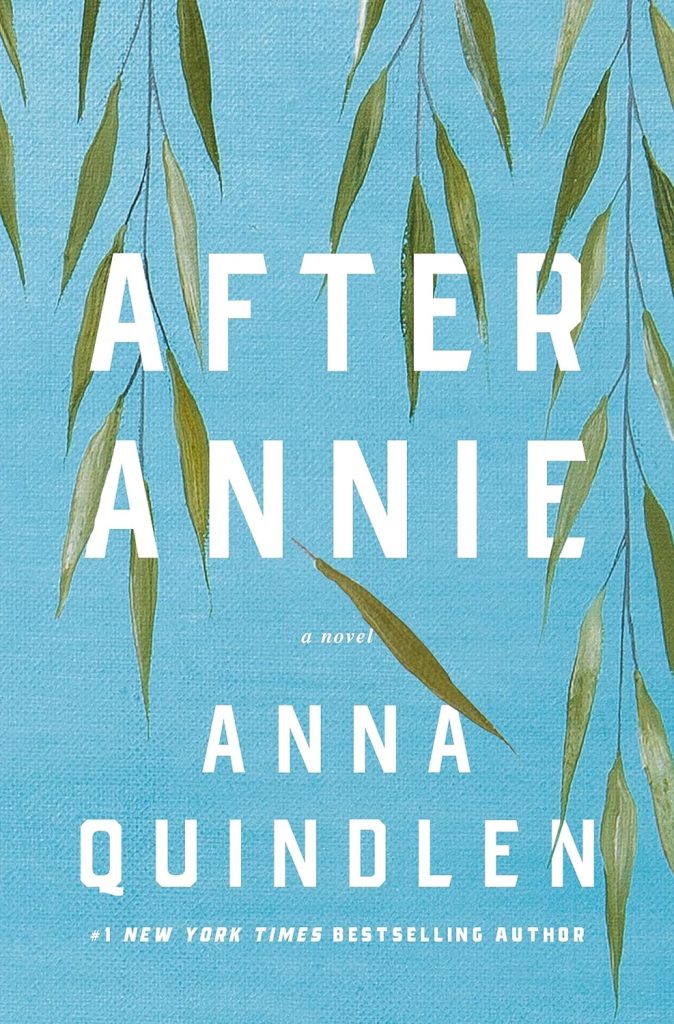
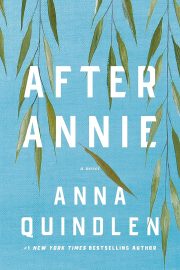
I started reading Anna Quindlen‘s “After Annie: A Novel” today. Forty years ago, my wife Jan and I used to read Ms. Quindlen’s column “Life in the Thirties” in The New York Times, even if we didn’t have time to read anything else. We clipped and saved each column, which helped us manage getting older with children. I am reading “After Annie,” which is about how love can overcome loss.
Anna Quindlen, the #1 New York Times bestselling author of Still Life with Bread Crumbs and One True Thing, is known for her insightful wisdom on family, friendship, and the bonds that unite us. Her latest novel explores the power of love to overcome loss and adversity.
The story centers around the Brown family and their matriarch, Annie. When Annie suddenly passes away, the family is forced to navigate life without their beloved wife, mother, and friend. Bill, Annie’s husband, struggles to cope with the loss, while Annemarie, her best friend, must confront the bad habits she once overcame with Annie’s help. Ali, Annie’s eldest child, must take on new responsibilities to care for her younger brothers and father.
Although Annie is no longer physically present, her memory continues to guide and inspire those who love her. Her voice resonates in their minds, offering them comfort, wisdom, and clarity. Through the power of her love, Annie gives her family the strength they need to move on without her. They learn that even though their beloved Annie is gone, she will always be with them in spirit.
“After Annie” is a poignant and touching story exploring the unanticipated ways adversity can transform our lives. With her signature style that strikes an emotional chord, Quindlen delivers a heartwarming tale about the tenacity of love and how it can triumph over even the most formidable obstacles. This story of hope is a testament to the enduring strength of the human spirit and its ability to rise above life’s challenges. It inspires us to believe in the power of love and its capacity to reshape our lives for the better.
by ’Pemi Aguda
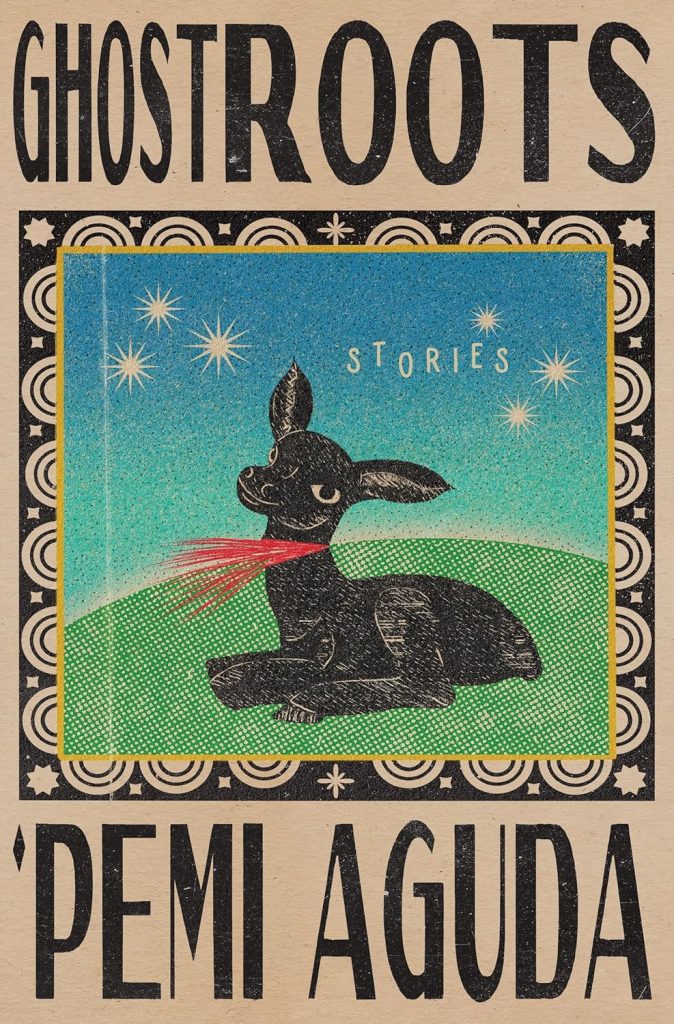
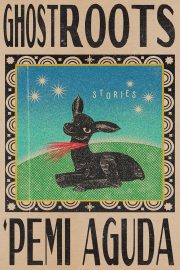
Today, I started reading Ghostroots: Stories by ‘Pemi Aguda, a finalist for the 2024 National Book Award for Fiction. This collection features twelve imaginative stories set in Lagos, Nigeria, in which ‘Pemi Aguda explores the tension between our desire to be individuals and the influence of our past. One of the stories, “Breastmilk,” was shortlisted for the 2024 Caine Prize for African Writing.
The story “Manifest” depicts a woman who sees the ghost of her abusive mother in her daughter’s face, which leads to her daughter exhibiting destructive behavior. In “Breastmilk,” a wife forgives her husband for infidelity. Still, she later struggles with producing milk for her newborn, feeling like she’s failed to uphold her mother’s feminist values and doubts her ability as a mother. Things Boys Do” follows a trio of fathers who sense something unnatural about their infant sons, leading to their lives falling apart as they fear their sons are the cause of their troubles. Lastly, “24, Alhaji Williams Street” tells the story of a teenage boy living in the shadow of a mysterious disease that’s killing the boys on his street.
These stories in “Ghostroots” delve into the emotional and physical worlds, unveiling the profound impact of family, myth, tradition, gender, and modernity in Nigerian society. Pemi Aguda’s storytelling, infused with empathy and humor, showcases her as a significant new literary talent. Her deep understanding of human emotions and thorough exploration of these societal influences will leave you feeling enlightened and informed, eager to explore more of her work.
When you purchase a book through one of my links, I earn a small commission that helps support my passion for reading. This contribution allows me to buy even more books to share with you, creating an incredible cycle of discovering great reads together! Your support truly makes a difference!
by Nana Kwame Adjei-Brenyah
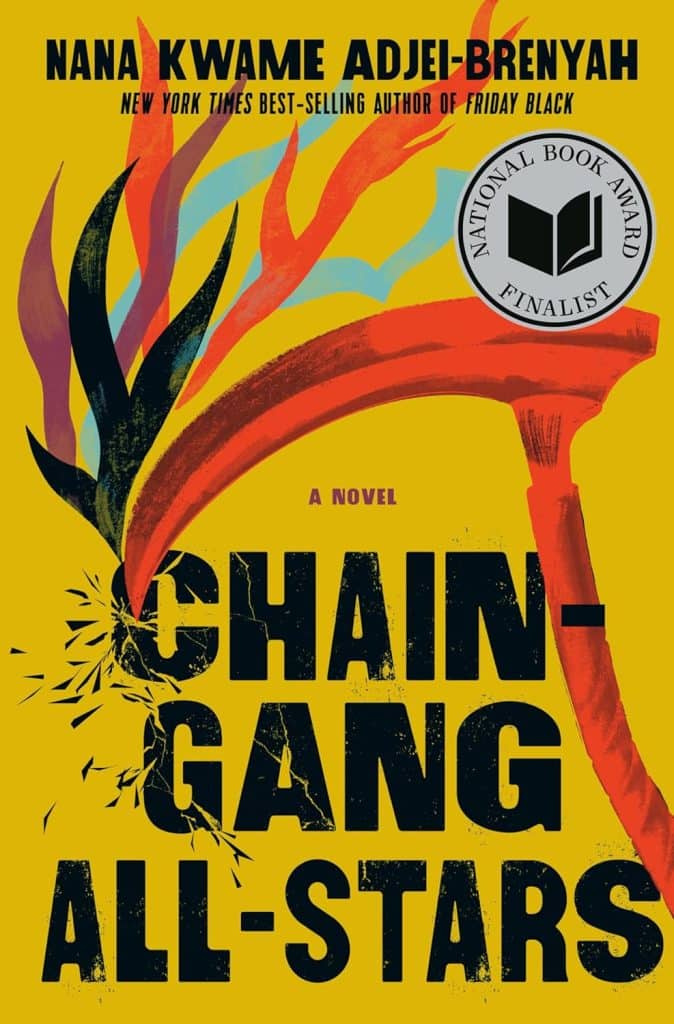
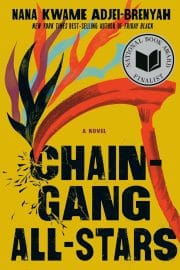
Today, I started reading “Chain Gang All Stars” by Nana Kwame Adjei-Brenyah. The story revolves around Loretta Thurwar and Hamara “Hurricane Staxxx” Stacker, the main characters of the Chain-Gang All-Stars, a highly controversial and top-rated program in America’s private prison industry. The program is called Criminal Action Penal Entertainment (CAPE), where prisoners compete for the ultimate prize- their freedom. It’s similar to the return of the gladiators but in a modern-day setting.
The story is set in a prison called CAPE, where inmates are forced to participate in death matches as a part of a chain-gang. These matches are held in front of cheering crowds, while the prison authorities claim it to be a righteous act. Among the participants, Thurwar and Staxxx are the most popular as they are also lovers. Thurwar is just a few matches away from her freedom, which she carries with a heavy heart and lethal hammer. Thurwar contemplates how she can help her fellow inmates preserve their humanity despite being forced into these brutal games. However, the owners of CAPE are determined to safeguard their status quo, and they will go to extreme lengths to stop anyone who challenges them. Thurwar’s attempts to resist the system have devastating consequences.
Chain-Gang All-Stars” is a powerful book that sheds light on the American prison system’s problematic alliance with systemic racism, unchecked capitalism, and mass incarceration. It critically examines the situation from various perspectives, from the Links in the field to the protestors, the CAPE employees, and beyond. The book offers a clear-eyed reckoning of what freedom really means in America. It is a noteworthy contribution from a “new and necessary American voice,” as described by Tommy Orange in The New York Times Book Review.
The Jan Lilien Education Fund sponsors ongoing sustainability and environmental awareness programs. Regarding gifts made this month, I will match dollar for dollar. All donations are tax-deductible.
I receive a commission when you buy a book or product using a link on this page. Thank you for supporting Sharing Jan’s Love blog.
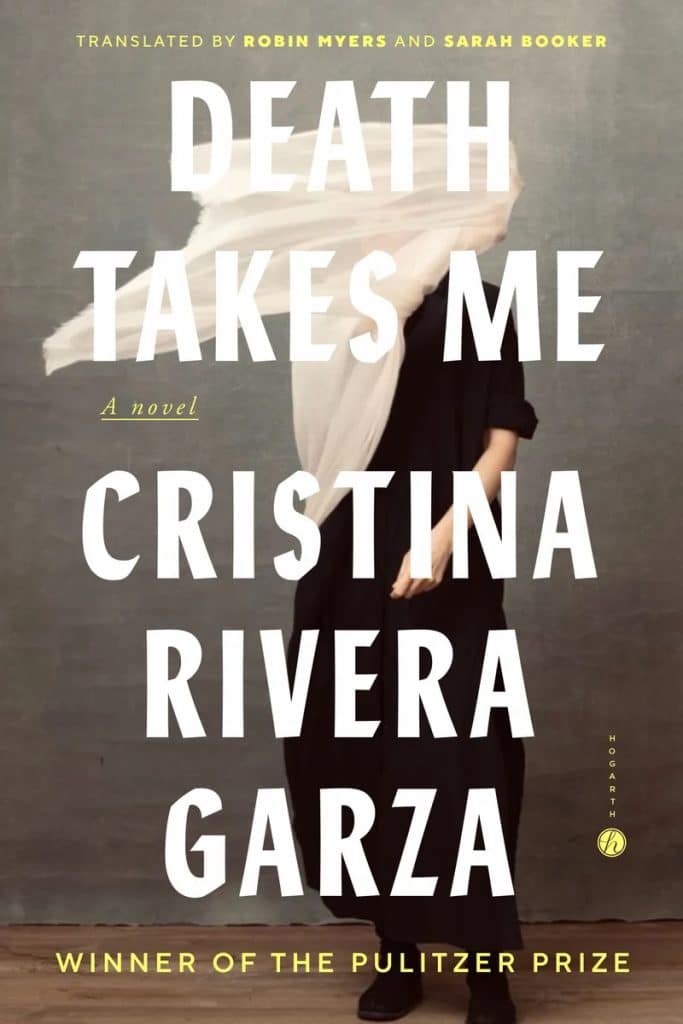
by Cristina Rivera Garza
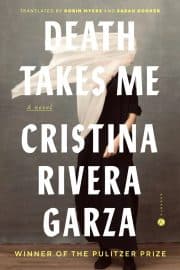
Originally written in Spanish by Cristina Rivera Garza, Death Takes Me is a thrilling masterpiece of literary fiction that turns the traditional crime narrative of gendered violence on its head. As sharp as the cuts on the bodies of the victims, the story unfolds with the dreamlike logic of a surreal experience, transitioning from the police station to a professor’s classroom and through the intricate worlds of Latin American poetry and art. It invites readers to explore the unstable terrains of desire and sexuality.
A city is always a cemetery.
In the narrative, a professor named Cristina Rivera Garza stumbles upon the corpse of a mutilated man in a dark alley and promptly reports it to the police. When shown a crime scene photo, she discovers a stark warning written in tiny print with coral nail polish on the brick wall beside the body: “Beware of me, my love / beware of the silent woman in the desert.”
The professor becomes the primary informant in the case, which is led by a detective who is newly obsessed with poetry and haunted by a list of past failures. But what has the professor truly witnessed? As more bodies of castrated men alongside lines of verse, the detective attempts to decipher the meaning of the poems in hopes of stopping the spreading violence throughout the city.
Cristina Rivera Garza is an acclaimed author known for works such as The Taiga Syndrome and The Iliac Crest. Her memoir, Liliana’s Invincible Summer, won the Pulitzer Prize and was a finalist for the National Book Award. She has received the MacArthur Fellowship and the Sor Juana Inés de la Cruz Prize. Currently, Rivera Garza holds the Hugh Roy and Lillie Cranz Cullen Distinguished Chair and serves as director of the PhD program in Creative Writing in Spanish at the University of Houston.
Sarah Booker is a teacher and a literary translator. Her translations include novels by Mónica Ojeda, Cristina Rivera Garza, and Gabriela Ponce. She is also an associate editor at Southwest Review.
Robin Myers is a poet and translator. Her translations encompass Andrés Neuman’s Bariloche, Claudia Peña Claros’s The Trees, Isabel Zapata’s In Vitro, Eliana Hernández-Pachón’s The Brush, and Cristina Rivera Garza’s The Restless Dead: Necrowriting and Disappropriation.
Discover your next favorite book and dive into a world of curated, exciting reads by purchasing through my links. You’ll have access to a diverse selection of books I’ve personally vetted for quality and enjoyment. Additionally, by supporting these selections, you’ll help me continue to provide you with more personalized recommendations. I earn a small commission from your purchase, which allows me to buy and share even more books with you. Your support truly makes a difference!
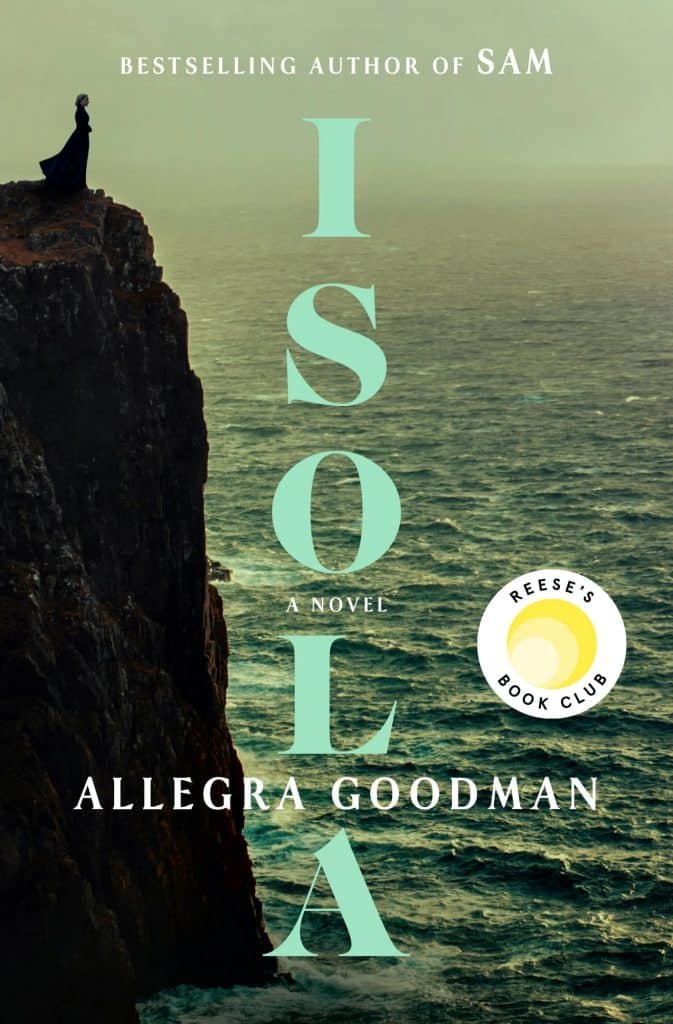
by Allegra Goodman
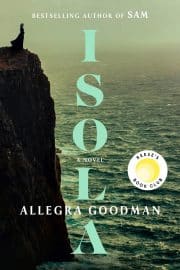
Set against the backdrop of the sixteenth century, Allegra Goodman‘s Isola brings to life the gripping saga of a remarkable woman’s fight for survival. Journey with Marguerite as she battles the harsh realities of being marooned on a desolate island in the Gulf of St. Lawrence, in the heart of New France, because she dared to love the wrong man, leading her to this lonely exile.
Heir to a fortune, Marguerite is destined for a life of prosperity and gentility. However, her world is turned upside down when she becomes an orphan. Her guardian, an enigmatic and unpredictable man, squanders her inheritance and insists she accompany him on an expedition to New France. The journey takes an unexpected turn when Marguerite is accused of betrayal, leading to her brutal punishment and abandonment on a small island.
Once a child of privilege, adorned in gowns and pearls, Marguerite now finds herself at the mercy of nature. As the weather changes and the island becomes blanketed in ice, she uncovers a faith she never knew she needed.
Allegra Goodman is the author of six novels, including the national bestseller Sam, a Read with Jenna selection; two short story collections; and a book for young readers. Her fiction has appeared in The New Yorker and elsewhere, and has been anthologized in The O. Henry Awards and Best American Short Stories. She lives with her family in Cambridge, Massachusetts.
When you purchase a book through one of my links, I earn a small commission that helps support my passion for reading. This contribution allows me to buy even more books to share with you, creating an incredible cycle of discovering great reads together! Your support truly makes a difference!
Enjoy a limited-time offer of 20% off your next book purchase at Bookshop.org!
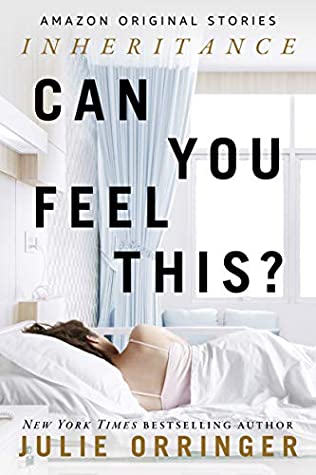
by Julie Orringer
Today I read Can You Feel This? by Julie Orringer. This short story rekindled so many memories. In the chaos of a maternity ward, memories of tragedy and grief come flooding back for an anxious mother-to-be as she struggles to balance her child’s needs with her healing. Although Jan and I did not have the shadows of tragedy and grief when our sons were born, this short story was more than a page-turner. Can You Feel This? reminded me of the power of the love Jan and I shared.
When our second son was born, we almost had him at home or in the as we waited too long. In Can, You Feel This? , that was not the case. Both children had two loving parents but also grandparents.
When Jan had the first of several hospitalizations, she was in the hospital where her mother died. Jan told me her feelings, and I comforted her, but I could not fully comprehend her angst.
Can You Feel This? is part of Inheritance, a collection of five stories about secrets, unspoken desires, and dangerous revelations between loved ones. Each Inheritance piece can be read or listened to in a single setting. By yourself, behind closed doors, or shared with someone you trust. This is the second one in the series I have read. The previous one was Everything That my Mother Taught Me.
The Goodreads summary provides an overview,
Rushed into an emergency cesarean section, a woman finds herself in the same hospital where her suicidal mother died. She’s buried the trauma of her mother’s last hours—and also the dread that she might be just as vulnerable to breaking. As the new mother relives one crisis in the midst of another, prize-winning author Julie Orringer turns the joyous event of birth into a harrowing, poignant short story.
The Jan Lilien Education Fund sponsors ongoing sustainability and environmental awareness programs. Gifts made this month; I will match dollar-for-dollar. All donations are tax-deductible.
I receive a commission when you buy a book or product using a link on this page. Thank you for supporting Sharing Jan’s Love blog.
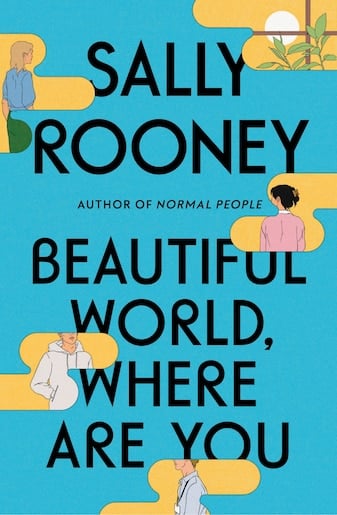
by Sally Rooney
Beautiful World, Where Are You by Sally Rooney, a writer recommended to me, but I have always kept them on the to-read list, not the current reading. Does a beautiful word exist? Is it possible to live in a beautiful world despite the loss of the love of my life? Perhaps reading Beautiful World, Where Are You, will help me in my grief journey.
Ms. Rooney’s book was a page-turner, and I highly recommend it.
One of the quotes from the book echoed my dream of a beautiful world.
“When I try to picture for myself what a happy life might look like, the picture hasn’t changed very much since I was a child – a house with flowers and trees around it, and a river nearby, and a room full of books, and someone there to love me, that’s all. Just to make a home there, and to care for my parents when they grow older. Never to move, never to board a plane again, just to live quietly and then be buried in the earth.” ― Beautiful World, Where Are You
It also helped remind me how unique and memorable the love that Jan and I shared was. We could quickly fall into a life lived separately as friends, or we might not have ever fallen in love and married.
As Beautiful World, Where Are You, wrote:
“If God wanted me to give you up, he wouldn’t have made me who I am.”
The Goodreads summary provides an overview.
Alice, a novelist, meets Felix, who works in a warehouse, and asks him if he’d like to travel to Rome with her. In Dublin, her best friend, Eileen, is getting over a breakup and slips back into flirting with Simon, a man she has known since childhood. Alice, Felix, Eileen, and Simon are still young—but life is catching up with them. They desire each other, they delude each other, they get together, and they break apart. They have sex, they worry about sex, and they worry about their friendships and the world they live in. Are they standing in the last lighted room before the darkness, bearing witness to something? Will they find a way to believe in a beautiful world?
by Jesmyn Ward
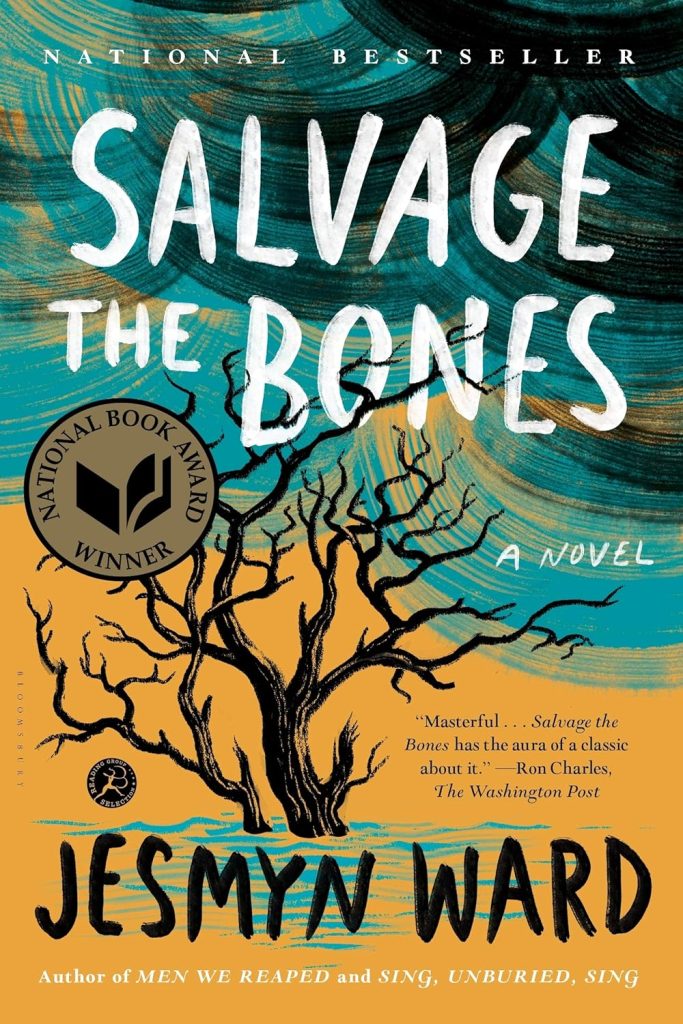
I’ve started reading “Salvage the Bones: A Novel” by Jesmyn Ward, a two-time National Book Award winner and author of “Sing, Unburied, Sing.” The book delivers a gritty yet tender story about family and poverty in the days leading up to Hurricane Katrina. Hurricane Helene’s devastation makes it the perfect time to read this book. The novel is among The New York Times’ 100 Best Books of the 21st Century.
The story is set in Bois Sauvage, Mississippi, where a hurricane is building over the Gulf of Mexico, threatening the city. Esch’s father is growing concerned, although he is often absent and a heavy drinker. Esch and her three brothers are stocking food, but there is little to save. Esch, who is fourteen, is pregnant and struggling to keep down the little food she gets. Her brother Skeetah is trying to care for his pit bull’s new litter, which is dying one by one. Meanwhile, brothers Randall and Junior struggle with family dynamics and lack parental guidance.
As the twelve days that make up the novel’s framework yield their dramatic conclusion, this unforgettable family – motherless children sacrificing for one another, protecting and nurturing where love is scarce – pulls itself up to face another day. The novel is a big-hearted story about familial love and community against all odds, offering a wrenching look at the lonesome, brutal, and restrictive realities of rural poverty. “Salvage the Bones” is a revelatory, honest, and poignant exploration of social issues, filled with poetry and emotional depth.
by Audrey Niffenegger
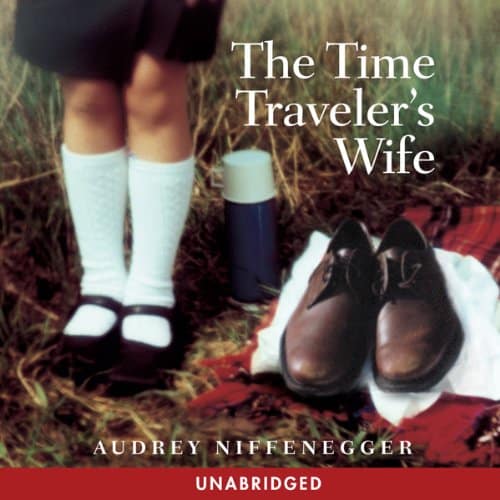
My wife had asked me to read – The Time Traveler’s Wife by Audrey Niffenegger – on several occasions. When we first met, we both liked to read fiction and non-fiction. As we aged, I focused almost exclusively on non-fiction, and she focused on fiction. Since her passing, I have started reading more of both genres. We could now have a book club!
Both Jan and I have always enjoyed books and movies about time travel. If I could travel back in time, there are tens of thousands of days I would love to spend with her again. But time travel is not possible. Or is it? Her spirit returns to me whenever I am paralyzed and encourages me to dust myself off and keep going. Maybe one day we will time travel together!
I enjoyed reading this book, even if it was difficult to keep track of the periods. It is very much the type of time-traveling book that both of us would have liked to read, and it has helped me to imagine a world in which Jan and I will meet again.
But what if it is not time travel as imagined by H. G. Wells. As the Hasidic story foretold, God split our souls at birth and placed one part of my soul in her body and placed the rest into my body. Very few people are lucky enough to find the person who has the other half of their soul, and Jan and I did.
When my life ends, what if God takes a portion of our two souls and places them into new bodies. Each of their souls would include a part of each of us. Those two new people would have to find each other in the future to connect as we did. They might not see each other and forever hunger for true love. Whatever happened, they would not know that they once were very much in love.
by Lorrie Moore
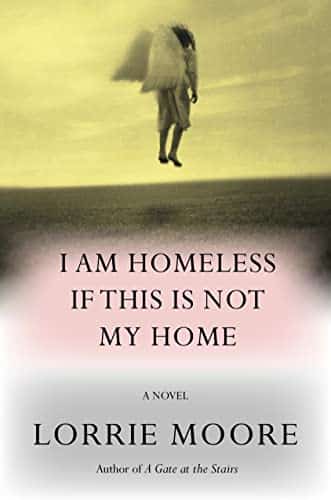
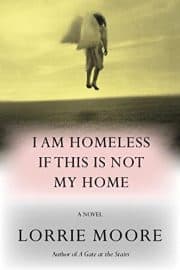
Today, I started reading Lorrie Moore‘s latest novel; I Am Homeless If This Is Not My Home. It’s her first book since A Gate at the Stairs, and it’s a bold and contemplative exploration of love, death, passion, and grief. Moore examines what it means to be haunted by the past in terms of history and the human heart.
The story follows a teacher who visits his dying brother in the Bronx. A mysterious journal from the 19th century is stolen from a boarding house. There’s also a therapy clown and an assassin, who is presumed dead but may not be.
Moore’s unique wordplay, wry humor, and wisdom make for an enchanting read. She presents us with a magic box of surprises, exploring themes of love, rebirth, and the pull toward life. This novel is a poetic and imaginative portrait of lovers and siblings that questions the stories we’ve been told and whether they’re true.
With I Am Homeless If This Is Not My Home, Moore takes us on a journey to a windswept, tragic, and comic landscape. It’s unmistakably her world and a journey you won’t forget.
The Jan Lilien Education Fund sponsors ongoing sustainability and environmental awareness programs. Gifts made this month; I will match dollar-for-dollar. All donations are tax-deductible.
I receive a commission when you buy a book or product using a link on this page. Thank you for supporting Sharing Jan’s Love blog.
by Anthony Marra
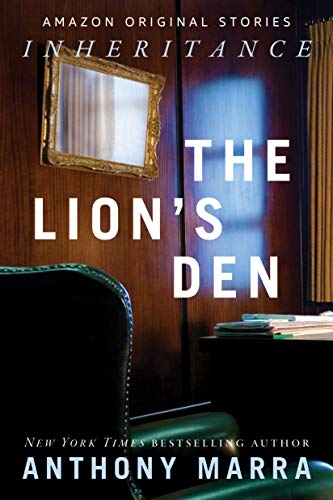
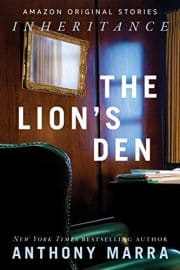
Today, I read The Lion’s Den by Anthony Marra. After a four and one-half Zoom meeting, I was looking for a book I could finish tonight, and the third book in the Inheritance, a collection of five stories about secrets, unspoken desires, and dangerous revelations between loved ones, seemed like the book to read. The Lion’s Den is the story of Michael, a son, his father’s transgressions in a tell-all were the ethical, righteous—and profitable—thing to do. What’s left but to slink back home for a humbling face-to-face with the man whose secrets he sold?
It was the perfect novel to read this evening. In the opening paragraph, when Michael’s father describes the automated customer service computer voice.” Siri’s dimwitted stepsister,” I knew I could enjoy this book.
Michael’s last-minute invitation to be the Ethics Symposium speaker at his parochial school was written in a way that was both bluntly honest and humorous.
Michael’s visits with his father to the lion’s den at the National Zoo were profoundly moving, and when the wheelchair was left there after his father’s death brought tears to my eyes.
I highly recommend The Lion’s Den, part of Inheritance, a collection of five stories about secrets, unspoken desires, and dangerous revelations between loved ones. Each Inheritance piece can be read or listened to in a single setting. By yourself, behind closed doors, or shared with someone you trust. This is the third one in the series I have read. The previous two were Everything My Mother Taught Me and Can You Feel This?
I have enjoyed all three and look forward to reading the final two.
The Goodreads summary provides an overview,
Exposing his father’s transgressions in a tell-all was the ethical, righteous—and profitable—thing to do. What’s left but to slink back home for a humbling face-to-face with the man whose secrets he sold?
He was a notorious government whistle-blower. Depending on whom you ask, he’s a treasonous felon, a folk hero, a validated patriot, or a national disgrace. To his son, Michael, he’s the father who threw his family into upheaval. Now, having moved back home at thirty-four, Michael is getting to know him as a man and getting nearer to understanding his motivations that have remained a mystery in this darkly humorous short story of sacrifice and betrayal by New York Times bestselling author Anthony Marra.
The Jan Lilien Education Fund sponsors ongoing sustainability and environmental awareness programs. Gifts made this month; I will match dollar-for-dollar. All donations are tax-deductible.
I receive a commission when you buy a book or product using a link on this page. Thank you for supporting Sharing Jan’s Love blog.
by Yrsa Daley-Ward
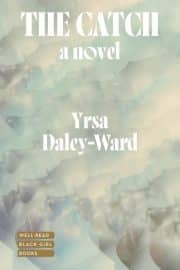
In “The Catch,” her captivating debut novel, Yrsa Daley-Ward creates a vibrant multiverse that delves into the complexities of daughterhood and mother-want. She explores the sacrifices women often make in their pursuit of self-actualization. The result is a remarkable novel that boldly poses the question: “How can it ever be a crime to choose yourself?”
Twin sisters Clara and Dempsey have always struggled to connect, their familial bond severed after their mother vanished into the Thames. As infants, they were adopted by different families: Clara went to live with a successful, upper-class couple, while a distant and unaffectionate city councilor took in Dempsey. As adults, the sisters have settled into a comfortable estrangement until Clara spots a woman on the streets of London who looks exactly like their mother. The twist? This version of Serene appears ageless and has lived a childless life — the very life she might have had if the girls had never been born.
As with most things, Clara and Dempsey cannot agree on the strange appearance of this woman. Clara, a celebrity author with a penchant for excessive drinking and one-night stands, is eager to welcome the confident and temperamental Serene into her home. In contrast, reclusive Dempsey, who makes a modest living doing menial data entry work from her apartment, is suspicious of the entire situation, believing it to be a cunning scheme by a con woman.
As the sisters clash over this stranger who increasingly intrudes into their lives, they hurtle toward a confrontation that threatens their very existence, ultimately forcing them to face their shared past together.
Yrsa Daley-Ward is a poet, writer, and actress. She is the author of The How, bone, and The Terrible, for which she won the PEN Ackerley Prize. She lives in Los Angeles.
When you purchase a book through one of my links, I earn a small commission that helps support my passion for reading. This contribution allows me to buy even more books to share with you, creating an incredible cycle of discovering great reads together! Your support truly makes a difference!
Enjoy a limited-time offer of 20% off your next book purchase at Bookshop.org!
by Kristin Hannah
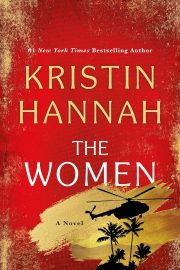
I started reading “The Women: A Novel” by Kristin Hannah today. This book is written by the same author who wrote “The Nightingale” and “The Four Winds.” “The Women” is a story set in a difficult time, depicting a woman’s coming-of-age journey and an epic tale of a divided nation. It highlights that women can be heroes, too.
When twenty-year-old nursing student Frances “Frankie” McGrath hears these words, it is a revelation to her. She was raised in Southern California’s sun-drenched, idyllic world and was sheltered by her conservative parents. She has always prided herself on doing the right thing. However, in 1965, the world is changing, and Frankie suddenly dares to imagine a different future for herself. When her brother ships out to serve in Vietnam, she decides to join the Army Nurse Corps and follows his path.
Frankie, who is as inexperienced as the young men sent to fight in Vietnam, is struggling to cope with the chaos and destruction of war. Every day is a life-or-death gamble that can be filled with hope, betrayal, and shattered friendships. In this brutal reality, she encounters and becomes one of the lucky, the brave, the broken, and the lost.
War is just the beginning for Frankie and her veteran friends. The actual battle awaits when they return home to a divided and changing America, met by angry protesters and a nation wanting to forget Vietnam.
“The Women” is a novel that tells the story of a woman who goes to war. Still, its purpose is to bring attention to all the women who have put themselves in danger for their country and whose sacrifice and dedication have often been overlooked. The book is about solid friendships and patriotism, and it portrays a brave and idealistic heroine whose courage in times of war will become a defining moment in history.
by Jonas Hassen Khemiri
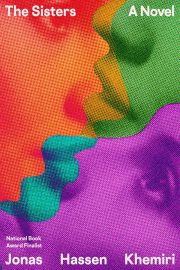
Narrated in six parts, each spanning a time frame from a year to a single minute, Jonas Hassen Khemiri‘s The Sisters is a vivid family saga of exceptional quality—an engaging and entertaining tour de force. The novel has been recognized as one of the New York Times’ Top 10 Books of the Year and longlisted for the 2025 National Book Award for Fiction. Additionally, The New Yorker featured it in their list of 24 Essential Reads for 2025.
Meet the Mikkola sisters: Ina, Evelyn, and Anastasia. Their mother is a Tunisian carpet seller, their father a mysterious Swede who left them when they were young. Ina is tall, serious, and compulsively organized. Evelyn is dreamy, magnetic, and a smooth talker. And Anastasia is moody, chaotic, a shape-shifting presence, quick to anger.
Ina meets her future husband when she’s dragged to a New Year’s rave by her sisters, only to suffer the ultimate betrayal. Evelyn drifts through life before embarking on a wild career as an actress. And Anastasia runs off to Tunisia, where she falls in love with a woman who, years later, will transform her life.
Following the sisters from afar is Jonas, the son of a Swedish mother and a Tunisian father. Over the course of three decades, his life intersects with the sisters, from a chance encounter in Tunis to the scene of a fighter jet crash in Stockholm. When Evelyn disappears on a trip to New York, Jonas manages to track her down—and helps her to break the curse that has been looming over the Mikkolas for decades. In the process, a shocking revelation changes everything they believe about themselves.
Jonas Hassen Khemiri is the author of six novels, seven plays, and a collection of short stories and essays. His writing has been translated into over 35 languages. His novel The Family Clause was a finalist for the National Book Award for Translated Literature and received the Prix Médicis Étranger in France. Khemiri has been a finalist for Sweden’s most prestigious literary prize three times, winning it once. His play Invasion! earned an Obie Award for Best Script.
Khemiri is a recipient of the Cullman Fellowship at the New York Public Library, and his writing has appeared in The New York Times, The New Yorker, and numerous other publications. His novel The Sisters is his first book written in English. Khemiri lives in Brooklyn with his family and teaches creative writing at New York University (NYU).
Discover your next favorite book and dive into a world of curated, exciting reads by purchasing through my links. You’ll have access to a diverse selection of books that I’ve personally vetted to ensure quality and enjoyment. Additionally, by supporting these selections, you’ll help me continue to provide you with more personalized recommendations. I earn a small commission from your purchase, which allows me to buy and share even more books with you. Your support truly makes a difference!
by Amor Towles
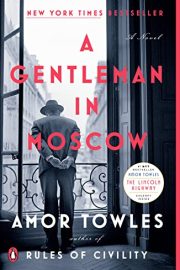
A Gentleman in Moscow by Amor Towles is a transporting novel about a man sentenced by the government to spend the rest of his life inside a luxury hotel. In 1922, a Bolshevik tribunal deemed Count Alexander Rostov an unrepentant aristocrat. His house arrest in the Metropol, a grand hotel across the street from the Kremlin. Rostov, an indomitable man of erudition and wit, has never worked a day and must now live in an attic room while some of the most tumultuous decades in Russian history are unfolding outside the hotel’s doors.
During my grief journey, I have on occasion felt as if I was a prisoner in my apartment, so I found this novel to be one that provided me an alternative to understanding what it would have been like to be under house arrest as Count Rostov was.
A Gentleman in Moscow was a page-turner. The plot captures a unique historical time and how Count Rostov makes the best of a bad situation. I highly recommend this novel.
The Goodreads summary provides an overview.
With his breakout debut novel, Rules of Civility, Amor Towles established himself as a master of absorbing, sophisticated fiction, bringing late 1930s Manhattan to life with a splendid atmosphere and an excellent command of style. As NPR commented, readers and critics were enchanted, “Towles writes with grace and verve about the mores and manners of a society on the cusp of radical change.”
A Gentleman in Moscow immerses us in another elegantly drawn era with the story of Count Alexander Rostov. When, in 1922, he is deemed an unrepentant aristocrat by a Bolshevik tribunal, the count is sentenced to house arrest in the Metropol, a grand hotel across the street from the Kremlin. Rostov, an indomitable man of erudition and wit, has never worked a day. He must now live in an attic room while some of the most tumultuous decades in Russian history are unfolding outside the hotel’s doors. Unexpectedly, his reduced circumstances provide him a doorway into a much larger world of emotional discovery.
Brimming with humor, a glittering cast of characters, and one beautifully rendered scene after another, this singular novel casts a spell as it relates to the count’s endeavor to gain a deeper understanding of what it means to be a man of purpose.
The Jan Lilien Education Fund sponsors ongoing sustainability and environmental awareness programs. Gifts made this month; I will match dollar-for-dollar. All donations are tax-deductible.
I receive a commission when you buy a book or product using a link on this page. Thank you for supporting Sharing Jan’s Love blog.
Subscribe to Sharing Jan's Love Newsletter!
by Natasha Stagg
Natasha Stagg‘s “Grand Rapids” is a coming-of-age story set in the Michigan suburbs in the early 2000s. Alexander Calder’s public sculpture, “La Grande Vitesse”, installed alongside the Grand River in downtown Grand Rapids, has become a symbol of the city. Tess moved there from Ypsilanti, Michigan, in 2001—the same year her mother passed away, marking the beginning of a time when everything felt like it was moving in slow motion for her.
Thrust into adolescence nearly rudderless, fifteen-year-old Tess is intoxicated, angsty, and sexually awake. A decade later, inspired by diary entries and TV reruns, she remembers this summer in the suburbs as the one that redefined her. Its echoes of death are frozen in time, like the waves represented in Calder’s sculpture or the concrete steps leading down to the churning river. She sees Grand Rapids as a collection of architecture and emblems, another home to which she cannot return.
Natasha Stagg is the author of Surveys: A Novel (2016), Sleeveless: Fashion, Image, Media, New York 2011–2019 (2019), and Artless: Stories 2019–2023 (2023). She lives in New York City.
Discover your next favorite book and dive into a world of curated, exciting reads by purchasing through my links. You’ll have access to a diverse selection of books that I’ve personally vetted to ensure quality and enjoyment. Additionally, by supporting these selections, you’ll help me continue to provide you with more personalized recommendations. I earn a small commission from your purchase, which allows me to buy and share even more books with you. Your support truly makes a difference!
by Rebecca Kauffman
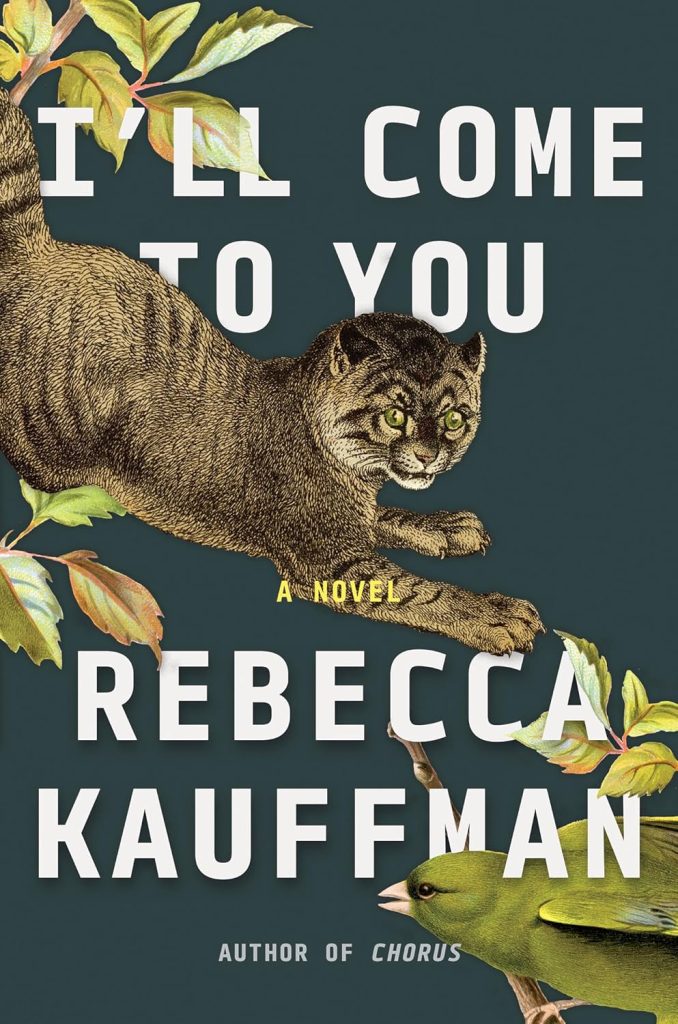
I began reading “I’ll Come to You: A Novel” by Rebecca Kauffman today. This sweeping and compact novel explores themes of intimacy, memory, loss, grief, and reconciliation. It delves into the wonder, terror, frustration, fear, and magic of confronting the unknowable in the world and within ourselves. The New York Times recommended it as one of six books to read this week.
I’ll Come to You is a modern and classic story of a family that follows intersecting lives throughout 1995, centered around the anticipation and arrival of a child. Through empathy, insight, and humor, Rebecca Kauffman delves into overlapping narratives: a couple struggling to conceive, which has both softened and hardened their relationship; a woman whose husband of forty years has left her without explaining why; and the man who is disastrously trying to win her affection. Additionally, there’s a couple in denial about an impending health crisis and their son, who is awkwardly navigating middle age while unable to stop lying.
Ultimately, these storylines build to a dramatic and harrowing climax. With heart, wit, and courage, the characters confront challenges that test and define their family bonds.
When you purchase a book through one of my links, I earn a small commission that helps support my passion for reading. This contribution allows me to buy even more books to share with you, creating an incredible cycle of discovering great reads together! Your support truly makes a difference!
by Aziz Abu Sarah and Maoz Inon
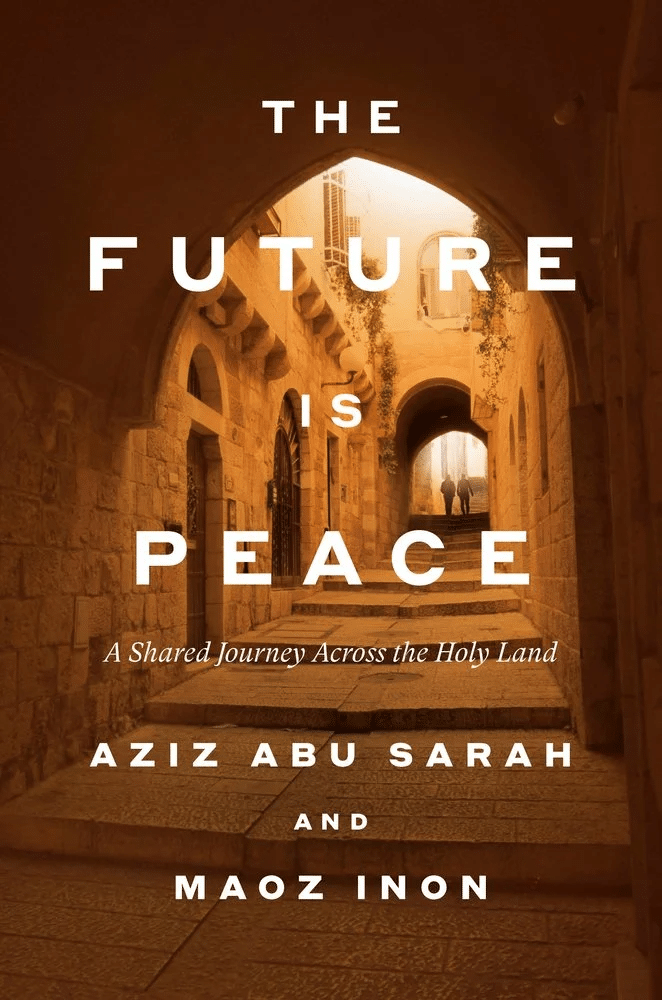
“The Future Is Peace: A Shared Journey Across the Holy Land” explores the experiences of two lifelong peace activists, Aziz Abu Sarah and Maoz Inon, who serve as guides in Israel and Palestine. Both have personally endured loss due to the ongoing conflict. They lead readers on a profound and transformative journey through this sacred yet tumultuous land, revealing the historical, political, and personal narratives that both divide and connect their communities and peoples.
“We do not see ourselves as Palestinians and Israelis, or as Jews and Arabs, but as human beings who believe in fostering a culture of dialogue, a culture of forgiveness, and a culture of peace. To those who see only division lines, we say: If you must divide us, let it be as those who believe in peace and equality and those who don’t… yet.”
Palestinian Aziz Abu Sarah and Maoz Inon forged a bond of brotherhood when the world expected them to be enemies. Both have lost family to the conflict. Both have known the bitterness of righteous anger. Yet, they chose a different path.
In The Future Is Peace, Sarah and Inon take readers on a transformative weeklong journey across a sacred and bloodstained land. Facing competing narratives, they explore how compassion and unity can pull humanity back from the precipice of blind hatred. Throughout their travels, they have been asked again and again: In the face of so much loss, how can we ever find hope? Their answer is always the same. One cannot find hope. We must create it.
This book is a rebuttal to a broken world and a bold challenge to the belief that more violence can ever bring security. Told with unflinching honesty, their story is proof that peace is not a naive dream, but a courageous choice—for reconciliation to heal the wounds of revenge, for partnerships to change a destiny of war, and for empathy to save us from drowning in sorrow.
Pairing unapologetic candor with inspirational prose, Sarah and Inon are sending an urgent message: the people have the power to make change. Peace is inevitable. For Palestinians, for Israelis, and for the world that awaits their example, it is not just possible—it is the future.
Aziz Abu Sarah serves as Co-CEO of InterAct International, a nonprofit organization dedicated to promoting peace in the Middle East. He is a peacebuilder, entrepreneur, National Geographic Explorer, TED Fellow, and a respected speaker and trainer in conflict resolution and responsible travel.
Aziz is also the co-founder of MEJDI Tours, a travel company aiming to transform tourism into a powerful tool for citizen diplomacy. He has received numerous accolades, including awards from the United Nations, the Institute of International Education, and the Explorers Club.
Recognized as one of the world’s 500 most influential Muslims by the Royal Islamic Strategic Studies Center in Jordan, Aziz has contributed opinion pieces to prominent publications such as The New York Times, The Washington Post, Al-Quds, and Haaretz.
Maoz Inon is the Co-CEO of InterAct International, a nonprofit organization dedicated to promoting peace in the Middle East. He is a peace activist from Israel and an entrepreneur. In recognition of his efforts, he has received the prestigious Franco-German Human Rights Prize and the Shared Living Award from Abraham Initiatives.
He has spoken before audiences on Capitol Hill, at universities across the United States, and in the European Parliament. Additionally, Inon has contributed articles to various publications, including The Washington Post, Al Jazeera, and Haaretz.
He has also founded several initiatives aimed at fostering peace in Israel and the Middle East, including the Jesus Trail, Fauzi Azar Inn, and the Abraham Hostel & Tour brands.
Discover your next favorite book and dive into a world of curated, exciting reads by purchasing through my links. You’ll have access to a diverse selection of books I’ve personally vetted for quality and enjoyment. Supporting these selections not only helps me continue to provide you with personalized recommendations but also ensures you have access to meaningful stories that enrich your life. Your support truly makes a difference in helping me share more books and insights with you!
by Jeanine Cummins
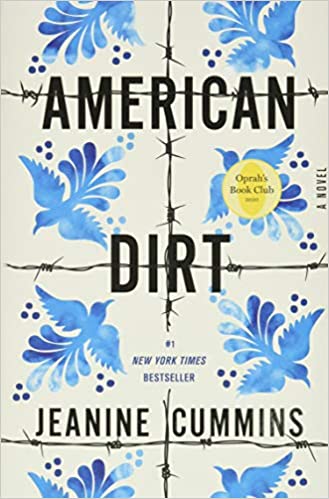
American Dirt by Jeanine Cummins is one of the best books I have read this year.
American Dirt is a “cross-genre novel that combines elements of a commercial thriller, literary fiction, suspense, and romance.” American Dirt refers to the land that is the United States of America and to the difficulty undocumented migrants face both before and after crossing the border.
According to SuperSummary,
Lydia Quixano Pérez, a bookstore owner in Acapulco, saves her son Luca from a massacre that wipes out their entire family at a quinceañera cookout. The perpetrators are three sicarios, killers for Los Jardineros, a violent local cartel. Javier Crespo Fuentes, Lydia’s close friend and the jefe of Los Jardineros, ordered the hit in retaliation for an exposé written by Lydia’s husband, a journalist named Sebastián Pérez Delgado. Javier’s murderous rage stems not from the article itself, but from the impact it has on his daughter, Marta, who commits suicide when she learns of her father’s true identity. Lydia and Luca spend the rest of the novel running from Javier’s men, encountering a diverse cast of migrants along the road to the US.
I read the book at the same time that Haitian migrants were being deported at the border. Ms. Cummins writes passionately about the plight of migrants and the difficulties they face as they seek a new life in the US. This book highlighted this to me in ways that I understood intellectually but not emotionally.
Ms. Cummins refers to a sign she saw in Spanish in Tijuana while she was researching this book:
También de este lado hay sueños.
On this side, too, there are dreams.
All of our ancestors were migrants, and they all had dreams of a better life. We need to find a better way to help those who now have goals find a home so that their hopes for a better future can come true.
by Bonnie Garmus
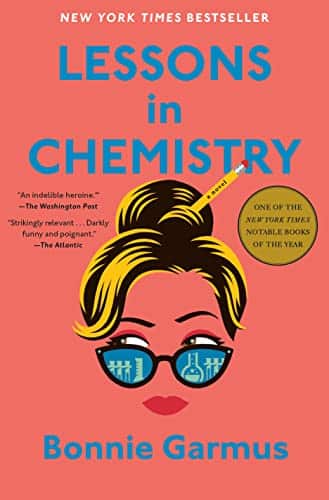
Lessons in Chemistry: A Novel by Bonnie Garmus is a must-read book as it reimagines the gender dynamics of the 1950s and early 1960s. Elizabeth Zott, a chemist, struggles in a male-dominated world where her work is not taken seriously until she meets Calvin Evans. She describes their relationship, “Calvin and I were soulmates,” like Jan and I viewed ours.
What underlies their love affair was “a mutual respect for the other’s capabilities.” “Do you know how extraordinary that is?” she said. That a man would treat his lover’s work as seriously as his own?” Of course, every relationship should be based on the same dynamics, but even after seventy years, we still struggle to achieve equality in our society.
I highly recommend this novel. Reading the story, the Zott/Evans relationship reminded me of the love that Jan and I shared. I know that Jan would have loved this book.
Laugh-out-loud funny, shrewdly observant, and studded with a dazzling cast of supporting characters, Lessons in Chemistry is as original and vibrant as its protagonist. Like Jan, Elizabeth Zott, the protagonist, would be the first to point out that there is no such thing as an average woman. Chemist Elizabeth Zott is not your average woman.
Although Jan and Elizabeth had much in common, I felt Madeline (aka Mad), Elizabeth’s daughter, was Jan’s alter ego in this novel. Jan was smart and ahead of her classmates, just like Mad was. She was breaking barriers when she was Mad’s age.
I also connected to Six Thirty, the dog. Like Oscar, Six Thirty was more intelligent than the average dog.
Lessons in Chemistry has been the number one best-selling book in the New York Times for thirty-four weeks.
The Goodreads summary provides an overview,
It’s the early 1960s and Elizabeth Zott’s all-male team at Hastings Research Institute takes a very unscientific view of equality. Except for one: Calvin Evans, the lonely, brilliant, Nobel–prize-nominated grudge-holder who falls in love with—of all things—her mind. True chemistry results.
But like science, life is unpredictable. Which is why a few years later Elizabeth Zott finds herself not only a single mother, but the reluctant star of America’s most beloved cooking show Supper at Six. Elizabeth’s unusual approach to cooking (“combine one tablespoon acetic acid with a pinch of sodium chloride”) proves revolutionary. But as her following grows, not everyone is happy. Because as it turns out, Elizabeth Zott isn’t just teaching women to cook. She’s daring them to change the status quo.
The Jan Lilien Education Fund sponsors ongoing sustainability and environmental awareness programs. Gifts made this month; I will match dollar-for-dollar. All donations are tax-deductible.
I receive a commission when you buy a book or product using a link on this page. Thank you for supporting Sharing Jan’s Love blog.
by Emily St. John Mandel
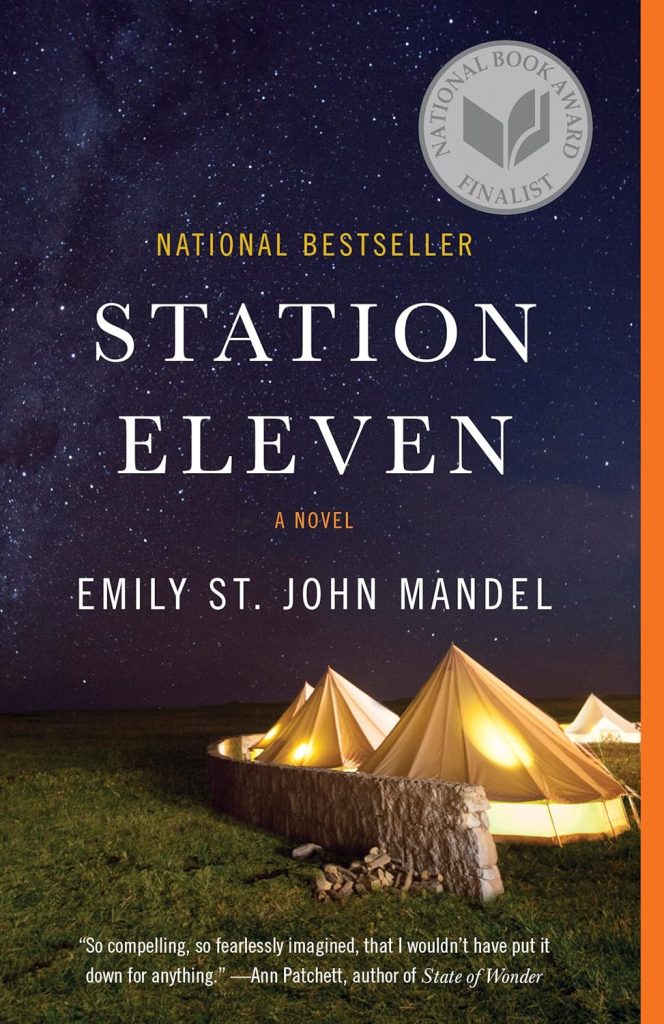
Station Eleven: A Novel by Emily St. John Mandel, one of The New York Times’ 100 Best Books of the Century, is set in the unsettling days of civilization’s collapse and tells the captivating story of a Hollywood star, his potential savior, and a nomadic group of actors traveling through the scattered outposts of the Great Lakes region. They risk everything for art and humanity, reminding us of the enduring power of culture even in the most dire circumstances.
Kirsten Raymonde will never forget the night Arthur Leander, the famous Hollywood actor, had a heart attack on stage during a production of King Lear. That night, a devastating flu pandemic arrived in the city, and within weeks, civilization as we know it came to an end. Little did she know that this event would set events to shape the world’s future.
Twenty years later, Kirsten, a key figure in the story, traverses the settlements of the altered world with a small troupe of actors and musicians. They are The Traveling Symphony, a group that has made it their mission to keep the remnants of art and humanity alive. Their encounters, particularly in St. Deborah by the Water, with a violent prophet threatening their existence, form a crucial part of the narrative. The story’s unique structure, moving back and forth in time, vividly depicts life before and after the pandemic, and the strange twist of fate that connects them all will keep you on the edge of your seat.