
Station Eleven: A Novel

Estimated reading time: 1 minute, 14 seconds

Station Eleven: A Novel by Emily St. John Mandel, one of The New York Times’ 100 Best Books of the Century, is set in the unsettling days of civilization’s collapse and tells the captivating story of a Hollywood star, his potential savior, and a nomadic group of actors traveling through the scattered outposts of the Great Lakes region. They risk everything for art and humanity, reminding us of the enduring power of culture even in the most dire circumstances.

Kirsten Raymonde will never forget the night Arthur Leander, the famous Hollywood actor, had a heart attack on stage during a production of King Lear. That night, a devastating flu pandemic arrived in the city, and within weeks, civilization as we know it came to an end. Little did she know that this event would set events to shape the world’s future.

Twenty years later, Kirsten, a key figure in the story, traverses the settlements of the altered world with a small troupe of actors and musicians. They are The Traveling Symphony, a group that has made it their mission to keep the remnants of art and humanity alive. Their encounters, particularly in St. Deborah by the Water, with a violent prophet threatening their existence, form a crucial part of the narrative. The story’s unique structure, moving back and forth in time, vividly depicts life before and after the pandemic, and the strange twist of fate that connects them all will keep you on the edge of your seat.

The Jan Lilien Education Fund!

Read: September 2025

Get this book

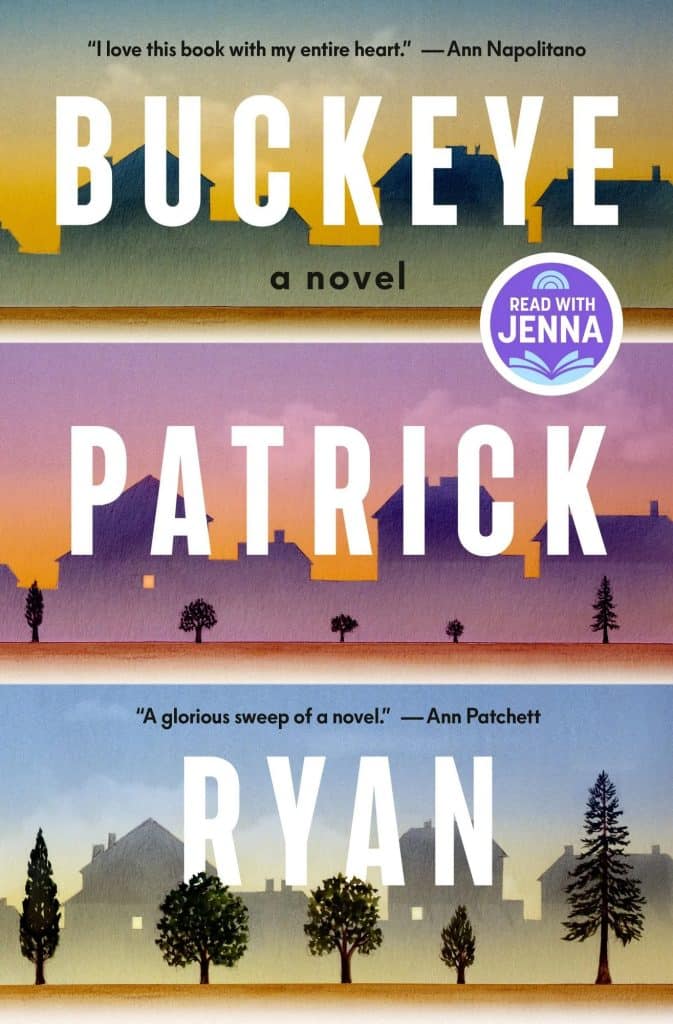
Buckeye: A Novel

by Patrick Ryan

“Buckeye: A Novel” by Patrick Ryan takes readers on a captivating journey through a single town, where the lives of two families intertwine amidst a life-altering secret. With its sweeping narrative and intimate moments, the story delves deeply into the human experience, offering rich insights and a warmth that resonates with anyone seeking love, goodness, and yearning for connection.

In Bonhomie, Ohio, a stolen moment of passion, sparked in the exuberant aftermath of the Allied victory in Europe, binds Cal Jenkins, a man wounded not in war but by his inability to serve in it, to Margaret Salt, a woman trying to obscure her past. Cal’s wife, Becky, possesses a spiritual gift: she is a seer who can conjure the dead, helping families reconnect with those they’ve lost. Margaret’s husband, Felix, is serving on a Navy cargo ship, out of harm’s way—until a telegram suggests that the unthinkable might have happened.

Later, as the country reconstructs in the postwar boom, a secret grows in Bonhomie—but nothing stays buried forever in a small town. Against the backdrop of some of the most transformative decades in modern America, the consequences of that long-ago encounter ripple through the next generation of both families, compelling them to reexamine who they thought they were and what the future might hold.


Patrick Ryan is the author of the story collections The Dream Life of Astronauts and Send Me. The Dream Life of Astronauts was named one of the Best Books of the Year by the St. Louis Times-Dispatch, Literary Hub, Refinery29, and Electric Literature, and it was also longlisted for The Story Prize.

His work has been featured in The Best American Short Stories and the anthology Tales of Two Cities, among other publications. Ryan is the former associate editor of Granta and currently serves as the editor-in-chief of One Story. He resides in New York City.


Discover your next favorite book and dive into a world of curated, exciting reads by purchasing through my links. You’ll have access to a diverse selection of books that I’ve personally vetted to ensure quality and enjoyment. Additionally, by supporting these selections, you’ll help me continue to provide you with more personalized recommendations. I earn a small commission from your purchase, which allows me to buy and share even more books with you. Your support truly makes a difference!


×
Tell Me Everything: A Novel

Read: January 2025

Get this book

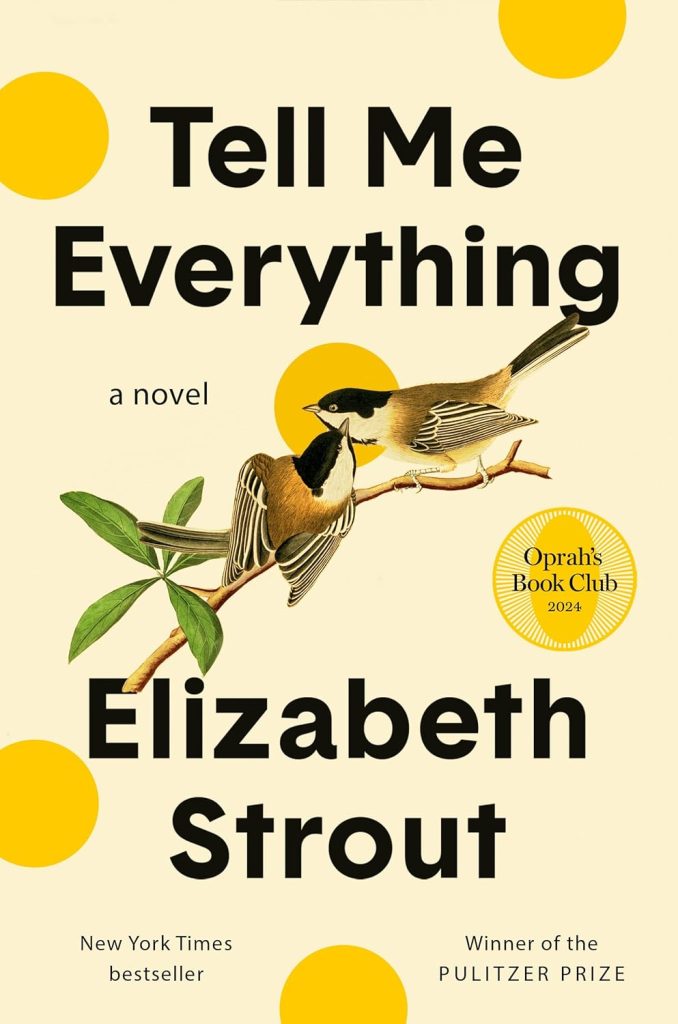
Tell Me Everything: A Novel

by Elizabeth Strout

Today, I dived into “Tell Me Everything: A Novel” by Elizabeth Strout, and I’m already captivated. This book made it onto NPR’s best books list for 2024 and caught the eye of Oprah’s Book Club—no small feat! Strout writes with such empathy and emotional depth that it reflects her incredible talent. Lucy beautifully captures this sentiment by stating, “Love comes in many different forms, but it is always love.”

With her profound understanding of the human condition and silences that convey deep emotions, Elizabeth Strout returns to the town of Crosby, Maine, reuniting with her beloved characters—Lucy Barton, Olive Kitteridge, Bob Burgess, and others—as they confront a shocking crime, navigate love while choosing to remain apart, and ponder the question, as Lucy Barton puts it, “What does anyone’s life mean?”

It’s autumn in Maine, and the town lawyer, Bob Burgess, finds himself entangled in a murder investigation, defending a lonely, isolated man accused of killing his mother. He has also developed a deep and abiding friendship with the acclaimed writer Lucy Barton, who lives nearby in a house by the sea with her ex-husband, William.

Lucy and Bob take walks and discuss their lives, fears, regrets, and what could have been. Meanwhile, Lucy is finally introduced to the iconic Olive Kitteridge, who now resides in a retirement community on the outskirts of town. They spend afternoons in Olive’s apartment, sharing stories about people they have known—what Olive calls “unrecorded lives,” which reanimate their experiences and imbue their lives with meaning.


When you purchase a book through one of my links, I earn a small commission that helps support my passion for reading. This contribution allows me to buy even more books to share with you, creating an incredible cycle of discovering great reads together! Your support truly makes a difference!


×
How the Word is Passed

Read: December 2021

Get this book

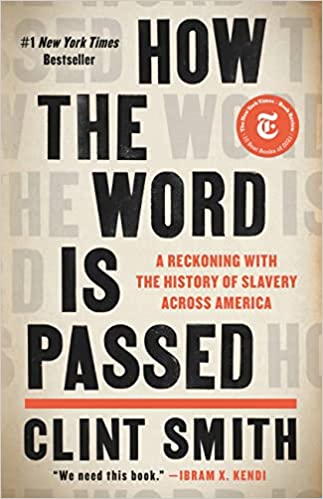
How the Word Is Passed: A Reckoning with the History of Slavery Across America

by Clint Smith

How the Word Is Passed: A Reckoning with the History of Slavery Across America by Clint Smith. This book was a gift from my son Jon. The New York Times selected How the Word is Passed as one of the best books published this year. Beginning in his hometown of New Orleans, Clint Smith leads the reader on an unforgettable tour of monuments and landmarks—those that are honest about the past and those that are not—that offer an intergenerational story of how slavery has been central in shaping our nation’s collective history, and ourselves.

How the Word is Passed is one of the best books I have read in 2021. I had read an excerpt in The Atlantic on the Whitney Plantation, one of the only former plantations devoted to preserving the experience of the enslaved people whose lives and work sustained it. Like most of us, I had placed the book on my to-read list, where it remained lost in the cobwebs. Fortunately, my son Jon purchased the book for me.

Secondly, the book rekindled my long-lost dream of being an American Studies professor. As soon as Jan and I met, I dropped plans to leave Brooklyn and start graduate school in the fall of 1974. I made that decision primarily because of how much I loved Jan. But it was also partly that I did not have a clear vision of what my life would be like as a professor. The book provided clear examples of people like Yvonne Holden at The Whitney Plantation redefining history to be more accurate and inclusive. I probably could not have done as well as she did, but I can now see that it might have resulted in a career for me that could have been impactful.

Goodreads provides this overview for those who still need to be convinced to read this book.

It is the story of the Monticello Plantation in Virginia, the estate where Thomas Jefferson wrote letters espousing the urgent need for liberty while enslaving over 400 people on the premises. It is the story of the Whitney Plantation, one of the only former plantations devoted to preserving the experience of the enslaved people whose lives and work sustained it. It is the story of Angola Prison in Louisiana, a former plantation named for the country from which most of its enslaved people arrived and which has since become one of the most gruesome maximum-security prisons in the world. And it is the story of Blandford Cemetery, the final resting place of tens of thousands of Confederate soldiers.

In a deeply researched and transporting exploration of the legacy of slavery and its imprint on centuries of American history, How the Word Is Passed illustrates how some of our country’s most essential stories are hidden in plain view-whether in places we might drive by on our way to work, holidays such as Juneteenth, or entire neighborhoods—like downtown Manhattan—on which the brutal history of the trade in enslaved men, women and children has been deeply imprinted.

Informed by scholarship and brought alive by the story of people living today, Clint Smith’s debut work of nonfiction is a landmark work of reflection and insight that offers a new understanding of the hopeful role that memory and history can play in understanding our country.

How the Word is Passed is one of the best books I have read this year and many prior ones. I encourage you to read it and share your comments.

Subscribe

Contact Us

When you buy a book or product using a link on this page, I receive a commission. Thank you for supporting Sharing Jan’s Love blog.

×
Clear: A Novel

Read: April 2024

Get this book

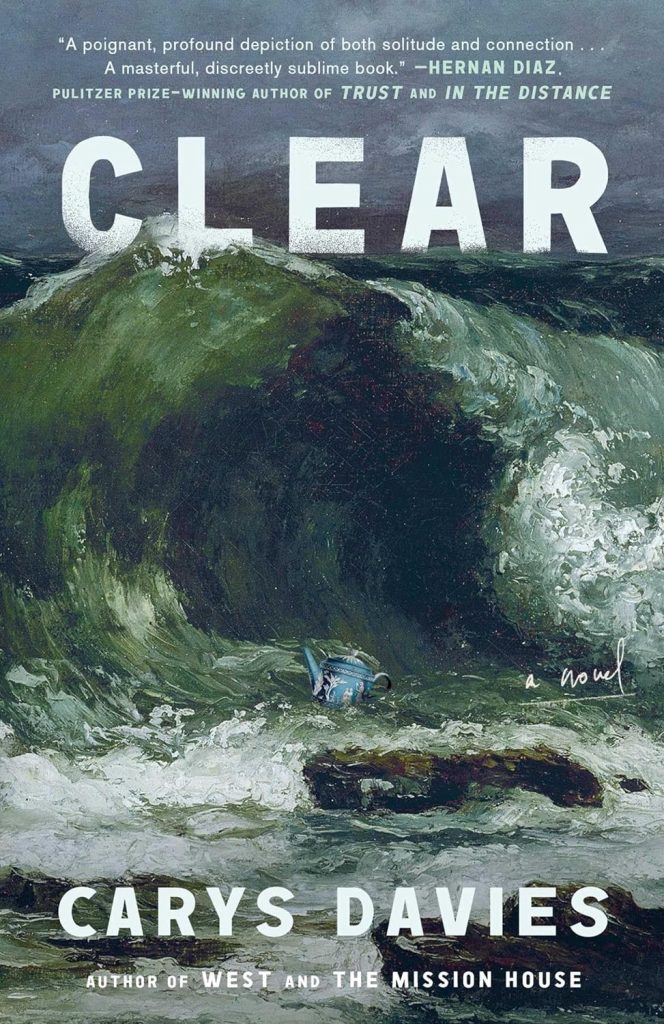
Clear: A Novel

by Carys Davies

Today, I started reading “Clear: A Novel” by Carys Davies. It’s a stunning and exquisite novel written by an award-winning author. The story follows John, a Scottish minister who is sent to a remote island off the coast of Scotland to evict the last remaining inhabitant, Ivar. However, Ivar is unwilling to leave, and John’s wife, Mary, has severe misgivings about the task.

Shortly after arriving on the island, John falls off a cliff and is badly injured. Ivar finds him and takes him home, where he tends to his wounds. John and Ivar understand each other despite the language barrier and the fragile connection that forms.

The story takes place in the 1840s, during the Scottish Clearances, a period of forced evictions that saw many rural communities lose their homes. The novel explores the differences and connections between people, the impact of history on our beliefs, and the resilience of the human spirit.

“Clear” is a moving, unpredictable, sensitive, and spellbinding novel. It is a profound and pleasurable read that will stay with you long after you finish the last page.

×
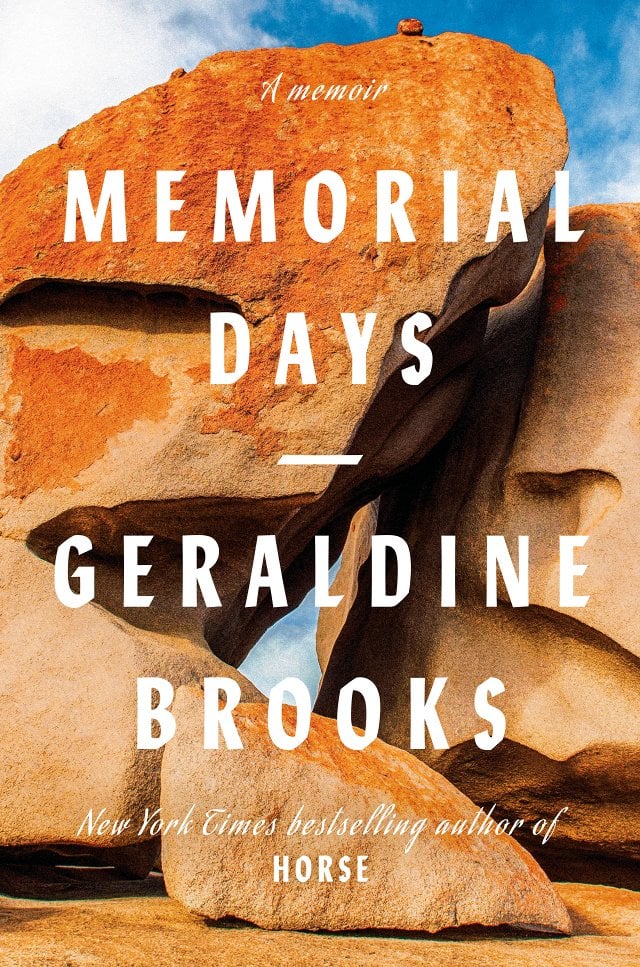
Memorial Days: A Memoi

Read: March 2025

Get this book

Memorial Days: A Memoir

by Geraldine Brooks

Today, I started reading “Memorial Days: A Memoir” by Geraldine Brooks, the bestselling Pulitzer Prize-winning author of “Horse”. In this poignant and beautifully written memoir, she explores sudden loss and the journey toward healing. Why do I choose to read novels and memoirs about loss and grief? Perhaps it’s because, as Martín Prechtel wrote in his book “The Smell of Rain on Dust”, “Grief is praise because it is the natural way love honors what it misses.”

Many cultural and religious traditions expect grieving people to withdraw from the world. In modern life, we frequently encounter bureaucratic obstacles and lengthy to-do lists. This is precisely what happened to Geraldine Brooks when her partner of more than thirty years, Tony Horwitz—just sixty years old and, to her knowledge, vigorous and healthy—collapsed and died on a sidewalk in Washington, D.C.

After spending their early years together in conflict zones as foreign correspondents, Geraldine and Tony settled down to raise two sons on Martha’s Vineyard. They lived a fulfilling life filled with meaningful work, good humor, and tenderness. Geraldine and Tony spent their days writing and evenings cooking family dinners or enjoying sunsets with friends at the beach. Their peaceful existence abruptly ended on Memorial Day 2019 when Geraldine received the dreaded phone call we all fear. The demands of life became immediate and overwhelming, leaving little room for grief. The sudden loss created a profound void in their lives.

Three years later, she booked a flight to a remote island off the coast of Australia to give herself the time to mourn finally. She often spent days alone in a shack on the pristine, rugged coast without seeing another person. It was a space for her to reflect on the various ways cultures grieve and consider which rituals might help her rebuild her life in the wake of Tony’s death.

“Memorial Days,” a spare and profoundly moving memoir, portrays a larger-than-life man and the timeless love between two souls. It exquisitely captures the joy, agony, and mystery of life.


Geraldine Brooks is the author of six novels, including “Horse,” “People of the Book,” “Year of Wonders,” and the Pulitzer Prize-winning “March.” She has also written acclaimed nonfiction works, including “Nine Parts of Desire” and “Foreign Correspondence.” Her books have been translated into more than thirty languages and have sold millions of copies worldwide. Born and raised in Australia, Brooks now divides her time between Sydney and Martha’s Vineyard.


My journey through grief has significantly helped me grow as a person by focusing on conscientious resilience. I make it a point to read and walk daily, engage in worship, and actively participate as a volunteer and a good neighbor in my community. Fourteen hundred days ago, I wasn’t sure if I could continue living or how to move forward. However, by concentrating on strengthening my resilience, I now lead a life filled with meaning and purpose. I choose to look back not on what I lost but on what I have gained.

As my friend Danny said nearly a year ago, “You are an incredible person! You are a new person! A better person! Although Jan is not here physically, she has done so much for you!

My Rabbi, Rav Uri, echoed similar sentiments during his remarks when I received the Rev. Dr. Martin Luther King, Jr. Distinguished Service Award. If their beliefs are true, much of my progress directly results from my conscientious resilience!


When you purchase a book through one of my links, I earn a small commission that helps support my passion for reading. This contribution allows me to buy even more books to share with you, creating an incredible cycle of discovering great reads together! Your support truly makes a difference!


×
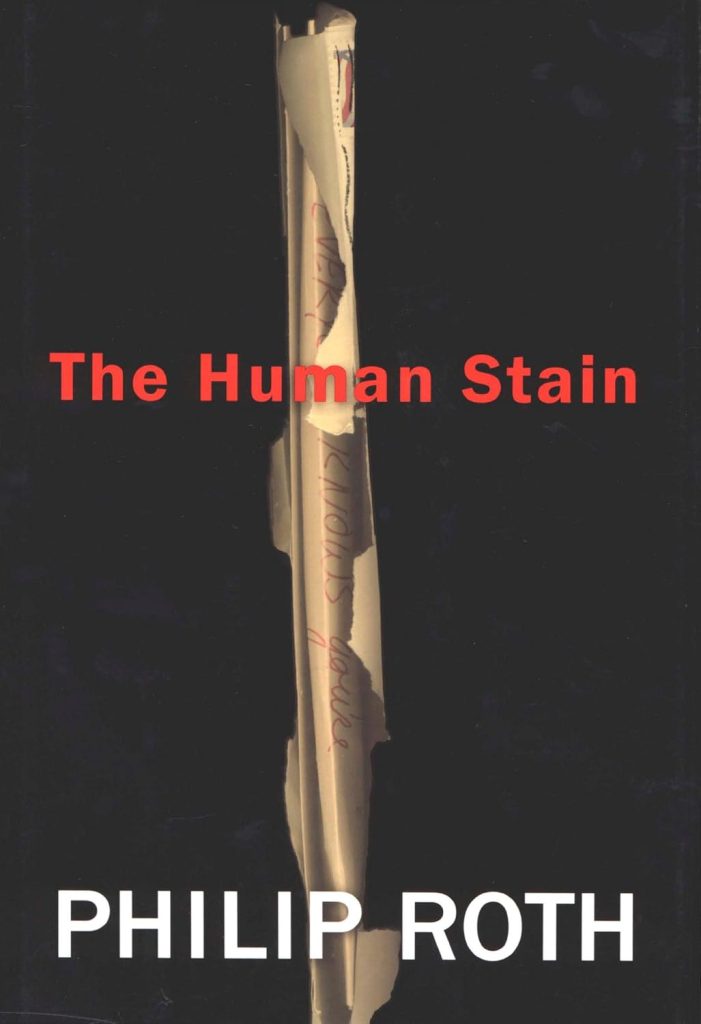
The Human Stain: A Novel

Read: September 2024

Get this book

The Human Stain: A Novel

by Philip Roth

Today, I started reading The Human Stain: A Novel by Philip Roth. This book is considered a masterpiece and has earned its place among The New York Times’ 100 Best Books of the 21st Century. The story takes place in 1998, a significant year marked by a presidential impeachment that affected the entire nation. In a peaceful New England town, the respected classics professor Coleman Silk is forced into retirement due to false accusations of racism by his colleagues.

This accusation triggers a series of events that bring to light shocking revelations about Coleman, revelations that carry a profound societal significance. Coleman Silk harbors a secret, a secret that is not about his affair with Faunia Farley, a woman half his age with a troubled past, or the alleged racism that led to his downfall at the college where he was once a respected dean. It’s not even about misogyny, despite Professor Delphine Roux’s attempts to portray him as such. Coleman’s true secret, a secret he has guarded for fifty years from everyone in his life, including his wife, children, colleagues, and friends, is a defining aspect of his character and his relationships.

The Human Stain is a compelling portrayal of 1990s America, a time of clashing moralities and ideological divisions. Through public denunciations and rituals of purification, it delves into how the nation’s destiny and the ‘human stain’ that marks human nature shape the lives of postwar Americans. This potent and captivating novel is a fitting continuation of Philip Roth‘s earlier works, each set in a distinct historical period.

×