
2025 Favorite Non-Fiction
My five favorite non-fiction books of 2025.
by Eli Sharabi
In a raw and unflinching memoir, Eli Sharabi, a survivor of 491 days in Hamas captivity, recounts his harrowing ordeal in “Hostage: A Memoir.” He was abducted from Kibbutz Be’eri on October 7, 2023. In this powerful narrative, he shares the profound loss of his wife and daughters along with his unwavering determination to survive. Comparisons can be drawn to Elie Wiesel‘s “Night” and Laura Hillenbrand‘s “Unbroken.” “Hostage” stands as a significant testimony to history, ensuring that his experience will neither be forgotten nor erased.
“I refuse to let myself drown in pain. I am surviving. I am a hostage in the heart of Gaza, a stranger in this unfamiliar land, living with a family that supports Hamas. And I am getting out of here. I have to. I’m getting out of here. I’m coming home.” — Eli Sharabi.
On October 7, 2023, Hamas terrorists stormed Kibbutz Be’eri, shattering the peaceful life Eli Sharabi had built with his British wife, Lianne, and their teenage daughters, Noiya and Yahel. Dragged barefoot out his front door while his family watched in horror, Sharabi was plunged deep into the suffocating darkness of Gaza’s tunnels. As war raged above him, he endured a grueling 491 days in captivity, all the while holding onto the hope that he would one day be reunited with his loved ones.
Eli Sharabi‘s story is one of hunger and heartache, of physical pain, longing, loneliness, and a helplessness that threatens to destroy the soul. But it is also a story of strength, of resilience, and of the human spirit’s refusal to surrender. It is about the camaraderie forged in captivity, the quiet power of faith, and one man’s unrelenting decision to choose life, time and time again.
In the first memoir by a released Israeli hostage, and the fastest-selling book in Israel’s history, Sharabi offers a searing firsthand account of survival under unimaginable conditions—starvation, isolation, physical beatings, and psychological abuse at the hands of his captors.
Franklin Foer‘s essay –The Existential Heroism of the Israeli Hostages – was written about Hostage. His closing paragraph eloquently summarizes how hope can persist even in our darkest days.
“This weekend, on the cusp of the release of the last 20 living hostages in Gaza, Donald Trump’s son-in-law Jared Kushner stood in the plaza in front of the Tel Aviv Museum of Art, dubbed Hostages Square, to address a jubilant throng. He called the hostages’ release the end of a nightmare. In reality, the nightmare never ends; trauma that endures for generations is the surest outcome of this war. But we also know that the hostages are going home, living proof that hope can persist even in the darkest hole.”
Eli Sharabi is a former hostage who survived 491 days in Hamas captivity after being abducted from Kibbutz Be’eri on October 7, 2023. Since his release, Sharabi has become a global advocate for the remaining hostages. He has met with world leaders, including former US President Donald Trump, spoken at the United Nations, and shared his story with audiences around the world. His memoir, *Hostage*, which is the first published account by a released Israeli hostage, quickly became a number one bestseller in Hebrew and the fastest-selling book in Israeli history.
Born in Tel Aviv to Yemenite and Moroccan parents, Sharabi moved to Be’er Sheva as a teenager. He later married Lianne, a British woman, and they have two daughters, Noiya and Yahel, aged sixteen and thirteen. A longtime resident of Be’eri, Sharabi worked as the Kibbutz’s business manager and served as the Chief Financial Officer for Be’eri Printing and other private companies in Israel. He continues to work tirelessly as a leader in the campaign for the release of captives.
Discover your next favorite book and dive into a world of curated, exciting reads by purchasing through my links. You’ll have access to a diverse selection of books that I’ve personally vetted to ensure quality and enjoyment. Additionally, by supporting these selections, you’ll help me continue to provide you with more personalized recommendations. I earn a small commission from your purchase, which allows me to buy and share even more books with you. Your support truly makes a difference!
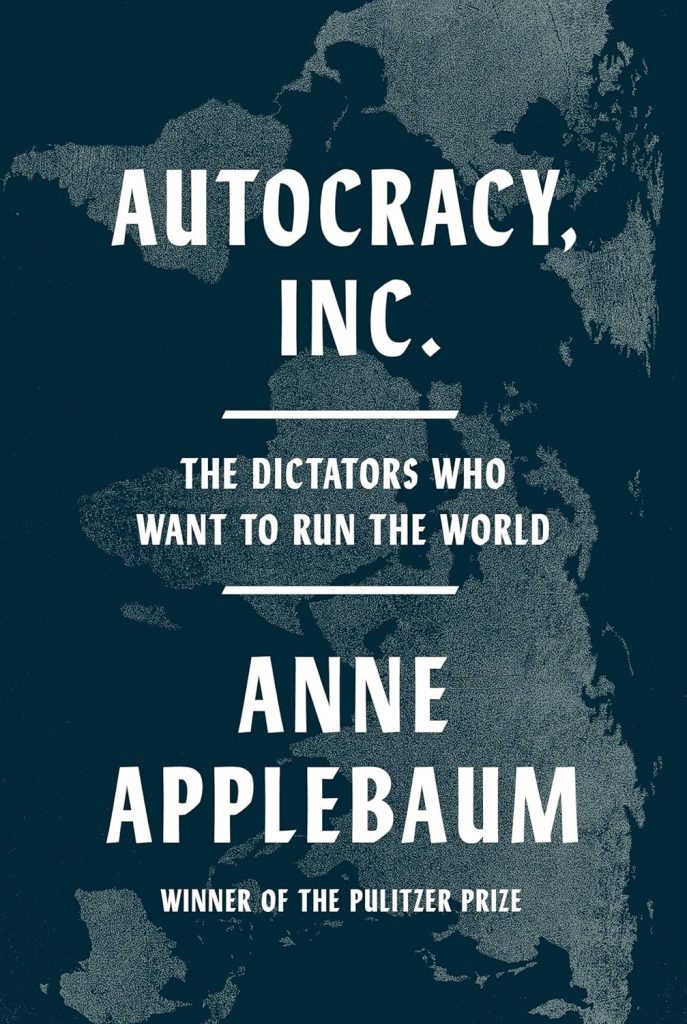
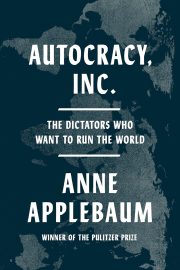
by Anne Applebaum
Today, I plunged into the captivating world of “Autocracy, Inc.: The Dictators Who Want to Run the World” by Anne Applebaum. I listened to an engaging discussion between her and the Executive Director of the YIVO Institute for Jewish Research, Jonathan Brent. Their insights left me eager for more, and I couldn’t resist making this book my next read. I’m thrilled to dive deeper into her thought-provoking perspective!
This compelling New York Times bestseller by the Pulitzer Prize-winning author paints a chilling picture of how autocratic regimes join forces to erode democracy globally. Applebaum sheds light on this pressing issue and offers insights on how we can unite to fight back.
We think we know what an autocratic state looks like: An all-powerful leader is at the top. He controls the police. The police threaten the people with violence. There are evil collaborators and maybe some brave dissidents.
But in the 21st century, that bears little resemblance to reality. Nowadays, autocracies are underpinned not by one dictator but by sophisticated networks composed of kleptocratic financial structures, surveillance technologies, and professional propagandists, all of which operate across multiple regimes, from China to Russia to Iran. Corrupt companies in one country do business with corrupt companies in another. The police in one country can arm and train the police in another, and propagandists share resources and themes, pounding home the same messages about the weakness of democracy and the evil of America.
International condemnation and economic sanctions cannot move the autocrats. Even popular opposition movements, from Venezuela to Hong Kong to Moscow, don’t stand a chance. The members of Autocracy, Inc. aren’t linked by a unifying ideology, like communism, but rather by a common desire for power, wealth, and impunity. In this urgent treatise, which evokes George Kennan’s essay calling for “containment” of the Soviet Union, Anne Applebaum calls for the democracies to reorient their policies to fight a new threat fundamentally.
There is no liberal world order anymore, and the aspiration to create one no longer seems real. But there are liberal societies, open and free countries that offer a better chance for people to live useful lives than closed dictatorships do. They are hardly perfect. Those that exist have deep flaws, profound divisions, and terrible historical scars. But that’s all the more reason to defend and protect them. So few of them have existed across human history; so many have existed for a short time and then failed. They can be destroyed from the outside and from the inside, too, by division and demagogues. Or they can be saved. But only if those of us who live in them are willing to make the effort to save them.
After finishing Autocracy, Inc.: The Dictators Who Want to Run the World,” this closing paragraph should be a call to action. Failure to respond to the challenge will doom our future to an unacceptable one. I recommend this book and encourage people to read it, discuss its contents, and take action to save our collective future.
When you purchase a book through one of my links, I earn a small commission that helps support my passion for reading. This contribution allows me to buy even more books to share with you, creating an incredible cycle of discovering great reads together! Your support truly makes a difference!
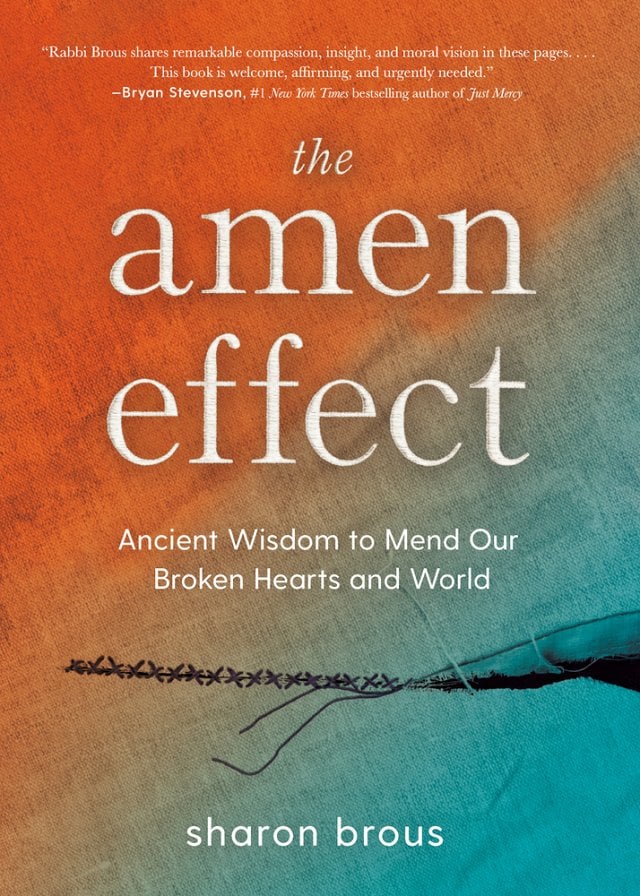
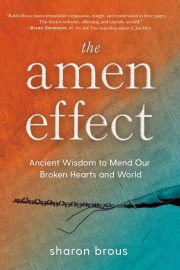
by Sharon Brous
Sharon Brous, a prominent American rabbi, argues in The Amen Effect: Ancient Wisdom to Heal Our Hearts and Mend Our Broken World that the essential spiritual work of our time—though instinctual and often countercultural—focuses on connecting through celebration, sorrow, and solidarity. We must support one another in times of joy and pain, embracing vulnerability and possibility, nurturing relationships with shared purposes, and creating communities centered on care.
From one of our country’s most prominent rabbis comes this inspiring book about the power of community, based on one of her most impactful sermons. What will it take to mend our broken hearts and rebuild our society in a time of loneliness, isolation, social rupture, and alienation?
Brous contends that honoring our most basic human instinct—the yearning for authentic connection—is the way to reawaken our shared humanity and begin the healing process. This kind of sacred presence is captured by the word amen, a powerful ancient idea that we affirm the fullness of one another’s experience by demonstrating, in body and word: “I see you. You are not alone.”
An acclaimed preacher and storyteller, Brous pairs heart-driven anecdotes from her experience building and pastoring to a leading-edge faith community over the past two decades with ancient Jewish wisdom and contemporary science. The result is a clarion call: the sense of belonging engendered by our genuine presence is both a social and biological need, as well as a moral and spiritual necessity.
With original insights and practical tools, The Amen Effect translates foundational ideas into simple practices that connect us to our better angels, offering a blueprint for a more meaningful life and a more connected and caring world.
As she writes in the preface, after listing the joys and pains of life, weddings, births, and death,
It’s in these times that I feel the weight of the work, the privilege of being alive, the blessing of being so close to such raw beauty and pain. It’s there that I have learned the power of saying ‘Amen‘ to one another’s grief and joy, sorrow and celebration with our very presence. Of bearing witness to profound suffering and protesting injustice with our very presence. Of comforting and consoling, surviving and thriving with our very presence. What I’ve learned, during the years, is the meaning of sacred companionship. I have seen, in ways subtle and pronounced, a longing to connect with others who can help hold the pain, a need to share what we’ve learned in the trenches, and a desire to give, even when we ourselves have barely caught our breath. And I have seen how knowing that we’re not alone can both heighten our joy and help us endure unimaginable hardship.
Click here to read about my experience listening to Rabbi Brous at the Kol Tzedek Speakers Series at Temple Emanu-El in Westfield.
Sharon Brous is the senior and founding rabbi of IKAR, a leading-edge Jewish community based in Los Angeles, and the author of The Amen Effect: Ancient Wisdom to Heal Our Hearts and Mend Our Broken World, a national bestseller.
In 2013, Brous blessed President Obama and Vice President Biden at the Inaugural National Prayer Service, and in 2021, returned to bless President Biden and Vice President Harris and then led the White House Passover Seder 2021 and the Hanukkah candle lighting with the Vice President and Second Gentleman in 2023. She was ranked as the number one most influential Rabbi in America by Newsweek/The Daily Beast. She has also been recognized by The Forward and the Jerusalem Post as one of the most influential Jews alive today. Her work has appeared in prominent publications, including The New York Times, The Los Angeles Times, and The Washington Post. Additionally, her TED talk, “Reclaiming Religion,” has been viewed by over 1.5 million people.
Brous is part of the inaugural cohort of Auburn Seminary’s Senior Fellows program, which brings together top faith leaders working on the frontlines for justice. She sits on the faculty of REBOOT and serves on the International Council of the New Israel Fund, as well as the national steering committee for the Poor People’s Campaign.
A Columbia University graduate (holding both undergraduate and M.A. degrees in Human Rights), she was ordained by the Jewish Theological Seminary and resides in Los Angeles with her husband and children.
When you purchase a book through one of my links, I earn a small commission that helps support my passion for reading. This contribution allows me to buy even more books to share with you, creating an incredible cycle of discovering great reads together! Your support truly makes a difference!
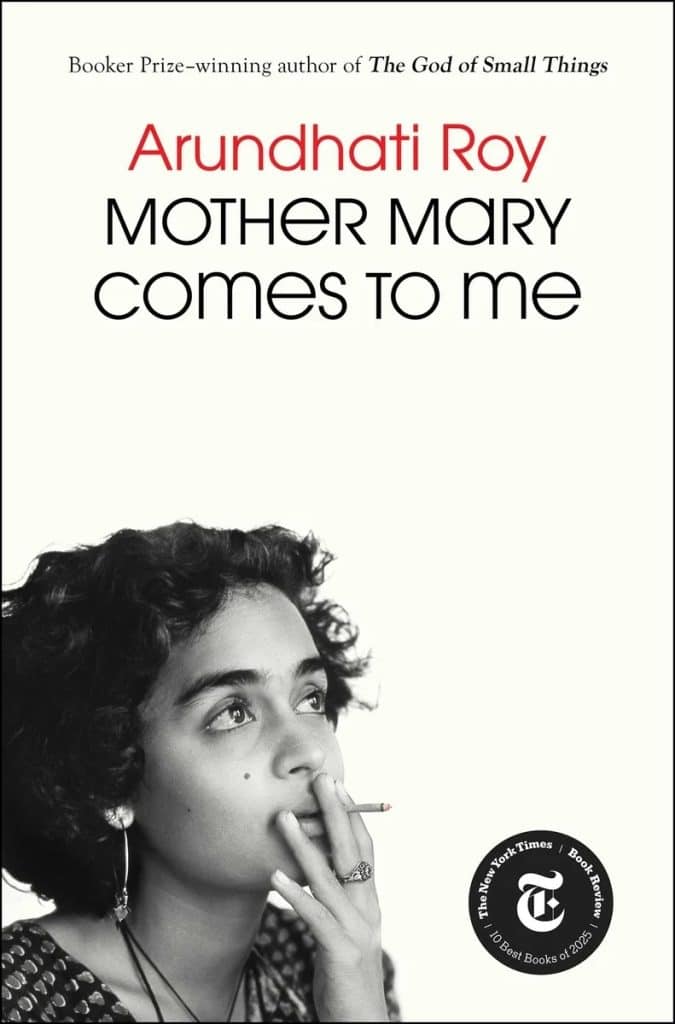
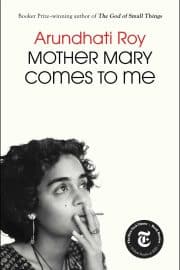
by Arundhati Roy
“Mother Mary Comes to Me,” Arundhati Roy‘s first memoir, is an intimate and inspiring account of how she became the person and writer she is today. It explores how her life was shaped by various circumstances, particularly her complex relationship with her extraordinary mother, whom she describes as “my shelter and my storm.” The book has been named one of the New York Times Book Review’s Top Ten Books of 2025 and is a finalist for the Kirkus Prize.
Devastated by her mother Mary’s death in September 2022, Roy experienced a mix of confusion and shame over the depth of her emotions. She began writing to understand her feelings for the mother she had distanced herself from at eighteen, not out of a lack of love, but to preserve her ability to love her. Her writing marks the beginning of an astonishing, often disturbing, and surprisingly humorous memoir that chronicles the author’s journey from her childhood in Kerala, India, where her single mother founded a school, to her accomplishments as a prize-winning novelist and essayist, and continues to the present day.
With the scope, richness, and emotional depth characteristic of her novels, “The God of Small Things” and “The Ministry of Utmost Happiness“, as well as the passion, political insight, and warmth found in her essays, “Mother Mary Comes to Me” serves as an ode to freedom and a tribute to complicated love and fierce grace—a memoir unlike any other.
Arundhati Roy is the author of “The God of Small Things,” which won the Booker Prize in 1997, and “The Ministry of Utmost Happiness,” a novel translated into more than 40 languages and longlisted for the Man Booker Prize in 2017. Roy has also published several nonfiction works, including “The End of Imagination,” “The Doctor and the Saint,” “My Seditious Heart,” and “Azadi.” In 2023, she received the prestigious European Essay Prize for lifetime achievement, and in 2024, she received the PEN Pinter Prize for telling “urgent stories of injustice with wit and beauty.” She resides in Delhi.
Discover your next favorite book and dive into a world of curated, exciting reads by purchasing through my links. You’ll have access to a diverse selection of books that I’ve personally vetted to ensure quality and enjoyment. Additionally, by supporting these selections, you’ll help me continue to provide you with more personalized recommendations. I earn a small commission from your purchase, which allows me to buy and share even more books with you. Your support truly makes a difference!
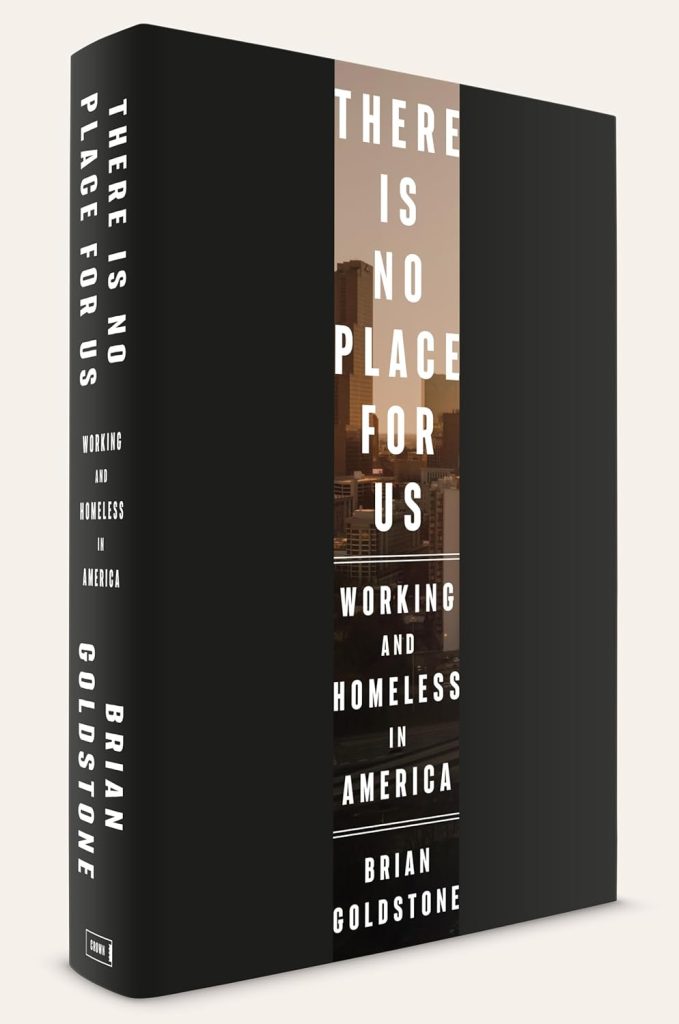
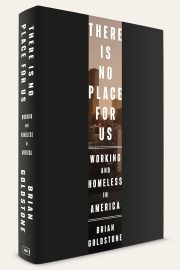
by Brian Goldstone
Today, I delved into There Is No Place for Us by Brian Goldstone, a poignant exploration of America’s escalating homelessness crisis. Goldstone’s examination of the issue’s scale, root causes, and consequences is a wake-up call, passionately arguing that housing must be recognized as a fundamental human right. His compelling narrative demands our immediate attention and action.
The phrase “the working homeless” serves as a stark reminder of the urgency of America’s homelessness crisis. In a country where hard work and determination are expected to lead to success, it is scandalous that individuals with full-time jobs struggle to maintain stable housing. Rising rents, low wages, and insufficient tenant rights have contributed to this alarming trend. Families are facing homelessness not due to a failing economy but because of a thriving one.
In his compelling and thoroughly researched book, Brian Goldstone explores the lives of five families in Atlanta. Maurice and Natalia attempt to rebuild their lives in the country’s “Black Mecca” after being priced out of Washington, D.C. Kara aspires to become an entrepreneur while working at a public hospital. Britt has secured a much-coveted housing voucher. Michelle is studying to become a social worker. Celeste works tirelessly at her warehouse job while battling ovarian cancer. Each of these individuals strives to provide a decent life for their children. Yet, one by one, they find themselves among the nation’s working homeless, demonstrating their resilience and the system’s failures.
Through intimate, novelistic portrayals, Goldstone exposes the human cost of this crisis, following parents and their children as they sleep in cars or squalid extended-stay hotel rooms, then head to their jobs and schools the next day. These are the nation’s hidden homeless—people often omitted from official statistics—showing that overflowing shelters and street encampments represent only the most visible aspects of a much larger problem.
Brian Goldstone is a journalist whose long-form reporting and essays have appeared in The New York Times, Harper’s Magazine, The New Republic, The California Sunday Magazine, and Jacobin, among other publications. He has a PhD in anthropology from Duke University and was a Mellon Research Fellow at Columbia University. In 2021, he was a National Fellow at New America. He lives in Atlanta with his family.
When you purchase a book through one of my links, I earn a small commission that helps support my passion for reading. This contribution allows me to buy even more books to share with you, creating an incredible cycle of discovering great reads together! Your support truly makes a difference!
Enjoy a limited-time offer of 20% off your next book purchase at Bookshop.org!
Subscribe to Sharing Jan's Love Newsletter!
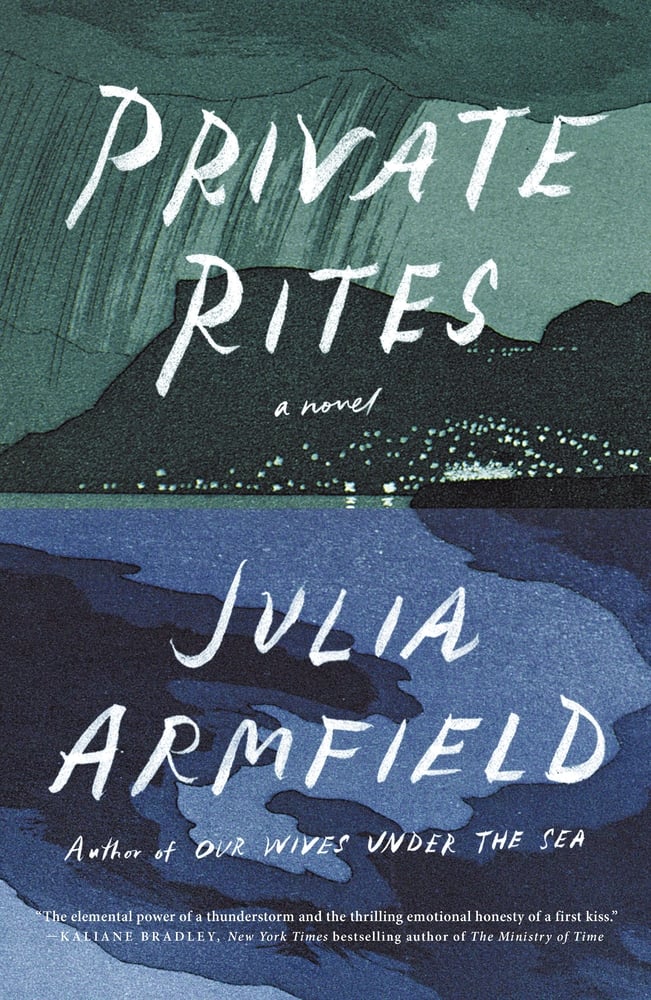
by Julia Armfield
From Julia Armfield, the beloved and award-winning author of Our Wives Under the Sea, comes a speculative reimagining of King Lear. Private Rites centers on three sisters navigating queer love and loss in a world that is drowning. It has been raining for so long that the landscape has reshaped itself, and old rituals and religions are beginning to resurface. Sisters Isla, Irene, and Agnes have not spoken to each other in some time.
However, when their father—an architect who was both cruel and revered—passes away, their lives are forever changed. His death offers the sisters an opportunity to come together in a new way. In the grand glass house they grew up in, their father’s most famous creation, the sisters sort through the secrets and memories he left behind, until a revelation in his will shatters their fragile bond.
The sisters are more estranged than ever, and their lives spin out of control: Irene’s relationship is straining at the seams, Isla’s ex-wife keeps calling, and cynical Agnes is falling in love for the first time. But something even more sinister might be unfolding, something related to their mother’s long-ago disappearance and the strangers who have always seemed unusually interested in the sisters’ lives. Soon, it becomes clear that the sisters were chosen for a very particular purpose, one with shattering implications for their family and their imperiled world.
Julia Armfield is the author of the novels Private Rites and Our Wives Under the Sea, which was a finalist for the Lambda Literary Award and the 2022 Goodreads Choice Award for Best Horror and Best Debut Novel, and the story collection salt slow. Her work has appeared in Granta, Lighthouse, Analog Magazine, Neon, and Best British Short Stories 2019 and 2021. She is the winner of the White Review Short Story Prize and a Pushcart Prize, and shortlisted for the Sunday Times Young Writer of the Year Awards in 2019. She lives and works in London.
Discover your next favorite book and dive into a world of curated, exciting reads by purchasing through my links. You’ll have access to a diverse selection of books I’ve personally vetted for quality and enjoyment. Additionally, by supporting these selections, you’ll help me continue to provide you with more personalized recommendations. I earn a small commission from your purchase, which allows me to buy and share even more books with you. Your support truly makes a difference!
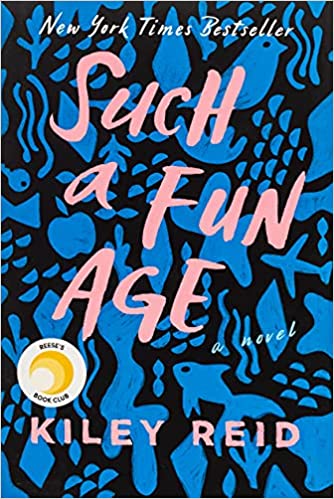
by Kiley Reid
Such a Fun Age by Kiley Reid. Although many reviewers highly rated this book, I was unsure it was the book for me. However, once I started reading, I could not stop. It is “a striking and surprising debut novel from a compelling new voice. Such a Fun Age is a big-hearted story about race and privilege, set around a young Black babysitter, her well-intentioned employer, and a surprising connection that threatens to undo them both.
Alix Chamberlain is a woman who gets what she wants and has made a living with her confidence-driven brand, showing other women how to do the same. So she is shocked when her babysitter, Emira Tucker, is confronted while watching the Chamberlains’ toddler one night, walking the aisles of their local high-end supermarket. The store’s security guard, seeing a young Black woman out late with a White child, accuses Emira of kidnapping two-year-old Briar. A small crowd gathers, a bystander films everything, and Emira is furious and humiliated. Alix resolves to make things right.
But Emira herself is aimless, broke, and wary of Alix’s desire to help. At 25, she is about to lose her health insurance and has no idea what to do with her life. When the video of Emira unearths someone from Alix’s past, both women find themselves on a crash course that will upend everything they think they know about themselves and each other.
With empathy and piercing social commentary, Such a Fun Ageexplores the stickiness of transactional relationships, what it means to make someone “family”, and the complicated reality of being a grown-up. It is a searing debut for our times.
When race and privilege are paramount issues, this book is a first step to understanding the intersectionality of the issues and addressing them. I recommend this book with our reservation.
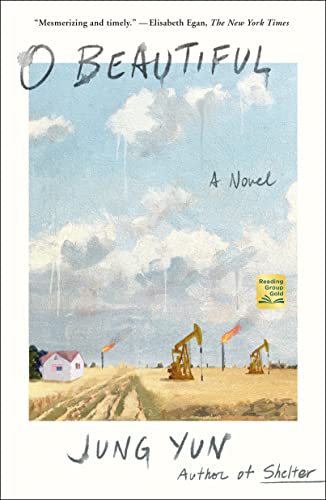
by Jung Yun
O Beautiful: A Novel by Jung Yun, the critically acclaimed author of Shelter, has written an unflinching portrayal of a woman trying to come to terms with the ghosts of her past and the tortured realities of a deeply divided America. With spare and graceful prose, O Beautiful presents an immersive portrait of a community rife with tensions, competing interests, and one woman’s attempts to reconcile her anger with her love of beautiful but troubled land. I highly recommend O Beautiful!
I finished reading O Beautiful on International Women’s Day. It might have been coincidental, but in my humble opinion, it was the perfect book to read on this important day. Ms. Yun has written a novel that touches on the intersectionality of the core issues of our divided land. The misogyny, the racism, and the impact of capitalism out of control are all related and are affecting the quality of life in the early twenty-first century.
Elinor Hanson, the protagonist, is so vividly written that she jumps off the page and becomes someone we know as a family member. When she returned home to write about the Bakken oil boom in North Dakota, I felt I had known her all my life. Unfortunately, the novel ended when she finally understood the issues and was in touch with her anger. I wish it would have continued so that the problems might have been addressed. Despite this, I highly recommend this novel.
O Beautiful is the twenty-first book I have read this year! My goal was twenty-three.
The Goodreads summary provides an overview,
Elinor Hanson, a forty-something former model, struggles to reinvent herself as a freelance writer when she receives an unexpected assignment. Her mentor from grad school offers her a chance to write for a prestigious magazine about the Bakken oil boom in North Dakota.
Elinor grew up near the Bakken, raised by an overbearing father and a distant Korean mother who met and married when he was stationed overseas. After decades from home, Elinor returns to a landscape she hardly recognizes, overrun by tens of thousands of newcomers.
Surrounded by roughnecks seeking their fortunes in oil and long-time residents worried about their changing community, Elinor experiences a profound sense of alienation and grief. She rages at the unrelenting male gaze, the locals who still see her as a foreigner, and the memories of her family’s estrangement after her mother decided to escape her unhappy marriage, leaving Elinor and her sister behind.
The longer she pursues this potentially career-altering assignment, the more her past intertwines with the story she’s trying to tell, revealing disturbing new realities that will forever change her and how she looks at the world.
The Jan Lilien Education Fund sponsors ongoing sustainability and environmental awareness programs. Gifts made this month; I will match dollar-for-dollar. All donations are tax-deductible.
I receive a commission when you buy a book or product using a link on this page. Thank you for supporting Sharing Jan’s Love blog.
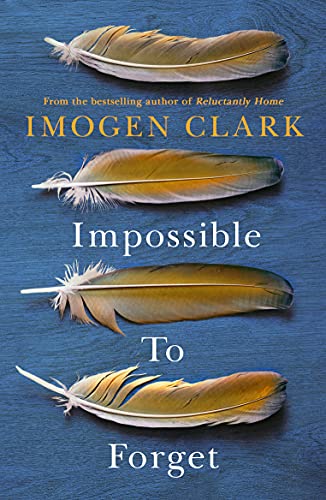
by Imogen Clark
Impossible to Forget by Imogen Clark is a poignant novel from the bestselling author of Where the Story Starts, an extraordinary final wish that brings five lives together forever.
Just turned eighteen, Romany is on the cusp of taking her first steps into adulthood when tragedy strikes, and she finds herself suddenly alone without her mother, Angie, the only parent she has ever known. In her final letter, Angie has charged her four closest friends with guiding Romany through her last year of school—but is there an ulterior motive to her unusual dying wish?
When I started reading the book’s initial chapters on Amazon, I found myself in an unexpected page-turner. I had been looking for a relaxing read and instead found a novel that is truly impossible to forget.
The book’s premise that a mother would assign her four closest friends to shared guardianship of her daughter is an unusual answer to a question that Jan and I often debated. Who would we designate to raise our children if something had happened to us? If only we could have had the imagination of Angie and her belief that this strange arrangement would be the answer.
Three of the friends were ones that Angie met at University.
The fourth guardian, Hope, a former model, is in charge of relationships. But none of the others know her or why Angie would assign her that portfolio.
I very much enjoyed reading this novel. However, despite knowing it is about Angie’s death, I did not expect to find myself weeping uncontrollably in the closing chapters as Romany grapples with the beneficial outcomes of her mum’s plans.
Goodreads provides this overview.
As the guardians reflect on their friendship with Angie, it becomes apparent that this unusual arrangement is as much about them as it is about Romany. Navigating their grief individually and as a group, what will all five of them learn about themselves, their pasts—and the woman who’s brought them all together?
I recommend this book without reservation.
Impossible to Forget is the second time I have gotten a book from Amazon First Reads. Impossible to Forget is not scheduled to be published until February 1, 2022.
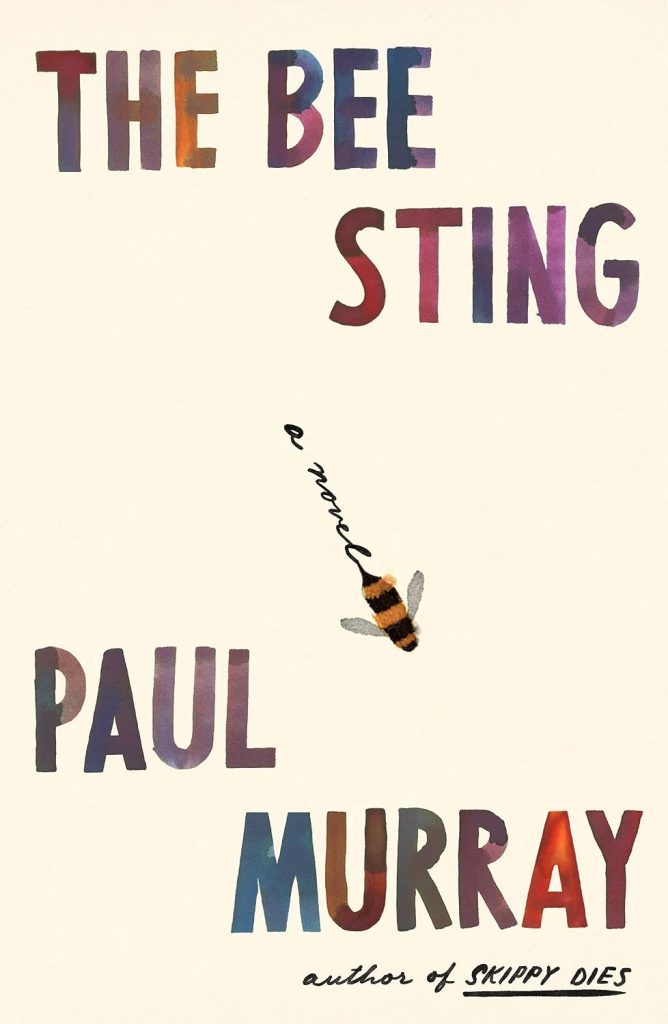
by Paul Murray
I began reading “The Bee Sting: A Novel” by Paul Murray today, the seventy-fifth book I have read this year, one more than last year. This exuberantly entertaining novel is a tour de force that portrays post-crash Ireland, a tragicomic family saga, and a dazzling story about the struggle to be good at the end of the world.
The Barnes family is in trouble, with Dickie’s once-lucrative car business going under. However, Dickie is spending his days in the woods, building an apocalypse-proof bunker with a renegade handyperson. His wife, Imelda, sells off her jewelry on eBay while trying to avoid the attention of fast-talking cattle farmer Big Mike. Meanwhile, their teenage daughter, Cass, formerly top of her class, seems determined to binge drink through her final exams. As for twelve-year-old PJ, he’s on the brink of running away.
If you were to change this story, how far back would you have to go? To the infamous bee sting that ruined Imelda’s wedding day? To the car crash one year before Cass was born? Or back to Dickie at ten years old, standing in the summer garden with his father, learning how to be a real man?
The Jan Lilien Education Fund sponsors ongoing sustainability and environmental awareness programs. Gifts made this month; I will match dollar-for-dollar. All donations are tax-deductible.
I receive a commission when you buy a book or product using a link on this page. Thank you for supporting Sharing Jan’s Love blog.
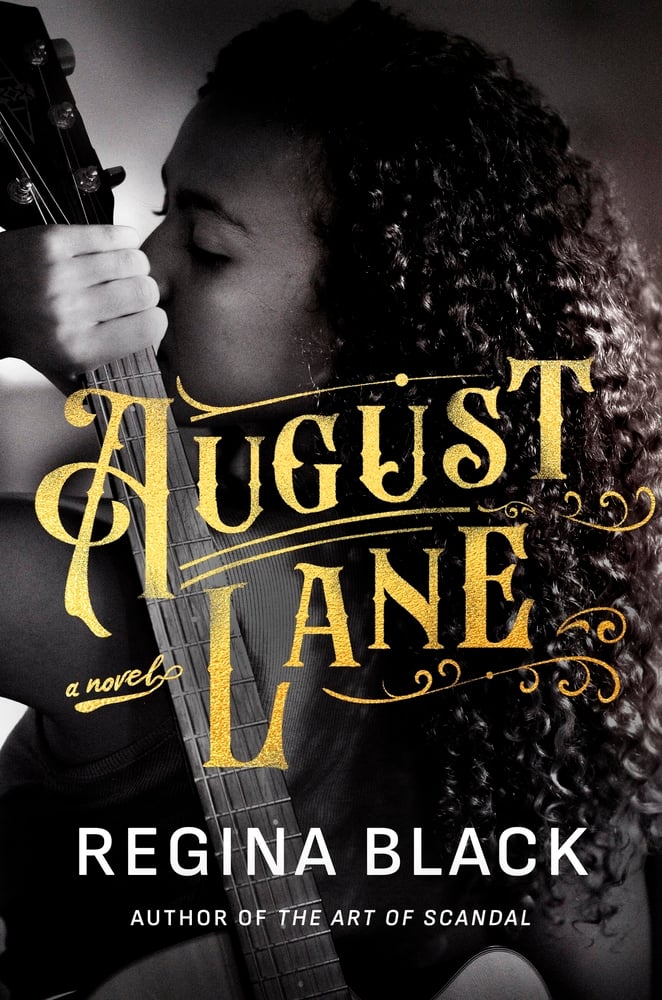
by Regina Black
“August Lane” by Regina Black is a captivating small-town romance that explores love, forgiveness, and the significance of Black women’s voices in country music. As the author of “The Art of Scandal,” Black brings her storytelling expertise to this narrative. Fans of “The Final Revival of Opal & Nev” by Dawnie Walton, which focuses on Black female empowerment, will find similar themes in “August Lane.”
Every Thursday night, former country music heartthrob Luke Randall has to sing “Another Love Song.” God, he hates that song. But performing his lone hit at an interstate motel lounge is the only regular money he still has. Following another lackluster performance at the rock bottom of his career, Luke receives the opportunity of his dreams, opening for his childhood idol–90’s era Black country music star, JoJo Lane, who’s being inducted into the Country Music Hall of Fame.
But the concert is in Arcadia, Arkansas, the small hometown he swore he’d never see again. Going back means facing a painful past of abuse and neglect. It also means facing JoJo’s daughter, August Lane — the woman who wrote the lyrics he’s always claimed as his own. This story holds personal significance for Regina Black, as it reflects her own experiences and struggles.
August also hates that song. But she hates Luke Randall even more. When he shows up ten years too late to apologize for his betrayal, she isn’t interested in making amends. Instead, she threatens to expose his lies unless he co-writes a new song with her and performs it at the concert, something she hopes will launch her out of her mother’s shadow and into a songwriting career of her own. Desperate to keep his secret, Luke agrees to put on the rogue performance, despite the risk of losing his shot at a new record deal.
When Luke’s guitar reunites with August’s soulful alto, neither can deny that the passionate bond they formed as teenagers is still there. As the concert nears, August will have to choose between an overdue public reckoning with the boy who betrayed her or trusting the man he’s become to write a different love song. This story is a testament to the transformative power of love and forgiveness, offering hope and optimism to all who read it.
Regina Black, a former civil litigator and current law school administrator, is a lifelong romance reader with a deep passion for the representation of Black women in popular culture. Her residence in Little Rock, Arkansas, with her husband and daughter, is a testament to her commitment to this cause.
When you purchase a book through one of my links, I earn a small commission that helps support my passion for reading. This contribution allows me to buy even more books to share with you, creating an incredible cycle of discovering great reads together! Your support truly makes a difference!
Enjoy a limited-time offer of 20% off your next book purchase at Bookshop.org!