
How Did I Grieve?

Estimated reading time: 12 minutes, 26 seconds
Publicly Mourning
Helped Me to Learn and Grow

It has been almost thirty-eight months since my wife passed away. Losing a loved one, particularly a spouse, is an experience no one would wish for. Atul Gawande wrote in “Being Mortal” that we have come to believe that every medical professional has a magic cure to prevent death or postpone it indefinitely. However, the truth is that death is one of the life cycle events encoded in our DNA.

When Jan, my wife, passed away, I mourned as if I was the first ever to suffer such a loss. I didn’t know if I could choose to grieve in public or private, so I decided to write about my experiences and develop habits that served as guardrails. I shared my writings on social media, attended grief support groups, and even organized a memorial service where I spoke about Jan and our life together. Looking back, I realize the importance of public mourning as it not only helps us heal but also helps others understand and cope with their grief. My journey, marked by resilience and growth, is a testament to the human spirit’s ability to overcome even the most profound loss.

After reading Cody Delistraty‘s essay “It’s Mourning in America” in The New Yorker, I understood I had chosen the best option. The subtitle “In the past century, grief has shifted from a public process to a private problem—something meant to be solved. Is there a better way?” made me reflect on how I mourned and coped with grief. More than three years after the loss, it was a timely reminder to review where I was during the darkest days and how I have learned to live and thrive, showcasing the remarkable resilience of the human spirit.

I have experienced the loss of my parents, Jan’s parents, and friends over the years, which has given me firsthand knowledge of the impact of death. Witnessing the deceased has also been a familiar experience. However, I have struggled to understand how to mourn. As pointed out by Mr. Delistraty, there is a prevalent notion in American culture of seeking closure and swiftly moving on from loss. This concept of ‘closure’ implies that one should neatly tie up their emotions and memories of the deceased, and resume normal activities and routines without allowing oneself to linger in grief. This expectation can be challenging and even harmful, as it may prevent individuals from fully processing their grief and healing in their own time.

After nearly two years of caring for my wife before her passing, I find myself without an understanding of what ‘normal’ means, if it means anything, or how to attain a state of equilibrium that would enable me to carry on. This complexity of grief is a shared experience, and it’s okay not to have all the answers. The more than 100,000 words on my blog have been a form of public mourning. I have shared the depths of despair, the steps I have taken, and how I have grown and sometimes failed. I have found solace in nature, in the support of friends and family, and in giving back to the community. These experiences have been instrumental in my healing and growth, and I hope they can offer some guidance and comfort to others on a similar journey.

Sharing Jan’s Love

In his essay, Mr. Delistraty eloquently discusses public and private grieving traditions. Before the 20th century, death was more common, and mourning was a public process involving family, friends, and neighbors. Now, “there is the stigma of grief—the idea, now rampant in American life, of closure. Most people are reluctant to linger on loss. We are expected to get back to work and back to normal.”

For everyone I know who lost a loved one during COVID-19, the concept of closure was unachievable. Three days before my wife died, NJ Governor Murphy rescinded a rule that limited mourners at a funeral to a dozen as long as those attending practiced social distancing. This rule change was a relief, as it meant more people could attend the funeral and pay their respects to Jan. However, it also presented a new challenge. I am not sure how I would have managed a funeral with such strict limitations. Whom would I have excluded from attendance if only a dozen could attend? These unique circumstances would have added a layer of complexity to my mourning process and forced me to reconsider traditional notions of closure and mourning.

On May 5, during my wife’s funeral at Beth Israel Cemetery in Woodbridge, it was lightly raining, and many of the almost one hundred-attendees had only a day’s notice about her passing and the funeral arrangements. In this shared moment of grief, I tried to express my deep gratitude to everyone who attended, as I recognized that they, too, were mourning Jan. Although some may have perceived my actions as unusual, I felt it was important to publicly thank them and expand our shared support network as we all navigated life without my wife. Their presence and support have been a source of strength and comfort, reminding me that I am not alone in this journey of grief and healing.

Merrit Malloy’s Epitaph, which Jan and I like, was read at her funeral and will be read at mine. When Rabbi Renee read the poem, I knew clearly that I had to give her love away if I would not only mourn but honor her. The last stanza is my wife’s final message to me.

Love doesn’t die,
People do.
So, when all that’s left of me
Is love,
Give me away.

Merrit Malloy’s Epitaph

I am sharing her love not because I no longer love her but because I love her now more than ever. By sharing her love, it will come back to me even more potent. Sharing Jan’s love will keep her memory and legacy alive and strengthen us all. Sharing her passion will inspire and empower us to improve the world and make it a better place for everyone. Sharing Jan’s love is the true expression of my love for her! This commitment to sharing her passion is a testament to the enduring power of love and its ability to transcend even the most profound loss.
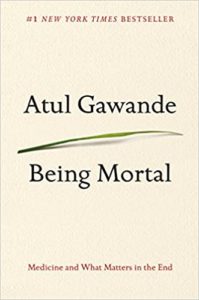
Being Mortal

I understood, standing by her grave, that my sense of loss was unique as Jan’s husband, but accepting that I was not the only one was a crucial step in how I would manage grief. Having read Being Mortal by Atul Gawande days before my wife’s diagnosis of lymphoma prepared me for hospice but also for acceptance that her death was unavoidable once she was also diagnosed with COVID. He reminds us that “when it comes to the inescapable realities of aging and death, what medicine can do often runs counter to what it should.” As he writes in the book, the current system does not work and, in many cases, actually shortens life. Without that knowledge, I am not sure how I would have coped with hearing from her oncologists that there was no way of treating her and hospice was the only option.

Pages: 1 2 3

11 comments add your comment

Share your thoughts and ideas

This site uses Akismet to reduce spam. Learn how your comment data is processed.

The Jan Lilien Education Fund!

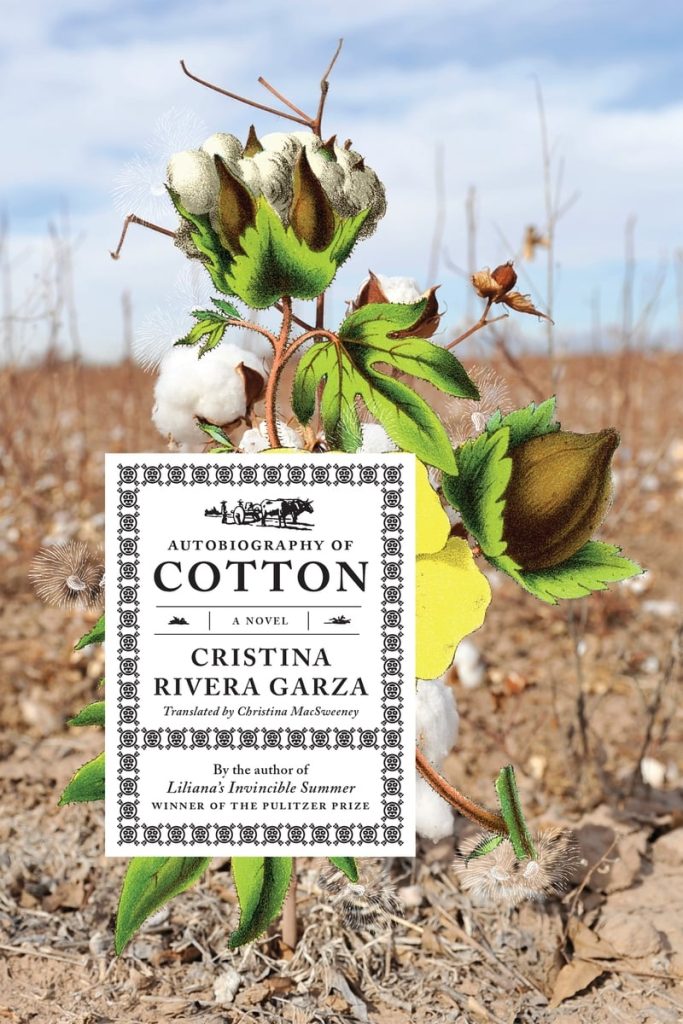
Autobiography of Cotton

Read: February 2026

Get this book

Autobiography of Cotton

by Cristina Rivera Garza

In 1934, a young José Revueltas traveled to Tamaulipas to support the cotton workers’ strike in Estación Camarón, which would later serve as the foundation for his landmark novel, Human Mourning. In her groundbreaking novel Autobiography of Cotton, Cristina Rivera Garza recounts her grandparents’ journey from mining towns to those same cotton fields. Her narrative intersects with Revueltas’s life and offers a vivid and evocative account of the history of cotton cultivation along the Mexico-U.S. border.

Through archival research and personal narrative, Rivera Garza explores how cotton transformed the borderlands by recounting the story of the cotton workers’ strike. She reveals how cycles of deprivation and environmental destruction continue to affect generations. Rivera Garza skillfully creates a new kind of border novel that illustrates how a fragile landscape drastically changed her grandparents’ lives and the territories they helped to develop. In this intimate fictionalization, Autobiography of Cotton offers a rich social history that encompasses agricultural colonization, labor activism, environmental degradation, and cross-border migration.

I recommend “Autobiography of Cotton,” but readers should be patient as the book shifts back and forth in time. Everything becomes clear as you continue reading.


Cristina Rivera Garza is the Pulitzer Prize–winning author of Liliana’s Invincible Summer. A MacArthur Fellow, she is the Hugh Roy and Lillie Cranz Cullen Distinguished Chair and founder of the University of Houston’s PhD in Creative Writing in Spanish.

Christina MacSweeney is the award-winning literary translator of works by Julián Herbert, Valeria Luiselli, and Elvira Navarro. She received the 2024 Sundial Literary Translation Award for her translation of Verónica Gerber Bicecci‘s The Company.


Discover your next favorite book and dive into a world of curated, exciting reads by purchasing through my links. You’ll have access to a diverse selection of books that I’ve personally vetted to ensure quality and enjoyment. Additionally, by supporting these selections, you’ll help me continue to provide you with more personalized recommendations. I earn a small commission from your purchase, which allows me to buy and share even more books with you. Your support truly makes a difference!


×
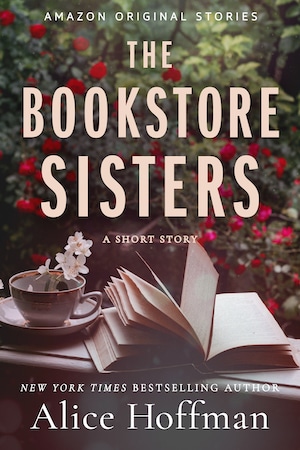
The Bookstore Sisters: A Short Story

Read: October 2022

Get this book

The Bookstore Sisters: A Short Story

by Alice Hoffman

The Bookstore Sisters: A Short Story by Alice Hoffman is a heartfelt short story about family, independence, and finding your place in the world. The overview should be enough to encourage everyone to read the book. I recommend this short story without any reservations. Ms. Hoffman has written a moving story that helped me to grapple with grief and reminded me that love is the highest and most important goal that humans can aspire.

Isabel Gibson has all but perfected the art of forgetting. She’s a New Yorker now, with nothing left to tie her to Brinkley’s Island, Maine. Her parents are gone, the family bookstore is all but bankrupt, and her sister, Sophie, will probably never speak to her again.

But when a mysterious letter arrives in her mailbox, Isabel feels drawn to the past. After years of fighting for her independence, she dreads the thought of going back to the island. What she finds there may forever alter her path—and change everything she thought she knew about her family, home, and herself.

Isabel sums up the power of love in this paragraph,

She was thinking about the way a fish loved a river, and a bird loved the sky, and a mother loved her daughters. She was remembering everything. How love could change a person, how it could cause you the greatest sorrow or shelter you from harm. There were moths hitting against the windowpanes. A night heron called in the marshland as if its heart were breaking.

I have always fantasized about working in or owning a small bookstore.

The Bookstore Sisters: A Short Story rekindled that dream and reminded me of the power of love.


The Jan Lilien Education Fund sponsors ongoing sustainability and environmental awareness programs. Gifts made this month; I will match dollar-for-dollar. All donations are tax-deductible.

Subscribe

Contact Us

I receive a commission when you buy a book or product using a link on this page. Thank you for supporting Sharing Jan’sJan’s Love blog.

×
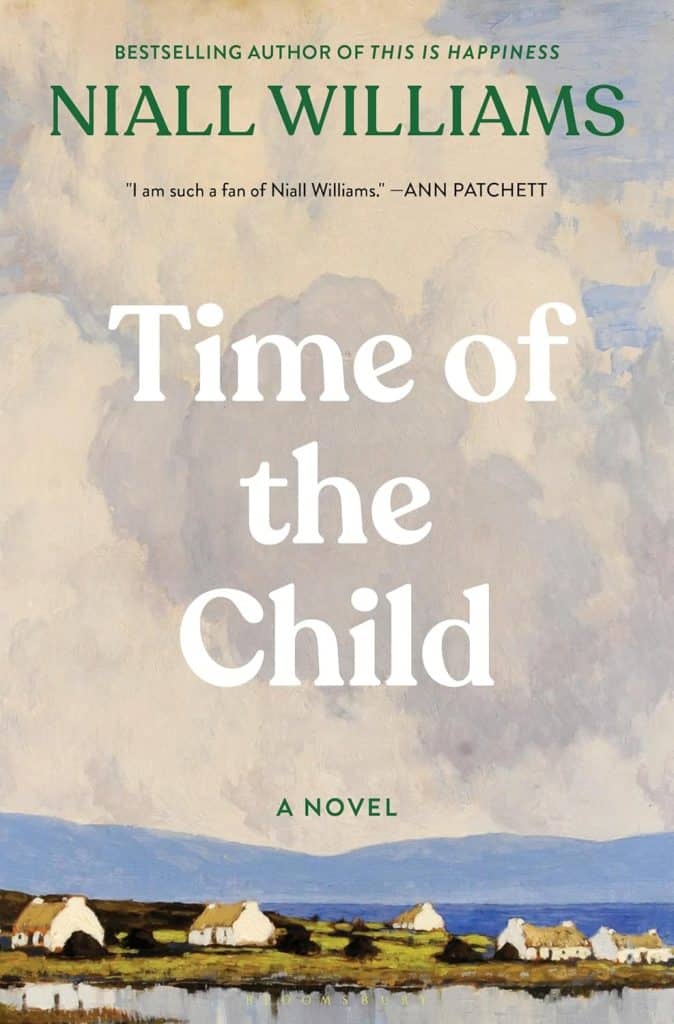
Time of the Child

Read: December 2024

Get this book

Time of the Child

by Niall Williams

Today, I dove into “Time of the Child” by Niall Williams, and I can already tell it will be a journey worth taking. This beautifully crafted novel, penned by the same author who brought us “This Is Happiness,” unfolds during a magical Christmas in the quaint Irish town of Faha. At its heart is a touching story about a father and daughter that beautifully explores the idea that miracles can touch our lives, no matter our beliefs.

As I turned the pages, I thought about how this enchanting tale would evoke love’s profound and transformative power when I light my Hanukkah candles. It promises to be a genuinely uplifting read!

Doctor Jack Troy was born and raised in Faha, but his responsibilities toward the sick and his care for the dying have always set him apart from the town. His eldest daughter, Ronnie, has grown up in her father’s shadow and remains there, having missed one chance at love and declined another marriage proposal from an unsuitable man.

During the Advent season of 1962, as the town prepared for Christmas, Ronnie and Doctor Troy’s lives were turned upside down when a baby arrived on their doorstep. As winter passes, the lives of the father and daughter, their understanding of family, and their roles in the community are changed forever.

Set throughout one December in the same village as Williams’ beloved “This Is Happiness,” “Time of the Child” offers a tender return to Faha for readers familiar with its charms and serves as a heartwarming welcome for new readers exploring it for the first time.


When you purchase a book through one of my links, I earn a small commission that helps support my passion for reading. This contribution allows me to buy even more books to share with you, creating an incredible cycle of discovering great reads together! Your support truly makes a difference!


×
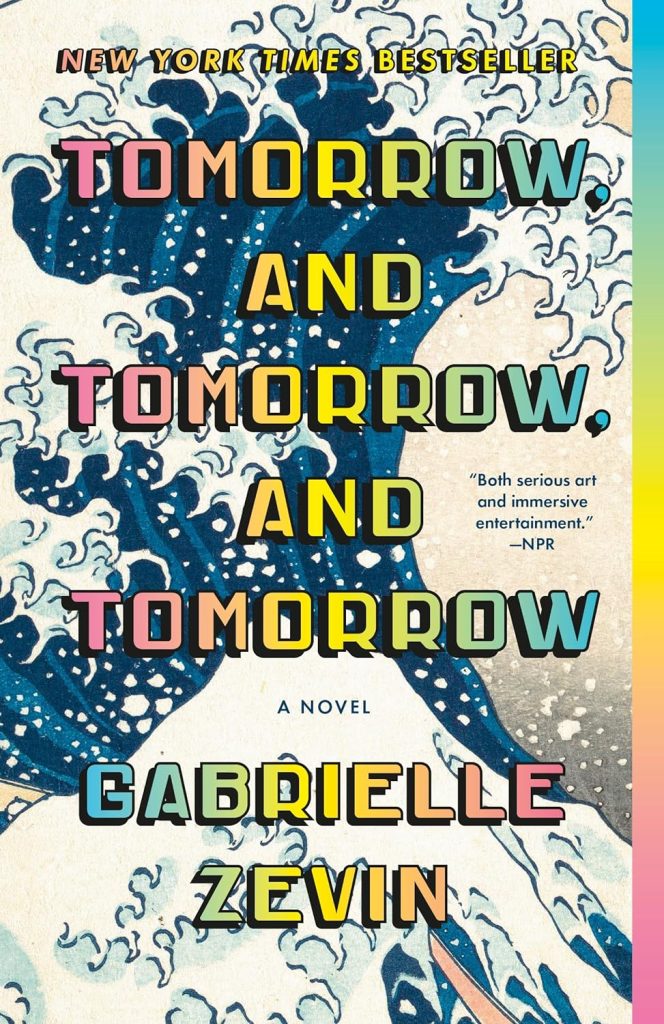
Tomorrow, and Tomorrow, and Tomorrow: A Novel

Read: July 2024

Get this book

Tomorrow, and Tomorrow, and Tomorrow: A Novel

by Gabrielle Zevin

I delved into the pages of “Tomorrow, and Tomorrow, and Tomorrow: A Novel” by Gabrielle Zevin. The narrative unfolds the lives of Sam and Sadie, two college friends who evolve into creative partners in video game design. Their journey is a tapestry of fame, joy, tragedy, duplicity, and a form of immortality, all woven into a unique love story that captivated me like no other.

This love story uniquely portrays the challenges and triumphs of a relationship in the context of their shared creative endeavors.

On a bitter-cold day in December of his junior year at Harvard, Sam Masur exits a subway car and sees Sadie Green amid the hordes of people waiting on the platform. He calls her name. For a moment, she pretends she hasn’t heard him, but then, she turns, and a game begins: a legendary collaboration that will launch them to stardom.

These friends, who have been close since childhood, take bold steps, borrow money, and seek favors. Even before they graduate from college, they have birthed their first blockbuster, Ichigo. In a blink, the world is at their feet. Sam and Sadie, not yet twenty-five, are shining with brilliance, success, and wealth. But these attributes can’t shield them from their emotional rollercoaster of creative aspirations and the heartbreaks that come with it.

Spanning thirty years, from Cambridge, Massachusetts, to Venice Beach, California, and lands in between and far beyond, Gabrielle Zevin‘s Tomorrow, Tomorrow, and Tomorrow provides a profound exploration of the diverse nature of identity, disability, failure, the redemptive possibilities in play, and above all, our deep-seated need to connect: to be loved and to love. It’s a journey that will make you reflect on your life and relationships.


When you purchase a book through one of my links, I earn a small commission that helps support my passion for reading. This contribution allows me to buy even more books to share with you, creating an incredible cycle of discovering great reads together! Your support truly makes a difference!


×
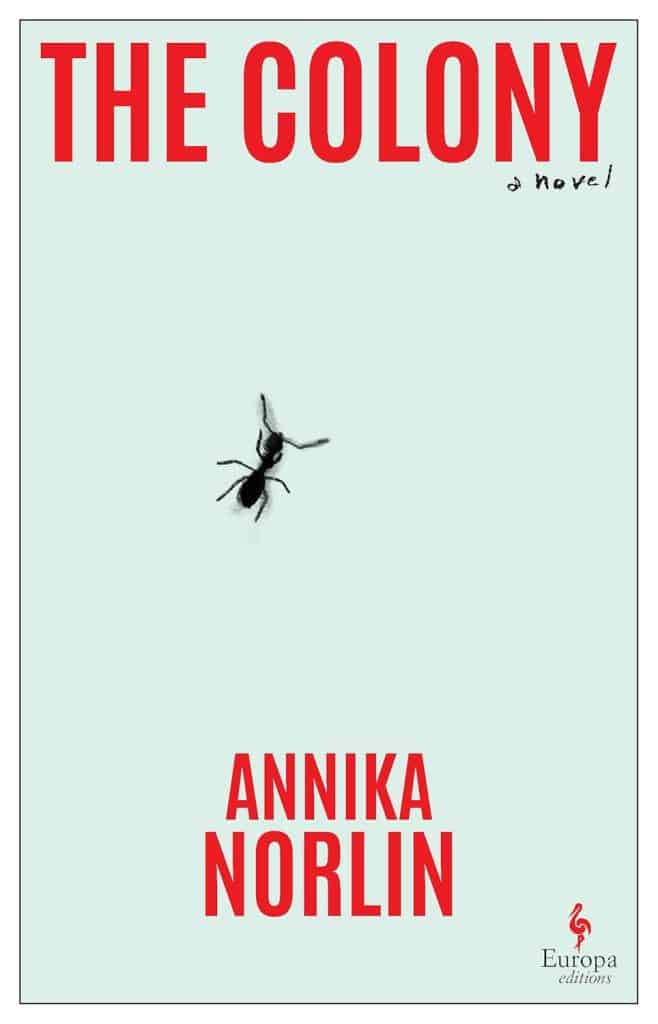
The Colony

Read: March 2025

Get this book

The Colony: A Novel

by Annika Norlin

Today, I explored “The Colony,” Annika Norlin‘s debut novel, which Alice E. Olsson has skillfully translated. This sensational bestseller from Sweden has captured the imagination of readers around the globe, with its rights sold in over a dozen countries and an exciting TV adaptation in the works. “The Colony,” has quickly become one of the most talked-about literary sensations since Fredrik Backman’s ‘A Man Called Ove.’

Winner of the Vi Literature Award and Swedish Radio’s Novel Prize, two of Sweden’s most prestigious literary awards, “The Colony” is a compelling portrayal of contemporary society and its alternatives.

Burned out from a demanding job and the hectic pace of city life, Emelie decides to spend a few days in the countryside. There, amidst the peaceful, green hills by the river, she encounters a mysterious group of seven people, each with personal stories marked by pain, alienation, and a longing to live differently. They are misfits in their ways, all led by the enigmatic and charismatic Sara.

How did they end up in this place? Are they content with the rigid roles assigned to them? And what happens when an outsider arrives, initially drawn to their alternative lifestyle, but inevitably disrupts their way of life?

A masterful blend of humor, emotion, unforgettable characters, and sharp social commentary, “The Colony” is a magnetic and deeply touching story about love, community, and our profound influence over one another.


Annika Norlin is a Swedish author, songwriter, and artist. She releases music under her name and through her projects, Säkert! and Hello Saferide. Her collection of short stories, “I See Everything You Do,” has been nominated for several awards. “The Colony” is her debut novel.

Alice E. Olsson is a literary translator, writer, and editor. She has served as the Cultural Affairs Adviser at the Embassy of Sweden in London and has received a fellowship and multiple grants from the Swedish Arts Council. Olsson was a nominee for the 2020 Peirene Stevns Translation Prize and the 2023 Bernard Shaw Prize.


When you purchase a book through one of my links, I earn a small commission that helps support my passion for reading. This contribution allows me to buy even more books to share with you, creating an incredible cycle of discovering great reads together! Your support truly makes a difference!


×
Good and Evil and Other Stories

Read: September 2025

Get this book

Good and Evil and Other Stories

by Samanta Schweblin

Good and Evil and Other Stories” by Samanta Schweblin, translated by Megan McDowell, explores characters who find themselves at a point of no return, captivated by the impending tragedy surrounding them. Vulnerable and deeply human, they become ensnared in moments when the uncanny intrudes upon their lives. Some characters transform, others find themselves isolated, and many oscillate between feelings of guilt and tenderness. All are driven by uncertainty.

Schweblin’s prose employs tension and truth to create a literary universe where the monsters of everyday life come so close that we can almost feel their breath. Her writing evokes both awe and discomfort, placing readers in a state of alarm while transporting them to a world that is both recognizable and strange.


Samanta Schweblin won the 2022 National Book Award for Translated Literature for her story collection Seven Empty Houses. Her debut novel, Fever Dream, was shortlisted for the International Booker Prize, while her book, Little Eyes, and her story collection, Mouthful of Birds, have both been longlisted for the same prize. Her books have been translated into over forty languages, and her stories have appeared in prestigious English publications, including The New Yorker, The Paris Review, Granta, and Harper’s Magazine. Originally from Buenos Aires, Schweblin currently lives in Berlin.

Megan McDowell is the recipient of a 2020 Award in Literature from the American Academy of Arts and Letters and has been short- or longlisted four times for the International Booker Prize. She resides in Santiago, Chile.


Discover your next favorite book and dive into a world of curated, exciting reads by purchasing through my links. You’ll have access to a diverse selection of books that I’ve personally vetted to ensure quality and enjoyment. Additionally, by supporting these selections, you’ll help me continue to provide you with more personalized recommendations. I earn a small commission from your purchase, which allows me to buy and share even more books with you. Your support truly makes a difference!


×

Discover more from Sharing Jan’s Love

Subscribe now to keep reading and get access to the full archive.

Continue reading