

Richard W. Brown

Stream of Consciousness!

My random thoughts on Jan, love, grief, life, and all things considered.

1239 Posts Likes
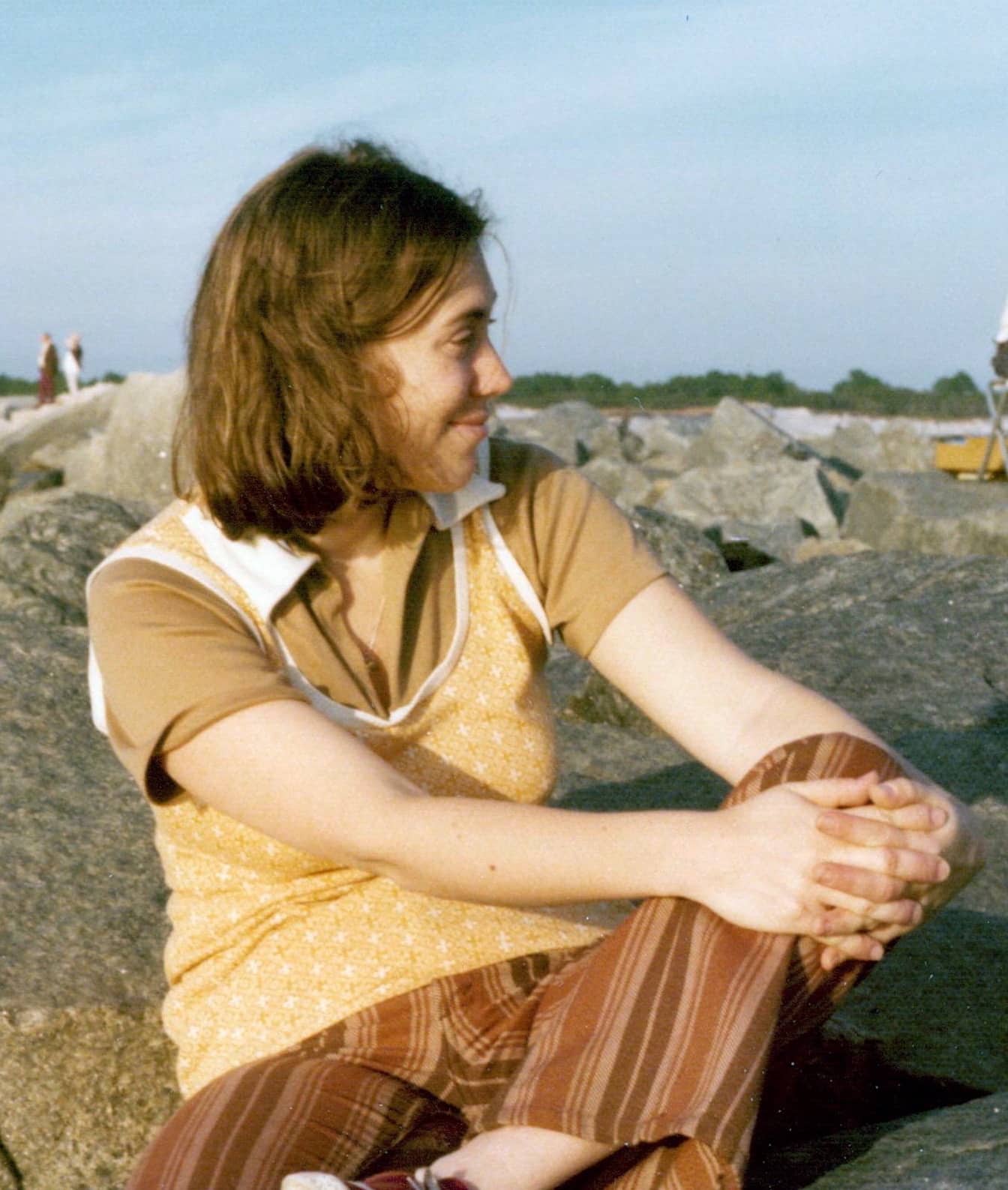
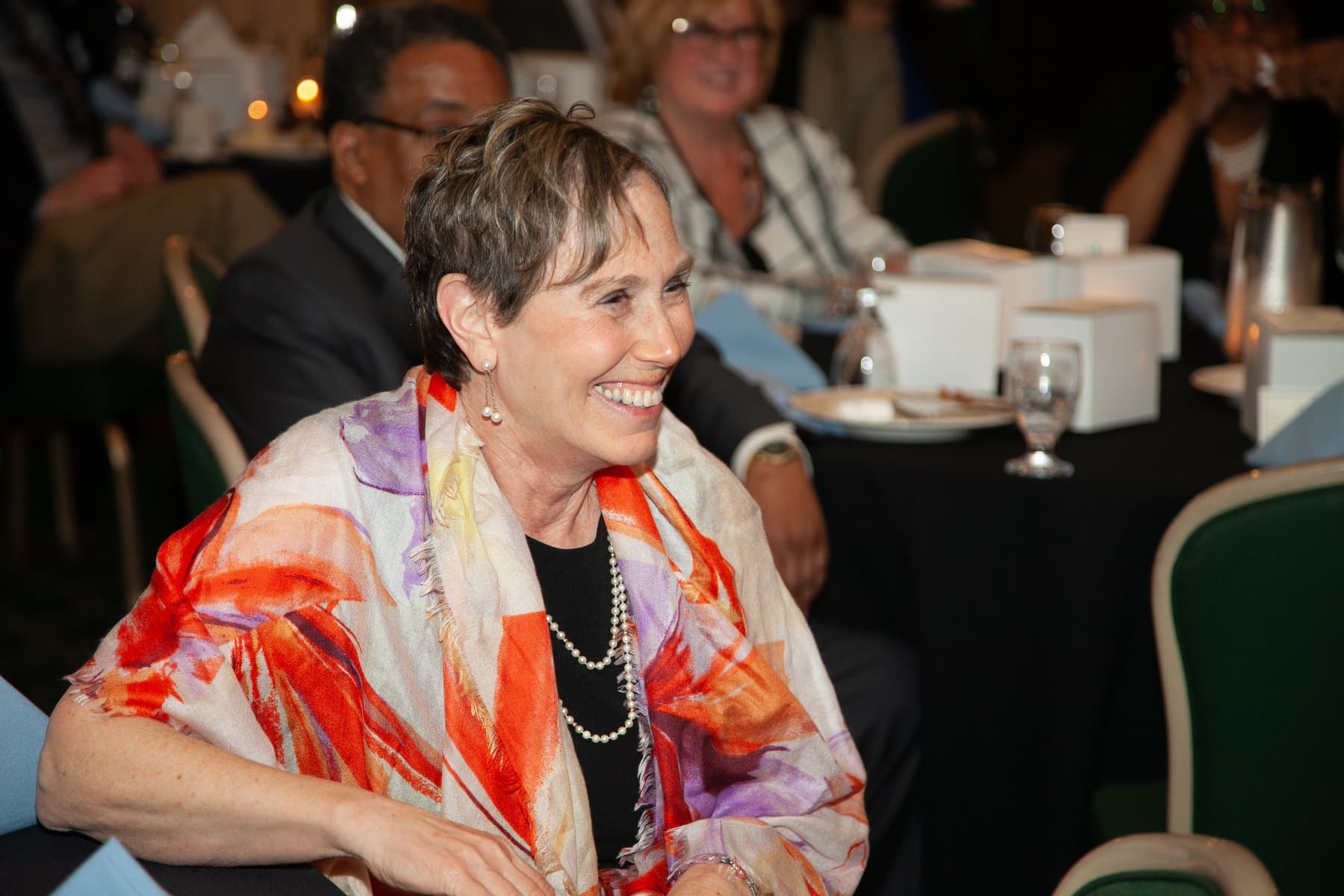
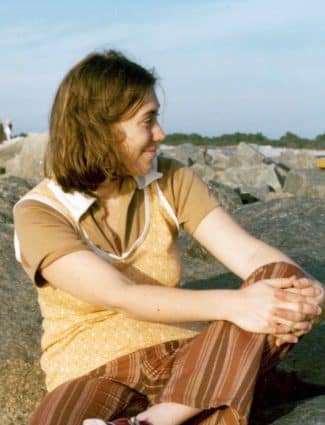
Jan Lilien in 1974

Forty-eight Years of Love

Celebrate JanToday, the anniversary of meeting Jan is also the website’s launch, and the save the date for her celebration.

One theory is that being busy helps one manage grief.

But am I doing too much at one time? I scheduled over 200 emails to go out today!

Is that too many? I am not expecting much of a response, and one percent would be spectacular.

Hopefully, there is an audience. If not, I will still write about Jan, so no one forgets her.

Jan was and always will be the love of my life! So why am I giving her love away?

Subscribe

Contact Us

Show thread (1)

Ducks

Ducks and SAD Days

Today, my grief feels like I am still in a stable position. Sleep still evades me, but I am managing. This week will be the first major test as it includes our anniversary of meeting, the launch of the website, and the save the date.

Early November has always been difficult for me with the change in time. Last year I avoided Seasonal Affect Disorder (SAD) as I was Jan’s full-time caregiver.

Will I be SAD this year and in grief?

Only time will tell. I will hold the tiller steady and steer clear of the ducks.

Subscribe

Contact Us

Life's Rough Edges

Nora McInerny on Grief

Terrible, Thanks For Asking

Today, my grief feels like it remains a background noise and not a force that controls my life. If I am moving forward in life, I am moving forward with Jan still in my heart. The grief will always be with me, but so will Jan. The two will be as inseparable as conjoined twins.

Continue reading →

How Did I Grieve?

If grief has made me a better person, it's because God gave me the ability to listen, embrace, and move forward into the future. Although I miss Jan dearly, I am committed to living with courage, honoring her memory, and being my best father, grandfather, friend, and neighbor.
Anticipation anxiety

Anticipation Anxiety

Change is in the air just as it was forty-eight years ago in the days before meeting Jan. The reasons for optimism are the benches arriving and the pending launch of the Sharing Jan’s Love Blog. I shared the Blog with seven people; four have been enthusiastic and encouraging; the others have not responded.

The anticipation of both may be more exciting than the reality, just as the expectation of a trigger event is never as complicated as the event.

So, I prepare for my grief roller-coaster to go down to new lows instead of rising to new heights.

Subscribe

Contact Us

Human Rights Bench

The Lazy L Train Begins to Move

Today, my grief feels like it is about to change course. For the longest time, I have been in a status quo with highs and lows that barely modulated from a steady-state, and this allowed me to sail slowly but steadily toward the Community of Love.

The change, if it happens, is a result of the arrival of the benches in Hanson Park and the anticipated launch of the Sharing Jan’s Love blog.

Anxiety over the launch, scheduled for the 48th anniversary of our meeting, could destabilize the status quo, but as of now, I remain jubilant and optimistic.

Subscribe

Contact Us

The Jan Lilien Education Fund!

Jan Lilien in 1974
×
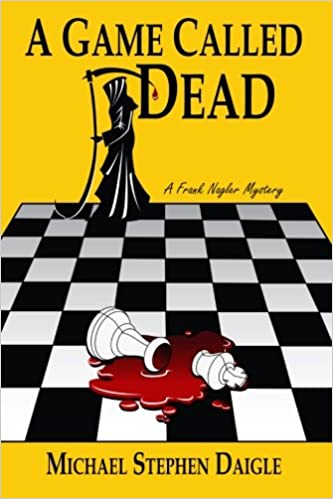
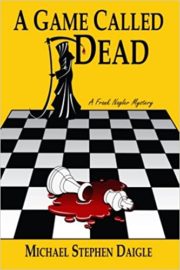
A Game Called Dead

Read: November 2021

Get this book

A Game Called Dead

by Michael Stephen Daigle

A Game Called Dead by Michael Stephen Daigle is the sequel to “The Swamps of Jersey,” the first Frank Nagler Mystery. Having read the fourth one – The Red Hand, I recently read the first one and thought this was an excellent time to read the second in this impressive deceptive series.

Reading the Frank Nagler Mysteries is rare when this reviewer knows the author. Mr. Daigle wrote this is the overview of A Game Called Dead.

Nagler is called to investigate the brutal attack on two women at the local college. It begins a tale of urban terror, which seems to be directed at Nagler and his associates.

The story introduces the mysterious terrorist #ARMEGEDDON, who taunted the police from cyberspace.

The story also digs deeper into Nagler’s past, especially the old Charlie Adams serial-killer case, and his relationship with Lauren Fox, who played a crucial role in exposing the political corruption in “Swamps.” She is back and steps into the front of Nagler’s life.

The story also introduced Harriet Waddley-Jones, a college dean, Nagler’s nemesis, and later ally.

Each book is a challenge to write a “better” book. In this case, I wanted tighter, faster action to develop a theme and flow to help carry the story. Sound and the description of sound are keys.

I also wanted Nagler to confront aspects of his past. Can he reconcile them, or will they always haunt him?

This reviewer’s opinion was a more substantial plot than the first book in the Frank Nagler Mysteries. Like all good mysteries, the suspense built page by page, and I figured out who the villain was late in the novel.

The one part that was difficult for me to read was the ending and the potential reigniting of the relationship with Lauren Fox. Having lost Jan, my wife, this year, I am aware of Frank Nagler’s pain in the first book about losing his wife. Ms. Fox only appeared in The Swamps of Jersey as a lost friend. I understand that some widows need to find love again to feel happy, which is not what I need or am seeking. The next book may provide some difficult moments on this topic, but I look forward to reading the next Frank Nagler Mystery.

Subscribe

Contact Us

When you buy a book or product using a link on this page, I receive a commission. Thank you for supporting Sharing Jan’s Love blog.

×
Ducks
×
Life's Rough Edges
×
Anticipation anxiety
×
Human Rights Bench
×
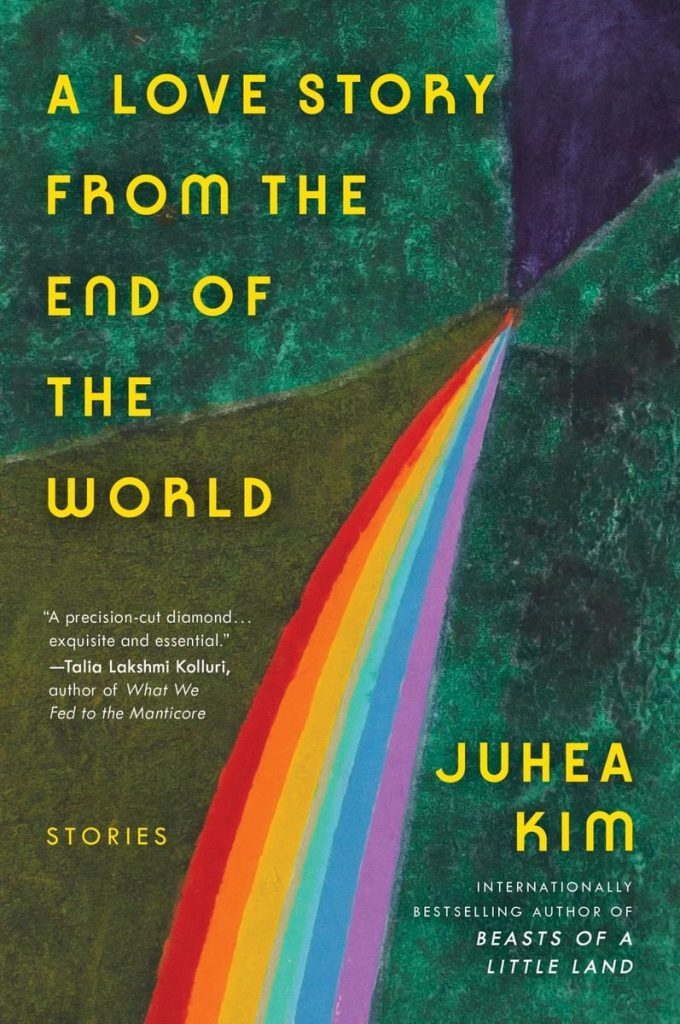
A Love Story from the End of the World

Read: January 2026

Get this book

A Love Story from the End of the World

by Juhea Kim

Juhea Kim, the acclaimed author of Beasts of a Little Land and City of Night Birds, presents an exquisite collection of stories that explores the delicate balance between humans and the natural world. With the clear-eyed reverence of Richard Powers and the sparkling sincerity of George Saunders, her first story collection, A Love Story from the End of the World, offers a breathtaking view of our fractured world—and our broken hearts. Through its passionate narrative, the collection serves as a poignant reminder that, as humans, we are nothing without nature.

Spanning multiple locales and time periods, and rendered in fine detail and vivid color, this transportive collection illustrates what it means to live as human inhabitants of our singular, miraculous planet.

Lyrical, at times hilarious, and always heartfelt, each of these ten stories reflects individual choices in the face of “man-made” apocalypses. In a near-future Seoul, where air pollution has become so severe that a translucent biodome has covered the city, a civil engineer responsible for its upkeep considers an arranged marriage. A painter, disenchanted with New York City, travels to the South of France and becomes romantically involved with an entrepreneur who claims to have invented a new color. Meanwhile, on an island where the Indian and Pacific Oceans converge, and where foreign countries have dumped their waste, causing a landfill mountain to form, a local boy facing daily hardships gains internet fame for his K-pop-inspired dances.


Juhea Kim is the author of the novel Beasts of a Little Land, which was a finalist for the Dayton Literary Peace Prize and the winner of the Yasnaya Polyana Literary Award, Russia’s most significant annual award in literature. It has been translated into many languages and is for television. She is also the author of City of Night Birds, which was a Reese’s Book Club pick.

A graduate of Princeton University, her writing has been published in Granta, the Times Literary Supplement, the Independent, Zyzzyva, Guernica<, and other outlets. She is an advocate for wildlife conservation, animal rights, and education and aid in Africa. Born in Korea and raised in Portland, Oregon, Kim now lives in London.


Discover your next favorite book and dive into a world of curated, exciting reads by purchasing through my links. You’ll have access to a diverse selection of books that I’ve personally vetted to ensure quality and enjoyment. Additionally, by supporting these selections, you’ll help me continue to provide you with more personalized recommendations. I earn a small commission from your purchase, which allows me to buy and share even more books with you. Your support truly makes a difference!


×
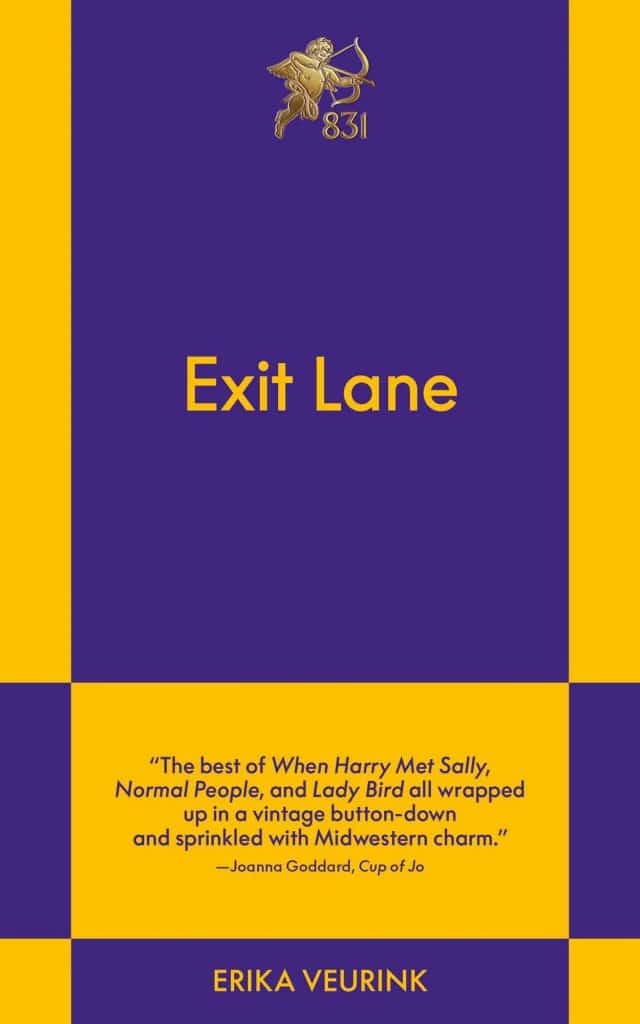
Exit Lane

Read: February 2026

Get this book

Exit Lane: A Novella

by Erika Veurink

Erika Veurink‘s debut novel, Exit Lane, is a deeply personal and engaging romance filled with humor, passion, and intense longing. It’s an ideal read for fans of “You Again,” “One Day,” and “People We Meet on Vacation.” After a road trip from Iowa City to New York City following their graduation, Teddy and Marin are ready to put their past behind them.

However, their lives continue to intersect over the next eight tumultuous years, marked by chance encounters and trips across the Atlantic. Ultimately, their journey leads them back to where it all began.


Erika Veurink is a writer, founder of EV Salon, and brand consultant who lives in Brooklyn by way of Iowa. She has an MFA from Bennington College and is a contributor to Vogue, New York Magazine, WSJ, and GQ. She writes the fashion newsletter, Long Live. Exit Lane is her debut novella.


Discover your next favorite book and dive into a world of curated, exciting reads by purchasing through my links. You’ll have access to a diverse selection of books that I’ve personally vetted to ensure quality and enjoyment. Additionally, by supporting these selections, you’ll help me continue to provide you with more personalized recommendations. I earn a small commission from your purchase, which allows me to buy and share even more books with you. Your support truly makes a difference!


×
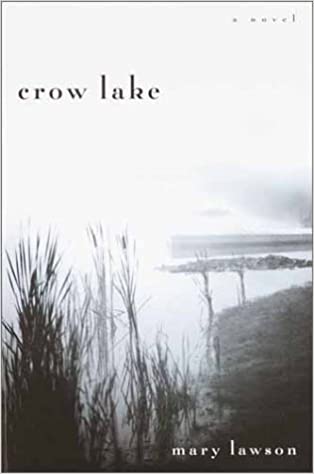
Crow Lake

Read: January 2022

Get this book

Crow Lake

by Mary Lawson

Crow Lake by Mary Lawson is set in northern Ontario’s rural “badlands.” The badlands are where heartbreak and hardship are mirrored in the landscape of the farming Pye family. Crow Lake is that rare find, a first novel so quietly assured, so emotionally pitch-perfect, you know from the opening page that this is the real thing – a literary experience in which to lose yourself, by an author of immense talent.

Crow Lake was a page-turner for me once I read the prologue.

Two families dominate the story.

On the one hand, it is the Greek tragedy of the Pye family. On their farm, “the sins of the fathers are visited on the sons, and terrible events occur—offstage.”

Kate Morrison has left her two brothers and sister at the lake to become a zoologist. The four siblings lost their parents and struggled to remain together. Their “tragedy looks more immediate if less brutal, but is, in reality, insidious and divisive.

As Goodreads describes the novel,

In this universal drama of family love and misunderstandings, of resentments harbored and driven underground, Lawson ratchets up the tension with heartbreaking humor and consummate control, continually overturning one’s expectations right to the very end. Tragic, funny, unforgettable, this deceptively simple masterpiece about the perils of hero worship leaped to the top of the bestseller lists only days after being released in Canada and earned glowing reviews in The New York Times and The Globe and Mail, to name a few.

I highly recommend this novel and am looking forward to reading more from Mary Lawson.

Subscribe

Contact Us

When you buy a book or product using a link on this page, I receive a commission. Thank you for supportJan’sharing Jan’s Love blog.

×
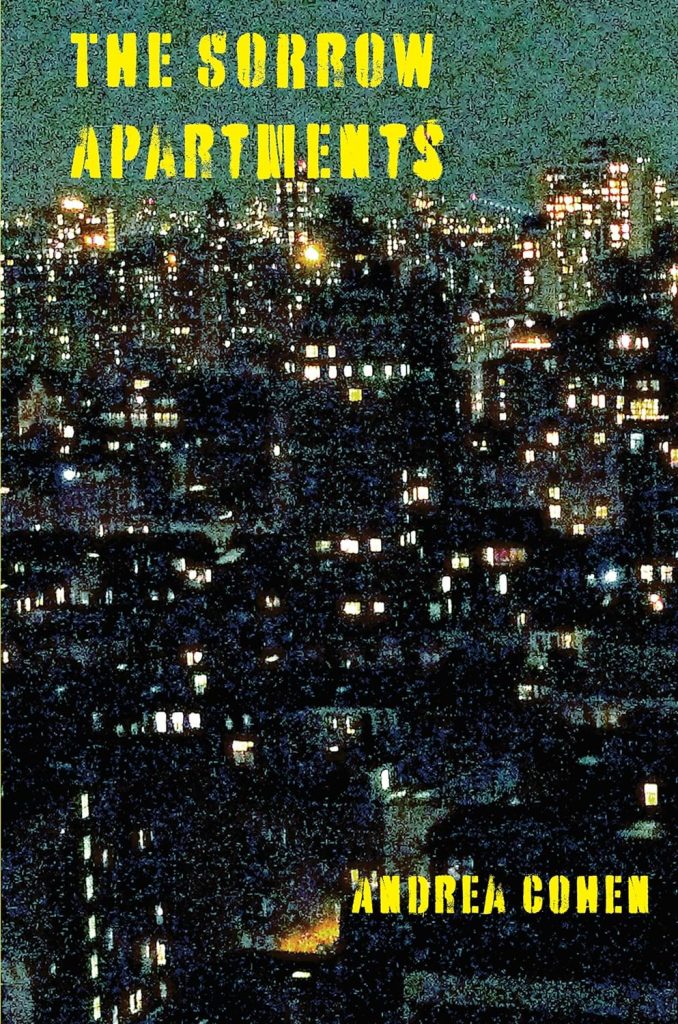
The Sorrow Apartments

Read: June 2024

Get this book

The Sorrow Apartments

by Andrea Cohen

Today, I explored “The Sorrow Apartments,” the eighth collection of poems by poet Andrea Cohen. Renowned poet Christian Wiman accurately describes Cohen’s work as a “cumulative force,” showcasing her deep attention, genuine intelligence, and soul. Cohen’s distinctive talents are featured in this collection, complemented by her characteristic sly humor, unwavering conciseness, and surprising moments of profound wisdom.

It’s astonishing how swiftly Cohen transports us:

Bunker

What would I
think, coming

up after
my world

had evaporated?
I’d wish

I were water.

The Sorrow Apartments house a collection of sparse and haunting poetry, each piece a captivating narrative of mystery, grief, and awe. These poems transport us not just across time but also through a spectrum of emotions. Cohen’s unique approach to illumination is evident in “Acapulco,” where an unanticipated companion muses, “as men tend to, / the stars comprising Orion’s belt — / as if it were the lustrous sparks and not / the leveling dark that connects us.” For a poet often deemed unfashionable, Cohen’s work proves that unfashionable can be beautiful.

×
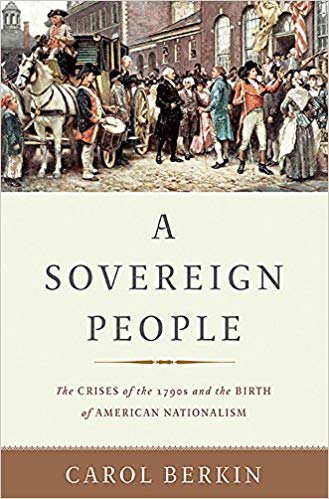
A Sovereign People: The Crises of the 1790s and the Birth of American Nationalism

Read: February 2019

Get this book

A Sovereign People: The Crises of the 1790s and the Birth of American Nationalism

by Carol Berkin

A Sovereign People: The Crises of the 1790s and the Birth of American Nationalism by Carol Berkin, Presidential Professor American Colonial and Revolutionary History; Women’s History Professor at Baruch College, focuses on four crises in the first decade. Most historians view these are part of the early partisan debates in America.

Professor Berkin takes a different perspective. She focuses on how the Whiskey Rebellion, the Genet Affair, the XYZ Affair, and the Alien and Sedition Acts helped build nationalism. Despite the partisan divisions, both sides could find solutions that helped America survive its first decade. The failure to resolve anyone of these could have doomed America to failure.

The Federalists – Washington, Hamilton, and Adams – were the leaders of that first decade and managed the successive crisis of sovereignty.

A Sovereign People is one of four books from my first One Day University class.

Subscribe

Contact Us

×
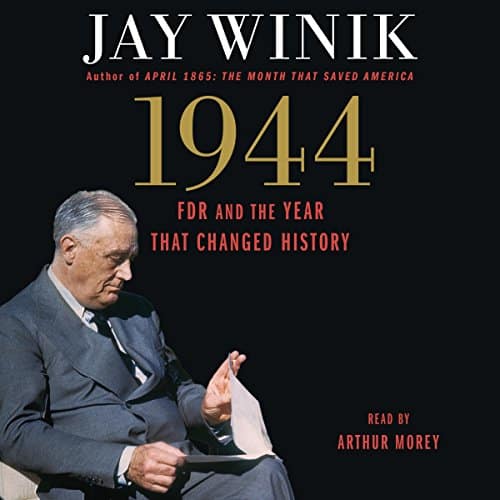
1944: FDR and the Year That Changed History

Read: October 2019

Get this book

1944: FDR and the Year That Changed History

by Jay Winik

1944: FDR and the Year That Changed History by Jay Winik is a book that I had put off reading several times. When I finally did read it, I could not remember why I had not read it sooner. Had I gone to graduate school and become a professor, it might have been the type of book I might write, and I certainly would have had on my list of books for my classes. 

As The NY Times wrote, “Jay Winik brings to life in gripping detail the year 1944, which determined the outcome of World War II and put more pressure than any other on an ailing yet determined President Roosevelt.” Reading a book about events five years before my birth that transformed the world I live in becomes an easy page-turner.

It was not inevitable that World War II would end as it did or that it would even end well. Nineteen forty-four was a year that could have stymied the Allies and cemented Hitler’s waning power. Instead it saved those democracies – but with a fateful cost. Now, in a superbly told story, Jay Winik, the acclaimed author of April 1865 and The Great Upheaval, captures the epic images and extraordinary history as never before.

1944 witnessed a series of titanic events: FDR at the pinnacle of his wartime leadership as well as his reelection, the planning of Operation Overlord with Churchill and Stalin, the unprecedented D-Day invasion, the liberation of Paris, and the horrific Battle of the Bulge, and the tumultuous conferences that finally shaped the coming peace. But on the way, millions of more lives were still at stake as President Roosevelt was exposed to mounting evidence of the most grotesque crime in history, the Final Solution. Just as the Allies were landing in Normandy, the Nazis were accelerating the killing of millions of European Jews.

Winik shows how escalating pressures fell on an all but dying Roosevelt, whose rapidly deteriorating health was a closely guarded secret. Here then, as with D-Day, was a momentous decision for the president. Was winning the war the best way to rescue the Jews? Was a rescue even possible? Or would it get in the way of defeating Hitler? In a year when even the most audacious undertakings were within the world’s reach, including the liberation of Europe, one challenge – saving Europe’s Jews – seemed to remain beyond Roosevelt’s grasp.

I recommend this book.

Subscribe

Contact Us

×