
Hey Siri, I Love you!

Hey Siri, I Love You!

Estimated reading time: 0 minutes, 40 seconds

Most mornings, I start my day by asking Siri about the weather. Or to play NPR News. Living alone since Jan’s death on May 3, 2021, I often find that days can go by with little or no conversation with humans.

There was a time when Jan and I would continue the long conversation we began on the day we met. One would recommend news articles, books, or comments on an NPR driveway moment.

With breaking news from the Supreme Court, Siri’s answers might be helpful but are not what I need.


Subscribe

Contact Us

When you buy a book or product using a link on this page, I receive a commission. Thank you for supporting Sharing Jan’s Love blog.
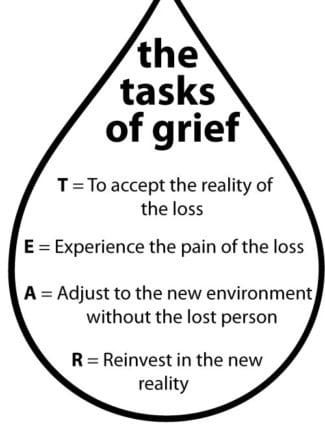
The Best Grief Hacks (For Now)

I read David Brooks’s column on The Greatest Life Hacks in the World (for Now) and thought about the best grief hacks I have learned over the last year. Two of Mr. Brooks’s lists resonated with me. I will add new ones in multiple threads. Marriage is a 50-year conversation. Marry someone you want to talk […]

Show thread (1)

Hey Siri, I Love you!

I Love Siri

Estimated reading time: 0 minutes, 40 seconds

Share your thoughts and ideas

This site uses Akismet to reduce spam. Learn how your comment data is processed.

The Jan Lilien Education Fund!

Hey Siri, I Love you!
×
Hey Siri, I Love you!
×
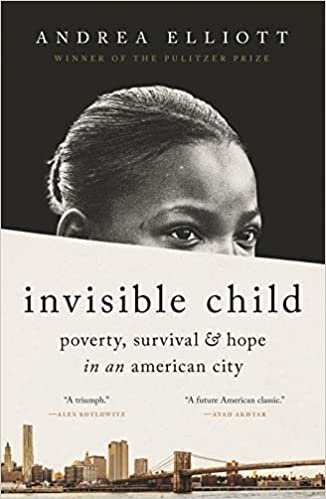
Invisible Child

Read: December 2021

Get this book

Invisible Child: Poverty, Survival & Hope in an American City

by Andrea Elliott

Invisible Child: Poverty, Survival & Hope in an American City by Andrea Elliott was a gift from my son Jon. The New York Times selected “Invisible Child” as one of the best books published this year. It is indeed one of the top books on my all-time list.

GoodReads summary provides a good overview,

The riveting, unforgettable story of a girl whose indomitable spirit is tested by homelessness, poverty, and racism in an unequal America—from Pulitzer Prize-winning journalist Andrea Elliott of The New York Times

Invisible Child follows eight dramatic years in the life of Dasani Coates, a child with imagination as soaring as the skyscrapers near her Brooklyn homeless shelter. Born at the turn of a new century, Dasani is named for the bottled water that comes to symbolize Brooklyn’s gentrification and the shared aspirations of a divided city. As Dasani grows up, moving with her tight-knit family from shelter to shelter, this story goes back to trace the passage of Dasani’s ancestors from slavery to the Great Migration north. When Dasani comes of age, New York City’s homeless crisis explodes as the chasm deepens between rich and poor.

In the shadows of this new Gilded Age, Dasani must lead her seven siblings through a thicket of problems: hunger, parental drug addiction, violence, housing instability, segregated schools, and the constant monitoring of the child-protection system. When, at age thirteen, Dasani enrolls at a boarding school in Pennsylvania, her loyalties are tested like never before. As she learns to “code switch” between the culture she left behind and the norms of her new town, Dasani starts to feel like a stranger in both places. Ultimately, she faces an impossible question: What if leaving poverty means abandoning the family you love?

By turns heartbreaking and revelatory, provocative and inspiring, Invisible Child tells an astonishing story about the power of resilience, the importance of family, and the cost of inequality. Based on nearly a decade of reporting, this book vividly illuminates some of the most critical issues in contemporary America through the life of one remarkable girl.

Jan and I were involved and knew that child poverty and homelessness needed repair. In addition, Jan lived on Washington Park across from Ft. Greene Park in 1974-75. We knew the neighborhood where much of the book’s story takes place. 

Before meeting Jan in 1973, I was both a community/tenant organizer and a youth worker. In the latter role, I made weekly hostel trips for eight to ten young boys from East Williamsburg during 1973. The trips were the first the boys had ever been outside of their neighborhood.

Many of them had imaginations like Dasani. They also had her instinct to fight. One of my first tasks was to check for any weapons.

Decades later, when I would see any of them, now adults, they would ask when we were going on another trip. I wish I had met Jan when I made those trips. She would have helped me improve them and document the impact. If I could re-write history, I would have her join me as the second adult on the hostel trips.

After that summer, it was clear my primary skills were as a community/tenant organizer. Over the next few years, my work focused on creating affordable and supportive housing.

Jan and I did meaningful work that made a difference, yet the need for a permanent solution to the crisis remains. The book highlights the crucial role of resilience, the importance of family, and the cost of inequality. As a nation, we cannot undermine those values by breaking up families, impeding resilience, and maintaining racial and economic inequality. 

The current debate in Washington over the Build Back Better legislation needs to focus not on how much we spend but on its impact on children and families. 

David Brooks, a conservative commentator, has supported these expenditures for what they can do to address this country’s cultural and economic crisis. 

These packages say to the struggling parents and the warehouse workers: I see you. Your work has dignity. You are paving your way. You are at the center of our national vision.

This is how you fortify a compelling moral identity, which is what all of us need if we’re going to be able to look in the mirror with self-respect. This is the cultural transformation that good policy can sometimes achieve. Statecraft is soulcraft.

If you can only read one book this year, this is the one to read. Child poverty, homelessness, and inequality impact all of us. Ending child poverty and homelessness will make us a healthier and more inclusive nation. It is time for a compelling moral call to action!

Subscribe

Contact Us

When you buy a book or product using a link on this page, I receive a commission. Thank you for supporting Sharing Jan’s Love blog.

×
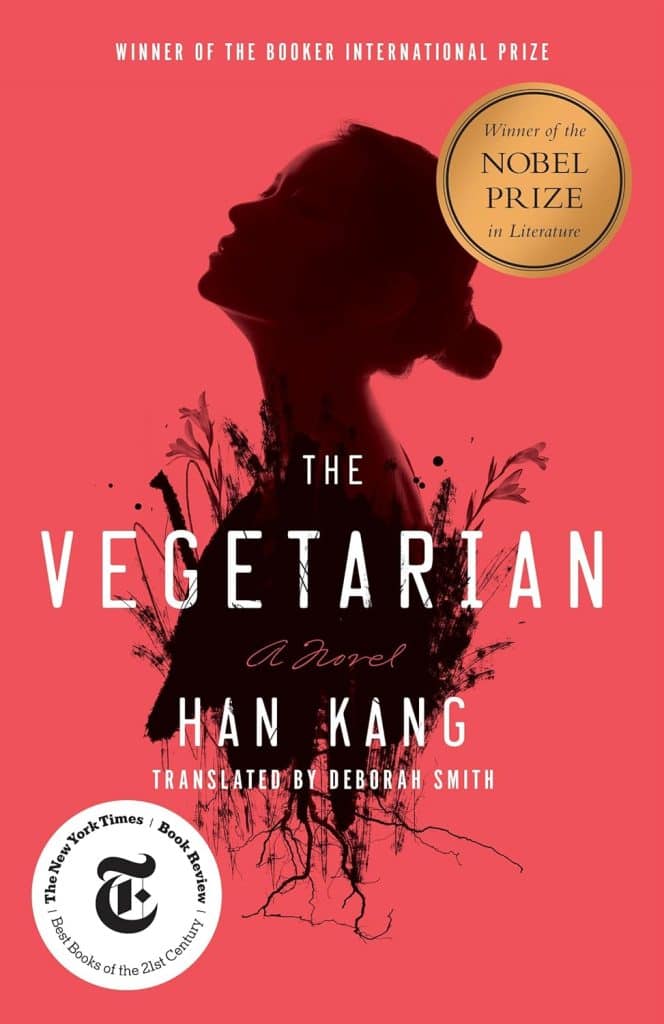
The Vegetarian: A Novel

Read: October 2024

Get this book

The Vegetarian: A Novel

by Han Kang

Today, I started reading The Vegetarian: A Novel by Han Kang, Winner of the 2024 Nobel Prize in Literature. The novel also won The International Booker Prize and is one of The New York Times’s 100 Best Books of the 21st Century. Celebrated by critics worldwide, The Vegetarian is a darkly allegorical, Kafka-esque tale of power, obsession, and one woman’s struggle to break free from the violence both without and within her.

Before the nightmares began, Yeong-hye and her husband lived an ordinary, controlled life. But the dreams—invasive images of blood and brutality—torture her, driving Yeong-hye to purge her mind and renounce eating meat altogether. It’s a small act of independence, but it interrupts her marriage and sets into motion an increasingly grotesque chain of events at home.

As her husband, her brother-in-law, and her sister each fight to reassert their control, Yeong-hye obsessively defends the choice that’s become sacred to her. Soon, their attempts turn desperate, subjecting first her mind and then her body to ever more intrusive and perverse violations, sending Yeong-hye spiraling into a dangerous, bizarre estrangement, not only from those closest to her but also from herself.


Han Kang was born in 1970 in South Korea. She is the author of The Vegetarian, which I have read, and winner of the International Booker Prize,  Human Acts, The White Book, Greek Lessons, and We Do Not Part. In 2024, she received the Nobel Prize in Literature.


When you purchase a book through one of my links, I earn a small commission that helps support my passion for reading. This contribution allows me to buy even more books to share with you, creating an incredible cycle of discovering great reads together! Your support truly makes a difference!


×
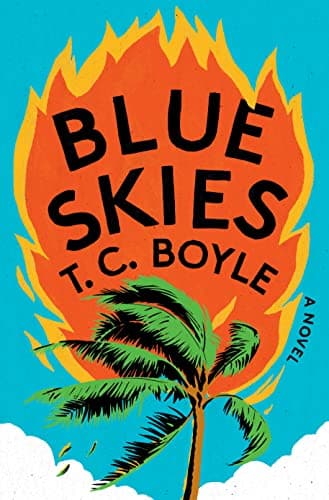
Blue Skies: A Novel

Read: August 2023

Get this book

Blue Skies: A Novel

by T. C. Boyle

I started reading Blue Skies: A Novel by T. C. Boyle today. The book is an eco-thriller with comedic elements. It explores the relationships between humans and their habitats in a world where natural disasters frequently occur, where “the only truism seems to be that things always get worse.

Denied a dog, a baby, and even a faithful fiancé, Cat suddenly craves a snake: a glistening, writhing creature that can be worn like “jewelry, living jewelry” to match her black jeans. But when the budding social media star promptly loses the young “Burmie” she buys from a local pet store, she inadvertently sets a chain of increasingly dire and outrageous events threatening her survival.

Blue Skies follows the tradition of T. C. Boyle’s finest novels, combining high-octane plotting with biting wit and intelligent social commentary. Here Boyle, one of the most inventive voices in contemporary fiction, transports us to water-logged and heat-ravaged coastal America, where Cat and her hapless, nature-loving family—including her eco-warrior parents, Ottilie and Frank; her brother, Cooper, an entomologist; and her frat-boy-turned-husband, Todd—are struggling to adapt to the “new normal,” in which once-in-a-lifetime natural disasters happen once a week and drinking seems to be the only way to cope.

But there’s more than meets the eye to this compulsive family drama. Lurking beneath the bland façade of twenty-first-century Californians and Floridians attempting to preserve normalcy in the face of violent weather perturbations is a caricature of materialist American society that doubles as a prophetic warning about our planet’s future. Blue Skies deftly explores the often volatile relationships between humans and their habitats, from pet bees and cricket-dependent diets to massive species die-offs and pummeling hurricanes, in which “the only truism seems to be that things always get worse.


The Jan Lilien Education Fund sponsors ongoing sustainability and environmental awareness programs. Gifts made this month; I will match dollar-for-dollar. All donations are tax-deductible.

Subscribe

Contact Us

I receive a commission when you buy a book or product using a link on this page. Thank you for supporting Sharing Jan’s Love blog.


×
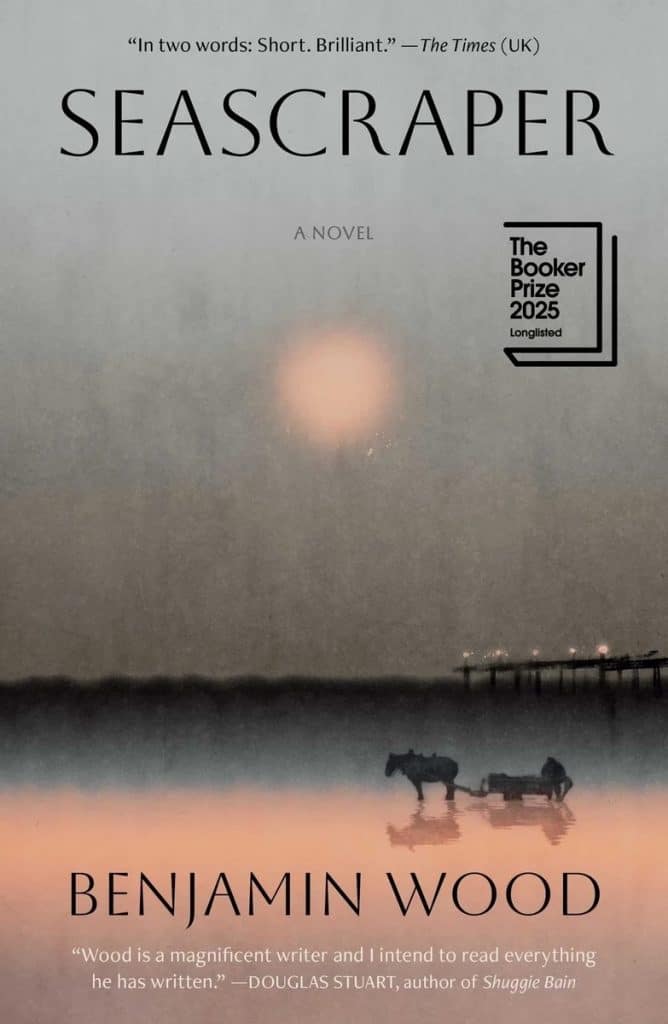
Seascraper

Read: November 2025

Get this book

Seascraper: A Novel

by Benjamin Wood

Haunting, timeless, and stunningly atmospheric, Seascraper by Benjamin Wood explores the story of a young man whose quiet existence is dramatically altered in just one day. His circumstances confine him, yet he yearns for a sense of fulfillment that extends far beyond the world he knows. The novel has been longlisted for the 2025 Booker Prize.

Twenty-year-old Thomas Flett lives a slow, deliberate life with his mother in Longferry, Northern England, working his grandpa’s trade as a shanker. He rises early to take his horse and cart to the drizzly shore to scrape for shrimp, and spends the afternoon selling his wares, trying to wash away the salt and sea-scum, pining for his neighbor, Joan Wyeth, and playing songs on his guitar. At heart, he is a folk musician, but this remains a private dream.

Then a mysterious American arrives in town and enlists Thomas’s help in finding a perfect location for his next movie. Though skeptical at first, Thomas learns to trust the stranger, Edgar, and, shaken from the drudgery of his days by the promise of Hollywood glamour, begins to see a different future for himself. But how much of what Edgar claims is true, and how far can his inspiration carry Thomas?


Benjamin Wood was born in 1981 and grew up in Merseyside. Seascraper is his fifth novel. His previous works were shortlisted for the Costa First Novel Award, the Commonwealth Book Prize, the Sunday Times Young Writer of the Year Award, the RSL Encore Award, the CWA Gold Dagger Award, and the European Union Prize for Literature. In 2014, he won France’s Prix du Roman Fnac.

He is a senior lecturer in creative writing at King’s College, London, and lives in Surrey with his wife and sons.


Discover your next favorite book and dive into a world of curated, exciting reads by purchasing through my links. You’ll have access to a diverse selection of books that I’ve personally vetted to ensure quality and enjoyment. Additionally, by supporting these selections, you’ll help me continue to provide you with more personalized recommendations. I earn a small commission from your purchase, which allows me to buy and share even more books with you. Your support truly makes a difference!


×
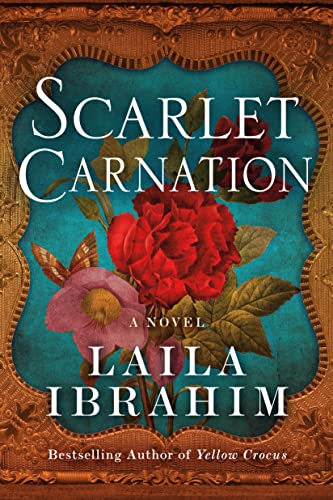
Scarlet Carnation: A Novel

Read: March 2022

Get this book

Scarlet Carnation: A Novel

by Laila Ibrahim

Scarlet Carnation: A Novel by Laila Ibrahim is a book I enjoyed reading. Having read this book, I am now a fan of Laila Ibrahim and look forward to reading more of her novels. In addition, I am a fan of historical fiction, and this is one of the best I have read about the second decade of the twentieth century.

May and Naomi are related, but their lives are very relatable to the reader. The promises of equality and transformation of women’s roles resonate even now. Bringing together the myriad issues they confront – racism, shaming for decisions they made, peace, and the interlocking of their families from a plantation, make this a book that I highly recommend.

The only observation was my shock at reading that they were petitioning President Coolidge at the start of WW I. It is a minor issue as the story flows strongly from the first to the last page.

The Goodreads overview highlights the narrative of the book.

In an early twentieth-century America roiling with racial injustice, class divides, and WWI, two women fight for their dreams in a galvanizing novel by the bestselling author of Golden Poppies. 1915. May and Naomi are extended families, their grandmothers’ lives inseparably entwined on a Virginia plantation in the volatile time leading up to the Civil War. For both women, the twentieth century promises social transformation and equal opportunity.

May, a young white woman, is on the brink of achieving the independent life she’s dreamed of since childhood. Naomi, a nurse, mother, and leader of the NAACP, has fulfilled her own dearest desire: buying a home for her family. But they both are about to learn that dreams can be destroyed in an instant. May’s future is upended, and she is forced to rely once again on her mother. Meanwhile, the white-majority neighborhood into which Naomi has moved is organizing against her while her sons are away fighting for their country.

In the tumult of a changing nation, these two women—whose grandmothers survived the Civil War—support each other’s quest for liberation and dignity. Both find the strength to confront injustice and the faith to thrive on their chosen paths.

Register to Attend Celebrate Jan Day

Subscribe

Contact Us

When you buy a book or product using a link on this page, I receive a commission. Thank you for supporting Sharing Jan’s Love blog.

×
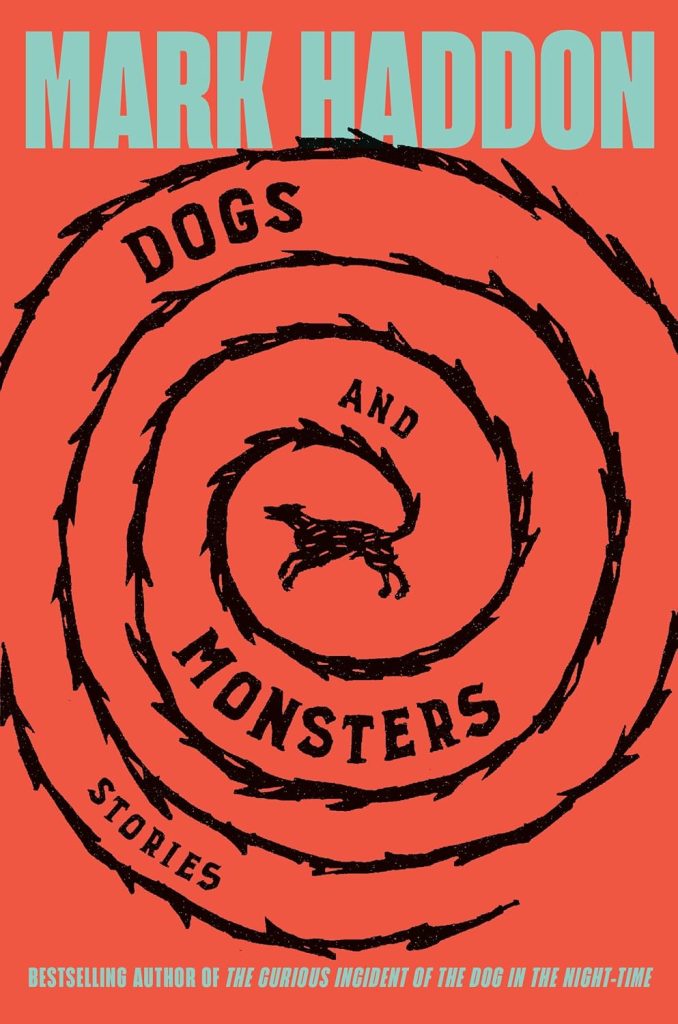
Dogs and Monsters: Stories

Read: October 2024

Get this book

Dogs and Monsters: Stories

by Mark Haddon

Today, I started reading Dogs and Monsters: Stories by Mark Haddon. The collection features eight captivating and imaginative stories that blend Greek myths with contemporary dystopian narratives. The stories explore themes of mortality, moral choices, and various forms of love, including romantic, familial, and self-love. Haddon’s clear-eyed vision is infused with deep empathy.

In addition, Haddon’s fluid prose showcases his remarkable powers of observation, both of the physical world and the inner workings of the human psyche. Greek myths have fascinated people for millennia with their timeless appeal and enduring lessons about fate, hubris, and life’s uncertainties. In Dogs and Monsters: Stories, Mark Haddon delves into the heart of these ancient fables and presents them in a fresh light. For instance, in one story, the dawn goddess Eos requests that Zeus grant her lover Tithonus eternal life but forgets to ask for eternal youth. In “The Quiet Limit of the World,” Haddon imagines Tithonus’s life as he ages over thousands of years, transforming this cautionary tale about tempting the gods into a spellbinding meditation on observing death from the outside. This tale ultimately explores how carnal love evolves into something more profound and poignant over time.

In “The Mother‘s Story,” Haddon reinterprets the myth of the Minotaur, born of the monstrous lust of King Minos’s wife, Pasiphaë. He turns it into a heartbreaking parable of a mother’s love for a damaged child and the more tangible monstrosities of patriarchy. In “D.O.G.Z.,” the story of Actaeon, who was transformed into a stag after glimpsing the naked goddess Diana and was subsequently torn apart by his hunting dogs, becomes a visceral metaphor for the continuum of human and animal behavior.

Other stories in Dogs and Monsters: Stories play with contemporary mythic tropes—such as genetic engineering, attempts to escape the future, and the cruelty of adolescent ostracism. These stories showcase how modern humans are subject to the same capriciousness that concerned the Greeks but in a fresh and intriguing light. Haddon‘s tales cover a wide range of themes, from the mythic to the domestic, from ancient Greece to the present day, and explore love alongside stories of cruelty. They take readers from battlefields to bed and breakfasts and from dogs in space to doors between worlds, all bound together by profound sympathy and an insight into how human beings think, feel, and act when pushed to their limits.

×