
The Amen Effect

The Amen Effect is a Book for Our Moment!

Rabbi Sharon Brous's Message of Healing: Embracing Both Pain and Joy!

Estimated reading time: 4 minutes, 4 seconds

As a child, I was the boy who wore his heart on his sleeve, tears flowing freely in response to both joy and sorrow. As I transitioned into young adulthood, I reveled in this sensitivity, convinced it made me a true man—one unafraid to be vulnerable and express his emotions. But everything changed when my wife was diagnosed with lymphoma. Suddenly, those tears felt dangerously heavy. I found myself crying not just for her but also out of a profound fear that it should have been me facing this battle instead.

As her caregiver, the weight of my emotions became a burden—I felt the need to project strength, to hide my tears behind a brave facade. When my wife passed away, I embarked on a conscientious journey to regain my resilience. This path transformed me, instilling a strength I never knew I had and igniting a sense of purpose. My Rabbi Uri Allen, friend Danny, and others have told me I’ve become a better person through this experience. Yet, I needed a way to understand who I am and how to live fully.

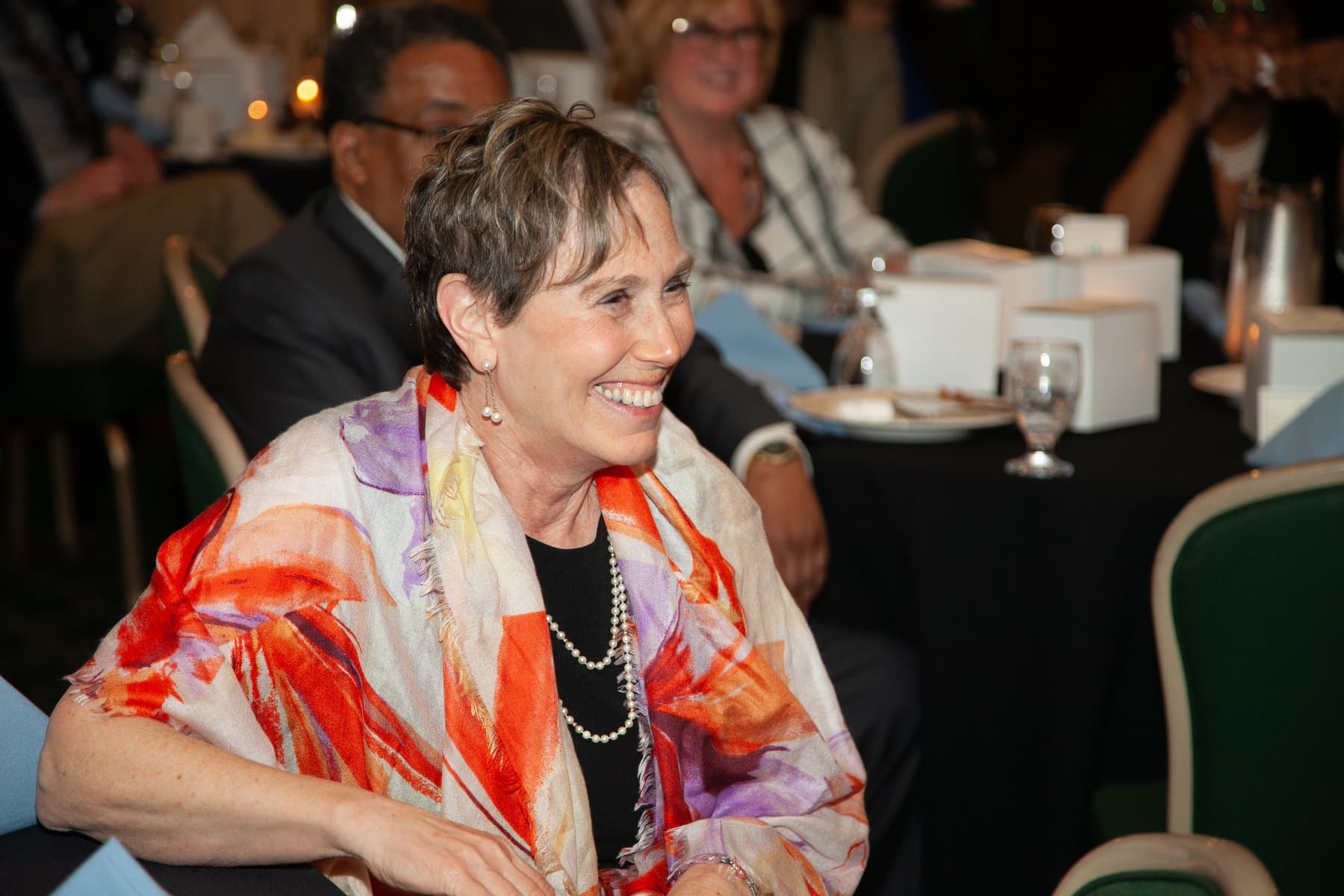
On Tuesday, March 18th, I attended the Kol Tzedek Speakers Series at Temple Emanu-El in Westfield. I was captivated by an inspiring presentation from Rabbi Sharon Brous, the author of “The Amen Effect: Ancient Wisdom to Heal Our Hearts and Mend Our Broken World.” From the moment she spoke her first words, my eyes brimmed with tears, a testament to the deep emotional connection she stirred within me.

As Rabbi Brous, the senior and founding Rabbi of IKAR, spoke about the brokenness of the world and the importance of accepting both the pain and moments of joy in life, I realized that I had managed to navigate my grief by following her advice despite hearing her for the first time almost four years after my wife’s death. How could I, an ordinary man, have learned to grieve and live?

In the early days of my grief, it would have been easy for me to shut myself off from the world and become a hermit. Instead, I chose to engage with life. I began a separate set of tasks that became a testament to my conscientious resilience, a testament to personal growth and empowerment. I took walks, met new people, read, wrote, worshiped, volunteered, and continued to dream.

During this time, I had an excellent therapist and several grief support groups. Two and a half months after the funeral, my youngest son invited me to his wedding. My therapist believed it was an excellent opportunity for me to embrace joy after my loss and reminded me that I was attending not as a widow but as the groom’s father. The other widows in my support groups expressed concern about attending a wedding. In hindsight, I realized this was the beginning of my recovery.

Celebrating love gave me the confidence to realize that I could live fully after my loss. Day by day, other moments of joy occurred, including fourteen months to the day after my grandson Wes’s first, which rekindled my faith. I also enjoyed volunteering, discovering new insights from books, and helping others. This journey was made possible by the support and understanding of my community.

As I listened to Rabbi Borus, I realized she perceived me not as a broken man but as someone who had found meaning and purpose during my grief. She offered a framework for what I had come to understand through my trials and errors. A bridge over troubled waters needs more than bricks and mortar; it requires faith in a structure that holds the bridge together despite the stress and strains.

As I read her book, I wanted to skim its pages, yet I knew I must take the time to truly absorb the meaning of each word. With the support of my friends, I’ve overcome challenges and look forward to deepening my understanding of how I’ve reached this moment in my life. The Amen Effect offers guidance on my journey. When I asked Rabbi Borus to sign a book for a friend who was unable to attend, I expressed how her words had transformed my life, showing me how and why I am a better person. I embrace her wisdom and will share my knowledge to uplift others.

If you would like to read my review of The Amen Effect, please click here.


When you purchase a book through one of my links, I earn a small commission that helps support my passion for reading. This contribution allows me to buy even more books to share with you, creating an incredible cycle of discovering great reads together! Your support truly makes a difference!


The Amen Effect

The Amen Effect

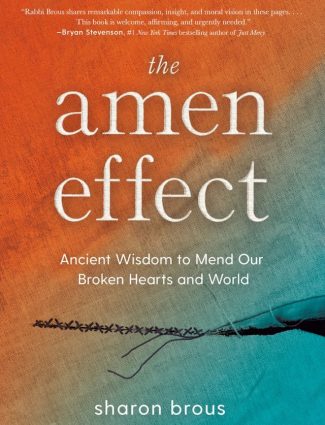
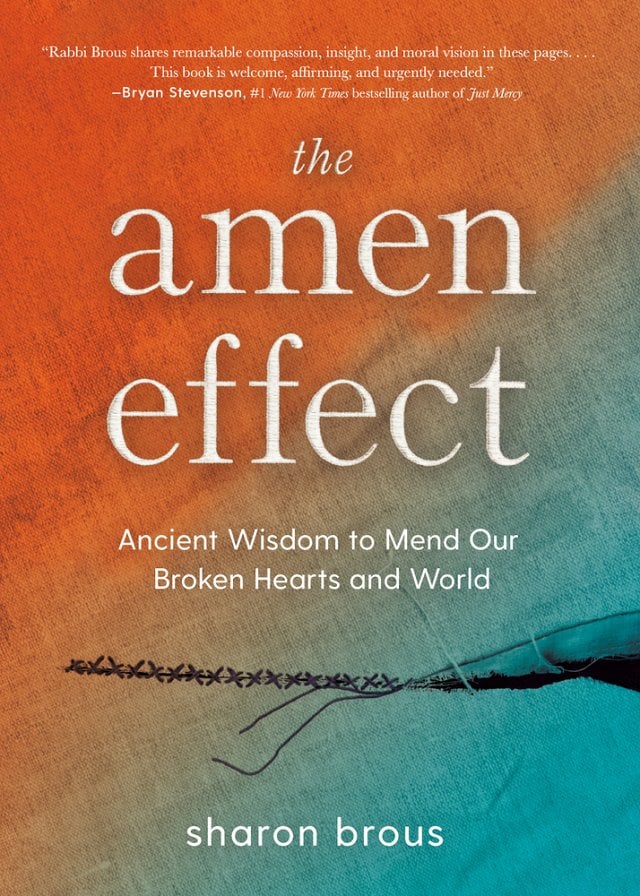
Sharon Brous, a prominent American rabbi, argues in The Amen Effect: Ancient Wisdom to Heal Our Hearts and Mend Our Broken World that the essential spiritual work of our time—though instinctual and often countercultural—focuses on connecting through celebration, sorrow, and solidarity. We must support each other in times of joy and pain, embrace vulnerability and possibility, nurture relationships with shared purposes, and create communities centered on care.
Read book review Get this book All books

Share your thoughts and ideas

This site uses Akismet to reduce spam. Learn how your comment data is processed.

The Jan Lilien Education Fund!

The Amen Effect

Read: March 2025

Get this book

The Amen Effect

by Sharon Brous

Sharon Brous, a prominent American rabbi, argues in The Amen Effect: Ancient Wisdom to Heal Our Hearts and Mend Our Broken World that the essential spiritual work of our time—though instinctual and often countercultural—focuses on connecting through celebration, sorrow, and solidarity. We must support one another in times of joy and pain, embracing vulnerability and possibility, nurturing relationships with shared purposes, and creating communities centered on care.

From one of our country’s most prominent rabbis comes this inspiring book about the power of community, based on one of her most impactful sermons. What will it take to mend our broken hearts and rebuild our society in a time of loneliness, isolation, social rupture, and alienation?

Brous contends that honoring our most basic human instinct—the yearning for authentic connection—is the way to reawaken our shared humanity and begin the healing process. This kind of sacred presence is captured by the word amen, a powerful ancient idea that we affirm the fullness of one another’s experience by demonstrating, in body and word: “I see you. You are not alone.”

An acclaimed preacher and storyteller, Brous pairs heart-driven anecdotes from her experience building and pastoring to a leading-edge faith community over the past two decades with ancient Jewish wisdom and contemporary science. The result is a clarion call: the sense of belonging engendered by our genuine presence is both a social and biological need, as well as a moral and spiritual necessity.

With original insights and practical tools, The Amen Effect translates foundational ideas into simple practices that connect us to our better angels, offering a blueprint for a more meaningful life and a more connected and caring world.

As she writes in the preface, after listing the joys and pains of life, weddings, births, and death,

It’s in these times that I feel the weight of the work, the privilege of being alive, the blessing of being so close to such raw beauty and pain. It’s there that I have learned the power of saying ‘Amen‘ to one another’s grief and joy, sorrow and celebration with our very presence. Of bearing witness to profound suffering and protesting injustice with our very presence. Of comforting and consoling, surviving and thriving with our very presence. What I’ve learned, during the years, is the meaning of sacred companionship. I have seen, in ways subtle and pronounced, a longing to connect with others who can help hold the pain, a need to share what we’ve learned in the trenches, and a desire to give, even when we ourselves have barely caught our breath. And I have seen how knowing that we’re not alone can both heighten our joy and help us endure unimaginable hardship.

Click here to read about my experience listening to Rabbi Brous at the Kol Tzedek Speakers Series at Temple Emanu-El in Westfield.


Sharon Brous is the senior and founding rabbi of IKAR, a leading-edge Jewish community based in Los Angeles, and the author of The Amen Effect: Ancient Wisdom to Heal Our Hearts and Mend Our Broken World, a national bestseller.

In 2013, Brous blessed President Obama and Vice President Biden at the Inaugural National Prayer Service, and in 2021, returned to bless President Biden and Vice President Harris and then led the White House Passover Seder 2021 and the Hanukkah candle lighting with the Vice President and Second Gentleman in 2023. She was ranked as the number one most influential Rabbi in America by Newsweek/The Daily Beast. She has also been recognized by The Forward and the Jerusalem Post as one of the most influential Jews alive today. Her work has appeared in prominent publications, including The New York Times, The Los Angeles Times, and The Washington Post. Additionally, her TED talk, “Reclaiming Religion,” has been viewed by over 1.5 million people.

Brous is part of the inaugural cohort of Auburn Seminary’s Senior Fellows program, which brings together top faith leaders working on the frontlines for justice. She sits on the faculty of REBOOT and serves on the International Council of the New Israel Fund, as well as the national steering committee for the Poor People’s Campaign.

A Columbia University graduate (holding both undergraduate and M.A. degrees in Human Rights), she was ordained by the Jewish Theological Seminary and resides in Los Angeles with her husband and children.


When you purchase a book through one of my links, I earn a small commission that helps support my passion for reading. This contribution allows me to buy even more books to share with you, creating an incredible cycle of discovering great reads together! Your support truly makes a difference!

×
The Amen Effect
×
Three Strong Women

Read: August 2022

Three Strong Women

by Marie NDiaye

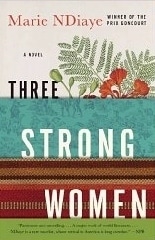
Three Strong Women by Marie NDiaye is a novel that focuses on three women who say no. Winner of the coveted Prix Goncourt, the first by a black woman, Marie NDiaye, creates a luminous narrative triptych as harrowing as beautiful. With lyrical intensity, Marie NDiaye masterfully evokes the relentless denial of dignity, to say nothing of happiness, in these lives caught between Africa and Europe. I highly recommend this novel.

John Fletcher translated the Kindle version.

The Goodreads summary provides an overview,

This is the story of three women who say no: Norah, a French-born lawyer who finds herself in Senegal, summoned by her estranged, tyrannical father to save another victim of his paternity; Fanta, who leaves a modest but contented life as a teacher in Dakar to follow her white boyfriend back to France, where his delusional depression and sense of failure poison everything; and Khady, an impoverished widow put out by her husband’s family with nothing but the name of a distant cousin (the Fanta above) who lives in France, a place Khady can scarcely conceive of but toward which she must now take desperate flight.

With lyrical intensity, Marie NDiaye masterfully evokes the relentless denial of dignity, to say nothing of happiness, in these lives caught between Africa and Europe. We see with stunning emotional exactitude how ordinary women discover unimagined reserves of strength, even as their humanity is chipped away. Three Strong Women admits to an immigrant experience rarely, if ever, examined in fiction, but even more into the depths of the suffering heart.


The Jan Lilien Education Fund sponsors ongoing sustainability and environmental awareness programs. Gifts made this month are matched dollar-for-dollar. All donations are tax-deductible.

Subscribe

Contact Us

I receive a commission when you buy a book or product using a link on this page. Thank you for supporting Sharing Jan’s Love blog.

×
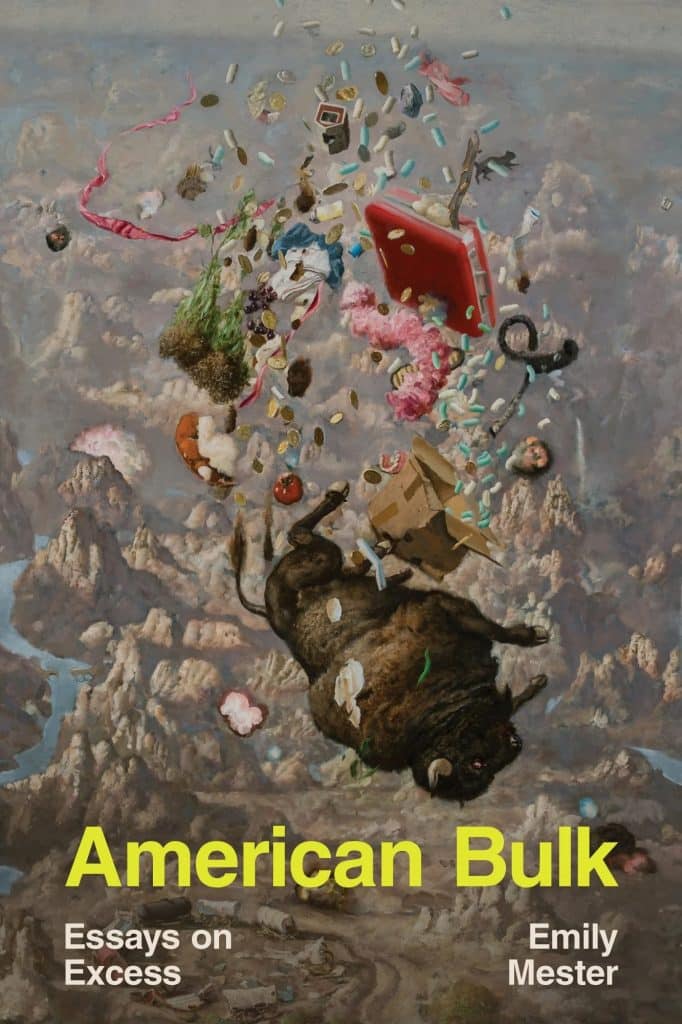
American Bulk

Read: February 2026

Get this book

American Bulk: Essays on Excess

by Emily Mester

In a series of deeply personal essays, Emily Mester‘s “American Bulk” examines how the things we buy, eat, accumulate, and discard become integral parts of our lives. We often guiltily watch Amazon boxes pile up on the porch, sift through countless reviews to find the perfect product, and crave the familiar comfort of a chain restaurant. With humor and sharp insight, Mester reflects on the joys and anxieties of Costco trips, how a seasonal job at Ulta Beauty taught her the subtle art of sales, and what it means to feel “mall sad.”

In a nuanced exploration of diet culture and body image, Mester shares her experience at a fat camp during her teenage summer and the unexpected sense of liberation she discovered there. Finally, she travels to Storm Lake, Iowa, to confront her grandmother’s abandoned hoard, unraveling the dysfunction at the heart of her family’s obsession with material possessions. American Bulk introduces readers to an impressive new literary voice from the American heartland, urging us to view consumption not with guilt, but with grace and empathy.


Emily Mester is a writer from the suburban Midwest, where her family shopped at Costco every Sunday. She earned an MFA in nonfiction from the University of Iowa, where she received the Prairie Lights Nonfiction Prize. Currently, she resides in New York.


Discover your next favorite book and dive into a world of curated, exciting reads by purchasing through my links. You’ll have access to a diverse selection of books that I’ve personally vetted to ensure quality and enjoyment. Additionally, by supporting these selections, you’ll help me continue to provide you with more personalized recommendations. I earn a small commission from your purchase, which allows me to buy and share even more books with you. Your support truly makes a difference!

×
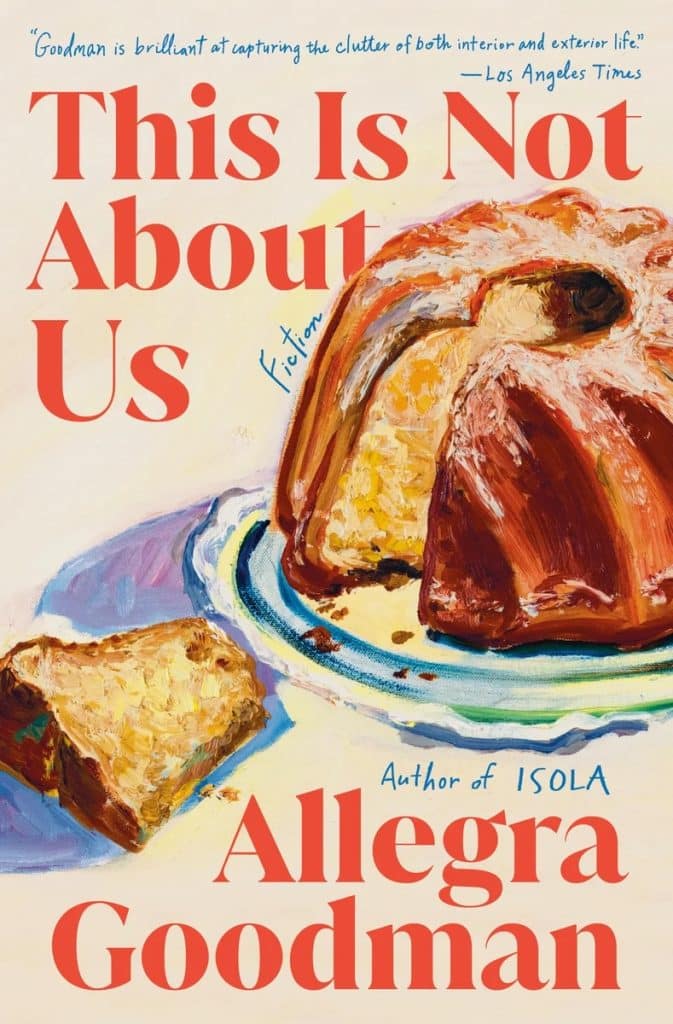
This Is Not About Us

Read: February 2026

Get this book

This Is Not About Us

by Allegra Goodman

In This Is Not About Us, master storyteller Allegra Goodman—who received praise for her previous collection in the Boston Globe as “one of the most astute and engaging books about American family life“—explores familiar themes and styles that have captivated countless readers. The New York Times has listed it as one of “The Novels Everyone Will Be Talking About in 2026.”

When their beloved sister passes away, Sylvia and Helen Rubinstein are unmoored. A misunderstanding about apple cake turns into a decade of stubborn silence. Busy with their own lives—divorces, dating, career setbacks, college applications, bat mitzvahs, and ballet recitals—their children do not want to get involved. As for their grandchildren? Impossible.

Sharply observed and laced with humor, This Is Not About Us is a story of growing up and growing old, the weight of parental expectations, and the complex connection between sisters—a big-hearted book about the love that binds a family across generations.


Allegra Goodman is the author of seven novels, including the national bestseller Isola, selected as a Reese’s Book Club pick. She has also written two collections of short stories and a novel for young readers. Her fiction has appeared in The New Yorker and elsewhere, and anthologized in The O. Henry Awards and Best American Short Stories. She lives with her family in Cambridge, Massachusetts.


Discover your next favorite book and dive into a world of curated, exciting reads by purchasing through my links. You’ll have access to a diverse selection of books that I’ve personally vetted to ensure quality and enjoyment. Additionally, by supporting these selections, you’ll help me continue to provide you with more personalized recommendations. I earn a small commission from your purchase, which allows me to buy and share even more books with you. Your support truly makes a difference!

×
A Parish Chronicle

Read: February 2026

Get this book

A Parish Chronicle

by Halldór Laxness

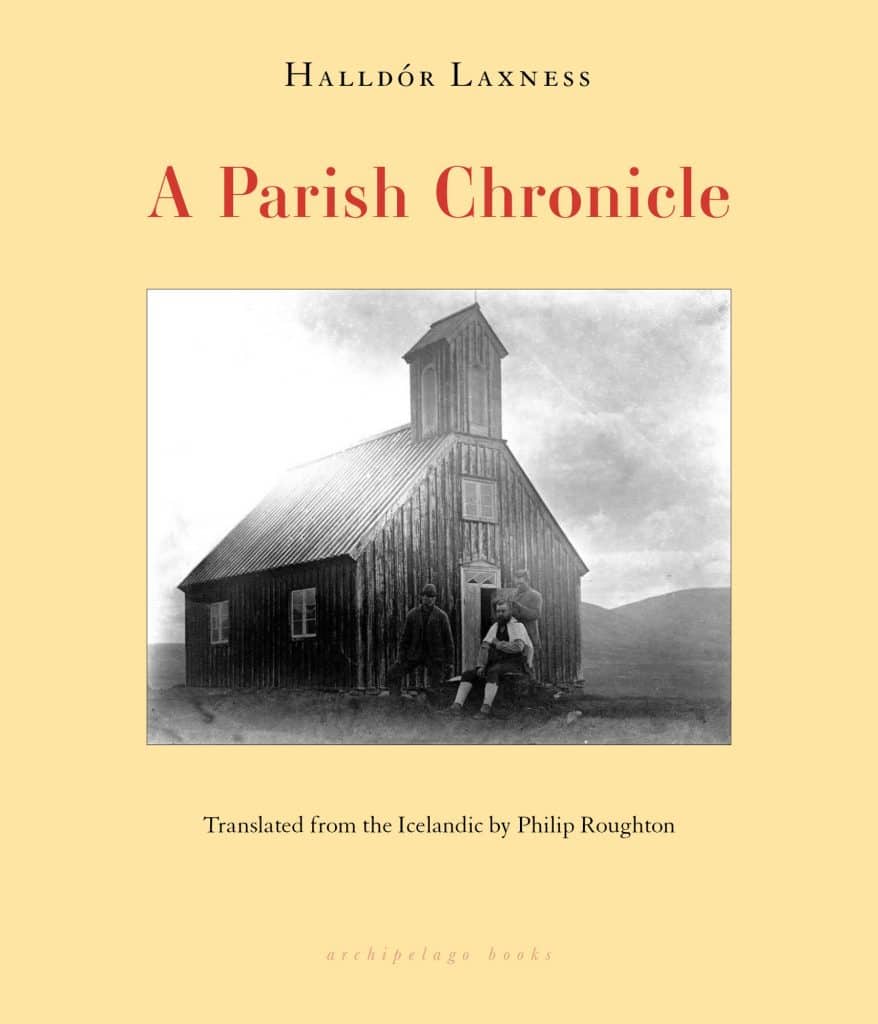
In “A Parish Chronicle,” celebrated novelist Halldór Laxness weaves an essayistic tale about the unlikely miracles that keep a church—destined to disappear time and again—rooted on the same hillside. Laxness explores the minutiae of history, from the location of the ancient burial mound of national hero Egill Skallagrímsson to the end of the 19th century, where weak-sighted Ólafur and boisterous farmhand Gunna each play unexpected roles in the parish’s enduring survival.

1882. In the still of morning, Ólafur sharpens his scythe on the bone-dry pavestones that separate his farmhouse from the rest of Mosfell Valley, where life revolves around sheep. The sound of his hammer rings out like a high-pitched bell over the tussocky fields. Across the valley, perched on a hill that receives more sunshine than others, stands Mosfell Church. Nearby, the parish priest’s maid Gunna pours her “slosh,” a weak cup of coffee. Further afield in Reykjavík (“down south” as the locals say), the general assembly decides to revisit an old plan to cut costs by consolidating small parishes and calls for the demolition of Mosfell. Yet today a church stands on that same hillside—its sharp steeple silhouetted against the clouds, its crown bell hanging to the left of the altar.

This intimate tribute to life in Laxness‘s home valley also offers a thoughtful commentary on how the peculiarities of certain individuals can shape history. “A Parish Chronicle” is rich with life and detail.


Halldór Laxness (1902-1998) is the undisputed master of modern Icelandic fiction. He was awarded the Nobel Prize in Literature in 1955, “for his vivid epic power which has renewed the great narrative art of Iceland.” His body of work includes novels, essays, poems, plays, stories, and memoirs: more than sixty books in all. His works available in English include Independent People, The Fish Can Sing, World Light, Under the Glacier, Iceland’s Bell, and Paradise Reclaimed.

Philip Roughton has translated the work of Halldór Laxness, Jón Kalman Stefánsson, Kristín Marja Baldursdóttir, and many others. He has twice been awarded the American-Scandinavian Foundation Translation Prize for his renderings of Halldór Laxness‘s work, in 2001 for Iceland’s Bell and in 2015 for Wayward Heroes. He also received the 2016 Oxford-Weidenfeld Prize for his translation of Jón Kalman Stefánsson’s The Heart of Man. He lives in Iceland. Translator Residence: Akureyri, Iceland

Salvatore Scibona is the recipient of a Mildred and Harold Strauss Living Award from the American Academy of Arts and Letters. His first novel, The End, was a finalist for the National Book Award and winner of the Young Lions Fiction Award. His second novel, The Volunteer, was called a “masterpiece” by the New York Times and won the Ohioana Book Award. His books have been translated into ten languages. His work has won a Guggenheim Fellowship, a Pushcart Prize, an O. Henry Award, and a Whiting Award, and the New Yorker named him one of its “20 Under 40” fiction writers. He is the Sue Ann and John Weinberg Director of the Cullman Center for Scholars and Writers at the New York Public Library.


Discover your next favorite book and dive into a world of curated, exciting reads by purchasing through my links. You’ll have access to a diverse selection of books I’ve personally vetted for quality and enjoyment. Additionally, by supporting these selections, you’ll help me continue to provide you with more personalized recommendations. I earn a small commission from your purchase, which allows me to buy and share even more books with you. Your support truly makes a difference!

×
Shiner: A Novel

Read: March 2022

Get this book

Shiner: A Novel

by Amy Jo Burns

Shiner: A Novel by Amy Jo Burns was my twenty-second of the year, and I achieved my Goodreads 2022 Reading Challenge. An hour from the closest West Virginia mining town, fifteen-year-old Wren Bird lives in a secluded mountain cabin with her parents. They have no car, mailbox, or visitors- except for her mother’s lifelong best friend.

Wren’s narration of her discoveries of the secrets of the past over one summer drives the novel and makes it a page-turner. Her mother, Ruby, and her best friend, Ivy, are two strong women who dreamed of escaping the West Virginia mountains. The male characters play secondary roles in the novel, as they should. Shiner is a feminist book about how women can and must take back their stories and lives from men whose power is an illusion.

I highly recommend this novel and look forward to reading other books by Amy Jo Burns. It was the perfect book to finish my reading challenge. As I continue to read this year, I hope to find another of her books on my shelf.

Goodreads provides an overview.

Every Sunday, Wren’s father delivers winding sermons in an abandoned gas station. He takes up serpents and praises the Lord for his blighted white eye, proof of his divinity and key to his hold over the community, Wren, and her mother.

But over the course of one summer, a miracle performed by Wren’s father quickly turns to tragedy. As the order of her world begins to shatter, Wren must uncover the truth of her father’s mysterious legend and her mother’s harrowing history and complex bond with her best friend. And with that newfound knowledge, Wren can imagine a different future for herself than she has been told to expect.

Rich with epic love and epic loss, and diving deep into a world that is often forgotten but still part of America, Shiner reveals the hidden story behind two generations’ worth of Appalachian heartbreak and resolve. Amy Jo Burns brings us a smoldering, taut debut novel about modern female myth-making in a land of men-and one young girl who must ultimately open her eyes.

Register to Attend Celebrate Jan Day

Subscribe

Contact Us

When you buy a book or product using a link on this page, I receive a commission. Thank you for supporting Sharing Jan’s Love blog.

×
The Director

Read: December 2025

Get this book

The Director: A Novel

by Daniel Kehlmann

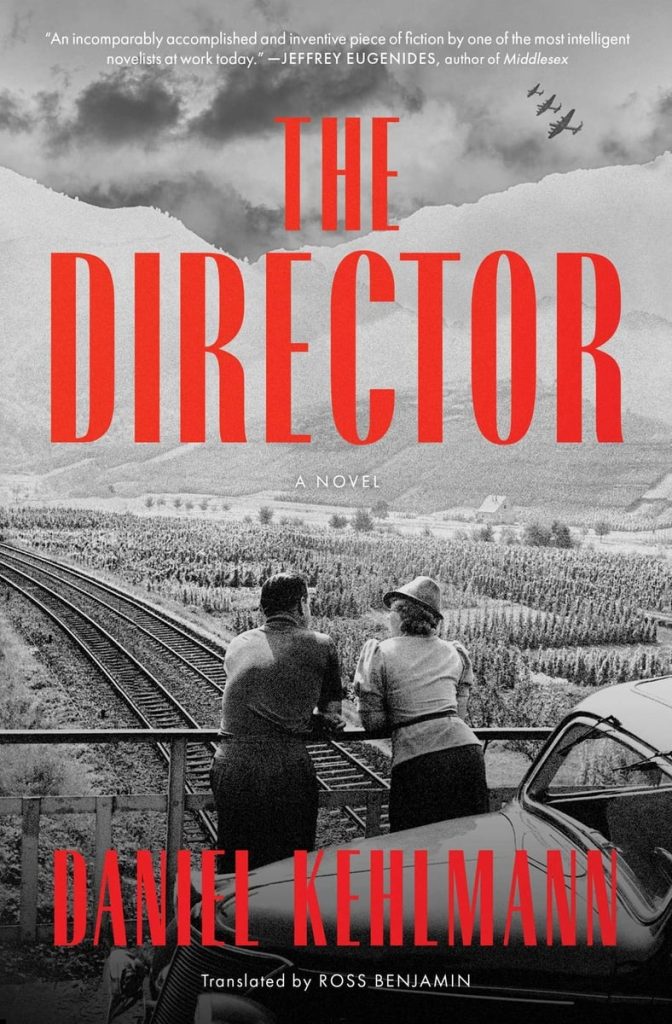
“The Director” by Daniel Kehlmann, translated by Ross Benjamin, is a thought-provoking novel inspired by the life of film director G.W. Pabst. Pabst fled to Hollywood to escape the Nazis but later returned to Germany to produce propaganda films for the German Reich. The novel is a New York Times Top 10 Book of the Year, an NYPL Best Book of the Year, and a notable book by the Washington Post.

An artist’s life, a pact with the devil, and the dangerous illusions of the silver screen.

G.W. Pabst, one of cinema’s greatest directors of the 20th century, was filming in France when the Nazis seized power. To escape the horrors of the new and unrecognizable Germany, he fled to Hollywood. But now, under the blinding California sun, the world-famous director suddenly looks like a nobody. Not even Greta Garbo, the Hollywood actress whom he made famous, can help him.

When he learns that his elderly mother is ill, he finds himself back in his homeland of Austria, now called Ostmark. Pabst, his wife, and his young son are suddenly confronted with the barbaric nature of the regime. So, when Joseph Goebbels—the minister of propaganda in Berlin—sees the potential for using the European film icon for his directorial genius and makes big promises to Pabst and his family, Pabst must consider Goebbels’s thinly veiled order. While Pabst still believes that he will be able to resist these advances, that he will not submit to any dictatorship other than art, he has already taken the first steps into a hopeless entanglement.

Kehlmann’s latest oeuvre explores the complicated relationships and distinctions between art and power, beauty and barbarism, cog and conspirator.


Daniel Kehlmann was born in Munich in 1975. His novels and plays have won numerous prizes, including the Candide Prize, the Doderer Prize, the Kleist Prize, the Welt Literature Prize, and the Thomas Mann Prize. His novel Tyll, shortlisted for the 2020 International Booker Prize, and Measuring the World have been translated into more than forty languages and are among the biggest successes in post-war German literature. He currently lives in Berlin and New York.

Ross Benjamin is the translator of numerous works of German-language literature, including Franz Kafka’s Diaries, Clemens J. Setz’s Indigo, Joseph Roth’s Job, Kevin Vennemann’s Close to Jedenew, Friedrich Hölderlin’s Hyperion, and Daniel Kehlmann’s Tyll and You Should Have Left. The recipient of a 2015 Guggenheim Fellowship, Benjamin was also awarded the 2010 Helen and Kurt Wolff Translator’s Prize for his rendering of Michael Maar’s Speak, Nabokov. His translation of Tyll was shortlisted for the 2020 International Booker Prize.


Discover your next favorite book and dive into a world of curated, exciting reads by purchasing through my links. You’ll have access to a diverse selection of books that I’ve personally vetted to ensure quality and enjoyment. Additionally, by supporting these selections, you’ll help me continue to provide you with more personalized recommendations. I earn a small commission from your purchase, which allows me to buy and share even more books with you. Your support truly makes a difference!

×