
Jan’s Love is All I Ever Needed

Estimated reading time: 10 minutes, 24 seconds
The Most Beautiful Things are
Felt With the Heart!

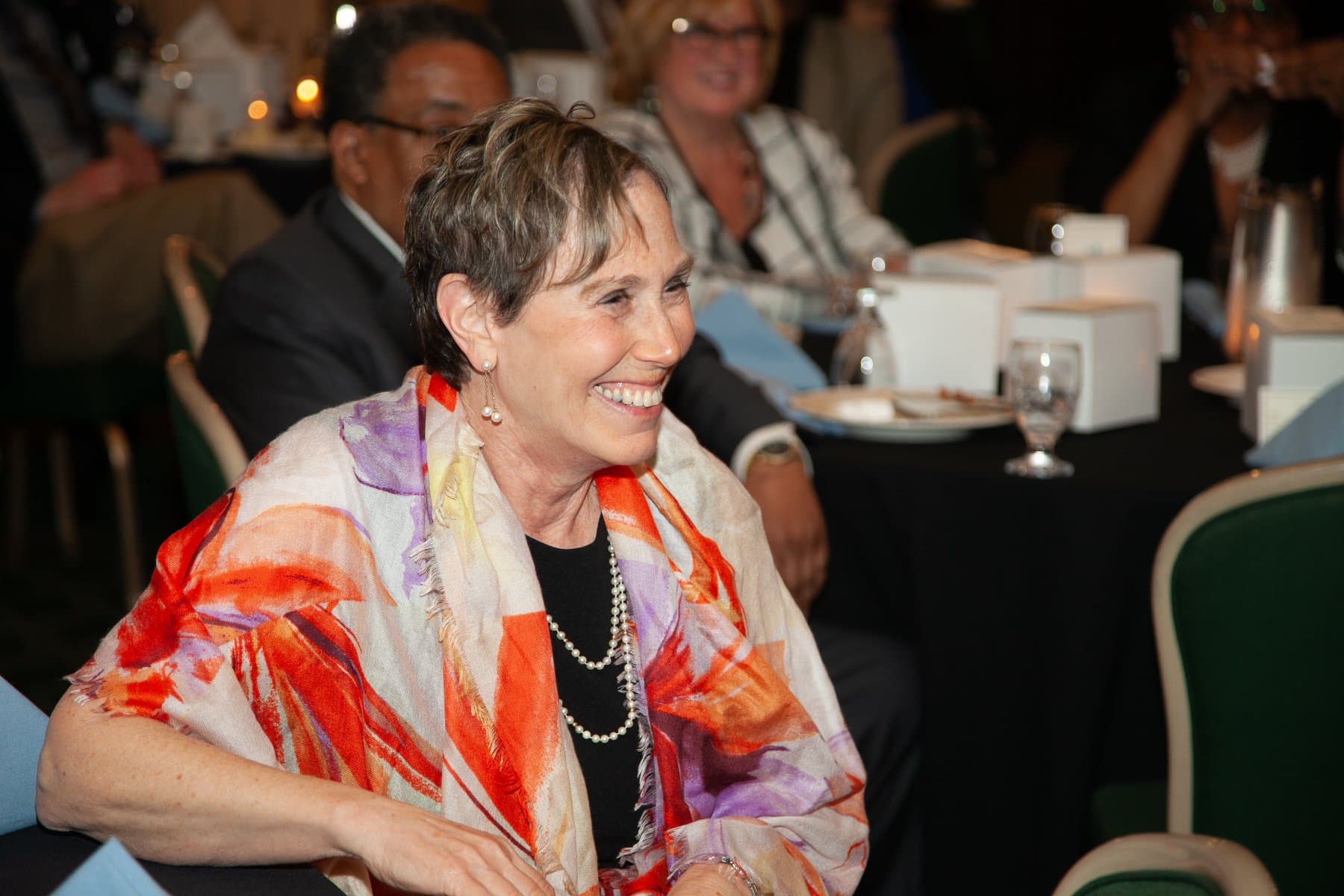
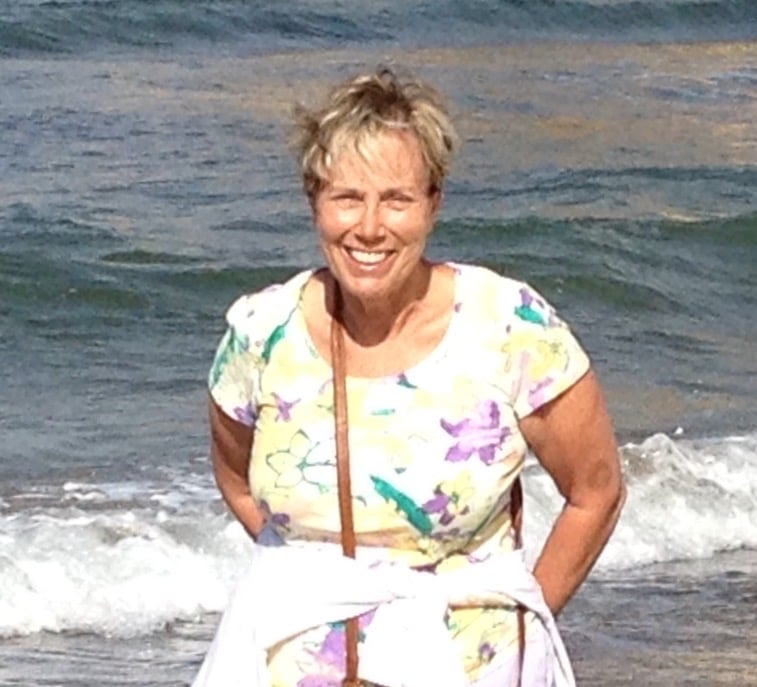
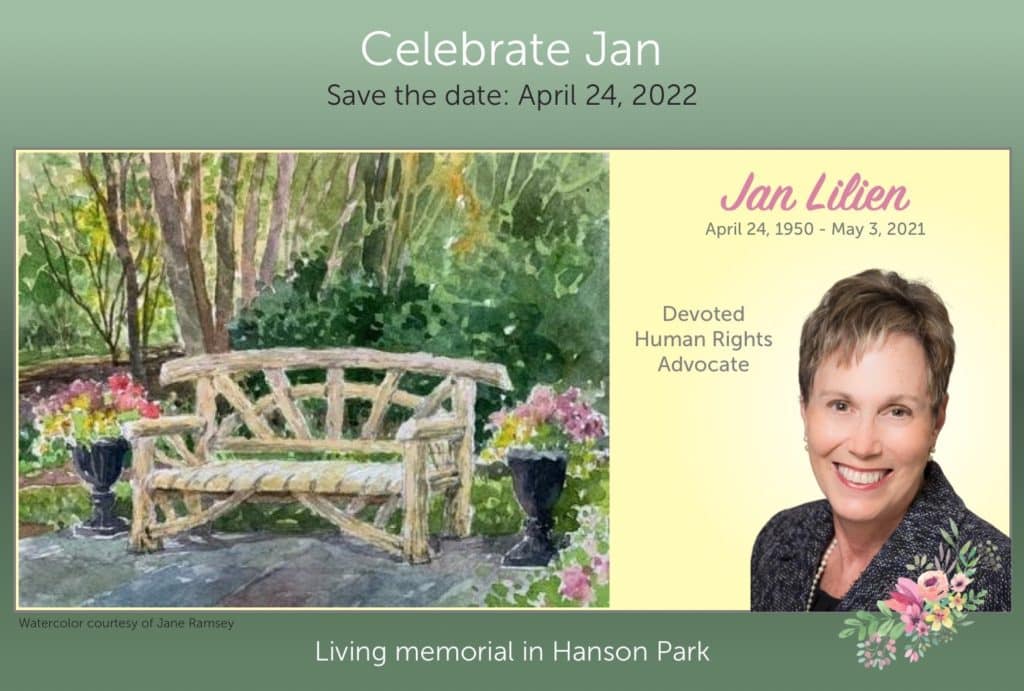
“I would give you a call, but…” I said to Jan as we stood on the steps of SERA in the Bronx, where she worked. Before I could end the sentence, she handed me a folded piece of paper from a tiny notebook she had taken from her purse. I unfolded it, and as I read it, I smiled. Not only did I have her phone number, but I also had her last name. Jan Lilien. Jan Lilien. What a beautiful name! We both had smiles bigger than all of the Big Apple. I placed the paper she gave me in my shirt pocket by my heart

We had walked to her job this morning, and it was as if we were the only people on that route. Toward the end, she mentioned how nice it was to have someone to walk and talk to on the way to work. I nodded and said with a wink, “I’m happy to do this every day!”
I kissed her passionately and hugged her as she entered the building. I wanted to make sure she did not forget that I loved her and that she would not forget me. Having her co-workers know that she had someone in love with her was a secondary benefit. 

“I will call you,” we both said in unison. 

I have always been a dancer with two left feet. However, after I left her that morning, I was tap dancing like Fred Astaire on the way to the subway. 

Memories of Falling in Love

On the train Saturday night, I was a boy living alone, and now I was a man in love with a beautiful woman. When I boarded the train, I quickly found a seat. I was tired and needed to rest my body. However, my mind was alert as the last thirty-two hours flashed like a 3D movie on my eyelids. I closed my eyes and daydreamed.

What do you want to do,” she asked as I cleaned up after breakfast

I would like to…” I started to say but paused before I spoke these words: to spend the rest of my life with you. Instead, Instead I finished by saying, “continue the conversation we started last night and spend the day with you.”

Oh, what a day we had together!

We walked to Inwood Hill Park and then south until early afternoon. We then took the train to the battery and boarded the ferry to visit a friend in Staten Island. 

It was already dark as we passed the Statue of Liberty. Despite the cold, we stood outside, and the light from the torch enveloped us. I hugged Jan and kissed her. Lady Liberty had welcomed our ancestors. Tonight I felt that it was ushering me into a new world as well

It was late when we got back to Inwood, and we made dinner. The apartment was spacious, but the kitchen was so small it was almost impossible for one person to cook. We ignored the limitations and tried to cook together. On a dance floor, bumping into each other would have been sexy. Making pasta together for dinner was fun, but each time we bumped each other could have been the beginning of a disaster. 

We talked through dinner and afterward. With each word spoken, I fell deeper in love with Jan

At midnight, we both agreed we needed sleep if we were going to work on Monday. I offered to sleep on the couch, but Jan said with a smile, “I have a Queen-sized bed, and it is more comfortable!

She went to the bathroom first. She loaned me a toothbrush. My apartment was unheated and did not have a fully functioning bathroom. It was a joy to brush my teeth and wash my hands and face. 

When I walked into her bedroom, she was already in bed. I spoke to her, but she did not answer. She had already fallen asleep, and I crawled into bed and kissed her lips lightly. I whispered, “Good night, my sweetheart.” We were like lovers, decades from now, happy to be together forever. 

14th Street, Transfer to the L,” the announcement screamed. I had almost missed my stop, and I jumped up and pushed my way to the platform.

When I boarded the L Train, I decided to stand up by the door as I only had six stops before I exited. 

Dancing in East Williamsburg

I exited the station, taking the steps three at a time. Although I was excited to be home, the bounce in my feet was because I had found true love after almost two years of an imaginary girlfriend. My heart was bubbling over with joy as I started to walk down Grand Street. 

Although I only sang in the shower, I was about to start singing. Fortunately, I met Vanessa while walking to the subway station for a job interview.

“You look pretty chilled today,” she said. “What’s up?”

Before I could answer, Vanessa asked if my imaginary girlfriend was coming to visit me, and I told her no. It was something even more exciting. I did my best to explain what had happened since early yesterday morning as rapidly as possible so she would not miss her train. 

As Vanessa left, she gave me a high five.

I walked around the corner to my office in the basement of St. John’s on Maujer Street. I was hoping others might be just as happy for me.

We were a little worried when you did not make it back yesterday,” Mark laughed.

I had always wanted to be a bandleader, even without any musical talent; I laughed and began to lead them through the highlights of the last thirty-two hours. 

After you guys left, we talked and cleaned up all night….” I told them about the bagel run, rose, walking over most of the City, and taking the State Island Ferry. Like Vanessa, I hoped they could see how happy I was being in love.

They all congratulated me, and some gave me high fives. 

I saw Jan a month or two ago in the Village.” I was about to get to work when Kathy spoke. She was with a guy, and they seemed like they were happy together….

My heart slowed to an almost complete stop. 

“It may have ended, but I just don’t want you to get hurt,” she stammered. 

They all spoke at once with similar messages. 

I began to question if I had imagined a relationship where none existed with each statement. My happiness started fading faster than a daffodil in a snowstorm.

As I left them to go out to a series of meetings, Kathy offered to contact Jan at work to find out if she had a boyfriend, and I said no, I would call her later. 

Next Page

Pages: 1 2

26 comments add your comment

Share your thoughts and ideas

This site uses Akismet to reduce spam. Learn how your comment data is processed.

Previous Post:

Next Post:

The Jan Lilien Education Fund!

How to Read a Book: A Novel

Read: May 2024

Get this book

How to Read a Book: A Novel

by Monica Wood

I started reading Monica Wood‘s “How to Read a Book: A Novel” today. It’s a heartfelt and uplifting story about a chance encounter at a bookstore—the novel delves into themes of redemption, unlikely friendships, and the life-changing power of sharing stories. With Monica Wood’s characteristic heart, wit, grace, and understanding, the novel illuminates the decisions that shape a life and the kindnesses that make life meaningful.

The story revolves around three characters: Violet Powell, a twenty-two-year-old from rural Abbott Falls, Maine, who is being released from prison after serving twenty-two months for a drunk-driving crash that killed a local kindergarten teacher; Harriet Larson, a retired English teacher who runs the prison book club and is facing the prospect of an empty nest; and Frank Daigle, a retired machinist who is struggling to come to terms with the complexities of his marriage to the woman Violet killed.

Their lives unexpectedly intersect one morning in a bookstore in Portland, Maine. Violet buys the novel she read in the prison book club before her release, Harriet selects the following title for the remaining women, and Frank fulfills his duties as the store handyman. Their encounters set off a chain of events that will profoundly change them.

How to Read a Book is a candid and hopeful story about releasing guilt, embracing second chances, and the profound impact of books on our lives.

×
The Days of Abandonment

Read: July 2024

Get this book

The Days of Abandonment

by Elena Ferrante

I’ve just started reading The Days of Abandonment by Elena Ferrante after finishing My Brilliant Friend. This book is among the New York Times’s 100 Best Books of the 21st Century. I chose to read it after watching An Undoing, a documentary about healing from an abusive 20-year marriage using unstitching wedding garments, one stitch at a time.

The film was part of the first night of the International Women’s Film Festival in Cranford. Although, except for one brief moment, I have never been in the same situation as the woman in the short video or Olga, the protagonist in the novel, I choose this as my next book to read. Of course, Ferrante’s writing is known for rich character development and powerful prose.

The Days of Abandonment follows the gripping story of an Italian woman named Olga, whose husband suddenly leaves after fifteen years of marriage. With two young children to care for, Olga finds it increasingly difficult to maintain her previous lifestyle of keeping a spotless house, cooking creative meals, and controlling her temper. After encountering her husband with his much younger lover in public, she even resorts to physically assaulting him.

In a “raging, torrential voice,” according to The New York Times, Olga describes her journey from denial to devastating emptiness. Trapped within the four walls of their high-rise apartment, she confronts her ghosts, the potential loss of her identity, and the possibility that life may never return to normal.

×
Losing Earth: A Recent History

Read: October 2019

Get this book

Losing Earth: A Recent History

by Nathaniel Rich

Losing Earth: A Recent History by Nathaniel Rich reminds us how close we were to halting the climate emergency, and our failure has resulted in our passing the tilting point. The book “reveals, in previously unreported detail, the birth of climate denialism and the genesis of the fossil-fuel industry’s coordinated effort to thwart climate policy through misinformation propaganda and political influence.”

By 1979, we knew nearly everything we understand today about climate change – including how to stop it. Over the next decade, a handful of scientists, politicians, and strategists, led by two unlikely heroes, risked their careers in a desperate, escalating campaign to convince the world to act before it was too late. Losing Earth is their story and ours.

The New York Times Magazine devoted an entire issue to Nathaniel Rich’s groundbreaking chronicle of that decade, which became an instant journalistic phenomenon – the subject of news coverage, editorials, and conversations all over the world. In its emphasis on the lives of the people who grappled with the significant existential threat of our age, it made vivid the moral dimensions of our shared plight.

Losing Earth tells the human story of climate change in even richer, more intimate terms. It reveals, in previously unreported detail, the birth of climate denialism and the genesis of the fossil-fuel industry’s coordinated effort to thwart climate policy through misinformation propaganda and political influence. The audiobook carries the story into the present day, wrestling with the long shadow of our past failures and asking crucial questions about how we make sense of our past, our future, and ourselves.

Like John Hersey’s Hiroshima and Jonathan Schell’s The Fate of the Earth, Losing Earth is the rarest of achievements: a riveting work of dramatic history that articulates a moral framework for understanding how we got here and how we must go forward.

Losing Earth is a must-read book!

Subscribe

Contact Us

×
Keepers of the House

Read: May 2021

Get this book

The Keepers of the House

by Shirley Ann Grau

The Keepers of the House by Shirley Ann Grau is a book that I read a portion of for a college class, but for reasons that I cannot now remember never got around to reading it from cover to cover. In the early stages of grief, I found a copy in our bookshelf and said, let me read it now. It was a decision that I did not regret.

Having grown up in the American South, the book resonated with me, as did the sections I read fifty years ago. It’s a many-layered indictment of racism and rage that is as terrifying as it is wise.

As someone who likes history and values the importance of place, the book’s focus on the continued ownership of the same land since the early 1800s by the Howland’s provided a broad historical perspective. Abigail Howland has learned many important family legacies, but not all.

However, when William’s, her grandfather, relationship with Margaret Carmichael, a black housekeeper, is revealed to the community, the racism and fury boil over. Abigail chooses to get even with the town her family built by punishing them.

The Keepers of the House is a book that I wish I had read in its entirety half a century ago. Having read it now, I recommend it to all who care about life and community.

Subscribe

Contact Us

×
The Kitchen House

Read: August 2021

Get this book

The Kitchen House

by Kathleen Grisson

The Kitchen House by Kathleen Grissom was a book that I knew very little about who I took from our bookshelf. My wife had encouraged me to read it as it focused on the south, and she knew I ofter read both about that place and enjoyed history.

From the opening pages, It became a book that I could not put down.

Two characters narrate the book. One is Lavinia, an Irish girl orphaned and brought to the plantation by the master, a ship’s captain. She is assigned to the kitchen house to work with Belle, who is the illegitimate child of the master of the estate.

As Lavinia grows under the tutelage of Belle, the story highlights the struggles of a plantation. Lavinia finds family and love from the enslaved even though she is only indentured. The distinction that skin color would have on their lives is one that Lavinia only learns at the end.

Through the unique eyes of Lavinia and Belle, Grissom’s debut novel unfolds in a heartbreaking and ultimately hopeful story of class, race, dignity, deep-buried secrets, and familial bonds.

The Kitchen House is Ms. Grissom’s first novel and impressed me and inspired me even though I have no skills as a writer.

I strongly recommend this book.

Subscribe

Contact Us

×
Sun City

Read: February 2025

Get this book

Sun City by Tove Jansson

by Tove Jansson

Today, I began reading “Sun City” by Tove Jansson, translated by Thomas Teal. I found this book mentioned in Maya Chung‘s review in The Atlantic’s Book Briefings, and as an older man, it seemed like the perfect choice for me. In “The Summer Book” and “The True Deceiver,” as well as in her many short stories, Tove Jansson consistently explores the everyday lives of older adults.

She portrays them not as a separate group but as fully fleshed individuals who experience the same jealousies, desires, and joys as any other demographic. It’s no wonder that in her travels through America in the 1970s, she became fascinated with what was then a particularly American institution, the retirement home, where older people lived in their tightly knit worlds.

In Sun City, Jansson depicts these worlds in a group portrait of residents and employees at the Berkeley Arms in St. Petersburg, Florida. As the narrative moves from character to character, the characters move through an America riven by cultural divides, facing the death of its dream. The Berkeley Arms’s newest resident finds a place among the rocking chairs and endless chatter on the veranda while other residents long for past glories, mourning their losses and killing time. Meanwhile, one of their attendants, Bounty Joe, is eagerly awaiting a letter, or even just a postcard, alerting him to the imminent return of Jesus Christ. Nobody’s normal anymore,” the bartender says, “not the old geezers and not the newborn kids.”


When you purchase a book through one of my links, I earn a small commission that helps support my passion for reading. This contribution allows me to buy even more books to share with you, creating an incredible cycle of discovering great reads together! Your support truly makes a difference!


×

Discover more from Sharing Jan’s Love

Subscribe now to keep reading and get access to the full archive.

Continue reading