
Jan is Still With Me

Bipedalism is My Magic Potion!

In Praise of Walking

Estimated reading time: 1 minute, 34 seconds

In Praise of WalkingI woke up this morning with renewed enthusiasm for my top-of-the-day walk.

Last night, I read the first third of In Praise of Walking by neuroscientist Shane O’Mara.

Mike, Elyssa, and my two grandsons, Nick and Wes, had given me for my birthday. Their visit on Sunday was filled with joy and happiness.

The visit occurred two years after Mike and Elyssa came to Cranford to help Jan. I had just thought about that coincidence after they left.

In Praise of Walking is described as a hymn to walking, the mechanical magic at the core of our humanity; the book combines two of my interests, walking and reading.

Enthused by the book, I began my walk by climbing the stairs to the train platform to prepare for the Big Climb.

Standing on track one, the westbound train approached. As it passed me, the sun shone and filled the middle of the train tracks.

The rays of bright light reminded me to stay the course, live fully, and bring Jan with me.

As I exited the station, the eastbound train, filled with commuters, roared into the Ctanford station.

My mind focused on memories of the cross-country train journey that Jan and I took in 1978. If only we could make the trip again.

I could feel tears welling up inside my eye sockets, but I held them back as I remembered that Jan was with me now and forever!

Love never dies!


The Jan Lilien Education Fund sponsors ongoing sustainability and environmental awareness programs. Gifts made this month; I will match dollar-for-dollar. All donations are tax-deductible.

Subscribe

Contact Us

I receive a commission when you buy a book or product using a link on this page. Thank you for supporting Sharing Jan’s Love blog.



These Feet Were Made for Walking

On Friday, the temperature for my morning walk was 55 degrees Fahrenheit.

Today was the polar opposite.

The reading on my Weather app was 5 Fahrenheit (-15 Celsius). With the wind, it felt like -13 Fahrenheit (-25 Celsius).

Yesterday, I walked 7.26 miles. Today I could only go 4.34 miles as nature, exacerbated by the cold, made an urgent call.

2 comments add your comment

Share your thoughts and ideas

This site uses Akismet to reduce spam. Learn how your comment data is processed.

The Jan Lilien Education Fund!

Jan is Still With Me
×
Cloud Atlas: A Novel

Read: September 2024

Get this book

Cloud Atlas: A Novel

by David Mitchell

Today, I started reading Cloud Atlas: A Novel by David Mitchell, one of The New York Times’ 100 Best Books of the 21st Century. Cloud Atlas begins in 1850 with Adam Ewing, an American notary, voyaging from the Chatham Isles to his home in California. Ewing is befriended by a physician, Dr. Goose, who begins treating him for a rare species of brain parasite.

The novel careens, with dazzling virtuosity, to Belgium in 1931, the West Coast in the 1970s, an inglorious present-day England, a Korean superstate of the near future where neo-capitalism has run amok, and, finally, a postapocalyptic Iron Age Hawaii in the last days of history. But the story doesn’t end even there. What sets Cloud Atlas apart is its unique narrative structure, which boomerangs back through centuries and space, returning by the same route, in reverse, to its starting point. This journey reveals how the disparate characters connect, how their fates intertwine, and how their souls drift across time like clouds across the sky.

As wild as a video game, as mysterious as a Zen koan, Cloud Atlas is an unforgettable tour de force that, like its incomparable author, has transcended its cult classic status to become a worldwide phenomenon. The novel’s diverse settings and cultures, from 1850 Chatham Isles to a postapocalyptic Iron Age Hawaii, appeal to readers across the globe, offering a rich and varied reading experience.

×
John of John

Read: August 2026

Get this book

John of John: A Novel

by Douglas Stuart

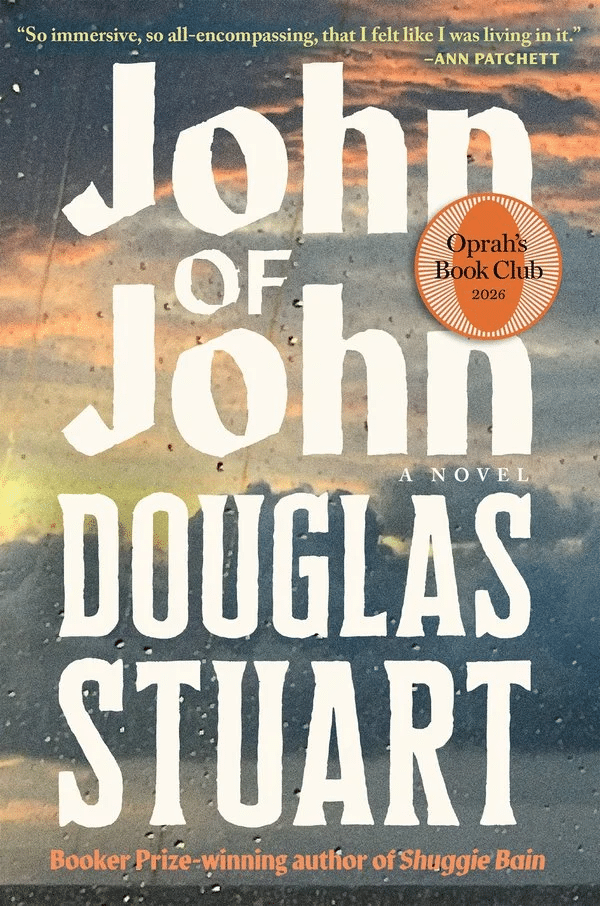
“John of John” is a captivating novel that explores themes of duty, passion, and the transformative power of truth. This remarkable literary work solidifies Douglas Stuart‘s reputation as one of the greatest contemporary novelists. The story follows a young man who returns to his home on a Hebridean island, depicting the complex relationship between a father’s expectations and a son’s desires.

Out of money and with little to show for his art school education, John-Calum Macleod takes the ferry back home to the Isle of Harris in the Outer Hebrides to find that little has changed except for him. He returns to the windswept croft and the two pillars of his childhood: his father John, a sheep farmer, tweed weaver, and lay preacher in the local Presbyterian church, and his maternal grandmother Ella, a profanity-loving Glaswegian whose steady warmth helped Cal weather the sudden departure of his mother.

Cal privately wonders if any lonely men might be found on the barren hillsides of home, while John is dismayed by his son’s long hair, strange clothes, and seeming unwillingness to be saved. But Cal isn’t the only one in the croft house who is keeping secrets. As lambing season turns to shearing season, the threads holding the community together become increasingly frayed, and nothing will remain as it was before.


Douglas Stuart is a Scottish-American author. His New York Times bestselling debut novel Shuggie Bain won prizes including the 2020 Booker Prize and the Sue Kaufman Prize from the American Academy of Arts and Letters, was a finalist for the National Book Award and the PEN/Hemingway Award, and was named one of the “25 Best Books of the 21st Century” by the Sunday Times (UK). His second novel, Young Mungo, was a national bestseller, longlisted for the Andrew Carnegie Medal and a finalist for the British Book Award, and one of the most highly acclaimed books of the year. His stories are published in The New Yorker, and his essays have featured on Literary Hub. He lives in New York City.


Discover your next favorite book and explore curated, exciting reads by purchasing through my links. Your support truly helps me share more meaningful stories and insights with you, enriching your reading journey.


×
Table for Two: Fictions

Read: April 2024

Get this book

Table for Two: Fictions

by Amor Towles

Today, I began reading Amor Towles‘s “Table for Two: Fictions.” As a fan of his previous work, “A Gentleman in Moscow,” I was excited to delve into some of his shorter fiction. The book contains six stories from New York City and a novella from Golden Age Hollywood. Table for Two is another captivating addition to Towles’s collection of stylish and transporting fiction written with his signature wit, humor, and sophistication.

The New York stories, set primarily in the year 2000, explore the profound consequences that can result from fleeting encounters and the intricate dynamics of compromise that underpin modern marriages. These narratives are sure to evoke strong emotions and leave a lasting impression.

In the novel “Rules of Civility,” the resilient Evelyn Ross departs from New York City in September 1938, intending to return to her home in Indiana. However, as her train reaches Chicago, where her parents eagerly await her, she spontaneously decides to extend her journey to Los Angeles. “Eve in Hollywood,” narrated from seven different perspectives, reveals how Eve forges a new path for herself and others in a gripping noirish tale that traverses the movie sets, bungalows, and dive bars of Los Angeles.

×
Memorial Days: A Memoi

Read: March 2025

Get this book

Memorial Days: A Memoir

by Geraldine Brooks

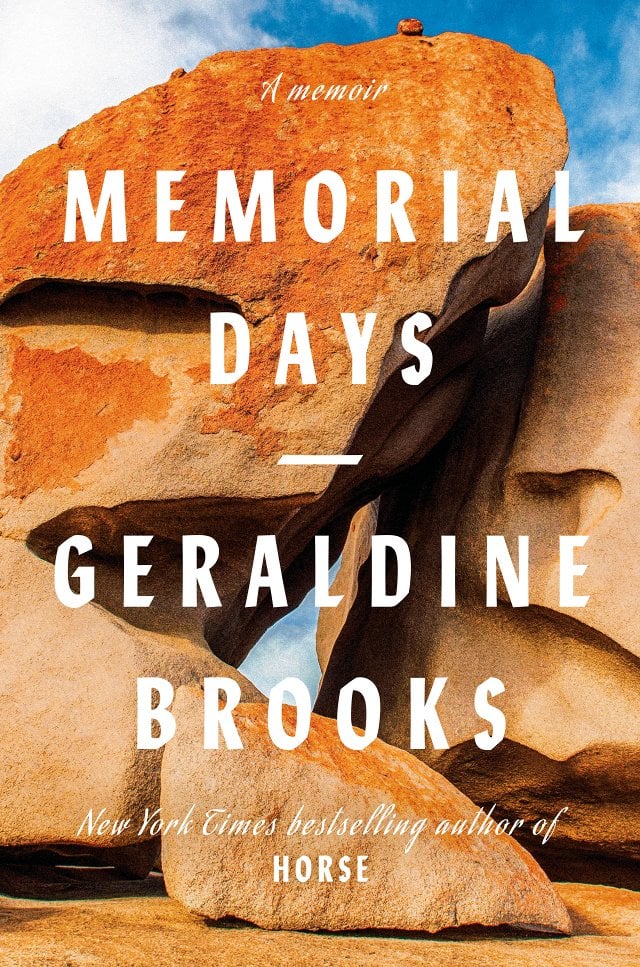
Today, I started reading “Memorial Days: A Memoir” by Geraldine Brooks, the bestselling Pulitzer Prize-winning author of “Horse”. In this poignant and beautifully written memoir, she explores sudden loss and the journey toward healing. Why do I choose to read novels and memoirs about loss and grief? Perhaps it’s because, as Martín Prechtel wrote in his book “The Smell of Rain on Dust”, “Grief is praise because it is the natural way love honors what it misses.”

Many cultural and religious traditions expect grieving people to withdraw from the world. In modern life, we frequently encounter bureaucratic obstacles and lengthy to-do lists. This is precisely what happened to Geraldine Brooks when her partner of more than thirty years, Tony Horwitz—just sixty years old and, to her knowledge, vigorous and healthy—collapsed and died on a sidewalk in Washington, D.C.

After spending their early years together in conflict zones as foreign correspondents, Geraldine and Tony settled down to raise two sons on Martha’s Vineyard. They lived a fulfilling life filled with meaningful work, good humor, and tenderness. Geraldine and Tony spent their days writing and evenings cooking family dinners or enjoying sunsets with friends at the beach. Their peaceful existence abruptly ended on Memorial Day 2019 when Geraldine received the dreaded phone call we all fear. The demands of life became immediate and overwhelming, leaving little room for grief. The sudden loss created a profound void in their lives.

Three years later, she booked a flight to a remote island off the coast of Australia to give herself the time to mourn finally. She often spent days alone in a shack on the pristine, rugged coast without seeing another person. It was a space for her to reflect on the various ways cultures grieve and consider which rituals might help her rebuild her life in the wake of Tony’s death.

“Memorial Days,” a spare and profoundly moving memoir, portrays a larger-than-life man and the timeless love between two souls. It exquisitely captures the joy, agony, and mystery of life.


Geraldine Brooks is the author of six novels, including “Horse,” “People of the Book,” “Year of Wonders,” and the Pulitzer Prize-winning “March.” She has also written acclaimed nonfiction works, including “Nine Parts of Desire” and “Foreign Correspondence.” Her books have been translated into more than thirty languages and have sold millions of copies worldwide. Born and raised in Australia, Brooks now divides her time between Sydney and Martha’s Vineyard.


My journey through grief has significantly helped me grow as a person by focusing on conscientious resilience. I make it a point to read and walk daily, engage in worship, and actively participate as a volunteer and a good neighbor in my community. Fourteen hundred days ago, I wasn’t sure if I could continue living or how to move forward. However, by concentrating on strengthening my resilience, I now lead a life filled with meaning and purpose. I choose to look back not on what I lost but on what I have gained.

As my friend Danny said nearly a year ago, “You are an incredible person! You are a new person! A better person! Although Jan is not here physically, she has done so much for you!

My Rabbi, Rav Uri, echoed similar sentiments during his remarks when I received the Rev. Dr. Martin Luther King, Jr. Distinguished Service Award. If their beliefs are true, much of my progress directly results from my conscientious resilience!


When you purchase a book through one of my links, I earn a small commission that helps support my passion for reading. This contribution allows me to buy even more books to share with you, creating an incredible cycle of discovering great reads together! Your support truly makes a difference!


×
The Loneliness of Sonia and Sunny

Read: October 2025

Get this book

The Loneliness of Sonia and Sunny

by Kiran Desai

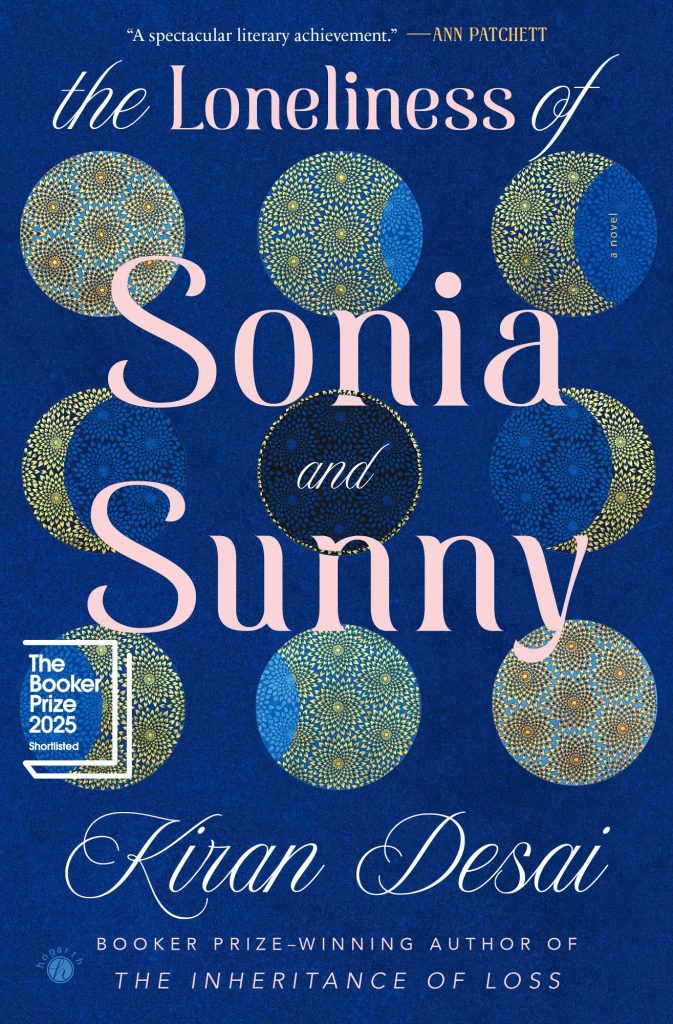
“The Loneliness of Sonia and Sunny” by Kiran Desai is a remarkable and accomplished novel that showcases the talent of one of our greatest contemporary writers. It was shortlisted for the Booker Prize and is a finalist for the Kirkus Prize. The story follows two young individuals as they navigate the various influences that shape their lives, including their country, class, race, history, and the complex relationships that connect different generations.

This novel combines a love story, a family saga, and an exploration of profound themes. When Sonia and Sunny first catch sight of each other on an overnight train, they find themselves captivated yet embarrassed; their grandparents once tried to matchmake them, a well-meaning effort that only drove them apart.

Sonia is an aspiring novelist who has recently completed her studies in the snowy mountains of Vermont and has returned to her family in India. Sonia fears she is cursed by a dark spell cast by an artist who sought intimacy and inspiration from her. Meanwhile, Sunny, a struggling journalist who has relocated to New York City, is trying to escape his domineering mother and the violence of his feuding family.

Uncertain about their futures, Sonia and Sunny embark on a journey to find happiness together as they confront the various forms of alienation present in our modern world.


Kiran Desai is renowned for her novels, “Hullabaloo in the Guava Orchard” and “The Inheritance of Loss,” the latter of which won both the Booker Prize and the National Book Critics Circle Award. Born in India, she moved to the United States at the age of sixteen and currently resides in New York City.


Discover your next favorite book and dive into a world of curated, exciting reads by purchasing through my links. You’ll have access to a diverse selection of books I’ve personally vetted for quality and enjoyment. Additionally, by supporting these selections, you’ll help me continue to provide you with more personalized recommendations. I earn a small commission from your purchase, which allows me to buy and share even more books with you. Your support truly makes a difference!


×
The Mango Tree: A Memoir of Fruit, Florida, and Felony

Read: April 2024

Get this book

The Mango Tree

by Annabelle Tometich

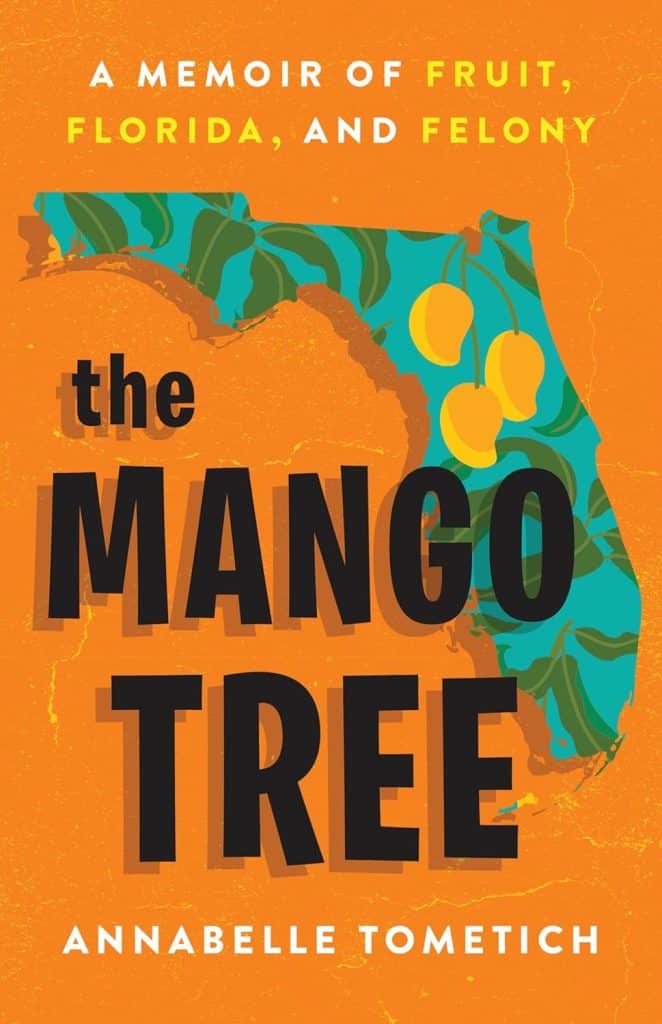
Today, I started reading Annabelle Tometich‘s The Mango Tree: A Memoir of Fruit, Florida, and Felony. The Mango Tree is not just a memoir but a profoundly emotional family saga. It takes us through the complexities of Annabelle’s life, from her childhood in a house filled with balikbayan boxes, vegetation, and luscious mangoes to her journey from aspiring medical student to restaurant critic.

It is a tribute to her fellow Filipino Americans, her younger self, and the mango tree symbolizing her family. Above all, it is a heartfelt homage to Annabelle’s mother, Josefina, who carved out a life and a home without whom Annabelle would not be who she is.

When journalist Annabelle Tometich picked up the phone one June morning, she wasn’t expecting a collect call from an inmate at the Lee County Jail. And when she accepts, she certainly isn’t prepared to hear her mother’s voice on the other end of the line. However, explaining the situation to her younger siblings afterward was easy; all she had to say was, “Mom shot at some guy. He was messing with her mangoes.” They immediately understood. Answering the questions of the breaking news reporter—at the same newspaper where Annabelle worked as a restaurant critic––proved more difficult. Annabelle decided to go with a variation of the truth: it was complicated.

Thus commences The Mango Tree, a memoir that deftly weaves a tapestry of a mixed-race Filipina’s life in suburban Florida. Annabelle’s journey is not linear but a series of interconnected stories that delve into her upbringing, her father’s tragic demise, her mother’s longing for her homeland, and her quest for identity.

×