

Black Lives Matter

Two American Heroes

Estimated reading time: 0 minutes, 34 seconds

With the passing of Colin Powell, memories of Jan’s difficulties after she contracted COVID-19 have resurfaced. Would she have survived if she were only fighting Lymphoma? We certainly felt we were on the road to remission. Of course, there is no answer to that question. We are mere mortals who cannot change history or live forever.


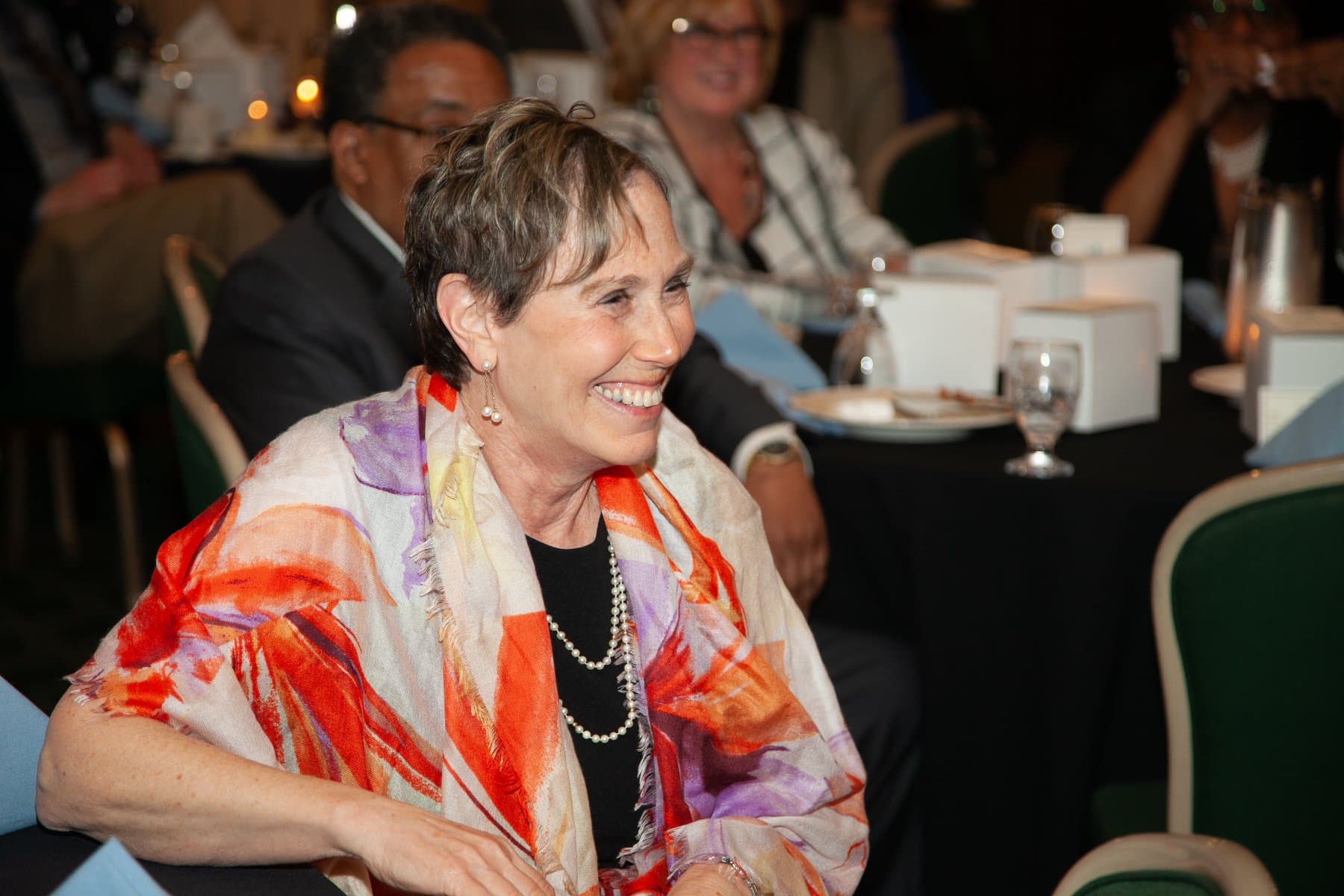
Although Jan’s obituary did not make the NY Times, she is an American Hero, like General Powell. Both climbed Second Mountain and left behind a legacy of lives dedicated to serving others, inspiring us all.

May both be remembered forever!
Subscribe

Contact Us

Jan Lilien, Humanitarian

Jan climbed to the top of the second mountain because of the love shared and became a humanitarian. I am still climbing that mountain and learning from her.

Share your thoughts and ideas

This site uses Akismet to reduce spam. Learn how your comment data is processed.

The Jan Lilien Education Fund!

Black Lives Matter
×
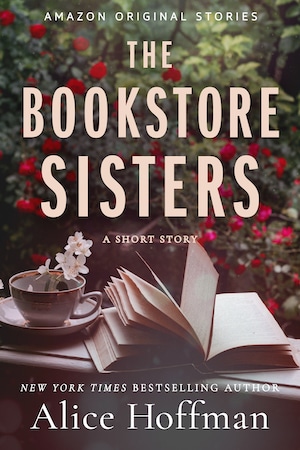
The Bookstore Sisters: A Short Story

Read: October 2022

Get this book

The Bookstore Sisters: A Short Story

by Alice Hoffman

The Bookstore Sisters: A Short Story by Alice Hoffman is a heartfelt short story about family, independence, and finding your place in the world. The overview should be enough to encourage everyone to read the book. I recommend this short story without any reservations. Ms. Hoffman has written a moving story that helped me to grapple with grief and reminded me that love is the highest and most important goal that humans can aspire.

Isabel Gibson has all but perfected the art of forgetting. She’s a New Yorker now, with nothing left to tie her to Brinkley’s Island, Maine. Her parents are gone, the family bookstore is all but bankrupt, and her sister, Sophie, will probably never speak to her again.

But when a mysterious letter arrives in her mailbox, Isabel feels drawn to the past. After years of fighting for her independence, she dreads the thought of going back to the island. What she finds there may forever alter her path—and change everything she thought she knew about her family, home, and herself.

Isabel sums up the power of love in this paragraph,

She was thinking about the way a fish loved a river, and a bird loved the sky, and a mother loved her daughters. She was remembering everything. How love could change a person, how it could cause you the greatest sorrow or shelter you from harm. There were moths hitting against the windowpanes. A night heron called in the marshland as if its heart were breaking.

I have always fantasized about working in or owning a small bookstore.

The Bookstore Sisters: A Short Story rekindled that dream and reminded me of the power of love.


The Jan Lilien Education Fund sponsors ongoing sustainability and environmental awareness programs. Gifts made this month; I will match dollar-for-dollar. All donations are tax-deductible.

Subscribe

Contact Us

I receive a commission when you buy a book or product using a link on this page. Thank you for supporting Sharing Jan’sJan’s Love blog.

×
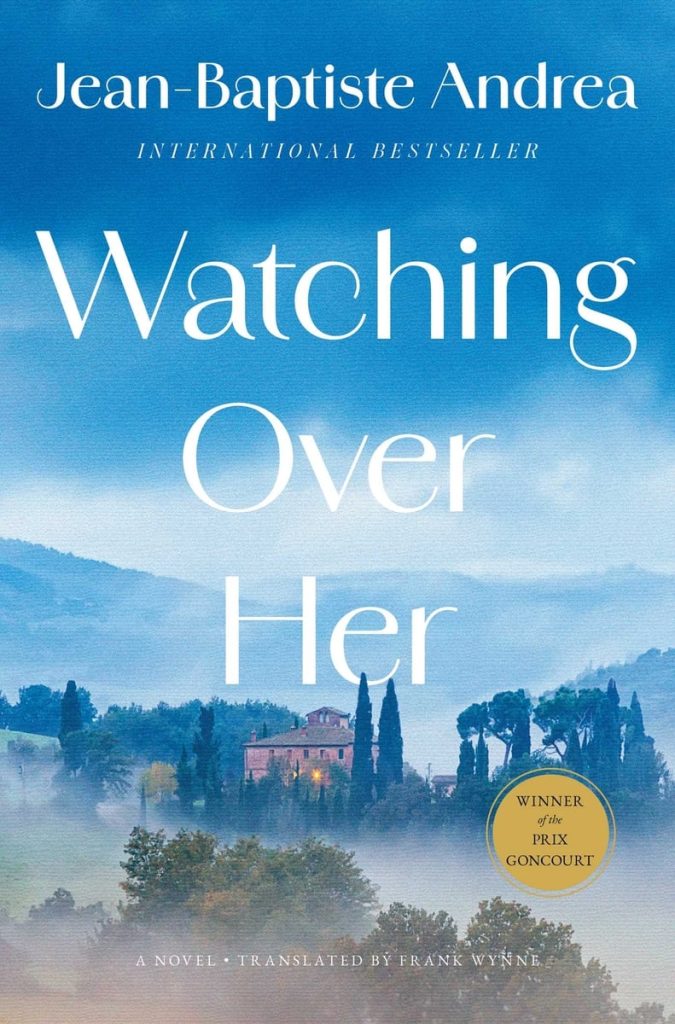
Watching Over Her

Read: January 2026

Get this book

Watching Over Her

by Jean-Baptiste Andrea

Watching Over Her,” a novel by the acclaimed French author and Prix Goncourt winner Jean-Baptiste Andrea, is described by The New York Times as a “sprawling fresco and star-crossed love story.” The narrative follows a dwarf and talented sculptor as he reflects on the moments in his life that inspired his mysteriously powerful masterpiece. This book is perfect for readers who enjoyed “Martyr!” and “The Covenant of Water.”

In an Italian monastery, a sculptor named Mimo lies on his deathbed. For decades, he has lived among the monks who watch over his masterpiece, an arresting statue that haunts all who see it. During his final hours, he reveals his life story: his impoverished childhood, brutal apprenticeship, and, most importantly, his meeting with Viola Orsini, the only daughter of a powerful and dangerous aristocratic family.

Mimo and Viola are instantly drawn to one another, viewing themselves as outsiders—Mimo, for his dwarfism, Viola, for her ability to remember everything she has ever read or experienced. Together, they traverse the unrest of the twentieth century, from the rise of fascism to the violence of the world wars. While Mimo becomes a celebrated artist, Viola chases her own dreams of becoming an emancipated woman. Over the decades, they will lose and find each other time and again, but never will they give up on the love they share.

Immersive and full of heart, Mimo’s adventures are ribald and hilarious, challenging conventions of his day. Jean-Baptiste Andrea’s Prix Goncourt–winning novel has captivated audiences worldwide and is now available to readers in English for the first time, thanks to Frank Wynne’s wonderfully vivid translation.


Jean-Baptiste Andrea is a writer, screenwriter, and director. His novel Watching Over Her won the Prix Goncourt, France’s most prestigious literary prize. He is also the author of Ma Reine, A Hundred Million Years and a Day, and Devils and Saints.

Frank Wynne is an Irish literary translator, writer, and editor known for his translations of various French and Hispanic authors, including Michel Houellebecq, Patrick Modiano, Javier Cercas, and Virginie Despentes. Over his career, which has spanned more than twenty-five years, he has won the IMPAC Dublin Literary Award twice and the Independent Foreign Fiction Prize.

Additionally, he has received the Scott Moncrieff Prize three times and the Premio Valle Inclán twice. Most recently, his translation of “The Annual Banquet of the Gravediggers’ Guild” by Mathias Énard won the 2024 French-American Prize. Wynne has also edited two significant anthologies: “Found in Translation: 100 of the Finest Short Stories Ever Translated” and “Queer: LGBT Writing from Ancient Times to Yesterday.”


Discover your next favorite book and dive into a world of curated, exciting reads by purchasing through my links. You’ll have access to a diverse selection of books that I’ve personally vetted to ensure quality and enjoyment. Additionally, by supporting these selections, you’ll help me continue to provide you with more personalized recommendations. I earn a small commission from your purchase, which allows me to buy and share even more books with you. Your support truly makes a difference!


×
Autocorrect

Read: August 2025

Get this book

Autocorrect: Stories

by Etgar Keret

Autocorrect” by Etgar Keret, a prominent figure in Israeli literature and film, is a darkly humorous collection of stories that delves into themes of identity, reality, and meaning. These narratives resonate with our current times, characterized by uncertainty and fragility, marked by misunderstandings and miscommunications, as we seek reasons and the strength to foster hope.

Etgar Keret‘s stories reveal the fault lines and uncomfortable truths in our society, all delivered in a style that is uniquely his own. He is the world’s most renowned living Israeli writer, known for his lean and accessible short stories that often blend whimsy, surrealism, and dark humor. Keret’s work explores the most minor and seemingly mundane aspects of life in profound and unusual ways.

The characters in his fiction face relatable challenges in work and relationships. They inhabit a world filled with rapidly advancing technology, yet the base nature of human passions and brutality repeatedly undermines this world. For instance, one character’s partner is a reality show contestant from a parallel dimension. At the same time, another discovers that the asteroid he paid to have named after his wife is on a collision course with Earth. In another story, an elderly widow persuades a popular AI program to commit suicide.


Etgar Keret, born in Ramat Gan in 1967, is a prominent figure in Israeli literature and film. Translated into more than forty languages, his writing has appeared in well-known publications such as The New York Times, Le Monde, and The New Yorker. He has received several prestigious awards, including the Caméra d’Or at the Cannes Film Festival in 2007, the Charles Bronfman Prize in 2016, and the esteemed Sapir Prize in 2018.

More than a hundred captivating short films and several remarkable feature films have brought his stories to life on the big screen. Keret teaches creative writing at Ben-Gurion University of the Negev. Since 2021, he has also been publishing a weekly newsletter titled “Alphabet Soup” on Substack.


When you purchase a book through one of my links, I earn a small commission that helps support my passion for reading. This contribution allows me to buy even more books to share with you, creating an incredible cycle of discovering great reads together! Your support truly makes a difference!

Enjoy a limited-time offer of 20% off your next book purchase at Bookshop.org!


×
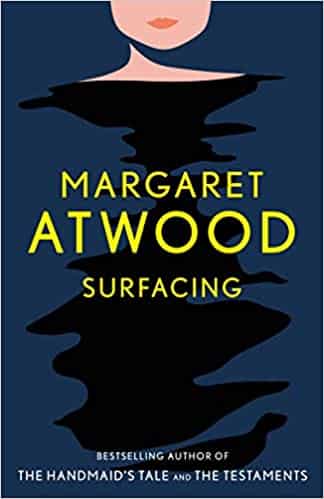
Surfacing

Read: July 2021

Get this book

Surfacing

by Margaret Atwood

Surfacing by Margaret Atwood was a book I picked up on a random walk around the house. I had read The Handmaid’s Tale but was not ready to read The Testaments.

This book is a detective novel as well as a psychological thriller. A talented woman artist goes in search of her missing father on a remote island in northern Quebec. She had grown up on the island, and the journey includes her lover and another young married couple. When they arrive, the isolation and obsession of the artist shape all of their lives in unexpected ways. The marriage begins to fall apart, violence and death lurk just beneath the surface, and sex becomes a catalyst for conflict and dangerous choices.

Goodreads describes the book as,

Surfacing is a work permeated with an aura of suspense, complex with layered meanings, and written in brilliant, diamond-sharp prose. Here is a rich mine of ideas from an extraordinary writer about contemporary life and nature, families, and marriage, and about women fragmented… and becoming whole.

I also found myself captivated by the many layers of the book the search for her father, and the psychological impact on all four of them.

Subscribe

Contact Us

×
Revolutionary Mothers

Read: February 2019

Get this book

Revolutionary Mothers

by Carol Berkin

Revolutionary Mothers by Carol Berkin, Presidential Professor of American Colonial and Revolutionary History; Women’s History Professor at Baruch College, is one of four books I purchased after my first One Day University Class on February 9, 2019. It should be required reading!

The book explains how women of the Revolution were most active at home, organizing boycotts of British goods, raising funds for the fledgling nation, and managing the family business while struggling to maintain a modicum of normalcy as husbands, brothers, and fathers died.

It was not just the men who fought on the front lines, as in the story of Margaret Corbin, who was crippled for life when she took her husband’s place beside a cannon at Fort Monmouth. She explains the mystery of Molly Pitcher (she was not a person but a group of women), camp followers, women who spied for their country, Loyalist women, and the impact on African American and Native women.

This intelligent and comprehensive history brings these forgotten stories to their rightful place in the struggle for American independence. Dr. Birkin also highlights how their efforts set the stage for the continuing campaign for gender equality.

Subscribe

Contact Us

×
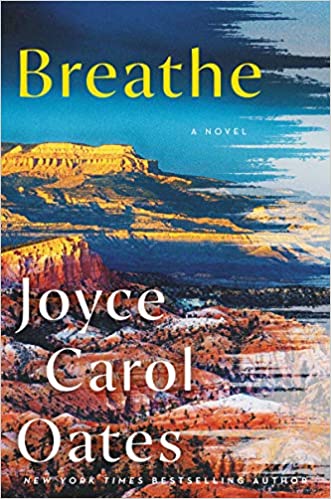
Breathe

Read: September 2021

Get this book

Breathe

by Joyce Carol Oates

Celebrate JanReading Breathe by Joyce Carol Oates was a book I knew I needed to read once Jan was diagnosed. Although the book might trigger negative memories, I finally read Breathe. It was what I needed to read at this point in my journey.

Ms. Oates wrote the book in 2019 after her husband, Charlie Gross, died. The novel is a story of love, loss, and loneliness, topics that I write about on this blog. I needed to read the book both for my mental health and for the readers of Sharing Jan’s Love.

The protagonist, Michaela, loses her husband while they are on a sabbatical in New Mexico. Her husband, Gerard, writes a book and teaches a class on memories. Jan and I never considered relocating before her illness, but this book convinced me that it would have aggravated my grief journey.

One of the parallels I observed while reading the novel is the similarity between Gerard’s reluctance to let family, friends, and co-workers know of his illness. Jan shared that reluctance in the early days, but I convinced her that the only chance of beating cancer was with the help of family and friends.

This dialogue could easily be one that Jan and I had.

Of course you want to summon his family—his (adult) children—but quickly, he says no.

Still waiting.

But – When?

Just not yet.

He is not an alarmist. (You are the alarmist.)

The novel is written in two parts – The Vigil and the Post-Mortem.

The opening paragraphs set the tone.

A Hand is gripping yours. Warm, dry hand gripping your slippery, humid hand.

Whoever it is urging you – Breathe!

Leaning over you begging you – Breathe!

As one mourning the death of the love of his life, I found several phrases in the book helpful in understanding what I have gone through and will continue to confront.

Among them is grief-vise, which I have written about in this stream.

In the grip of the grief vise, all that you will do, all that you even imagine doing, will require many times more effort.. Hardly daring to breathe for the grief-vise will tighten around your chest, squeezing the very air out of your lungs.

In the early stages of grief, the vise was strangling me. Breathing was impossible, and weeping was constant at times.

Michaela struggles with her grief. Seeing her husband every time she sees a man alone, even if they are older or younger than he was. I know I have felt Jan’s presence and still expect her to walk into our apartment.

Her struggles with a grief counselor and overly helpful friends are an experience I have not had but are familiar to those suffering from losing a loved one.

The last chapters are ones in which time becomes confusing and chaotic. At times, I was uncertain about which were real or imagined. The end, like all good novels, was ambiguous.

These are some of the other phrases I have found useful and will include in posts.

  • If there is no one to love, do we merit existence?
  • Never come to the end of kissing.
  • The first principle of life is; Breathe.
  • Shy in the language of intimacy.
  • As if a life lived with strangers could compensate for the emptiness in your heart.
  • No purpose in your life. No compass.

What you love most, that you will lose. The price of your love is your loss.

I recommend this book to all readers, even those struggling with grief.

Subscribe

Contact Us

When you buy a book or product using a link on this page, I receive a commission. Thank you for supporting Sharing Jan’s Love blog.

×