Thoughts on the Seventy-fifth Orbit of the Sun!

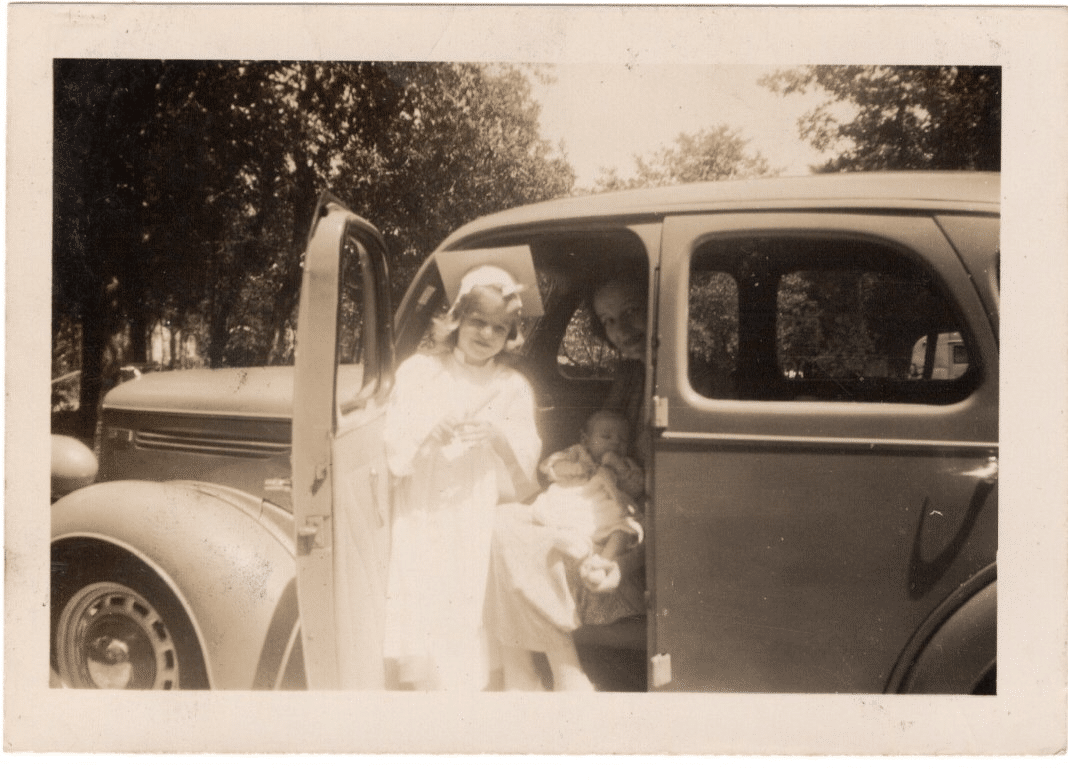
I have always preferred not to celebrate my birthday, as a year is too short to measure any significant change or growth. After I met Jan, whose birthday falls just twenty-five days after mine, I used to joke that we could skip the month of March and celebrate her birthday instead. However, my wife didn’t appreciate my attempts to avoid celebrating my birthday.

Continue reading →

I Live in the Present and
Embrace the Future!

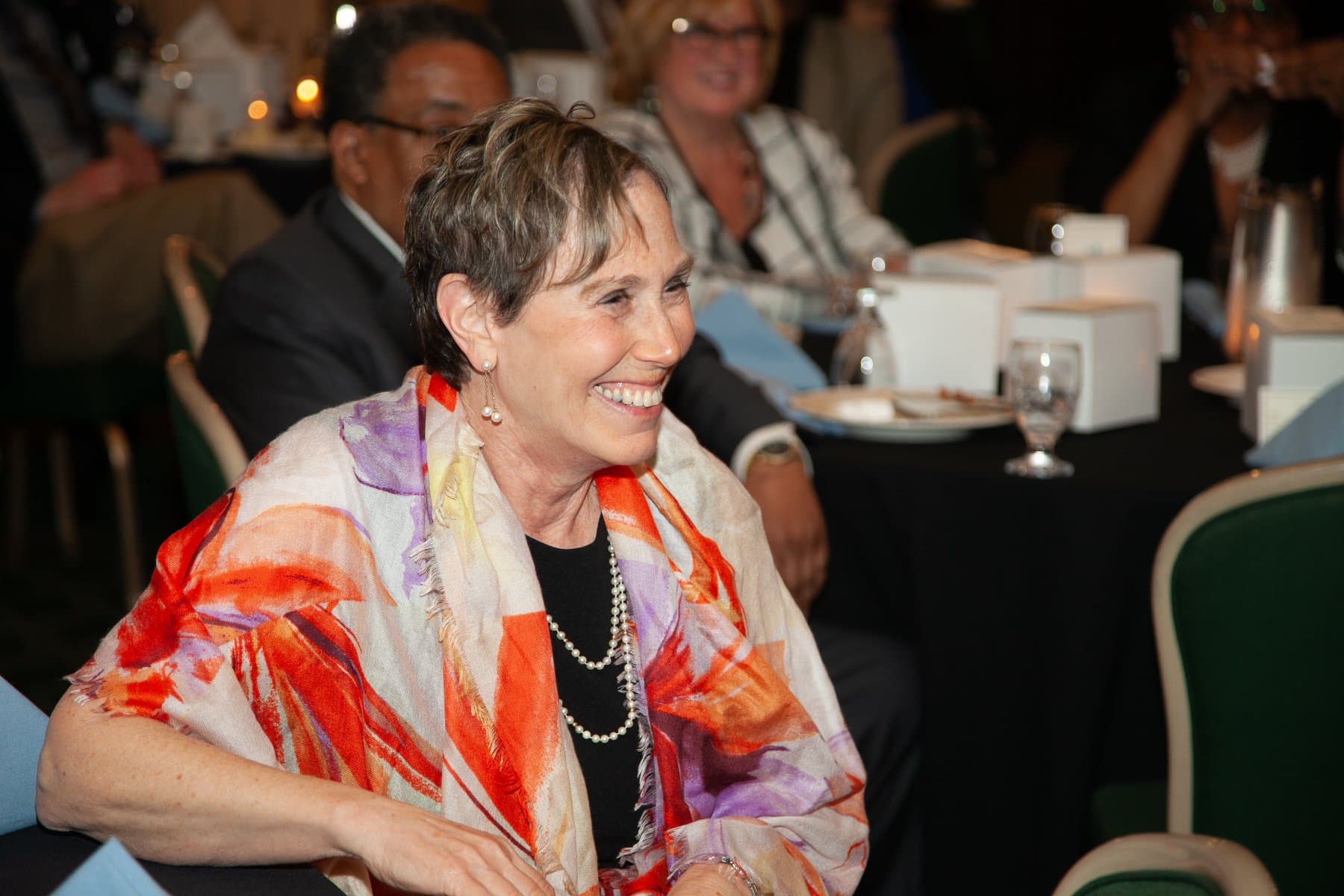
Today, March 30, 2024, on my 75th birthday, I wrote as I do daily in my journal. As I put pen to paper, I paused to contemplate my life’s journey. Looking back, I am grateful for all the experiences – both joyful and gloomy – that have shaped me into the person I am today. I’ve experienced moments of pure joy and also times of deep sorrow. One of the most heart-wrenching moments was when I lost Jan, my dear wife, in May 2021. It was a challenging time that left an indelible mark on my soul. Although the loss has been painful, I choose to live in the present and embrace the future.

Continue reading →

Love is Our Only Salvation!

My wife, Jan, was lying in bed, her eyes fixed on me as she pleaded, “Honey, now that you’re not working anymore, please stay in bed with me.” I was standing on her side of the bed, pondering my next move, when I heard her voice. Her words melted my heart, and I couldn’t resist her request. Her words melted my heart, and I couldn’t resist her request. Although I had a lazy day ahead without work and other obligations, I knew I couldn’t refuse Jan’s plea. I decided to stay and hold her in my arms, cherishing the precious moments we spent together. As I returned to bed, I noticed her nightgown lying on the floor. I kissed her and whispered, “You’ve given me an offer I could not refuse.

Continue reading →

One Day At a Time,
I Am Becoming the
Best Version of Myself

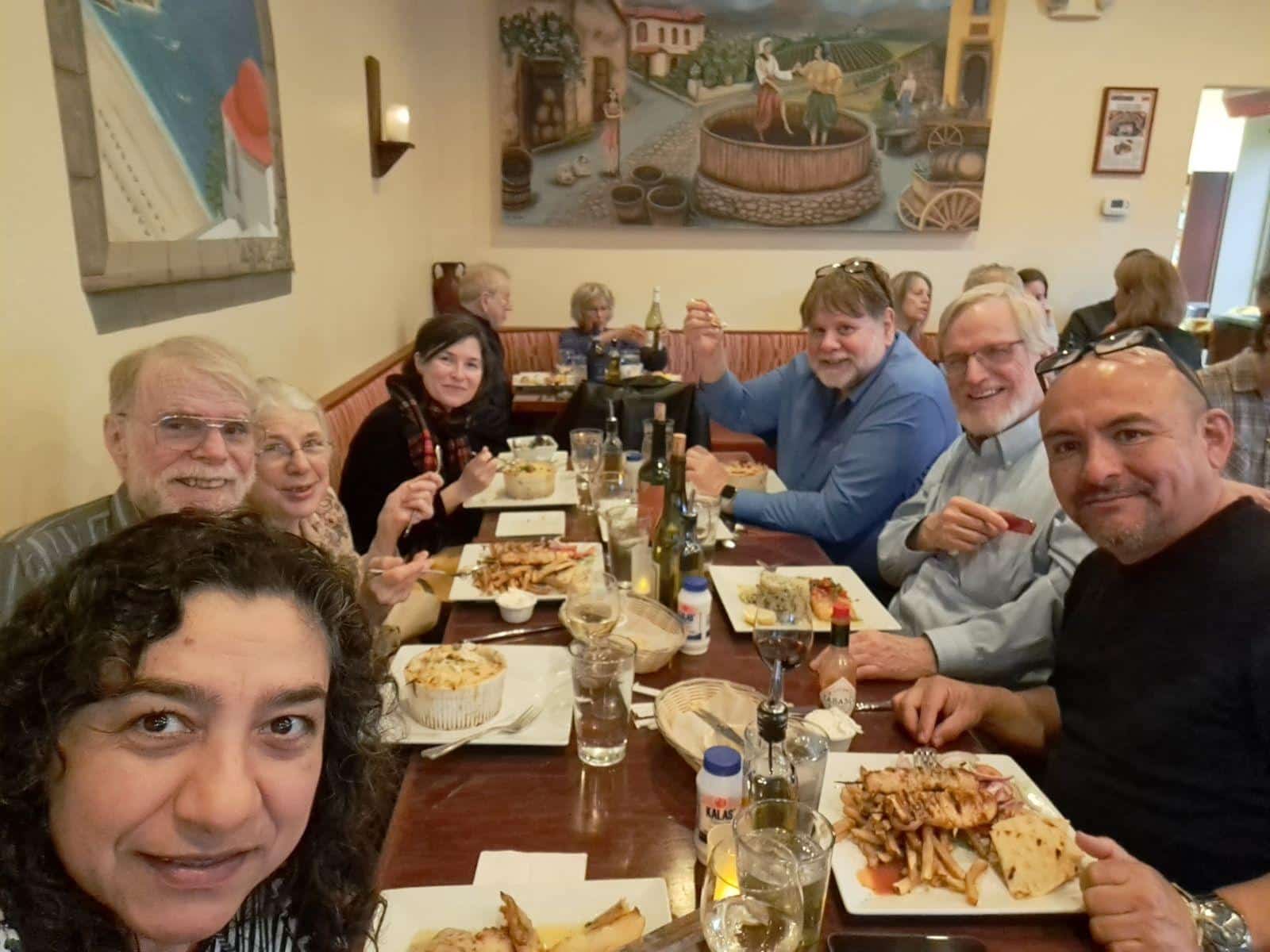
During a dinner in Philadelphia, the night before the Flower Show, my good friend Hugo noticed a significant change in me. He remarked that over the past three years, since the loss of my wife, Jan, I had changed. Intrigued, I asked him to elaborate. Hugo explained that during the first year after Jan’s death, I would break down in tears at any mention of her. But he had noticed my improvement since then, as I appeared more relaxed and content. I agreed, acknowledging the progress I had made. Then, with the wisdom of an old man, I said, “We often seek positive change in times of loss. To make it happen, we must be willing to become the change we desire.”

Continue reading →

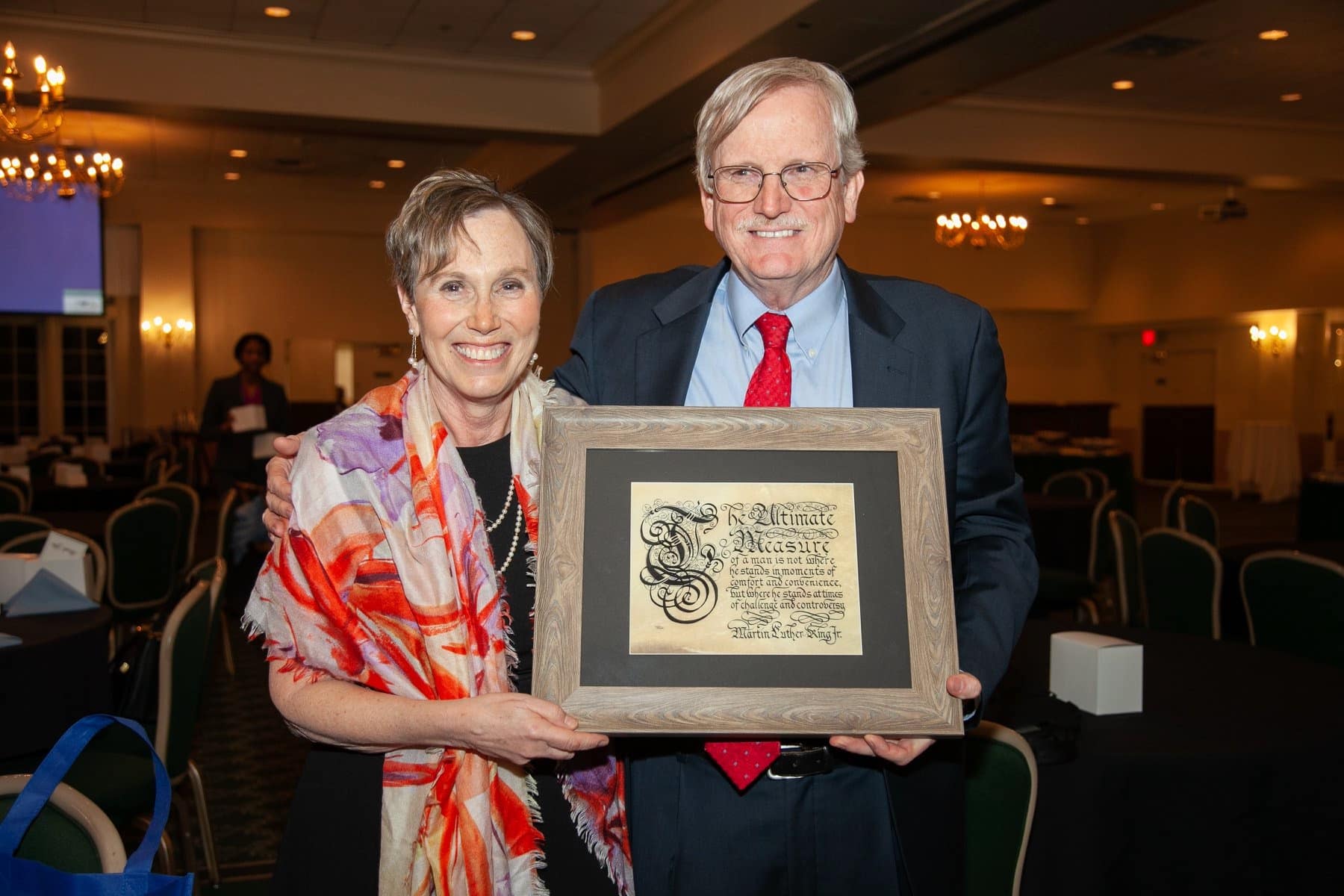
The Jan Lilien Education Fund!

The Vanishing Half

Read: September 2021

Get this book

The Vanishing Half

by Brit Bennett

The Vanishing Half by Brit Bennett was a true page-turner, and I did not want to stop reading it even when I got to the last page. I am not a fan of sequels, but if I was ever going to change my mind, this is the book I would want to read a sequel.

Ms. Bennett focuses on two twins who run away from home at age 16. They have grown up in Mallard, a fictional town in Louisiana. “In Mallard, nobody married dark,” Bennett writes starkly. Over time, its prejudices deepened as its population became lighter and lighter, “like a cup of coffee steadily diluted with cream.” The twins, with their “creamy skin, hazel eyes, wavy hair,” would have delighted the town’s founder. One of the women chooses to pass as white while the other does not.

The Vignes twin sisters will always be identical. But after growing up together in a small, southern black community and running away at age sixteen, it’s not just the shape of their daily lives that is different as adults, it’s everything: their families, their communities, their racial identities. Many years later, one sister lives with her black daughter in the same southern town she once tried to escape. The other passes for white, and her white husband knows nothing of her past. Still, even separated by so many miles and just as many lies, the fates of the twins remain intertwined. What will happen to the next generation, when their own daughters’ storylines intersect?

Weaving together multiple strands and generations of this family, from the Deep South to California, from the 1950s to the 1990s, Brit Bennett produces a story that is at once a riveting, emotional family story and a brilliant exploration of the American history of passing. Looking well beyond issues of race, The Vanishing Half considers the lasting influence of the past as it shapes a person’s decisions, desires, and expectations, and explores some of the multiple reasons and realms in which people sometimes feel pulled to live as something other than their origins.

The question of why people choose to live differently than their origins is one that I often ponder. Growing up in a small town and living in a metropolis raises questions for me as to what my life is now and what was once.

I strongly recommend this book.

Subscribe

Contact Us

×
The Sum of Our Dreams

Read: September 2019

Get this book

The Sum of Our Dreams: A Concise History of America

by Louis P. Masur

The Sum of Our Dreams: A Concise History of America by Louis P. Masur is a book I got through my membership at One Day University. Professor Masur is one of the best teaches that One Day University has. He is the Board of Governors Distinguished Professor of American Studies and History at Rutgers University.

Most concise histories leave out more than they include. I found the Sum of our Dreams to be an excellent book to read, and professor Masur conveyed the American experience concisely and clearly. The more recent history is complex as events like the Global War on Terror are still being analyzed and re-understood.

Evoking Barack Obama’s belief that America remains the “sum of its dreams,” Masur locates the origin of those dreams of freedom, equality, and opportunity and traces their progress chronologically, illuminating the nation’s struggle over time to articulate and fulfill their promise.

Masur lets the story of American tell itself. Inspired by James Baldwin’s observation that “American history is longer, larger, more beautiful and more terrible than anything anyone has ever said about it,” he expands our notion of that history while identifying its threads.

I recommend this book as well as any of Professor Masur’s lectures at One Day University.

Subscribe

Contact Us

×
When We Cease to Understand the World

Read: September 2024

Get this book

When We Cease to Understand the World

by Benjamín Labatut

Today, I began reading When We Cease to Understand the World by Benjamín Labatut, translated by Adrian Nathan West. This book, listed on The New York Times 100 Best Books of the 21st Century, promises to be thought-provoking as it delves into the intricate connections between scientific and mathematical discovery, madness, and destruction.

In a world where scientific advancements often involve ethical dilemmas and societal implications, this book offers a unique perspective on the lives of scientists who have shaped our understanding of the world. Fritz Haber, Alexander Grothendieck, Werner Heisenberg, and Erwin Schrödinger are some of the luminaries whose troubled lives Benjamín Labatut deeply explores in his fictional examination. Labatut shows how these scientists and thinkers grappled with profound questions of existence, experiencing strokes of unparalleled genius, alienating friends and lovers, and descending into isolation and insanity. Their discoveries, some of which significantly improved human life, while others led to chaos and unimaginable suffering, continue to shape our world.

With a breakneck pace and a wealth of disturbing detail, Labatut uses fiction’s imaginative resources to tell the stories of the scientists and mathematicians who expanded our notions of the possible.

×
The Field of Blood: Violence in Congress and the Road to Civil War

Read: March 2019

Get this book

The Field of Blood

by Joanne B. Freeman

The Field of Blood: Violence in Congress and the Road to Civil War by Joanne B. Freeman, Professor of History and American Studies at Yale University, is a must-read in our hyper-partisan times. The partisanship and divisiveness of the period before the Civil War have many parallels to our time, and the difference is the violence of the Civil War era. Professor Freeman recovers the long-lost story of physical violence on the floor of the U.S. Congress.

She can do this by first source materials from Benjamin Brown French. He was never elected to office but was an acquaintance of twelve consecutive presidents, from Andrew Jackson to Ulysses S. Grant. In addition, he maintained a diary for forty years that highlighted the violence and his and the nation’s political transformation.

During much of this period, he was the Clerk in the House.  His diary documents the violence that did not get covered by the press. Legislative sessions included mortal threats, canings, flipped desks, and all-out slugfests. When debate broke down, members of Congress drew pistols and waved Bowie knives. One representative even killed another in a duel. Many were beaten and bullied in an attempt to intimidate them into compliance, particularly on the issue of slavery.

The Field of Blood is one of four books I purchased after my first One Day University class.

Subscribe

Contact Us

×
The White Hot

Read: November 2025

Get this book

The White Hot: A Novel

by Quiara Alegría Hudes

The White Hot” by Quiara Alegría Hudes is a letter from a mother to her daughter, reflecting on a moment of abandonment that stretches from ten days to ten years. It offers an explanation rather than an apology. Hudes tells April’s story—spiritual and sensual, fierce and humorous—using delicate lyricism and tough love. Through this narrative, Hudes transforms April’s struggle for self-discovery into an unforgettable short epic.

April is a young mother raising her daughter in a multigenerational home filled with unspoken secrets and loud arguments. Her only refuge is the locked bathroom, where she plugs her ears into an ambient soundscape and repeats a mantra: “dead inside.” This continues until one day, as she feels herself spiraling toward the volcanic rage she calls “the white hot,” an inner voice tells her to simply walk away.

She goes to a bus station and asks for a one-way ticket to the furthest destination. This ticket takes her from her Philadelphia home to the threshold of a wilderness, marking the start of a nameless quest—an accidental journey that awakens her, nearly kills her, and leads her to an impossible choice.

As April discovers the key to freeing herself and her family from a cycle of generational trauma through her painful and absurd journey,


Quiara Alegría Hudes is a Pulitzer Prize-winning playwright known for her plays “Water by the Spoonful” and “In the Heights,” the latter of which won the Tony Award for Best Musical. She also adapted this musical for the screen.

Her memoir, “My Broken Language,” was longlisted for the Andrew Carnegie Medal. Hudes has written essays published in prominent outlets, including The New York Times, The Washington Post, The Cut, The Nation, and American Theater Magazine. Additionally, she co-founded the prison writing program Emancipated Stories with her cousin Sean.


Discover your next favorite book and dive into a world of curated, exciting reads by purchasing through my links. You’ll have access to a diverse selection of books that I’ve personally vetted to ensure quality and enjoyment. Additionally, by supporting these selections, you’ll help me continue to provide you with more personalized recommendations. I earn a small commission from your purchase, which allows me to buy and share even more books with you. Your support truly makes a difference!


×
Borscht Belt Boy: Recollections of a Hotel Brat

Read: January 2024

Get this book

Borscht Belt Boy

by Mark Kramer

I started reading Borscht Belt Boy: Recollections of a Hotel Brat by Mark Kramer today. The book is the story of a young man who grew up in the heyday of the Borscht Belt. The author sent me a copy when I shared my 2023 reading accomplishments. I found joy in reading his memoir as the author, and I are almost the same age.

The author, the son of a Catskills Mountain resort hotel owner, describes his experiences growing up when hotels, bungalow colonies, and sleep-away camps were booming. Learn about the characters that populated this world, from the kids who worked in the dining rooms, the handymen recruited from the Bowery, to the chefs and maitre d’s.

Enjoy the author’s humorous description of the different kinds of people who summered in the mountains. Read fascinating tales of entertainers, including Buddy Hackett and Lenny Bruce’s experiences at the family hotel. There is a brief history of Catskills’ institutions, how the influx of Jews changed the landscape, and how the resort trade influenced race, religion, and class.

This lighthearted memoir will return fond memories to those who visited the Borscht Belt in their youth and enlighten those not lucky enough to have shared this particular time and place in history.


The Jan Lilien Education Fund sponsors ongoing sustainability and environmental awareness programs. Regarding gifts made this month, I will match dollar for dollar. All donations are tax-deductible.

Subscribe

Contact Us

I receive a commission when you buy a book or product using a link on this page. Thank you for supporting Sharing Jan’s Love blog.


×