
Caregiving

Crying With Jan

Estimated reading time: 0 minutes, 52 seconds

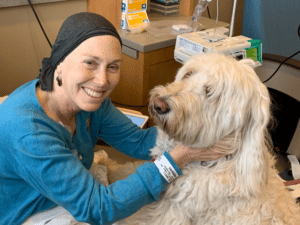
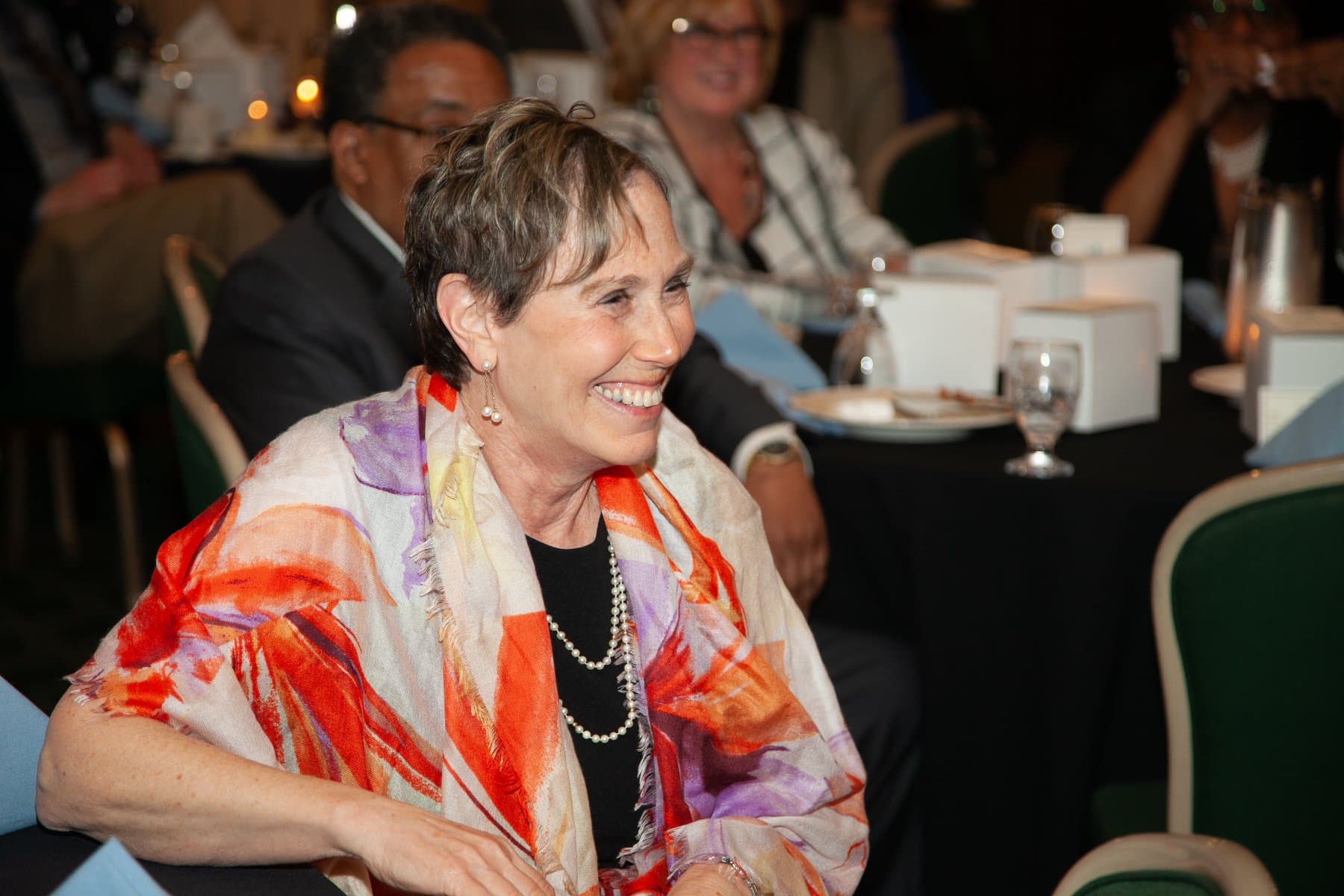
Jan with a Therapy DogReading Breathe reminded me of why I stopped crying when Jan faced a life-threatening illness, even though I have always been the one in our family that weeps.

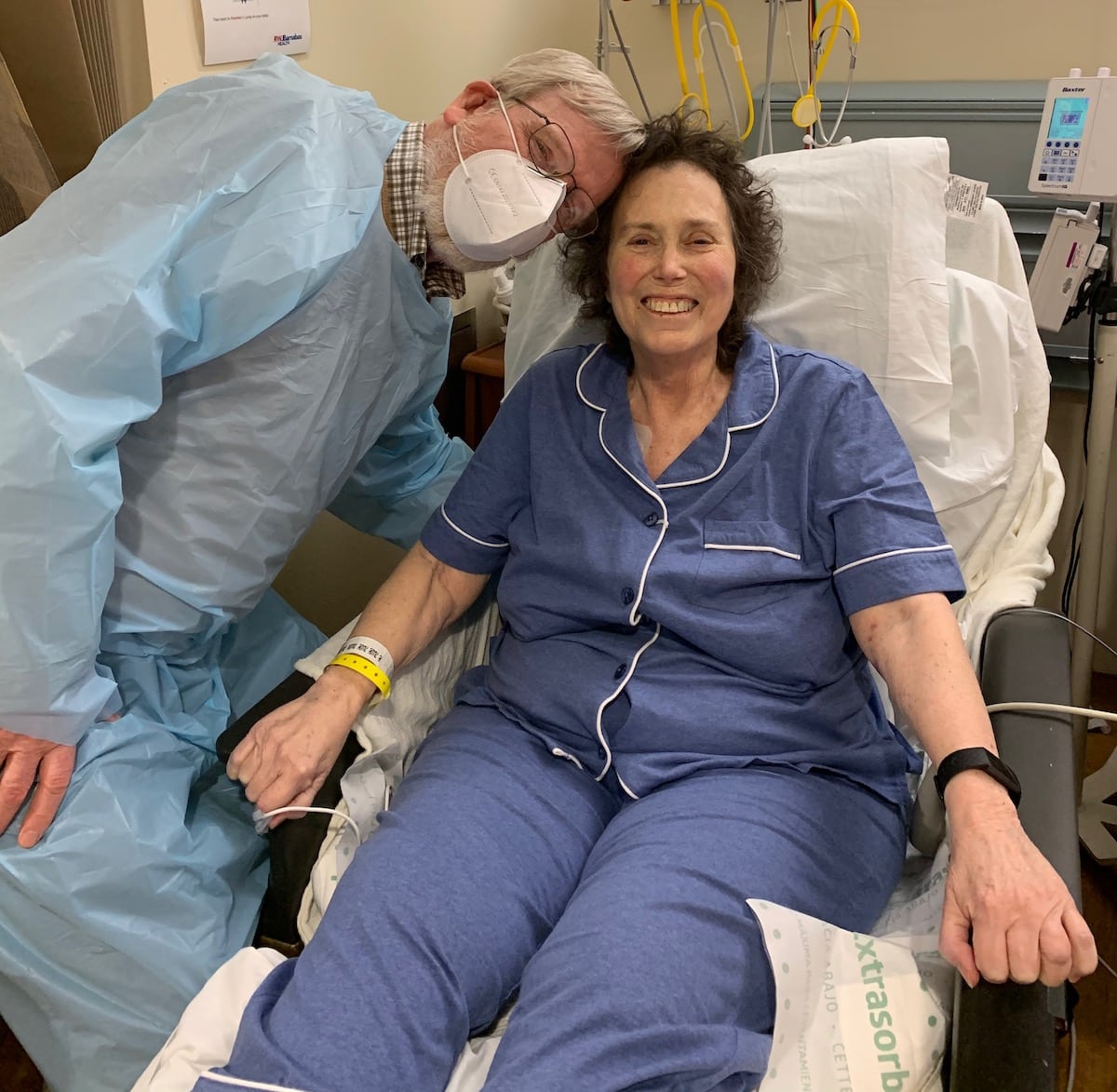
During her illness, as well as now, I cry alone.

Sometimes I wish we could have a good cry together

Would it have helped us manage our fears? Or would it have frightened us?

Since Jan died twenty weeks ago, my tears have flowed like a flooded river.

At times it seems as if the downpour will never end.

But then the faucet shuts off, and I remember how much love.


The Jan Lilien Education Fund sponsors ongoing sustainability and environmental awareness programs. Gifts made this month; I will match dollar-for-dollar. All donations are tax-deductible.

Subscribe

Contact Us

I receive a commission when you buy a book or product using a link on this page. Thank you for supporting Sharing Jan’s Love blog.


Breathe

Breathe

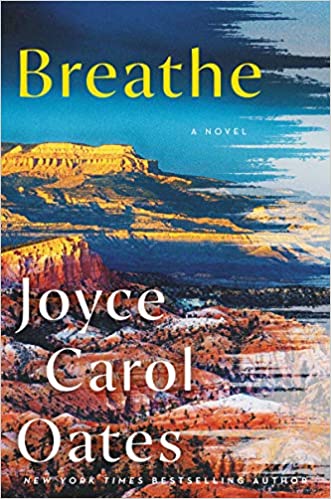
Reading Breathe by Joyce Carol Oates was a book I knew I needed to read once Jan was diagnosed. Despite the possibility that the book would trigger negative memories, I finally read Breathe. It was what I needed to read at this point in my journey. Ms. Oates wrote the book in 2019 after her husband, Charlie Gross, died. The novel is a story of love, loss, and loneliness. These are topics that I write about on this blog.
Read book review Get this book All books

1 comment add your comment

Share your thoughts and ideas

This site uses Akismet to reduce spam. Learn how your comment data is processed.

The Jan Lilien Education Fund!

Breathe

Read: September 2021

Get this book

Breathe

by Joyce Carol Oates

Celebrate JanReading Breathe by Joyce Carol Oates was a book I knew I needed to read once Jan was diagnosed. Although the book might trigger negative memories, I finally read Breathe. It was what I needed to read at this point in my journey.

Ms. Oates wrote the book in 2019 after her husband, Charlie Gross, died. The novel is a story of love, loss, and loneliness, topics that I write about on this blog. I needed to read the book both for my mental health and for the readers of Sharing Jan’s Love.

The protagonist, Michaela, loses her husband while they are on a sabbatical in New Mexico. Her husband, Gerard, writes a book and teaches a class on memories. Jan and I never considered relocating before her illness, but this book convinced me that it would have aggravated my grief journey.

One of the parallels I observed while reading the novel is the similarity between Gerard’s reluctance to let family, friends, and co-workers know of his illness. Jan shared that reluctance in the early days, but I convinced her that the only chance of beating cancer was with the help of family and friends.

This dialogue could easily be one that Jan and I had.

Of course you want to summon his family—his (adult) children—but quickly, he says no.

Still waiting.

But – When?

Just not yet.

He is not an alarmist. (You are the alarmist.)

The novel is written in two parts – The Vigil and the Post-Mortem.

The opening paragraphs set the tone.

A Hand is gripping yours. Warm, dry hand gripping your slippery, humid hand.

Whoever it is urging you – Breathe!

Leaning over you begging you – Breathe!

As one mourning the death of the love of his life, I found several phrases in the book helpful in understanding what I have gone through and will continue to confront.

Among them is grief-vise, which I have written about in this stream.

In the grip of the grief vise, all that you will do, all that you even imagine doing, will require many times more effort.. Hardly daring to breathe for the grief-vise will tighten around your chest, squeezing the very air out of your lungs.

In the early stages of grief, the vise was strangling me. Breathing was impossible, and weeping was constant at times.

Michaela struggles with her grief. Seeing her husband every time she sees a man alone, even if they are older or younger than he was. I know I have felt Jan’s presence and still expect her to walk into our apartment.

Her struggles with a grief counselor and overly helpful friends are an experience I have not had but are familiar to those suffering from losing a loved one.

The last chapters are ones in which time becomes confusing and chaotic. At times, I was uncertain about which were real or imagined. The end, like all good novels, was ambiguous.

These are some of the other phrases I have found useful and will include in posts.

  • If there is no one to love, do we merit existence?
  • Never come to the end of kissing.
  • The first principle of life is; Breathe.
  • Shy in the language of intimacy.
  • As if a life lived with strangers could compensate for the emptiness in your heart.
  • No purpose in your life. No compass.

What you love most, that you will lose. The price of your love is your loss.

I recommend this book to all readers, even those struggling with grief.

Subscribe

Contact Us

When you buy a book or product using a link on this page, I receive a commission. Thank you for supporting Sharing Jan’s Love blog.

×
Caregiving
×
Revolutionary Mothers

Read: February 2019

Get this book

Revolutionary Mothers

by Carol Berkin

Revolutionary Mothers by Carol Berkin, Presidential Professor of American Colonial and Revolutionary History; Women’s History Professor at Baruch College, is one of four books I purchased after my first One Day University Class on February 9, 2019. It should be required reading!

The book explains how women of the Revolution were most active at home, organizing boycotts of British goods, raising funds for the fledgling nation, and managing the family business while struggling to maintain a modicum of normalcy as husbands, brothers, and fathers died.

It was not just the men who fought on the front lines, as in the story of Margaret Corbin, who was crippled for life when she took her husband’s place beside a cannon at Fort Monmouth. She explains the mystery of Molly Pitcher (she was not a person but a group of women), camp followers, women who spied for their country, Loyalist women, and the impact on African American and Native women.

This intelligent and comprehensive history brings these forgotten stories to their rightful place in the struggle for American independence. Dr. Birkin also highlights how their efforts set the stage for the continuing campaign for gender equality.

Subscribe

Contact Us

×
The Half-Life of Ruby Fielding: A Novel

Read: April 2022

Get this book

The Half-Life of Ruby Fielding: A Novel

by Lydia Kang

The Half-Life of Ruby Fielding: A Novel by Lydia Kang is a spellbinding historical mystery about hidden identities, wartime paranoia, and the compelling power of deceit. It was my free April book from First Reads, and it was a page-turner that I highly recommend.

The first year of World War II and the Manhattan Project is the backdrop of this historical fiction. The siblings’ Will and Maggie Scripps are well-defined andy sympathetic characters. I will leave it for the reader to find out the truth about them. Ruby Fielding is a fascinating character, although it takes time for her to be fully developed.

Again, I highly recommend this novel!

Goodreads provides a concise overview.

Brooklyn, 1942. War rages overseas as brother and sister Will and Maggie Scripps contribute to the war effort stateside. Ambitious Will secretly scouts for the Manhattan Project while grief-stricken Maggie works at the Navy Yard, writing letters to her dead mother between shifts.

But the siblings’ quiet lives change when they discover a beautiful woman hiding under their back stairs. This stranger harbors an obsession with poisons, an affection for fine things, and a singular talent for killing small creatures. As she draws Will and Maggie deeper into her mysterious past, they both begin to suspect she’s quite dangerous―all while falling helplessly under her spell.

With whispers of spies in dark corners and the world’s first atomic bomb in the works, the visitor’s sudden presence in Maggie’s and Will’s lives raises questions about who she is and what she wants. Is this mysterious woman someone they can trust―or a threat to everything they hold dear?

Register to Attend Celebrate Jan Day

Subscribe

Contact Us

When you buy a book or product using a link on this page, I receive a commission. Thank you for supporting Sharing Jan’s Love blog.

×
I'll Come to You: A Novel

Read: January 2025

Get this book

I’ll Come to You: A Novel

by Rebecca Kauffman

I began reading “I’ll Come to You: A Novel” by Rebecca Kauffman today. This sweeping and compact novel explores themes of intimacy, memory, loss, grief, and reconciliation. It delves into the wonder, terror, frustration, fear, and magic of confronting the unknowable in the world and within ourselves. The New York Times recommended it as one of six books to read this week.

I’ll Come to You is a modern and classic story of a family that follows intersecting lives throughout 1995, centered around the anticipation and arrival of a child. Through empathy, insight, and humor, Rebecca Kauffman delves into overlapping narratives: a couple struggling to conceive, which has both softened and hardened their relationship; a woman whose husband of forty years has left her without explaining why; and the man who is disastrously trying to win her affection. Additionally, there’s a couple in denial about an impending health crisis and their son, who is awkwardly navigating middle age while unable to stop lying.

Ultimately, these storylines build to a dramatic and harrowing climax. With heart, wit, and courage, the characters confront challenges that test and define their family bonds.


When you purchase a book through one of my links, I earn a small commission that helps support my passion for reading. This contribution allows me to buy even more books to share with you, creating an incredible cycle of discovering great reads together! Your support truly makes a difference!


×
The Vanishing Half

Read: September 2021

Get this book

The Vanishing Half

by Brit Bennett

The Vanishing Half by Brit Bennett was a true page-turner, and I did not want to stop reading it even when I got to the last page. I am not a fan of sequels, but if I was ever going to change my mind, this is the book I would want to read a sequel.

Ms. Bennett focuses on two twins who run away from home at age 16. They have grown up in Mallard, a fictional town in Louisiana. “In Mallard, nobody married dark,” Bennett writes starkly. Over time, its prejudices deepened as its population became lighter and lighter, “like a cup of coffee steadily diluted with cream.” The twins, with their “creamy skin, hazel eyes, wavy hair,” would have delighted the town’s founder. One of the women chooses to pass as white while the other does not.

The Vignes twin sisters will always be identical. But after growing up together in a small, southern black community and running away at age sixteen, it’s not just the shape of their daily lives that is different as adults, it’s everything: their families, their communities, their racial identities. Many years later, one sister lives with her black daughter in the same southern town she once tried to escape. The other passes for white, and her white husband knows nothing of her past. Still, even separated by so many miles and just as many lies, the fates of the twins remain intertwined. What will happen to the next generation, when their own daughters’ storylines intersect?

Weaving together multiple strands and generations of this family, from the Deep South to California, from the 1950s to the 1990s, Brit Bennett produces a story that is at once a riveting, emotional family story and a brilliant exploration of the American history of passing. Looking well beyond issues of race, The Vanishing Half considers the lasting influence of the past as it shapes a person’s decisions, desires, and expectations, and explores some of the multiple reasons and realms in which people sometimes feel pulled to live as something other than their origins.

The question of why people choose to live differently than their origins is one that I often ponder. Growing up in a small town and living in a metropolis raises questions for me as to what my life is now and what was once.

I strongly recommend this book.

Subscribe

Contact Us

×
The New Earth

Read: April 2023

Get this book

The New Earth

by Jess Row

The New Earth, by Jess Row, is a commanding investigation of our deep and impossible desire to undo the injustices we have both inflicted and been forced to endure. When I read books about dysfunctional families, I am reminded of how important family is to our health and how blessed I am not to be a member of a family like the one Jess Row has created. I highly recommend this book!

The Wilcoxes saga is a case study of the difficulties of modern relationships. The reunion at the wedding of their daughter Winter unfolds in a manner that keeps the reader engaged until the final words appear on the page. Lies, infidelity, and how these actions compound and create problems for the younger generation is a book well worth reading.

The Goodreads summary provides an overview,

For fifteen years, the Wilcoxes have been a family in name only. Though never the picture of happiness, they once seemed like a typical white Jewish clan from the Upper West Side. But in the early 2000s, two events ruptured the relationships between them. First, Naomi revealed to her children that her biological father was Black. In the aftermath, college-age daughter Bering left home to become a radical peace activist in Palestine’s West Bank, where an Israeli Army sniper killed her.

In 2018, Winter Wilcox is getting married, and her only demand is that her mother, father, and brother emerge from their self-imposed isolations and gather once more. After decades of neglecting personal and political wounds, each remaining family member must face their fractured history and decide if they can ever reconcile.

Assembling a vast chorus of voices and ideas from across the globe, Jess Row “explodes the saga from within–blows the roof off, so to speak, to let in politics, race, theory, and the narrative self-awareness that the form had seemed hell-bent on ignoring” (Jonathan Lethem).


The Jan Lilien Education Fund sponsors ongoing sustainability and environmental awareness programs. Gifts made this month; I will match dollar-for-dollar. All donations are tax-deductible.

Subscribe

Contact Us

I receive a commission when you buy a book or product using a link on this page. Thank you for supporting Sharing Jan’s Love blog.


×
A Train to Moscow

Read: February 2022

Get this book

A Train to Moscow

by Elena Gorokhova

A Train to Moscow by Elena Gorokhova is set in post–World War II Russia; a girl, must reconcile a tragic past with her hope for the future in this powerful and poignant novel about family secrets, passion, loss, perseverance, and ambition. In a small, provincial town behind the Iron Curtain, Sasha lives in a house full of secrets, one of which is her dream of becoming an actress.

When she leaves for Moscow to audition for drama school, she defies her mother and grandparents and abandons her first love, Andrei.

Before she leaves, Sasha discovers the hidden war journal of her uncle Kolya, an artist still missing in action years after the war has ended. His pages expose the official lies and the forbidden truth of Stalin’s brutality. Kolya’s revelations and tragic love story guide Sasha through drama school and cement her determination to live a thousand lives onstage.

After graduation, she begins acting in Leningrad, where Andrei, now a Communist Party apparatchik, becomes a censor of her work. As a past secret comes to light, Sasha’s ambitions converge with Andrei’s duties, and Sasha must decide if her dreams are genuinely worth the necessary sacrifice and if, as her grandmother likes to say, all will indeed be well.

This was a page-turner, as I held my breath to find out the next steps that Sasha would take. Her ambition combined with the secrets she learns keeps the reader focused on the next page.

I recommend this book.

Subscribe

Contact Us

When you buy a book or product using a link on this page, I receive a commission. Thank you for supporting Sharing Jan’s Love blog.

×