
On Jan Lilien’s 3rd Yahrzeit,
A Ritual Helps Me Embrace the Future!

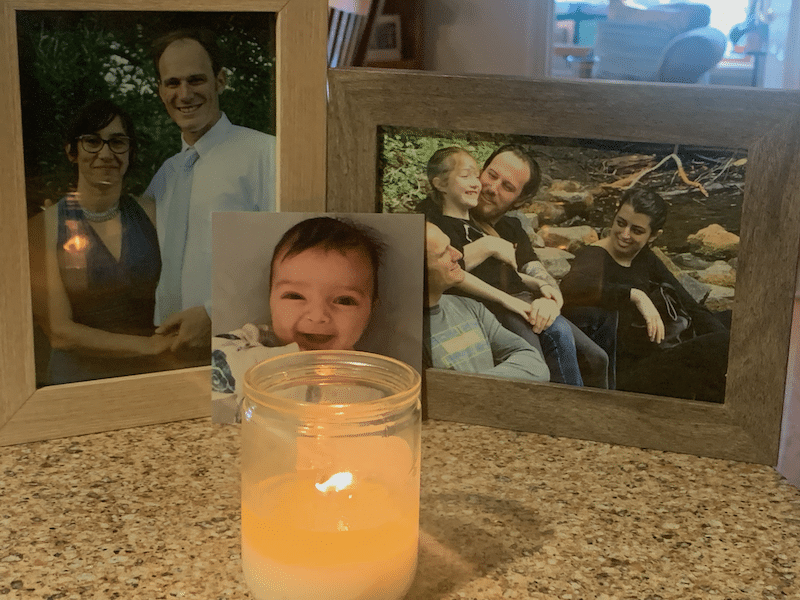
The soft, flickering glow of the Yahrzeit Candle paints a poignant tableau on the walls, ceiling, and floor of my kitchen, creating a serene atmosphere. For the last two years, I’ve placed this candle before a photo of my beloved wife, Jan. Tonight, I’ve encircled it with three images that capture precious moments of our sons, their wives, and our two grandchildren. Each image is a gateway to a cherished memory, stirring a deep nostalgia and a profound love that defies time constraints. Have you ever found yourself lost in a sea of photos, searching for the perfect ones? As I was doing so, I realized that I still had thousands of digital pictures of Wes waiting to be printed and framed. Keeping up with the life changes requires time and effort.

Continue reading →

I Am OK Walking Into the
Unknowable Future

I woke up at 5:30 AM this morning, just like my Apple Watch alarm rings daily. As I left bed, my watch greeted me with a friendly “Good Morning, Richard” message. Since I live alone, I responded to my watch and put on my walking clothes. Even though the sky was dark and dismal, the predicted rain did not arrive, and it was dry outside. I’ve been doing this for three years and never let the weather affect my mood.

Continue reading →

I Have Survived Grief,
and I Am OK!

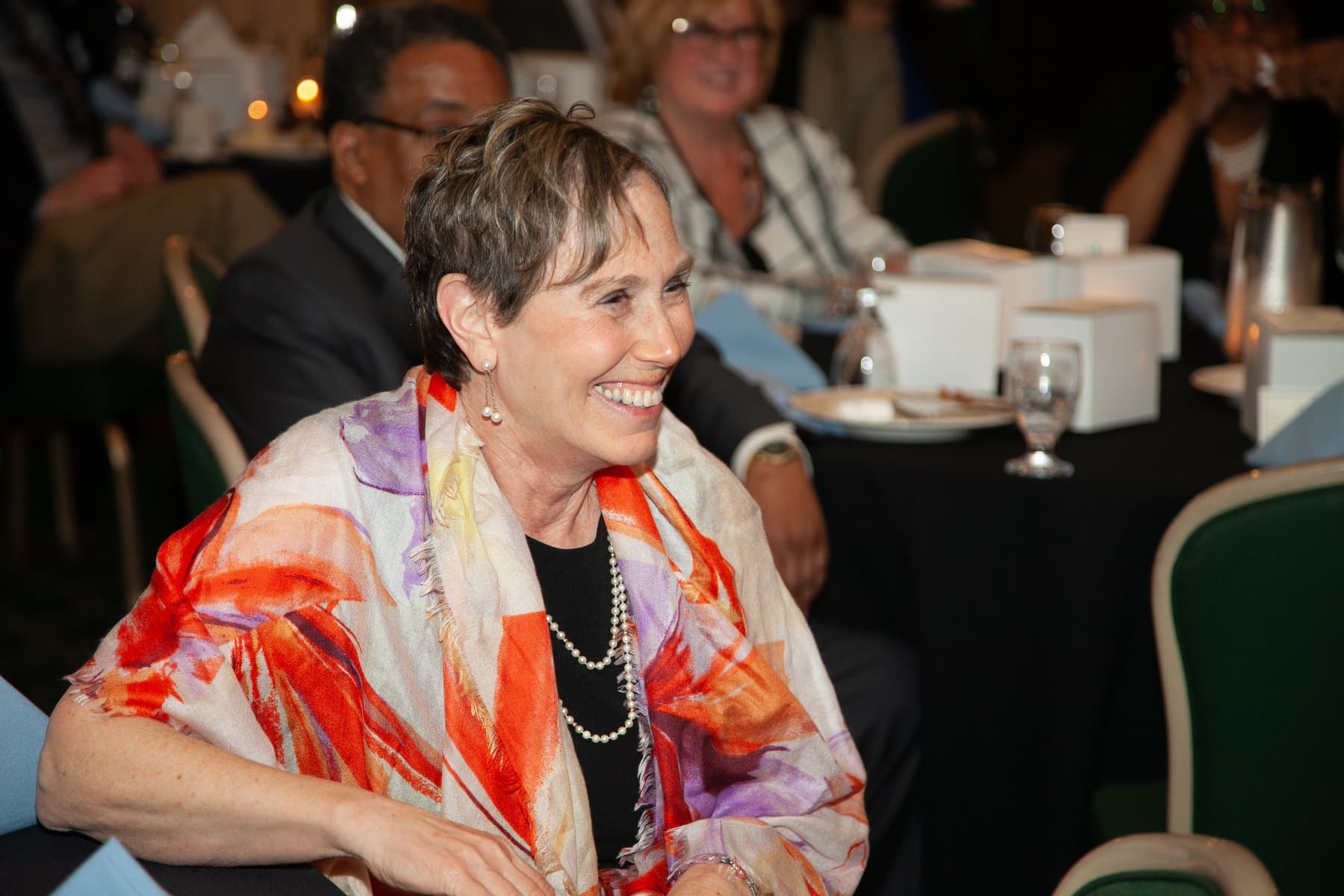
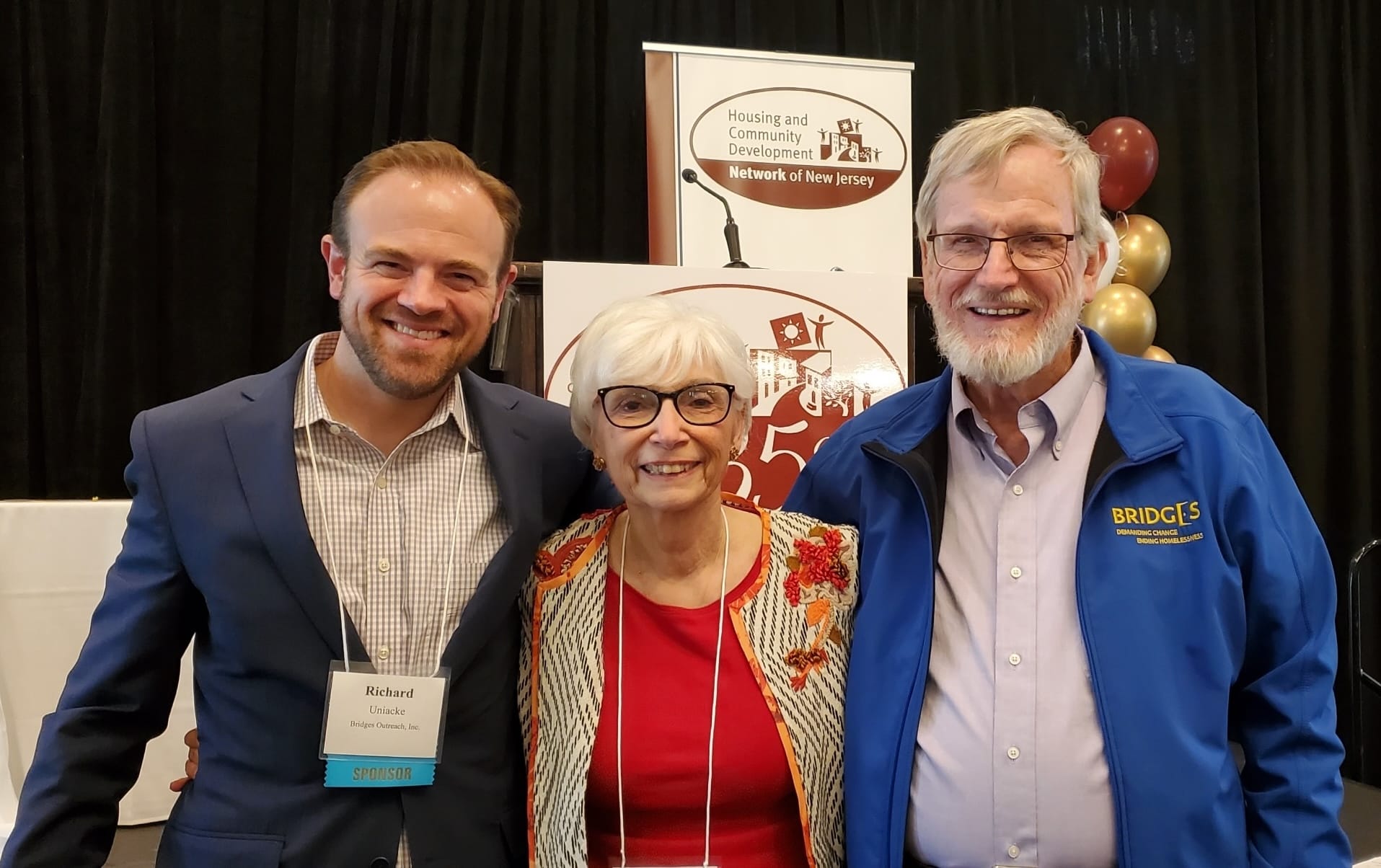
Upon returning to Forsgate Country Club after a five-year absence, I immediately felt a sense of familiarity. As I entered the venue, I noticed two disoriented women standing in the foyer, trying to find their way to the Housing and Community Development Network of NJ‘s 35th-anniversary event. Despite clear signage and staff assistance, the women needed guidance on where to go. I greeted them and offered to lead them to the event. During my previous visit five years ago, I attended the organization’s 30th-anniversary event at the same venue. However, I felt disoriented and neglected at that time.

Continue reading →

From One Rose to a
Home Full of Flowers

My beloved wife, Jan, was arriving home for the last time on April 10, 2021. I asked her how I could make her last trip home more comfortable, and she replied that she wanted to be surrounded by flowers upon her arrival. However, two days before her release from the hospital, Rabbi Renee, my sons, and Dr. Saksena delivered the heartbreaking news that hospice care was the only option left. Dr. Strair, her other oncologist, had explained that they couldn’t effectively treat Jan’s Lymphoma due to COVID-19, and the Lymphoma prevented them from treating COVID-19. He stated that her Lymphoma was very aggressive, and they had tried three treatments, but the efficacy of each new treatment had declined. Dr. Strair said there was little they could do even without COVID-19.

Continue reading →

The Jan Lilien Education Fund!

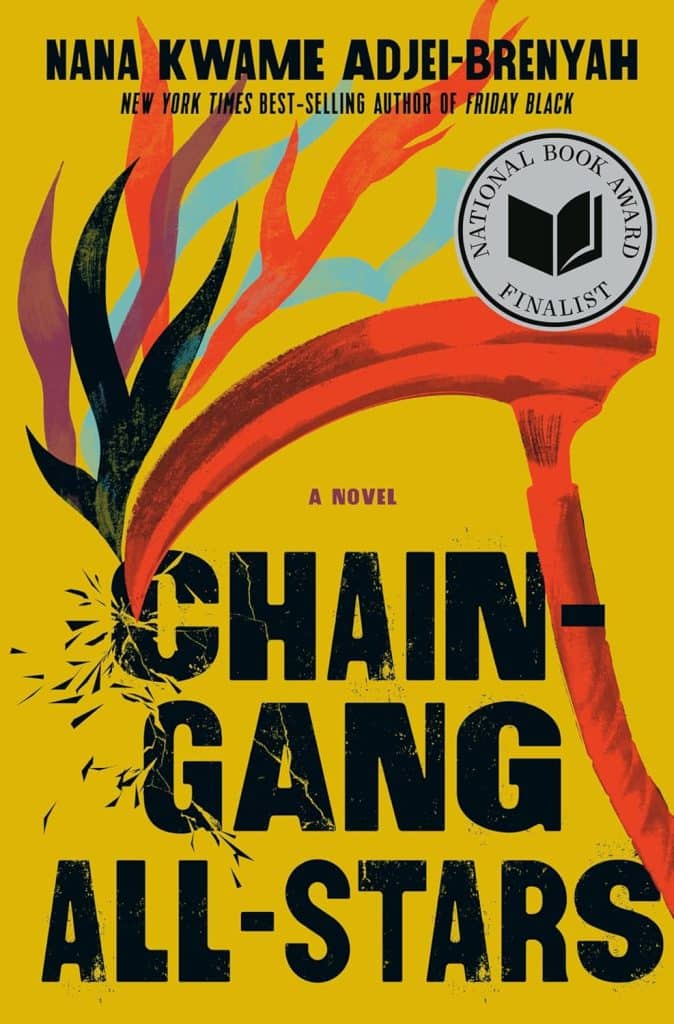
Chain Gang All Stars

Read: December 2023

Get this book

Chain Gang All Stars

by Nana Kwame Adjei-Brenyah

Today, I started reading “Chain Gang All Stars” by Nana Kwame Adjei-Brenyah. The story revolves around Loretta Thurwar and Hamara “Hurricane Staxxx” Stacker, the main characters of the Chain-Gang All-Stars, a highly controversial and top-rated program in America’s private prison industry. The program is called Criminal Action Penal Entertainment (CAPE), where prisoners compete for the ultimate prize- their freedom. It’s similar to the return of the gladiators but in a modern-day setting.

The story is set in a prison called CAPE, where inmates are forced to participate in death matches as a part of a chain-gang. These matches are held in front of cheering crowds, while the prison authorities claim it to be a righteous act. Among the participants, Thurwar and Staxxx are the most popular as they are also lovers. Thurwar is just a few matches away from her freedom, which she carries with a heavy heart and lethal hammer. Thurwar contemplates how she can help her fellow inmates preserve their humanity despite being forced into these brutal games. However, the owners of CAPE are determined to safeguard their status quo, and they will go to extreme lengths to stop anyone who challenges them. Thurwar’s attempts to resist the system have devastating consequences.

Chain-Gang All-Stars” is a powerful book that sheds light on the American prison system’s problematic alliance with systemic racism, unchecked capitalism, and mass incarceration. It critically examines the situation from various perspectives, from the Links in the field to the protestors, the CAPE employees, and beyond. The book offers a clear-eyed reckoning of what freedom really means in America. It is a noteworthy contribution from a “new and necessary American voice,” as described by Tommy Orange in The New York Times Book Review.


The Jan Lilien Education Fund sponsors ongoing sustainability and environmental awareness programs. Regarding gifts made this month, I will match dollar for dollar. All donations are tax-deductible.

Subscribe

Contact Us

I receive a commission when you buy a book or product using a link on this page. Thank you for supporting Sharing Jan’s Love blog.


×
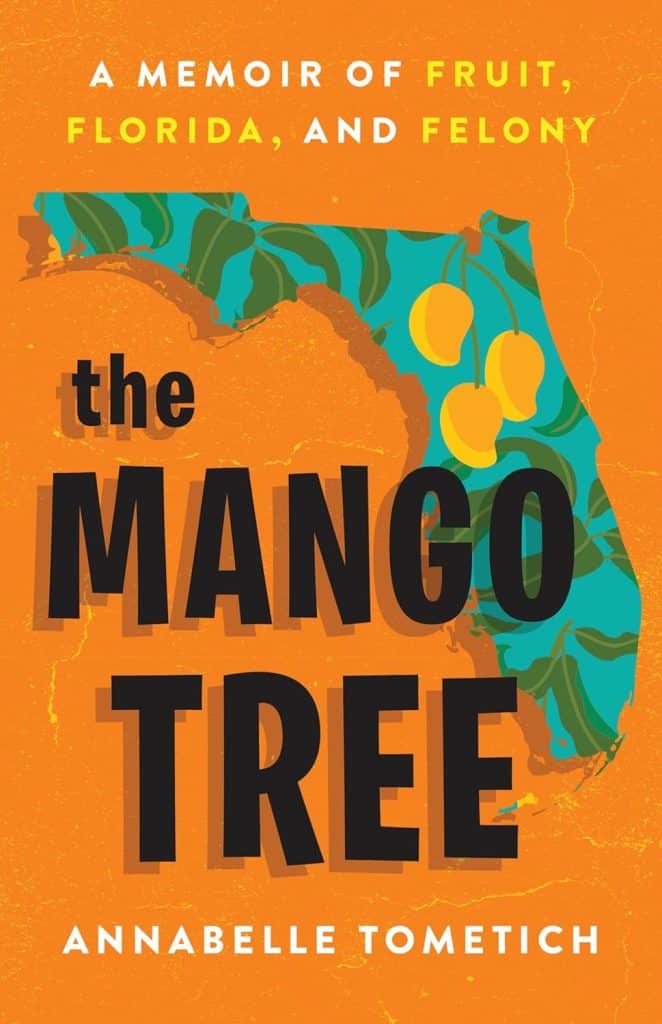
The Mango Tree: A Memoir of Fruit, Florida, and Felony

Read: April 2024

Get this book

The Mango Tree

by Annabelle Tometich

Today, I started reading Annabelle Tometich‘s The Mango Tree: A Memoir of Fruit, Florida, and Felony. The Mango Tree is not just a memoir but a profoundly emotional family saga. It takes us through the complexities of Annabelle’s life, from her childhood in a house filled with balikbayan boxes, vegetation, and luscious mangoes to her journey from aspiring medical student to restaurant critic.

It is a tribute to her fellow Filipino Americans, her younger self, and the mango tree symbolizing her family. Above all, it is a heartfelt homage to Annabelle’s mother, Josefina, who carved out a life and a home without whom Annabelle would not be who she is.

When journalist Annabelle Tometich picked up the phone one June morning, she wasn’t expecting a collect call from an inmate at the Lee County Jail. And when she accepts, she certainly isn’t prepared to hear her mother’s voice on the other end of the line. However, explaining the situation to her younger siblings afterward was easy; all she had to say was, “Mom shot at some guy. He was messing with her mangoes.” They immediately understood. Answering the questions of the breaking news reporter—at the same newspaper where Annabelle worked as a restaurant critic––proved more difficult. Annabelle decided to go with a variation of the truth: it was complicated.

Thus commences The Mango Tree, a memoir that deftly weaves a tapestry of a mixed-race Filipina’s life in suburban Florida. Annabelle’s journey is not linear but a series of interconnected stories that delve into her upbringing, her father’s tragic demise, her mother’s longing for her homeland, and her quest for identity.

×
The Singing Word

Read: September 2025

Get this book

The Singing Word

by Walt Hunter

The Singing Word: 168 Years of Atlantic Poetry, edited by Walt Hunter, celebrates the people, land, and spirit of America. This remarkable collection showcases a wide range of contemporary and historical poetry from the 168-year archive of The Atlantic magazine. Since its first issue in 1857, the poetry published in The Atlantic has drawn attention to the nation’s ongoing journey of self-discovery.

The magazine’s verse has featured odes to American leaders and landscapes, laments for the dead, and calls for change, appealing to the enduring ideals of Atlantic readers.

This one-of-a-kind collection selects poems of rousing optimism, clear-eyed realism, and moving lyricism—poems infused with the language of America’s songs, myths, and history, from the Civil War up through the present in three rich parts: National Anthems, Natural Lines, and Personal Mythologies.

Curated by The Atlantic’s Poetry Editor, this anthology features both world-famous poets—from Longfellow to Limón, including Robert Frost, W. S. Merwin, Sylvia Plath, and Adrienne Rich—as well as poets whose work has never before been published outside of the magazine.

Offering readers an essential understanding of American canon and the evolving nation, its poets have yearned to capture—the poetry of The Atlantic is the poetry of America.


Walt Hunter is a professor of twentieth- and twenty-first-century literature and chair of the English department at Case Western Reserve University. He is also the fiction and poetry editor for The Atlantic.


Discover your next favorite book and dive into a world of curated, exciting reads by purchasing through my links. You’ll have access to a diverse selection of books that I’ve personally vetted to ensure quality and enjoyment. Additionally, by supporting these selections, you’ll help me continue to provide you with more personalized recommendations. I earn a small commission from your purchase, which allows me to buy and share even more books with you. Your support truly makes a difference!


×
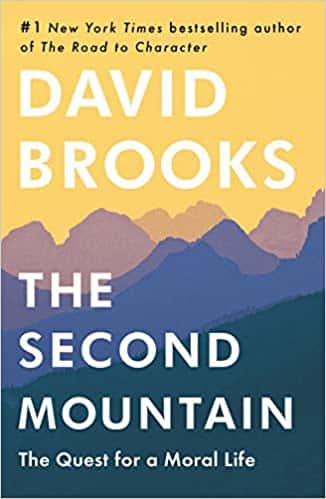
The Second Mountain: The Quest for a Moral Life

Read: May 2019

Get this book

The Second Mountain: The Quest for a Moral Life

by David Brooks

The Second Mountain: The Quest for a Moral Life by David Brooks is a book I often recommend. Mr. Brooks writes about the first mountain that most people climb. The book challenges the reader to “live for a cause greater than themselves.”

It is about “to be a success, make your mark, experience personal happiness.” Even when they reach the top of the mountain, most people find they are unhappy. The climb to the summit has become unsatisfying.

On the second mountain, life moves from self-centered to other-centered.” Life becomes interdependent, not independent; it becomes a life of commitment, not about us.

Mr. Brooks “explores the four commitments that define a life of meaning and purpose: to a spouse and family, to a vocation, to a philosophy or faith, and to a community.

We live in a society, Brooks argues, that celebrates freedom, that tells us to be true to ourselves, at the expense of surrendering to a cause, rooting ourselves in a neighborhood, binding ourselves to others by social solidarity and love. We have taken individualism to the extreme—and in the process we have torn the social fabric in a thousand different ways.

When I read The Second Mountain, it became clear that Jan and I never even attempted to climb the first mountain. We were constantly climbing the second mountain.

We had chosen to do work that repaired the world; we both had a faith community and lived in a community.

All we were missing as far as commitments when we met was each other. Our love for each other provided the missing link and allowed us to climb to the top of the second mountain.


The Jan Lilien Education Fund sponsors ongoing sustainability and environmental awareness programs. Gifts made this month; I will match dollar-for-dollar. All donations are tax-deductible.

Subscribe

Contact Us

I receive a commission when you buy a book or product using a link on this page. Thank you for supporting Sharing Jan’s Love blog.

×
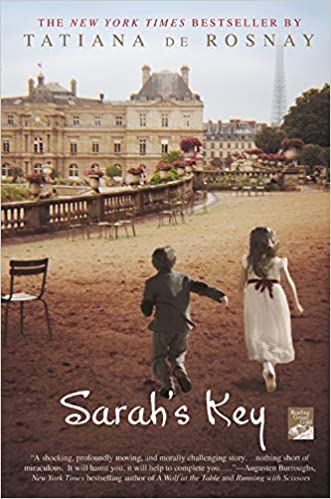
Sarah's Key

Read: January 2022

Get this book

Sarah’s Key

by Tatiana de Rosnay

Sarah’s Key by Tatiana de Rosnay is the untold story of the roundup of the Jews in Paris in July 1942. The novel focuses on how the French were complicit in rounding up thousands of Jews in 1942. It is also a reminder that we can never allow another genocide. I finished this book the day before Holocaust Remembrance Day, January 27, the date on which the Auschwitz-Birkenau concentration and death camp complex was liberated in 1945.

Ten-year-old Sarah is brutally arrested with her family in the Vel’ d’Hiv’ roundup, the most notorious act of French collaboration with the Nazis. But before the police come to take them, Sarah locks her younger brother, Michel, in their favorite hiding place, a cupboard in the family’s apartment. She keeps the key, thinking she will be back within a few hours.

Paris, May 2002: On Vel’ d’Hiv’s sixtieth anniversary, Julia Jarmond, an American journalist, is asked by her Paris-based American magazine to write an article about this black day in France’s past. Julia has lived in Paris for nearly twenty-five years and married a Frenchman, and she is shocked both by her ignorance about the event and the silence that still surrounds it.

The twin narratives of Sarah and Julia hold the first two-thirds of the book together and make it a page-turner. Sarah’s memory reminds us during the final third of the book and ensures that the complete story of the Vel’ d’Hiv’ roundup and its lasting impact are told.

As Goodreads describes the novel,

In the course of her investigation, she stumbles onto a trail of long-hidden family secrets that connects her to Sarah. Julia finds herself compelled to retrace the girl’s ordeal, from the terrible days spent shut in at the Vel’ d’Hiv’ to the camps and beyond. As she probes into Sarah’s past, she begins to question her own place in France and to reevaluate her marriage and her life.

Writing about the fate of her country with a pitiless clarity, Tatiana de Rosnay offers us a brilliantly subtle, compelling portrait of France under occupation and reveals the taboos and denial surrounding this painful episode in French history.

I highly recommend the book.

Subscribe

Contact Us

When you buy a book or product using a link on this page, I receive a commission. Thank you for supporting Sharing Jan’s Love blog.

×
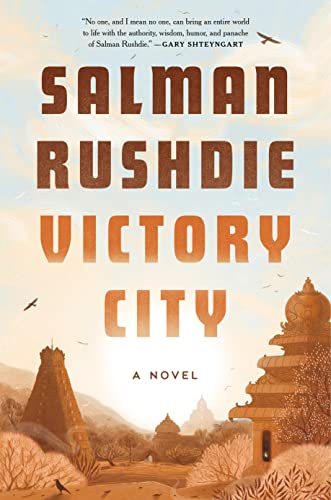
Victory City: A Novel

Read: February 2023

Get this book

Victory City: A Novel

by Salman Rushdie

Victory City: A Novel by Salman Rushdie is an epic tale of a woman who breathes a fantastical empire into existence, only to be consumed by it over the centuries from the transcendent imagination of Booker Prize-winning, internationally bestselling author Salman Rushdie. It is well written and was a page-turner from page one to the end. I highly recommend this novel and encourage everyone to read it.

Brilliantly styled as a translation of an ancient epic, this is a saga of love, adventure, and myth that is a testament to storytelling’s power. After witnessing her mother’s death, the grief-stricken Pampa Kampana becomes a vessel for the goddess Parvati, who begins to speak out of the girl’s mouth. I was hooked when Pampa Kampana provided the seeds that created Victory City out of thin air.

David Remnick’s interview with Salman Rushdie in The New Yorker provided background I would have missed.

“The first kings of Vijayanagara announced, quite seriously, that they were descended from the moon,” Rushdie said. “So when these kings, Harihara and Bukka, announce that they’re members of the lunar dynasty, they’re associating themselves with those great heroes. It’s like saying, ‘I’ve descended from the same family as Achilles.’ Or Agamemnon. And so I thought, Well, if you could say that, I can say anything.”

Above all, the book is buoyed by the character of Pampa Kampana, who, Rushdie says, “just showed up in my head” and gave him his story, his sense of direction. Rushdie’s pleasure in writing the novel was in “world building” and, at the same time, writing about a character building that world: “It’s me doing it, but it’s also her doing it.” The pleasure is infectious. “Victory City” is an immensely enjoyable novel. It is also an affirmation. At the end, with the great city in ruins, what is left is not the storyteller but her words:

I, Pampa Kampana, am the author of this book.
I have lived to see an empire rise and fall.
How are they remembered now, these kings, these queens?
They exist now only in words . . .
I myself am nothing now. All that remains is this city of words.
Words are the only victors.

The Goodreads summary provides a brief overview,

In the wake of an insignificant battle between two long-forgotten kingdoms in fourteenth-century southern India, a nine-year-old girl has a divine encounter that will change the course of history. After witnessing her mother’s death, the grief-stricken Pampa Kampana becomes a vessel for the goddess Parvati, who begins to speak out of the girl’s mouth. Granting her powers beyond Pampa Kampana’s comprehension, the goddess tells her that she will be instrumental in the rise of a great city called Bisnaga–literally victory city–the wonder of the world.

Over the next two hundred and fifty years, Pampa Kampana’s life becomes deeply interwoven with Bisnaga’s, from its literal sowing out of a bag of magic seeds to its tragic ruination in the most human of ways: the hubris of those in power. Whispering Bisnaga and its citizens into existence, Pampa Kampana attempts to make good on Parvati’s task: giving women equal agency in a patriarchal world. But all stories have a way of getting away from their creator, and Bisnaga is no exception. As years pass, rulers come and go, battles are won and lost, and allegiances shift, the very fabric of Bisnaga becomes an ever more complex tapestry–with Pampa Kampana at its center.


The Jan Lilien Education Fund sponsors ongoing sustainability and environmental awareness programs. Gifts made this month; I will match dollar-for-dollar. All donations are tax-deductible.

Subscribe

Contact Us

I receive a commission when you buy a book or product using a link on this page. Thank you for supporting Sharing Jan’s Love blog.


×