Solar Eclipse of My Soul

Estimated reading time: 5 minutes, 3 seconds
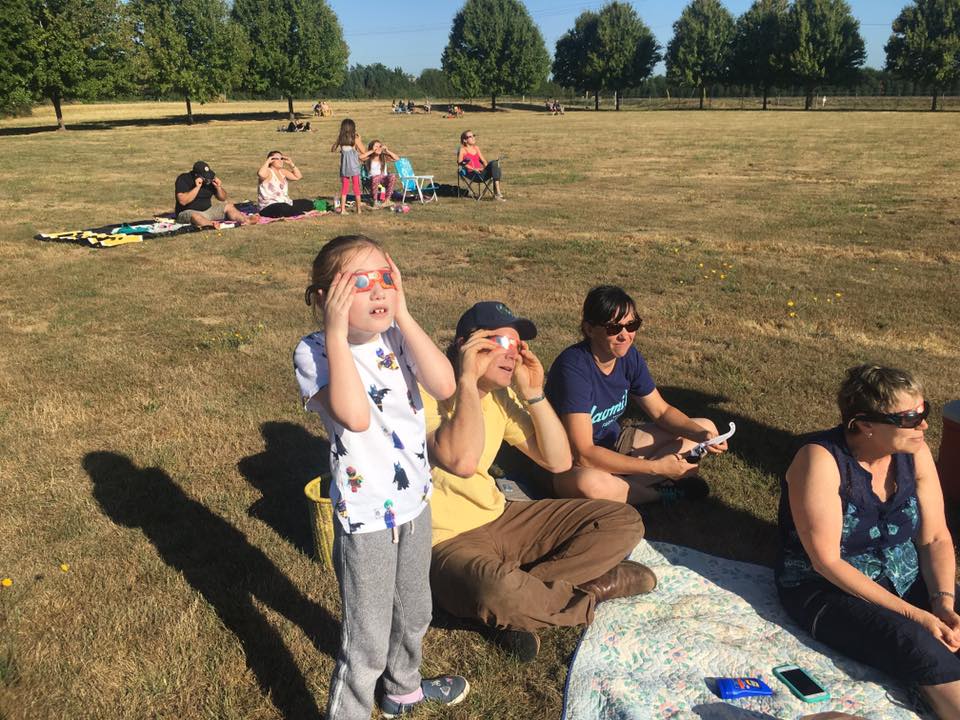
The 2017 Solar Eclipse Was a Spiritual and Romantic Day

Experiencing a total solar eclipse is an unforgettable event that can make us feel as if we’re in the presence of a divine power or transport us to a different world. I’ve been fortunate enough to witness this incredible phenomenon twice. The second time was with my family in Molalla, Oregon, on August 21, 2017, and it’s a memory I’ll cherish for the rest of my life.

On that day, my son Mike captured the entire event on his iPhone, allowing us to relive the magic for years. We huddled together, eagerly anticipating the sun’s disappearance. My granddaughter, Lilah-Rae, was thrilled and declared it the most exciting and unforgettable day of her life.

Solar Eclipse, Molalla, Oregon, on August 21, 2017

Getting to the solar eclipse was an adventure as we missed a flight connection and had to drive from Seattle to Portland. Once we arrived at Jon and Karen’s backyard, we hoped to stay home and watch about 96% of the eclipse’s totality. But those memories are a story for another post.
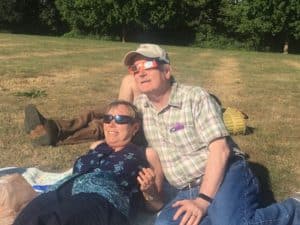
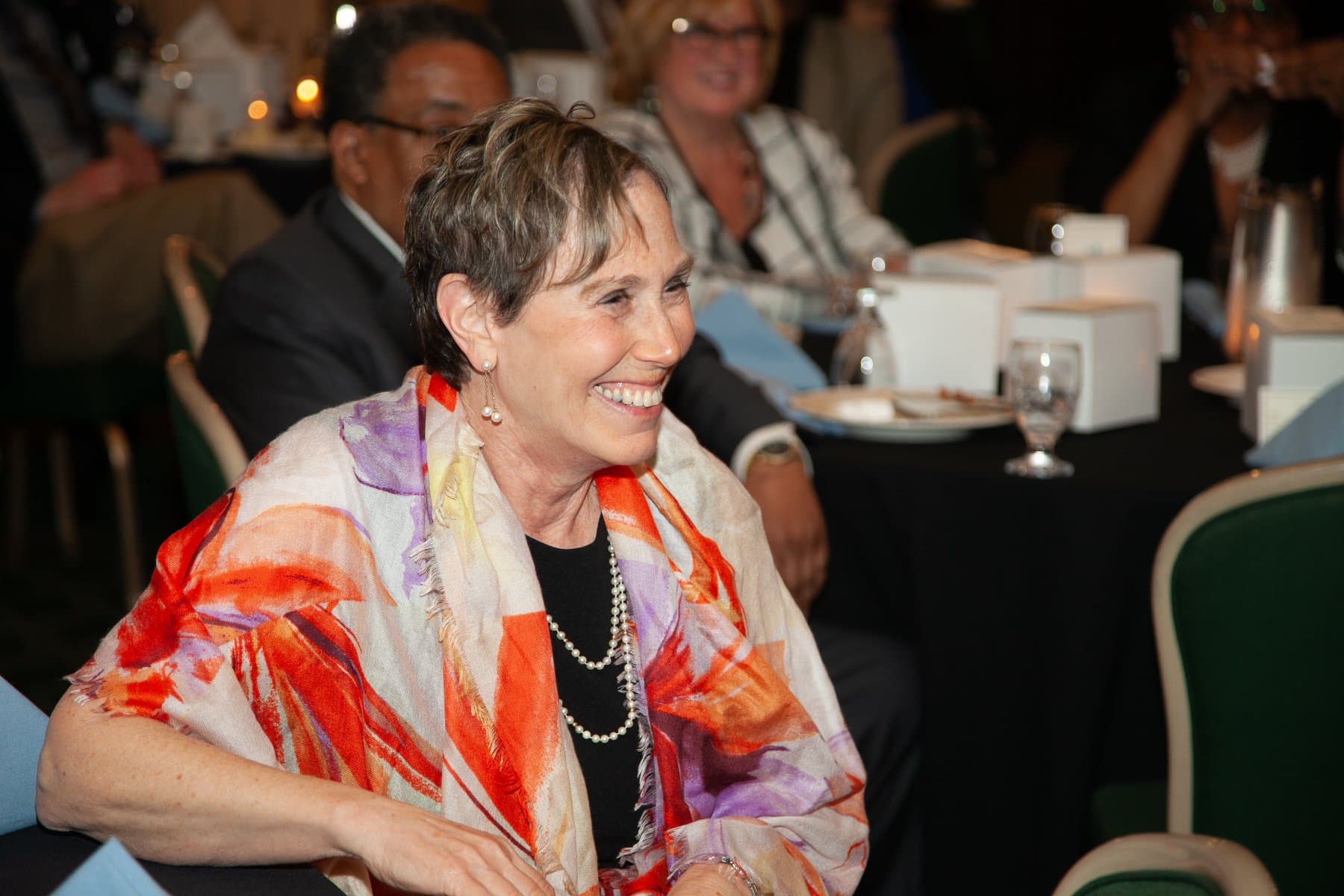
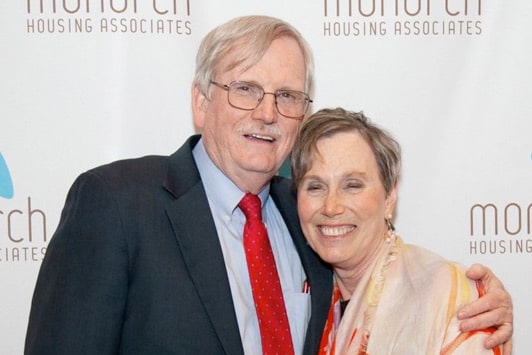
Jan and Richard
Jan and Richard Watching the Eclipse

The memory of that day will remain etched in our minds forever. As the sun disappeared behind the moon, the world around us grew still, and we were all in awe of the breathtaking sight before us. For a moment, time seemed to stand still. Mike’s video perfectly captured the event’s beauty and grandeur, a once-in-a-lifetime experience.

In the video, all the couples hugged each other tightly, cherishing the moment. My wife exclaimed, “We have to do this again. When’s the next solar eclipse?” Fueled by excitement, we all promised to reunite and witness the next total solar eclipse on April 8, 2024. Unfortunately, we were unable to fulfill that promise due to life’s unpredictability and lymphoma.

Not Seeing But Experiencing an Eclipse

On my morning walk today, I met my friend June, who has a garden plot in Hanson Park. We caught up on old times and reminisced about the Mitzvah cleanup of Hanson Park. We chatted about the park and how June’s sister was adjusting to life in Cranford.

June expressed her excitement for the upcoming eclipse as we started to part. I corrected her, explaining that it was an experience, not just an event to watch. Instead, I shared my memories of the 2017 total eclipse and how it was a humbling experience that reminded us of how small we are in the grand scheme. During totality, I said, “We are reminded that we are minor players in the universe.” I described the video and how it had a spiritual and romantic nature.

You are making me cry, June said, “but in a good way.

“At least you are young enough to experience the next one in 2044,” I added.

I’ll be 92 by then and probably using a walker,” she replied.

“Even then, you, Paul, and I should plan to go together. It will be a trio of elderly people seeking God’s blessing,” I suggested.

“It’s a deal,” June said, and we parted ways.
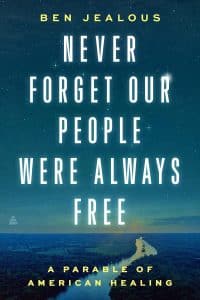
Never Forget Our People Were Always Free

Finally, I recommended that June read Ben Jealous‘s “Never Forget Our People Were Always Free: A Parable of American Healing” if she could. He convincingly argues that we are all cousins and should treat each other as we would our family.

Wow, that is powerful,” June said, and we both walked away, lost in our thoughts.

“Cousin, I will talk to you soon!”

One Hundred Percent or Nothing

The sky over New Jersey darkened today as a partial solar eclipse occurred, with only 90% of the sun obscured. The sight was akin to the sky being covered by thick, dark clouds, creating an eerie and ominous feeling that it might rain at any moment. As I stepped outside into the mid-afternoon twilight, the world around me felt strange and unsettling, a stark contrast to the awe-inspiring experience of witnessing a total solar eclipse I had enjoyed in 2017.

As someone who has lost their spouse, I have come to understand that darkness is not just the absence of light. It’s a feeling that can linger and fester, akin to being alone with someone you love who doesn’t love you back. This loneliness can darken your soul and leave you feeling hollow and empty.

Last summer, I had tentative plans to watch the total solar eclipse with someone, but those plans fell through. Although I usually enjoy doing things independently, the thought of experiencing such a significant event without someone I loved and who loved me made me hesitate. I have no problem going to movies, dinner, or anything else alone, but the possibility of a total solar eclipse alone was a bridge I could not cross.

In hindsight, perhaps the 2017 total solar eclipse was a divine intervention that prepared me for life as a widow. I have never been the same since watching the moon cover the sun. Accepting with humility my insignificant role in the universe and feeling God’s presence may have been preparation for becoming a widow. Being calmer and healthier, perhaps I was better able to adjust to my wife’s death. Despite my best efforts, neither I nor any of the members of the medical team could save my wife’s life. But I can choose how I live the remainder of my days.

My Three Birthday Blessings have become the bumpers that protect me from falling into life’s gutters. With renewed faith, meaning, and purpose, I will seek to be the best version of myself. The memories of the last total solar eclipse I saw in Oregon were bittersweet. They reminded me of what I had lost and still have to cherish, and I will forever hold onto those memories as a reminder of the beauty and fragility of life.


The Jan Lilien Education Fund sponsors ongoing sustainability and environmental awareness programs. All donations are tax-deductible.


Contact Us
Subscribe

Creative Commons License

This work is licensed under a Creative Commons Attribution-NonCommercial 4.0 International License.


3 comments add your comment

Share your thoughts and ideas

This site uses Akismet to reduce spam. Learn how your comment data is processed.

Previous Post:

Next Post:

The Jan Lilien Education Fund!

Whale Fall: A Novel

Read: July 2024

Get this book

Whale Fall: A Novel

by Elizabeth O'Connor

I have started reading “Whale Fall: A Novel” by Elizabeth O’Connor. With its unique blend of loss, isolation, folklore, and the journey of self-discovery, this debut novel offers a compelling narrative set in 1938 on a remote Welsh island. The story is catalyzed by the arrival of a dead whale, a powerful symbol that sets the stage for the characters’ journeys.

The story revolves around Manod, a young woman who has spent her entire life on the island. Despite their island home’s harsh yet stunning surroundings, Manod yearns to explore life beyond it, a desire that will resonate with many readers.

As two English ethnographers arrive to study the island’s culture, Manod sees it as a potential escape from her community. However, her growing involvement with them triggers a profound internal conflict. She grapples with the dilemma of pursuing her desires or remaining loyal to her community. This struggle resonates with the universal human experience, making it a compelling read for many.

Whale Fall‘ vividly portrays the tensions that surface when one person’s aspirations threaten the unity of a community. O’Connor’s narrative skillfully depicts the community and Manod on the brink, forced to confront a world that seems to infringe upon them. This evokes a sense of admiration for O’Connor’s storytelling prowess, making it a must-read for literary fiction enthusiasts.

×
Demon Copperhead: A Novel

Read: December 2022

Get this book

Demon Copperhead: A Novel

by Barbara Kingsolver

Demon Copperhead: A Novel by Barbara Kingsolver is a must-read page-turner! Set in the mountains of southern Appalachia, this is the story of a boy born to a teenage single mother in a single-wide trailer, with no assets beyond his dead father’s good looks and copper-colored hair, a caustic wit, and a fierce talent for survival. Demon Copperhead speaks for a new generation of lost boys and all those born into beautiful, cursed places they can’t imagine leaving behind.

With more knowledge about the devastation of an economy that works for a few and the opioid crisis, I felt as if I was reading about people I knew. Although the book focuses on the impact on boys, it also details the devastation that girls experience.

If Jan had read Demon Copperhead, she would have encouraged me to read it. It reminds us of the work we must do to repair the world.

As a widow, it was a reminder of the long road that we must all take even after we have hit bottom.

WNYC’s All of it hosted an interview with Barbara Kingsolver in which she speaks about Demon Copperhead and her writing.

Demon Copperhead is one of the NYTimes’ top five fiction books of 2022. I have read three of them, The Candy House, The Furrows, and Checkout 19.

The Goodreads summary provides an overview.

In a plot that never pauses for breath, relayed in his unsparing voice, he braves the modern perils of foster care, child labor, derelict schools, athletic success, addiction, disastrous loves, and crushing losses. Through all of it, he reckons with his invisibility in a popular culture where even the superheroes have abandoned rural people in favor of cities.

Many generations ago, Charles Dickens wrote David Copperfield from his experience as a survivor of institutional poverty and its damage to children in his society. Those problems have yet to be solved in ours. Dickens is not a prerequisite for readers of this novel, but he provided its inspiration. In transposing a Victorian epic novel to the contemporary American South, Barbara Kingsolver enlists Dickens’ anger and compassion and, above all, his faith in the transformative powers of a good story. Demon Copperhead speaks for a new generation of lost boys and all those born into beautiful, cursed places they can’t imagine leaving behind.


The Jan Lilien Education Fund sponsors ongoing sustainability and environmental awareness programs. Gifts made this month; I will match dollar-for-dollar. All donations are tax-deductible.

Subscribe

Contact Us

I receive a commission when you buy a book or product using a link on this page. Thank you for supporting Sharing Jan’s Love blog.


×
Misinterpretation

Read: August 2025

Get this book

Misinterpretation: A Novel

by Ledia Xhoga

Ledia Xhoga‘s debut novel, Misinterpretation, is a reflective and engaging work longlisted for the 2025 Booker Prize. The novel delves into the darker legacies of family and country, exploring the tension between compassion and self-preservation. Additionally, it won the 2024 New York City Book Award for a first book, a prestigious recognition in the literary world. It was a finalist for the 2024 Center for Fiction First Novel Prize.

Set in present-day New York City, the story follows an Albanian interpreter who reluctantly agrees to work with Alfred, a Kosovar torture survivor, during his therapy sessions. Despite her husband’s warnings, she becomes increasingly entangled in her clients’ struggles. Alfred’s nightmares unearth her own buried memories, and an impulsive attempt to help a Kurdish poet leads to a risky encounter and a reckless plan. The emotional journey of the protagonist will surely resonate with you.

As a series of ill-fated decisions jeopardize the narrator’s marriage and mental health, she takes a spontaneous trip to reunite with her mother in Albania. This trip is a fascinating exploration of the contrast between her life in the United States and her roots back home. Upon returning, she must confront the consequences of her actions and question what is real and what is not.


Ledia Xhoga, the author of Misinterpretation, is an Albanian-American fiction writer and playwright. Her personal experiences and cultural background have deeply influenced her writing. Before earning an MFA in fiction from Texas State University, she worked in publishing in New York City. Her writing, which often explores themes of identity and belonging, has been featured in various journals, including Intrepid Times, Hobart, and KGB Magazine. Originally from Tirana, Albania, she now lives with her family in Brooklyn and the Catskills.


When you purchase a book through one of my links, I earn a small commission that helps support my passion for reading. This contribution allows me to buy even more books to share with you, creating an incredible cycle of discovering great reads together! Your support truly makes a difference!

Enjoy a limited-time offer of 20% off your next book purchase at Bookshop.org!


×
All the Water in the World

Read: January 2025

Get this book

All the Water in the World

by Eiren Caffall

Today, I began reading “All the Water in the World” by Eiren Caffall. Like Station Eleven, this novel is a literary thriller set partly in New York’s American Museum of Natural History in a flooded future. In the spirit of “From the Mixed-Up Files of Mrs. Basil E. Frankweiler” and “Parable of the Sower,” this adventurous journey offers hope that the most important things—love, work, community, and knowledge—will endure.

All the Water in the World” is narrated by a girl who profoundly appreciates water. In the years following the melting of the glaciers, Nonie, along with her older sister, parents, and their researcher friends, remains in a nearly deserted New York City. They have established a settlement on the roof of the American Museum of Natural History with a strict rule: they may only take from the exhibits in cases of dire need. They hunt and grow their food in Central Park while also working to preserve the collections of human history and science.

When a superstorm breaches the city’s flood walls, Nonie and her family must escape northward along the Hudson River. They carry a book containing records of the lost collections. As they race down the swollen river for safety, they encounter communities that have adapted in various, sometimes frightening, ways to the new reality. Despite the challenges, they are determined to create a new world that honors everything they have saved.

Inspired by the stories of curators in Iraq and Leningrad who worked to protect their collections during wartime, “All the Water in the World” mediates what we strive to preserve from collapse and an adventure filled with danger, storms, and a fight for survival.


When you purchase a book through one of my links, I earn a small commission that helps support my passion for reading. This contribution allows me to buy even more books to share with you, creating an incredible cycle of discovering great reads together! Your support truly makes a difference!


×
Monkey Grip: A Novel

Read: February 2024

Get this book

Monkey Grip: A Novel

by Helen Garner

Today, I began reading Monkey Grip: A Novel by Helen Garner. It’s a book that launched the career of one of Australia’s most celebrated writers. The story follows the infatuations of a young, single mother fascinated by the excesses of Melbourne’s late-70s counterculture. Monkey Grip is a seminal novel about Australia’s turbulent 1970s, including communal households, music, friendships, children, love, drugs, and sex.

Helen Garner is a renowned novelist, short-story writer, and journalist. She’s best known for her frank, unsparing, and intricate portrayals of Australian life, often drawn from the pages of her journals and diaries. A new US edition of her debut novel, which establishes Garner’s masterful and quietly radical literary voice, is now available.

The novel is set in Australia during the late 1970s and tells the story of Nora, a single mother and writer. Nora navigates Melbourne’s bohemian underground with her young daughter, Gracie, in tow. Nora falls in love with Javo, a flighty man trapped in his addiction. As their relationship disintegrates, Nora struggles to wean off a love that feels impossible to live without.

When Monkey Grip was first published in 1977, it caused a sensation. Critics praised Garner for her craft, but many criticized her gritty depictions of the human body, frankness about sex and drugs, the mess of motherhood, and her unabashed use of her own life as inspiration. Today, such criticism feels old-fashioned and glaringly gendered, and Monkey Grip is considered a modern masterpiece.

×
Being Mortal

Read: August 2019

Get this book

Being Mortal

by Atul Gawande

Before departing for Toronto to celebrate our 44th Wedding Anniversary, I went through the e-library. Everything on my list that I wanted to read was not available except for this book. Being Mortal by Atul Gawande is the book I read on our vacation before Jan’s diagnosis of non-Hodgkin Large B-cell Lymphoma.

Selecting Being Mortal might seem an accidental choice to some, and I believe it was a divine intervention. It prepared me to be a caregiver to my wife over the nineteen months of her fight with cancer. It helped me focus on the good life that my wife lived and not the pain and suffering.

Atul Gawande describes his book as “riveting, honest, and humane. Being Mortal shows that the ultimate goal is not a good death but a good life – to the very end.”

When I read the book, I wondered what I could have done to help my mother in her final years. The book offers an excellent overview of how nursing homes and assisted living facilities have struggled to meet the needs of their residents.

Dr. Gawande provides an in-depth overview of the benefits of hospice care. Although I knew of this option, reading this book helped me understand that I was ready for hospice when my wife came home for the last time.

He reminds us that “when it comes to the inescapable realities of aging and death, what medicine can do often runs counter to what it should.” As he writes in the book, the current system does not work and, in many cases, actually shortens life.

This book has had a lasting impact on my life. It allowed me to be a loving caregiver to my wife when she needed it more than anything else. I read it when it would be most beneficial to me.

I highly recommend this book.


Atul Gawande is the author of several bestselling books: Complications, a finalist for the National Book Award; Better; The Checklist Manifesto; and Being Mortal. He is also a surgeon at Brigham and Women’s Hospital in Boston, a staff writer for The New Yorker, and a professor at Harvard Medical School and the Harvard School of Public Health. He has won the Lewis Thomas Prize for Writing about Science, a MacArthur Fellowship, and two National Magazine Awards. In his work in public health, he is the Founder and Chair of Ariadne Labs, a joint center for health systems innovation, and Lifebox, a nonprofit organization dedicated to making surgery safer globally. He is also the chair of Haven, where he served as CEO from 2018 to 2020. He and his wife have three children and live in Newton, Massachusetts.


When you purchase a book through one of my links, I earn a small commission that helps support my passion for reading. This contribution allows me to buy even more books to share with you, creating an incredible cycle of discovering great reads together! Your support truly makes a difference!

Enjoy a limited-time offer of 20% off your next book purchase at Bookshop.org!


×

Discover more from Sharing Jan’s Love

Subscribe now to keep reading and get access to the full archive.

Continue reading