
Jan Clears the Deck!

Estimated reading time: 9 minutes, 33 seconds
She reached up and pulled my face to hers. 

“I have always loved you! I know I made the right choice,” she said as she kissed me.

She then showed me her iPhone, still on the home screen. 

“I do not even remember their names, silly. All I have ever wanted was you!”

I kneeled and hugged her. 

“I love you too,” I said as my voice cracked with tears pouring down my cheeks. 

I sat on the floor next to her, and we chatted about our memories of four decades together. 

“We probably should go to bed,” she said. “We can continue our conversation in the morning.”

I helped her up. She was very wobblily. 

“How much did I have to drink?”

“There were two wine bottles, and both were empty when we left the restaurant, ” I said. 

When we entered the bedroom, she said she wanted to sit on the bed for a minute. I helped her up. 

“I have not had that much wine in a long time….”

I returned to the living room to get her water glass. I filled it with more crushed ice and placed it on her nightstand. 

I proceeded to get ready for bed. As I exited the bathroom, I asked Jan if she needed help getting up. She tried to get up but could not rise from her reclining position. 

I offered my arms to help her, but instead of hugging me, she kissed me. 

“Looks like you are a little aroused, and I am too,” Jan said as she smiled at me. “I can brush my teeth later if you can help me get out of my dress.”

I crawled into bed and said, “In due time, my dear, the dress will come off….”

Jan’s Three Commitments

We all have choices in our lives that can change us for better or worse, depending on how we decide. Jan had three opportunities to confirm our love for each other, and each time she selected me!

I have written about how we met in several posts. Jan Clears the Decks is the first to clarify Jan’s commitment to me despite concerns from friends. I plan to write more about this period.

My overall goal is to fully tell the story of each of Jan’s three commitments to me.

  • The first was the day we met. She could have chosen not to fall in love with me. Many of her friends and family opposed our relationship. This post is the first to reference the options she had explicitly.
  • The first post to discuss marriage is about our wedding proposal, and the second is about telling our parents. The second was the day we married. Many of her friends and her family questioned our plans to marry.
  • Jan and I almost ended our marriage in the first year. The last was a problematic situation early in our marriage. I will always be grateful that she stayed with me.

Subscribe
Contact Us

Creative Commons License

This work is licensed under a Creative Commons Attribution-NonCommercial 4.0 International License.

Pages: 1 2 3

8 comments add your comment

Share your thoughts and ideas

This site uses Akismet to reduce spam. Learn how your comment data is processed.

Previous Post:

Next Post:

The Jan Lilien Education Fund!

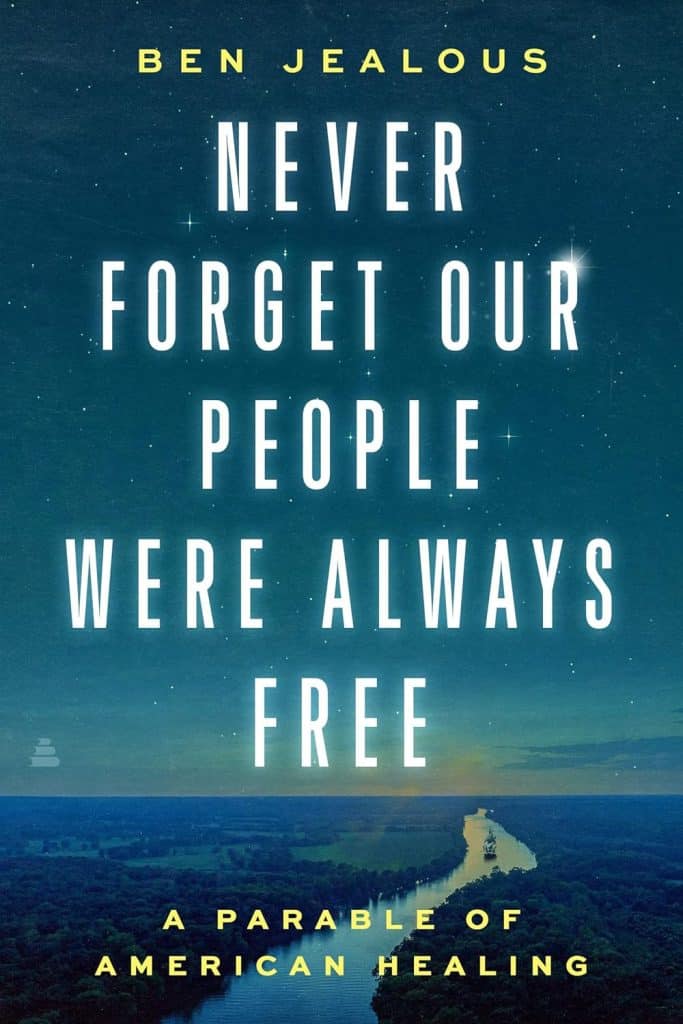
Never Forget Our People Were Always Free

Read: March 2024

Get this book

Never Forget Our People Were Always Free

by Ben Jealous

Today, I started reading “Never Forget Our People Were Always Free: A Parable of American Healing” by Ben Jealous, the Executive Director of the Sierra Club. The book highlights how the path to healing America’s broken heart begins with each of us having the courage to heal ourselves. According to Mr. Jealous, it would be transformative if every American treated each other as cousins.

Ben Jealous is the son of parents who had to leave Maryland because their cross-racial marriage was illegal.

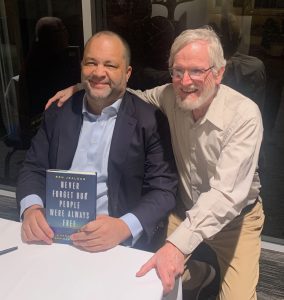
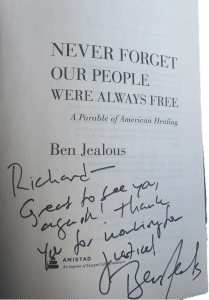
I briefly met Ben Jealous last May when I went to Washington with the Religious Action Center of Reform Judaism‘s Day of Action. When I saw Mr. Jealous speaking at Temple Emanu-El in neighboring Westfield, I immediately signed up to attend in person. He is an inspiration as an advocate for the environment, civil rights, and the healing of America’s broken heart.

His lively, courageous, and empathetic storytelling calls on every American to look past deeply cut divisions and recognize that we are all in the same boat now. Along the way, Jealous grapples with hidden American mysteries, including:

  • Why do white men die from suicide more often than black men die from murder?
  • How did racial profiling kill an American president?
  • What happens when a Ku Klux Klansman wrestles with what Jesus said?
  • How did Dave Chappelle know the DC Snipers were Black?
  • Why shouldn’t the civil rights movement give up on rednecks?
  • When is what we have collectively forgotten about race more important than what we know?
  • What do the most indecipherable things our elders say tell us about ourselves?

The book Never Forget Our People Were Always Free is told through parables. It features intimate glimpses of political and faith leaders such as Jack Kemp, Stacey Abrams, and the late Archbishop Desmond Tutu. The book also highlights unlikely heroes such as a retired constable, a female pirate from Madagascar, a long-lost Irishman, a death row inmate, and a man with a Confederate flag over his heart.
Never Forget Our People Were Always Free offers readers hope that America’s oldest wounds can heal and her oldest divisions can be overcome.

Although I have only read a handful of pages of the book, I highly recommend it!

×
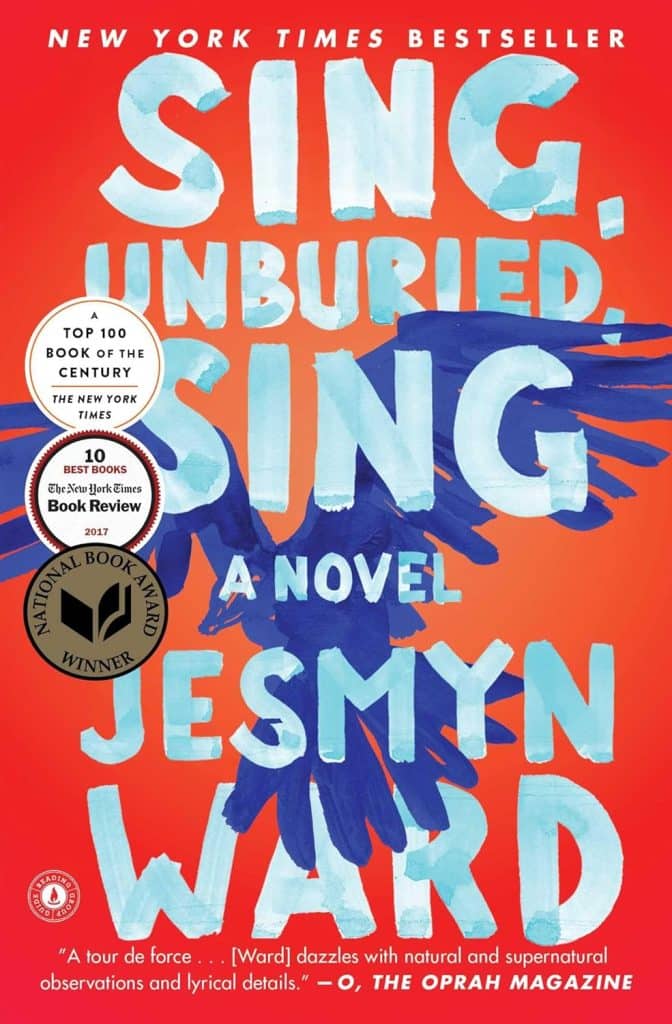
Sing, Unburied, Sing

Read: October 2024

Get this book

Sing, Unburied, Sing

by Jesmyn Ward

I started reading Jesmyn Ward‘s novel Sing, Unburied, Sing today. The New York Times selected it as one of the best books of the 21st century and awarded it the National Book Award. According to The New York Times, Jesmyn Ward‘s historic second National Book Award winner is “perfectly poised for the moment.” It’s an intimate portrait of three generations of a family and an epic tale of hope and struggle.

Jojo is thirteen years old and is trying to understand what it means to be a man. He has several father figures to learn from, including his Black grandfather, Pop. However, Jojo’s understanding is complicated by other men in his life: his absent White father, Michael, who is being released from prison; his absent White grandfather, Big Joseph, who refuses to acknowledge him; and the memories of his deceased uncle, Given, who died as a teenager.

His mother, Leonie, is inconsistent in her and her toddler daughter’s lives. She is a flawed mother in constant conflict with herself and those around her. She is Black, and her children’s father is White. She wants to be a better mother but struggles to prioritize her children over her own needs, particularly her drug use. Tormented and comforted by visions of her deceased brother, which only come to her when she’s high, Leonie is embattled in ways that reflect the harsh reality of her circumstances.

When their father is released from prison, Leonie takes her kids and a friend in her car and drives north to Mississippi and Parchman Farm, the State Penitentiary. At Parchman, there is another thirteen-year-old boy, the ghost of a deceased inmate who carries the ugly history of the South with him in his wanderings. With his supernatural presence, this ghostly figure also has something to teach Jojo about fathers and sons, legacies, violence, and love.

Described as a majestic and unforgettable family story, ‘Sing, Unburied, Sing‘ is rich with Ward‘s distinctive, lyrical language. As noted by The Philadelphia Inquirer, her unique narrative style takes readers on ‘an odyssey through rural Mississippi’s past and present.’

×
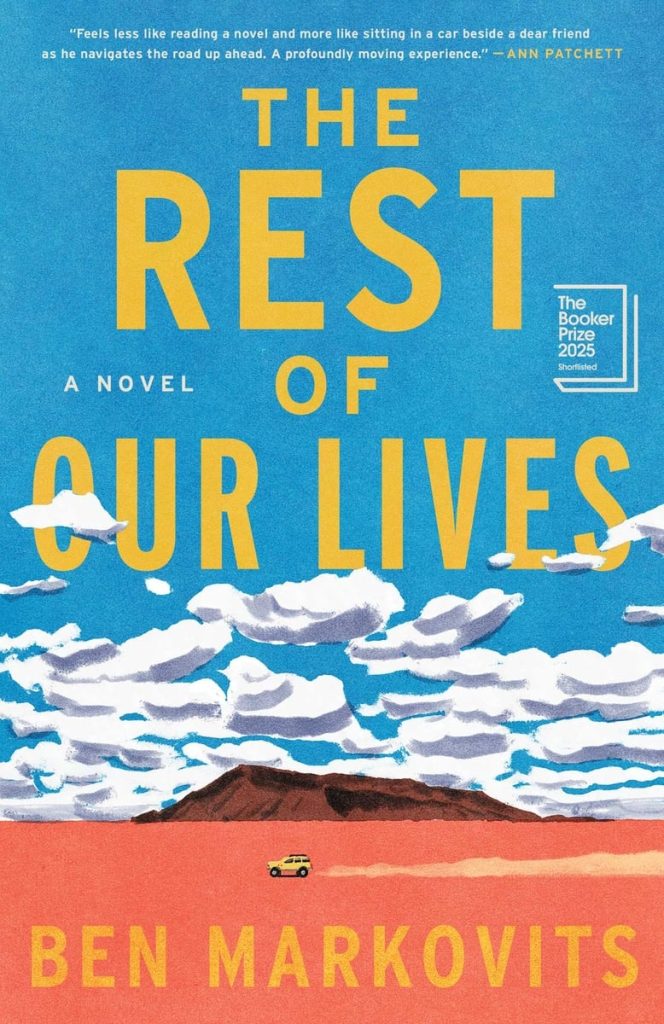
The Rest of Our Lives

Read: January 2026

Get this book

The Rest of Our Lives

by Ben Markovits

The Rest of Our Lives by Ben Markovits is a beautifully crafted, tender, and insightful story that depicts the journey of starting anew. Tom Layward, the protagonist, chooses not to return home after dropping his daughter off at college. This life-affirming road trip novel explores themes of marriage, middle age, and a man confronting a pivotal moment. It was a finalist for the 2025 Booker Prize.

When Tom Layward’s wife had an affair twelve years ago, he resolved to leave her as soon as his youngest child left the nest. Now, while driving his college-bound daughter to Pittsburgh, he remembers his promise to himself. He is also on the run from his own health issues and a forced leave from work.

So, rather than returning to his wife in Westchester, Tom keeps driving west, with the vague plan of visiting people from his past—an old college friend, his ex-girlfriend, his brother, his son—en route, maybe, to California. He’s moving towards a future he hasn’t even envisioned, while he considers his past and the choices he’s made that have brought him to this moment.


Ben Markovits was born and raised in Texas, and later lived in London and Berlin. He studied at Yale University and the University of Oxford. After graduating, he became a professional basketball player in Landshut, Germany, where he played against a young Dirk Nowitzki.

Markovits has authored eleven novels, including Fathers and Daughters, You Don’t Have to Live Like This, and The Sidekick. In addition to his books, he has published essays, stories, poetry, and reviews in notable publications such as The Guardian, Granta, The Paris Review, and The New York Times.

In 2013, Granta recognized him as one of their Best of Young British Novelists. He received the Eccles British Library Writer in Residence Award and the James Tait Black Memorial Prize in 2015. Currently, he lives in London and teaches creative writing at Royal Holloway, University of London.


Discover your next favorite book and dive into a world of curated, exciting reads by purchasing through my links. You’ll have access to a diverse selection of books that I’ve personally vetted to ensure quality and enjoyment. Additionally, by supporting these selections, you’ll help me continue to provide you with more personalized recommendations. I earn a small commission from your purchase, which allows me to buy and share even more books with you. Your support truly makes a difference!


×
Memorial Days: A Memoi

Read: March 2025

Get this book

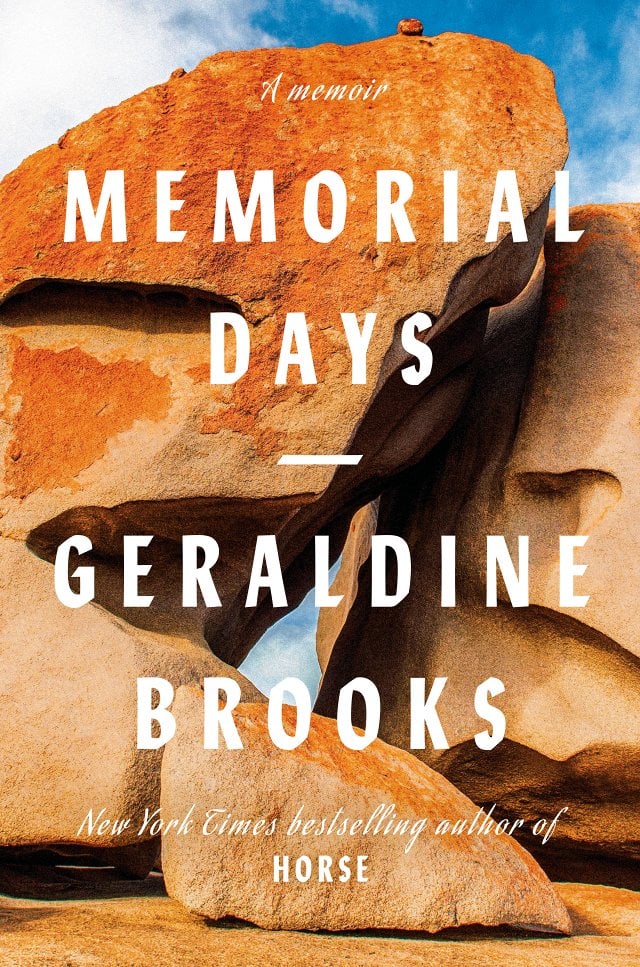
Memorial Days: A Memoir

by Geraldine Brooks

Today, I started reading “Memorial Days: A Memoir” by Geraldine Brooks, the bestselling Pulitzer Prize-winning author of Horse”. In this poignant and beautifully written memoir, she explores sudden loss and the journey toward healing. Why do I choose to read novels and memoirs about loss and grief? Perhaps it’s because, as Martín Prechtel wrote in his book The Smell of Rain on Dust”, “Grief is praise because it is the natural way love honors what it misses.”

Many cultural and religious traditions expect grieving people to withdraw from the world. In modern life, we frequently encounter bureaucratic obstacles and lengthy to-do lists. This is precisely what happened to Geraldine Brooks when her partner of more than thirty years, Tony Horwitz—just sixty years old and, to her knowledge, vigorous and healthy—collapsed and died on a sidewalk in Washington, D.C.

After spending their early years together in conflict zones as foreign correspondents, Geraldine and Tony settled down to raise two sons on Martha’s Vineyard. They lived a fulfilling life filled with meaningful work, good humor, and tenderness. Geraldine and Tony spent their days writing and evenings cooking family dinners or enjoying sunsets with friends at the beach. Their peaceful existence abruptly ended on Memorial Day 2019 when Geraldine received the dreaded phone call we all fear. The demands of life became immediate and overwhelming, leaving little room for grief. The sudden loss created a profound void in their lives.

Three years later, she booked a flight to a remote island off the coast of Australia to give herself the time to mourn finally. She often spent days alone in a shack on the pristine, rugged coast without seeing another person. It was a space for her to reflect on the various ways cultures grieve and consider which rituals might help her rebuild her life in the wake of Tony’s death.

Memorial Days,” a spare and profoundly moving memoir, portrays a larger-than-life man and the timeless love between two souls. It exquisitely captures the joy, agony, and mystery of life.


Geraldine Brooks is the author of six novels, including “Horse,” “People of the Book,” “Year of Wonders,” and the Pulitzer Prize-winning “March.” She has also written acclaimed nonfiction works, including “Nine Parts of Desire” and “Foreign Correspondence.” Her books have been translated into more than thirty languages and have sold millions of copies worldwide. Born and raised in Australia, Brooks now divides her time between Sydney and Martha’s Vineyard.


My journey through grief has significantly helped me grow as a person by focusing on conscientious resilience. I make it a point to read and walk daily, engage in worship, and actively participate as a volunteer and a good neighbor in my community. Fourteen hundred days ago, I wasn’t sure if I could continue living or how to move forward. However, by concentrating on strengthening my resilience, I now lead a life filled with meaning and purpose. I choose to look back not on what I lost but on what I have gained.

As my friend Danny said nearly a year ago, “You are an incredible person! You are a new person! A better person! Although Jan is not here physically, she has done so much for you!

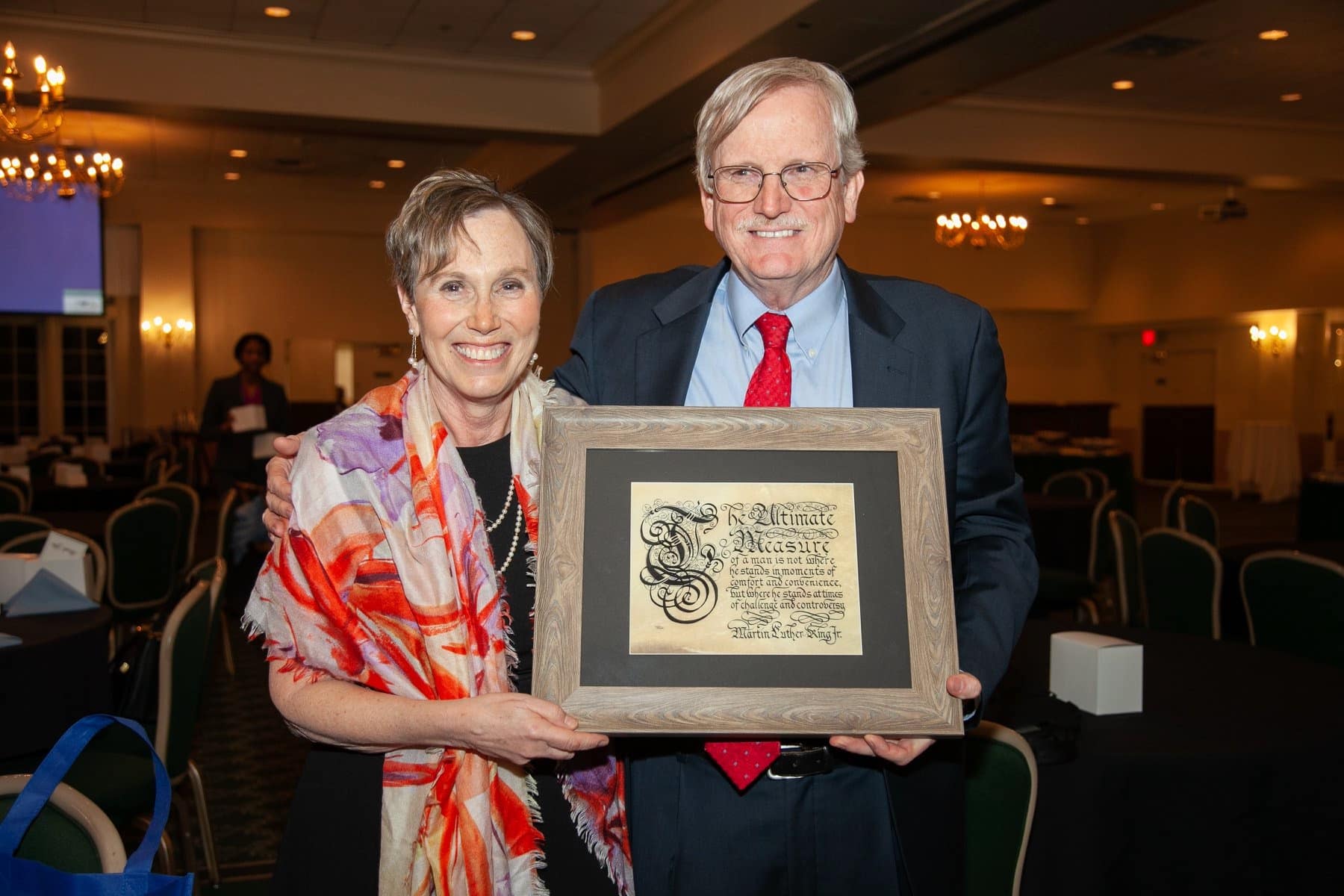
My Rabbi, Rav Uri, echoed similar sentiments during his remarks when I received the Rev. Dr. Martin Luther King, Jr. Distinguished Service Award. If their beliefs are true, much of my progress directly results from my conscientious resilience!


When you purchase a book through one of my links, I earn a small commission that helps support my passion for reading. This contribution allows me to buy even more books to share with you, creating an incredible cycle of discovering great reads together! Your support truly makes a difference!


×
Palaver

Read: November 2025

Get this book

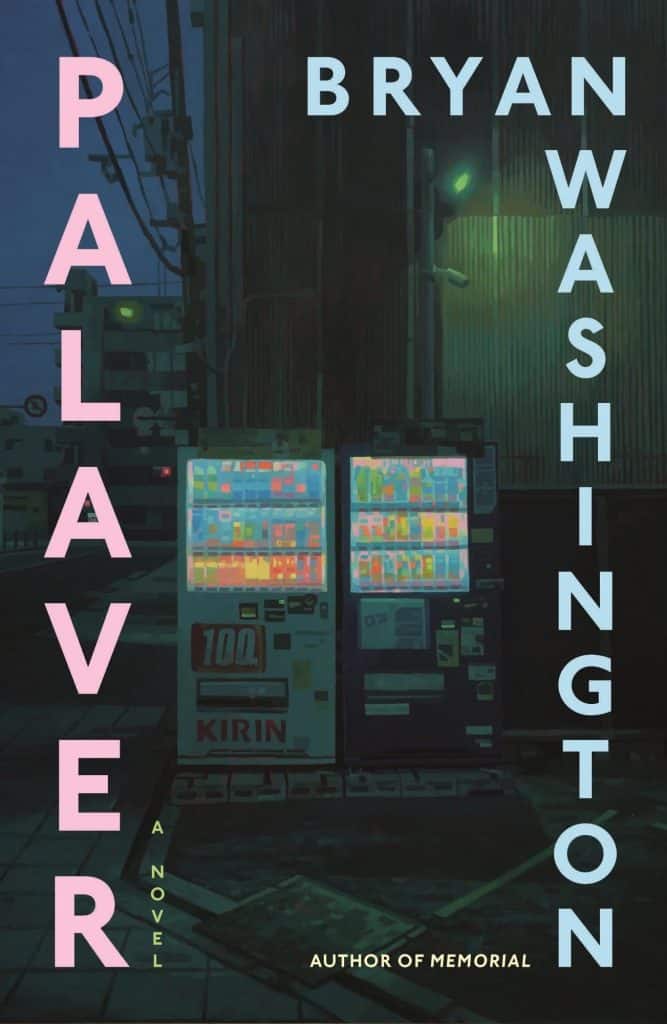
Palaver: A Novel

by Bryan Washington

Written with subtle humor and warmth, Bryan Washington‘s Palaver weaves together the past and present across Houston, Jamaica, and Japan. This intricate story explores themes of family, love, and the beauty of coexistence. A finalist for the National Book Award for Fiction, this novel is a life-affirming tale about family, healing, and the ways we learn to love, showcasing the talent of the award-winning Bryan Washington.

In Tokyo, a young man works as an English tutor and spends his nights out with friends at a gay bar. He is involved in a sexual relationship with a married man. Although he has formed a chosen family in Japan, he and his mother, who resides in Houston, are estranged from each other. Her preference for his troubled, homophobic brother, Chris, ultimately pushed him to leave home. Then, in the weeks leading up to Christmas—ten years after they last saw each other—his mother arrives uninvited at his doorstep.

With only the son’s cat, Taro, to mediate, the two clash immediately. The mother struggles with memories of her youth in Jamaica and her complicated relationship with her brother, as she attempts to reconcile her good intentions with past mistakes. Meanwhile, the son grapples with the challenge of forgiveness. However, as life takes unexpected turns—leading the mother to form a tentative friendship with a local bistro owner and the son to connect with a new patron at the bar cautiously—they begin to see each other more clearly.

Through shared meals, conversations, and an eventful trip to Nara, both mother and son try to determine where “home” truly is and whether they can find it in one another.


Bryan Washington is the author of the story collection Lot and the novels Memorial and Family Meal. He is a National Book Award 5 Under 35 Honoree. He has won several prestigious awards, including the Dylan Thomas Prize, the NYPL Young Lions Fiction Award, the Ernest J. Gaines Award, two Lambda Literary Awards, and an O. Henry Prize.

Washington has also been a finalist for various awards, such as the National Book Critics Circle Award for Fiction, the Aspen Words Literary Prize, the Center for Fiction First Novel Prize, the Andrew Carnegie Medal of Excellence, and the James Tait Black Prize. The New York Times referred to his writing as among the 25 Most Influential Works of Postwar Queer Literature, and he was a columnist for the New York Times Magazine.

As a frequent contributor to The New Yorker and The New York Times, his writing has appeared in other notable publications, including Granta, The New York Times Magazine, New York, Time, GQ, and Esquire, among others. He lives in Tokyo.


Discover your next favorite book and dive into a world of curated, exciting reads by purchasing through my links. You’ll have access to a diverse selection of books that I’ve personally vetted to ensure quality and enjoyment. Additionally, by supporting these selections, you’ll help me continue to provide you with more personalized recommendations. I earn a small commission from your purchase, which allows me to buy and share even more books with you. Your support truly makes a difference!


×
Stony The Road

Read: October 2019

Get this book

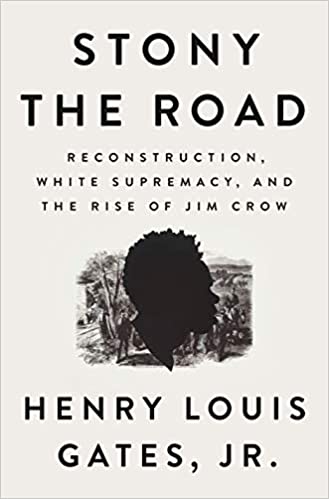
Stony the Road

by Henry Louis Gates Jr

Stony the Road: Reconstruction, White Supremacy, and the Rise of Jim Crow by Henry Louis Gates Jr. is a must-read book, especially with white nationalism on the rise.

I read this book when Jan began her chemotherapy. Although the book’s subject – the retreat from reconstruction – was one I studied in college, at times, I found it hard to focus on the material and my wife’s health at the same time. I stayed on the stony road as it is a subject we need to understand if we are going to correct the past failures.

As The New York Times wrote,

Henry Louis Gates Jr.’s “Stony the Road: Reconstruction, White Supremacy, and the Rise of Jim Crow,” an indispensable guide to the making of our times, addresses 2017’s mystifications. The book sets the Obama era beside Reconstruction and the Trump era beside the white supremacist terrorism of Redemption, the period beginning in 1877 during which Reconstruction’s nascent, biracial democracy was largely dismantled. Gates juxtaposes the optimism of Reconstruction, the despair of Redemption, and the promise of the New Negro movement — the effort by black Americans, starting around the turn of the 20th century, to craft a counternarrative to white supremacy. In doing so, “Stony the Road” presents a bracing alternative to Trump-era white nationalism.

Growing up in the Jim Crow south, I was well aware of white nationalism. This book is an essential read if we are going to make America a multi-racial democracy.

Subscribe

Contact Us

×

Discover more from Sharing Jan’s Love

Subscribe now to keep reading and get access to the full archive.

Continue reading