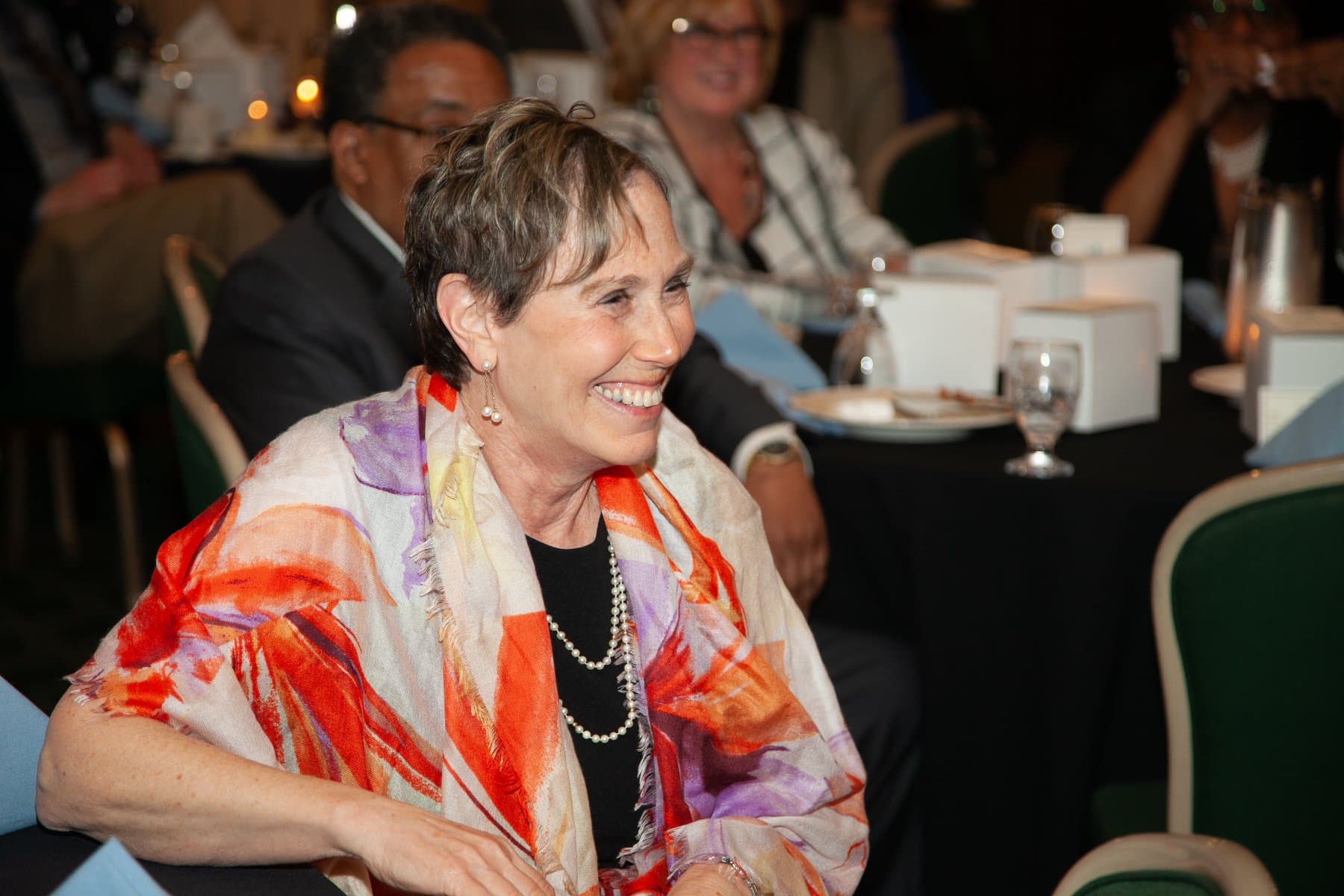

Giving Thanks to Jan

Estimated reading time: 11 minutes, 16 seconds
November 26, 2020

It does not need to be very large,” Jan said as I got out of the car to go into Whole Foods. It was another Thanksgiving when it would just be the two of us. We had agreed to buy a small turkey breast, and we had most of the other sides. If there were anything we did not have, I would go to Dreyer’s Farm.

We continued home after that stop. We had been returning from a follow-up medical appointment. 

Jan wanted to help cook on Thanksgiving, but the more she tried to help, the more exhausted she became. 

“Please sit down and rest,” I said, “I can handle the kitchen this year, and you can direct me from the couch.”

She finally agreed. 

I helped her to the table when everything was ready and served her Thanksgiving dinner like a waiter in a classy restaurant. 

We talked about everything except her health. It was not off-limits, as we talked about this at other times. Tonight was a chance to catch up on so many other topics.

It might not have been a Norman Rockwell Thanksgiving, but it was perfect for the two of us. 

I started to clean up, and Jan rose from her chair. “I can help,” she said as her voice began to crack. 

In all the years we were together, I never remember saying no to her. But this time, I did. 

“Let me do this tonight,” I said, “and next time, you can help me.”

I helped her to her favorite couch and covered her with a blanket. 

I had placed all of the dishes into the dishwasher and only needed to do the pots and pans when I remembered her evening meds. I took a glass of water over to her with her pills.

“Jan, it looks like you are getting exhausted,” I said, “Why don’t I help you get into bed, and then I can finish cleaning up?”

I want to be with you so very much,” she said as she fought back her tears

“Me too! I will be upstairs as soon as I finish.”

I helped her up the stairs and into our bedroom and then helped her undress. I found her favorite nightgown, the one with cows, and helped her put it on. 

Earlier in the year, she had fallen in the bathroom, so I stood by her while she brushed her teeth and washed her face.

Holding her as she walked to the bed, I told her how much I loved her. She smiled, and we kissed. 

Once she was comfortable in bed, I gave her another kiss and said I would be back as soon as possible. 

I finished the pots and pans and started the dishwasher, turned out the lights, and went upstairs. 

When I got into bed, I thought she was asleep. I kissed her lightly and put my arm loosely over her. 

After a few minutes, her eyes opened. 

“Are you OK?”

“Yes,” she said with tears rolling down her face. “I don’t feel like I am a woman anymore. My body is bloated; I hurt everywhere; I can’t imagine why you would want to look at me….

I tried to comfort and reassure her. But Jan kept repeating that she did not feel like a woman anymore.

I moved my hand and tried to caress her, but the neuropathy made my touch more painful than pleasurable. Lifting myself, I was able to re-position myself to help pleasure her. 

Don’t stop, please don’t stop,” she cried. I was unsure if she was in pain or pleasure. 

Eventually, she said to me, “That was so wonderful! What can I do to help you?”

“Nothing, my dear, all I have ever needed was your love, and I have that today, and I always will!”

Next Page

Pages: 1 2 3 4

13 comments add your comment

Share your thoughts and ideas

This site uses Akismet to reduce spam. Learn how your comment data is processed.

The Jan Lilien Education Fund!

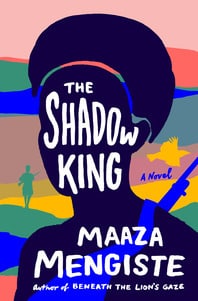
The Shadow King: A Novel

Read: April 2022

Get this book

The Shadow King: A Novel

by Maaza Mengiste

The Shadow King: A Novel by Maaza Mengiste is a book happened to offer two often overlooked threads of history. The first is Mussolini’s 1935 invasion of Ethiopia. The second one I am most interested in is the women soldiers who were left out of the historical record. I highly recommend The Shadow King. It is a gorgeously crafted and unputdownable exploration of female power and what it means to be a woman at war.

Hirut and Aster come alive in Maaza Mengiste talented writing. Their struggles to be seen as equal in a society at war is engaging. Hirut’s plan to create a shadow kingpin the absence of Emperor Haile Selassie is one that turns defeat into victory.

Goodreads provides a good overview of the book.

With the threat of Mussolini’s army looming, recently orphaned Hirut struggles to adapt to her new life as a maid in Kidane and his wife Aster’s household. Kidane, an officer in Emperor Haile Selassie’s army, rushes to mobilize his most muscular men before the Italians invaded. His initial kindness to Hirut shifts into flinty cruelty when she resists his advances. Hirut finds herself tumbling into a new world of thefts and violations, betrayals, and overwhelming rage. Meanwhile, Mussolini’s technologically advanced army prepared for an easy victory. Hundreds of thousands of Italians―Jewish photographer Ettore among them―march on Ethiopia seeking adventure.

As the war begins in earnest, Hirut, Aster, and the other women long to do more than care for the wounded and bury the dead. When Emperor Haile Selassie goes into exile and Ethiopia quickly loses hope, Hirut offers a plan to maintain morale. She helps disguise a gentle peasant as the emperor and soon becomes his guard, inspiring other women to take arms against the Italians. But how could she have predicted her war as a prisoner of one of Italy’s most vicious officers, who would force her to pose before Ettore’s camera?

What follows is a gorgeously crafted and unputdownable exploration of female power, with Hirut as the fierce, original, and brilliant voice at its heart. In incandescent, lyrical prose, Maaza Mengiste breathes life into complicated characters on both sides of the battle line, shaping a heartrending, unforgettable exploration of what it means to be a woman at war.

Subscribe

Contact Us

When you buy a book or product using a link on this page, I receive a commission. Thank you for supporting Sharing Jan’s Love blog.

×
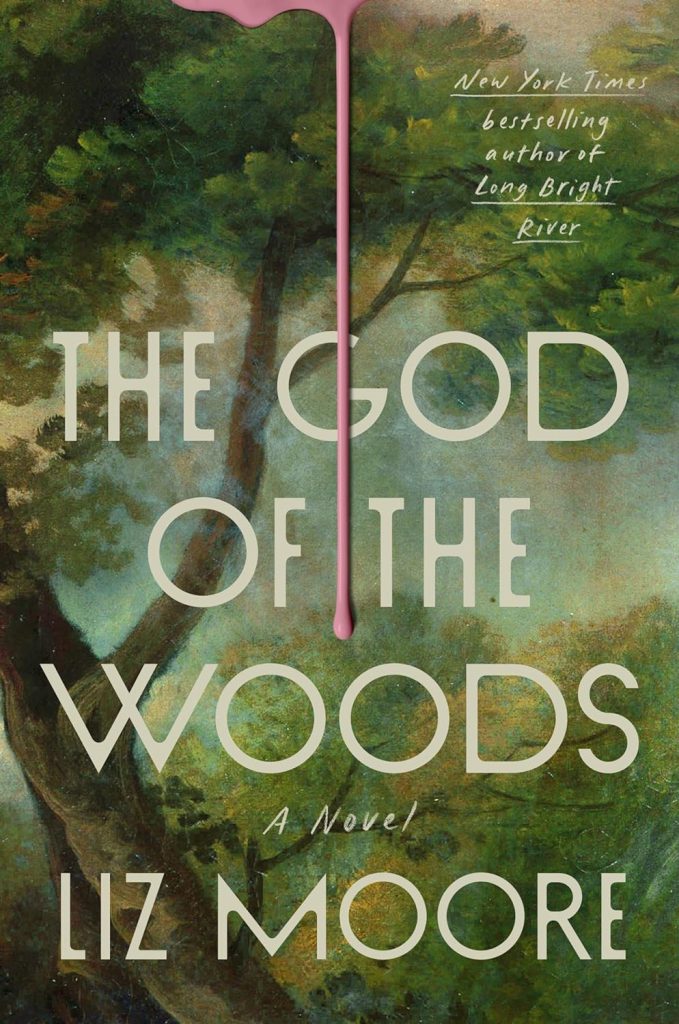
The God of the Woods: A Novel

Read: July 2024

Get this book

The God of the Woods: A Novel

by Liz Moore

I started reading “The God of the Woods: A Novel” by Liz Moore today. Several reviews recommended it as a great summer read. The story is set in August 1975, the same month and year my spouse Jan and I married. Liz Moore weaves a multi-threaded story, inviting readers into a rich and gripping dynasty of secrets and second chances.

The novel begins with a camp counselor discovering an empty bunk at an Adirondack summer camp belonging to thirteen-year-old Barbara Van Laar, who has mysteriously vanished. Barbara is not just any teenager; she is the daughter of the family that owns the camp and employs many residents. What makes this disappearance even more intriguing is that Barbara’s older brother went missing similarly fourteen years ago and was never found.

As the search for Barbara begins, the novel unfolds into a thrilling drama, delving into the deeply buried secrets of the Van Laar family and the blue-collar community working in its shadow. This novel is said to be Liz Moore’s most ambitious and wide-reaching work yet.

×
Grand Rapids: A Novel

Read: January 2026

Get this book

Grand Rapids: A Novel

by Natasha Stagg

Natasha Stagg‘s “Grand Rapids” is a coming-of-age story set in the Michigan suburbs in the early 2000s. Alexander Calder’s public sculpture, “La Grande Vitesse”, installed alongside the Grand River in downtown Grand Rapids, has become a symbol of the city. Tess moved there from Ypsilanti, Michigan, in 2001—the same year her mother passed away, marking the beginning of a time when everything felt like it was moving in slow motion for her.

Thrust into adolescence nearly rudderless, fifteen-year-old Tess is intoxicated, angsty, and sexually awake. A decade later, inspired by diary entries and TV reruns, she remembers this summer in the suburbs as the one that redefined her. Its echoes of death are frozen in time, like the waves represented in Calder’s sculpture or the concrete steps leading down to the churning river. She sees Grand Rapids as a collection of architecture and emblems, another home to which she cannot return.


Natasha Stagg is the author of Surveys: A Novel (2016), Sleeveless: Fashion, Image, Media, New York 2011–2019 (2019), and Artless: Stories 2019–2023 (2023). She lives in New York City.


Discover your next favorite book and dive into a world of curated, exciting reads by purchasing through my links. You’ll have access to a diverse selection of books that I’ve personally vetted to ensure quality and enjoyment. Additionally, by supporting these selections, you’ll help me continue to provide you with more personalized recommendations. I earn a small commission from your purchase, which allows me to buy and share even more books with you. Your support truly makes a difference!


×
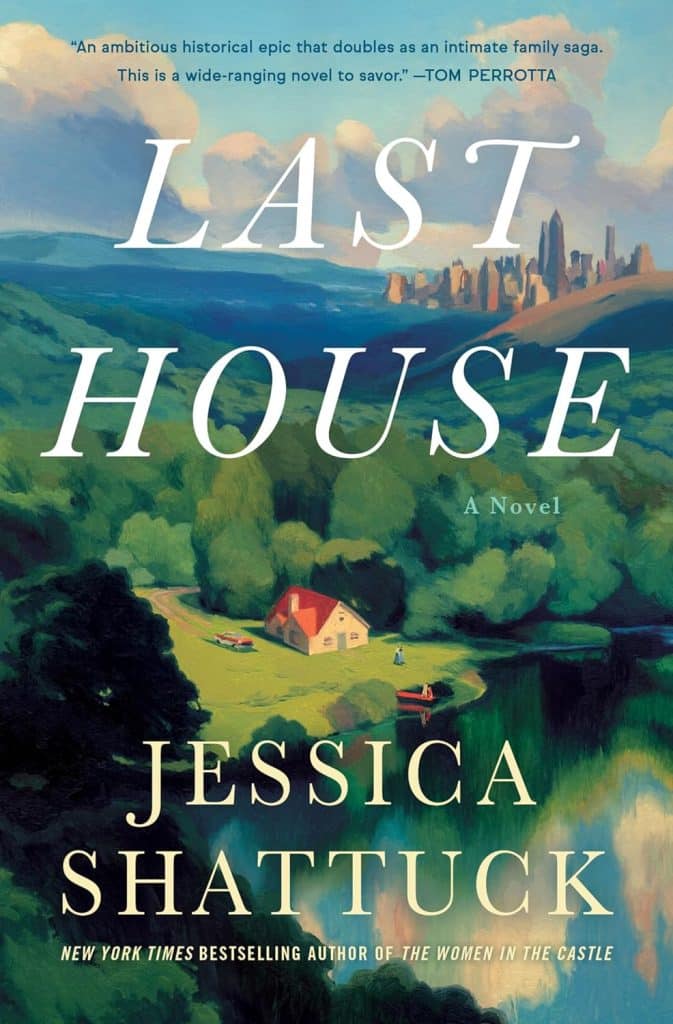
Last House: A Novel

Read: May 2024

Get this book

Last House: A Novel

by Jessica Shattuck

I started reading “Last House: A Novel” by Jessica Shattuck today. She is an esteemed New York Times bestselling author known for her work “The Women in the Castle.” This sweeping narrative, perfect for “The Dutch House” and “Great Circle” fans, explores a nation’s rise to power and a family’s complex ties to the resources that shaped their wealth. It also delves into the events that led to their greatest tragedy, a secret that threatens to tear them apart.

In 1953, a World War II veteran turned company lawyer, Nick Taylor, saw oil as the key to the future. He commutes to the city for work and returns to the peaceful suburbs to be with his wife, Bet, a former codebreaker now a housewife, and their two children, Katherine and Harry. Nick, who comes from humble origins, can provide for his family, including their secluded country escape called Last House, thanks to his work for American Oil. Last House, deep in the Vermont mountains, offers the Taylors a retreat from the stresses of modern life. Bet no longer worries about the Russian H-bombs that haunt her dreams, and the children can roam freely in the woods. Last House is a place that seems capable of surviving the end of the world.

1968, a turning point in American history, where the nation teeters on the brink of transformation. The streets pulsate with protestors challenging everything from the Vietnam War to racism and even the country’s reliance on Big Oil. As Katherine enters adulthood, she finds herself caught in the era’s tide, struggling to reconcile her ideals with the privileged upbringing her parents, part of the Greatest Generation, toiled to provide. But when the Movement takes a secure, more radical turn, each member of the Taylor family must face the repercussions of their choices for the causes they believed in. This rich historical backdrop infuses the Taylor family’s narrative with depth and intrigue, leaving us hungry for more about this transformative era.

Last House” spans multiple generations and nearly eighty years, telling the story of one American family during a time of grand ideals and significant downfalls. It explores themes of family dynamics, the impact of wealth, and the societal changes that shaped America. Set against the backdrop of our nation’s history, this emotional tour de force delves deeply into questions of inheritance and what we owe each other. It captures the gravity of time, the double edge of progress, and the hubris of empire to stunning effect.

×
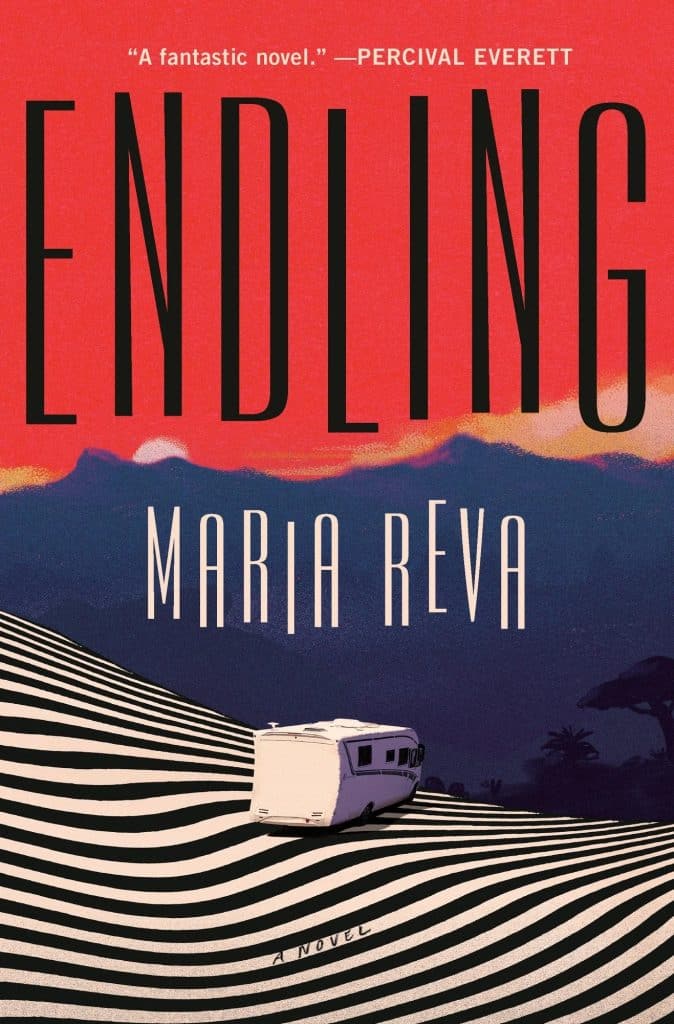
Endling

Read: August 2025

Get this book

Endling: A Novel

by Maria Reva

Endling” by Maria Reva, a novel of exceptional literary merit, has been longlisted for the 2024 Booker Prize. Set in Ukraine, the story follows an eccentric scientist who breeds rare snails and two sisters pretending to be part of the marriage industry in their quest to find their activist mother. As Russia invades, they embark on a wild journey that involves kidnapped bachelors and the last of its kind snail. This darkly comic novel delves into themes of survival, love, and hope in times of increasing darkness.

In Ukraine in 2022, Yeva is a loner and a daring scientist who lives outside her mob country. She traverses the country’s forests and valleys, attempting to breed rare snails, though her efforts often fail. Meanwhile, her relatives pressured her not to settle down and start a family. What they don’t realize is that Yeva is already dating multiple men—not for love, but to fund her work—entertaining Westerners who come to Ukraine on guided romance tours believing they’ll find docile brides untainted by feminism and modernity.

Nastia and her sister, Solomiya, are also caught up in the booming marriage industry. They pose as a hopeful bride and her translator while secretly searching for their missing mother, who disappeared after years of fierce activism against the romance tours.

Together, they embark on a journey across hundreds of miles, joined by three angry women, a truckload of kidnapped bachelors, and Lefty, a rare snail with one last chance to perpetuate his species. However, their plans come to a sudden halt when Russia invades.

In a strikingly ambitious and profoundly moving metafictive narrative, Endling masterfully balances horror and family, drawing on Reva’s own experiences as a Ukrainian expat navigating her family’s struggle for survival during wartime. As fiction and reality converge on the page, Reva explores the harsh truths of war: What stories must we tell ourselves to survive? How do we maintain our routines amid military occupation? And for those watching from abroad: Can our sense of normalcy and security ever be restored, or have they always been a fragile illusion?

Endling is a tour de force from an author who weaves a story of love, loss, humor, and devastation that only she can tell.


Maria Reva was born in Ukraine and raised in Canada. She holds an MFA from the Michener Center at the University of Texas. Her fiction has been published in The Atlantic, McSweeney’s, and Best American Short Stories, among others, and has won a National Magazine Award. Additionally, she works as an opera librettist.


When you purchase a book through one of my links, I earn a small commission that helps support my passion for reading. This contribution allows me to buy even more books to share with you, creating an incredible cycle of discovering great reads together! Your support truly makes a difference!

Enjoy a limited-time offer of 20% off your next book purchase at Bookshop.org!


×
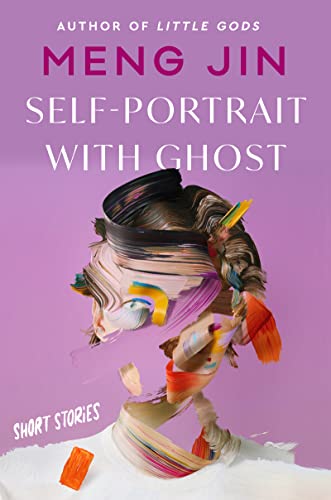
Self-Portrait with Ghost: Short Stories

Read: December 2022

Get this book

Self-Portrait with Ghost: Short Stories

by Meng Jin

Self-Portrait with Ghost: Short Stories by Meng Jin was written during the turbulent years of the Trump administration and the first year of the pandemic, these stories explore intimacy and isolation, coming of age, and coming to terms with the repercussions of past mistakes, fraying relationships, and surprising moments of connection. I highly recommend Self-Portrait with Ghost: Short Stories!

Each story speaks so clearly to the loneliness epidemic that confronts our world. I would read one short story and promise to stop and wait until another day to read the next one. Instead

One phrase that will always remain with me is: “The hallucinatory quality of grief.” As a widow, the phrase struck a chord that will forever resonate in my soul.

This is the seventy-third book I have read this year.

The Goodreads summary provides an overview,

Meng Jin’s critically acclaimed debut novel, Little Gods, was praised as “spectacular and emotionally polyphonic (Omar El-Akkad, BookPage), “powerful” (Washington Post), and “meticulously observed, daringly imagined” (Claire Messud). Jin turns her considerable talents into short fiction in ten thematically linked stories.

Moving between San Francisco and China, and from unsparing realism to genre-bending delight, Self-Portrait with Ghost considers what it means to live in an age of heightened self-consciousness, seemingly unlimited access to knowledge, and little actual power.

Page-turning, thought-provoking, and wholly unique, Self-Portrait with Ghost further establishes Meng Jin as a writer who “reminds us that possible explanations in our universe are as varied as the beings who populate it” (Paris Review).


The Jan Lilien Education Fund sponsors ongoing sustainability and environmental awareness programs. Gifts made this month; I will match dollar-for-dollar. All donations are tax-deductible.

Subscribe

Contact Us

I receive a commission when you buy a book or product using a link on this page. Thank you for supporting Sharing Jan’s Love blog.


×

Discover more from Sharing Jan’s Love

Subscribe now to keep reading and get access to the full archive.

Continue reading