
Caretaker No, Caregiver Yes!

Caretaker No, Caregiver Yes!

Estimated reading time: 1 minute, 36 seconds
Visiting Jan During COVID

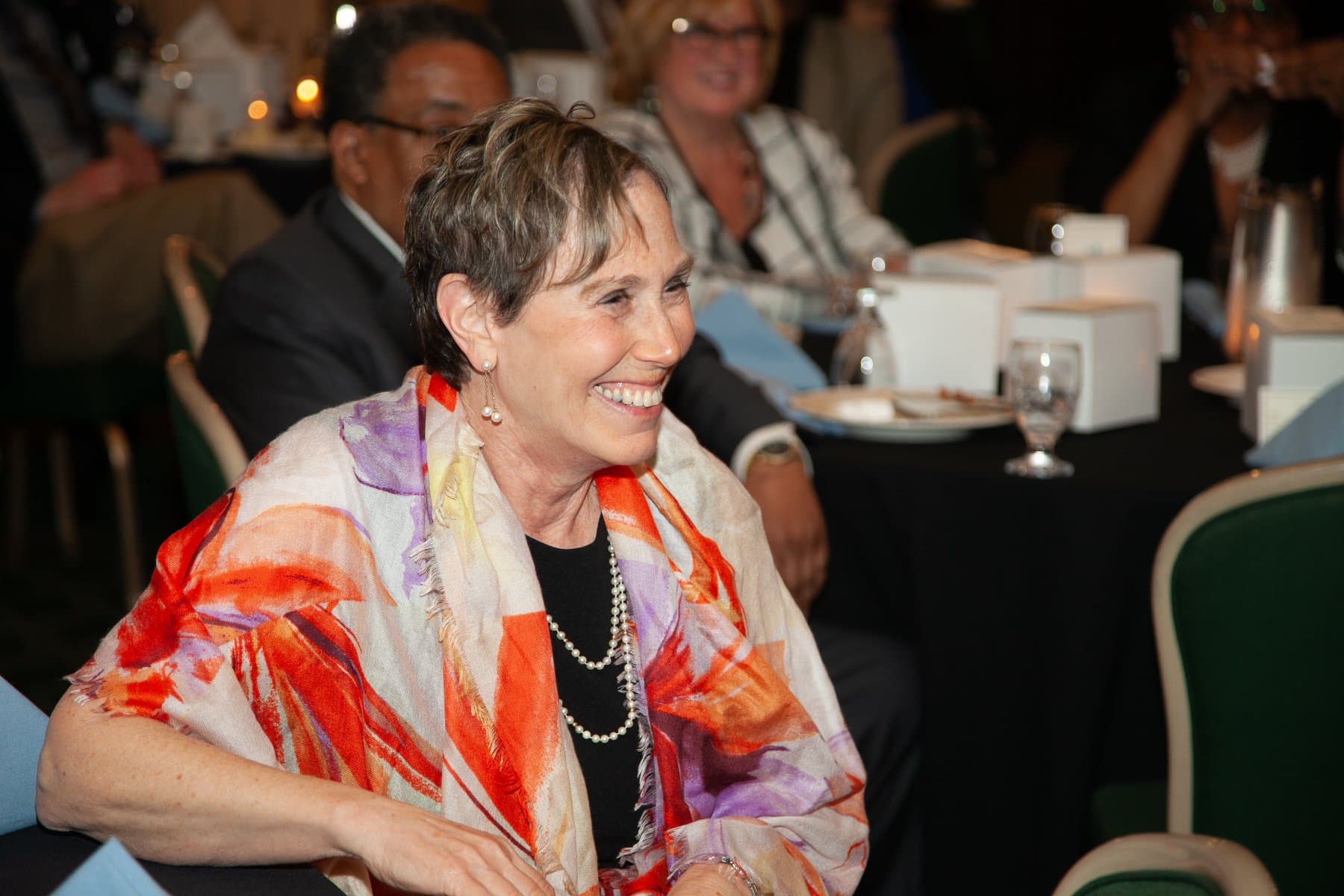
I am visiting Jan in March 2021 in the hospital.

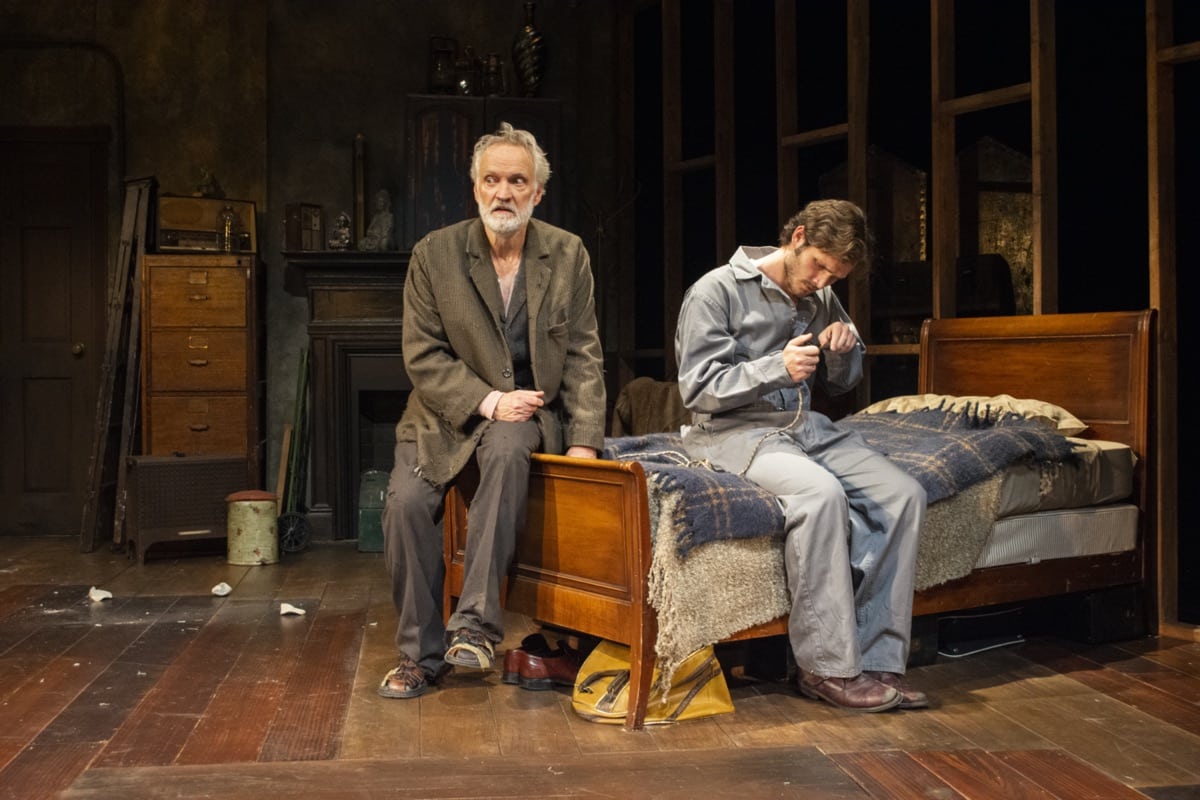
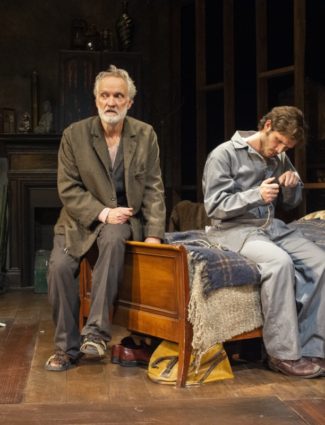
Sunday afternoon, my grandson joined me at The Shakespeare Theatre of NJ for The Caretaker.

Harold Pinter’s 1960 classic was performed flawlessly by the cast under the direction of Bonnie Monte.

Jon Barker, Isaac Hickox-Young, and Paul Mullins were the ideal cast for the absurdist play.

A decade after its premiere, I found myself, on occasion, in circumstances that Harold Pinter could have easily written.

Once I was working as a tenant organizer in an abandoned building that the City of New York had acquired.

As we prepared plans to convert the vacant building into affordable homes, I met one remaining tenant squatting in the building without heat or electricity.

He attempted during several meetings to claim he was the owner and would repair the building and find tenants.

In our last conversation, he offered me the opportunity of being his caretaker once he completed the work.

I declined as that was not a skill or a position I desired.

In place of being a caretaker, the love Jan and I shared prepared me for the most important task of my life, being Jan’s caregiver.

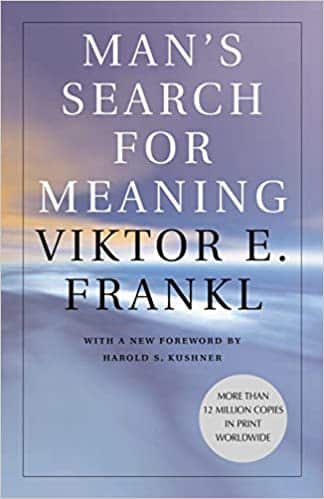
As Viktor Frankl wrote,

Love is the ultimate and highest goal to which man can aspire. Then I grasped the meaning of the greatest secret that human poetry and human thought and belief have to impart: The salvation of man is through love and in love.

My love for Jan will never die!


The Jan Lilien Education Fund sponsors ongoing sustainability and environmental awareness programs. Gifts made this month; I will match dollar-for-dollar. All donations are tax-deductible.

Subscribe

Contact Us

I receive a commission when you buy a book or product using a link on this page. Thank you for supporting Sharing Jan’sJan’s Love blog.

Man's Search for Meaning

Man's Search for Meaning

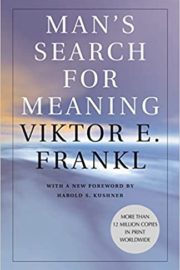
I remember reading portions of Man's Search for Meaning by Viktor E. Frankl at different times, but I never finished the book. However, recently, eight and a half months after the passing of Jan, the book came up for discussion in one of my groups. Frankl's theory of logotherapy, which derives from the Greek word for "meaning," centers around the idea that the primary human drive is not pleasure, as Freud believed, but rather the search for what gives life meaning. I now have a framework for my life without Jan.
Read book review Get this book All books

Show thread (1)

Caretaker No, Caregiver Yes!

CancerCare Circle of Hope

Estimated reading time: 1 minute, 36 seconds

Last week, CancerCare, which provided me with vital support services, interviewed me about my role as a caregiver for their Circle of Hope.

As I often do, I did not respond directly to the questions but spoke from my heart.

The interview reminded me of the importance of being a caregiver and how our salvation is “through love and in love.

I would have done anything not to have been Jan’s caregiver.

But it was the job that my love required of me. As long as I live, being her husband and caregiver will be my highest honor.

Share your thoughts and ideas

This site uses Akismet to reduce spam. Learn how your comment data is processed.

The Jan Lilien Education Fund!

Man's Search for Meaning

Read: January 2022

Get this book

Man’s Search for Meaning

by Viktor E. Frankl

I recall reading portions of Man’s Search for Meaning by Viktor E. Frankl at various times, but I never completed the book. However, recently, eight and a half months after Jan’s passing, my wife and I were discussing in one of my groups. Frankl’s theory of logotherapy, which derives from the Greek word for “meaning,” centers around the idea that the primary human drive is not pleasure, as Freud believed, but rather the search for what gives life meaning. I now have a framework for my life without Jan.

For those like me who are widows, Frankl understands suffering,

In some ways, suffering ceases to be suffering at the moment it finds a meaning, such as the meaning of a sacrifice.

Jan and I lived meaningful lives. My challenge now is to continue to find meaning in my life without Jan.

As Frankl writes,

Those who have a ‘why’ to live can bear with almost any ‘how.

The love Jan and I shared was one of my primary sources of meaning. In addition, I stopped working full-time at the end of 2018 and struggled to replace the purpose I had gained from repairing the world. After Jan died, I suffered the “provisional existence of an unknown limit, ” which Frankl experienced when he was in the concentration camps.

I have replaced the loss of meaning and purpose with a series of activities:

  1. Planning to celebrate Jan Day on her birthday this year.
  2. Writing my random thoughts on Jan, love, grief, life, and all things considered;
  3. Reading more than ever, including my Goodreads 2022 Reading Challenge; and
  4. Walking more than I probably should.

I am also beginning to serve on the board of a few non-profits. It is time to transition from hands-on work to providing leadership in a different way.

Will this be enough to give my life meaning?

Ultimately, man should not ask what the meaning of his life is, but rather must recognize that it is he who is asked. In a word, each man is questioned by life, and he can only answer to life by answering for his own life; to life, he can only respond by being responsible.

I must continue to focus on my search for meaning, as life will inevitably change over time.

My grief journey has taught me that love never dies,

For the first time in my life, I saw the truth as it is set into song by so many poets, proclaimed as the final wisdom by so many thinkers. The truth – that Love is the ultimate and highest goal to which man can aspire. Then I grasped the meaning of the greatest secret that human poetry, thought, and belief have to impart: The salvation of man is through love and in love.

My path forward is to keep Jan’s love alive and continue to share it with others.

I recommend this book without reservation.


When you purchase a book through one of my links, I earn a small commission that helps support my passion for reading. This contribution allows me to buy even more books to share with you, creating an incredible cycle of discovering great reads together! Your support truly makes a difference!

Enjoy a limited-time offer of 20% off your next book purchase at Bookshop.org!


×
Caretaker No, Caregiver Yes!
×
Caretaker No, Caregiver Yes!
×
The Bookstore Sisters: A Short Story

Read: October 2022

Get this book

The Bookstore Sisters: A Short Story

by Alice Hoffman

The Bookstore Sisters: A Short Story by Alice Hoffman is a heartfelt short story about family, independence, and finding your place in the world. The overview should be enough to encourage everyone to read the book. I recommend this short story without any reservations. Ms. Hoffman has written a moving story that helped me to grapple with grief and reminded me that love is the highest and most important goal that humans can aspire.

Isabel Gibson has all but perfected the art of forgetting. She’s a New Yorker now, with nothing left to tie her to Brinkley’s Island, Maine. Her parents are gone, the family bookstore is all but bankrupt, and her sister, Sophie, will probably never speak to her again.

But when a mysterious letter arrives in her mailbox, Isabel feels drawn to the past. After years of fighting for her independence, she dreads the thought of going back to the island. What she finds there may forever alter her path—and change everything she thought she knew about her family, home, and herself.

Isabel sums up the power of love in this paragraph,

She was thinking about the way a fish loved a river, and a bird loved the sky, and a mother loved her daughters. She was remembering everything. How love could change a person, how it could cause you the greatest sorrow or shelter you from harm. There were moths hitting against the windowpanes. A night heron called in the marshland as if its heart were breaking.

I have always fantasized about working in or owning a small bookstore.

The Bookstore Sisters: A Short Story rekindled that dream and reminded me of the power of love.


The Jan Lilien Education Fund sponsors ongoing sustainability and environmental awareness programs. Gifts made this month; I will match dollar-for-dollar. All donations are tax-deductible.

Subscribe

Contact Us

I receive a commission when you buy a book or product using a link on this page. Thank you for supporting Sharing Jan’sJan’s Love blog.
×
The Quiet Tenant

Read: August 2023

Get this book

The Quiet Tenant

by Clémence Michallon

Today, I commenced reading The Quiet Tenant by Clémence Michallon. It is not my typical genre, as it is a pulse-pounding psychological thriller about a serial killer narrated by those closest to him: his 13-year-old daughter, his girlfriend—and the one victim he has spared.

Aidan Thomas is a hard-working family man and a somewhat beloved figure in the small upstate New York town where he lives. He’s the man who always lends a hand and has a good word for everyone. But Aidan has a dark secret he’s been keeping from everyone in town and those closest to him. He’s a kidnapper and serial killer. Aidan has murdered eight women, and there’s a ninth he has earmarked for death: Rachel, imprisoned in a backyard shed, fearing for her life.

When Aidan’s wife dies, he and his thirteen-year-old daughter Cecilia are forced to move. Aidan has no choice but to bring Rachel along, introducing her to Cecilia as a “family friend who needs a place to stay. Aidan is betting on Rachel, after five years of captivity, being too brainwashed and fearful to attempt to escape. But Rachel is a fighter and survivor and recognizes Cecilia might be the lifeline she has waited for all these years. As Rachel tests the boundaries of her new living situation, she begins to form a tenuous connection with Cecilia. And when Emily, a local restaurant owner, develops a crush on the handsome widower, she finds herself drawn into Rachel and Cecilia’s orbit, dangerously close to discovering Aidan’s secret.

Told through the perspectives of Rachel, Cecilia, and Emily, The Quiet Tenant explores the psychological impact of Aidan’s crimes on the women in his life—and the bonds between those women that give them the strength to fight back. A searing thriller and an astute study of trauma, survival, and power dynamics, The Quiet Tenant is an electrifying debut thriller by a significant talent.


The Jan Lilien Education Fund sponsors ongoing sustainability and environmental awareness programs. Gifts made this month; I will match dollar-for-dollar. All donations are tax-deductible.

Subscribe

Contact Us

I receive a commission when you buy a book or product using a link on this page. Thank you for supporting Sharing Jan’s Love blog.


×
Do You Remember Being Born?: A Novel

Read: September 2023

Get this book

Do You Remember Being Born?

by Sean Michaels

I started reading “Do You Remember Being Born?” by Sean Michaels, a writer who won the Scotiabank Giller Prize. The novel is about an aging poet named Marian Ffarmer, a legend in the world of poetry. However, despite her success, she struggles with financial issues and her son’s inability to buy a house. Marian has sacrificed her personal relationships and happiness to pursue her career but questions whether it is worth it.

One day, she receives an invitation from a Tech Company to travel to California and work with their poetry AI, Charlotte. The company wants her to co-author a poem with their bot in a historic partnership, which clashes with Marian’s beliefs about the individual pursuit of art. However, she decides to take this opportunity, even though it makes her feel like a sell-out and a skeptic. The encounter in California changes her life, work, and understanding of kinship.

The book explores the nature of language, art, labor, capital, family, and community. It’s a response to some of the most disquieting questions of our time. The author, Sean Michaels, is a winner of the Scotiabank Giller Prize, and his book is a love letter to and interrogation of the creative legacy. It’s a joyful recognition that belonging to one’s art must mean belonging to the world to survive meaningfully.


The Jan Lilien Education Fund sponsors ongoing sustainability and environmental awareness programs. Gifts made this month; I will match dollar-for-dollar. All donations are tax-deductible.

Subscribe

Contact Us

I receive a commission when you buy a book or product using a link on this page. Thank you for supporting Sharing Jan’s Love blog.


×
Beautiful World, Where Are You

Read: July 2022

Get this book

Beautiful World, Where Are You

by Sally Rooney

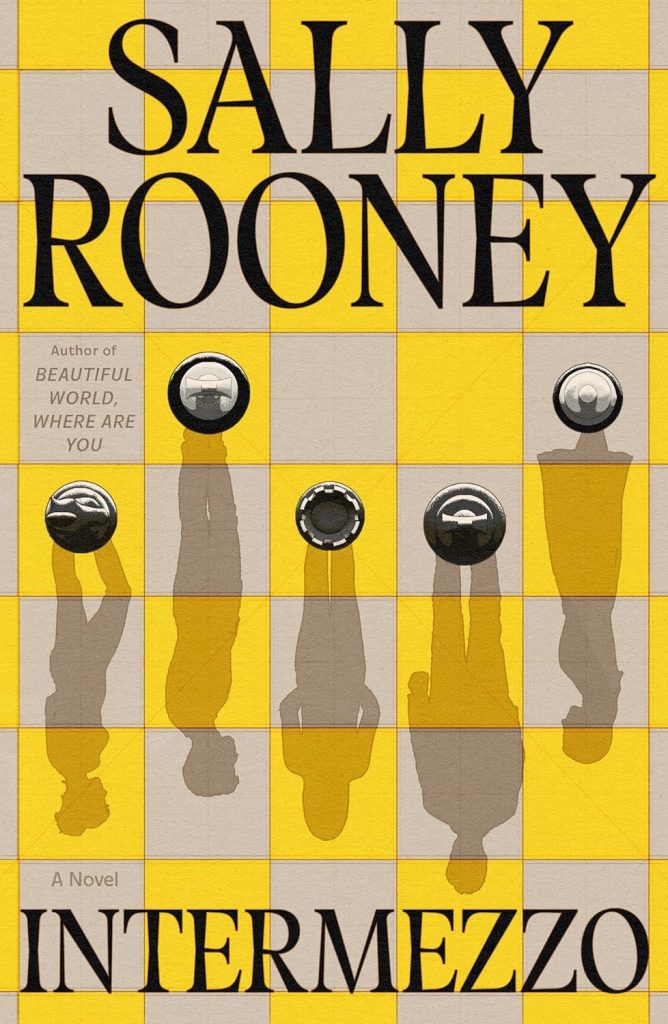
Beautiful World, Where Are You by Sally Rooney, a writer recommended to me, but I have always kept them on the to-read list, not the current reading. Does a beautiful word exist? Is it possible to live in a beautiful world despite the loss of the love of my life? Perhaps reading  Beautiful World, Where Are You, will help me in my grief journey.

Ms. Rooney’s book was a page-turner, and I highly recommend it.

One of the quotes from the book echoed my dream of a beautiful world.

“When I try to picture for myself what a happy life might look like, the picture hasn’t changed very much since I was a child – a house with flowers and trees around it, and a river nearby, and a room full of books, and someone there to love me, that’s all. Just to make a home there, and to care for my parents when they grow older. Never to move, never to board a plane again, just to live quietly and then be buried in the earth.” ― Sally Rooney, Beautiful World, Where Are You

It also helped remind me how unique and memorable the love that Jan and I shared was. We could quickly fall into a life lived separately as friends, or we might not have ever fallen in love and married.

As Sally Rooney in Beautiful World, Where Are You, wrote:

“If God wanted me to give you up, he wouldn’t have made me who I am.”

The Goodreads summary provides an overview.

Alice, a novelist, meets Felix, who works in a warehouse, and asks him if he’d like to travel to Rome with her. In Dublin, her best friend, Eileen, is getting over a breakup and slips back into flirting with Simon, a man she has known since childhood. Alice, Felix, Eileen, and Simon are still young—but life is catching up with them. They desire each other, they delude each other, they get together, and they break apart. They have sex, they worry about sex, and they worry about their friendships and the world they live in. Are they standing in the last lighted room before the darkness, bearing witness to something? Will they find a way to believe in a beautiful world?


Subscribe

Contact Us

×
Flesh

Read: May 2025

Get this book

Flesh: A Novel

by David Szalay

David Szalay, a finalist for the Booker Prize, has written a gripping and mesmerizing novel, Flesh, which follows a man whose life is turned upside down by events beyond his control. Concise and thought-provoking, Flesh delves into the subtle yet lasting effects of unresolved trauma amid the instability and violence of an increasingly globalized Europe. The novel offers sharp insights, unwavering emotional depth, and a remarkable portrayal of humanity.

Teenaged István lives with his mother in a quiet apartment complex in Hungary. Shy and new to the area, he struggles to engage with the social rituals of his classmates and soon becomes isolated. His only companion is his neighbor, a married woman of a similar age to his mother, whom he begrudgingly assists with errands. As their periodic encounters evolve into a clandestine relationship that István can barely comprehend, his life spirals out of control, culminating in a violent accident that results in a man’s death.

A tumultuous journey unfolds as István emigrates from Hungary to London, navigating a series of jobs before securing steady employment as a driver for London’s affluent elite. At each stage, his life is influenced by the goodwill or self-interest of strangers. Throughout it all, István remains a calm, detached observer of his existence. Through his perspective, we experience a tragic twist on the immigrant “success story,” lit by moments of sensitivity, softness, and Szalay’s keen observations.

Fast-paced and immersive, Flesh reveals István’s life through intimate moments with lovers, employers, and family members, charting his experiences over several decades. As the story unfolds, the tension between what is seen and unseen, and what can and cannot be expressed, intensifies until, ultimately, a sudden tragedy jeopardizes István’s life yet again.


David Szalay is the author of Turbulence, London and the South-East, and All That Man Is. He has been awarded the Gordon Burn Prize and the Paris Review Plimpton Prize for Fiction, and has been shortlisted for the Man Booker Prize. Born in Canada, he grew up in London and now lives in Vienna. His most recent novel is Flesh.


When you purchase a book through one of my links, I earn a small commission that helps support my passion for reading. This contribution allows me to buy even more books to share with you, creating an incredible cycle of discovering great reads together! Your support truly makes a difference!

Enjoy a limited-time offer of 20% off your next book purchase at Bookshop.org!


×
Invisible Child

Read: December 2021

Get this book

Invisible Child: Poverty, Survival & Hope in an American City

by Andrea Elliott

Invisible Child: Poverty, Survival & Hope in an American City by Andrea Elliott was a gift from my son Jon. The New York Times selected “Invisible Child” as one of the best books published this year. It is indeed one of the top books on my all-time list.

GoodReads summary provides a good overview,

The riveting, unforgettable story of a girl whose indomitable spirit is tested by homelessness, poverty, and racism in an unequal America—from Pulitzer Prize-winning journalist Andrea Elliott of The New York Times

Invisible Child follows eight dramatic years in the life of Dasani Coates, a child with imagination as soaring as the skyscrapers near her Brooklyn homeless shelter. Born at the turn of a new century, Dasani is named for the bottled water that comes to symbolize Brooklyn’s gentrification and the shared aspirations of a divided city. As Dasani grows up, moving with her tight-knit family from shelter to shelter, this story goes back to trace the passage of Dasani’s ancestors from slavery to the Great Migration north. When Dasani comes of age, New York City’s homeless crisis explodes as the chasm deepens between rich and poor.

In the shadows of this new Gilded Age, Dasani must lead her seven siblings through a thicket of problems: hunger, parental drug addiction, violence, housing instability, segregated schools, and the constant monitoring of the child-protection system. When, at age thirteen, Dasani enrolls at a boarding school in Pennsylvania, her loyalties are tested like never before. As she learns to “code switch” between the culture she left behind and the norms of her new town, Dasani starts to feel like a stranger in both places. Ultimately, she faces an impossible question: What if leaving poverty means abandoning the family you love?

By turns heartbreaking and revelatory, provocative and inspiring, Invisible Child tells an astonishing story about the power of resilience, the importance of family, and the cost of inequality. Based on nearly a decade of reporting, this book vividly illuminates some of the most critical issues in contemporary America through the life of one remarkable girl.

Jan and I were involved and knew that child poverty and homelessness needed repair. In addition, Jan lived on Washington Park across from Ft. Greene Park in 1974-75. We knew the neighborhood where much of the book’s story takes place. 

Before meeting Jan in 1973, I was both a community/tenant organizer and a youth worker. In the latter role, I made weekly hostel trips for eight to ten young boys from East Williamsburg during 1973. The trips were the first the boys had ever been outside of their neighborhood.

Many of them had imaginations like Dasani. They also had her instinct to fight. One of my first tasks was to check for any weapons.

Decades later, when I would see any of them, now adults, they would ask when we were going on another trip. I wish I had met Jan when I made those trips. She would have helped me improve them and document the impact. If I could re-write history, I would have her join me as the second adult on the hostel trips.

After that summer, it was clear my primary skills were as a community/tenant organizer. Over the next few years, my work focused on creating affordable and supportive housing.

Jan and I did meaningful work that made a difference, yet the need for a permanent solution to the crisis remains. The book highlights the crucial role of resilience, the importance of family, and the cost of inequality. As a nation, we cannot undermine those values by breaking up families, impeding resilience, and maintaining racial and economic inequality. 

The current debate in Washington over the Build Back Better legislation needs to focus not on how much we spend but on its impact on children and families

David Brooks, a conservative commentator, has supported these expenditures for what they can do to address this country’s cultural and economic crisis. 

These packages say to the struggling parents and the warehouse workers: I see you. Your work has dignity. You are paving your way. You are at the center of our national vision.

This is how you fortify a compelling moral identity, which is what all of us need if we’re going to be able to look in the mirror with self-respect. This is the cultural transformation that good policy can sometimes achieve. Statecraft is soulcraft.

If you can only read one book this year, this is the one to read. Child poverty, homelessness, and inequality impact all of us. Ending child poverty and homelessness will make us a healthier and more inclusive nation. It is time for a compelling moral call to action!

Subscribe

Contact Us

When you buy a book or product using a link on this page, I receive a commission. Thank you for supporting Sharing Jan’s Love blog.

×