
Sing, Unburied, Sing

Estimated reading time: 1 minute, 44 seconds

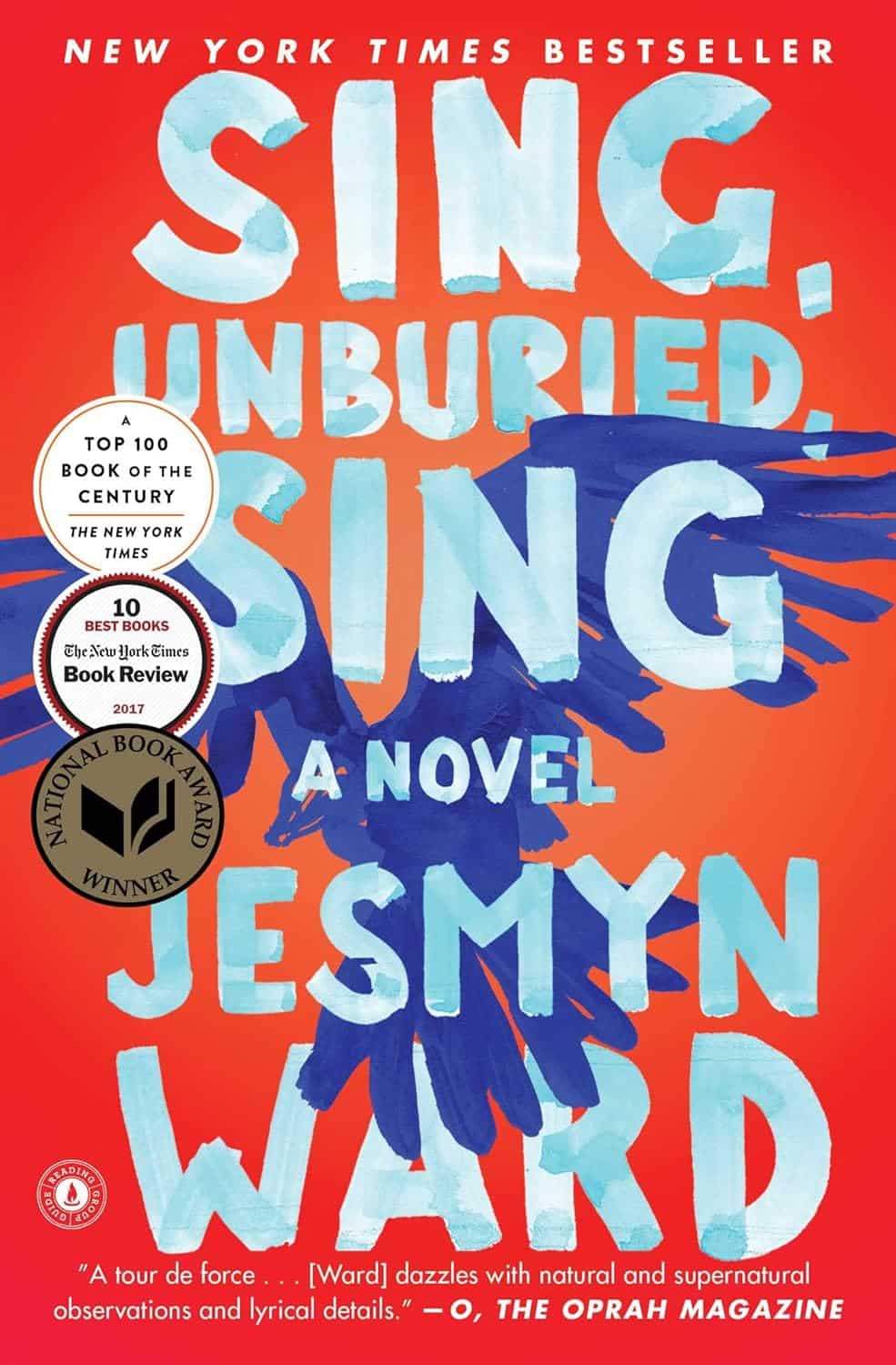
I started reading Jesmyn Ward‘s novel Sing, Unburied, Sing today. The New York Times selected it as one of the best books of the 21st century and awarded it the National Book Award. According to The New York Times, Jesmyn Ward‘s historic second National Book Award winner is “perfectly poised for the moment.” It’s an intimate portrait of three generations of a family and an epic tale of hope and struggle.

Jojo is thirteen years old and is trying to understand what it means to be a man. He has several father figures to learn from, including his Black grandfather, Pop. However, Jojo’s understanding is complicated by other men in his life: his absent White father, Michael, who is being released from prison; his absent White grandfather, Big Joseph, who refuses to acknowledge him; and the memories of his deceased uncle, Given, who died as a teenager.

His mother, Leonie, is inconsistent in her and her toddler daughter’s lives. She is a flawed mother in constant conflict with herself and those around her. She is Black, and her children’s father is White. She wants to be a better mother but struggles to prioritize her children over her own needs, particularly her drug use. Tormented and comforted by visions of her deceased brother, which only come to her when she’s high, Leonie is embattled in ways that reflect the harsh reality of her circumstances.

When their father is released from prison, Leonie takes her kids and a friend in her car and drives north to Mississippi and Parchman Farm, the State Penitentiary. At Parchman, there is another thirteen-year-old boy, the ghost of a deceased inmate who carries the ugly history of the South with him in his wanderings. With his supernatural presence, this ghostly figure also has something to teach Jojo about fathers and sons, legacies, violence, and love.

Described as a majestic and unforgettable family story, ‘Sing, Unburied, Sing‘ is rich with Ward‘s distinctive, lyrical language. As noted by The Philadelphia Inquirer, her unique narrative style takes readers on ‘an odyssey through rural Mississippi’s past and present.’

The Jan Lilien Education Fund!

Worry: A Novel

Read: May 2024

Get this book

Worry: A Novel

by Alexandra Tanner

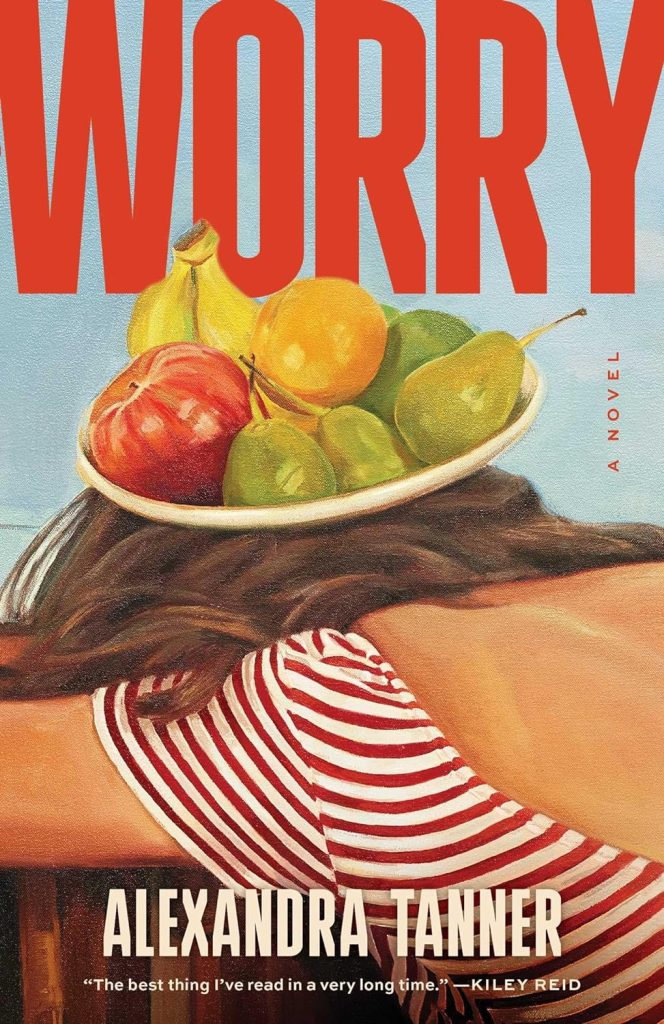
Today, I began reading Alexandra Tanner‘s debut novel, Worry: A Novel. The New Yorker praised it as “dryly witty,” The New York Times Book Review called it “fabulously revealing.” The story follows two siblings-turned-roommates who try to navigate an absurd world on the verge of calamity. It explores existentialism and sisterhood in a Seinfeldian style.

In March 2019, Jules Gold, a 28-year-old woman, felt anxious, frustrated with her art, and addicted to the internet. She lives alone in the apartment she used to share with her ex-fiancé. Her younger sister Poppy unexpectedly comes to stay with her indefinitely. Poppy, who attempted suicide a year and a half ago, is looking for work and purpose in Brooklyn. Meanwhile, Jules spends her days scrolling through the feeds of Mormon mommy bloggers and waiting for something to happen in her life.

Poppy’s hives, which she has had since childhood, flare up again. Jules has health problems with her uterus. Poppy adopts a poorly behaved-rescue dog named Amy Klobuchar. Poppy’s mother, who recently became a devout Messianic Jew, starts believing in the same deep-state conspiracy theories as Jules’ online mommies. Jules half-heartedly tries to find the source of her ennui and cruelly blames Poppy for not being a good enough friend, writer, or sister. As the year progresses and a new decade approaches, a disastrous trip back to Florida forces Jules and Poppy to question their futures and whether they want to spend them together or apart.

Worry is a darkly funny and deadpan portrayal of two sisters struggling through anxiety and uncertainty in America. A bold new voice in contemporary fiction writes it.

×
The Heaven & Earth Grocery Store

Read: November 2023

Get this book

The Heaven & Earth Grocery Store

by James McBride

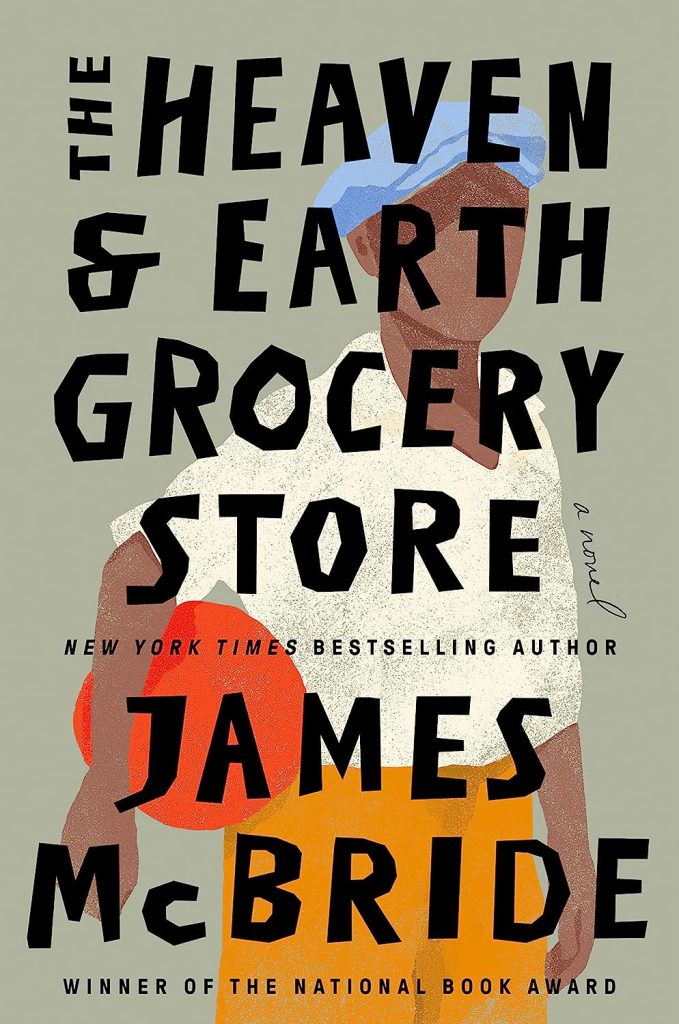
I started reading The Heaven & Earth Grocery Store: A Novel by James McBride today. It’s the seventy-first book I’ve read this year and the two hundredth since January 1, 2019. The novel’s narrative begins in 1972 when workers in Pottstown, Pennsylvania, were digging the foundations for a new development. They were surprised to find a skeleton at the bottom of the well. The identity of the skeleton and how it ended up there were long-held secrets that the residents of Chicken Hill kept.

Jewish immigrants and African Americans lived together in this run-down neighborhood and shared their aspirations and hardships. Moshe and Chona Ludlow resided in Chicken Hill when Moshe integrated his theatre, and Chona ran the Heaven & Earth Grocery Store. When the state officials searched for a deaf boy to institutionalize him, it was Chona and Nate Timblin, the Black janitor at Moshe’s theatre and the unofficial leader of the Black community on Chicken Hill, who collaborated to keep the boy safe.

As the stories of these characters intertwine and develop, it becomes evident how much the individuals living on the outskirts of white, Christian America struggle to survive and what they must do to make it through. As the truth is ultimately disclosed regarding the events that occurred on Chicken Hill, including the involvement of the town’s white establishment, McBride illustrates to us that, even in the darkest of times, love and community – the very essence of heaven and earth – help us endure.

Bringing his masterly storytelling skills and deep faith in humanity to The Heaven & Earth Grocery Store, James McBride has written a novel as compassionate as Deacon King Kong and as inventive as The Good Lord Bird.

The Jan Lilien Education Fund sponsors ongoing sustainability and environmental awareness programs. Regarding gifts made this month, I will match dollar for dollar. All donations are tax-deductible.

Subscribe

Contact Us

I receive a commission when you buy a book or product using a link on this page. Thank you for supporting Sharing Jan’s Love blog.


×
The Amen Effect

Read: March 2025

Get this book

The Amen Effect

by Sharon Brous

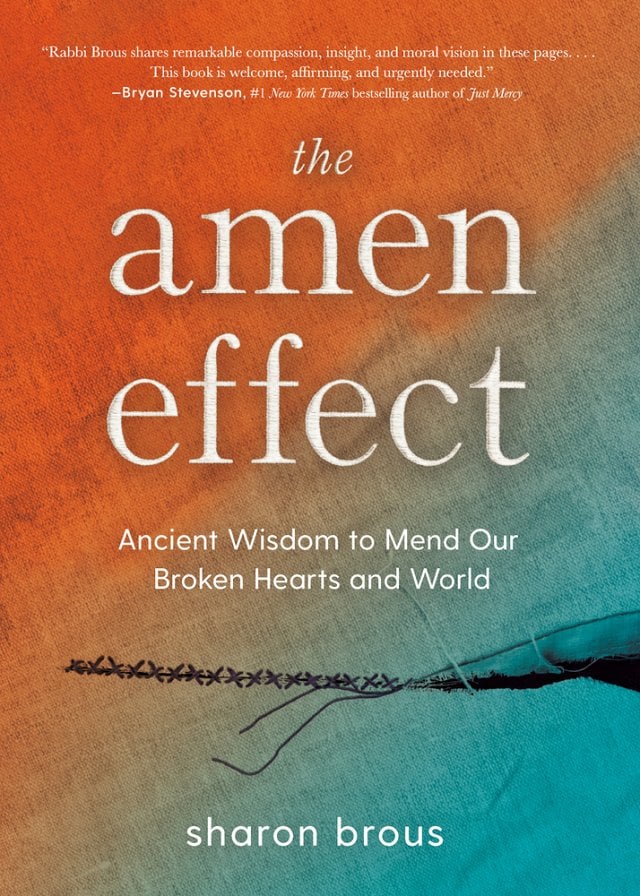
Sharon Brous, a prominent American rabbi, argues in The Amen Effect: Ancient Wisdom to Heal Our Hearts and Mend Our Broken World that the essential spiritual work of our time—though instinctual and often countercultural—focuses on connecting through celebration, sorrow, and solidarity. We must support one another in times of joy and pain, embracing vulnerability and possibility, nurturing relationships with shared purposes, and creating communities centered on care.

From one of our country’s most prominent rabbis comes this inspiring book about the power of community, based on one of her most impactful sermons. What will it take to mend our broken hearts and rebuild our society in a time of loneliness, isolation, social rupture, and alienation?

Brous contends that honoring our most basic human instinct—the yearning for authentic connection—is the way to reawaken our shared humanity and begin the healing process. This kind of sacred presence is captured by the word amen, a powerful ancient idea that we affirm the fullness of one another’s experience by demonstrating, in body and word: “I see you. You are not alone.”

An acclaimed preacher and storyteller, Brous pairs heart-driven anecdotes from her experience building and pastoring to a leading-edge faith community over the past two decades with ancient Jewish wisdom and contemporary science. The result is a clarion call: the sense of belonging engendered by our genuine presence is both a social and biological need, as well as a moral and spiritual necessity.

With original insights and practical tools, The Amen Effect translates foundational ideas into simple practices that connect us to our better angels, offering a blueprint for a more meaningful life and a more connected and caring world.

As she writes in the preface, after listing the joys and pains of life, weddings, births, and death,

It’s in these times that I feel the weight of the work, the privilege of being alive, the blessing of being so close to such raw beauty and pain. It’s there that I have learned the power of saying ‘Amen‘ to one another’s grief and joy, sorrow and celebration with our very presence. Of bearing witness to profound suffering and protesting injustice with our very presence. Of comforting and consoling, surviving and thriving with our very presence. What I’ve learned, during the years, is the meaning of sacred companionship. I have seen, in ways subtle and pronounced, a longing to connect with others who can help hold the pain, a need to share what we’ve learned in the trenches, and a desire to give, even when we ourselves have barely caught our breath. And I have seen how knowing that we’re not alone can both heighten our joy and help us endure unimaginable hardship.

Click here to read about my experience listening to Rabbi Brous at the Kol Tzedek Speakers Series at Temple Emanu-El in Westfield.


Sharon Brous is the senior and founding rabbi of IKAR, a leading-edge Jewish community based in Los Angeles, and the author of The Amen Effect: Ancient Wisdom to Heal Our Hearts and Mend Our Broken World, a national bestseller.

In 2013, Brous blessed President Obama and Vice President Biden at the Inaugural National Prayer Service, and in 2021, returned to bless President Biden and Vice President Harris and then led the White House Passover Seder 2021 and the Hanukkah candle lighting with the Vice President and Second Gentleman in 2023. She was ranked as the number one most influential Rabbi in America by Newsweek/The Daily Beast. She has also been recognized by The Forward and the Jerusalem Post as one of the most influential Jews alive today. Her work has appeared in prominent publications, including The New York Times, The Los Angeles Times, and The Washington Post. Additionally, her TED talk, “Reclaiming Religion,” has been viewed by over 1.5 million people.

Brous is part of the inaugural cohort of Auburn Seminary’s Senior Fellows program, which brings together top faith leaders working on the frontlines for justice. She sits on the faculty of REBOOT and serves on the International Council of the New Israel Fund, as well as the national steering committee for the Poor People’s Campaign.

A Columbia University graduate (holding both undergraduate and M.A. degrees in Human Rights), she was ordained by the Jewish Theological Seminary and resides in Los Angeles with her husband and children.


When you purchase a book through one of my links, I earn a small commission that helps support my passion for reading. This contribution allows me to buy even more books to share with you, creating an incredible cycle of discovering great reads together! Your support truly makes a difference!


×
The Night Swim

Read: January 2022

Get this book

The Night Swim

by Megan Goldin

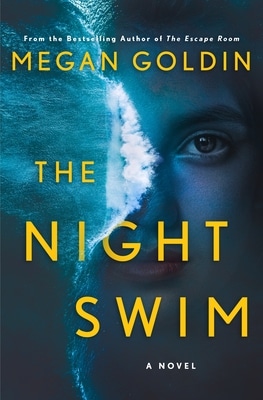
The Night Swim by Megan Goldin is a book that I thought would be different from the last two books – Sarah’s Key and Send for Me – that I had read. Both of those were directly or indirectly about the Holocaust. I often selected this book from the e-library based on reviews and reading the sample section.

The Night Swim was a page-turner, but it also was about numerous social issues that Jan ad I had spent our lives working to resolve.

Among these are male violence and its impact directly and indirectly on women. Rachel Krall, a podcaster, spoke about how male violence had impacted her. Two of the other female characters were either a victim or the sister of a victim. Having spent my life trying not to exhibit male violence, I was reminded while reading his novel of how painful it can be and the impact of micro-aggressions.

I knew that the author had done her research when I realized that. Ms. Goldin set the story in Neapolis, a fictional town on the outer banks of North Carolina. Neapolis, which in Latin means “New Town,” is also the old Roman name for the biblical city of Sheechem, where the rape of Dinah took place.

I missed the role of the Nightingale as it appears more as a background piece and not a primary role. Of course, this is a subtle reference by the author to Greek mythology and the rape of Philomela by her sisters’ husband. Her assailant cut out her tongue to prevent her from speaking of the crime. She was turned into a nightingale to escape. That is why female nightingales cannot sing. The one in the novel never sings and is rescued by Rachel at the end of the book.

Rachel narrates two sections of the novel, first with her on-the-ground work at the trial and second with her podcasts.

Hannah’s narrative is initially only in letters and then emails.

This format helped move the story along and make the story unfold in unique ways.

The following is a summary from Goodreads.

After the first season of her true-crime podcast became an overnight sensation and set an innocent man free, Rachel Krall is now a household name―and the last hope for thousands of people seeking justice. But she’s used to being recognized for her voice, not her face. Which makes it all the more unsettling when she finds a note on her car windshield, addressed to her, begging for help.

The small town of Neapolis is being torn apart by a devastating rape trial. The town’s golden boy, a swimmer, destined for Olympic greatness, has been accused of raping a high school student, the beloved granddaughter of the police chief. Under pressure to make Season Three a success, Rachel throws herself into interviewing and investigating―but the mysterious letters keep showing up in unexpected places. Someone is following her, and she won’t stop until Rachel finds out what happened to her sister twenty-five years ago. Officially, Jenny Stills tragically drowned, but the letters insist she was murdered―and when Rachel starts asking questions, nobody seems to want to answer. The past and present start to collide as Rachel uncovers startling connections between the two cases that will change the course of the trial and the lives of everyone involved.

Electrifying and propulsive, The Night Swim asks: What is the price of a reputation? Can a small town ever right the wrongs of its past? And what happened to Jenny?

I highly recommend this novel and look forward to reading more of Ms. Goldin’s work.

×
Help Wanted: A Novel

Read: March 2024

Get this book

Help Wanted: A Novel

by Adelle Waldman

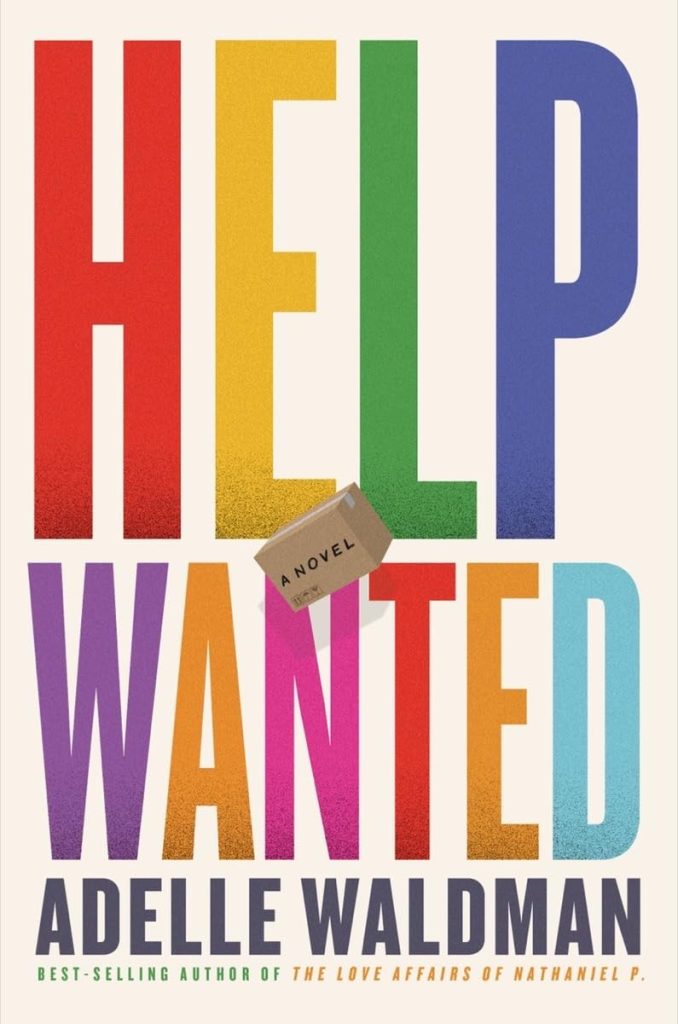
Today, I started reading Help Wanted: A Novel by Adelle Waldman. The best-selling author of The Love Affairs of Nathaniel writes a funny and eye-opening tale of work in contemporary America. The story revolves around the members of Team Movement, who work at the big-box store Town Square in a small upstate New York town.

They come in for their shift at 3:55 a.m. every day, and under the supervision of a self-absorbed and barely competent boss, they empty the day’s merchandise truck, stock the shelves, and leave before the store opens for customers.

Although their lives follow a familiar and grueling routine, their real problem is that Town Square needs to schedule them for more hours. As a result, most are barely getting by, even while working second or third jobs. When the store manager, Big Will, announces he is leaving, the members of the Movement spot an opportunity. They set a just-so-crazy-it-might-work plot in motion, hoping one of them might land a management job, providing stability and possibilities for advancement.

The members of Team Movement, including a comedy-obsessed oddball who acts half his age, a young woman trying to keep her “cool kid” status from high school, and a college football hopeful trying to find a new path, band together to achieve their goal. Adelle Waldman’s debut novel was a breakout sensation, and her long-awaited follow-up brings her unparalleled wit and astute social observation to modern, low-wage work. Help Wanted is a humane and darkly comic workplace caper that highlights the hardships low-wage workers face in today’s economy. It is a funny and moving tale of ordinary people trying to make a living.

×
The Rest Is Memory: A Novel

Read: January 2025

Get this book

The Rest Is Memory: A Novel

by Lily Tuck

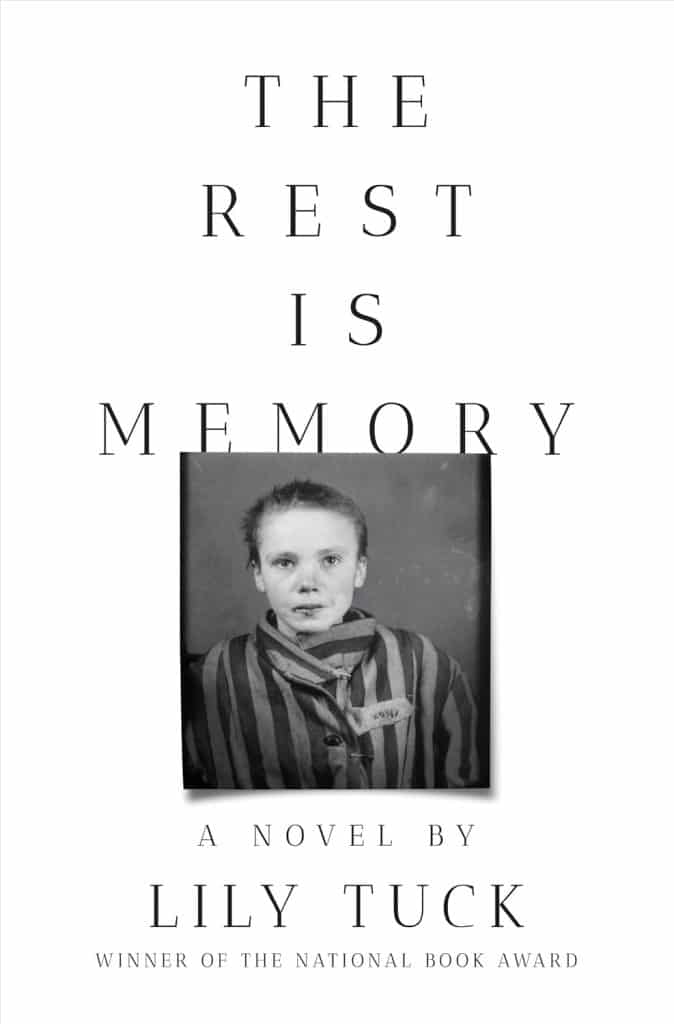
Today, I dove into “The Rest Is Memory: A Novel” by Lily Tuck, and it’s already leaving a powerful impression. This poignant tale follows a young Catholic girl’s harrowing journey to Auschwitz, woven in a captivating Rashomon-style narrative showcasing Tuck’s brilliance as a storyteller. Esquire has rightly placed it on their list of Best Books for Fall 2024, and I can see why.

In Tuck‘s skilled hands, “The Rest Is Memory” transforms into an unforgettable piece of historical reclamation, breathing life into an innocent soul who has long been remembered only through a haunting triptych of photographs. It’s a journey that promises to linger in my thoughts long after I’ve turned the last page.

In this mesmerizing novel by Lily Tuck, we first glimpse fourteen-year-old Czeslawa riding on the back of a boy’s motorcycle. Tuck imagines Czeslawa’s upbringing in a small Polish village before her world imploded in late 1942. Stripped of her modest belongings, she arrives at Auschwitz shorn and bearing the tattoo number 26947. Shortly after, she is photographed. Three months later, she is dead.

How did this happen to an ordinary Polish citizen? This is the question Tuck grapples with in this haunting narrative, which frames Czeslawa’s story within the tragic context of the six million Poles who perished during the German occupation. A decade before writing The Rest Is Memory“, Tuck read an obituary of the photographer Wilhelm Brasse, who took over 40,000 pictures of Auschwitz prisoners—including three of Czeslawa Kwoka, a Catholic girl from rural southeastern Poland. Tuck cut out these photos and kept them, determined to learn more about Czeslawa. However, she could only gather the barest facts: the village she came from, the transport she was on, that she was accompanied by her mother and neighbors, her tattoo number, and the date of her death. Tuck crafts a remarkable kaleidoscope of imagination from this scant evidence, something only our greatest novelists can achieve.

Susanna Moore described the novel as “Beautifully written, all the while instilling a sense of horror.” Tuck’s language swirls around the reader, yet no word is out of place. The subtly rotating images tumble forth, accelerating as we learn about Czeslawa’s tragic time in Auschwitz, as well as the lives of real individuals, including the brutal Commandant Rudolf Höss, his unconscionable wife Hedwig, psychiatrist and child rescuer Janusz Korczak, and the sharp Polish short story writer Tadeusz Borowski. Although we know Czeslawa’s fate, we must keep turning the pages, thoroughly captivated by Tuck’s nearly otherworldly prose.


When you purchase a book through one of my links, I earn a small commission that helps support my passion for reading. This contribution allows me to buy even more books to share with you, creating an incredible cycle of discovering great reads together! Your support truly makes a difference!


×