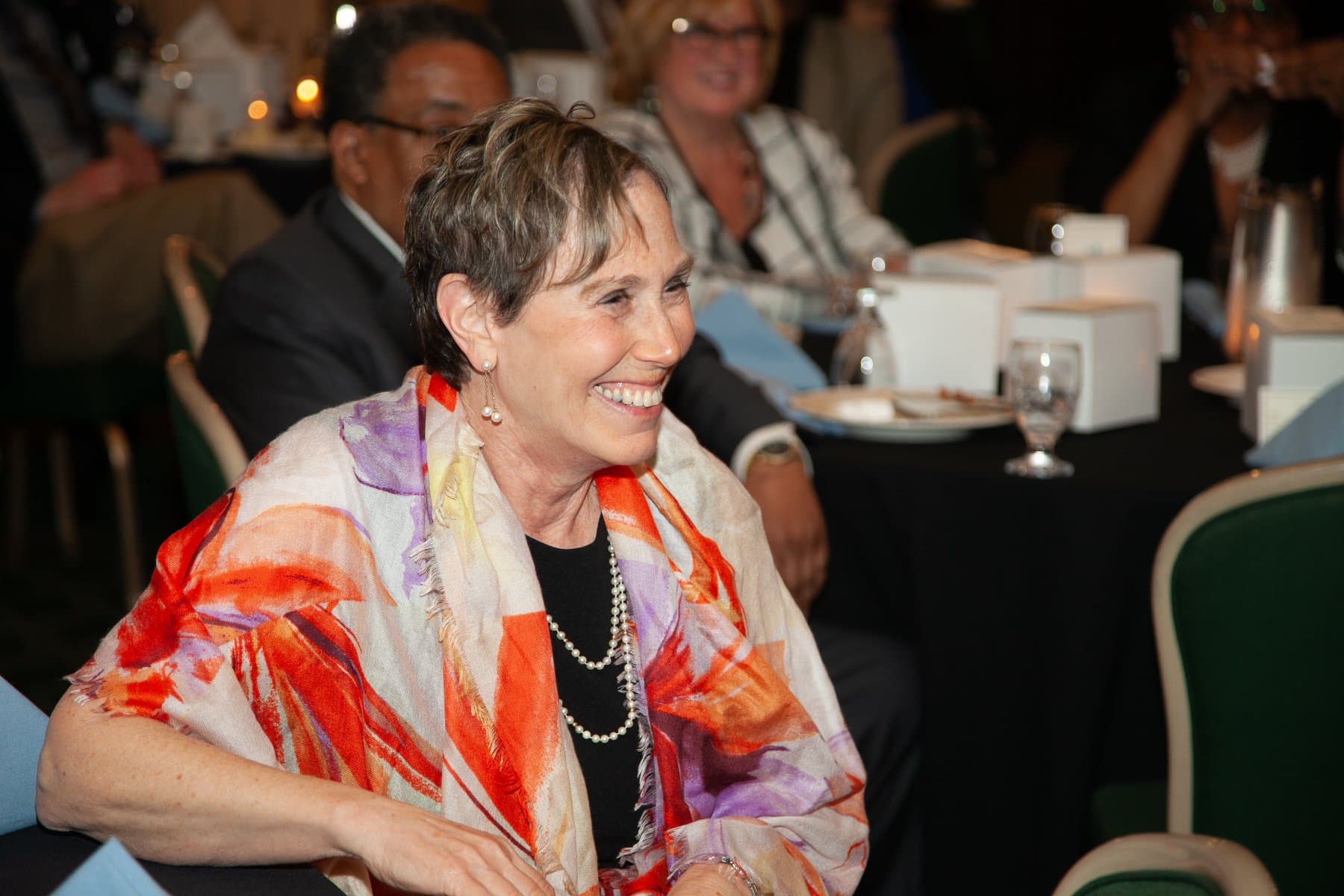

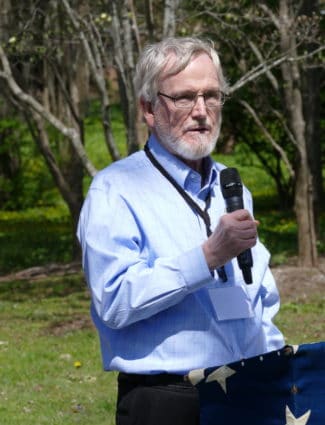
Richard Welcomes His Fellow Widows

Transformative Widowhood

Learning From Loss Made Me a Better Person

Estimated reading time: 3 minutes, 47 seconds

Lately, I’ve been reflecting on the profound loss I’ve experienced and how it has truly transformed my life. I miss my wife dearly, but I’ve come to realize that embracing my grief has sparked a remarkable journey of personal growth. I often share this outlook in conversations, and it’s fascinating how it can take discussions in unexpected directions. The responses I receive are primarily positive, and I can’t help but think of my friend Danny’s encouraging words: “You are an incredible person! You are a new person! A better person!” It’s incredible how a little positivity can illuminate the path ahead.

I cherish those moments when others feel inspired to share their transformative experiences. I initially thought I grasped the concept of transformation. Still, a recent piece I read in The New Yorker, titled “Note to Selves,” about Yale Philosophy Professor Laurie Paul, illuminated the subject in a way I had never considered before. It opened my eyes to the depth and complexity of the transformative experiences that shape our lives.

My first encounter with Paul’s concept of transformative experiences was in a New York Times essay by David Brooks almost a decade ago. He described Paul’s work as “ingenious,” but I remembered his closing thought most.

“These days we think of a lot of decisions as if they were shopping choices. When we’re shopping for something, we act as autonomous creatures who are looking for the product that will produce the most pleasure or utility. But choosing to have a child or selecting a spouse, faith or life course is not like that. It’s probably safer to ask ‘What do I admire?’ than ‘What do I want?'”

Weeks after reading Brook’s essay, I began to reflect on how it might assist me in my retirement. Unfortunately, my wife was diagnosed with lymphoma, and I found myself in the roles of caregiver and eventually griever. Both Paul and Brooks emphasize the importance of asking the right questions, such as, “Will this make me a better person?” Actively choosing to change is reasonable, but during the loss of a loved one and, more recently, in the face of minor medical and financial challenges, there often isn’t time to think.
Losing my wife was the most challenging experience of my life. In those initial hours, I struggled to live without her. However, during my morning walks, I realized that I could not remain a prisoner of the past. I had no choice but to embrace the future and allow it to transform me.

I am a father, grandfather, friend, and neighbor, and each morning, I wake up with gratitude, saying, “Grateful am I, Adonai, for the precious gift of life.” The foundational pillars of my journey are faith, love, walking, reading, and volunteering.

About fifteen months into my grief journey, I read “Aftermirth” by Hillary Jordan. It is a comedy about loss. When I selected this short novel, I wondered if it was the right choice for me.

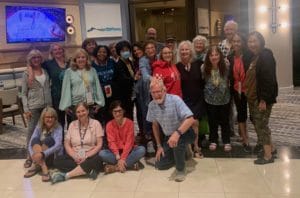
I found it easier to read and very helpful. It felt like meeting fellow widows from my Zoom grief groups in person at Camp Widow. The ability to laugh about our loss and cry openly is essential to connecting with others who understand our experiences.

Michael Larssen, the narrator, posed a question,

You can’t know that he was the love of your life, and do you know why? Because guess what, you aren’t dead yet. You may feel dead right now, and believe me, I’ve been there, but the fact is, until you’re lying under a tombstone of your own, you can’t be sure about anything.

Larsen’s comment made me reflect on my situation as a single person in my seventies. Jan and I shared nearly fifty years filled with passionate love. In our last conversation, she urged me to embrace the possibility of loving again. What worries me if I die is that you would have to live alone for the rest of your life,” she said, tears streaming down her face. I want you to love again and remarry if you find someone who truly loves you.

When I say, “Grateful am I, Adonai, for the precious gift of life,” I acknowledge my transformation over the past forty-three months. I choose to live life fully, and embracing love again honors the deep connection I shared with my wife. As The Beatles beautifully expressed, “And in the end, the love you take is equal to the love you make.”
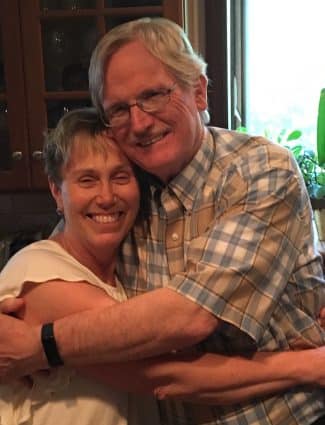
Love is a Magical Force!

Whenever I fall in love, I do so with all my heart and soul, leaving no room for half-steps. My love is unconditional and knows no boundaries. My wife knew and accepted me for who I am. Together, Jan and I created a legacy for ages to come.

Share your thoughts and ideas

This site uses Akismet to reduce spam. Learn how your comment data is processed.

The Jan Lilien Education Fund!

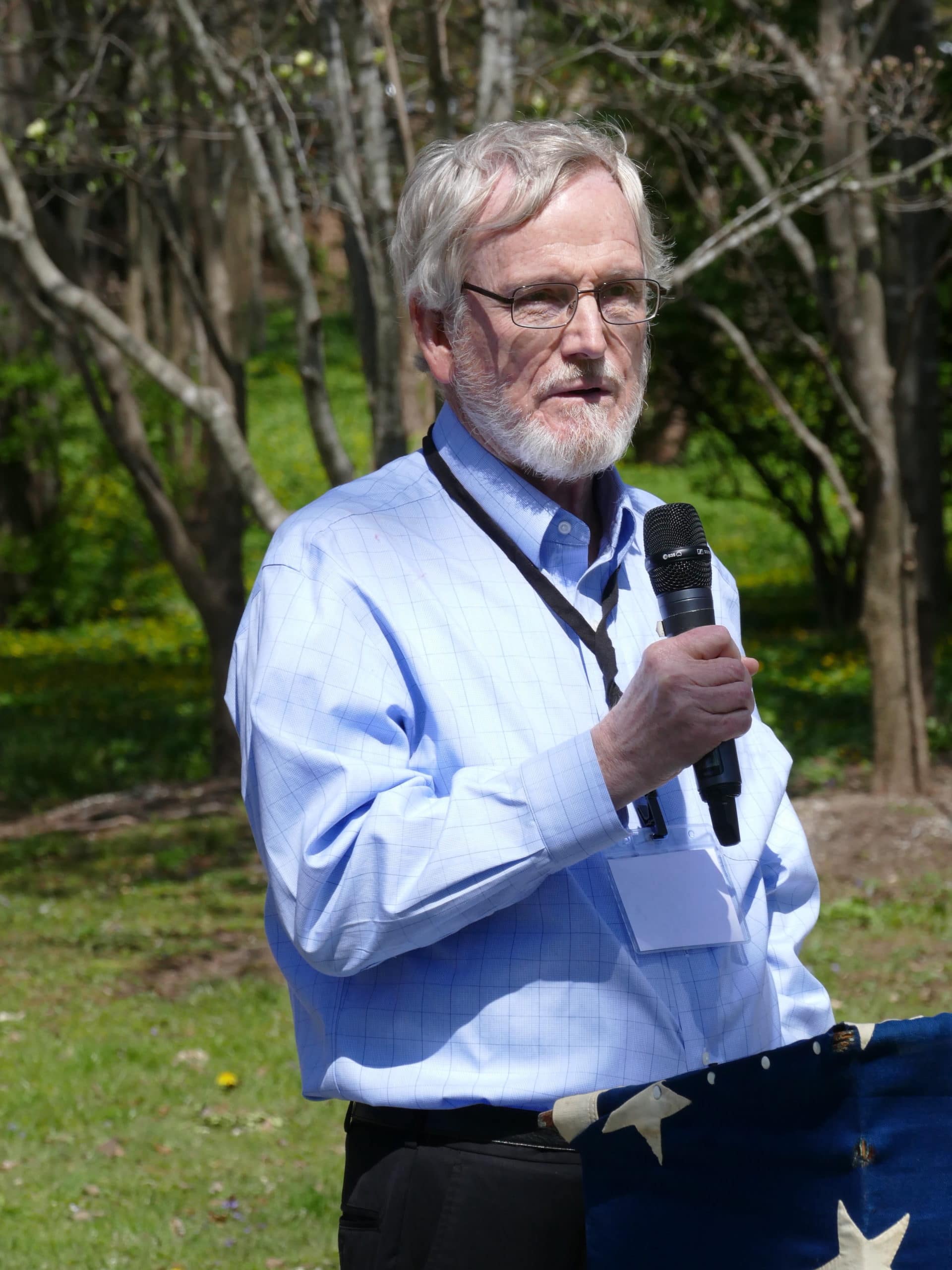
Richard Welcomes His Fellow Widows
×
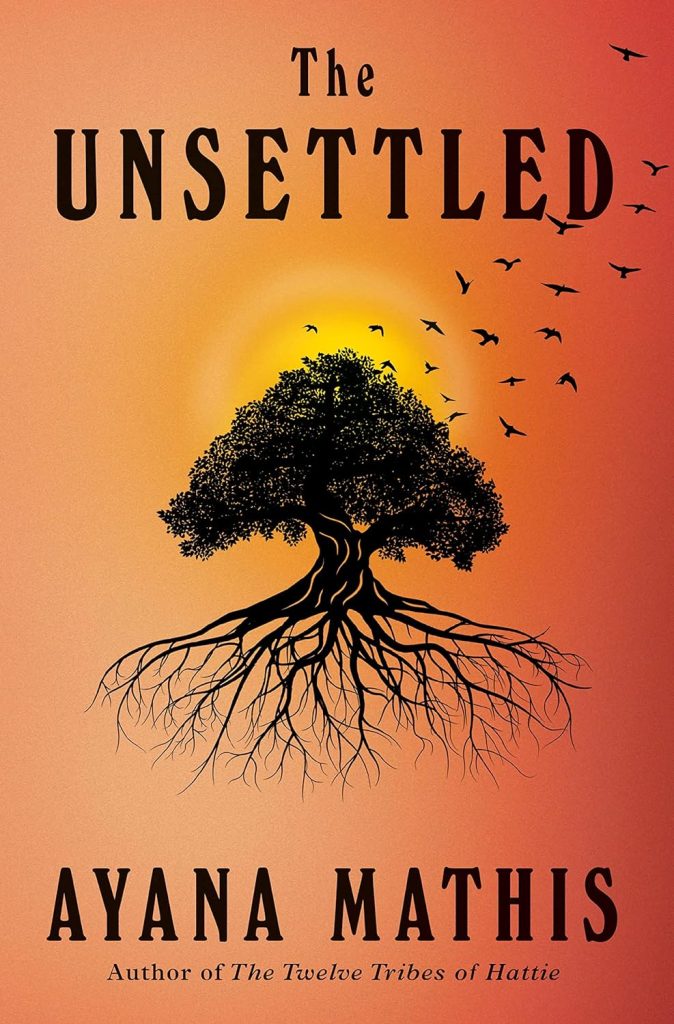
The Unsettled: A Novel

Read: October 2023

Get this book

The Unsettled: A Novel

by Ayana Mathis

I highly recommend reading “The Unsettled: A Novel” by Ayana Mathis. It’s a brilliant, explosive, and vitally crucial new work from one of America’s most fiercely talented storytellers. The story follows Ava Carson and her ten-year-old son, Toussaint, arriving at the Glenn Avenue family shelter in Philadelphia in 1985. From the outset, Ava is already thinking of a way to escape.

She is disgusted by the shelter’s squalid conditions, including a room infested with cockroaches, barely edible food, and an untrustworthy night security guard. She is resolute in her mission to rescue her son from the shelter’s dangers and humiliations and free herself from the complex past that led them there.

Ava and her mother, Dutchess, have been estranged for many years since Ava left her Alabama home as a young woman. Despite the miles between them, mother and daughter are still deeply connected. However, Ava finds it hard to forgive her mother for her sharp tongue, intractability, and bouts of despair that led to neglect and hunger during her childhood.

Ava wants to be a better mother to her son, Toussaint. However, when Toussaint’s father, Cass, suddenly reappears, Ava is drawn to his charisma and radical vision to dismantle systems of racial injustice and establish a new communal living.

Meanwhile, in Alabama, Dutchess is facing a difficult challenge. She is struggling to prevent the sale of Bonaparte to white developers, who are rapidly encroaching on the land. Bonaparte has been a beacon of Black freedom and self-determination, and it is now in the hands of its last five Black residents – families who have lived there for generations. Dutchess is fighting to preserve the venerable history of Bonaparte and the land, which she has worked hard to keep as Ava’s inheritance.

As Ava approaches Cass, Toussaint begins to sense danger around him. He worries about his mother’s erratic behavior and his father’s intense and volatile nature. Toussaint dreams of returning to Bonaparte and Dutchess, where he was born and raised. He hopes to find his way back there soon.


The Jan Lilien Education Fund sponsors ongoing sustainability and environmental awareness programs. Gifts made this month; I will match dollar-for-dollar. All donations are tax-deductible.

Subscribe

Contact Us

I receive a commission when you buy a book or product using a link on this page. Thank you for supporting Sharing Jan’s Love blog.


×
How the Word is Passed

Read: December 2021

Get this book

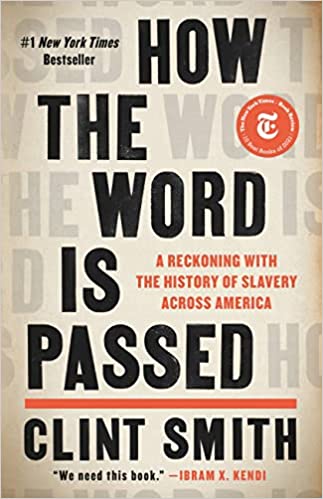
How the Word Is Passed: A Reckoning with the History of Slavery Across America

by Clint Smith

How the Word Is Passed: A Reckoning with the History of Slavery Across America by Clint Smith. This book was a gift from my son Jon. The New York Times selected How the Word is Passed as one of the best books published this year. Beginning in his hometown of New Orleans, Clint Smith leads the reader on an unforgettable tour of monuments and landmarks—those that are honest about the past and those that are not—that offer an intergenerational story of how slavery has been central in shaping our nation’s collective history, and ourselves.

How the Word is Passed is one of the best books I have read in 2021. I had read an excerpt in The Atlantic on the Whitney Plantation, one of the only former plantations devoted to preserving the experience of the enslaved people whose lives and work sustained it. Like most of us, I had placed the book on my to-read list, where it remained lost in the cobwebs. Fortunately, my son Jon purchased the book for me.

Secondly, the book rekindled my long-lost dream of being an American Studies professor. As soon as Jan and I met, I dropped plans to leave Brooklyn and start graduate school in the fall of 1974. I made that decision primarily because of how much I loved Jan. But it was also partly that I did not have a clear vision of what my life would be like as a professor. The book provided clear examples of people like Yvonne Holden at The Whitney Plantation redefining history to be more accurate and inclusive. I probably could not have done as well as she did, but I can now see that it might have resulted in a career for me that could have been impactful.

Goodreads provides this overview for those who still need to be convinced to read this book.

It is the story of the Monticello Plantation in Virginia, the estate where Thomas Jefferson wrote letters espousing the urgent need for liberty while enslaving over 400 people on the premises. It is the story of the Whitney Plantation, one of the only former plantations devoted to preserving the experience of the enslaved people whose lives and work sustained it. It is the story of Angola Prison in Louisiana, a former plantation named for the country from which most of its enslaved people arrived and which has since become one of the most gruesome maximum-security prisons in the world. And it is the story of Blandford Cemetery, the final resting place of tens of thousands of Confederate soldiers.

In a deeply researched and transporting exploration of the legacy of slavery and its imprint on centuries of American history, How the Word Is Passed illustrates how some of our country’s most essential stories are hidden in plain view-whether in places we might drive by on our way to work, holidays such as Juneteenth, or entire neighborhoods—like downtown Manhattan—on which the brutal history of the trade in enslaved men, women and children has been deeply imprinted.

Informed by scholarship and brought alive by the story of people living today, Clint Smith’s debut work of nonfiction is a landmark work of reflection and insight that offers a new understanding of the hopeful role that memory and history can play in understanding our country.

How the Word is Passed is one of the best books I have read this year and many prior ones. I encourage you to read it and share your comments.

Subscribe

Contact Us

When you buy a book or product using a link on this page, I receive a commission. Thank you for supporting Sharing Jan’s Love blog.

×
The Café with No Name

Read: May 2025

Get this book

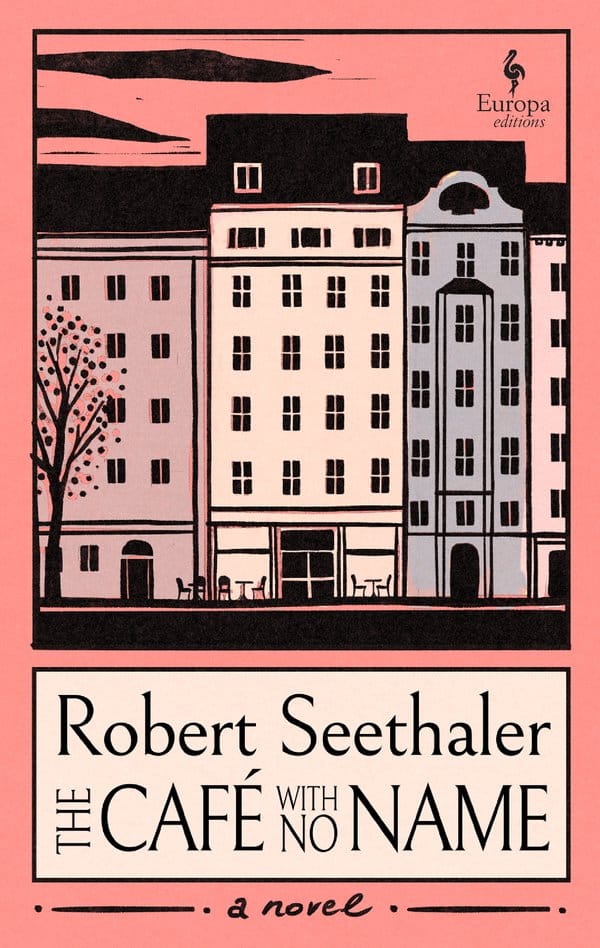
The Café with No Name

by Robert Seethaler

Today, I started reading The Café with No Name by Robert Seethaler, translated by Katy Derbyshire. It’s a vibrant story of love, companionship, and renewal in 1960s Vienna. With warm prose and tender humor, Seethaler has created a delightful parable about human existence, brought to life by unforgettable characters and a rich tapestry of narratives.

In the summer of 1966, Robert Simon was in his early thirties and had a dream. Raised in a home for war orphans, he has grown into a warm-hearted, hard-working, and determined man. When the former owners of the corner café in Carmelite Market Square close the business, Robert sees an opportunity to realize his dream.

The café, dark and dilapidated, is located in an impoverished neighborhood of the Austrian capital. However, a new energy is beginning to fill the air, signaling a desire for renewal. In the newspapers that fishmongers use to wrap char and trout from the Danube, one can read about the great things to come, heralding a bright future emerging from the shadows of the past.

Inspired by this optimism, Robert refurbishes the café. His efforts pay off as customers arrive, drawn to a congenial space where they can gather, talk, read, or sit and reflect. Each visitor brings their passion, friendship, loss, and heartache stories. Some search for companionship, while others long for love or a place to feel understood. As the city transforms, Robert’s café becomes a haven—a refuge from which to observe life, mourn, and rejoice.


Robert Seethaler was born in Vienna in 1966 and is the author of eight novels. In 2017, he was a finalist for the Man Booker International Prize with A Whole Life (FSG, 2016). He also works as an actor, most recently in Paolo Sorrentino’s Youth. He lives in Berlin.

Katy Derbyshire translates contemporary German writers, including Christa Wolf, Heike Geissler, and Olga Grjasnowa. Her translation of Clemens Meyer‘s While We Were Dreaming was longlisted for the 2023 International Booker Prize. She was born in London and has been based in Berlin for over twenty years.


When you purchase a book through one of my links, I earn a small commission that helps support my passion for reading. This contribution allows me to buy even more books to share with you, creating an incredible cycle of discovering great reads together! Your support truly makes a difference!

Enjoy a limited-time offer of 20% off your next book purchase at Bookshop.org!


×
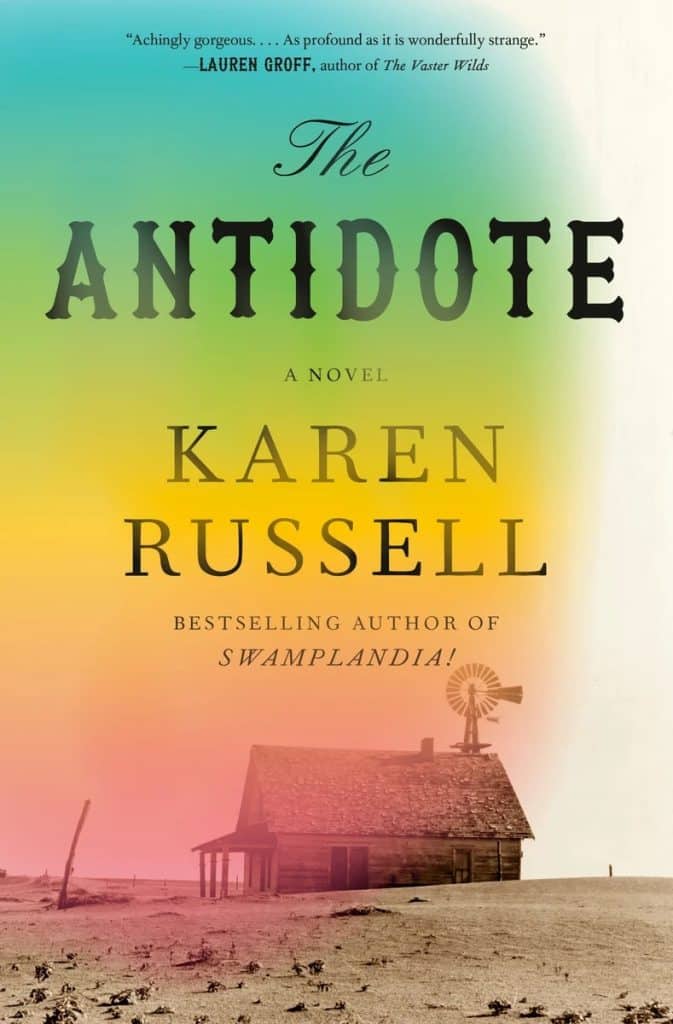
The Antidote

Read: October 2025

Get this book

The Antidote: A Novel

by Karen Russell

Karen Russell‘s The Antidote, a finalist in the fiction category for the 2025 National Book Award, serves as a profound reckoning with a nation’s tendency to forget. It addresses the settler amnesia and deliberate omissions that have been passed down through generations, revealing not only horrors but also shimmering possibilities. The Antidote resonates with urgent warnings about our current climate emergency, prompting readers to reflect on what might have been and what is still possible.

The Antidote opens on Black Sunday, as a historic dust storm ravages the fictional town of Uz, Nebraska. But Uz is already collapsing—not just under the weight of the Great Depression and the Dust Bowl drought but beneath its own violent histories.

The Antidote follows a “Prairie Witch,” whose body serves as a bank vault for peoples’ memories and secrets; a Polish wheat farmer who learns how quickly a hoarded blessing can become a curse; his orphan niece, a basketball star and witch’s apprentice in furious flight from her grief; a voluble scarecrow; and a New Deal photographer whose time-traveling camera threatens to reveal both the town’s secrets and its fate.


Karen Russell is the author of six fiction books, including the New York Times bestsellers Swamplandia! and Vampires in the Lemon Grove. She is a MacArthur Fellow, a Guggenheim Fellow, and a Pulitzer Prize finalist.

She has received two National Magazine Awards for Fiction, the Shirley Jackson Award, the 2023 Bottari Lattes Grinzane Prize, and the 2024 Mary McCarthy Prize, and was selected for the National Book Foundation’s 5 Under 35 award and The New Yorker’s 20 Under 40 list (she is now decisively over forty).

She serves on the board of Street Books, a mobile library for people living outdoors. Born and raised in Miami, Florida, she lives in Portland, Oregon, with her husband, son, and daughter.


Discover your next favorite book and dive into a world of curated, exciting reads by purchasing through my links. You’ll have access to a diverse selection of books that I’ve personally vetted to ensure quality and enjoyment. Additionally, by supporting these selections, you’ll help me continue to provide you with more personalized recommendations. I earn a small commission from your purchase, which allows me to buy and share even more books with you. Your support truly makes a difference!


×
When No One is Watching

Read: February 2022

Get this book

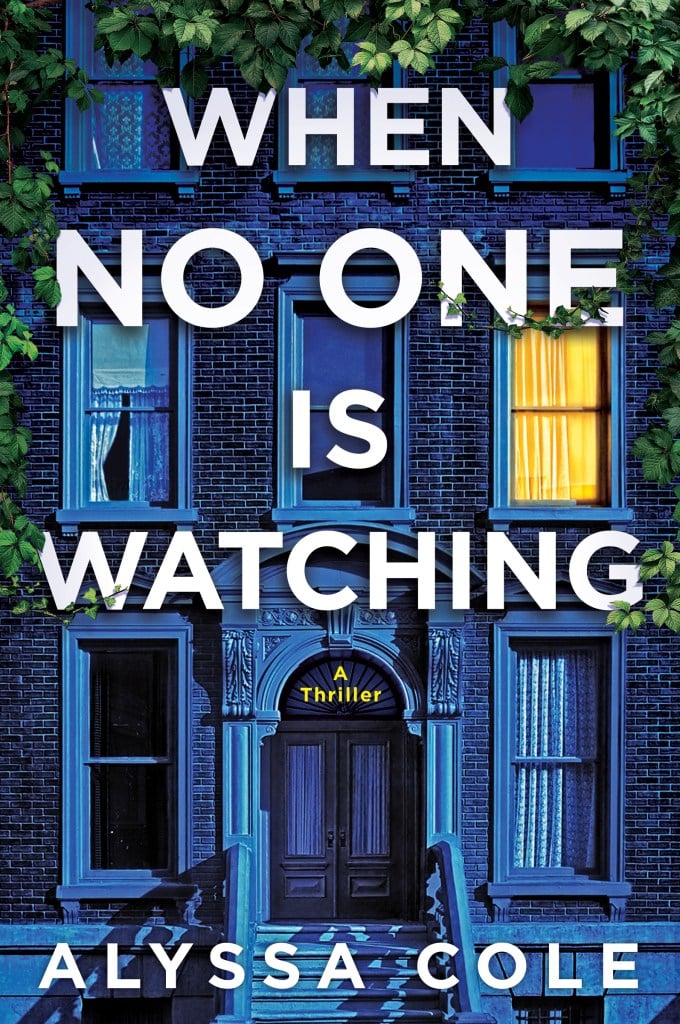
When No One is Watching

by Alyssa Cole

When No One Is Watching by Alyssa Cole is a novel where the gentrification of a Brooklyn neighborhood takes on a sinister new meaning.

Sydney Green is Brooklyn-born and raised, but her beloved neighborhood seems to change every time she blinks. Condos are sprouting like weeds, FOR SALE signs are popping up overnight, and the neighbors she’s known all her life are disappearing. To hold onto her community’s past and present, Sydney channels her frustration into a walking tour and finds an unlikely and unwanted assistant in one of the new arrivals to the block—her neighbor Theo.

But Sydney and Theo’s deep dive into history quickly becomes a dizzying descent into paranoia and fear. After all, their neighbors may not have moved to the suburbs, and the push to revitalize the community may be more deadly than advertised.

When does coincidence become a conspiracy? Where do people go when gentrification pushes them out? Can Sydney and Theo trust each other—or themselves—long enough to find out before they too disappear?

Having lived in Brooklyn and seen the impacts of gentrification, redlining, and other practices, I found this book one that I truly enjoyed. The book will provide a detailed history lesson if you are like Theo and have no thought of these issues.

I enjoyed the visit to Weeksville, as I have been there on several professional occasions. The history of that community needs to be told.

I recommend this book.

Subscribe

Contact Us

When you buy a book or product using a link on this page, I receive a commission. Thank you for supporting Sharing Jan’s Love blog.

×
Sea of Tranquility

Read: September 2022

Get this book

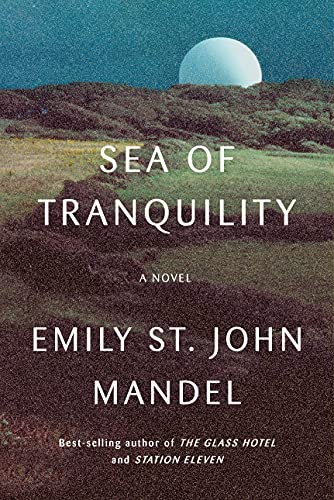
Sea of Tranquility

by Emily St. John Mandel

Sea of Tranquility by Emily St. John Mandel has been on my reading list for months. I recommend the book without reservations. Sea of Tranquility is a novel of art, time, love, and plague that takes the reader from Vancouver Island in 1912 to a dark colony on the moon three hundred years later, unfurling a story of humanity across centuries and space. It was a page-turner from page one.

With the delay of Artemis I, I have been thinking a lot about the Sea of Tranquility, the original lunar landing site. Sea of Tranquility reminded me of the days of my youth when we believed that NASA would colonize the moon as it is in the novel.

One of the passages that moved me was when Olive Llewellyn asked, “What if it always is the end of the world.” A second profound passage asks, “A life lived in a simulation is still a life.

The Goodreads summary provides a good overview,

Edwin St. Andrew is eighteen years old when he crosses the Atlantic by steamship, exiled from polite society following an ill-conceived diatribe at a dinner party. He enters the forest, spellbound by the beauty of the Canadian wilderness, and suddenly hears the notes of a violin echoing in an airship terminal—an experience that shocks him to his core.

Two centuries later a famous writer named Olive Llewellyn is on a book tour. She’s traveling all over Earth, but her home is the second moon colony, a place of white stone, spired towers, and artificial beauty. Within the text of Olive’s bestselling pandemic novel lies a strange passage: a man plays his violin for change in the echoing corridor of an airship terminal as the trees of a forest rise around him.

When Gaspery-Jacques Roberts, a detective in the Night City, is hired to investigate an anomaly in the North American wilderness, he uncovers a series of lives upended: The exiled son of an earl driven to madness, a writer trapped far from home as a pandemic ravages Earth, and a childhood friend from the Night City who, like Gaspery himself, has glimpsed the chance to do something extraordinary that will disrupt the timeline of the universe.


The Jan Lilien Education Fund sponsors ongoing sustainability and environmental awareness programs. Gifts made this month; I will match dollar-for-dollar. All donations are tax-deductible.

Subscribe

Contact Us

I receive a commission when you buy a book or product using a link on this page. Thank you for supporting Sharing Jan’s Love blog.

×