


Richard W. Brown

Stream of Consciousness!

My random thoughts on Jan, love, grief, life, and all things considered.

1209 Posts Likes
All Day Lunch

All Day Lunch!

Celebrate Jan

Since Jan died seven months ago, I have eaten well and improved my health by walking. Unfortunately, as I have noted previously, I have an issue with fast eating, not fast food. When I meet someone for lunch, it often becomes an all-day meal. It is not that I eat more. Instead, it is because I can talk with someone while eating.

Twice recently, the lunch lasted until no one was left except my host and me.

It will never replace dining with Jan, but it is a joy!

Love never dies; it only grows stronger.

Subscribe

Contact Us

I receive a commission when you buy a book or product using a link on this page. Thank you for supporting Sharing Jan’s Love blog.

Fast Eating

Recently, I have noticed that I devour my meals, even though I have never been a fan of fast food. I miss having my dear companion, Jan, by my side during mealtimes.

I rushed through my meals and cleaned up more efficiently without Jan. Unfortunately, I am left with nothing but the lonely hours of the night as my companion.

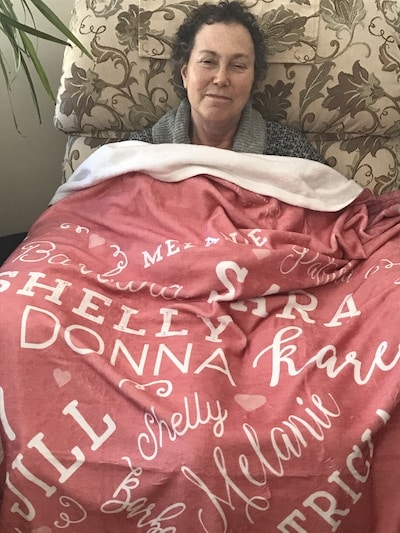
Jan and her Soul Sisters Blanket

Missing Jan at 3 AM

Celebrate JanInsomnia is my sleeping partner. I am tossed and turned like an omelet into wakefulness.

At 3 AM, it feels like I am participating in a one-person vigil. For whom do I mourn?

Seven months since Jan died, I still reach out for her in our bed.

But is that why I toss and turn in our bed?

In Breathe, Joyce Carol Oates protagonist Michaela raises the widow’s greatest fear.

If there is no one to love, do we merit existence?

Love never dies, and I love Jan more every day. Is that enough reason to exist?

Subscribe

Contact Us

When you buy a book or product using a link on this page, I receive a commission. Thank you for supporting Sharing Jan’s Love blog.

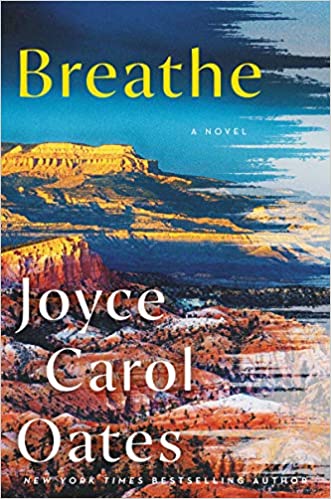
Breathe

Breathe

Reading Breathe by Joyce Carol Oates was a book I knew I needed to read once Jan was diagnosed. Despite the possibility that the book would trigger negative memories, I finally read Breathe. It was what I needed to read at this point in my journey. Ms. Oates wrote the book in 2019 after her husband, Charlie Gross, died. The novel is a story of love, loss, and loneliness. These are topics that I write about on this blog.

Read book review Get this book All books

What Would Jan Do?

Celebrate JanGrief was already a roller coaster ride. Add in holidays, and grief is like riding a roller coaster on steroids. The speed intensifies, and the drop from top to bottom is like skiing blindfolded down the Matterhorn.

I have barely survived Thanksgiving and Hanukkah without Jan.

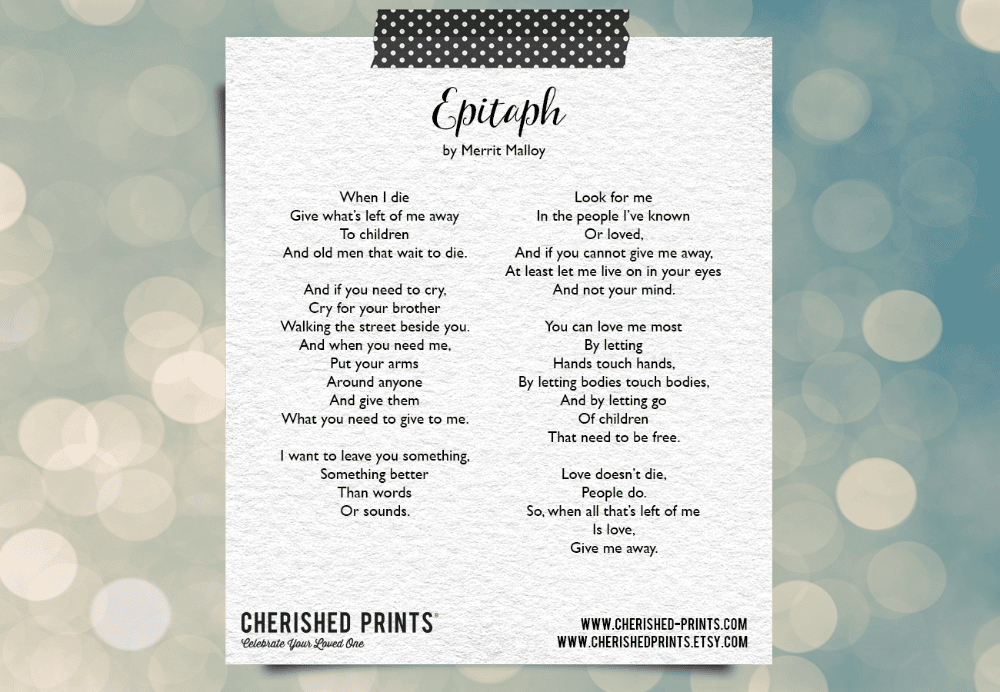
What has helped me is the greeting card quote from Merrit Malloy.

I could never get through the holidays without thinking of you!

Whenever I feel lonely or unsure, I think about Jan and what she would do. Love never dies; it only grows stronger! Without fail, she helps me survive one more day.

Subscribe

Contact Us

When you buy a book or product using a link on this page, I receive a commission. Thank you for supporting Sharing Jan’s Love blog.

Two Penguins Comforting Each Other

Gratitude for New Friends Love and Support

Celebrate JanJan’s graveside funeral was held at Beth Israel Cemetery seven months ago. When we met in 1973, I was alone. Now I am alone again.

No one knows how to predict the future, especially after losing the love of your life.

This period of living alone has been much more complex than the life I lived before meeting Jan.

Some friends I thought would help me disappeared within the first month. New friends have filled the void with love and support online and in person.

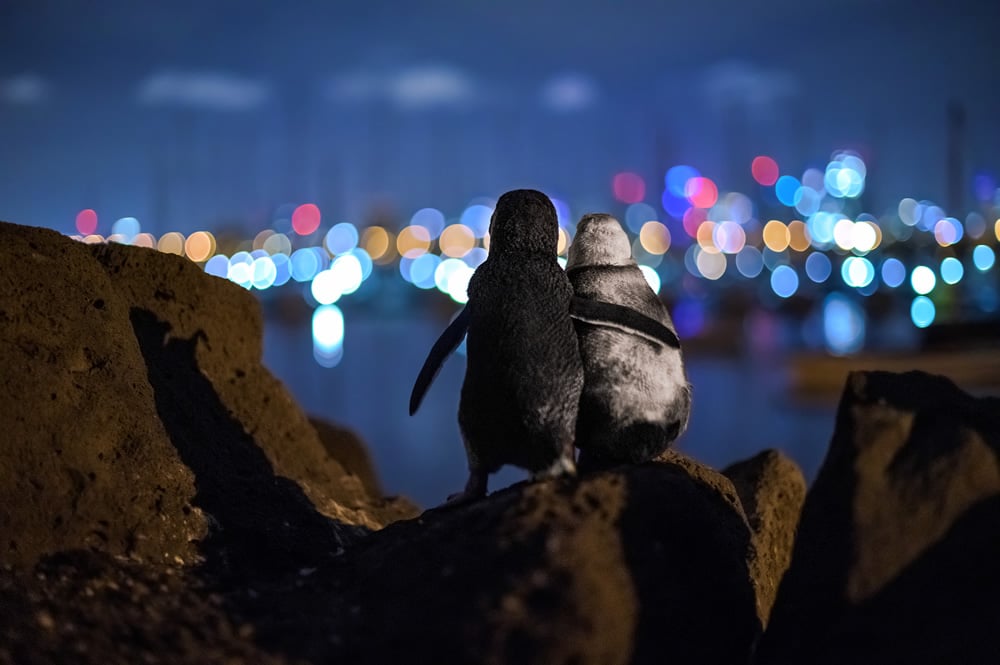
They are like the penguins in the photo, comforting me in my time of greatest need.

Subscribe

Contact Us

When you buy a book or product using a link on this page, I receive a commission. Thank you for supporting Sharing Jan’s Love blog.

Show thread (1)

Nightmare

Nightmare in Cranford!

Celebrate Jan

“You never called me!” the woman on the stretcher screamed. “Who was that? Where are they going?” The nurse said, “That was Jan. She’s going to the hospice.”  I raced down after her. The elevator doors were closed, and I ran as fast as possible to the next floor.

The landing was dark, but there were two doors.

I opened the one on the right. Jan’s photo was the first image I saw. Then I saw a photo of us and looked at my ring.

It was a nightmare. Yes, Jan died, but we were happily married.

Subscribe

Contact Us

I receive a commission when you buy a book or product using a link on this page. Thank you for supporting and sharing Jan’s Love blog.

Perambulating Listelessy but Persistently!

I walk (and talk, write, and think); therefore, I am.

My perambulations have been listless for the last six days.

Fortunately, I achieved the November Apple Watch goal of 144 minutes a day for fourteen days of exercise on Monday, the 14th.

But I had to drag myself over the finish line.

I recorded one hundred miles a week on my two feet a year ago.

But since my Upside Down Monday, I struggled to meet the minimum goal of self-propelled miles.

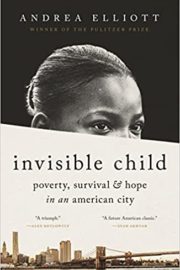
Invisible Child

Invisible Child: Poverty, Survival & Hope in an American City

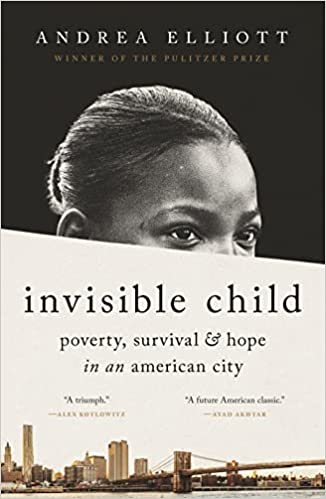
Invisible Child: Poverty, Survival & Hope in an American City by Andrea Elliott was a gift from my son Jon. The book highlights the crucial role of resilience, the importance of family, and the cost of inequality. Child poverty, homelessness, and inequality impact all of us. Ending child poverty and homelessness will make us a healthier and more inclusive nation. It is time for a compelling moral call to action!

Read book review Get this book All books

Jan and Rich

Seven is a Number That is as Lonely as One

“One Is The Loneliest Number,” according to the song by Three Dog Night. The lyrics and tune were ones that Jan and I knew.

Now that Jan died seven months ago, I know that one is not the only lonely number. However, I count the time – seven months, two-hundred fourteen days, or thirty weeks and four days, I am still alone, and Jan is no longer with me.

Since May, I have learned how to manage the day-to-day of living alone, but I still struggle to enjoy life again fully.

Love never dies; it only grows stronger!

Subscribe

Contact Us

When you buy a book or product using a link on this page, I receive a commission. Thank you for supporting Sharing Jan’s Love blog.

The Jan Lilien Education Fund!

All Day Lunch
×
Breathe

Read: September 2021

Get this book

Breathe

by Joyce Carol Oates

Celebrate JanReading Breathe by Joyce Carol Oates was a book I knew I needed to read once Jan was diagnosed. Although the book might trigger negative memories, I finally read Breathe. It was what I needed to read at this point in my journey.

Ms. Oates wrote the book in 2019 after her husband, Charlie Gross, died. The novel is a story of love, loss, and loneliness, topics that I write about on this blog. I needed to read the book both for my mental health and for the readers of Sharing Jan’s Love.

The protagonist, Michaela, loses her husband while they are on a sabbatical in New Mexico. Her husband, Gerard, writes a book and teaches a class on memories. Jan and I never considered relocating before her illness, but this book convinced me that it would have aggravated my grief journey.

One of the parallels I observed while reading the novel is the similarity between Gerard’s reluctance to let family, friends, and co-workers know of his illness. Jan shared that reluctance in the early days, but I convinced her that the only chance of beating cancer was with the help of family and friends.

This dialogue could easily be one that Jan and I had.

Of course you want to summon his family—his (adult) children—but quickly, he says no.

Still waiting.

But – When?

Just not yet.

He is not an alarmist. (You are the alarmist.)

The novel is written in two parts – The Vigil and the Post-Mortem.

The opening paragraphs set the tone.

A Hand is gripping yours. Warm, dry hand gripping your slippery, humid hand.

Whoever it is urging you – Breathe!

Leaning over you begging you – Breathe!

As one mourning the death of the love of his life, I found several phrases in the book helpful in understanding what I have gone through and will continue to confront.

Among them is grief-vise, which I have written about in this stream.

In the grip of the grief vise, all that you will do, all that you even imagine doing, will require many times more effort.. Hardly daring to breathe for the grief-vise will tighten around your chest, squeezing the very air out of your lungs.

In the early stages of grief, the vise was strangling me. Breathing was impossible, and weeping was constant at times.

Michaela struggles with her grief. Seeing her husband every time she sees a man alone, even if they are older or younger than he was. I know I have felt Jan’s presence and still expect her to walk into our apartment.

Her struggles with a grief counselor and overly helpful friends are an experience I have not had but are familiar to those suffering from losing a loved one.

The last chapters are ones in which time becomes confusing and chaotic. At times, I was uncertain about which were real or imagined. The end, like all good novels, was ambiguous.

These are some of the other phrases I have found useful and will include in posts.

  • If there is no one to love, do we merit existence?
  • Never come to the end of kissing.
  • The first principle of life is; Breathe.
  • Shy in the language of intimacy.
  • As if a life lived with strangers could compensate for the emptiness in your heart.
  • No purpose in your life. No compass.

What you love most, that you will lose. The price of your love is your loss.

I recommend this book to all readers, even those struggling with grief.

Subscribe

Contact Us

When you buy a book or product using a link on this page, I receive a commission. Thank you for supporting Sharing Jan’s Love blog.

×
Jan and her Soul Sisters Blanket
×
×
Two Penguins Comforting Each Other
×
Nightmare
×
Invisible Child

Read: December 2021

Get this book

Invisible Child: Poverty, Survival & Hope in an American City

by Andrea Elliott

Invisible Child: Poverty, Survival & Hope in an American City by Andrea Elliott was a gift from my son Jon. The New York Times selected “Invisible Child” as one of the best books published this year. It is indeed one of the top books on my all-time list.

GoodReads summary provides a good overview,

The riveting, unforgettable story of a girl whose indomitable spirit is tested by homelessness, poverty, and racism in an unequal America—from Pulitzer Prize-winning journalist Andrea Elliott of The New York Times

Invisible Child follows eight dramatic years in the life of Dasani Coates, a child with imagination as soaring as the skyscrapers near her Brooklyn homeless shelter. Born at the turn of a new century, Dasani is named for the bottled water that comes to symbolize Brooklyn’s gentrification and the shared aspirations of a divided city. As Dasani grows up, moving with her tight-knit family from shelter to shelter, this story goes back to trace the passage of Dasani’s ancestors from slavery to the Great Migration north. When Dasani comes of age, New York City’s homeless crisis explodes as the chasm deepens between rich and poor.

In the shadows of this new Gilded Age, Dasani must lead her seven siblings through a thicket of problems: hunger, parental drug addiction, violence, housing instability, segregated schools, and the constant monitoring of the child-protection system. When, at age thirteen, Dasani enrolls at a boarding school in Pennsylvania, her loyalties are tested like never before. As she learns to “code switch” between the culture she left behind and the norms of her new town, Dasani starts to feel like a stranger in both places. Ultimately, she faces an impossible question: What if leaving poverty means abandoning the family you love?

By turns heartbreaking and revelatory, provocative and inspiring, Invisible Child tells an astonishing story about the power of resilience, the importance of family, and the cost of inequality. Based on nearly a decade of reporting, this book vividly illuminates some of the most critical issues in contemporary America through the life of one remarkable girl.

Jan and I were involved and knew that child poverty and homelessness needed repair. In addition, Jan lived on Washington Park across from Ft. Greene Park in 1974-75. We knew the neighborhood where much of the book’s story takes place. 

Before meeting Jan in 1973, I was both a community/tenant organizer and a youth worker. In the latter role, I made weekly hostel trips for eight to ten young boys from East Williamsburg during 1973. The trips were the first the boys had ever been outside of their neighborhood.

Many of them had imaginations like Dasani. They also had her instinct to fight. One of my first tasks was to check for any weapons.

Decades later, when I would see any of them, now adults, they would ask when we were going on another trip. I wish I had met Jan when I made those trips. She would have helped me improve them and document the impact. If I could re-write history, I would have her join me as the second adult on the hostel trips.

After that summer, it was clear my primary skills were as a community/tenant organizer. Over the next few years, my work focused on creating affordable and supportive housing.

Jan and I did meaningful work that made a difference, yet the need for a permanent solution to the crisis remains. The book highlights the crucial role of resilience, the importance of family, and the cost of inequality. As a nation, we cannot undermine those values by breaking up families, impeding resilience, and maintaining racial and economic inequality. 

The current debate in Washington over the Build Back Better legislation needs to focus not on how much we spend but on its impact on children and families

David Brooks, a conservative commentator, has supported these expenditures for what they can do to address this country’s cultural and economic crisis. 

These packages say to the struggling parents and the warehouse workers: I see you. Your work has dignity. You are paving your way. You are at the center of our national vision.

This is how you fortify a compelling moral identity, which is what all of us need if we’re going to be able to look in the mirror with self-respect. This is the cultural transformation that good policy can sometimes achieve. Statecraft is soulcraft.

If you can only read one book this year, this is the one to read. Child poverty, homelessness, and inequality impact all of us. Ending child poverty and homelessness will make us a healthier and more inclusive nation. It is time for a compelling moral call to action!

Subscribe

Contact Us

When you buy a book or product using a link on this page, I receive a commission. Thank you for supporting Sharing Jan’s Love blog.

×
Jan and Rich
×
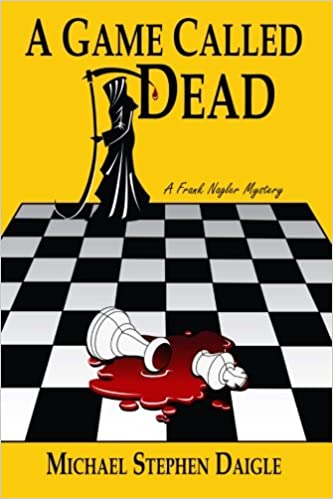
A Game Called Dead

Read: November 2021

Get this book

A Game Called Dead

by Michael Stephen Daigle

A Game Called Dead by Michael Stephen Daigle is the sequel to “The Swamps of Jersey,” the first Frank Nagler Mystery. Having read the fourth one – The Red Hand, I recently read the first one and thought this was an excellent time to read the second in this impressive deceptive series.

Reading the Frank Nagler Mysteries is rare when this reviewer knows the author. Mr. Daigle wrote this is the overview of A Game Called Dead.

Nagler is called to investigate the brutal attack on two women at the local college. It begins a tale of urban terror, which seems to be directed at Nagler and his associates.

The story introduces the mysterious terrorist #ARMEGEDDON, who taunted the police from cyberspace.

The story also digs deeper into Nagler’s past, especially the old Charlie Adams serial-killer case, and his relationship with Lauren Fox, who played a crucial role in exposing the political corruption in “Swamps.” She is back and steps into the front of Nagler’s life.

The story also introduced Harriet Waddley-Jones, a college dean, Nagler’s nemesis, and later ally.

Each book is a challenge to write a “better” book. In this case, I wanted tighter, faster action to develop a theme and flow to help carry the story. Sound and the description of sound are keys.

I also wanted Nagler to confront aspects of his past. Can he reconcile them, or will they always haunt him?

This reviewer’s opinion was a more substantial plot than the first book in the Frank Nagler Mysteries. Like all good mysteries, the suspense built page by page, and I figured out who the villain was late in the novel.

The one part that was difficult for me to read was the ending and the potential reigniting of the relationship with Lauren Fox. Having lost Jan, my wife, this year, I am aware of Frank Nagler’s pain in the first book about losing his wife. Ms. Fox only appeared in The Swamps of Jersey as a lost friend. I understand that some widows need to find love again to feel happy, which is not what I need or am seeking. The next book may provide some difficult moments on this topic, but I look forward to reading the next Frank Nagler Mystery.

Subscribe

Contact Us

When you buy a book or product using a link on this page, I receive a commission. Thank you for supporting Sharing Jan’s Love blog.

×
The Café with No Name

Read: May 2025

Get this book

The Café with No Name

by Robert Seethaler

Today, I started reading The Café with No Name by Robert Seethaler, translated by Katy Derbyshire. It’s a vibrant story of love, companionship, and renewal in 1960s Vienna. With warm prose and tender humor, Seethaler has created a delightful parable about human existence, brought to life by unforgettable characters and a rich tapestry of narratives.

In the summer of 1966, Robert Simon was in his early thirties and had a dream. Raised in a home for war orphans, he has grown into a warm-hearted, hard-working, and determined man. When the former owners of the corner café in Carmelite Market Square close the business, Robert sees an opportunity to realize his dream.

The café, dark and dilapidated, is located in an impoverished neighborhood of the Austrian capital. However, a new energy is beginning to fill the air, signaling a desire for renewal. In the newspapers that fishmongers use to wrap char and trout from the Danube, one can read about the great things to come, heralding a bright future emerging from the shadows of the past.

Inspired by this optimism, Robert refurbishes the café. His efforts pay off as customers arrive, drawn to a congenial space where they can gather, talk, read, or sit and reflect. Each visitor brings their passion, friendship, loss, and heartache stories. Some search for companionship, while others long for love or a place to feel understood. As the city transforms, Robert’s café becomes a haven—a refuge from which to observe life, mourn, and rejoice.


Robert Seethaler was born in Vienna in 1966 and is the author of eight novels. In 2017, he was a finalist for the Man Booker International Prize with A Whole Life (FSG, 2016). He also works as an actor, most recently in Paolo Sorrentino’s Youth. He lives in Berlin.

Katy Derbyshire translates contemporary German writers, including Christa Wolf, Heike Geissler, and Olga Grjasnowa. Her translation of Clemens Meyer‘s While We Were Dreaming was longlisted for the 2023 International Booker Prize. She was born in London and has been based in Berlin for over twenty years.


When you purchase a book through one of my links, I earn a small commission that helps support my passion for reading. This contribution allows me to buy even more books to share with you, creating an incredible cycle of discovering great reads together! Your support truly makes a difference!

Enjoy a limited-time offer of 20% off your next book purchase at Bookshop.org!


×
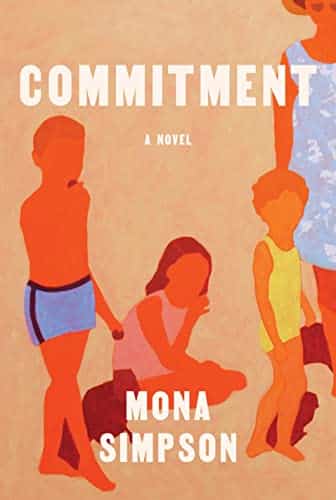
Commitment: A novel

Read: April 2023

Get this book

Commitment: A Novel

by Mona Simpson

The novel Commitment by Mona Simpson delves into the complexities of family and duty when a parent falls ill. It sheds light on the significant impact of untreated mental health crises and highlights the under-appreciated role of friends in shaping the lives of children left to their own devices.

A hardworking single mother, Diane Aziz falls into a deep depression after dropping off her oldest son, Walter, at college. Despite her struggles, her closest friend is vital in keeping the family together and their mother’s dreams alive.

This is a story of one family’s struggle to navigate the crisis of their lives, a struggle that may resonate with many readers. Walter discovers a newfound passion for architecture, but financial struggles threaten his academic pursuits. Meanwhile, Lina fights to attend an Ivy League school, and Donny, the youngest sibling, battles a dangerous drug addiction.

As someone with different personal experiences, I still found Commitment to affirm the importance of biological and chosen families.


The Jan Lilien Education Fund sponsors ongoing sustainability and environmental awareness programs. Gifts made this month; I will match dollar-for-dollar. All donations are tax-deductible.

Subscribe

Contact Us

I receive a commission when you buy a book or product using a link on this page. Thank you for supporting Sharing Jan’s Love blog.



×
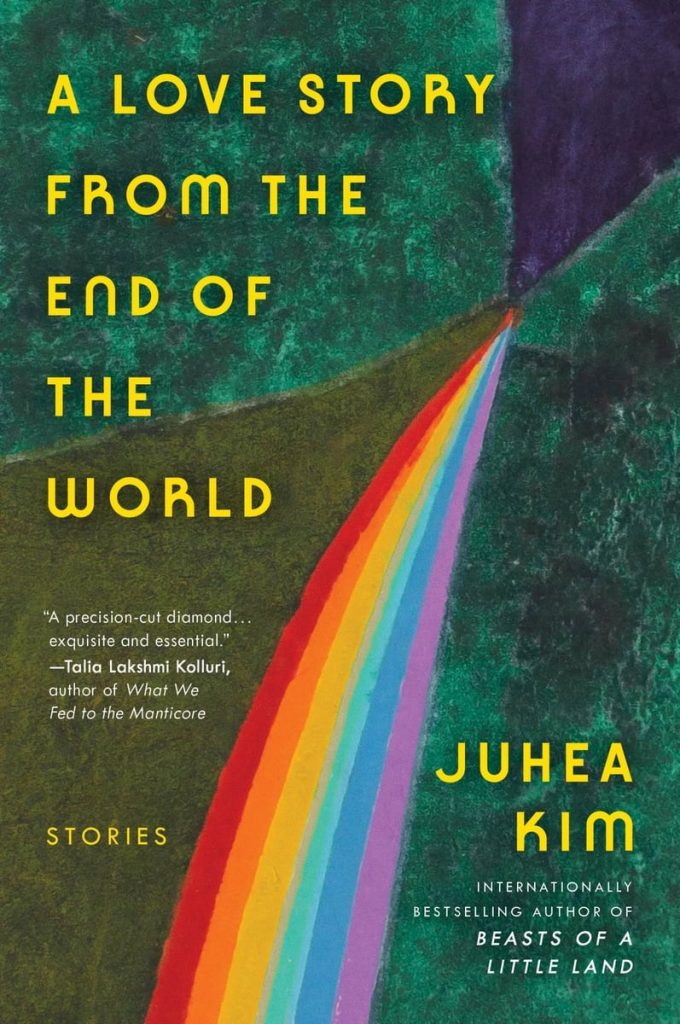
A Love Story from the End of the World

Read: January 2026

Get this book

A Love Story from the End of the World

by Juhea Kim

Juhea Kim, the acclaimed author of Beasts of a Little Land and City of Night Birds, presents an exquisite collection of stories that explores the delicate balance between humans and the natural world. With the clear-eyed reverence of Richard Powers and the sparkling sincerity of George Saunders, her first story collection, A Love Story from the End of the World, offers a breathtaking view of our fractured world—and our broken hearts. Through its passionate narrative, the collection serves as a poignant reminder that, as humans, we are nothing without nature.

Spanning multiple locales and time periods, and rendered in fine detail and vivid color, this transportive collection illustrates what it means to live as human inhabitants of our singular, miraculous planet.

Lyrical, at times hilarious, and always heartfelt, each of these ten stories reflects individual choices in the face of “man-made” apocalypses. In a near-future Seoul, where air pollution has become so severe that a translucent biodome has covered the city, a civil engineer responsible for its upkeep considers an arranged marriage. A painter, disenchanted with New York City, travels to the South of France and becomes romantically involved with an entrepreneur who claims to have invented a new color. Meanwhile, on an island where the Indian and Pacific Oceans converge, and where foreign countries have dumped their waste, causing a landfill mountain to form, a local boy facing daily hardships gains internet fame for his K-pop-inspired dances.


Juhea Kim is the author of the novel Beasts of a Little Land, which was a finalist for the Dayton Literary Peace Prize and the winner of the Yasnaya Polyana Literary Award, Russia’s most significant annual award in literature. It has been translated into many languages and is for television. She is also the author of City of Night Birds, which was a Reese’s Book Club pick.

A graduate of Princeton University, her writing has been published in Granta, the Times Literary Supplement, the Independent, Zyzzyva, Guernica<, and other outlets. She is an advocate for wildlife conservation, animal rights, and education and aid in Africa. Born in Korea and raised in Portland, Oregon, Kim now lives in London.


Discover your next favorite book and dive into a world of curated, exciting reads by purchasing through my links. You’ll have access to a diverse selection of books that I’ve personally vetted to ensure quality and enjoyment. Additionally, by supporting these selections, you’ll help me continue to provide you with more personalized recommendations. I earn a small commission from your purchase, which allows me to buy and share even more books with you. Your support truly makes a difference!


×
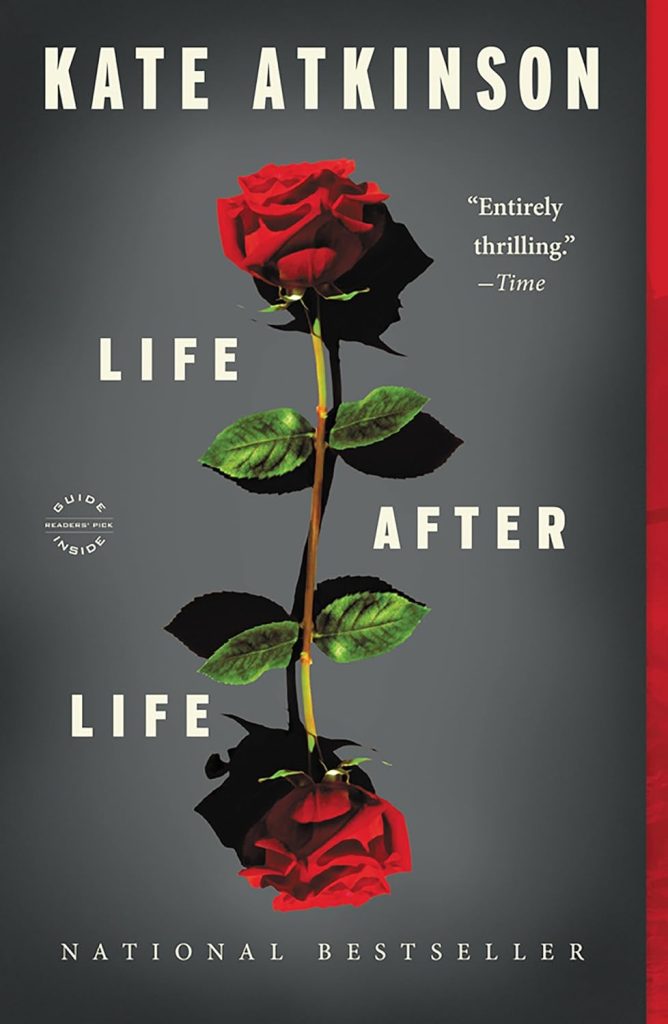
Life After Life

Read: August 2024

Get this book

Life After Life

by Kate Atkinson

Today, I embarked on the journey of Kate Atkinson‘s ‘Life After Life,’ a novel that has secured its place among The New York Times 100 Best Books of the Century. The book presents a unique and thought-provoking premise: What if you could live multiple lives until you found the perfect one? With its darkly comic, startlingly poignant, and utterly original narrative, it’s a testament to Kate Atkinson‘s unparalleled storytelling prowess.

The story unfolds in a unique narrative structure, beginning on a cold and snowy night in 1910 when Ursula Todd is born to an English banker and his wife. She dies before drawing her first breath. However, on that same night, Ursula Todd is born again, lets out a loud cry, and starts a life that will be pretty unusual. As she grows up, she also dies repeatedly in various ways while the young century moves inexorably toward its second cataclysmic world war.

Could Ursula’s seemingly endless life be the key to altering the world’s inevitable destiny? The prospect is both thrilling and hopeful. Yet, the question lingers – if she possesses this power, will she choose to wield it?

×
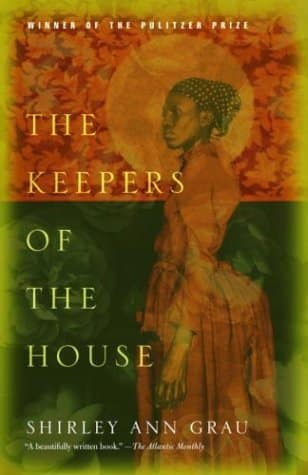
Keepers of the House

Read: May 2021

Get this book

The Keepers of the House

by Shirley Ann Grau

The Keepers of the House by Shirley Ann Grau is a book that I read a portion of for a college class, but for reasons that I cannot now remember never got around to reading it from cover to cover. In the early stages of grief, I found a copy in our bookshelf and said, let me read it now. It was a decision that I did not regret.

Having grown up in the American South, the book resonated with me, as did the sections I read fifty years ago. It’s a many-layered indictment of racism and rage that is as terrifying as it is wise.

As someone who likes history and values the importance of place, the book’s focus on the continued ownership of the same land since the early 1800s by the Howland’s provided a broad historical perspective. Abigail Howland has learned many important family legacies, but not all.

However, when William’s, her grandfather, relationship with Margaret Carmichael, a black housekeeper, is revealed to the community, the racism and fury boil over. Abigail chooses to get even with the town her family built by punishing them.

The Keepers of the House is a book that I wish I had read in its entirety half a century ago. Having read it now, I recommend it to all who care about life and community.

Subscribe

Contact Us

×