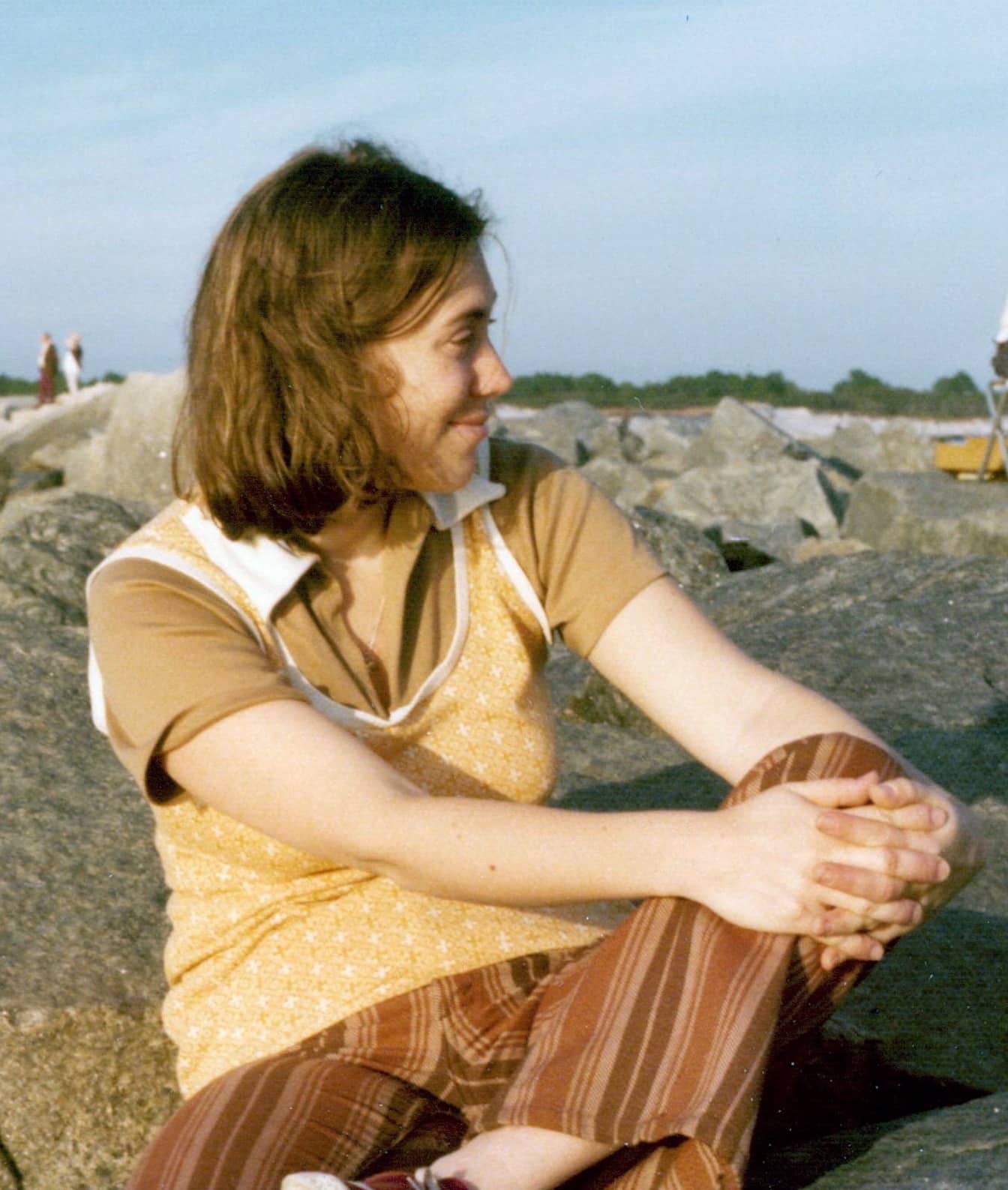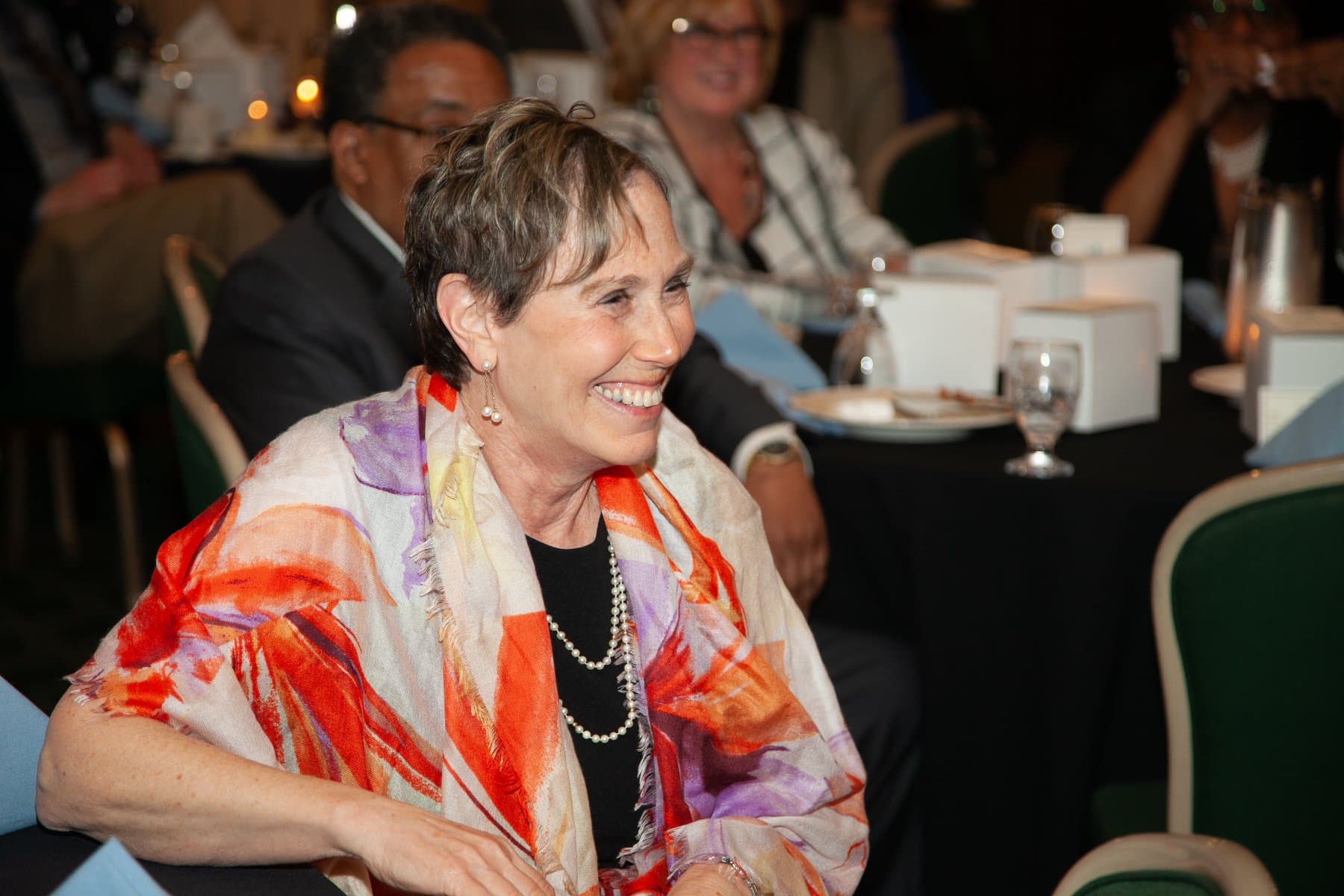

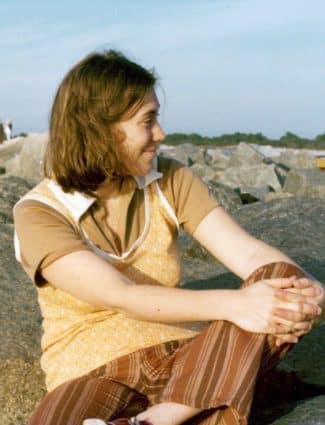
Jan Lilien in 1974

Forty-eight Years of Love

Estimated reading time: 0 minutes, 35 seconds

Celebrate JanToday, the anniversary of meeting Jan is also the website’s launch, and the save the date for her celebration.

One theory is that being busy helps one manage grief.

But am I doing too much at one time? I scheduled over 200 emails to go out today!

Is that too many? I am not expecting much of a response, and one percent would be spectacular.

Hopefully, there is an audience. If not, I will still write about Jan, so no one forgets her.

Jan was and always will be the love of my life! So why am I giving her love away?

Subscribe

Contact Us

Show thread (1)

Response

Estimated reading time: 0 minutes, 35 seconds

I emailed 230 people announcing the Save the Date and introducing the blog, expecting a 1% response. It was closer to 2%, but if you discount those who respond but do not fully engage, 1% is the answer.

Share your thoughts and ideas

This site uses Akismet to reduce spam. Learn how your comment data is processed.

The Jan Lilien Education Fund!

Jan Lilien in 1974
×
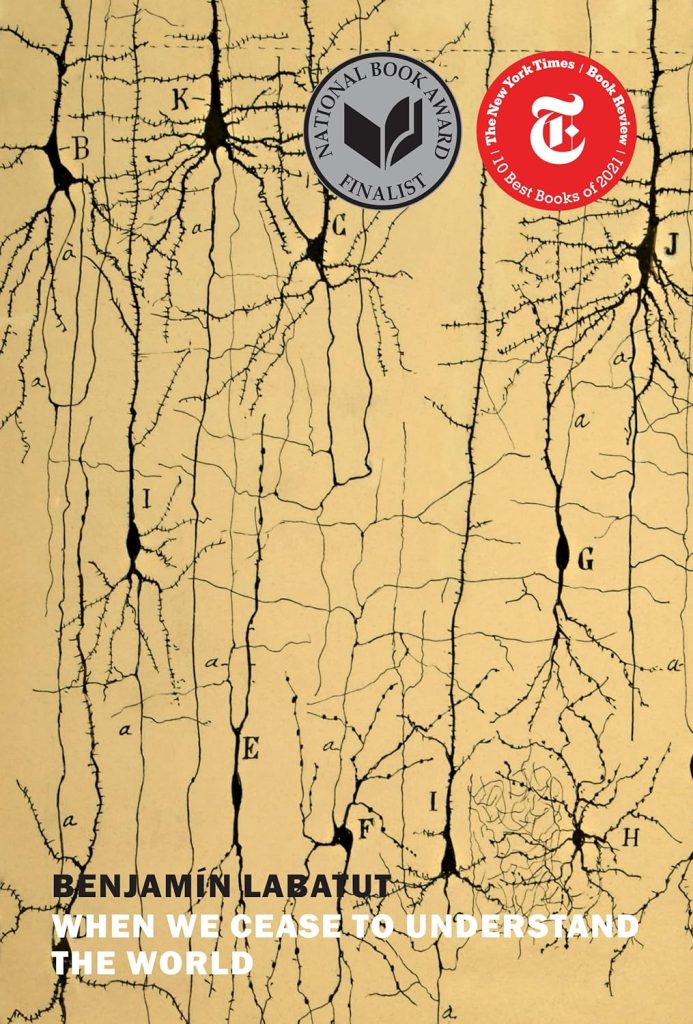
When We Cease to Understand the World

Read: September 2024

Get this book

When We Cease to Understand the World

by Benjamín Labatut

Today, I began reading When We Cease to Understand the World by Benjamín Labatut, translated by Adrian Nathan West. This book, listed on The New York Times 100 Best Books of the 21st Century, promises to be thought-provoking as it delves into the intricate connections between scientific and mathematical discovery, madness, and destruction.

In a world where scientific advancements often involve ethical dilemmas and societal implications, this book offers a unique perspective on the lives of scientists who have shaped our understanding of the world. Fritz Haber, Alexander Grothendieck, Werner Heisenberg, and Erwin Schrödinger are some of the luminaries whose troubled lives Benjamín Labatut deeply explores in his fictional examination. Labatut shows how these scientists and thinkers grappled with profound questions of existence, experiencing strokes of unparalleled genius, alienating friends and lovers, and descending into isolation and insanity. Their discoveries, some of which significantly improved human life, while others led to chaos and unimaginable suffering, continue to shape our world.

With a breakneck pace and a wealth of disturbing detail, Labatut uses fiction’s imaginative resources to tell the stories of the scientists and mathematicians who expanded our notions of the possible.

×
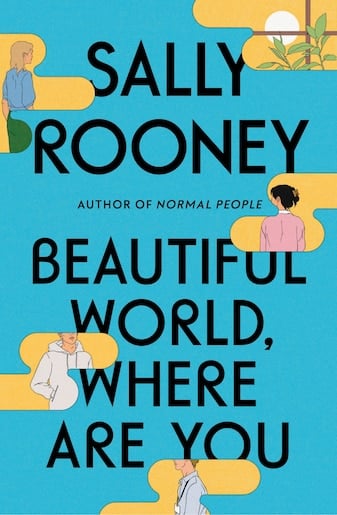
Beautiful World, Where Are You

Read: July 2022

Get this book

Beautiful World, Where Are You

by Sally Rooney

Beautiful World, Where Are You by Sally Rooney, a writer recommended to me, but I have always kept them on the to-read list, not the current reading. Does a beautiful word exist? Is it possible to live in a beautiful world despite the loss of the love of my life? Perhaps reading  Beautiful World, Where Are You, will help me in my grief journey.

Ms. Rooney’s book was a page-turner, and I highly recommend it.

One of the quotes from the book echoed my dream of a beautiful world.

“When I try to picture for myself what a happy life might look like, the picture hasn’t changed very much since I was a child – a house with flowers and trees around it, and a river nearby, and a room full of books, and someone there to love me, that’s all. Just to make a home there, and to care for my parents when they grow older. Never to move, never to board a plane again, just to live quietly and then be buried in the earth.” ― Sally Rooney, Beautiful World, Where Are You

It also helped remind me how unique and memorable the love that Jan and I shared was. We could quickly fall into a life lived separately as friends, or we might not have ever fallen in love and married.

As Sally Rooney in Beautiful World, Where Are You, wrote:

“If God wanted me to give you up, he wouldn’t have made me who I am.”

The Goodreads summary provides an overview.

Alice, a novelist, meets Felix, who works in a warehouse, and asks him if he’d like to travel to Rome with her. In Dublin, her best friend, Eileen, is getting over a breakup and slips back into flirting with Simon, a man she has known since childhood. Alice, Felix, Eileen, and Simon are still young—but life is catching up with them. They desire each other, they delude each other, they get together, and they break apart. They have sex, they worry about sex, and they worry about their friendships and the world they live in. Are they standing in the last lighted room before the darkness, bearing witness to something? Will they find a way to believe in a beautiful world?


Subscribe

Contact Us

×
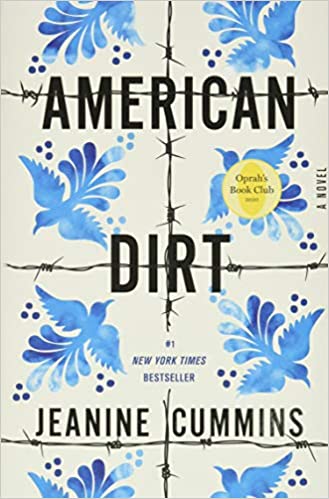
American Dirt

Read: September 2021

Get this book

American Dirt

by Jeanine Cummins

American Dirt by Jeanine Cummins is one of the best books I have read this year.

American Dirt is a “cross-genre novel that combines elements of a commercial thriller, literary fiction, suspense, and romance.” American Dirt refers to the land that is the United States of America and to the difficulty undocumented migrants face both before and after crossing the border.

According to SuperSummary,

Lydia Quixano Pérez, a bookstore owner in Acapulco, saves her son Luca from a massacre that wipes out their entire family at a quinceañera cookout. The perpetrators are three sicarios, killers for Los Jardineros, a violent local cartel. Javier Crespo Fuentes, Lydia’s close friend and the jefe of Los Jardineros, ordered the hit in retaliation for an exposé written by Lydia’s husband, a journalist named Sebastián Pérez Delgado. Javier’s murderous rage stems not from the article itself, but from the impact it has on his daughter, Marta, who commits suicide when she learns of her father’s true identity. Lydia and Luca spend the rest of the novel running from Javier’s men, encountering a diverse cast of migrants along the road to the US.

I read the book at the same time that Haitian migrants were being deported at the border. Ms. Cummins writes passionately about the plight of migrants and the difficulties they face as they seek a new life in the US. This book highlighted this to me in ways that I understood intellectually but not emotionally.

Ms. Cummins refers to a sign she saw in Spanish in Tijuana while she was researching this book:

También de este lado hay sueños.

On this side, too, there are dreams.

All of our ancestors were migrants, and they all had dreams of a better life. We need to find a better way to help those who now have goals find a home so that their hopes for a better future can come true.

Subscribe

Contact Us

×
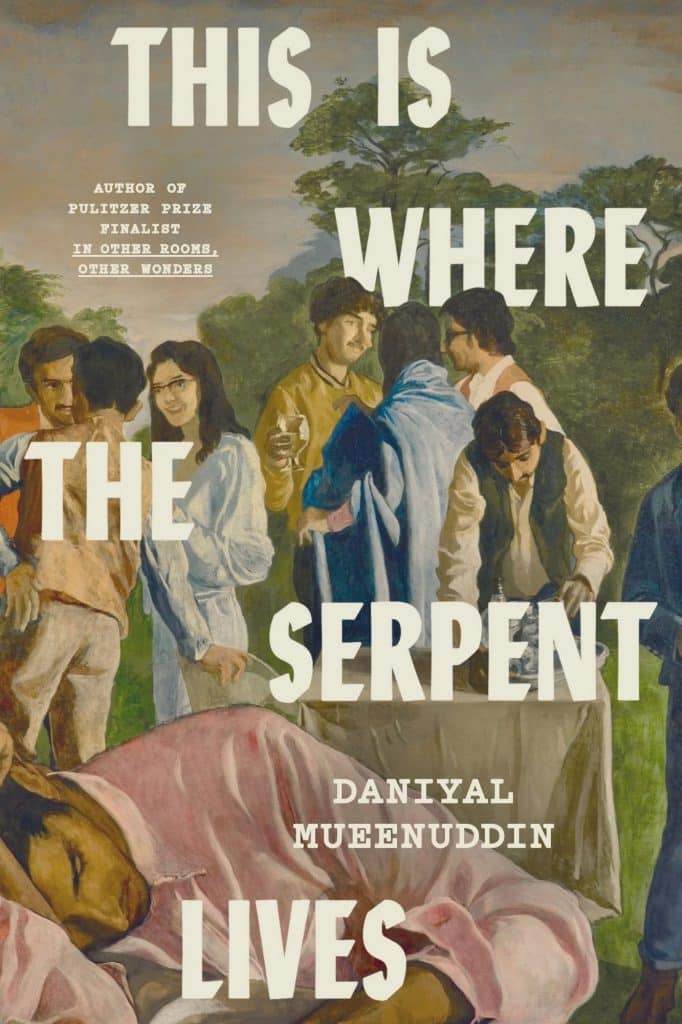
This Is Where the Serpent Lives

Read: January 2026

Get this book

This Is Where the Serpent Lives

by Daniyal Mueenuddin

In the realms of power, money, and love, the characters in Daniyal Mueenuddin‘s work grapple with the choice between moral integrity and practical decisions that enable them to navigate the entrenched systems of caste, capital, and social influence in their culture. Profoundly moving and both intimate and epic, This Is Where the Serpent Lives is a remarkable work poised to become a classic of contemporary literature. The New York Times has listed it as one of “The Novels Everyone Will Be Talking About in 2026.”

Moving from Pakistan’s vibrant, chaotic cities to its lawless, feudal countryside, This Is Where the Serpent Lives vividly portrays contemporary life there. The story follows the intertwined fates of a dozen unforgettable characters, connected through violence, tragedy, triumph, and love.

Orphaned as a young boy and surviving on the streets of the city, Yazid rises to a position of responsibility and respect in the Lahore household of Colonel Atar, a powerful industrialist and politician. However, he soon finds his position threatened by conflicting loyalties and misplaced trust.

Born on Colonel Atar’s country estate to a poor gardener, Saqib is entrusted with managing a pioneering business. Yet, he overreaches and becomes an outlaw, facing the violent corruption of the Punjab Police. Meanwhile, the colonel’s son competes with his beloved brother for the affections of a woman, only to discover that her choice brings unexpected darkness and light into his life.


Daniyal Mueenuddin, raised in Lahore, Pakistan, and Elroy, Wisconsin, graduated from Dartmouth College and Yale Law School. His stories have appeared in prestigious publications such as The New Yorker, Granta, Zoetrope, and The Best American Short Stories 2008, which Salman Rushdie selected. His collection, “In Other Rooms, Other Wonders,” was a finalist for both the Pulitzer Prize and the National Book Award. For several years, he practiced law in New York. He currently splits his time between Oslo, Norway, and his farm in South Punjab, Pakistan.


Discover your next favorite book and dive into a world of curated, exciting reads by purchasing through my links. You’ll have access to a diverse selection of books I’ve personally vetted for quality and enjoyment. Additionally, by supporting these selections, you’ll help me continue to provide you with more personalized recommendations. I earn a small commission from your purchase, which allows me to buy and share even more books with you. Your support truly makes a difference!


×
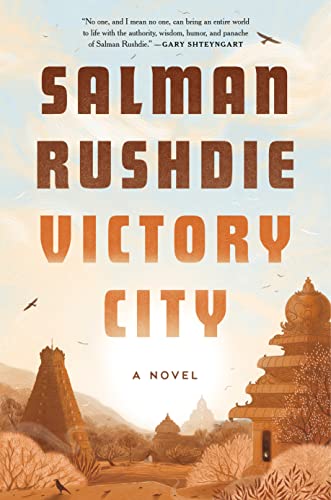
Victory City: A Novel

Read: February 2023

Get this book

Victory City: A Novel

by Salman Rushdie

Victory City: A Novel by Salman Rushdie is an epic tale of a woman who breathes a fantastical empire into existence, only to be consumed by it over the centuries from the transcendent imagination of Booker Prize-winning, internationally bestselling author Salman Rushdie. It is well written and was a page-turner from page one to the end. I highly recommend this novel and encourage everyone to read it.

Brilliantly styled as a translation of an ancient epic, this is a saga of love, adventure, and myth that is a testament to storytelling’s power. After witnessing her mother’s death, the grief-stricken Pampa Kampana becomes a vessel for the goddess Parvati, who begins to speak out of the girl’s mouth. I was hooked when Pampa Kampana provided the seeds that created Victory City out of thin air.

David Remnick’s interview with Salman Rushdie in The New Yorker provided background I would have missed.

“The first kings of Vijayanagara announced, quite seriously, that they were descended from the moon,” Rushdie said. “So when these kings, Harihara and Bukka, announce that they’re members of the lunar dynasty, they’re associating themselves with those great heroes. It’s like saying, ‘I’ve descended from the same family as Achilles.’ Or Agamemnon. And so I thought, Well, if you could say that, I can say anything.”

Above all, the book is buoyed by the character of Pampa Kampana, who, Rushdie says, “just showed up in my head” and gave him his story, his sense of direction. Rushdie’s pleasure in writing the novel was in “world building” and, at the same time, writing about a character building that world: “It’s me doing it, but it’s also her doing it.” The pleasure is infectious. “Victory City” is an immensely enjoyable novel. It is also an affirmation. At the end, with the great city in ruins, what is left is not the storyteller but her words:

I, Pampa Kampana, am the author of this book.
I have lived to see an empire rise and fall.
How are they remembered now, these kings, these queens?
They exist now only in words . . .
I myself am nothing now. All that remains is this city of words.
Words are the only victors.

The Goodreads summary provides a brief overview,

In the wake of an insignificant battle between two long-forgotten kingdoms in fourteenth-century southern India, a nine-year-old girl has a divine encounter that will change the course of history. After witnessing her mother’s death, the grief-stricken Pampa Kampana becomes a vessel for the goddess Parvati, who begins to speak out of the girl’s mouth. Granting her powers beyond Pampa Kampana’s comprehension, the goddess tells her that she will be instrumental in the rise of a great city called Bisnaga–literally victory city–the wonder of the world.

Over the next two hundred and fifty years, Pampa Kampana’s life becomes deeply interwoven with Bisnaga’s, from its literal sowing out of a bag of magic seeds to its tragic ruination in the most human of ways: the hubris of those in power. Whispering Bisnaga and its citizens into existence, Pampa Kampana attempts to make good on Parvati’s task: giving women equal agency in a patriarchal world. But all stories have a way of getting away from their creator, and Bisnaga is no exception. As years pass, rulers come and go, battles are won and lost, and allegiances shift, the very fabric of Bisnaga becomes an ever more complex tapestry–with Pampa Kampana at its center.


The Jan Lilien Education Fund sponsors ongoing sustainability and environmental awareness programs. Gifts made this month; I will match dollar-for-dollar. All donations are tax-deductible.

Subscribe

Contact Us

I receive a commission when you buy a book or product using a link on this page. Thank you for supporting Sharing Jan’s Love blog.


×
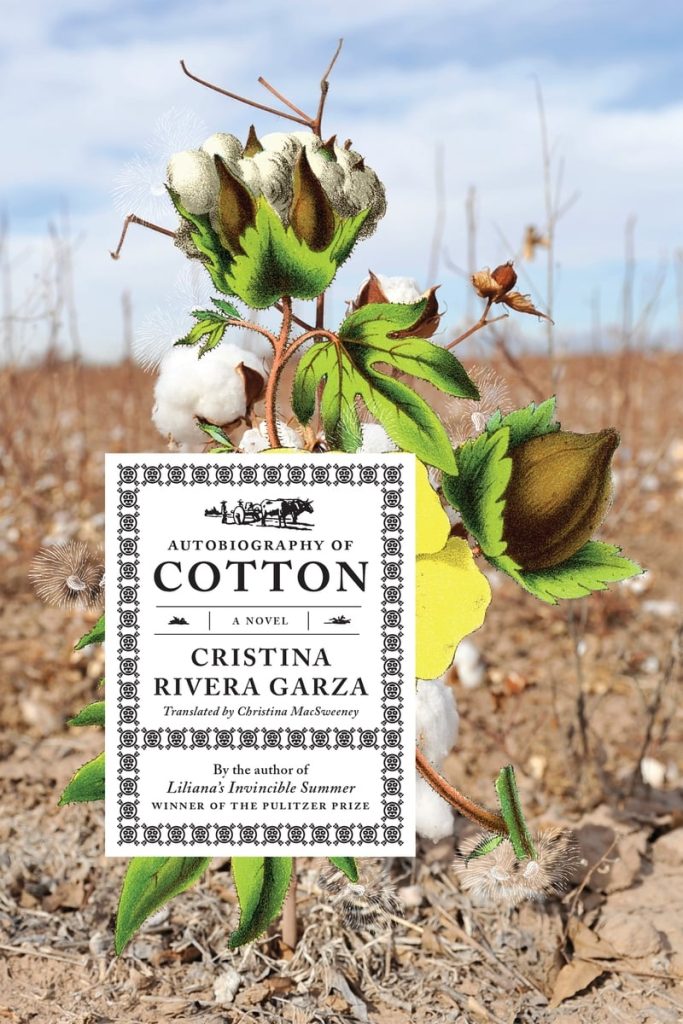
Autobiography of Cotton

Read: February 2026

Get this book

Autobiography of Cotton

by Cristina Rivera Garza

In 1934, a young José Revueltas traveled to Tamaulipas to support the cotton workers’ strike in Estación Camarón, which would later serve as the foundation for his landmark novel, Human Mourning. In her groundbreaking novel Autobiography of Cotton, Cristina Rivera Garza recounts her grandparents’ journey from mining towns to those same cotton fields. Her narrative intersects with Revueltas’s life and offers a vivid and evocative account of the history of cotton cultivation along the Mexico-U.S. border.

Through archival research and personal narrative, Rivera Garza explores how cotton transformed the borderlands by recounting the story of the cotton workers’ strike. She reveals how cycles of deprivation and environmental destruction continue to affect generations. Rivera Garza skillfully creates a new kind of border novel that illustrates how a fragile landscape drastically changed her grandparents’ lives and the territories they helped to develop. In this intimate fictionalization, Autobiography of Cotton offers a rich social history that encompasses agricultural colonization, labor activism, environmental degradation, and cross-border migration.

I recommend “Autobiography of Cotton,” but readers should be patient as the book shifts back and forth in time. Everything becomes clear as you continue reading.


Cristina Rivera Garza is the Pulitzer Prize–winning author of Liliana’s Invincible Summer. A MacArthur Fellow, she is the Hugh Roy and Lillie Cranz Cullen Distinguished Chair and founder of the University of Houston’s PhD in Creative Writing in Spanish.

Christina MacSweeney is the award-winning literary translator of works by Julián Herbert, Valeria Luiselli, and Elvira Navarro. She received the 2024 Sundial Literary Translation Award for her translation of Verónica Gerber Bicecci‘s The Company.


Discover your next favorite book and dive into a world of curated, exciting reads by purchasing through my links. You’ll have access to a diverse selection of books that I’ve personally vetted to ensure quality and enjoyment. Additionally, by supporting these selections, you’ll help me continue to provide you with more personalized recommendations. I earn a small commission from your purchase, which allows me to buy and share even more books with you. Your support truly makes a difference!


×