
Reading is Vital to My Conscientious Resilience!

Estimated reading time: 27 minutes, 0 seconds
Discover the Joy of Reading,
One Book at a Time!

Bookshop, My Preferred Source for Books

Since 2019, I have immersed myself in the world of literature through the cozy resources of the Cranford Library, exploring a treasure trove of e-books via the Libby app. On a few occasions, I have received books as gifts. As I journeyed through different narratives, I purchased e-books from various sources, expanding my library and thriving in diverse stories.

Starting in late 2024, my quest for new literary adventures took a vibrant turn when I discovered Bookshop, which has since become my go-to destination for fulfilling my reading cravings, including eBooks. This platform offers a wide selection of books and seamlessly allows me to support my beloved local haven, The Cranford Bookstore, a pop-up and online store. There’s an enchanting thrill in uncovering fantastic reads while nurturing my community, creating a beautiful connection between my passion for reading and local support!

To help you with your first purchase on Bookshop, click here for a 20% discount.

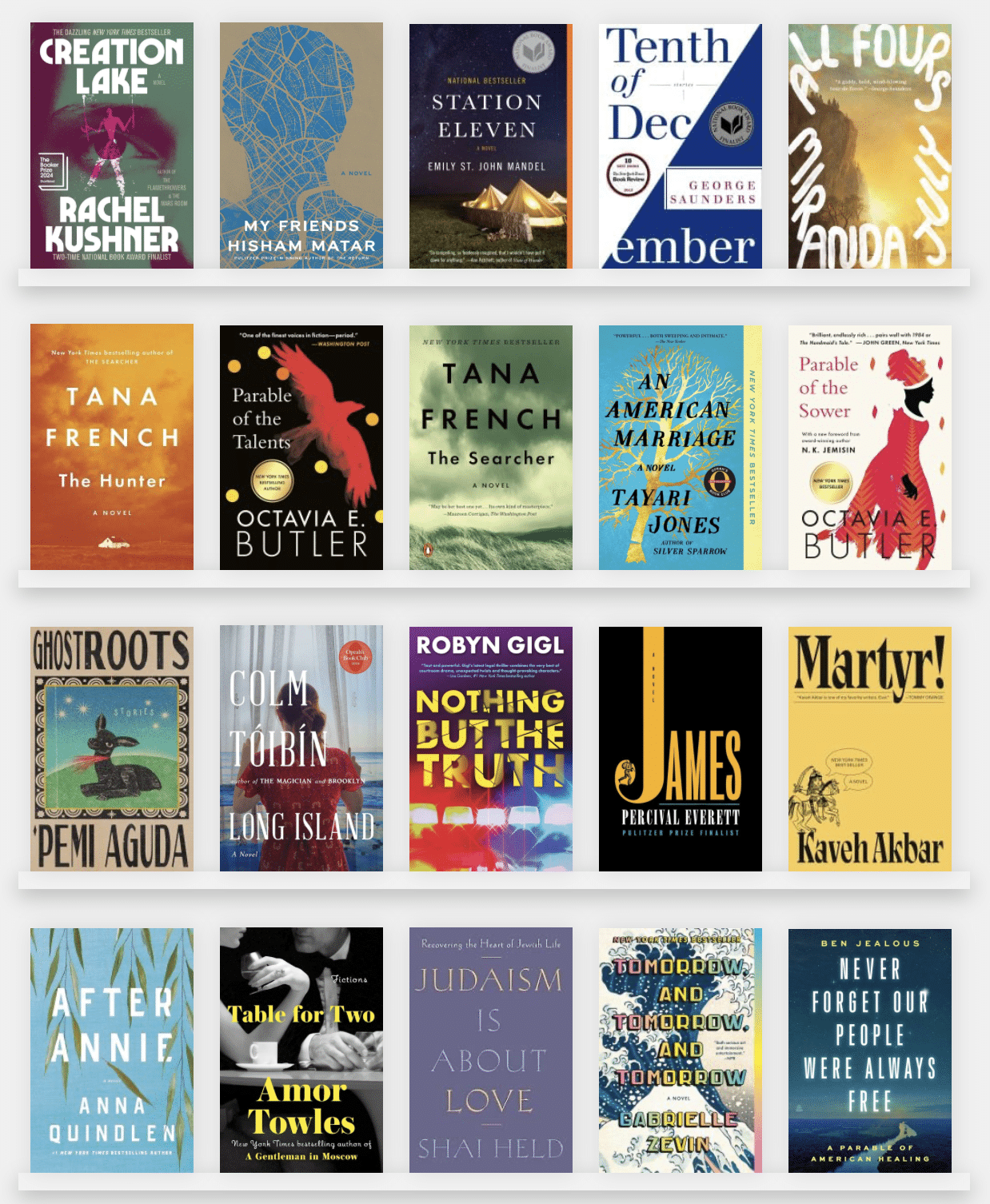
While I continue curating my book lists on Bookshop, I invite you to explore the titles I’ve enjoyed and the ones I’m currently reading. Happy reading!


When you purchase a book through one of my links, I earn a small commission that helps support my passion for reading. This contribution allows me to buy even more books to share with you, creating an incredible cycle of discovering great reads together! Your support truly makes a difference!

A Rainbow of Books

When my sons, Jon and Mike, were little, we shared many joyful moments watching Reading Rainbow together. It struck a chord as I remembered how pivotal books had been in my childhood. Unfortunately, as a busy husband, father, and director of a nonprofit organization, my passion for reading has taken a back seat. While I kept up with newspapers, magazines, and work documents, I couldn’t shake the feeling that I was missing out on something truly significant.

Then, in late 2018, I began a new chapter after stepping away from full-time work. I reignited my love for reading, diving into a world of stories and ideas, and started curating my literary adventures on this website, three hundred and sixteen (316), as I write this. It’s been a rewarding journey, reminding me of the magic books can bring to our lives. Reading has become essential to my conscientious resilience, helping me live fully after loss.

2025 Reading Challenge

2025 Reading Challenge
Richard has read 0 books toward their goal of 25 books.
hide


Each book I’ve read has influenced me differently, with some leaving a more lasting impact than others. As my friend Danny said nearly a year ago, “You are an incredible person! You are a new person! A better person! Jan, although not here physically, has done so much for you!”

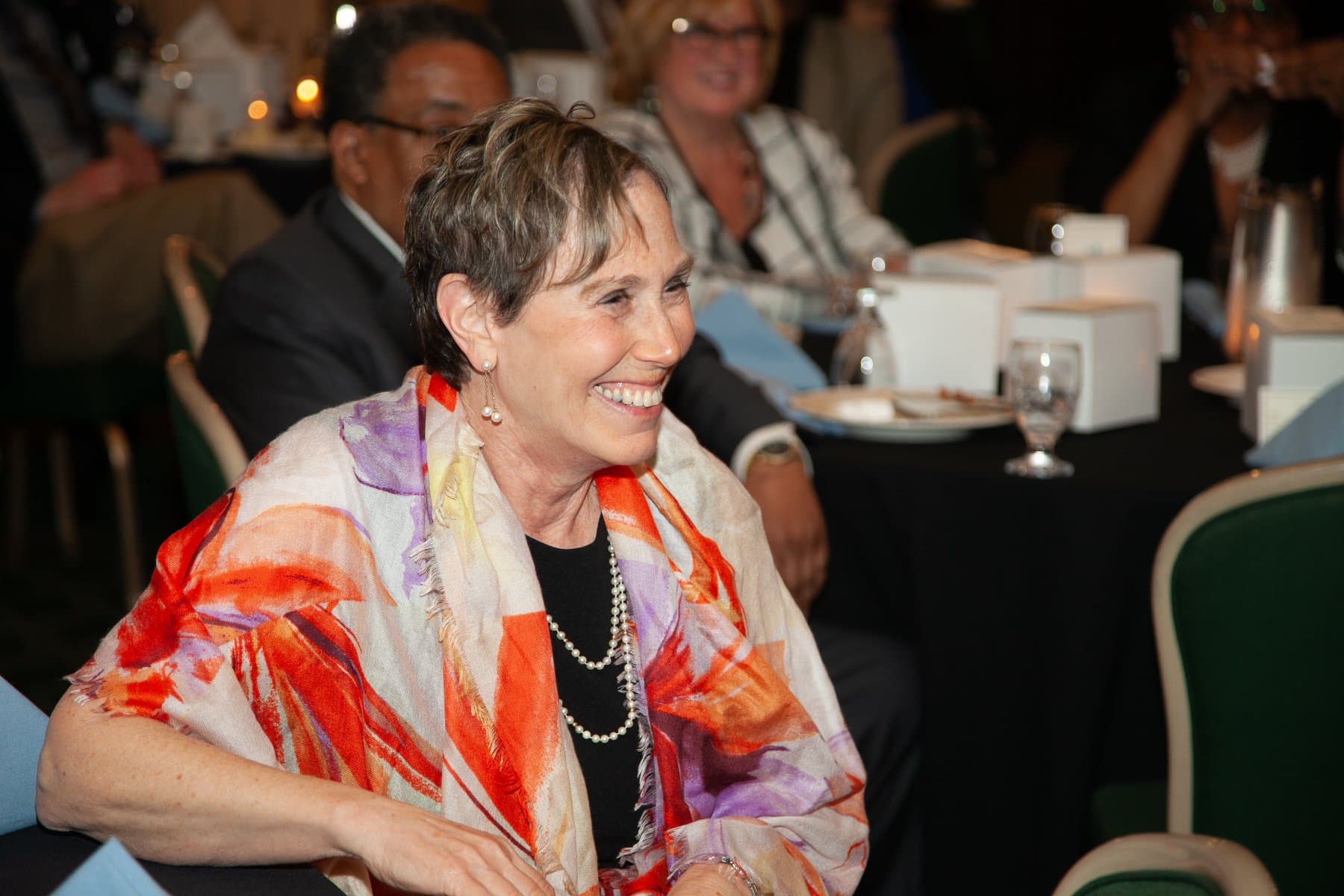
My Rabbi, Rav Uri, echoed similar sentiments during his remarks when I received the Rev. Dr. Martin Luther King, Jr. Distinguished Service Award. If their beliefs are true, much of my improvement can be attributed to the books I have read.

What are you currently reading? Would you like a book recommendation? I have a variety of books to suggest.


The Jan Lilien Education Fund sponsors ongoing sustainability and environmental awareness programs. All donations are tax-deductible.


Contact Us
Subscribe

Creative Commons License

This work is licensed under a Creative Commons Attribution-NonCommercial 4.0 International License.


Pages: 1 2 3 4 5 6 7 8

5 comments add your comment

Share your thoughts and ideas

This site uses Akismet to reduce spam. Learn how your comment data is processed.

The Jan Lilien Education Fund!

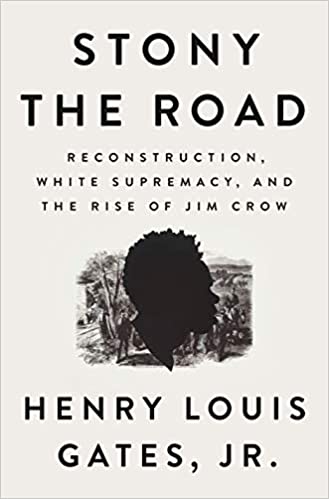
Stony The Road

Read: October 2019

Get this book

Stony the Road

by Henry Louis Gates Jr

Stony the Road: Reconstruction, White Supremacy, and the Rise of Jim Crow by Henry Louis Gates Jr. is a must-read book, especially with white nationalism on the rise.

I read this book when Jan began her chemotherapy. Although the book’s subject – the retreat from reconstruction – was one I studied in college, at times, I found it hard to focus on the material and my wife’s health at the same time. I stayed on the stony road as it is a subject we need to understand if we are going to correct the past failures.

As The New York Times wrote,

Henry Louis Gates Jr.’s “Stony the Road: Reconstruction, White Supremacy, and the Rise of Jim Crow,” an indispensable guide to the making of our times, addresses 2017’s mystifications. The book sets the Obama era beside Reconstruction and the Trump era beside the white supremacist terrorism of Redemption, the period beginning in 1877 during which Reconstruction’s nascent, biracial democracy was largely dismantled. Gates juxtaposes the optimism of Reconstruction, the despair of Redemption, and the promise of the New Negro movement — the effort by black Americans, starting around the turn of the 20th century, to craft a counternarrative to white supremacy. In doing so, “Stony the Road” presents a bracing alternative to Trump-era white nationalism.

Growing up in the Jim Crow south, I was well aware of white nationalism. This book is an essential read if we are going to make America a multi-racial democracy.

Subscribe

Contact Us

×
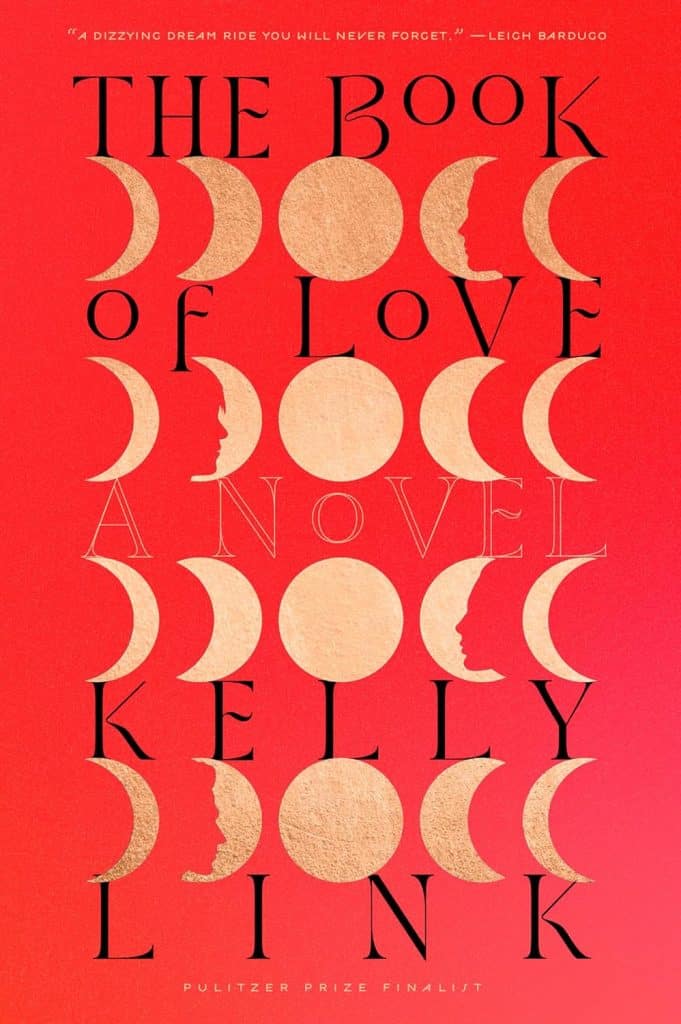
The Book of Love: A Novel

Read: March 2024

Get this book

The Book of Love: A Novel

by Kelly Link

I started reading “The Book of Love: A Novel” by Kelly Link today. The book showcases her exceptional writing skills, where she channels different forms of love, including friendships, romance, and family ties, with her trademark compassion, wit, and literary prowess. Readers can expect to experience joy, a little terror, and an affirmation that love endures despite challenges.

The story revolves around Laura, Daniel, and Mo, who mysteriously vanished from their hometown in Lovesend, Massachusetts, and were presumed dead. However, almost a year later, they find themselves in a high school classroom with their unremarkable music teacher. The teacher seems to know why they disappeared and what brought them back. They agree to undertake magical tasks to reclaim their lives, allowing them to return to their families and friends, but they can’t reveal where they’ve been. The tasks would lead to winners and losers.

Their resurrection attracts the attention of other supernatural beings with their agendas, which puts the community in danger and chaos. As Laura, Daniel, and Mo try to piece their lives together, and Laura’s sister Susannah tries to make sense of what she remembers, they must solve the mystery of their deaths to prevent a looming disaster.

The story takes place in Lovesend, where readers will experience love and loss, laughter and dread, magic, karaoke, and some delicious pizza.

×
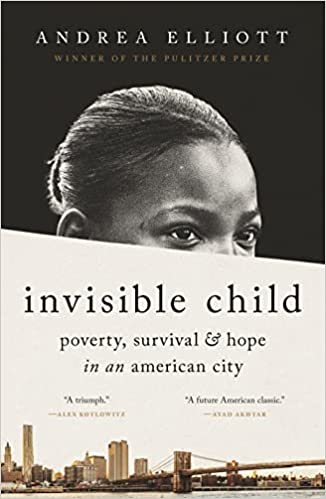
Invisible Child

Read: December 2021

Get this book

Invisible Child: Poverty, Survival & Hope in an American City

by Andrea Elliott

Invisible Child: Poverty, Survival & Hope in an American City by Andrea Elliott was a gift from my son Jon. The New York Times selected “Invisible Child” as one of the best books published this year. It is indeed one of the top books on my all-time list.

GoodReads summary provides a good overview,

The riveting, unforgettable story of a girl whose indomitable spirit is tested by homelessness, poverty, and racism in an unequal America—from Pulitzer Prize-winning journalist Andrea Elliott of The New York Times

Invisible Child follows eight dramatic years in the life of Dasani Coates, a child with imagination as soaring as the skyscrapers near her Brooklyn homeless shelter. Born at the turn of a new century, Dasani is named for the bottled water that comes to symbolize Brooklyn’s gentrification and the shared aspirations of a divided city. As Dasani grows up, moving with her tight-knit family from shelter to shelter, this story goes back to trace the passage of Dasani’s ancestors from slavery to the Great Migration north. When Dasani comes of age, New York City’s homeless crisis explodes as the chasm deepens between rich and poor.

In the shadows of this new Gilded Age, Dasani must lead her seven siblings through a thicket of problems: hunger, parental drug addiction, violence, housing instability, segregated schools, and the constant monitoring of the child-protection system. When, at age thirteen, Dasani enrolls at a boarding school in Pennsylvania, her loyalties are tested like never before. As she learns to “code switch” between the culture she left behind and the norms of her new town, Dasani starts to feel like a stranger in both places. Ultimately, she faces an impossible question: What if leaving poverty means abandoning the family you love?

By turns heartbreaking and revelatory, provocative and inspiring, Invisible Child tells an astonishing story about the power of resilience, the importance of family, and the cost of inequality. Based on nearly a decade of reporting, this book vividly illuminates some of the most critical issues in contemporary America through the life of one remarkable girl.

Jan and I were involved and knew that child poverty and homelessness needed repair. In addition, Jan lived on Washington Park across from Ft. Greene Park in 1974-75. We knew the neighborhood where much of the book’s story takes place. 

Before meeting Jan in 1973, I was both a community/tenant organizer and a youth worker. In the latter role, I made weekly hostel trips for eight to ten young boys from East Williamsburg during 1973. The trips were the first the boys had ever been outside of their neighborhood.

Many of them had imaginations like Dasani. They also had her instinct to fight. One of my first tasks was to check for any weapons.

Decades later, when I would see any of them, now adults, they would ask when we were going on another trip. I wish I had met Jan when I made those trips. She would have helped me improve them and document the impact. If I could re-write history, I would have her join me as the second adult on the hostel trips.

After that summer, it was clear my primary skills were as a community/tenant organizer. Over the next few years, my work focused on creating affordable and supportive housing.

Jan and I did meaningful work that made a difference, yet the need for a permanent solution to the crisis remains. The book highlights the crucial role of resilience, the importance of family, and the cost of inequality. As a nation, we cannot undermine those values by breaking up families, impeding resilience, and maintaining racial and economic inequality. 

The current debate in Washington over the Build Back Better legislation needs to focus not on how much we spend but on its impact on children and families

David Brooks, a conservative commentator, has supported these expenditures for what they can do to address this country’s cultural and economic crisis. 

These packages say to the struggling parents and the warehouse workers: I see you. Your work has dignity. You are paving your way. You are at the center of our national vision.

This is how you fortify a compelling moral identity, which is what all of us need if we’re going to be able to look in the mirror with self-respect. This is the cultural transformation that good policy can sometimes achieve. Statecraft is soulcraft.

If you can only read one book this year, this is the one to read. Child poverty, homelessness, and inequality impact all of us. Ending child poverty and homelessness will make us a healthier and more inclusive nation. It is time for a compelling moral call to action!

Subscribe

Contact Us

When you buy a book or product using a link on this page, I receive a commission. Thank you for supporting Sharing Jan’s Love blog.

×
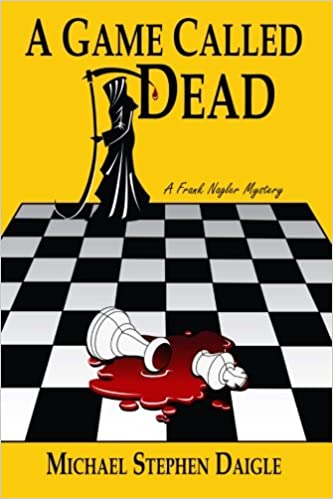
A Game Called Dead

Read: November 2021

Get this book

A Game Called Dead

by Michael Stephen Daigle

A Game Called Dead by Michael Stephen Daigle is the sequel to “The Swamps of Jersey,” the first Frank Nagler Mystery. Having read the fourth one – The Red Hand, I recently read the first one and thought this was an excellent time to read the second in this impressive deceptive series.

Reading the Frank Nagler Mysteries is rare when this reviewer knows the author. Mr. Daigle wrote this is the overview of A Game Called Dead.

Nagler is called to investigate the brutal attack on two women at the local college. It begins a tale of urban terror, which seems to be directed at Nagler and his associates.

The story introduces the mysterious terrorist #ARMEGEDDON, who taunted the police from cyberspace.

The story also digs deeper into Nagler’s past, especially the old Charlie Adams serial-killer case, and his relationship with Lauren Fox, who played a crucial role in exposing the political corruption in “Swamps.” She is back and steps into the front of Nagler’s life.

The story also introduced Harriet Waddley-Jones, a college dean, Nagler’s nemesis, and later ally.

Each book is a challenge to write a “better” book. In this case, I wanted tighter, faster action to develop a theme and flow to help carry the story. Sound and the description of sound are keys.

I also wanted Nagler to confront aspects of his past. Can he reconcile them, or will they always haunt him?

This reviewer’s opinion was a more substantial plot than the first book in the Frank Nagler Mysteries. Like all good mysteries, the suspense built page by page, and I figured out who the villain was late in the novel.

The one part that was difficult for me to read was the ending and the potential reigniting of the relationship with Lauren Fox. Having lost Jan, my wife, this year, I am aware of Frank Nagler’s pain in the first book about losing his wife. Ms. Fox only appeared in The Swamps of Jersey as a lost friend. I understand that some widows need to find love again to feel happy, which is not what I need or am seeking. The next book may provide some difficult moments on this topic, but I look forward to reading the next Frank Nagler Mystery.

Subscribe

Contact Us

When you buy a book or product using a link on this page, I receive a commission. Thank you for supporting Sharing Jan’s Love blog.

×
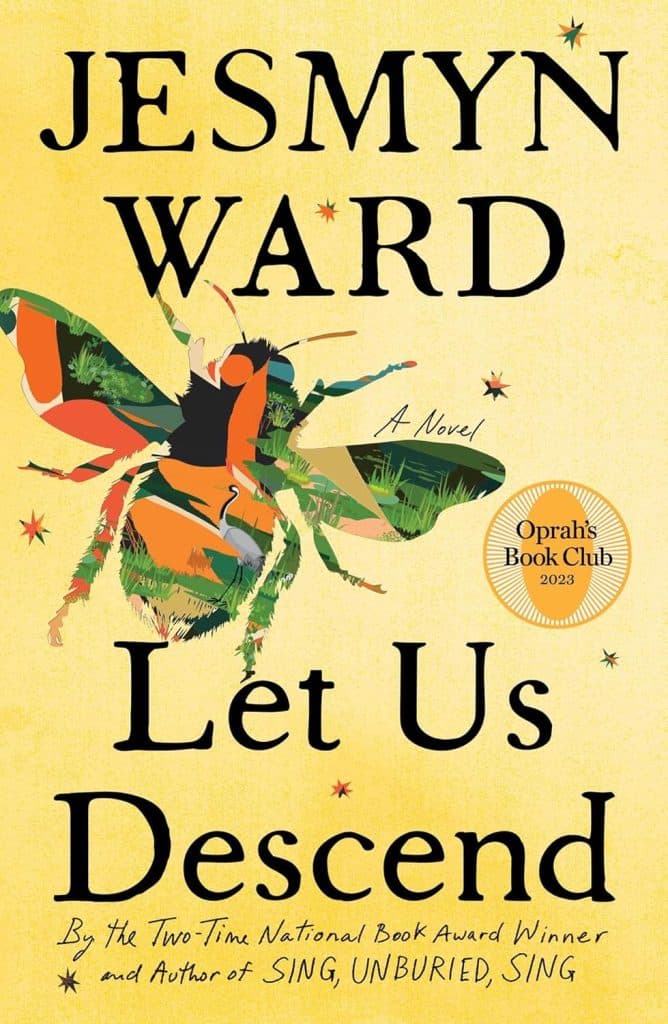
Let Us Descend: A Novel

Read: November 2023

Get this book

Let Us Descend: A Novel

by Jesmyn Ward

Today, I started reading Let Us Descend: A Novel by Jesmyn Ward. She is a two-time National Book Award winner, the youngest winner of the Library of Congress Prize for American Fiction, and a MacArthur Fellow. The book is a haunting masterpiece that is sure to become an instant classic. It tells the story of an enslaved girl in the years before the Civil War.

The book’s title is from Dante Alighieri’s Inferno: “‘Let us descend,’ the poet now began, ‘and enter this blind world.” Let Us Descend is a reimagining of American slavery, beautifully rendered yet heart-wrenching. The novel takes us on a journey from the rice fields of the Carolinas to the slave markets of New Orleans and into the fearsome heart of a Louisiana sugar plantation.

Annis is the reader’s guide through this hellscape, sold south by the white enslaver who fathered her. As Annis struggles through the miles-long march, she turns inward, seeking comfort from memories of her mother and stories of her African warrior grandmother. Throughout the journey, she opens herself to a world beyond this world, one teeming with spirits: of earth and water, of myth and history, spirits who nurture and give, and those who manipulate and take. While Ward leads readers through the descent, this, her fourth novel, is ultimately a story of rebirth and reclamation.

Let Us Descend is a magnificent novel that inscribes Black American grief and joy in the very land of the American South. Ward’s writing takes you through the rich but unforgiving forests, swamps, and rivers of the South, making this novel a masterwork for the ages.


The Jan Lilien Education Fund sponsors ongoing sustainability and environmental awareness programs. Gifts made this month; I will match dollar-for-dollar. All donations are tax-deductible.

Subscribe

Contact Us

I receive a commission when you buy a book or product using a link on this page. Thank you for supporting Sharing Jan’s Love blog.


×
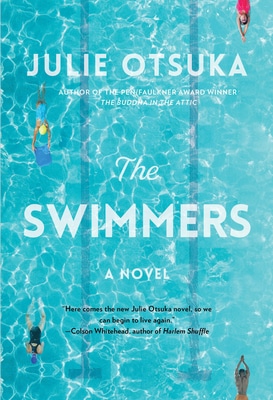
The Swimmers: A Novel

Read: October 2022

Get this book

The Swimmers: A Novel

by Julie Otsuka

The Swimmers: A Novel by Julie Otsuka is a novel about what happens to a group of obsessed recreational swimmers when a crack appears at the bottom of their local pool. This searing, intimate story of mothers and daughters—and the sorrows of implacable loss—is the most commanding and unforgettable work yet from a modern master. I highly recommend The Swimmers: A Novel by Julie Otsuka.

The novel was a page-turner from the first to the last page. It had been on my to-read list for months, and I am happy to start reading The Swimmers: A Novel by Julie Otsuka

Memory loss is a frightening situation for anyone. Ms. Otuska writes powerfully and eloquently about Alice’s loss of her memory. I felt as if it was one of my loved ones.

The Goodreads summary provides an overview,

The swimmers are unknown to one another except through their private routines (slow lane, medium lane, fast lane) and the solace each takes in their morning or afternoon laps. But when a crack appears at the bottom of the pool, they are cast out into an unforgiving world without comfort or relief.

One of these swimmers is Alice, who is slowly losing her memory. The pool was a final stand against the darkness of her encroaching dementia for Alice. Without the fellowship of other swimmers and the routine of her daily laps, she is plunged into dislocation and chaos, swept into memories of her childhood and the Japanese American incarceration camp where she spent the war. Alice’s estranged daughter, reentering her mother’s life too late, witnesses her stark and devastating decline.


The Jan Lilien Education Fund sponsors ongoing sustainability and environmental awareness programs. Gifts made this month; I will match dollar-for-dollar. All donations are tax-deductible.

Subscribe

Contact Us

I receive a commission when you buy a book or product using a link on this page. Thank you for supporting Sharing Jan’sJan’s Love blog.

×

Discover more from Sharing Jan’s Love

Subscribe now to keep reading and get access to the full archive.

Continue reading