
Reading is Vital to My Conscientious Resilience!

Estimated reading time: 27 minutes, 0 seconds
Nonfiction

Before 2019, my bookshelf was a carefully curated anthology, primarily showcasing the illuminating realms of nonfiction. Having dreamed of becoming a history teacher, I found comfort in the captivating stories of the past, immersing myself in detailed narratives that brought history to life. Yet as my reading journey evolved, it became a vibrant tapestry, beautifully blending fiction and nonfiction. While I still revel in the gripping realities of true stories, I now crave narratives that ignite my imagination, weaving creativity and depth into each page. These layered tales invite me to delve deeper, prompting a quest for more profound truths that resonate long after the last page.

Judaism is About Love

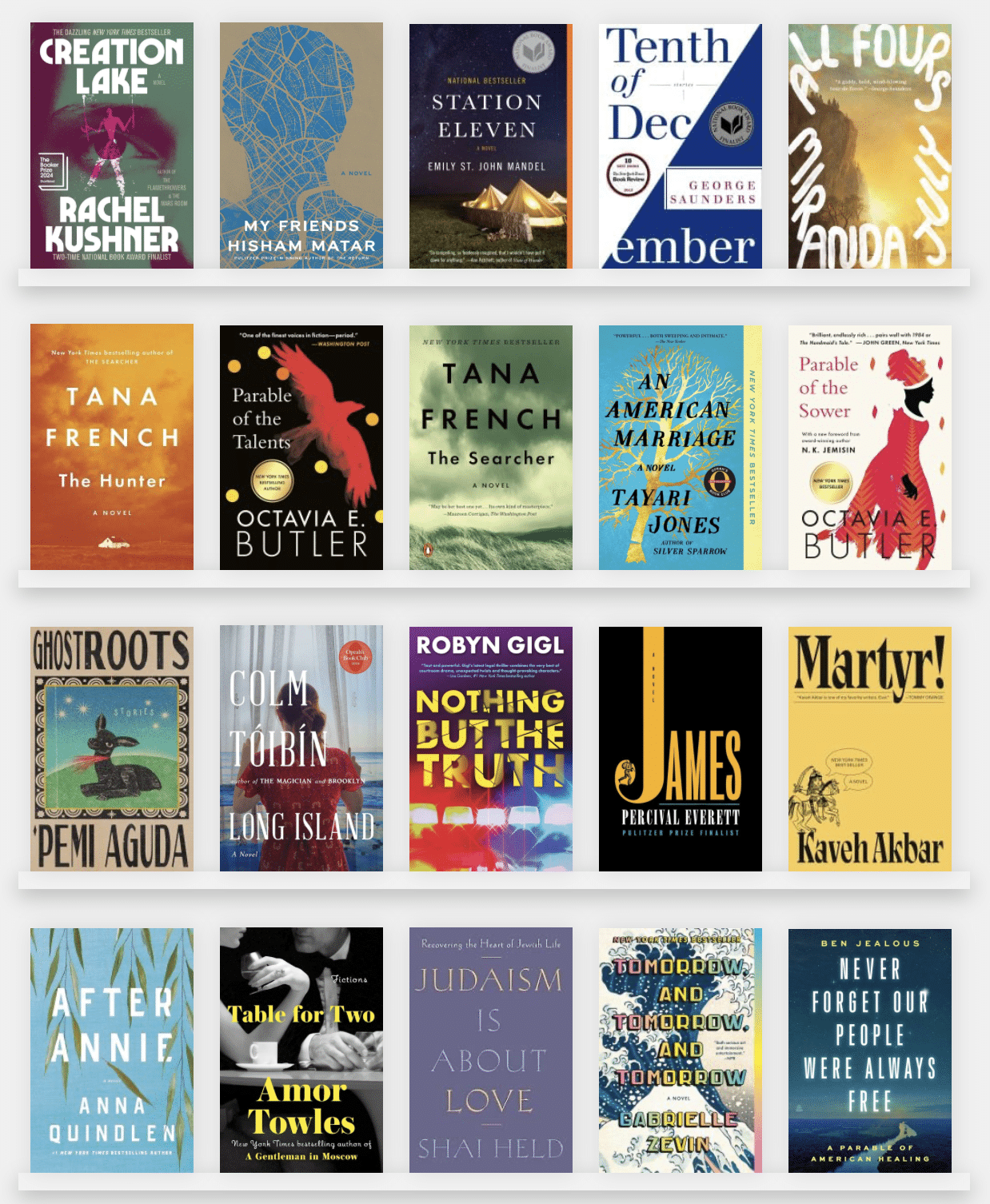
Judaism Is About Love,” by Rabbi Shai Held, is a remarkable work that offers a profound and innovative perspective on Jewish life. It challenges a long-standing misconception that has shaped the Western narrative: that Christianity is the religion of love while Judaism is solely about law. Rabbi Shai Held, a prominent Jewish thinker in America, passionately argues against this misconception, asserting that love is not just an aspect of Judaism but a fundamental cornerstone of the faith. He seeks to reclaim the heart of the Jewish tradition.

Rabbi Held aims to present Judaism authentically by combining intellectual rigor, respect for tradition, and a vibrant expression of Its Faith. He illustrates that love underpins true Jewish beliefs and influences our views on injustice, protest, grace, family life, responsibilities toward neighbors and enemies, and the concept of chosenness.
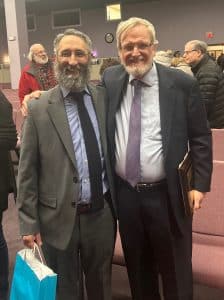
During this year’s Yom Kippur service at Temple Sha’arey Shalom, Rav Uri’s mention of this book sparked a profound connection to the Divine, which resonated deeply with themes echoed in my writings, “Love Can Conquer Even Death” and “High Holiday Meditation Cleanses My Soul.” Rabbi Held’s focus on love, meaning, purpose, and faith has guided me in my quest to become the best version of myself.

Judaism Is About Love” is a work of ambition and revelation. It serves as a guiding light, illuminating the true Essence of Judaism. More than just a book, it is an act of inner restoration, reclaiming the authentic expression of the Jewish faith.

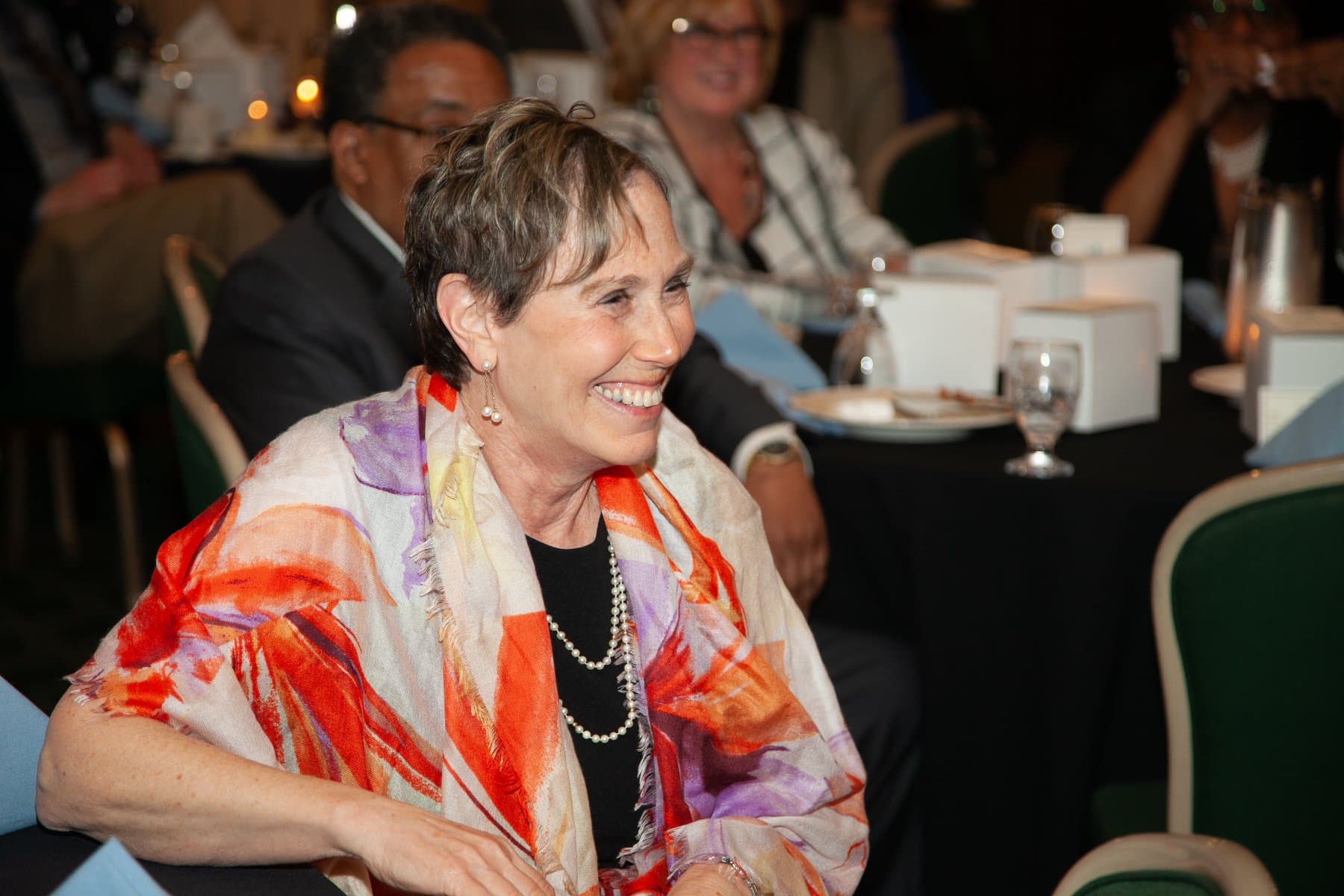
Rabbi Held reminds us, in a quote I used in my acceptance speech for the Rev. Dr. Martin Luther King, Jr. Distinguished Service Award, “Having endured an assault on justice, we reaffirm that a commitment to justice is possible and urgently necessary. And having been violated by hate, we insist that love is still possible.”


Never Forget Our People Were Always Free
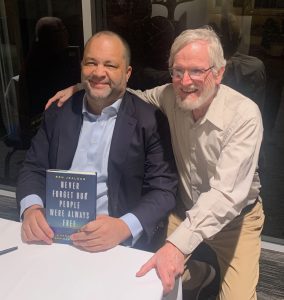
Ben Jealous
Ben Jealous and Me

Never Forget Our People Were Always Free: A Parable of American Healing,” written by Ben Jealous, the Executive Director of the Sierra Club, emphasizes that healing America’s fractured spirit begins with each of us finding the courage to heal ourselves. Jealous underscores the importance of seeing one another as family, suggesting we consider one another cousins. This perspective is essential in our efforts to prevent and end homelessness, as those experiencing homelessness are, in fact, our cousins. We should not treat our loved ones in this manner.

Through his lively, courageous, and empathetic storytelling, Jealous urges every American to look beyond deep divisions and recognize that we are all in the same situation. Throughout the book, he explores several profound questions, including:

  • Why do white men die from suicide more often than black men die from murder?
  • How did racial profiling contribute to the death of an American president?
  • What occurs when a Ku Klux Klan member contemplates the teachings of Jesus?
  • How did Dave Chappelle know that the DC Snipers were Black?
  • Why shouldn’t the civil rights movement stop working with white communities?
  • When is what we have collectively forgotten about race more significant than what we know?
  • What insights can we gain from our elders’ most indecipherable thoughts about ourselves?

Never Forget Our People Were Always Free” is told through parables and offers intimate glimpses of political and faith leaders such as Jack Kemp, Stacey Abrams, and the late Archbishop Desmond Tutu. The book also highlights unexpected heroes, including a retired constable, a female pirate from Madagascar, a long-lost Irishman, a death row inmate, and a man with a Confederate flag tattooed over his heart.


Pages: 1 2 3 4 5 6 7 8

5 comments add your comment

Share your thoughts and ideas

This site uses Akismet to reduce spam. Learn how your comment data is processed.

The Jan Lilien Education Fund!

The Singing Word

Read: September 2025

Get this book

The Singing Word

by Walt Hunter

The Singing Word: 168 Years of Atlantic Poetry, edited by Walt Hunter, celebrates the people, land, and spirit of America. This remarkable collection showcases a wide range of contemporary and historical poetry from the 168-year archive of The Atlantic magazine. Since its first issue in 1857, the poetry published in The Atlantic has drawn attention to the nation’s ongoing journey of self-discovery.

The magazine’s verse has featured odes to American leaders and landscapes, laments for the dead, and calls for change, appealing to the enduring ideals of Atlantic readers.

This one-of-a-kind collection selects poems of rousing optimism, clear-eyed realism, and moving lyricism—poems infused with the language of America’s songs, myths, and history, from the Civil War up through the present in three rich parts: National Anthems, Natural Lines, and Personal Mythologies.

Curated by The Atlantic’s Poetry Editor, this anthology features both world-famous poets—from Longfellow to Limón, including Robert Frost, W. S. Merwin, Sylvia Plath, and Adrienne Rich—as well as poets whose work has never before been published outside of the magazine.

Offering readers an essential understanding of American canon and the evolving nation, its poets have yearned to capture—the poetry of The Atlantic is the poetry of America.


Walt Hunter is a professor of twentieth- and twenty-first-century literature and chair of the English department at Case Western Reserve University. He is also the fiction and poetry editor for The Atlantic.


Discover your next favorite book and dive into a world of curated, exciting reads by purchasing through my links. You’ll have access to a diverse selection of books that I’ve personally vetted to ensure quality and enjoyment. Additionally, by supporting these selections, you’ll help me continue to provide you with more personalized recommendations. I earn a small commission from your purchase, which allows me to buy and share even more books with you. Your support truly makes a difference!


×
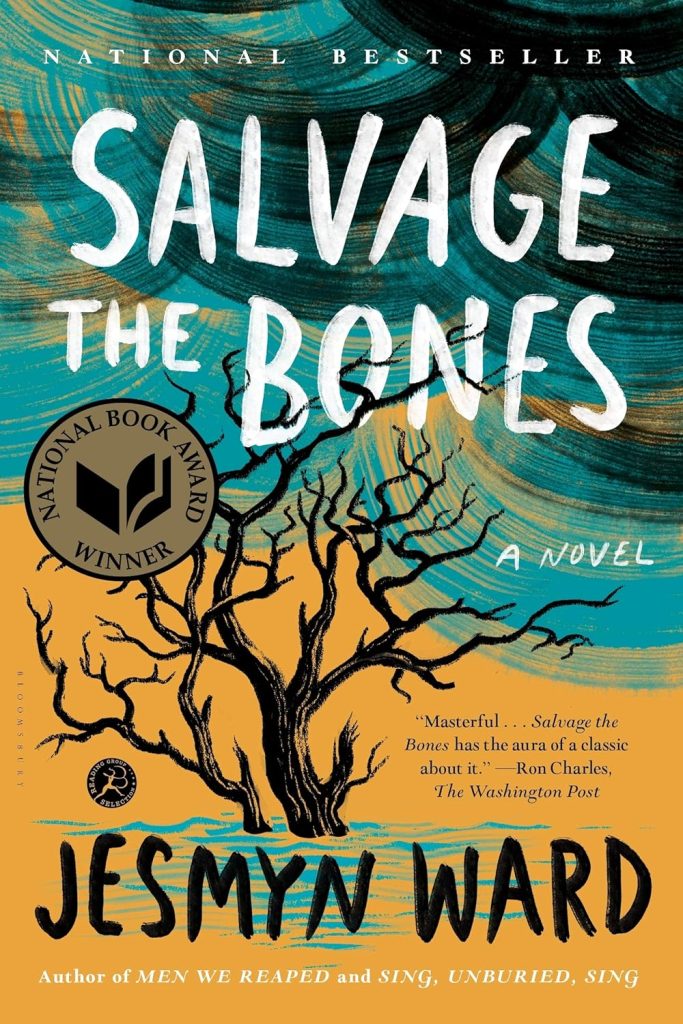
Salvage the Bones: A Novel

Read: September 2024

Get this book

Salvage the Bones: A Novel

by Jesmyn Ward

I’ve started reading “Salvage the Bones: A Novel” by Jesmyn Ward, a two-time National Book Award winner and author of “Sing, Unburied, Sing.” The book delivers a gritty yet tender story about family and poverty in the days leading up to Hurricane Katrina. Hurricane Helene’s devastation makes it the perfect time to read this book. The novel is among The New York Times’ 100 Best Books of the 21st Century.

The story is set in Bois Sauvage, Mississippi, where a hurricane is building over the Gulf of Mexico, threatening the city. Esch’s father is growing concerned, although he is often absent and a heavy drinker. Esch and her three brothers are stocking food, but there is little to save. Esch, who is fourteen, is pregnant and struggling to keep down the little food she gets. Her brother Skeetah is trying to care for his pit bull’s new litter, which is dying one by one. Meanwhile, brothers Randall and Junior struggle with family dynamics and lack parental guidance.

As the twelve days that make up the novel’s framework yield their dramatic conclusion, this unforgettable family – motherless children sacrificing for one another, protecting and nurturing where love is scarce – pulls itself up to face another day. The novel is a big-hearted story about familial love and community against all odds, offering a wrenching look at the lonesome, brutal, and restrictive realities of rural poverty. “Salvage the Bones” is a revelatory, honest, and poignant exploration of social issues, filled with poetry and emotional depth.

×
The Once and Future Witches

Read: March 2022

Get this book

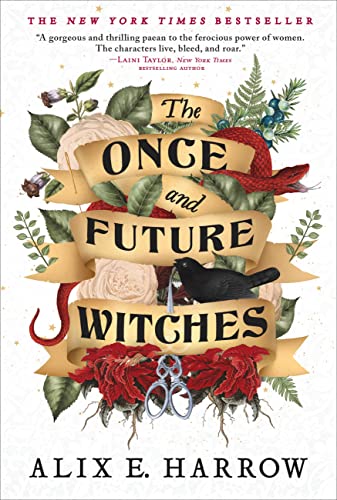
The Once and Future Witches

by Alix E. Harrow

The Once and Future Witches by Alix E. Harrow was on hold at my library for several weeks. It arrived today, and I could not imagine a better book to read for Women’s History Month. An homage to women’s invincible power and persistence, The Once and Future Witches reimagines stories of revolution, motherhood, and women’s suffrage—the lost ways are calling.

Although I found the book at times a slow read, I enjoyed it very much and highly recommend it. My only regret is that it had less to do with the suffrage movement than expected. In the late 1800s, three sisters used witchcraft to change the course of history in this powerful novel of magic, family, and the suffragette movement.

Goodreads summary provides an overview.

In 1893, there was no such thing as witches. There used to be, in the wild, dark days before the burnings began, but now witching is nothing but tidy charms and nursery rhymes. If the modern woman wants any measure of power, she must find it at the ballot box.

But when the Eastwood sisters―James Juniper, Agnes Amaranth, and Beatrice Belladonna―join the suffragists of New Salem, they begin to pursue the forgotten words and ways that might turn the women’s movement into the witch’s movement. Stalked by shadows and sickness, hunted by forces who will not suffer a witch to vote―and perhaps not even to live―the sisters will need to delve into the oldest magics, draw new alliances, and heal the bond between them if they want to survive.

There’s no such thing as witches. But there will be.

Register to Attend Celebrate Jan Day

Subscribe

Contact Us

When you buy a book or product using a link on this page, I receive a commission. Thank you for supporting Sharing Jan’s Love blog.

×
The Mango Tree: A Memoir of Fruit, Florida, and Felony

Read: April 2024

Get this book

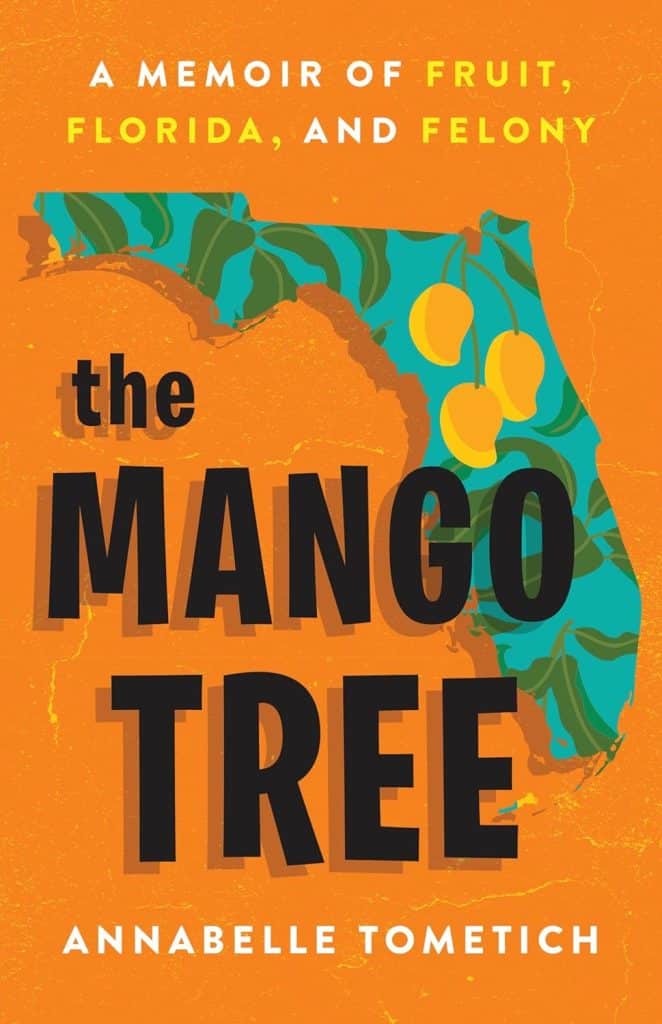
The Mango Tree

by Annabelle Tometich

Today, I started reading Annabelle Tometich‘s The Mango Tree: A Memoir of Fruit, Florida, and Felony. The Mango Tree is not just a memoir but a profoundly emotional family saga. It takes us through the complexities of Annabelle’s life, from her childhood in a house filled with balikbayan boxes, vegetation, and luscious mangoes to her journey from aspiring medical student to restaurant critic.

It is a tribute to her fellow Filipino Americans, her younger self, and the mango tree symbolizing her family. Above all, it is a heartfelt homage to Annabelle’s mother, Josefina, who carved out a life and a home without whom Annabelle would not be who she is.

When journalist Annabelle Tometich picked up the phone one June morning, she wasn’t expecting a collect call from an inmate at the Lee County Jail. And when she accepts, she certainly isn’t prepared to hear her mother’s voice on the other end of the line. However, explaining the situation to her younger siblings afterward was easy; all she had to say was, “Mom shot at some guy. He was messing with her mangoes.” They immediately understood. Answering the questions of the breaking news reporter—at the same newspaper where Annabelle worked as a restaurant critic––proved more difficult. Annabelle decided to go with a variation of the truth: it was complicated.

Thus commences The Mango Tree, a memoir that deftly weaves a tapestry of a mixed-race Filipina’s life in suburban Florida. Annabelle’s journey is not linear but a series of interconnected stories that delve into her upbringing, her father’s tragic demise, her mother’s longing for her homeland, and her quest for identity.

×
The Land in Winter

Read: November 2025

Get this book

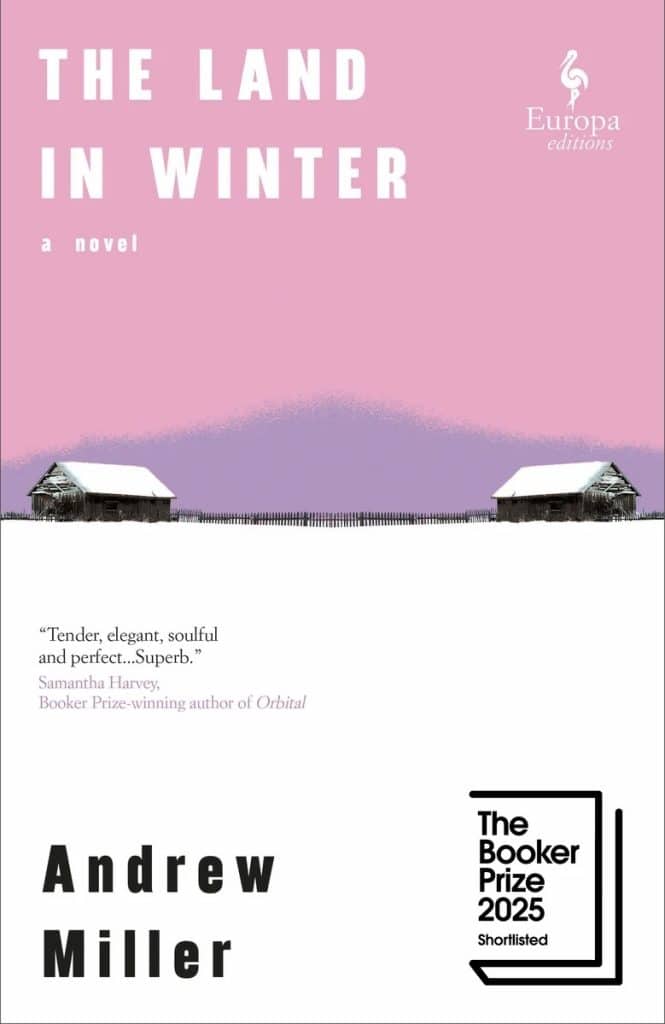
The Land in Winter: A Novel

by Andrew Miller

The Land in Winter” by Andrew Miller is a captivating exploration of relationships and a masterclass in storytelling. It reaffirms Miller’s status as one of the most brilliant chroniclers of the human heart. The novel has been shortlisted for the 2025 Booker Prize and has also won the 2025 Walter Scott Prize for Historical Fiction and the 2025 Winston Graham Historical Prize for Fiction.

December 1962: In a village deep in the English countryside, two neighboring couples begin the day. Local doctor Eric Parry commences his rounds in the town while his pregnant wife, Irene, wanders the rooms of their old house, mulling over the space that has grown between the two of them.

On the farm nearby lives Irene’s mirror image: witty but troubled Rita Simmons is also expecting. She spends her days trying on the idea of being a farmer’s wife, but her head still swims with images of a raucous past that her husband, Bill, prefers to forget.

When Rita and Irene meet across the bare field between their houses, a clock starts. There is still affection in both their homes; neither marriage has yet been abandoned. But when the ordinary cold of December gives way–ushering in violent blizzards of the harshest winter in living memory–so do the secret resentments harbored in all four lives.

An exquisite, page-turning examination of relationships, The Land in Winter is a masterclass in storytelling–proof yet again that Andrew Miller is one of the most dazzling chroniclers of the human heart.


Andrew Miller‘s first novel, Ingenious Pain, was published by Sceptre in 1997. It won several prestigious awards, including the James Tait Black Memorial Prize, the International IMPAC Dublin Literary Award, and the Grinzane Cavour Prize for the best foreign novel published in Italy.

Following Ingenious Pain, he released several other novels: Casanova, Oxygen (which was shortlisted for the Booker Prize and the Whitbread Novel of the Year Award in 2001), The Optimists, One Morning Like a Bird, Pure (which won the Costa Book of the Year Award in 2011), The Crossing, Now We Shall Be Entirely Free, The Slowworm’s Song, and The Land in Winter (which won the Winston Graham Historical Prize and the Walter Scott Prize for Historical Fiction in 2025).

Andrew Miller’s novels have been translated into twenty languages. He was born in Bristol in 1960 and currently resides in Somerset.


Discover your next favorite book and dive into a world of curated, exciting reads by purchasing through my links. You’ll have access to a diverse selection of books that I’ve personally vetted to ensure quality and enjoyment. Additionally, by supporting these selections, you’ll help me continue to provide you with more personalized recommendations. I earn a small commission from your purchase, which allows me to buy and share even more books with you. Your support truly makes a difference!


×
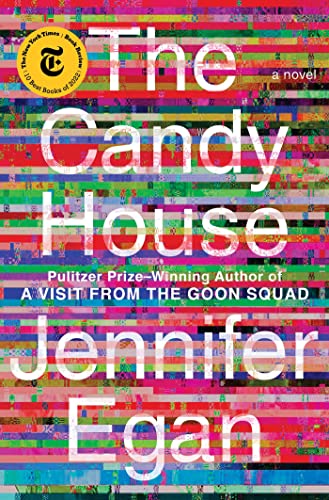
The Candy House

Read: December 2022

Get this book

The Candy House: A Novel

by Jennifer Egan

The Candy House: A Novel by Jennifer Egan focuses on a new technology that allows you access to every memory you’ve ever had and to share your memories in exchange for access to the memories of others—it has seduced multitudes. According to the NYTimes, “this is minimalist maximalism. As a widow, I live in a world of memories, but I would not want them shared as they are in The Candy House. “It’s as if Egan compressed a big 19th-century novel onto a flash drive.”

Of course, I am not able to access my unconscious memories. Albeit in an amateur way, I write down some of my memories as they remind me of the power of the love that Jan and I shared. For example, the essay when I met Jan rekindles the memory and attempts to tell the story the way it happened, not how some would like it to be remembered.

The Candy House is one of the NYTimes’ top five fiction books of 2022. I have read two of them, The Furrows and Checkout 19. Initially, I was overwhelmed by the multitude of characters and was confused. By the novel’s middle, their interconnectedness helped me understand its real meaning. In the end, Egan delivers a fierce and exhilarating testament to the tenacity and transcendence of human longing for authentic connection, love, family, privacy, and redemption. As a widow, authenticity Is what I need to heal.

The Candy House is the seventieth (70) book I have read this year. 

The Goodreads summary provides an overview.

It’s 2010. Staggeringly successful and brilliant tech entrepreneur Bix Bouton is desperate for a new idea. He’s forty, with four kids, and restless when he stumbles into a conversation with mostly Columbia professors, one of whom is experimenting with downloading or “externalizing” memory. Within a decade, Bix’s new technology, Own Your Unconscious—that allows you access to every memory you’ve ever had and to share every memory in exchange for access to the memories of others—has seduced multitudes. But not everyone.

In spellbinding linked narratives, Egan spins out the consequences of Own Your Unconscious through the lives of multiple characters whose paths intersect over several decades. Egan introduces these characters in an astonishing array of styles—from omniscient to first person plural to a duet of voices, an epistolary chapter, and a chapter of tweets. In the world of Egan’s spectacular imagination, there are “counters” who track and exploit desires and “eluders” who understand the price of taking a bite of the Candy House.

Intellectually dazzling and extraordinarily moving, The Candy House is a bold, brilliant imagining of a world that is moments away. With a focus on social media, gaming, and alternate worlds, you can almost experience moving among dimensions in a role-playing game.​ Egan delivers a fierce and exhilarating testament to the tenacity and transcendence of human longing for real connection, love, family, privacy, and redemption.


The Jan Lilien Education Fund sponsors ongoing sustainability and environmental awareness programs. Gifts made this month; I will match dollar-for-dollar. All donations are tax-deductible.

Subscribe

Contact Us

I receive a commission when you buy a book or product using a link on this page. Thank you for supporting Sharing Jan’s Love blog.


×

Discover more from Sharing Jan’s Love

Subscribe now to keep reading and get access to the full archive.

Continue reading