

Jan's Coffee Mugs

Jan’s Priceless Coffee Mugs

Estimated reading time: 0 minutes, 43 seconds

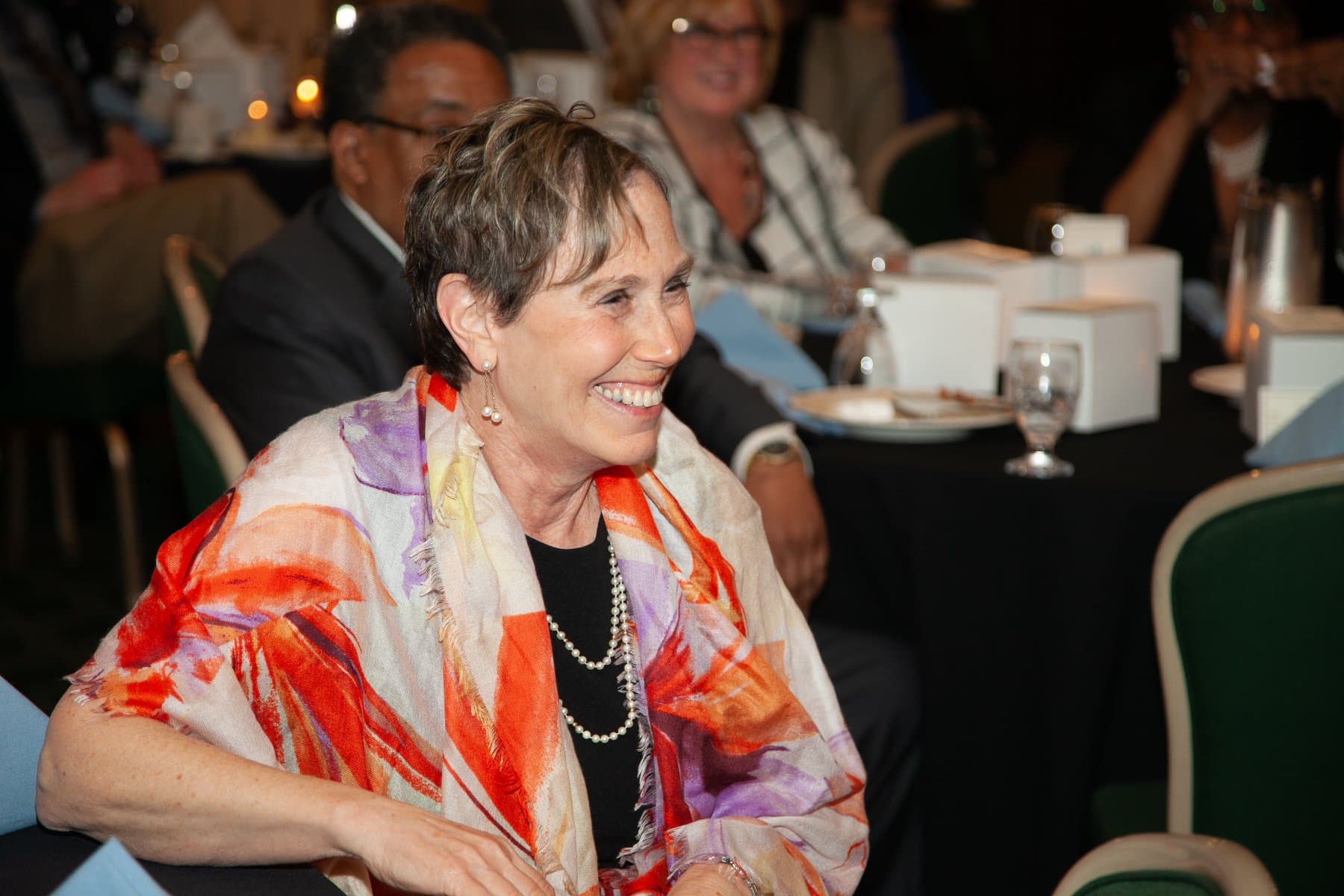
Front of Jan's Coffee MugWe are ninety days away from Celebrate Jan Day!

I have celebrated every one of her birthdays since her twenty-fourth. I have no plans to stop remembering Jan on her birthday and every day!

We have a mock-up of sixteen-ounce coffee mugs to share as giveaways.

The front side will have the graphic Linda, my sister-in-law, designed. This is the logo for the event and the Jan Lilien Education Fund.

In discussing it, someone asked if the mugs would be too expensive.

My response was Sharing Jan’s Love with coffee mugs is priceless.

Love never dies; it only grows stronger every day!

Celebrate Jan

Subscribe

Contact Us

When you buy a book or product using a link on this page, I receive a commission. Thank you for supporting Sharing Jan’s Love blog.

Share your thoughts and ideas

This site uses Akismet to reduce spam. Learn how your comment data is processed.

The Jan Lilien Education Fund!

Jan's Coffee Mugs
×
Lincoln in the Bardo: A Novel

Read: August 2024

Get this book

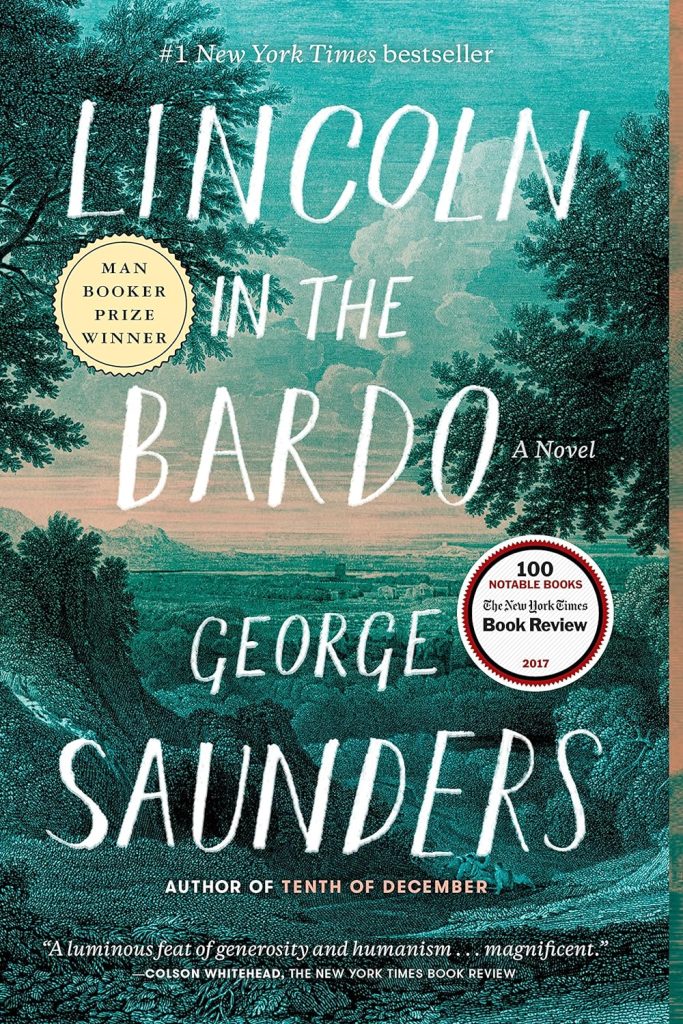
Lincoln in the Bardo: A Novel

by George Saunders

My journey with “Lincoln in the Bardo: A Novel” by George Saunders began with recognition as one of The New York Times’ 100 Best Books of the Century. As I turned its pages, I was immersed in its profound exploration of living and loving in the face of inevitable endings. The book, which struck a personal chord with me after a loss, is a testament to Saunders’ storytelling prowess and a must-read for those interested in Abraham Lincoln.

February 1862. The Civil War is less than one year old. The fighting has begun in earnest, and the nation has already realized it is in for a long, bloody struggle. Meanwhile, President Lincoln’s beloved eleven-year-old son, Willie, lies upstairs in the White House, gravely ill. In a matter of days, despite predictions of a recovery, Willie dies and is laid to rest in a Georgetown cemetery. “My poor boy, he was too good for this earth,” the president says at the time. “God has called him home.” Newspapers report that a grief-stricken Lincoln returns, alone, to the crypt several times to hold his boy’s body.

From a seed of historical truth, George Saunders weaves an unforgettable tale of familial love and loss that transcends its realistic, historical framework. The story takes a daring leap into a realm that is hilarious and terrifyingly supernatural. Willie Lincoln’s journey in a strange purgatory, where ghosts mingle, gripe, commiserate, quarrel, and enact bizarre acts of penance, is a testament to Saunders’ imaginative prowess. The monumental struggle over young Willie’s soul in this transitional state, known as the bardo in the Tibetan tradition, is a narrative that will leave you spellbound.

Lincoln in the Bardo is an astonishing feat of imagination and a bold step forward from one of his generation’s most important and influential writers. Formally daring, generous in spirit, and deeply concerned with matters of the heart, it is a testament to fiction’s ability to speak honestly and powerfully about the things that matter to us. Saunders has invented a thrilling new form that deploys a kaleidoscopic, theatrical panorama of voices to ask a timeless, profound question: How do we live and love when we know everything we love must end?


George Saunders is the author of thirteen books, including the novel Lincoln in the Bardo, which won the Booker Prize, and five collections of stories, including Tenth of December, which was a finalist for the National Book Award, and the recent collection Liberation Day (selected by former President Obama as one of his ten favorite books of 2022).

Three of Saunders’s books—Pastoralia, Tenth of December, and Lincoln in the Bardo—were chosen for The New York Times’s list of the 100 Best Books of the 21st Century. Saunders hosts the popular Story Club on Substack, which grew out of his book, A Swim in a Pond in the Rain. In 2013, he was named one of Time’s 100 Most Influential People. He teaches in the creative writing program at Syracuse University.


Discover your next favorite book and dive into a world of curated, exciting reads by purchasing through my links. You’ll have access to a diverse selection of books that I’ve personally vetted to ensure quality and enjoyment. Additionally, by supporting these selections, you’ll help me continue to provide you with more personalized recommendations. I earn a small commission from your purchase, which allows me to buy and share even more books with you. Your support truly makes a difference!


×
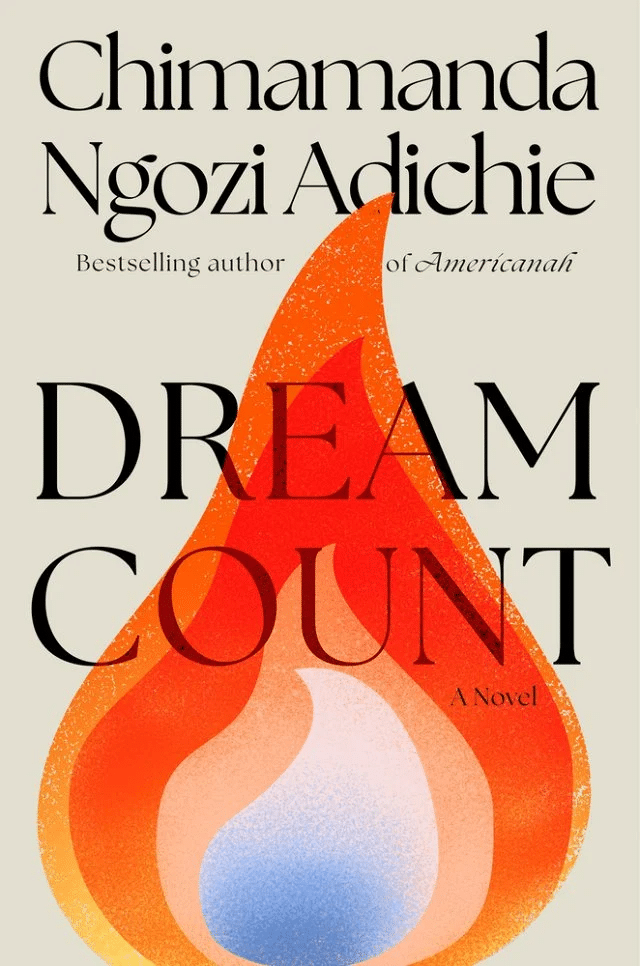
Dream Count

Read: March 2025

Get this book

Dream Count: A Novel

by Chimamanda Ngozi Adichie

Today, I dove into “Dream Count” by Chimamanda Ngozi Adichie, and I couldn’t be more excited! A decade in the making, this novel promises to be a captivating journey. Known for her bestselling works like “Americanah” and “We Should All Be Feminists,” Adichie brings her trademark brilliance to this story of four women exploring their loves, longings, and desires. I can’t wait to see how their lives unfold!

Chiamaka is a Nigerian travel writer living in America. During the pandemic, feeling alone, she reflects on her past lovers and grapples with her choices and regrets. Her best friend Zikora, a successful lawyer, faces betrayal and heartbreak, leading her to turn to the person she thought she needed the least. Omelogor, Chiamaka’s bold and outspoken cousin, is a financial powerhouse in Nigeria who begins to question how well she truly knows herself. Meanwhile, Kadiatou, Chiamaka’s housekeeper, proudly raises her daughter in America yet must confront an unimaginable hardship that threatens everything she has worked to achieve.

In “Dream Count,” Chimamanda Ngozi Adichie focuses on these women’s lives in a captivating and profound novel that explores the very nature of love. Is true happiness ever attainable, or is it merely a fleeting state? How honest must we be with ourselves to love and be loved? The story profoundly reflects on our choices and those made for us, mothers and daughters, and our interconnected world. “Dream Count” resonates with emotional urgency and provides poignant, unflinching observations of the human heart, all conveyed in beautifully powerful language. This work reaffirms Adichie’s status as one of contemporary literature’s most exciting and dynamic writers.


Chimamanda Ngozi Adichie grew up in Nigeria. Her work has been translated into more than fifty-five languages. She is the author of the novels “Purple Hibiscus,” which won the Commonwealth Writers’ Prize; “Half of a Yellow Sun,” which was the recipient of the Women’s Prize for Fiction “Best of the Best” award; Americanah, which won the National Book Critics Circle Award; the story collection “The Thing Around Your Neck” and the essays We Should All Be Feminists and Dear Ijeawele, or A Feminist Manifesto in Fifteen Suggestions. Her most recent work is an essay about losing her father, Notes on Grief, and Mama’s Sleeping Scarf, a children’s book by Nwa Grace-James. A recipient of a MacArthur Fellowship, she divides her time between the United States and Nigeria.


When you purchase a book through one of my links, I earn a small commission that helps support my passion for reading. This contribution allows me to buy even more books to share with you, creating an incredible cycle of discovering great reads together! Your support truly makes a difference!

×
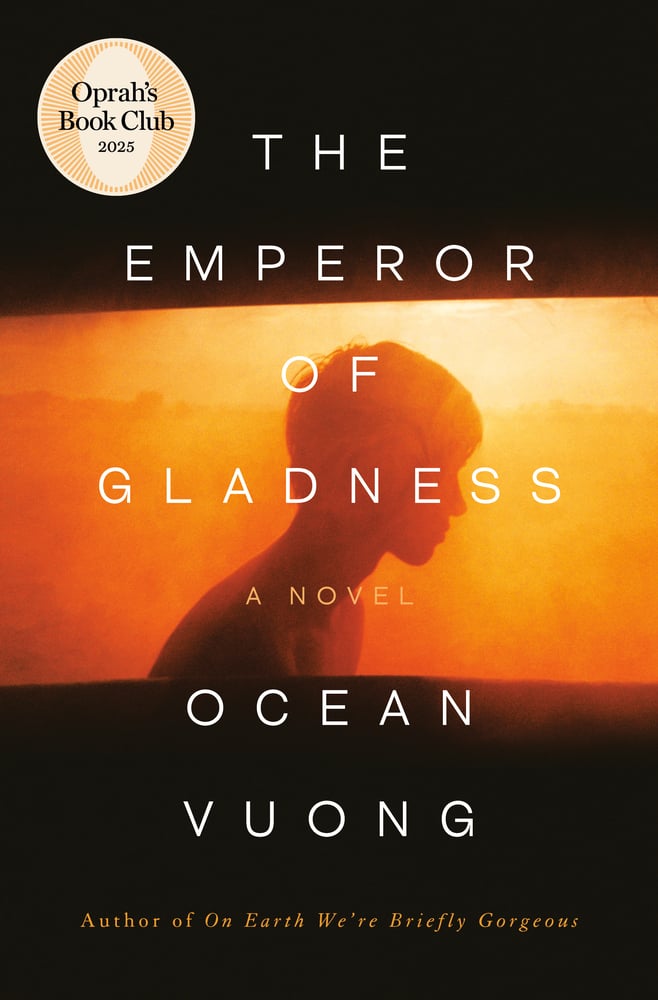
The Emperor of Gladness

Read: May 2025

Get this book

The Emperor of Gladness

by Ocean Vuong

In “The Emperor of Gladness,” Ocean Vuong explores the interconnected themes of history, memory, and time, revealing how love, labor, and loneliness are the foundation of American life. At its core, the narrative presents a courageous epic that examines what it means to live on the margins of society and confront the wounds that affect our shared humanity. It highlights the lengths we are willing to go to grasp one of life’s most fleeting gifts: a second chance.

One late summer evening in the post-industrial town of East Gladness, Connecticut, nineteen-year-old Hai stands on the edge of a bridge in pelting rain, ready to jump, when he hears someone shout across the river. The voice belongs to Grazina, an elderly widow succumbing to dementia, who convinces him to take another path. Bereft and out of options, he quickly becomes her caretaker. Over the year, the unlikely pair develops a life-altering bond, one built on empathy, spiritual reckoning, and heartbreak, with the power to transform Hai’s relationship with himself, his family, and a community on the brink.

Hallmarks of Ocean Vuong‘s writing—formal innovation, syntactic dexterity, and the ability to twin grit with grace through tenderness—are on full display in this story.


Ocean Vuong is the author of the critically acclaimed poetry collections Night Sky with Exit Wounds and Time Is a Mother, as well as the New York Times bestselling novel On Earth We’re Briefly Gorgeous. A recipient of the MacArthur Fellowship and the American Book Award, he once worked as a fast-food server, which inspired The Emperor of Gladness. Born in Saigon, Vietnam, he currently splits his time between Northampton, Massachusetts, and New York City.


When you purchase a book through one of my links, I earn a small commission that helps support my passion for reading. This contribution allows me to buy even more books to share with you, creating an incredible cycle of discovering great reads together! Your support truly makes a difference!


×
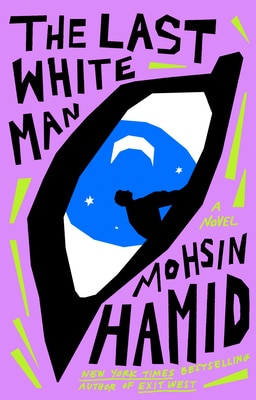
The Last White Man

Read: August 2022

Get this book

The Last White Man: A Novel

by Mohsin Hamid

The Last White Man by Mohsin Hamid is a story of love, loss, and rediscovery in a time of unsettling change. One morning, Anders, the novel’s protagonist,  wakes to find that his skin has turned dark, his reflection a stranger to him. At first, he tells only Oona, an old friend, newly a lover. Soon, reports of similar occurrences surface across the land.

In Mohsin Hamid’s “lyrical and urgent” prose (O Magazine), The Last White Man powerfully uplifts our capacity for empathy and the transcendence over bigotry, fear, and anger it can achieve.

I highly recommend this book. It was a page-turner that kept me thinking about love, loss, and rediscovery. All three are subjects close to my heart since Jan’s death.

I decided to read the book after hearing an interview with the author on All of It on WNYC.

The Goodreads summary provides a good overview,

One morning, Anders wakes to find that his skin has turned dark, his reflection a stranger to him. At first he tells only Oona, an old friend, newly a lover. Soon, reports of similar occurrences surface across the land. Some see in the transformations the long-dreaded overturning of an established order, to be resisted to a bitter end. In many, like Anders’s father and Oona’s mother, a sense of profound loss wars with profound love. As the bond between Anders and Oona deepens, change takes on a different shading: a chance to see one another, face to face, anew.

Hamid’s The Last White Man invites us to envision a future – our future – that dares to reimagine who we think we are, and how we might yet be together.


The Jan Lilien Education Fund sponsors ongoing sustainability and environmental awareness programs. Gifts made this month; I will match dollar-for-dollar. All donations are tax-deductible.

Subscribe

Contact Us

I receive a commission when you buy a book or product using a link on this page. Thank you for supporting Sharing Jan’s Love blog.

×
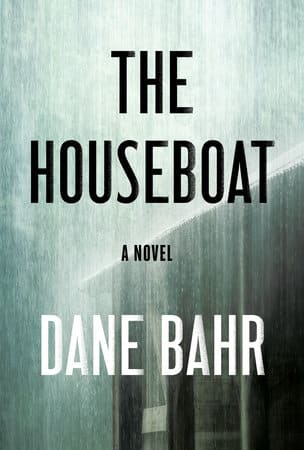
The Houseboat

Read: February 2023

Get this book

The Houseboat: A Novel

by Dane Bahr

The Houseboat: A Novel by Dane Bahr was one of 6 New Paperbacks to Read This Week in The New York Times. Miguel Salazar of the Times described it as “A girl claims her boyfriend has been murdered outside a small town in Iowa, and although no body is found, collective suspicion lands on a loner who lives in a rotting houseboat along the Mississippi River. Through chapters that shift in perspective and move through time, Bahr builds to a nail-biting denouement.”

Edward Nese, the regional marshall from Minnesota, was a character that I could identify with, as he was widowed but still married. Of course, in the early 1960s, I was still a middle school student and would probably have been freighted by The Houseboat

I recommend this true crime novel. Until the last page, you will be unsure how it will end.

After reading non-fiction history about the assassination of President Garfield, I needed a change of genre.

The Goodreads summary provides an overview,

James Sallis meets Mindhunter in this stylish and atmospheric noir set in a small town in Iowa in the 1960s, a midcentury heartland gothic with plentiful twists and a feverish conclusion.

Local outcast Rigby Sellers lives in squalor on a dilapidated houseboat on the Mississippi River. With only stolen manikins and the river to keep him company, Rigby spirals from the bizarre to the threatening. As a year of drought gives way to a season of storms, a girl is found trembling on the side of the road, claiming her boyfriend was murdered. The nearby town of Oscar turns its suspicions toward Sellers.

Town sheriff Amos Fielding knows this crime is more than he can handle alone. He calls on the regional marshall in Minnesota, and detective Edward Ness arrives in Oscar to help him investigate the homicide and defuse the growing unrest. Ness, suffering from his demons, is determined to put his past behind him and solve the case. But soon, more bodies are found. As Ness and Fielding uncover disturbing facts about Sellers, and a great storm floods the Mississippi, threatening the town, Oscar is pushed to a breaking point even Ness may not be able to prevent.


The Jan Lilien Education Fund sponsors ongoing sustainability and environmental awareness programs. Gifts made this month; I will match dollar-for-dollar. All donations are tax-deductible.

Subscribe

Contact Us

I receive a commission when you buy a book or product using a link on this page. Thank you for supporting Sharing Jan’s Love blog.


×
A Mercy

Read: November 2024

Get this book

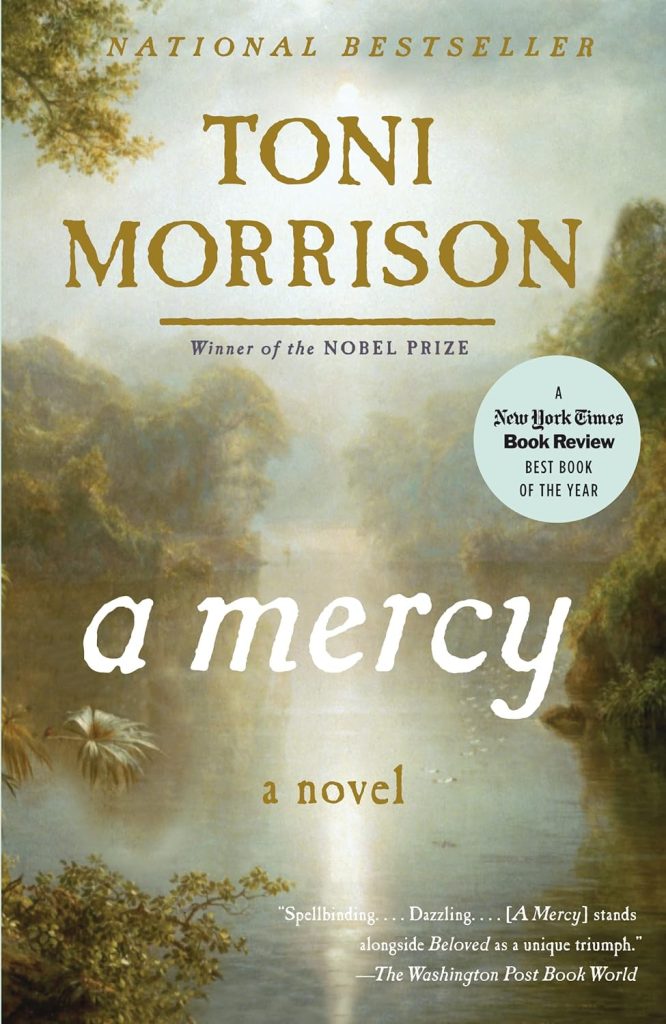
A Mercy a Novel

by Toni Morrison

Today, I started reading “A Mercy” by Toni Morrison. The acclaimed Nobel Prize winner explores the complexities of slavery in this novel. Like “Beloved,” it tells the poignant story of a mother and her daughter—a mother who abandons her child to protect her and a daughter who struggles with that abandonment. “A Mercy” is also recognized as one of The New York Times’s 100 Best Books of the 21st Century.

In the 1680s, a tumultuous period in the Americas, the slave trade is still in its infancy. Jacob Vaark, an Anglo-Dutch trader and adventurer, navigates this harsh landscape with a small holding in the North. Despite his distaste for dealing in “flesh,” he takes a small slave girl in part payment for a bad debt from a plantation owner in Catholic Maryland. She is Florens, a girl who can read and write and might be helpful on his farm. Rejected by her mother, Florens embarks on a journey for love, first seeking it from Lina, an older servant woman at her new master’s house, and later from the handsome blacksmith, an African, never enslaved, who comes riding into their lives.

×