
Green Toes and Hope!

Green Toes and Hope!

Estimated reading time: 1 minute, 37 seconds

As I stepped into Elegance Nails IV today, I hardly had a moment to input my cell phone number when the manager looked right at me and said with a grin, “You are here for a pedicure.” It was more a declaration than a query. Intrigued, I couldn’t help but ask him how he knew this. With a knowing smile, he responded, “You’re one of our best customers.” I nodded, warmth spreading through me at the unexpected recognition.

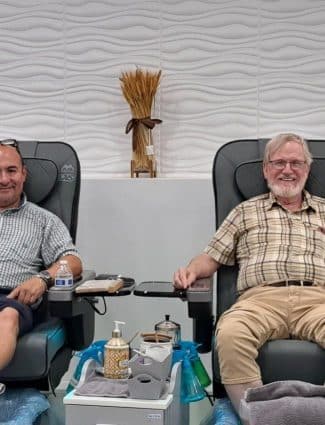
Pedicure with HugoMy first visit, sixteen months ago, was prompted by my inability to bend over and cut my nails. Since joining Fit Cranford and working with Lance, my trainer, I have improved my flexibility. Despite being able to bend lower now, my toenails would have remained dangerous weapons, as my jagged trimming had left holes in bed sheets as clean as a razor blade.

Before my friends Ana and Hugo accompanied me to my first pedicure in September 2024, I had always considered it a well-deserved luxury for my wife. However, I’ve come to see it as a necessity. With my foot and knee problems over the last six months, getting my nails trimmed and painted, along with a massage for my feet and calves, has become a delightful treat.

Except for the pedicurist and medical professionals, no one will ever see my painted toes. However, as I walk the 400 feet to the salon, I contemplate my options, debating until they ask for my choice. Today, I almost chose an alternating pattern of red, blue, and green, knowing I would probably have to pay extra for that vibrant design.

Green Toes and Hope!At the last moment, I thought about Dr. Seuss‘s book “Green Eggs and Ham” and the optimism of Sam-I-Am. When Teresa asked for my decision, I chose green as a sign of hope for the New Year.

As I walked home, I chuckled and quietly sang, “Green Toes and Hope!” May we all have a healthy and joyous New Year!
My Pampered Pinkies

I lifted my right leg and began carefully cutting my toenails. Despite my caution, I ended up with unevenly cut toes, including my pinkies, but at least they were no longer sharp claws. In the early days after my wife passed away, I neglected this task, and my toenails tore a six-inch hole in the bedsheet as if it was cut by one of my butcher knives, which left me frustrated and helpless. As soon as I started cutting my other foot, a sudden sharp pain shot through my lower back as I crossed my legs. Despite the discomfort, I managed to finish the task, although my attempt to declaw my foot was ineffective.

The Jan Lilien Education Fund!

Green Toes and Hope!
×
A Feather in the Water

Read: July 2022

Get this book

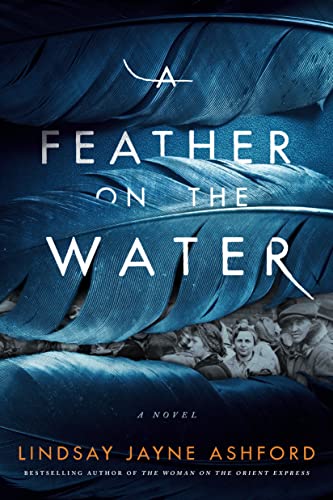
A Feather on the Water

by Lindsay Jayne Ashford

A Feather on the Water by Lindsay Jayne Ashford is an excellent historical fiction of the post-was era for displaced people. I highly recommend it. The tagline reads, “for three women in postwar Germany, 1945 is a time of hope—lost and found.” I have always enjoyed historical fiction, and A Feather on the Water seemed like a perfect choice.

The opening paragraphs confirmed my decision, as Martha, one of the three women, escapes from her abusive husband in Williamsburg, Brooklyn. Martha and the two other characters, Delphine and Kitty, come to life with Ms. Ashford’s gifted pen.

Like a feather in the water, our lives continue despite the trials and tribulations we must confront.

The Goodreads summary provides an overview.

Just weeks after World War II ends, three women from different corners of the world arrive in Germany to run a displaced-persons camp. They long to help rebuild shattered lives—including their own.

For Martha, going to Germany provides an opportunity to escape Brooklyn and a violent marriage. Arriving from England is orphaned Kitty. She hopes working at the camp will bring her closer to her parents, last seen before the war began. For Delphine, Paris has been a city of ghosts after her husband and son died in Dachau. Working at the camp is her chance to find meaning again by helping other victims of Hitler’s regime.

Charged with the care of more than two thousand camp residents, Martha, Delphine, and Kitty draw on each other’s strength to endure and to give hope when all seems lost. Among these strangers and survivors, they might find the love and closure they need to heal their hearts and leave their troubled pasts behind.


The Jan Lilien Education Fund sponsors ongoing sustainability and environmental awareness programs. All donations are tax-deductible.

Subscribe

Contact Us

I receive a commission when you buy a book or product using a link on this page. Thank you for supporting Sharing Jan’s Love blog.

×
20 Under 40

Read: January 2019

Get this book

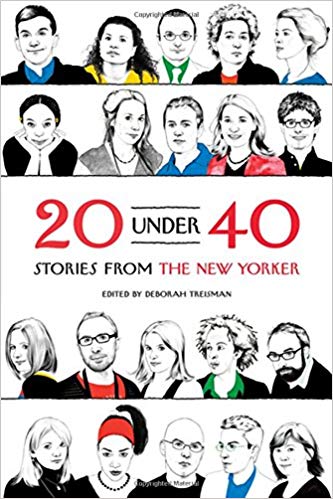
20 Under 40 Fiction

by Various Writers Under 40

Short Stories that Will Define the Future of American Letters

The New Yorker’s collection of short stories – 20 Under 40 – is a collection of twenty writers “whose work will help define the future of American letters.”

Some of these I had read in The New Yorker and others I had missed. Either way, they were a pleasure to read.

As The New Yorker wrote,

The range of voices is extraordinary. There is the lyrical realism of Nell Freudenberger, Philipp Meyer, C. E. Morgan, and Salvatore Scibona; the satirical comedy of Joshua Ferris and Gary Shteyngart; and the genre-bending tales of Jonathan Safran Foer, Nicole Krauss, and Téa Obreht. David Bezmozgis and Dinaw Mengestu offer clear-eyed portraits of immigration and identity; Sarah Shun-lien Bynum, ZZ Packer, and Wells Tower offer voice-driven, idiosyncratic narratives. Then there are the haunting sociopolitical stories of Chimamanda Ngozi Adichie, Daniel Alarcón, and Yiyun Li, and the metaphysical fantasies of Chris Adrian, Rivka Galchen, and Karen Russell.

Each of these writers reminds us why we read. And each is aiming for greatness: fighting to get and to hold our attention in a culture that is flooded with words, sounds, and pictures; fighting to surprise, to entertain, to teach, and to move not only us but generations of readers to come. A landmark collection, 20 Under 40 stands as a testament to the vitality of fiction today.

I recommend this collection of short stories.

Subscribe

Contact Us

×
When No One is Watching

Read: February 2022

Get this book

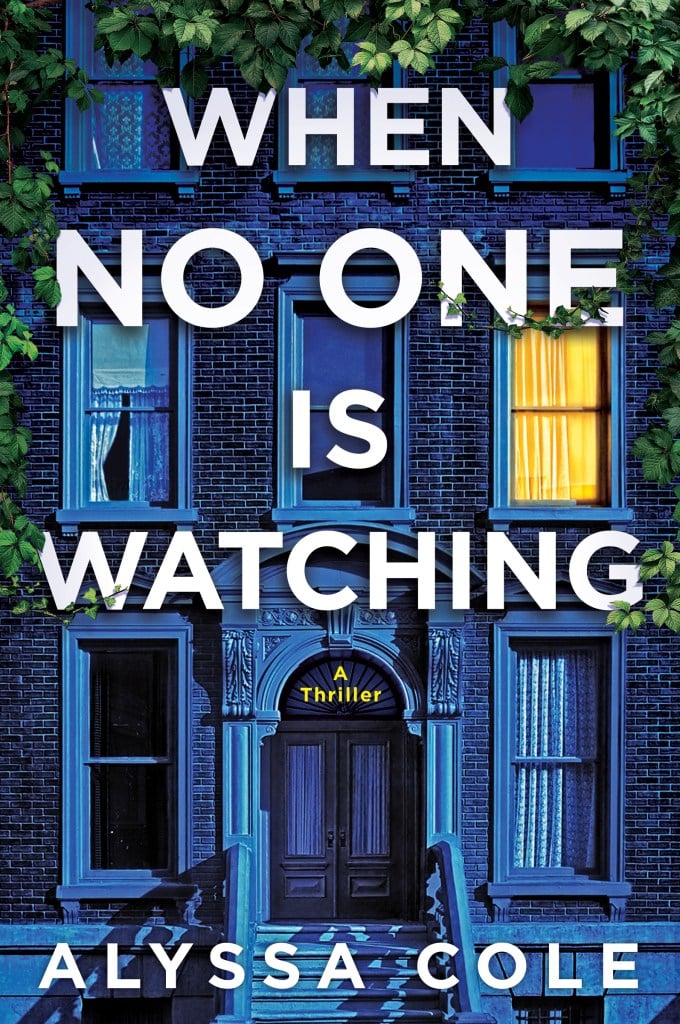
When No One is Watching

by Alyssa Cole

When No One Is Watching by Alyssa Cole is a novel where the gentrification of a Brooklyn neighborhood takes on a sinister new meaning.

Sydney Green is Brooklyn-born and raised, but her beloved neighborhood seems to change every time she blinks. Condos are sprouting like weeds, FOR SALE signs are popping up overnight, and the neighbors she’s known all her life are disappearing. To hold onto her community’s past and present, Sydney channels her frustration into a walking tour and finds an unlikely and unwanted assistant in one of the new arrivals to the block—her neighbor Theo.

But Sydney and Theo’s deep dive into history quickly becomes a dizzying descent into paranoia and fear. After all, their neighbors may not have moved to the suburbs, and the push to revitalize the community may be more deadly than advertised.

When does coincidence become a conspiracy? Where do people go when gentrification pushes them out? Can Sydney and Theo trust each other—or themselves—long enough to find out before they too disappear?

Having lived in Brooklyn and seen the impacts of gentrification, redlining, and other practices, I found this book one that I truly enjoyed. The book will provide a detailed history lesson if you are like Theo and have no thought of these issues.

I enjoyed the visit to Weeksville, as I have been there on several professional occasions. The history of that community needs to be told.

I recommend this book.

Subscribe

Contact Us

When you buy a book or product using a link on this page, I receive a commission. Thank you for supporting Sharing Jan’s Love blog.

×
Let Us Descend: A Novel

Read: November 2023

Get this book

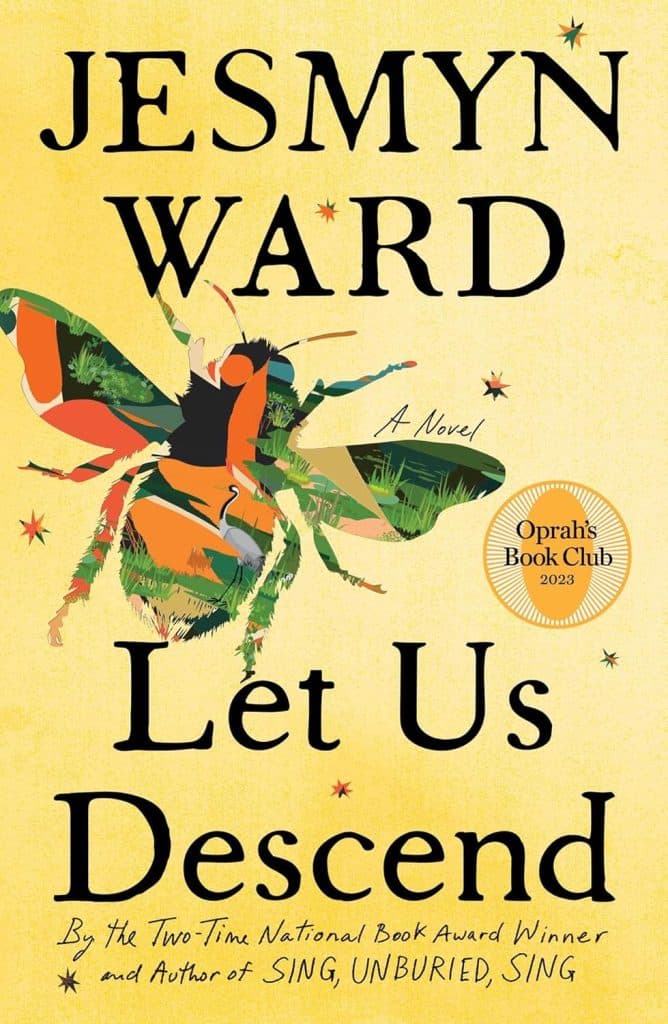
Let Us Descend: A Novel

by Jesmyn Ward

Today, I started reading Let Us Descend: A Novel by Jesmyn Ward. She is a two-time National Book Award winner, the youngest winner of the Library of Congress Prize for American Fiction, and a MacArthur Fellow. The book is a haunting masterpiece that is sure to become an instant classic. It tells the story of an enslaved girl in the years before the Civil War.

The book’s title is from Dante Alighieri’s Inferno: “‘Let us descend,’ the poet now began, ‘and enter this blind world.” Let Us Descend is a reimagining of American slavery, beautifully rendered yet heart-wrenching. The novel takes us on a journey from the rice fields of the Carolinas to the slave markets of New Orleans and into the fearsome heart of a Louisiana sugar plantation.

Annis is the reader’s guide through this hellscape, sold south by the white enslaver who fathered her. As Annis struggles through the miles-long march, she turns inward, seeking comfort from memories of her mother and stories of her African warrior grandmother. Throughout the journey, she opens herself to a world beyond this world, one teeming with spirits: of earth and water, of myth and history, spirits who nurture and give, and those who manipulate and take. While Ward leads readers through the descent, this, her fourth novel, is ultimately a story of rebirth and reclamation.

Let Us Descend is a magnificent novel that inscribes Black American grief and joy in the very land of the American South. Ward’s writing takes you through the rich but unforgiving forests, swamps, and rivers of the South, making this novel a masterwork for the ages.


The Jan Lilien Education Fund sponsors ongoing sustainability and environmental awareness programs. Gifts made this month; I will match dollar-for-dollar. All donations are tax-deductible.

Subscribe

Contact Us

I receive a commission when you buy a book or product using a link on this page. Thank you for supporting Sharing Jan’s Love blog.


×
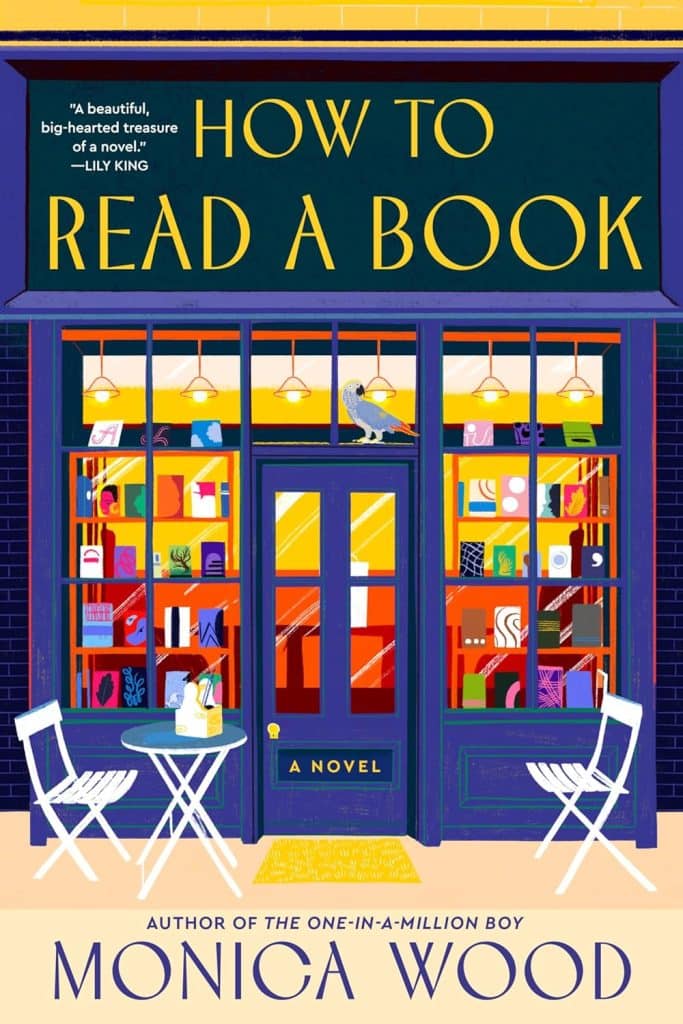
How to Read a Book: A Novel

Read: May 2024

Get this book

How to Read a Book: A Novel

by Monica Wood

I started reading Monica Wood‘s “How to Read a Book: A Novel” today. It’s a heartfelt and uplifting story about a chance encounter at a bookstore—the novel delves into themes of redemption, unlikely friendships, and the life-changing power of sharing stories. With Monica Wood’s characteristic heart, wit, grace, and understanding, the novel illuminates the decisions that shape a life and the kindnesses that make life meaningful.

The story revolves around three characters: Violet Powell, a twenty-two-year-old from rural Abbott Falls, Maine, who is being released from prison after serving twenty-two months for a drunk-driving crash that killed a local kindergarten teacher; Harriet Larson, a retired English teacher who runs the prison book club and is facing the prospect of an empty nest; and Frank Daigle, a retired machinist who is struggling to come to terms with the complexities of his marriage to the woman Violet killed.

Their lives unexpectedly intersect one morning in a bookstore in Portland, Maine. Violet buys the novel she read in the prison book club before her release, Harriet selects the following title for the remaining women, and Frank fulfills his duties as the store handyman. Their encounters set off a chain of events that will profoundly change them.

How to Read a Book is a candid and hopeful story about releasing guilt, embracing second chances, and the profound impact of books on our lives.

×
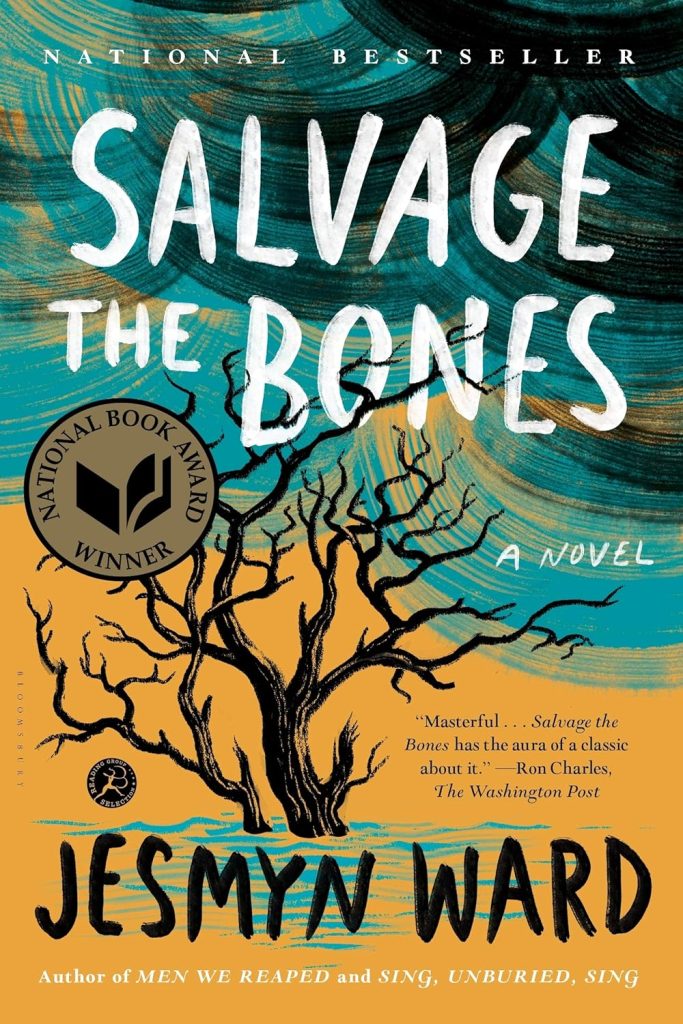
Salvage the Bones: A Novel

Read: September 2024

Get this book

Salvage the Bones: A Novel

by Jesmyn Ward

I’ve started reading “Salvage the Bones: A Novel” by Jesmyn Ward, a two-time National Book Award winner and author of “Sing, Unburied, Sing.” The book delivers a gritty yet tender story about family and poverty in the days leading up to Hurricane Katrina. Hurricane Helene’s devastation makes it the perfect time to read this book. The novel is among The New York Times’ 100 Best Books of the 21st Century.

The story is set in Bois Sauvage, Mississippi, where a hurricane is building over the Gulf of Mexico, threatening the city. Esch’s father is growing concerned, although he is often absent and a heavy drinker. Esch and her three brothers are stocking food, but there is little to save. Esch, who is fourteen, is pregnant and struggling to keep down the little food she gets. Her brother Skeetah is trying to care for his pit bull’s new litter, which is dying one by one. Meanwhile, brothers Randall and Junior struggle with family dynamics and lack parental guidance.

As the twelve days that make up the novel’s framework yield their dramatic conclusion, this unforgettable family – motherless children sacrificing for one another, protecting and nurturing where love is scarce – pulls itself up to face another day. The novel is a big-hearted story about familial love and community against all odds, offering a wrenching look at the lonesome, brutal, and restrictive realities of rural poverty. “Salvage the Bones” is a revelatory, honest, and poignant exploration of social issues, filled with poetry and emotional depth.

×