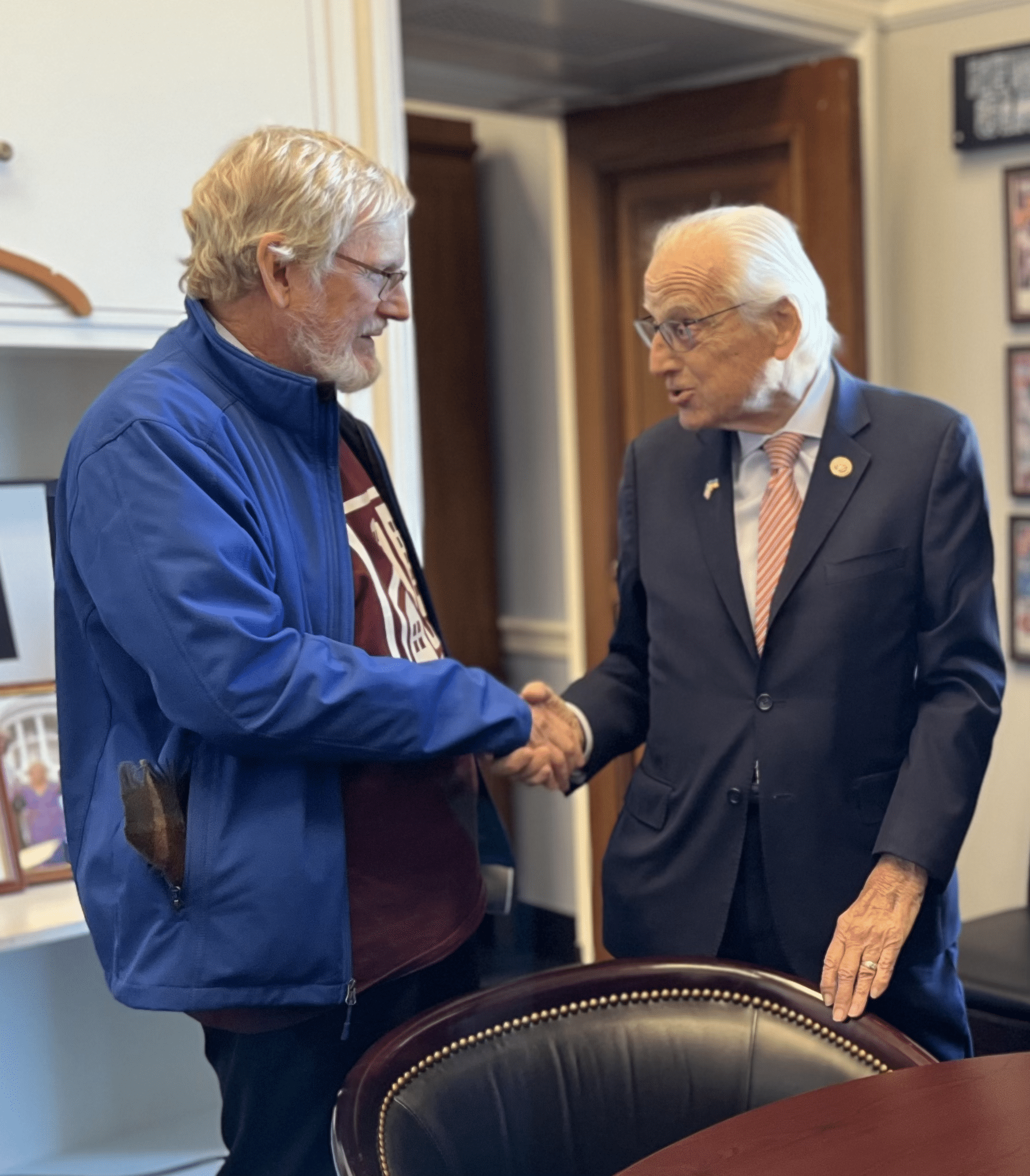

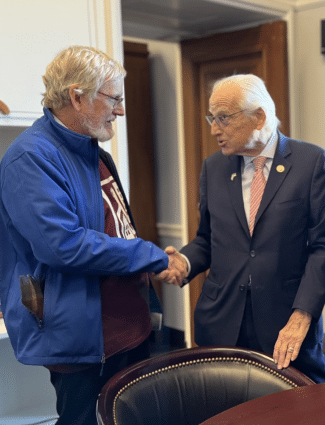
Shaking Hands With Congressman Pascrell

Crossing the Valley Step by Step

Estimated reading time: 2 minutes, 9 seconds

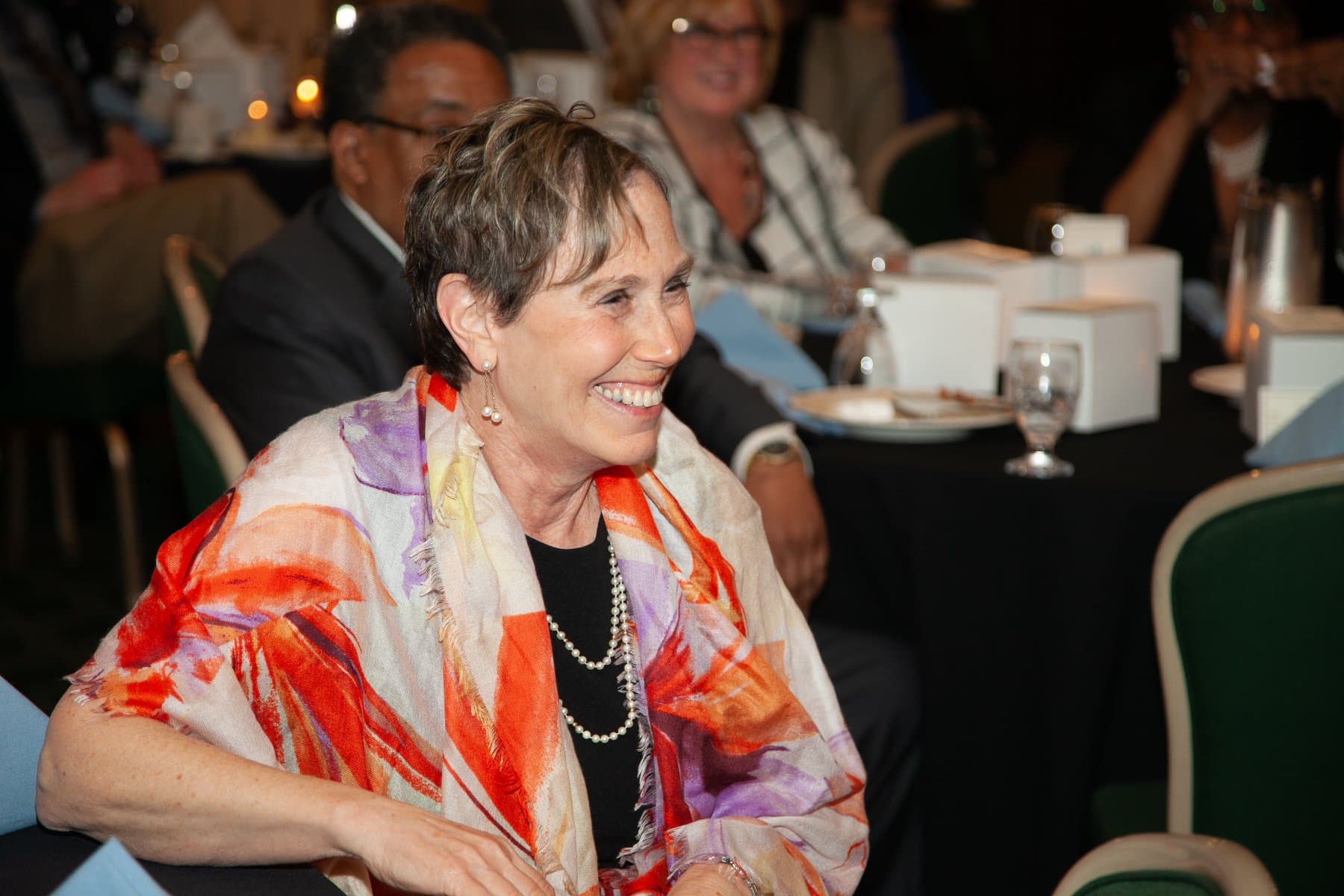
As I sit here, memories swarm through my mind like a whirlwind of current events. One particular memory stands out of a time when I fell into a muddy gulley. The devastation of that fall was palpable. It was March 21, 2019, and I was attending the Monarch Farewell Dinner, marking the end of my full-time employment.

The three months before were filled with doubt and uncertainty. Despite this, my speech at the event was a resounding success. Jan discreetly praised my performance and remarked that it was the best speech she had ever heard at an event like this. It gave me a renewed purpose and determination, and I felt ready to face any challenges. Little did I know that within five months, I would be confronted with some of the biggest challenges of my life.
Jan and Richard

In several previous posts, I’ve openly discussed the challenges I’ve faced as a caregiver to my wife and my struggle with grief. At the moment, I’m in the process of putting together a new post that will dive into my journey from a place of profound uncertainty to where I find myself today. Through this post, I want to convey two key ideas that have been integral to my path forward.

The first thought was that on the morning after the farewell dinner, I looked at my phone and saw that Jan had posted a message on Facebook about the event. Her message read,

It was a great tribute dinner honoring my wonderful husband, Richard W. Brown. There was a gospel choir, a photo slideshow (some featuring a younger Richard when his hair was red), and beautiful speeches. Richard continues to call us all to action to work to end homelessness and repair the world. I am so proud!

Jan’s words made my day.

Secondly, after half a decade had passed, I attended the NLIHC Hill Day in DC, an event that I had always participated in regularly. I had never really thought I would return to it after my wife’s passing, but I surprised myself by attending this year precisely five years after the farewell dinner. During the event, I spoke passionately about various issues, including Bridges, an organization I have been fortunate to serve as the current board chair.

After a long and challenging journey, I have finally managed to leave the valley. Though the future still presents its share of challenges and obstacles, I feel stronger and better prepared to face them. Rather than fearing what lies ahead, I greet it with courage and optimism, ready to tackle whatever comes my way.

Show thread (1)

Being the Change I Need

Estimated reading time: 2 minutes, 9 seconds

Being the Change I Need

In Philadelphia, my friend Hugo noticed my transformation since my wife's passing, detailing my emotional evolution. Embracing change and self-improvement, I've developed healthy habits and broadened my social circle, contributing to my community and finding solace in temple services. Recognizing my imperfections, I aspire for continual growth and connection, supported by friends and loved ones.

2 comments add your comment

Share your thoughts and ideas

This site uses Akismet to reduce spam. Learn how your comment data is processed.

The Jan Lilien Education Fund!

Shaking Hands With Congressman Pascrell
×
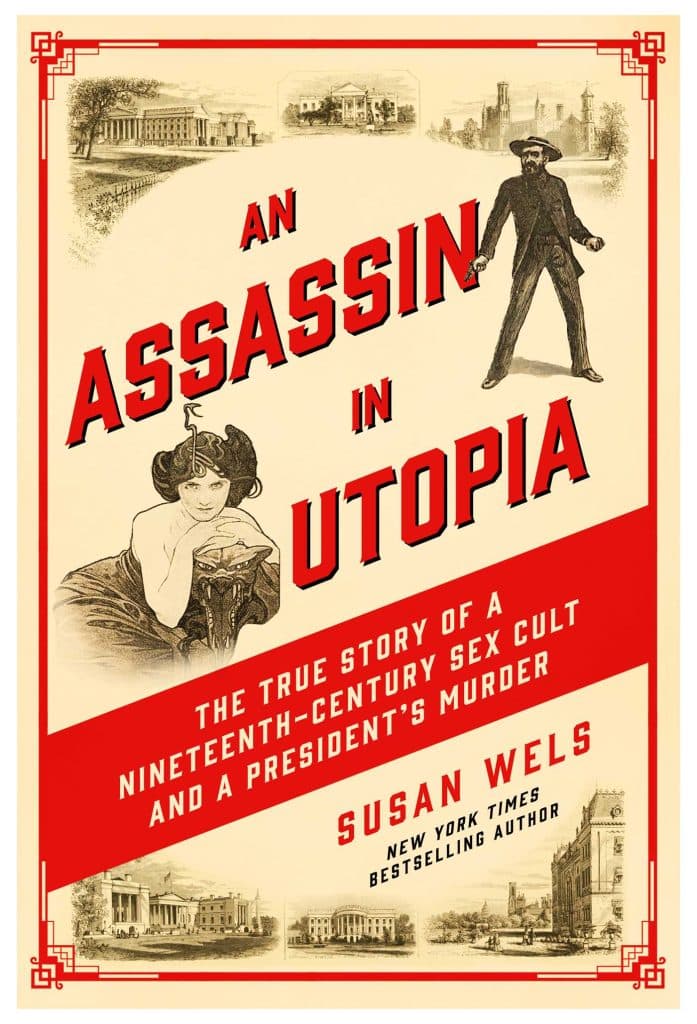
An Assassin in Utopia: The True Story of a Nineteenth-Century Sex Cult and a President's Murder

Read: February 2023

Get this book

An Assassin in Utopia

by Susan Wels

An Assassin in Utopia: The True Story of a Nineteenth-Century Sex Cult and a President’s Murder by Susan Wels is a true crime odyssey that explores a forgotten, astonishing chapter of American history, leading the reader from a free-love community in upstate New York to the shocking assassination of President James Garfield. I had read about this historical period in several other books, most recently Civil War by Other Means.

Susan Wels has written an excellent historical overview of a period we often overlook. I highly recommend An Assassin in Utopia: The True Story of a Nineteenth-Century Sex Cult and a President’s Murder.

The Oneida Community, even though it was the most successful utopian community, is often overlooked. Ms. Wels connects the dots and places the experiment in the center of a transitional period. It is not merely the connection between Charles Julius Guitea and his assassination of President James Garfield, albeit a brutal crime, that shook America to its core, but all of the other linkages. These include “John Humphrey Noyes; his idol, the eccentric newspaper publisher Horace Greeley (founder of the New Yorker and the New York Tribune).”

She also resurrects the importance of the Wormely Compromise and the African-American family that was an instrumental part of public society.

I have found fiction to be something I enjoy, but I knew it was time for a non-fiction book to balance my reading. The New York Times and other publications highly rated An Assassin in Utopia.

The Goodreads summary provides an overview,

It was heaven on earth—and, some whispered, the devil’s garden.

Thousands came by trains and carriages to see this new Eden, carved from hundreds of acres of wild woodland. They marveled at orchards bursting with fruit, thick herds of Ayrshire cattle and Cotswold sheep, and whizzing mills. They gaped at the people who lived in this place—especially the women, with their queer cropped hair and shamelessly short skirts. The men and women of this strange outpost worked and slept together—without sin, they claimed.

From 1848 to 1881, a small utopian colony in upstate New York—the Oneida Community—was known for its shocking sexual practices, from open marriage and free love to the sexual training of young boys by older women. And in 1881, a one-time member of the Oneida Community—Charles Julius Guiteau—assassinated President James Garfield in a brutal crime that shook America to its core.

An Assassin in Utopia is the first book that weaves together these explosive stories in a tale of utopian experiments, political machinations, and murder. This deeply researched narrative—by bestselling author Susan Wels—tells the true, interlocking stories of the Oneida Community and its radical founder, John Humphrey Noyes; his idol, the eccentric newspaper publisher Horace Greeley (founder of the New Yorker and the New York Tribune); and the gloomy, indecisive President James Garfield—who was assassinated after his first six months in office.

Juxtaposed to their stories is the odd tale of Garfield’s assassin, the demented Charles Julius Guiteau, who was connected to all of them in extraordinary, surprising ways.

Against a vivid backdrop of ambition, hucksterism, epidemics, and spectacle, the book’s interwoven stories fuse together in the climactic murder of President Garfield in 1881—at the same time as the Oneida Community collapsed.

Colorful and compelling, An Assassin in Utopia is a page-turning odyssey through America’s nineteenth-century cultural and political landscape.


The Jan Lilien Education Fund sponsors ongoing sustainability and environmental awareness programs. Gifts made this month; I will match dollar-for-dollar. All donations are tax-deductible.

Subscribe

Contact Us

I receive a commission when you buy a book or product using a link on this page. Thank you for supporting Sharing Jan’s Love blog.


×
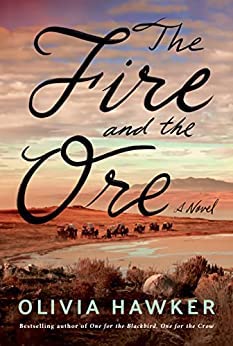
The Fire and the Ore

Read: September 2022

Get this book

The Fire and the Ore

by Olivia Hawker

The Fire and the Ore by Olivia Hawker is a novel set in 1856 when three women—once strangers—come together in unpredictable Utah Territory. Hopeful, desperate, and willful, they’ll allow nothing on earth or Heaven to stand in their way. I have always enjoyed the history of the movement of people across the plains. Tamar, Jane, and Tabitha, along with their shared husband, Thomas Ricks, were real people, and Olivia Hawker compellingly describes them as people living in difficult times.

Olivia Hawker is a descendant of Jane and a former Mormon. She writes eloquently about the unnecessary Utah War (AKA Buchanan’s Blunder) and how the sister-wives grow to love and support each other. Tamar’s sister Patience, although a minor character, wrote a memoir of the time that the author used as a resource.

Reading a compelling historical fiction novel about family, sisterhood, and survival about three women like Jan was an easy choice. It was a page-turner from the first page to the last.

The Washington Post bestselling author of One for the Blackbird, One for the Crow is a compelling novel of family, sisterhood, and survival.

The Goodreads summary provides a good overview,

Following the call of their newfound Mormon faith, Tamar Loader and her family weather a brutal pilgrimage from England to Utah, where Tamar is united with her destined husband, Thomas Ricks. Clinging to a promise for the future, she abides a surprise: Thomas is already wedded to one woman—Tabitha, a local healer—and betrothed to another.

Orphaned by tragedy and stranded in the Salt Lake Valley, Jane Shupe struggles to provide for herself and her younger sister. Out of necessity, with no love lost, she too must bear the trials of a sister-wife. She is no member of the Mormon migration, yet Jane agrees to marry Thomas.

But when the US Army’s invasion brings the rebellious Mormon community to heel, Tamar, Jane, and Tabitha are forced to retreat into the hostile desert wilderness with little in common but the same man—and the resolve to keep themselves and their children alive. What they discover, as one, is redemption, a new definition of family, and a bond stronger than matrimony that is tested like never before.


The Jan Lilien Education Fund sponsors ongoing sustainability and environmental awareness programs. Gifts made this month; I will match dollar-for-dollar. All donations are tax-deductible.

Subscribe

Contact Us

I receive a commission when you buy a book or product using a link on this page. Thank you for supporting Sharing Jan’s Love blog.

×
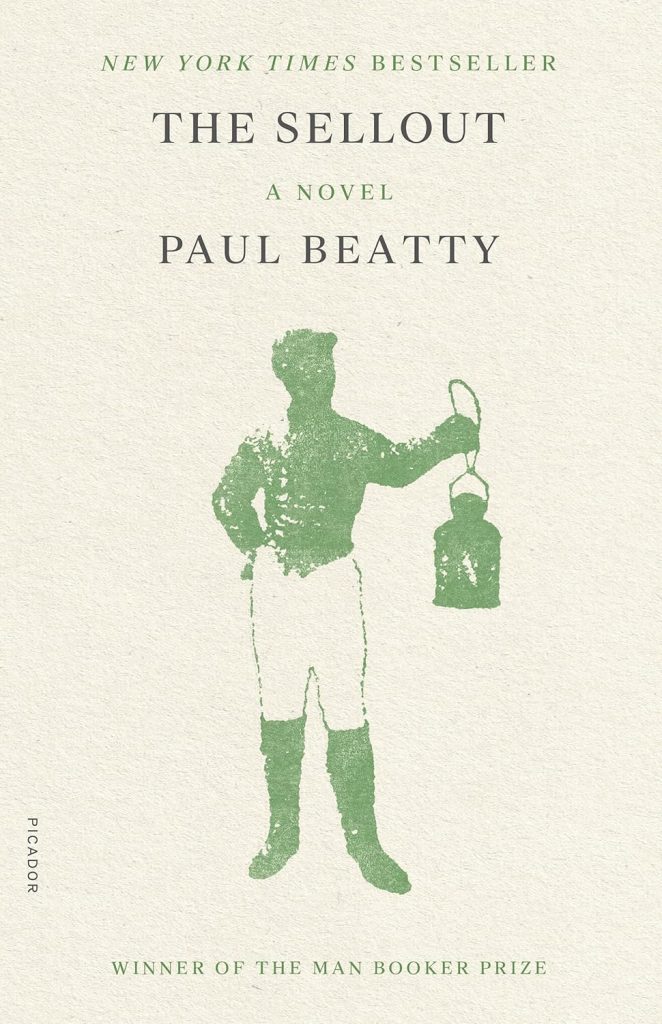
The Sellout: A Novel

Read: August 2024

Get this book

The Sellout: A Novel

by Paul Beatty

Today, I embarked on the unique narrative journey of The Sellout: A Novel by Paul Beatty. This biting satire, which revolves around a young man’s isolated upbringing and the race trial that takes him to the Supreme Court, is a testament to Paul Beattys comic genius. The Sellout, a part of The New York Times’ 100 Best Books of the Century, is a must-read for those who appreciate a distinct narrative style.

The Sellout is a bold and thought-provoking work that challenges the sacred tenets of the United States Constitution, urban life, and the civil rights movement. It also explores the father-son relationship and the pursuit of racial equality, symbolized by the black Chinese restaurant. This social commentary is a vital aspect of The Sellout, making it a relevant and engaging read for those interested in contemporary issues.

Born in the “agrarian ghetto” of Dickens—on the southern outskirts of Los Angeles—the narrator of The Sellout resigns himself to the fate of lower-middle-class Californians: “I’d die in the same bedroom I’d grown up in, looking up at the cracks in the stucco ceiling that’s been there since ’68 quake.”

Raised by a single father, a controversial sociologist, he spent his childhood as the subject of racially charged psychological studies. Despite these challenges, he believes his father’s pioneering work will result in a memoir that will solve his family’s financial woes. But when his father is killed in a police shoot-out, he realizes there never was a memoir. All that’s left is the bill for a drive-thru funeral.

Fuelled by this deceit and the general disrepair of his hometown, the narrator sets out to right another wrong: Dickens has been removed from the map to save California from further embarrassment. Enlisting the help of the town’s most famous resident—the last surviving Little Rascal, Hominy Jenkins—he initiates the most outrageous action conceivable: reinstating slavery and segregating the local high school, which lands him in the Supreme Court. His determination to fight injustice is a powerful force that drives the narrative forward.

×
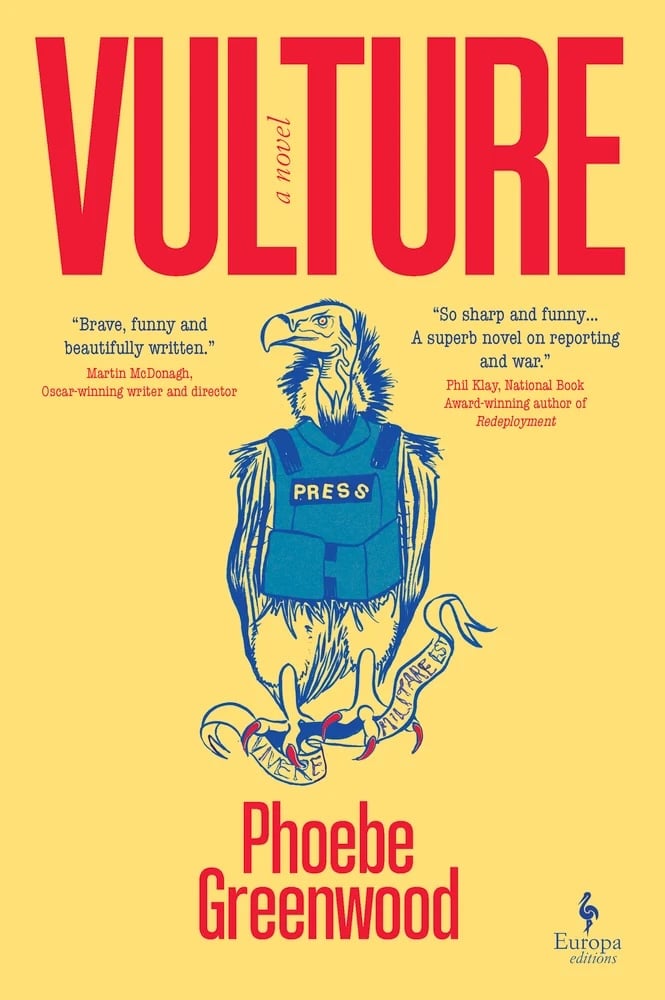
Vulture: A Novel

Read: September 2025

Get this book

Vulture: A Novel

by Phoebe Greenwood

Phoebe Greenwood‘s debut novel, Vulture, immerses readers in the dark heart of Western media and boldly questions its role in the tragedies it reports. This darkly humorous and emotionally charged satire exposes the inner workings of the war news industry. Set in the Middle East, Vulture is a fast-paced critique of war reporting, blending elements of satire with a tragicomic coming-of-age story.

In November 2012, Sara Byrne, an ambitious young journalist, is sent to Gaza to cover the war from The Beach. At the four-star hotel, the staff work tirelessly to provide safety, comfort, and generator-powered internet for the world’s media, all while their own homes and families are under threat.

Sara is determined to use this war to jumpstart her stalled career and win back her lover. When her fixer, Nasser, refuses to help her set up the dangerous story she believes will make her name, she turns to Fadi, the youngest member of a powerful militant family. Driven by the demons of a troubled and entitled childhood, Sara is willing to do anything to prove herself, even if it brings disaster to those around her.


Phoebe Greenwood is a writer and journalist based in London. From 2010 to 2013, she worked as a freelance correspondent in Jerusalem, covering the Middle East for publications such as The Guardian, The Daily Telegraph, and The Sunday Times. From 2013 to 2021, she served as an editor and correspondent at The Guardian, specializing in foreign affairs.


When you purchase a book through one of my links, I earn a small commission that helps support my passion for reading. This contribution allows me to buy even more books to share with you, creating an incredible cycle of discovering great reads together! Your support truly makes a difference!

Enjoy a limited-time offer of 20% off your next book purchase at Bookshop.org!


×
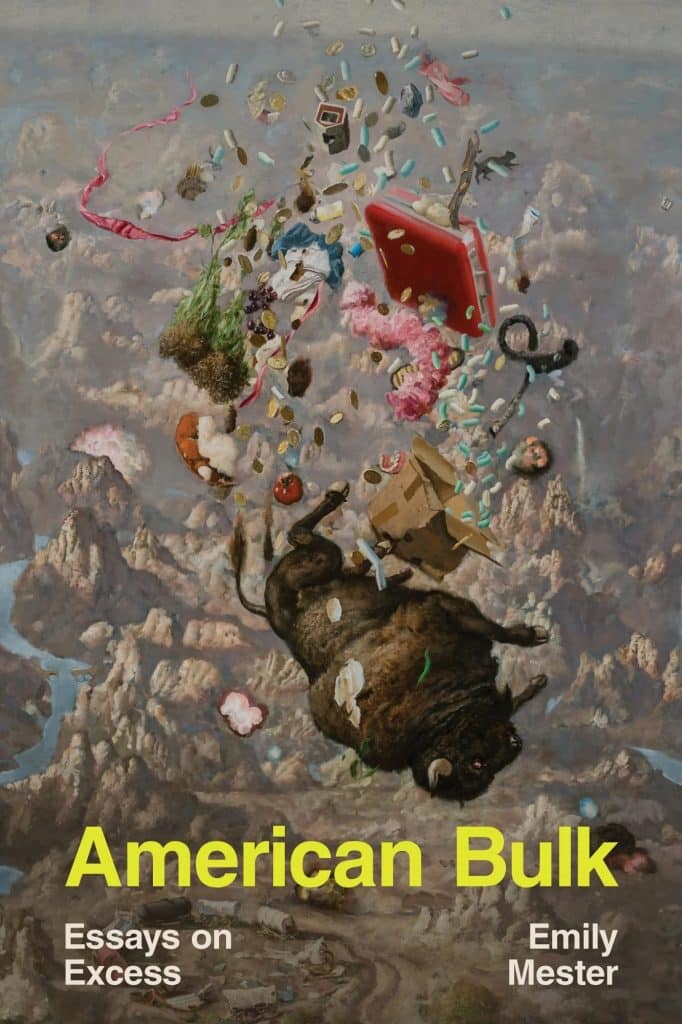
American Bulk

Read: February 2026

Get this book

American Bulk: Essays on Excess

by Emily Mester

In a series of deeply personal essays, Emily Mester‘s “American Bulk” examines how the things we buy, eat, accumulate, and discard become integral parts of our lives. We often guiltily watch Amazon boxes pile up on the porch, sift through countless reviews to find the perfect product, and crave the familiar comfort of a chain restaurant. With humor and sharp insight, Mester reflects on the joys and anxieties of Costco trips, how a seasonal job at Ulta Beauty taught her the subtle art of sales, and what it means to feel “mall sad.”

In a nuanced exploration of diet culture and body image, Mester shares her experience at a fat camp during her teenage summer and the unexpected sense of liberation she discovered there. Finally, she travels to Storm Lake, Iowa, to confront her grandmother’s abandoned hoard, unraveling the dysfunction at the heart of her family’s obsession with material possessions. American Bulk introduces readers to an impressive new literary voice from the American heartland, urging us to view consumption not with guilt, but with grace and empathy.


Emily Mester is a writer from the suburban Midwest, where her family shopped at Costco every Sunday. She earned an MFA in nonfiction from the University of Iowa, where she received the Prairie Lights Nonfiction Prize. Currently, she resides in New York.


Discover your next favorite book and dive into a world of curated, exciting reads by purchasing through my links. You’ll have access to a diverse selection of books that I’ve personally vetted to ensure quality and enjoyment. Additionally, by supporting these selections, you’ll help me continue to provide you with more personalized recommendations. I earn a small commission from your purchase, which allows me to buy and share even more books with you. Your support truly makes a difference!


×
Three Summers

Read: February 2025

Get this book

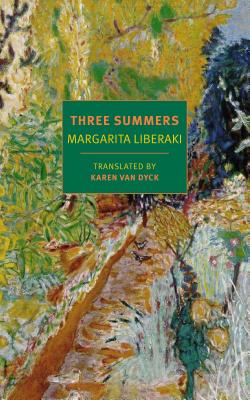
Three Summers: A Novel

by Margarita Liberaki

Today, I began reading Margarita Liberaki‘s Three Summers, translated by Karen Van Dyck. This edition features a detailed introduction by Ms. Van Dyck, in which she shares her experiences meeting Ms. Liberaki and collaborating with her on the translation. The original novel, written in Greek, was titled The Straw Hats, but Ms. Van Dyck felt that this title would not resonate with foreign readers similarly.

Three Summers is the story of three sisters who grew up in the countryside near Athens before the outbreak of the Second World War. The sisters live in a large, old house surrounded by a beautiful garden. The oldest sister, Maria, is adventurous and eager to settle down and start her own family. The middle sister, Infanta, is gorgeous but emotionally distant. Katerina, the narrator, and the youngest sister is dreamy and rebellious.

Throughout three summers, the sisters share and keep secrets, fall in and out of love, and try to understand their parents and other adult figures. They also observe the peculiar behaviors of friends and neighbors while worrying about and discovering their identities. Karen Van Dyck’s translation beautifully captures the light and warmth of this modern Greek classic.

Margarita Liberaki (1919-2001) was born in Athens and raised by her grandparents, who owned the Fexis bookstore and publishing house. In addition to her novel Three Summers, she authored The Other Alexander (1950) and The Mystery (1976). She also wrote several plays, including Candaules’ Wife (1955) and The Danaïds (1956), part of a cycle she called Mythical Theater. Furthermore, she contributed screenplays, such as Jules Dassin’s Phaedra (1962) and Diaspora (1999), which focused on Greek intellectuals in exile in Paris during the junta. Her novel Three Summers is now a standard part of public education in Greece and Cyprus and was adapted into a television miniseries in 1995.

Karen Van Dyck is the Kimon A. Doukas Professor of Modern Greek Literature at Columbia University. Her research focuses on modern Greek literature, diaspora literature, gender studies, and translation. She has edited or co-edited several poetry anthologies, including A Century of Greek Poetry (2004), The Greek Poets: Homer to the Present (2010), and Austerity Measures: The New Greek Poetry (2017) for NYRB Poets. Additionally, her translations have appeared in Brooklyn Rail, Asymptote, and The Baffler.


When you purchase a book through one of my links, I earn a small commission that helps support my passion for reading. This contribution allows me to buy even more books to share with you, creating an incredible cycle of discovering great reads together! Your support truly makes a difference!


×