

Additional Jan Day Photos

These one hundred and twenty photos are courtesy of Kevin Papa. If you use them, please credit him as the photographer.
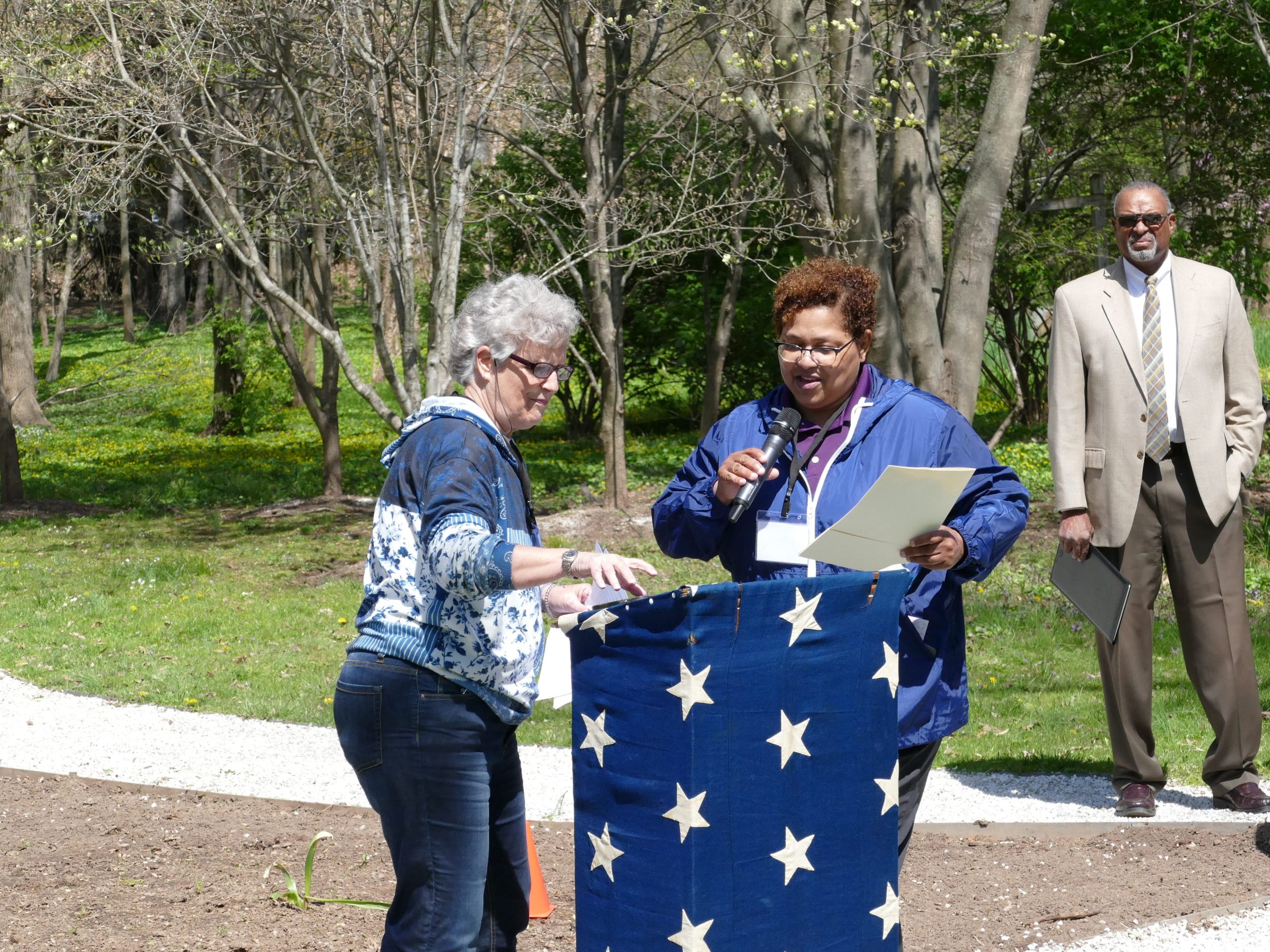
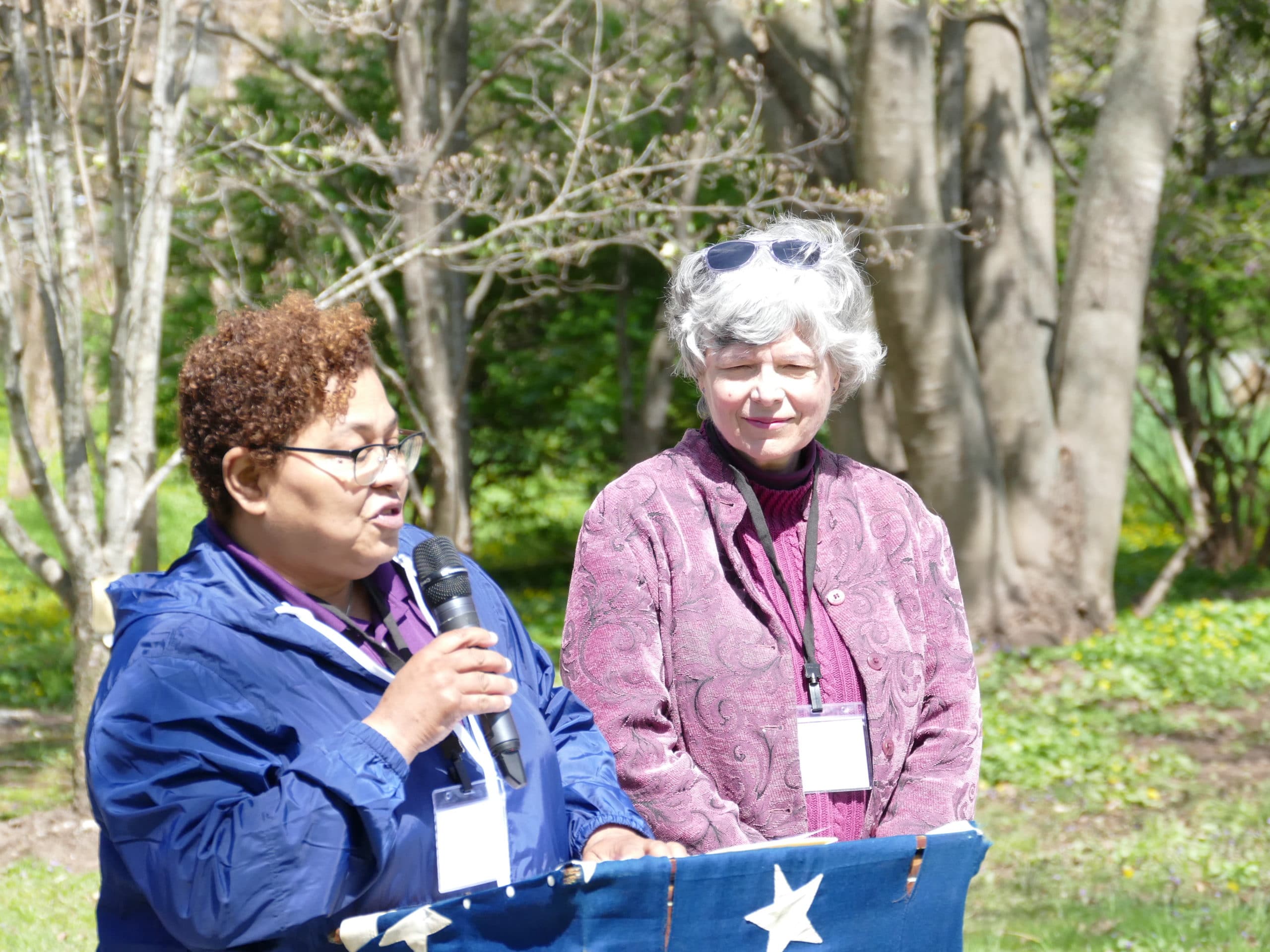

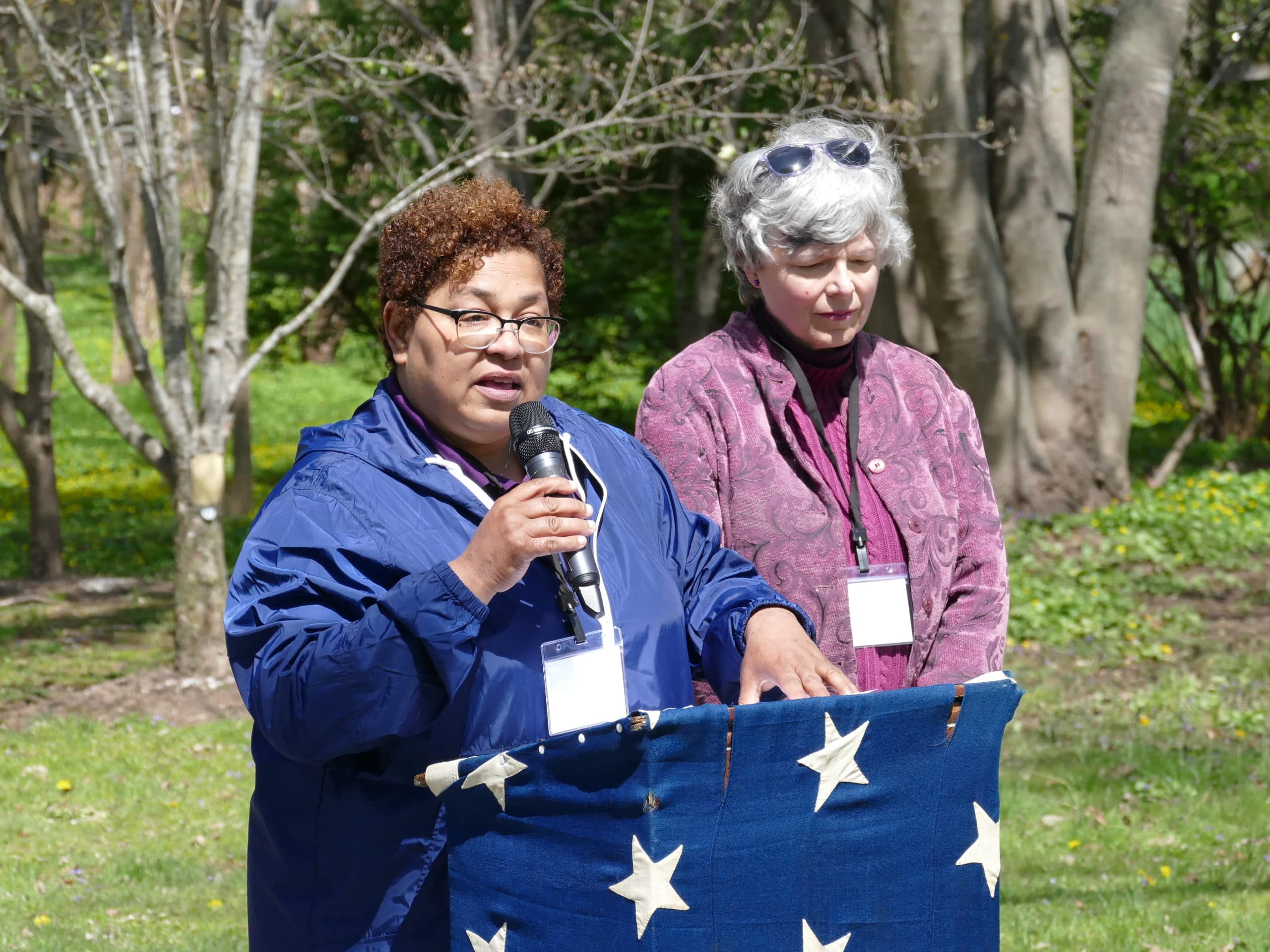
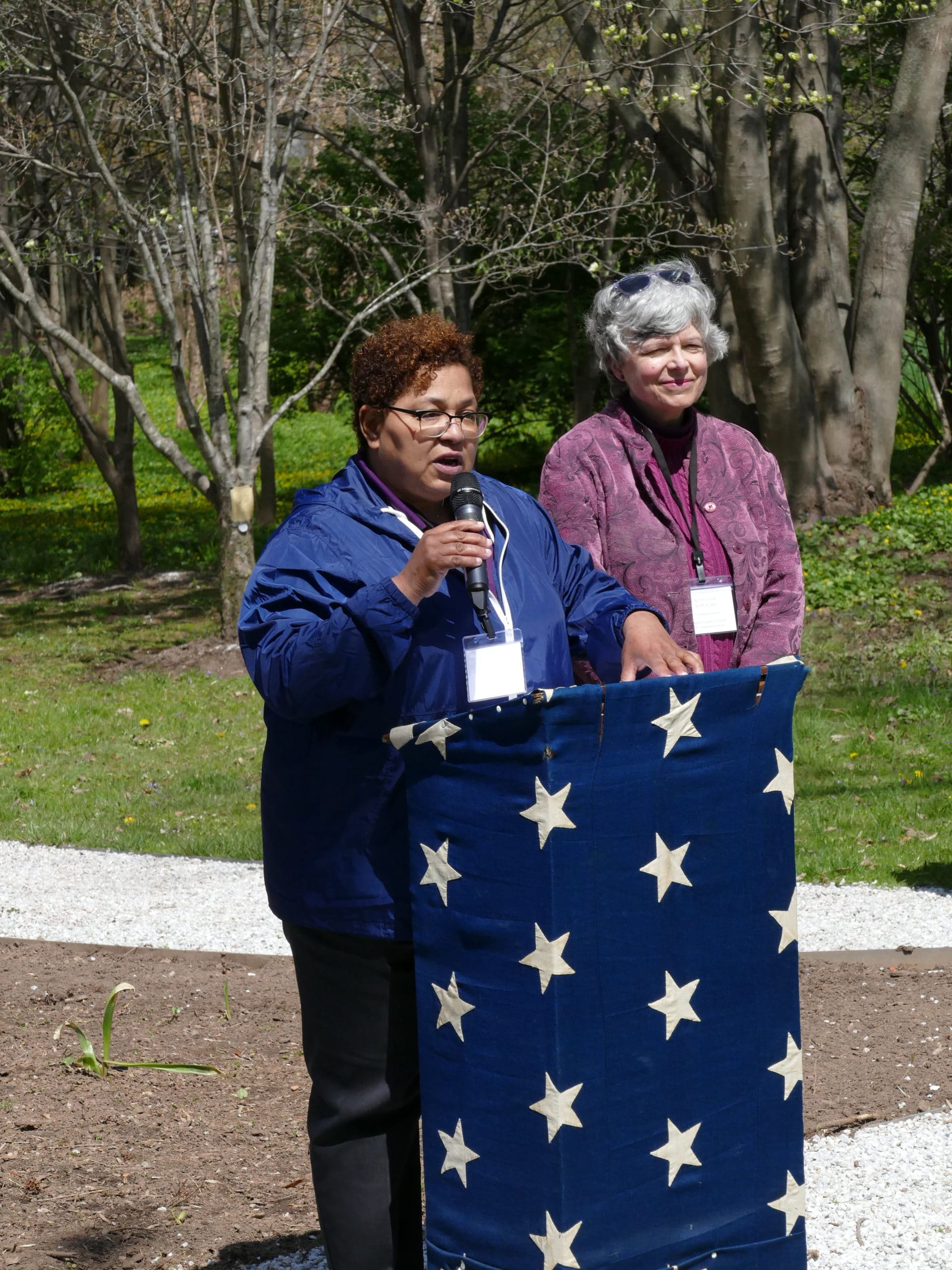
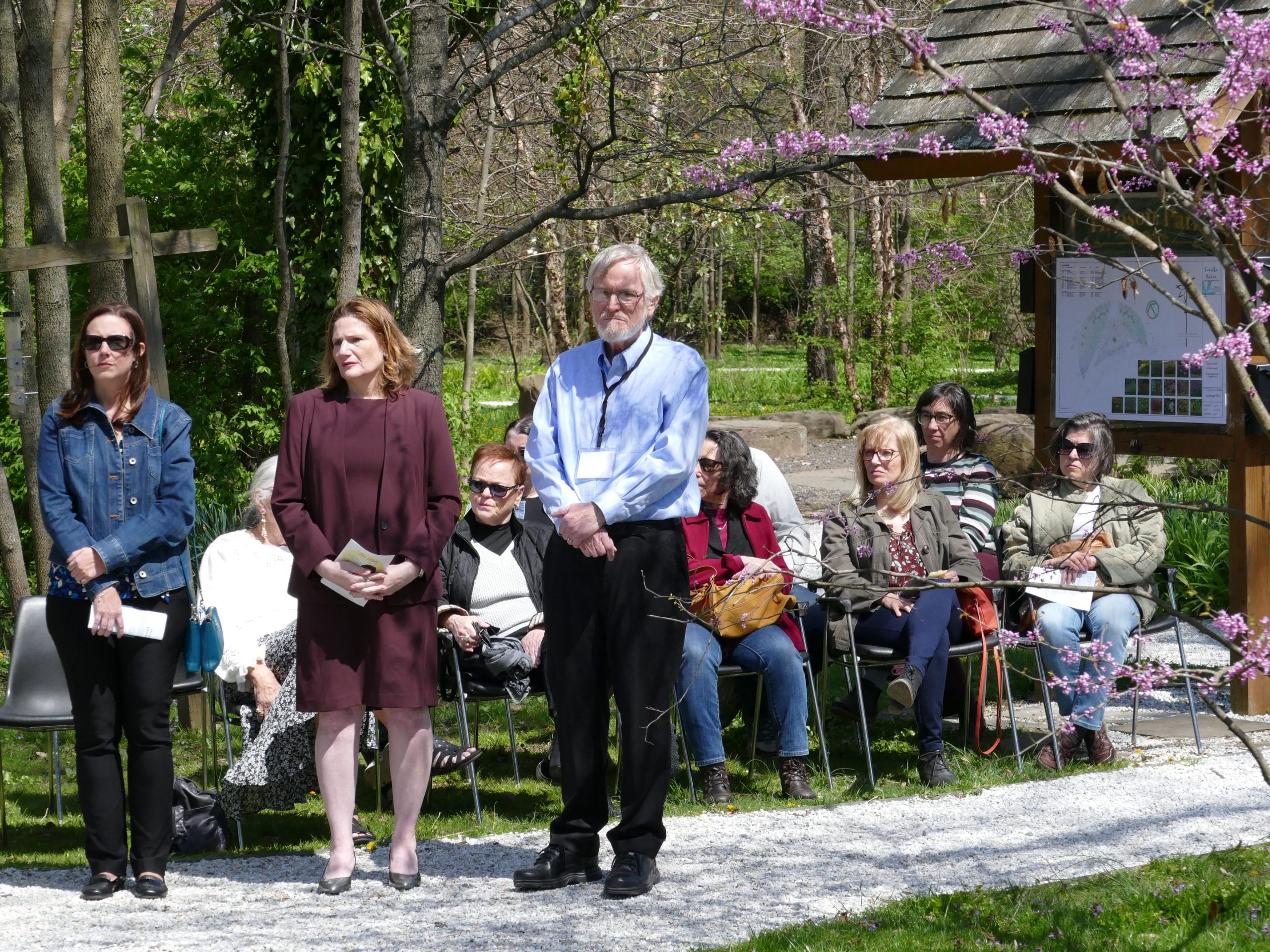

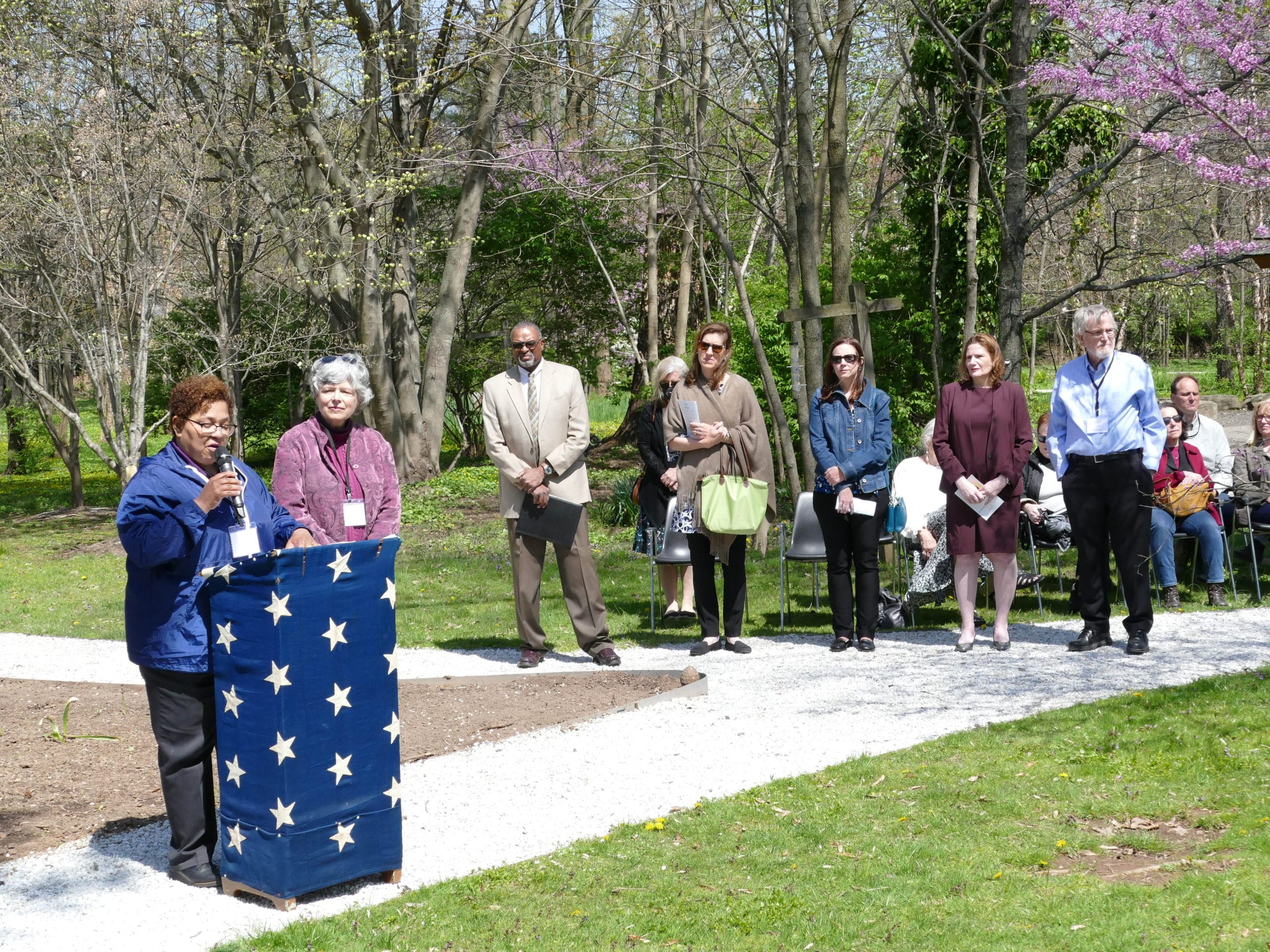
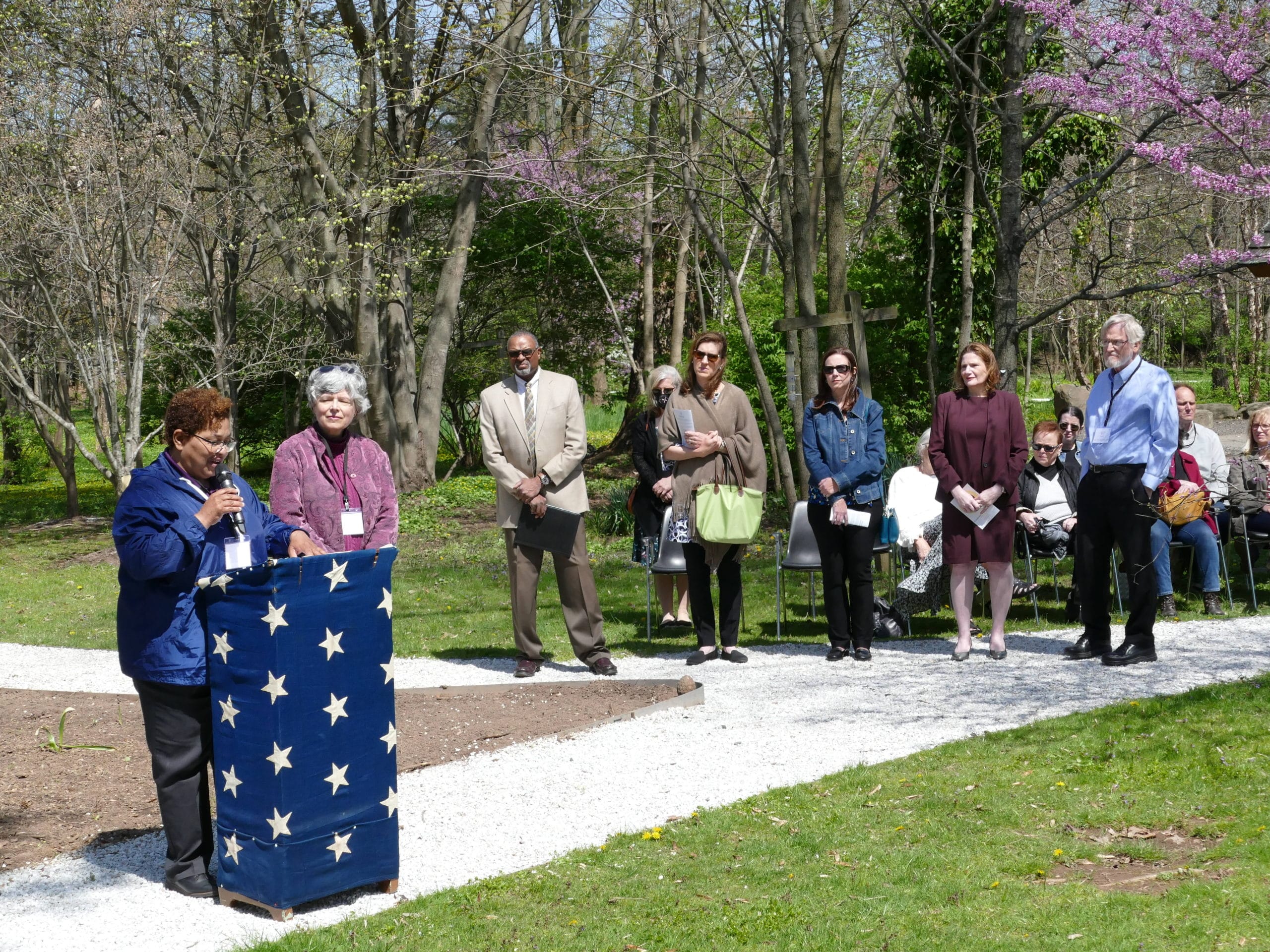
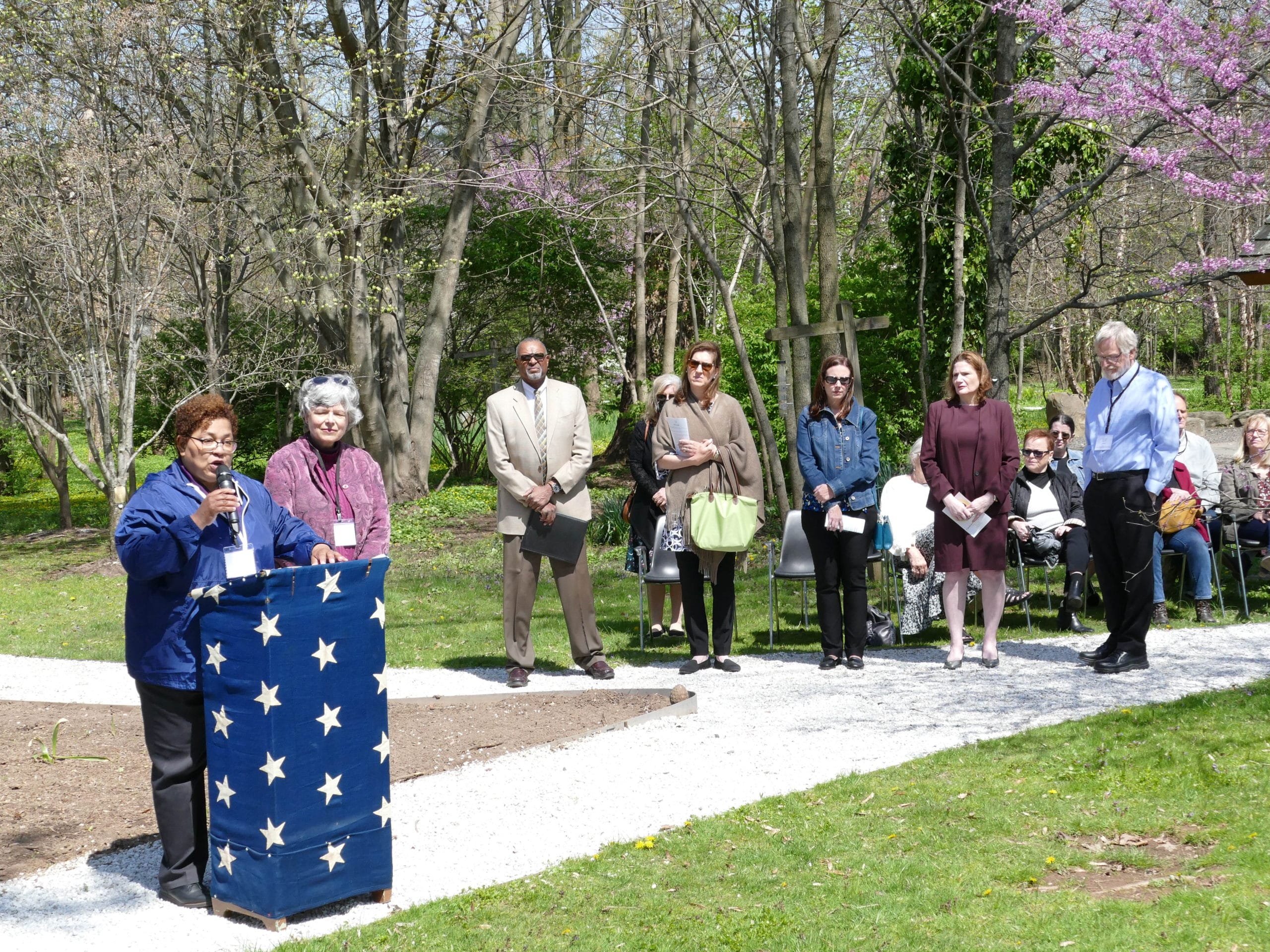









Please go to the next page for additional images.
These one hundred and twenty photos are courtesy of Kevin Papa. If you use them, please credit him as the photographer.
Please go to the next page for additional images.
Subscribe to Sharing Jan's Love Newsletter!
by Jean-Baptiste Andrea
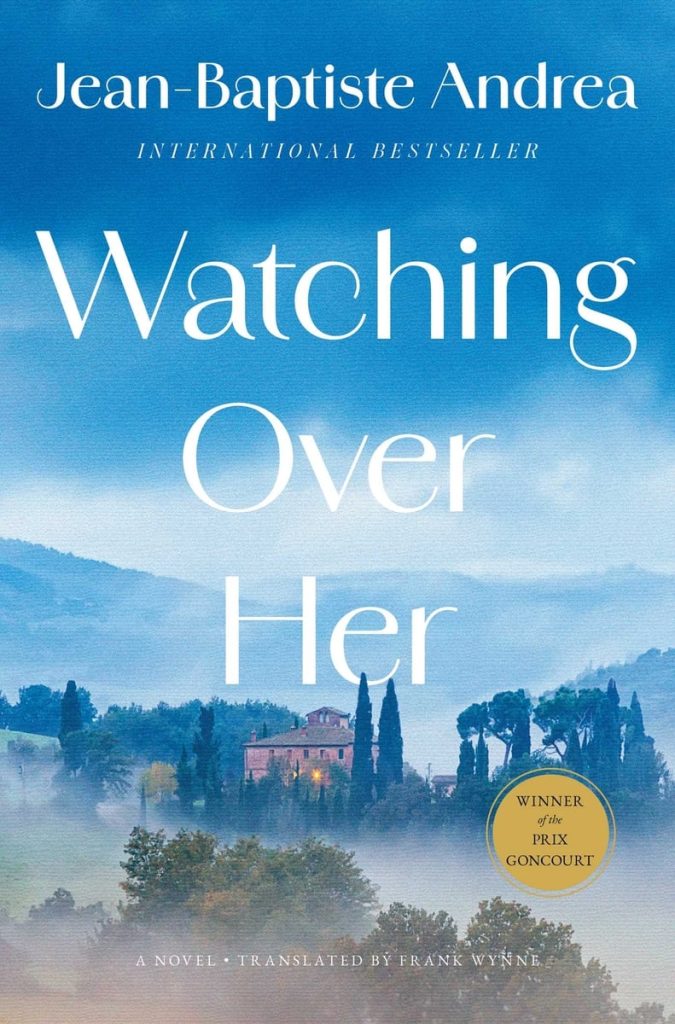
“Watching Over Her,” a novel by the acclaimed French author and Prix Goncourt winner Jean-Baptiste Andrea, is described by The New York Times as a “sprawling fresco and star-crossed love story.” The narrative follows a dwarf and talented sculptor as he reflects on the moments in his life that inspired his mysteriously powerful masterpiece. This book is perfect for readers who enjoyed “Martyr!” and “The Covenant of Water.”
In an Italian monastery, a sculptor named Mimo lies on his deathbed. For decades, he has lived among the monks who watch over his masterpiece, an arresting statue that haunts all who see it. During his final hours, he reveals his life story: his impoverished childhood, brutal apprenticeship, and, most importantly, his meeting with Viola Orsini, the only daughter of a powerful and dangerous aristocratic family.
Mimo and Viola are instantly drawn to one another, viewing themselves as outsiders—Mimo, for his dwarfism, Viola, for her ability to remember everything she has ever read or experienced. Together, they traverse the unrest of the twentieth century, from the rise of fascism to the violence of the world wars. While Mimo becomes a celebrated artist, Viola chases her own dreams of becoming an emancipated woman. Over the decades, they will lose and find each other time and again, but never will they give up on the love they share.
Immersive and full of heart, Mimo’s adventures are ribald and hilarious, challenging conventions of his day. Jean-Baptiste Andrea’s Prix Goncourt–winning novel has captivated audiences worldwide and is now available to readers in English for the first time, thanks to Frank Wynne’s wonderfully vivid translation.
Jean-Baptiste Andrea is a writer, screenwriter, and director. His novel Watching Over Her won the Prix Goncourt, France’s most prestigious literary prize. He is also the author of Ma Reine, A Hundred Million Years and a Day, and Devils and Saints.
Frank Wynne is an Irish literary translator, writer, and editor known for his translations of various French and Hispanic authors, including Michel Houellebecq, Patrick Modiano, Javier Cercas, and Virginie Despentes. Over his career, which has spanned more than twenty-five years, he has won the IMPAC Dublin Literary Award twice and the Independent Foreign Fiction Prize.
Additionally, he has received the Scott Moncrieff Prize three times and the Premio Valle Inclán twice. Most recently, his translation of “The Annual Banquet of the Gravediggers’ Guild” by Mathias Énard won the 2024 French-American Prize. Wynne has also edited two significant anthologies: “Found in Translation: 100 of the Finest Short Stories Ever Translated” and “Queer: LGBT Writing from Ancient Times to Yesterday.”
Discover your next favorite book and dive into a world of curated, exciting reads by purchasing through my links. You’ll have access to a diverse selection of books that I’ve personally vetted to ensure quality and enjoyment. Additionally, by supporting these selections, you’ll help me continue to provide you with more personalized recommendations. I earn a small commission from your purchase, which allows me to buy and share even more books with you. Your support truly makes a difference!
by Louise Hegarty
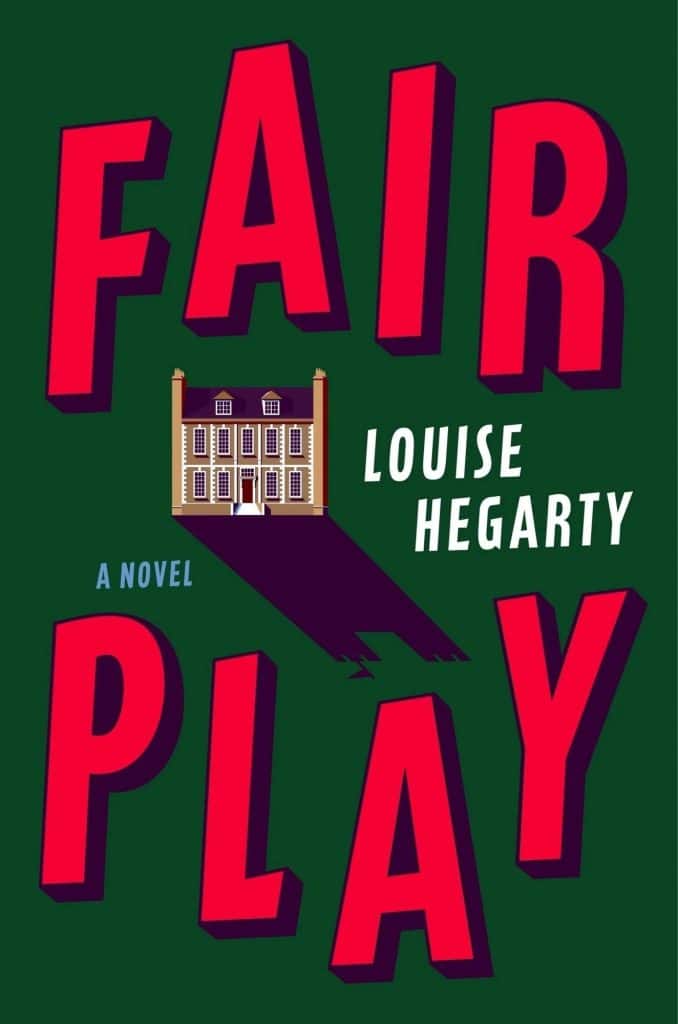
“Fair Play” by Louise Hegarty is a captivating and playful novel that is both insightful and profoundly moving. It delves into the complexities of the human heart while challenging our perceptions of a beloved genre. Fans of Anthony Horowitz and Lucy Foley will appreciate this wonderfully original and genre-defying debut from Ireland. The book pays tribute to the brilliant detective novels of the early twentieth century but with a modern twist that will keep readers on the edge of their seats.
A group of friends, each with their quirks and secrets, gathers at an Airbnb to celebrate New Year’s Eve. It’s Benjamin’s birthday, and his sister, Abigail, is hosting a Jazz Age Murder Mystery-themed party. As the night unfolds, they enjoy champagne, devour hors d’oeuvres, and form or strain relationships. Someone kisses the wrong person, and someone else’s heart breaks. The setting, a grand mansion with its mysteries, adds an extra layer of intrigue to the story.
By morning, everyone wakes up—except for Benjamin.
As Abigail struggles to come to terms with her brother’s death, an esteemed detective arrives, determined to find Benjamin’s killer. The mansion is now filled with a butler, gardener, and housekeeper, making everyone a suspect, and nothing is quite as it seems. The detective’s arrival not only adds a layer of suspense but also brings a sense of hope as the characters cling to the possibility of justice and closure.
Will the culprit be revealed? And how can Abigail, feeling lost and alone, begin to piece her life back together in the wake of this tragedy?
Gripping yet playful, sharp yet profoundly moving, *Fair Play* explores the depths of the human heart while subverting one of our most beloved genres. It’s a twisty murder mystery that’s both classic and contemporary, along with a poignant exploration of grief and loss.
Louise Hegarty‘s work has appeared in Banshee, The Tangerine, The Stinging Fly, and The Dublin Review. It has also been featured on BBC Radio 4’s Short Works. She was the inaugural winner of the Sunday Business Post/Penguin Ireland Short Story Prize. Her short story “Getting the Electric” has been optioned by Fíbín Media. Louise resides in Cork, Ireland.
When you purchase a book through one of my links, I earn a small commission that helps support my passion for reading. This contribution allows me to buy even more books to share with you, creating an incredible cycle of discovering great reads together! Your support truly makes a difference!
Enjoy a limited-time offer of 20% off your next book purchase at Bookshop.org!
by David Greig
“The Book of I” by David Greig is a remarkable debut novel from Scotland, shortlisted for both the Highland Book Prize and the Bookmark Book Festival Book of the Year. This unique work offers a philosophical exploration of themes such as guilt, redemption, humanity, love, and the beliefs we hold dear. Told with humor and enhanced by sharply vivid dialogue, David Greig skillfully bridges the gap between our contemporary world and the past.
Set in the year 825 CE, the story unfolds in the aftermath of a brutal attack by northern raiders, leaving an unlikely trio as the sole survivors on a remote Scottish island. The survivors include Brother Martin, a young monk who is the only member of the local monastery to escape martyrdom; Una, a beekeeper and mead maker who has freed herself from her violent husband during the chaos; and Grimur, an aging Norseman who digs himself out of a makeshift grave where his fellow raiders had left him, believing him to be dead.
As the seasons change in this wild and isolated environment, their initial distrust of one another evolves into a complex exploration of the distances and connections among them. “The Book of I” is a unique novel that serves as a philosophical commentary on guilt, redemption, humanity, love, and the beliefs we choose to embrace.
David Greig is a renowned Scottish writer whose plays have been performed extensively across the UK and internationally. His notable works for the theatre include The Strange Undoing of Prudencia Hart, Touching the Void, Midsummer, The Events, Charlie and the Chocolate Factory, Local Hero, and Macbeth (also known as Dunsinane). He served as the Artistic Director of Edinburgh’s Lyceum Theatre from 2015 to 2025. The Book of I marks his debut novel.
Discover your next favorite book and dive into a world of curated, exciting reads by purchasing through my links. You’ll have access to a diverse selection of books that I’ve personally vetted to ensure quality and enjoyment. Additionally, by supporting these selections, you’ll help me continue to provide you with more personalized recommendations. I earn a small commission from your purchase, which allows me to buy and share even more books with you. Your support truly makes a difference!
by Rebecca Makkai
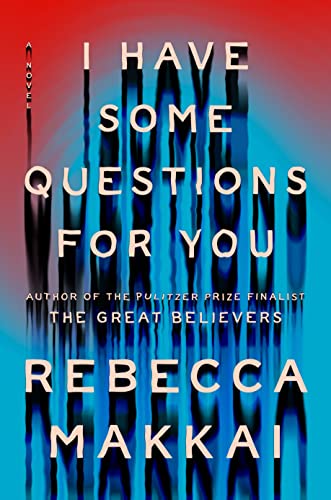
I Have Some Questions for You by Rebecca Makkai is a book that, from page one, pulled me into the story and made me believe I was embedded with Bodie Kane as she returned to her boarding school and worked with students to review the murder of her roommate twenty-three years ago. I Have Some Questions for You was more than a page-turner as I was an unnamed participant. I highly recommend this book and, as Ms. Makkai does, buy it at an independent bookstore.
I had not heard of the book until I read a review in The New Yorker by Katty Waldman, who writes, “The new book, a murder mystery set at an élite boarding school, is being marketed as an irresistible whodunnit. But it also joins a growing number of critiques of true crime.” Once I finished the review, I ordered the book and did not put it down until I finished the novel.
Do not “read this book if you”are looking for a whodunnit. It is a critique of true crime and an assessment of the “me too” era. How do we judge the past by the standards of the present?
Every book I have read since Jan died is one I wanted to discuss with her. But I Have Some Questions is one that would have been helpful for both of us to read simultaneously and share our thoughts. Jan’s work with the YWCA of Union County’s Domestic Violence program would have given her a unique perspective. But my lifetime efforts to free me from male blindness would have been a good counterpoint.
Please read this book, share it, and discuss it.
The Goodreads summary provides an overview,
A successful film professor and podcaster, Bodie Kane is content to forget her past—the family tragedy that marred her adolescence, her four largely miserable years at a New Hampshire boarding school, and her former roommate, Thalia Keith, in the spring of their senior year. Though the circumstances surrounding Thalia’s murder and the conviction of the school’s trainer, Omar Evans, are online, Bodie prefers—needs—to let sleeping dogs lie.
But when the Granby School invites her back to teach a course, Bodie is inexorably drawn to the case and its increasingly apparent flaws. As she falls down the rabbit hole she was so determined to avoid, Bodie begins to wonder if she wasn’t an outsider at Granby as she’d thought, perhaps, back in 1995, she knew something that might have held the key to solving the case. In their rush to convict Omar, did the school and the police overlook other suspects? Is the real killer still out there?
In I Have Some Questions for You, award-winning author Rebecca Makkai has crafted her most irresistible novel yet: a stirring investigation, timely, hypnotic, and populated with a cast of unforgettable characters, I Have Some Questions for You is at once a compulsive page-turner and a literary triumph.
The Jan Lilien Education Fund sponsors ongoing sustainability and environmental awareness programs. Gifts made this month; I will match dollar-for-dollar. All donations are tax-deductible.
I receive a commission when you buy a book or product using a link on this page. Thank you for supporting Sharing Jan’s Love blog.
by Justin Torres
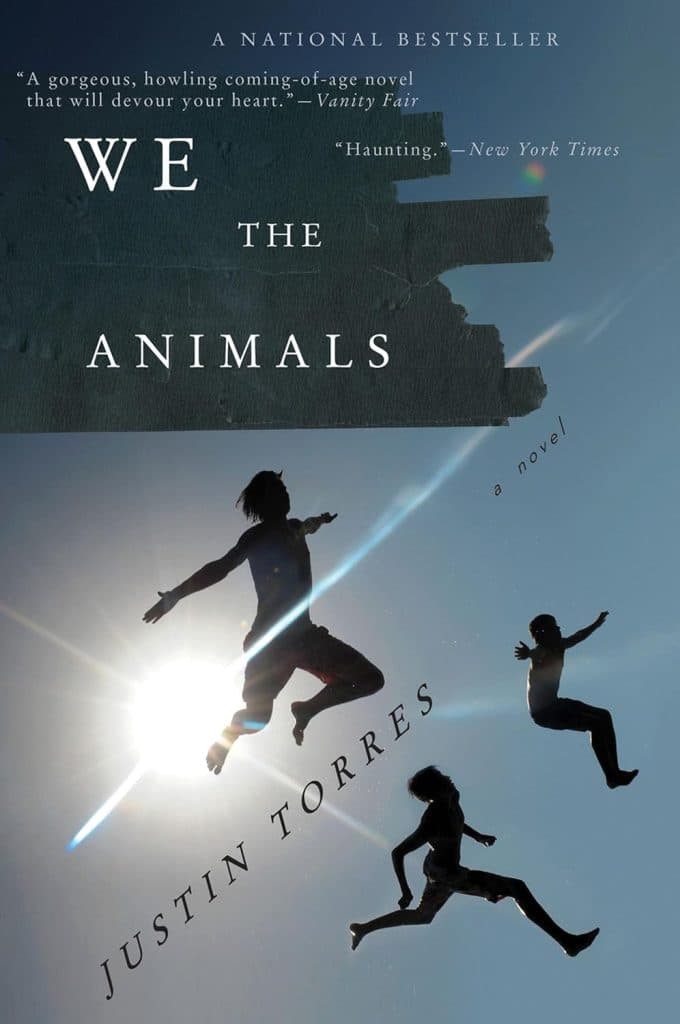
Today, I embarked on the literary journey of We the Animals by Justin Torres. This novel, listed among the New York Times’ 100 Best Books of the Century, is a groundbreaking work of art. The author of Blackouts immerses us in the tumultuous heart of a family, the intense bonds of three brothers, and the mythic impact of this fierce love on the individuals we are destined to become.
The narrative unfolds as three brothers navigate their way through childhood, a journey filled with emotional highs and lows, from playful acts like smashing tomatoes on each other to finding solace in each other’s company during their parents’ conflicts and even tiptoeing around the house as their mother rests after her graveyard shift. Paps and Ma, hailing from Brooklyn—he’s Puerto Rican, she’s white—share a profound and challenging love, shaping and reshaping the family numerous times. Life in this family is intense and all-consuming, filled with disorder, heartache, and the ecstasy of belonging to each other.
From the intense familial unity, a child feels to the profound alienation he endures as he begins to see the world, this beautiful novel doesn’t just tell a coming-of-age story; it reinvents it in a sly and punch-in-the-stomach powerful way. It delves into themes such as love, the meaning of family, and heartache, adding another layer of depth and complexity to the story.
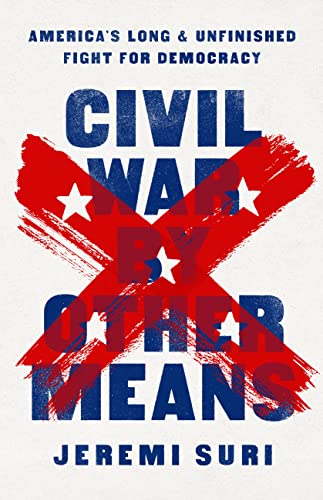
by Jeremi Suri
Civil War by Other Means: America’s Long and Unfinished Fight for Democracy by Jeremi Suri is the perfect book to help us understand our failures at creating a multi-racial democracy in the nineteenth century and how this has weakened and divided our nation. Jeremi Suri chronicles the events after the civil war, from Lincoln’s assassination to Garfield’s, and how they were a continuation of the war by other means.
I purchased a signed copy and watched a video presentation by Dr. Suri due to my membership at One Day University. Civil War by Other Means is a vivid and unsettling portrait of a country striving to rebuild itself but unable to compromise on or adhere to the most basic democratic tenets.
I highly recommend Civil War by Other Means: America’s Long and Unfinished Fight for Democracy by Jeremi Suri.
In addition, the documentary, on Apple TV+, Lowndes County and the Road to Black Power is a companion piece that illustrates the continued failure to create a multi-racial democracy. Jeremi Suri makes a convincing case that the eternal struggle for democracy continues in our time.
The Goodreads summary provides an overview,
In 1865, the Confederacy was comprehensively defeated, its economy shattered, its leaders in exile or in jail. Yet in the years that followed, Lincoln’s vision of a genuinely united country never took root. Apart from a few brief months, when the presence of the Union army in the South proved liberating for newly freed Black Americans, the military victory was squandered. Old white supremacist efforts returned, more ferocious than before.
In Civil War by Other Means, Jeremi Suri shows how resistance to a more equal Union began immediately. From the first postwar riots to the return of Confederate exiles, to the impeachment of Andrew Johnson, to the highly contested and consequential election of 1876, Suri explores the conflicts and questions Americans wrestled with as competing visions of democracy, race, and freedom came to a vicious breaking point.
What emerges is a vivid and, at times, unsettling portrait of a country striving to rebuild itself but unable to compromise on or adhere to the most basic democratic tenets. What should have been a moment of national renewal was ultimately wasted, with reverberations still felt today. The recent shocks to American democracy are rooted in this forgotten, urgent history.
The Jan Lilien Education Fund sponsors ongoing sustainability and environmental awareness programs. Gifts made this month; I will match dollar-for-dollar. All donations are tax-deductible.
I receive a commission when you buy a book or product using a link on this page. Thank you for supporting Sharing Jan’s Love blog.



That was a great day! Lots of love!
Hugo, thank you for your friendship and support. It means a lot to me, especially this year.
On Celebrate Jan Day, you and Ana’s help with set-up and clean-up was crucial. Without your assistance, the event would not have been as successful.
I will never be able to thank you enough.