
Jan’s Memorial Garden

Jan’s Wind Sculpture
Soothes Our Souls

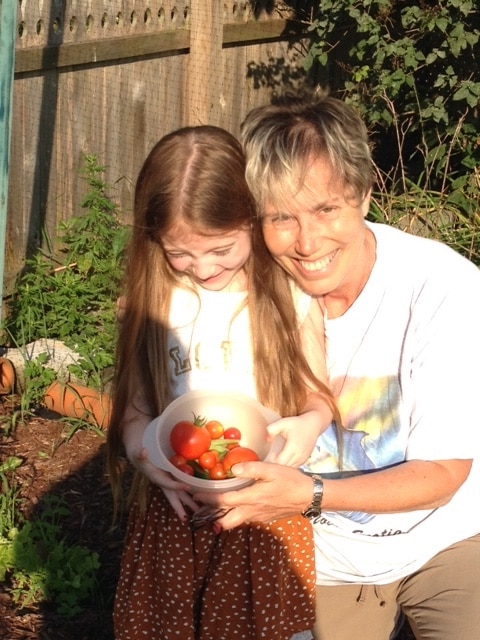
When Jan died, I knew I needed to honor her life not only in a way that would keep her memory alive and continue to have her name spoken but also to help the community. Jan had a green thumb for house plants and vegetables. All I had was the desire and the shoulders to help her.

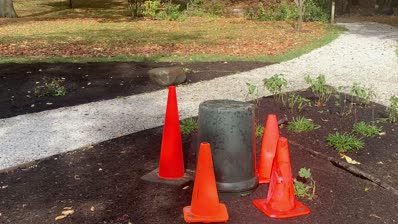
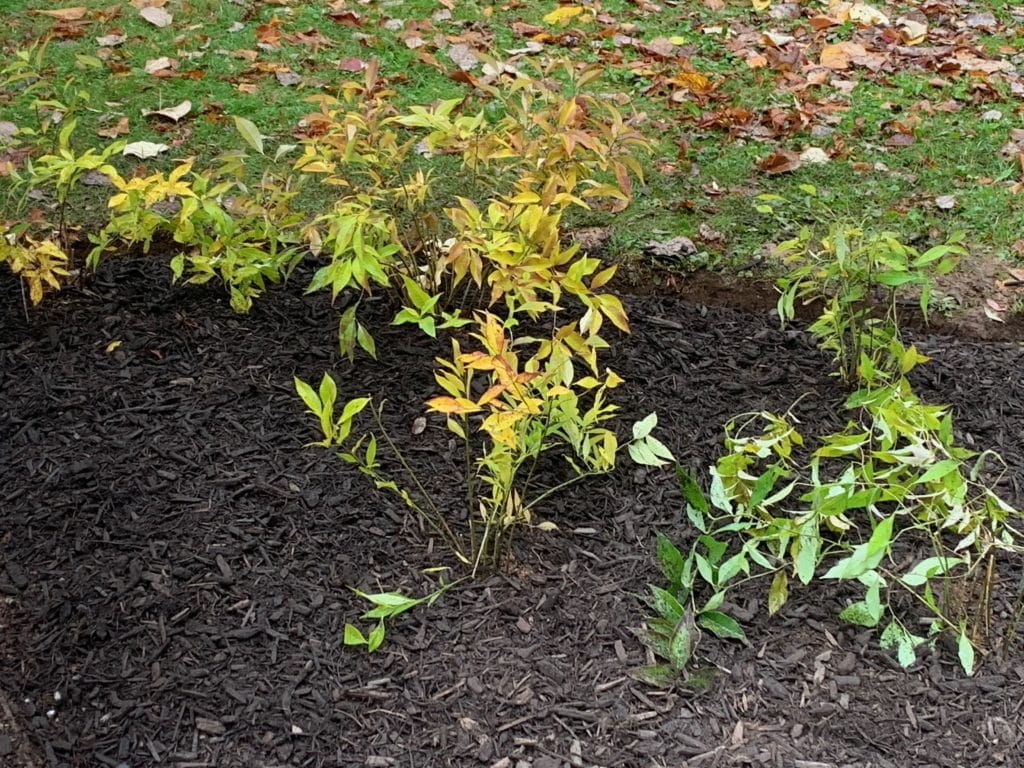
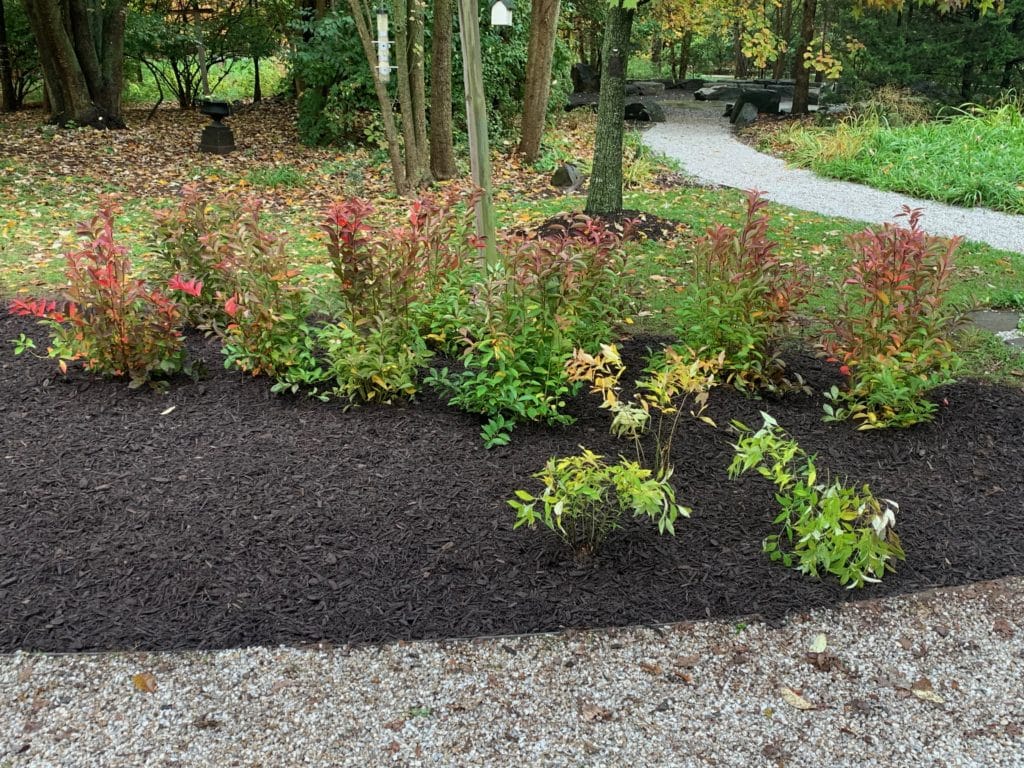
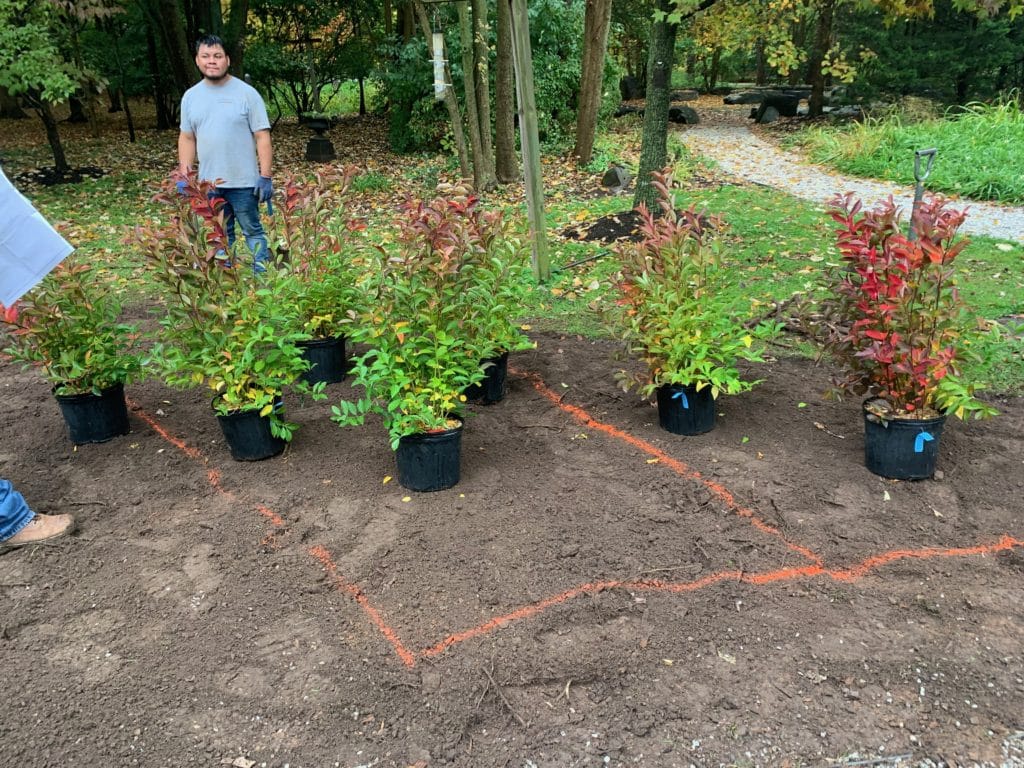
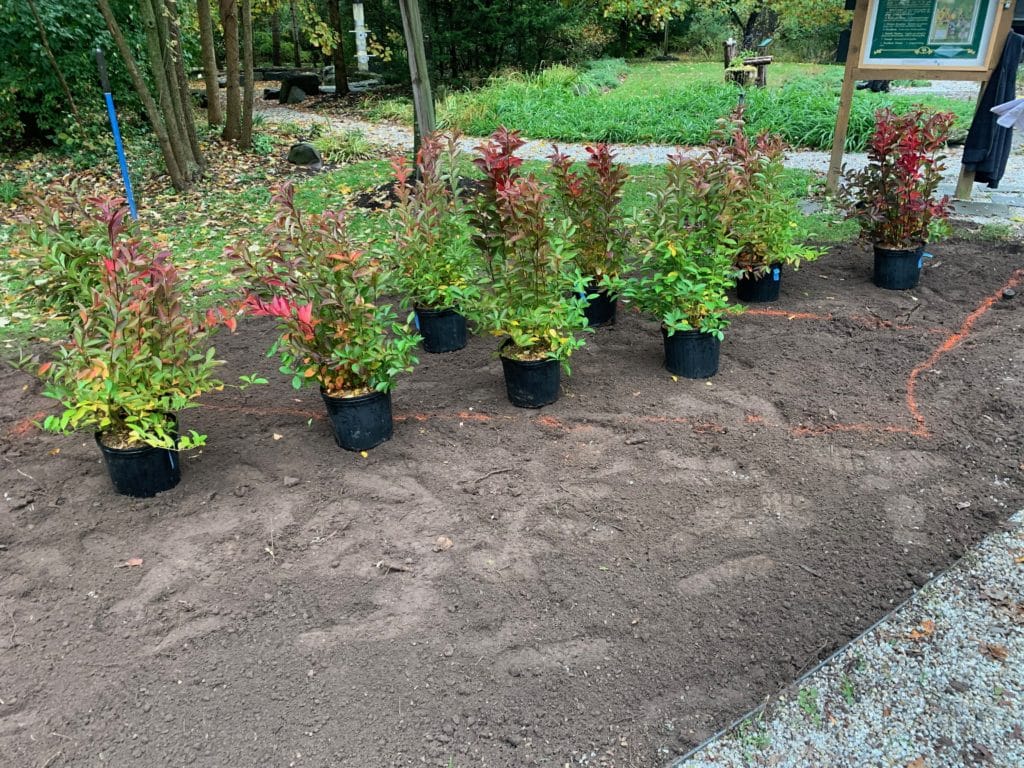
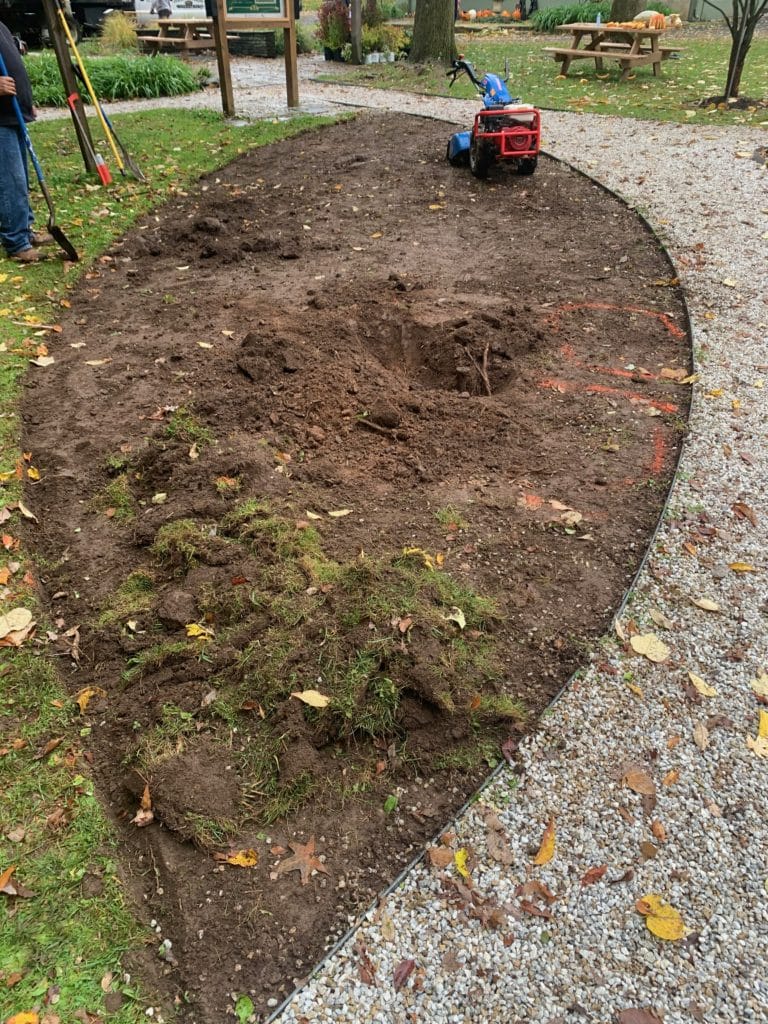
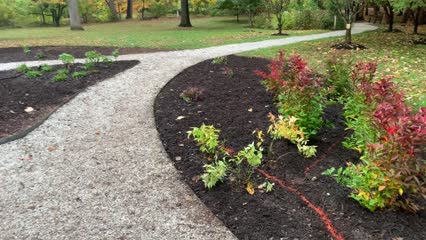
Working with the Hanson Park Conservancy, we have taken significant steps in building Jan’s Memorial Triangle Garden at Hanson Park.

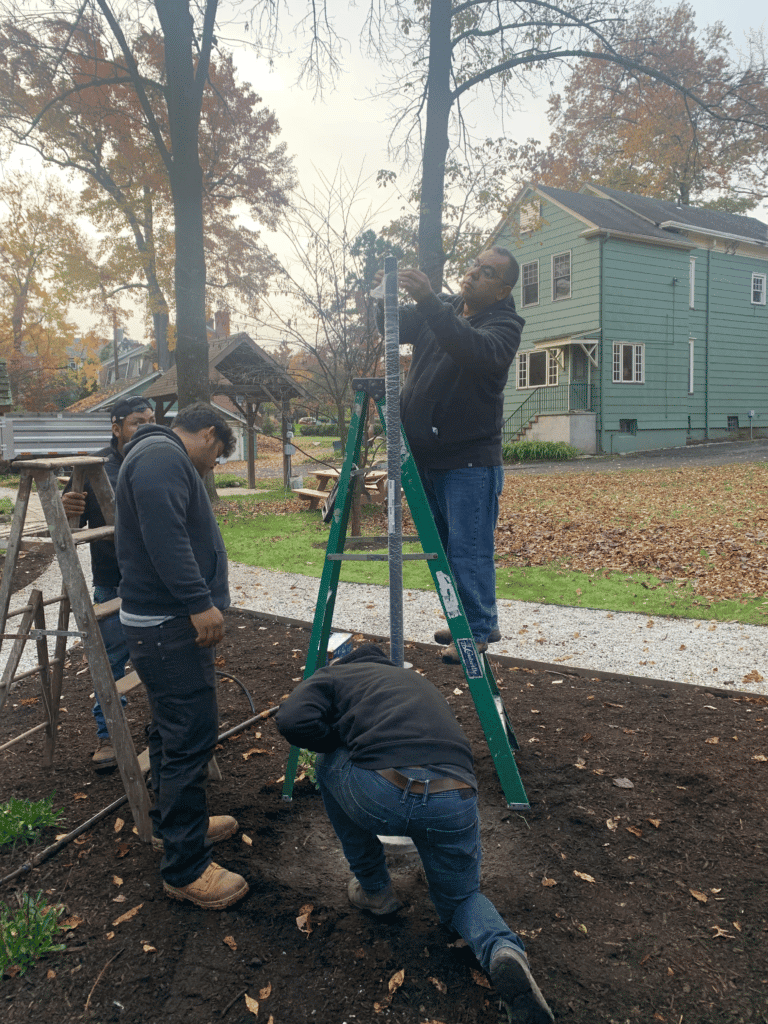
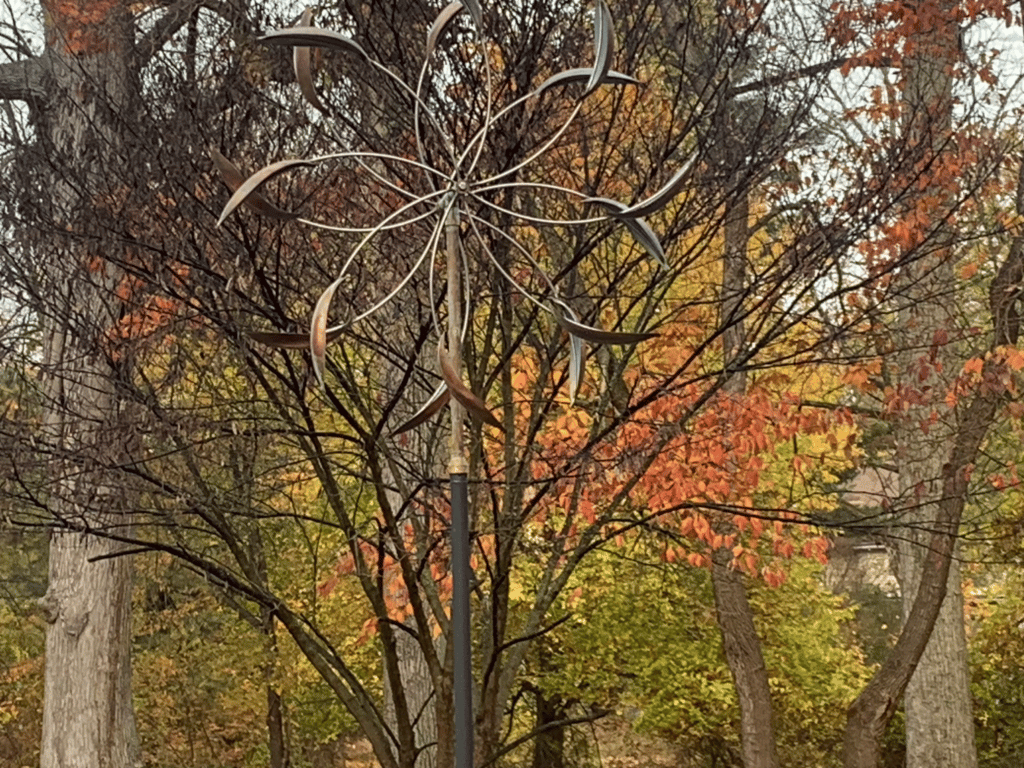
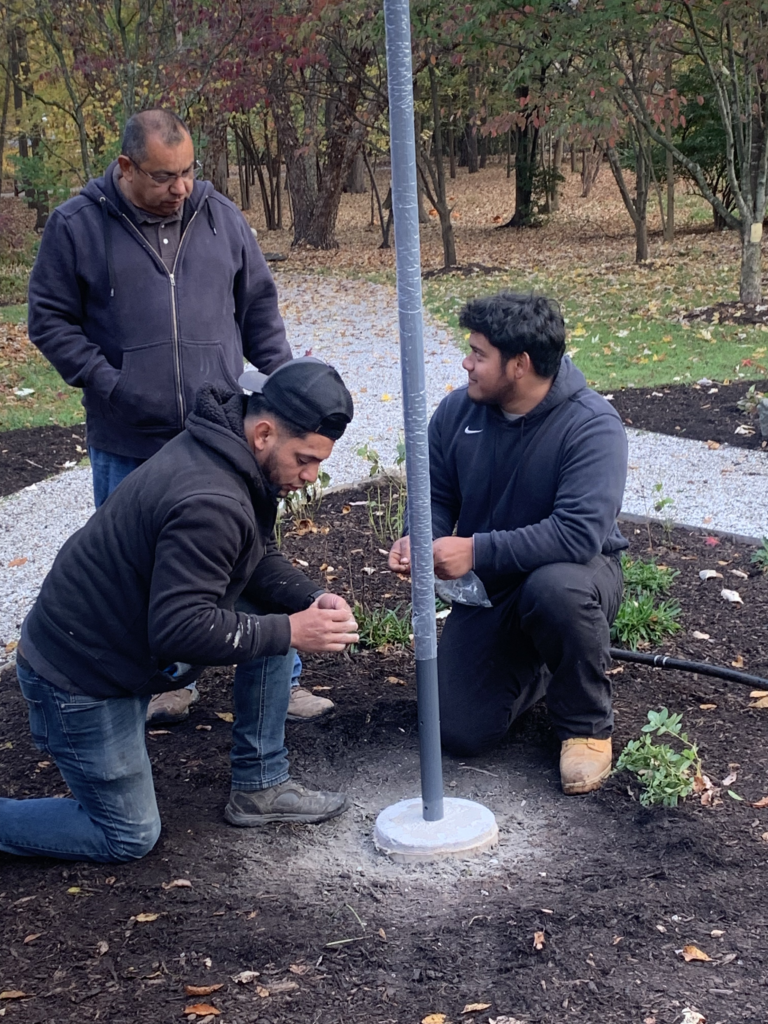
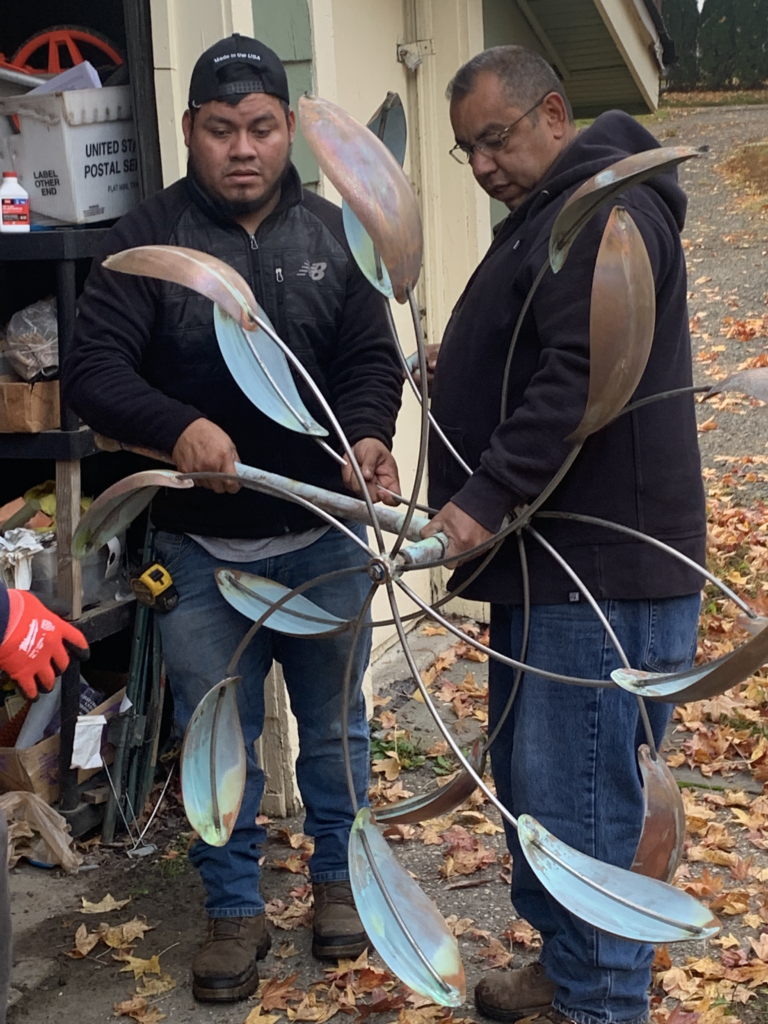
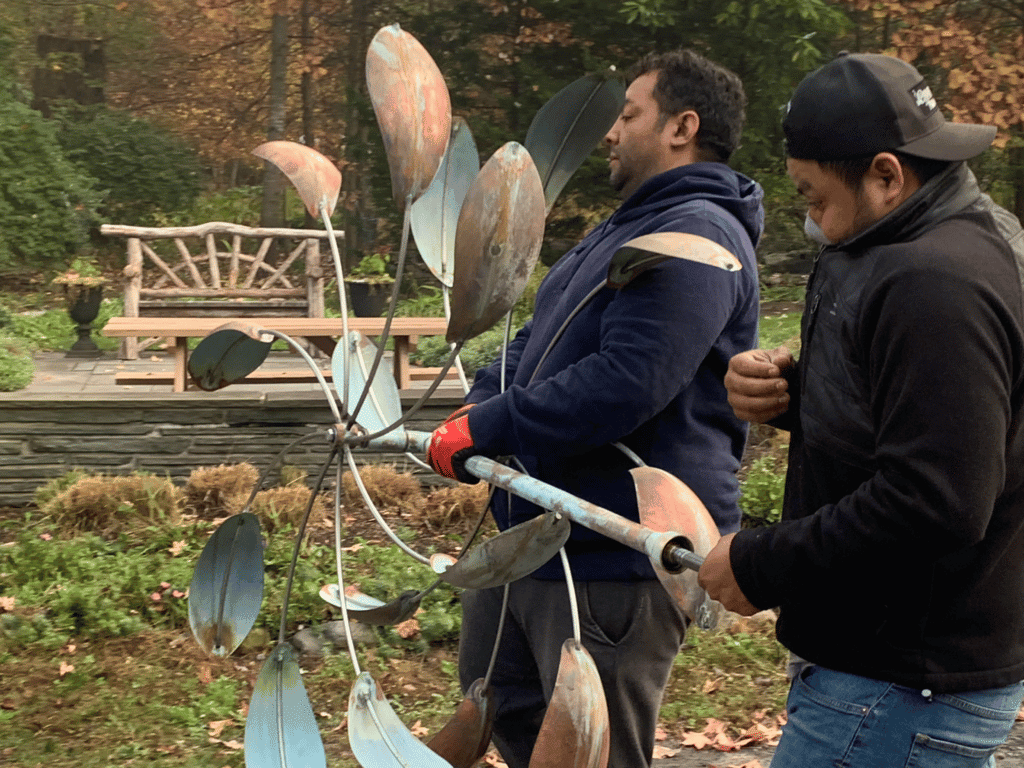
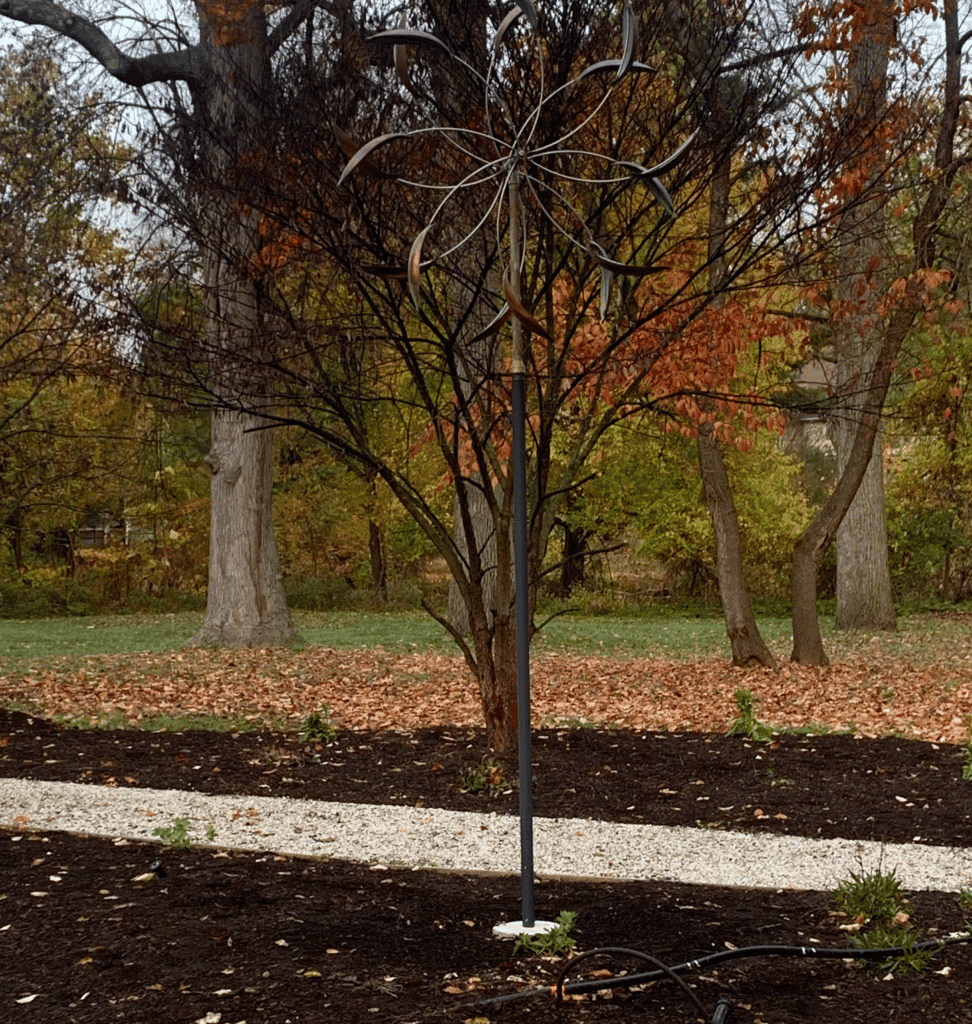
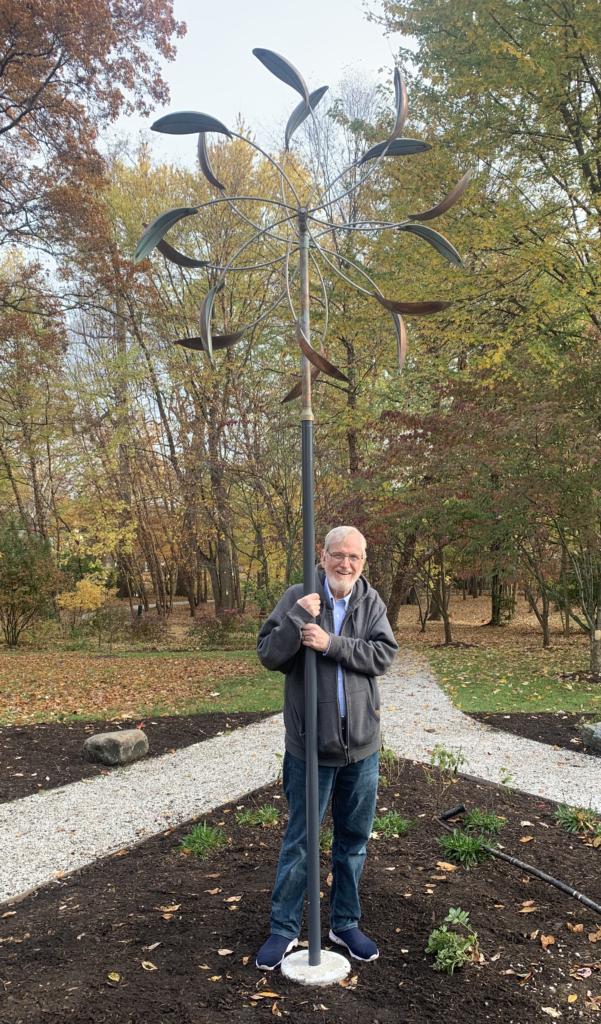
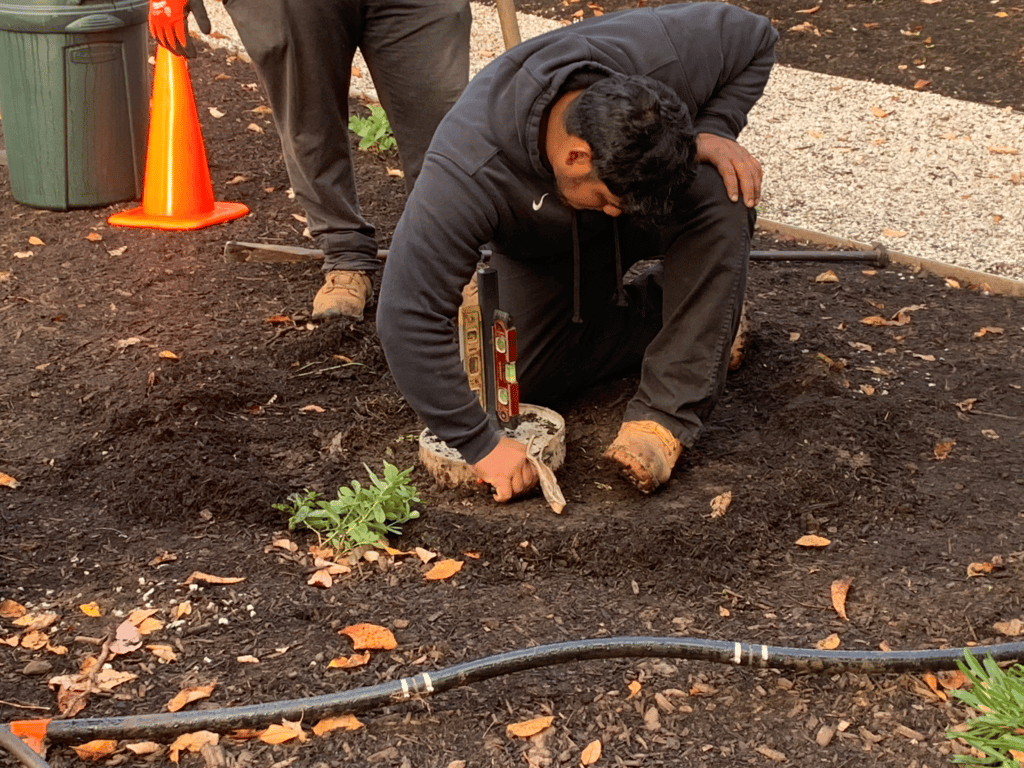
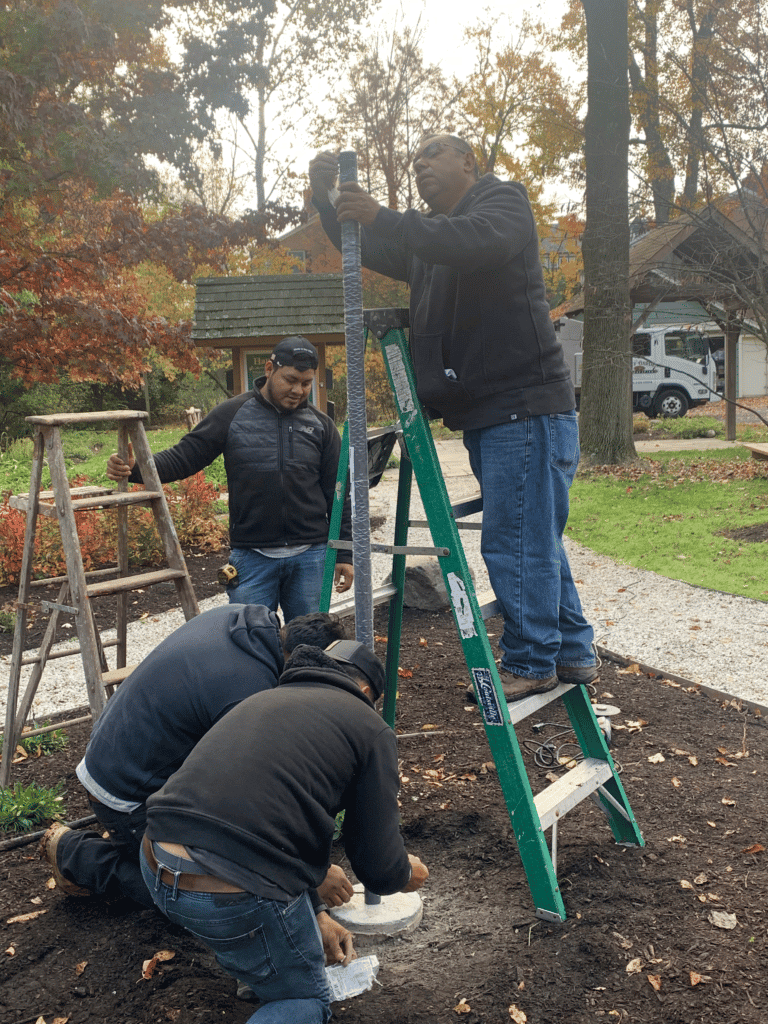
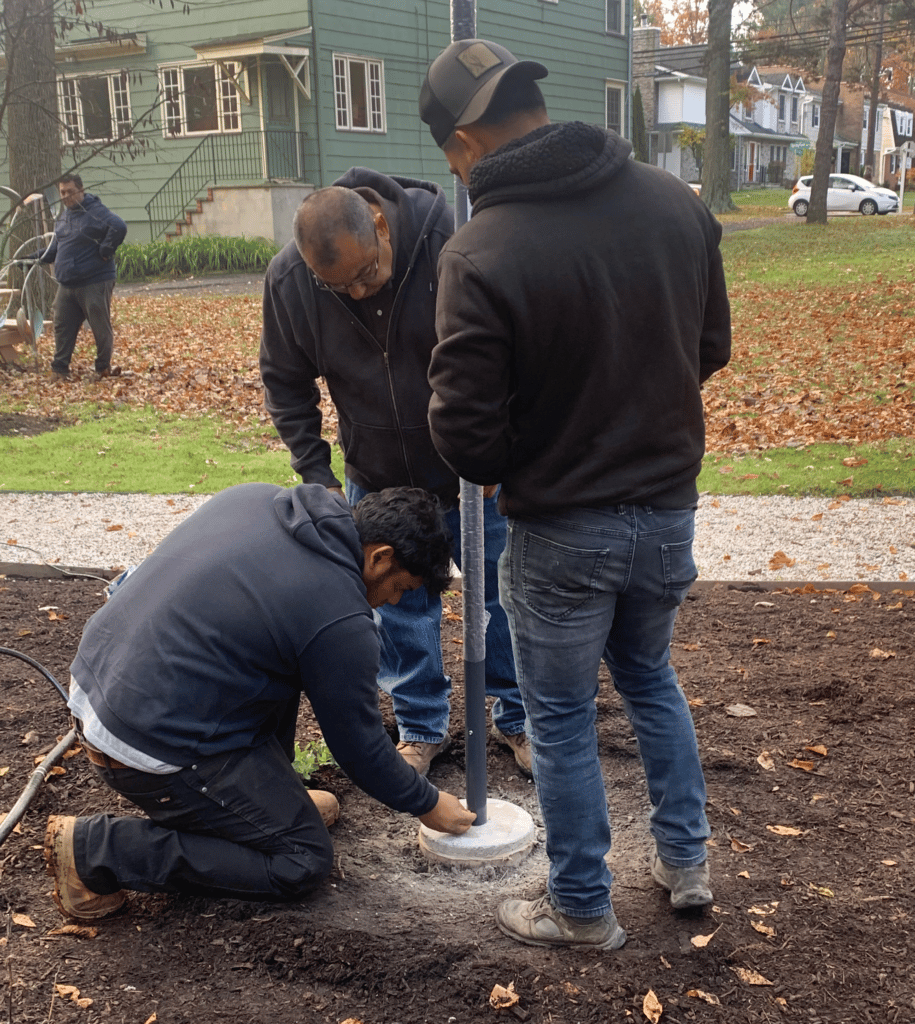
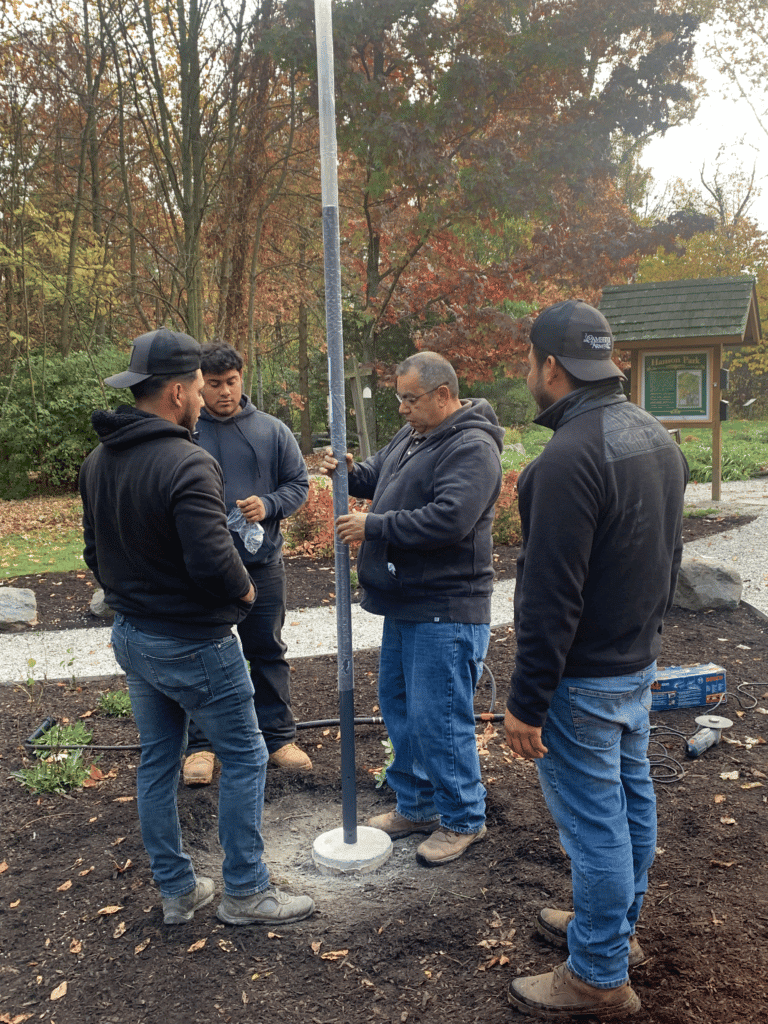
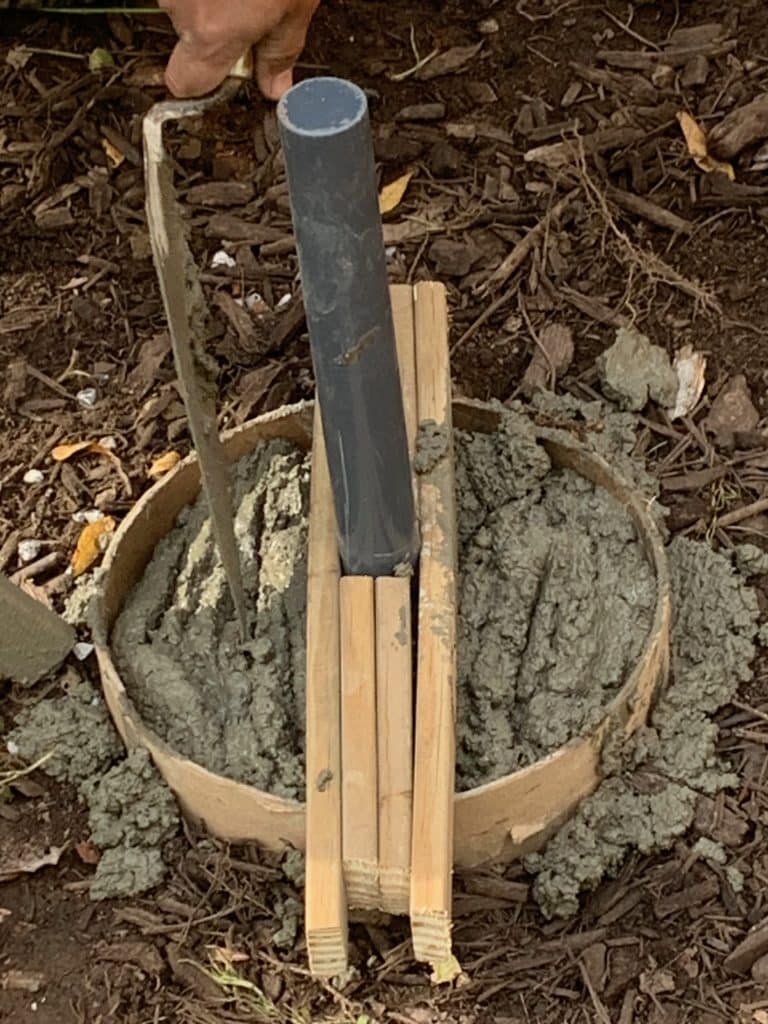
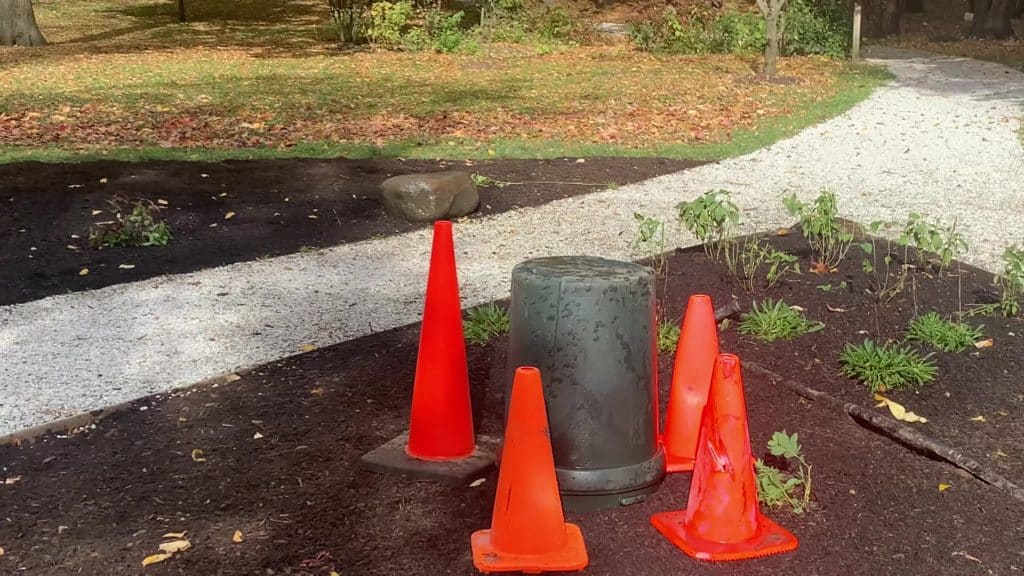
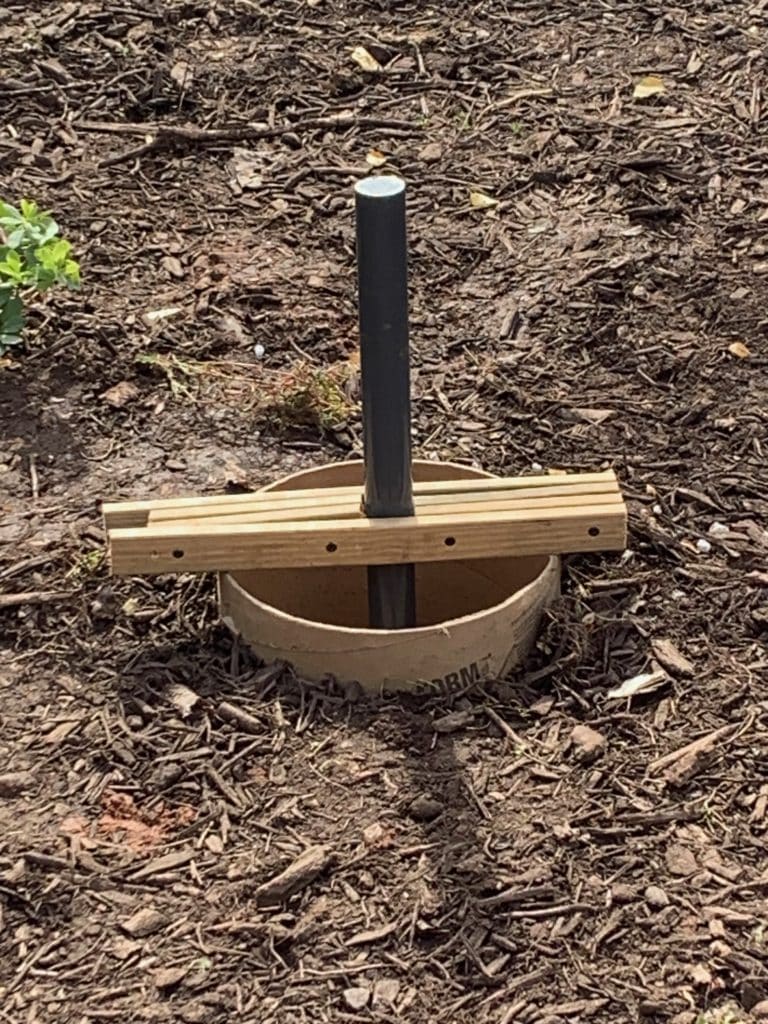
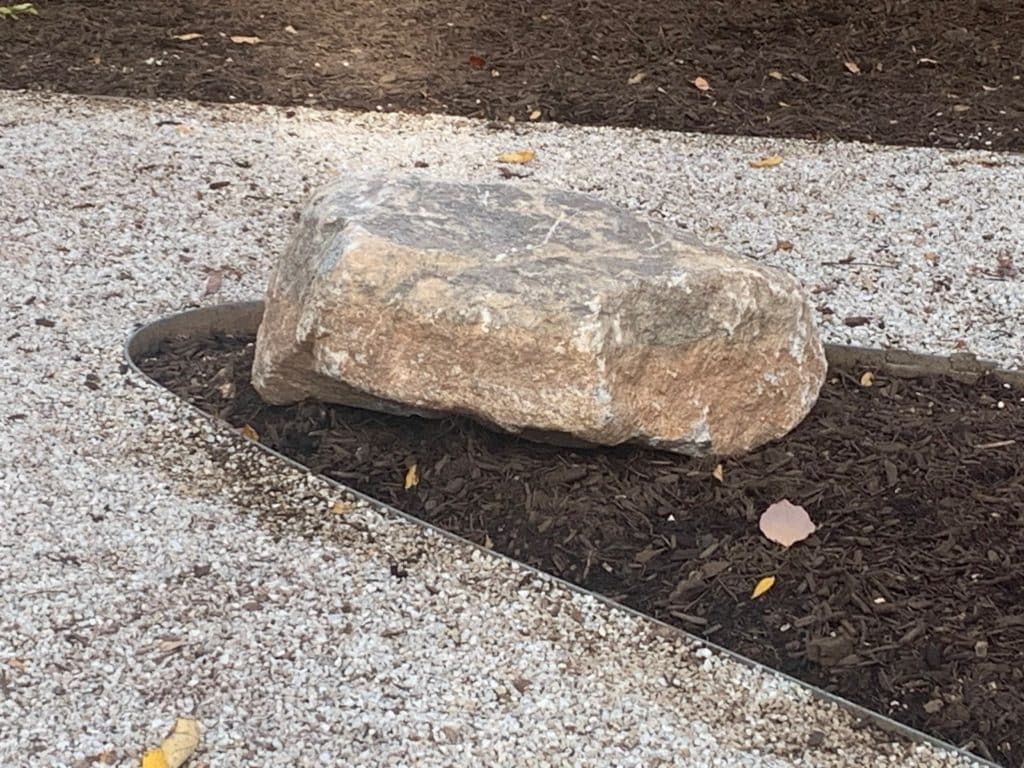
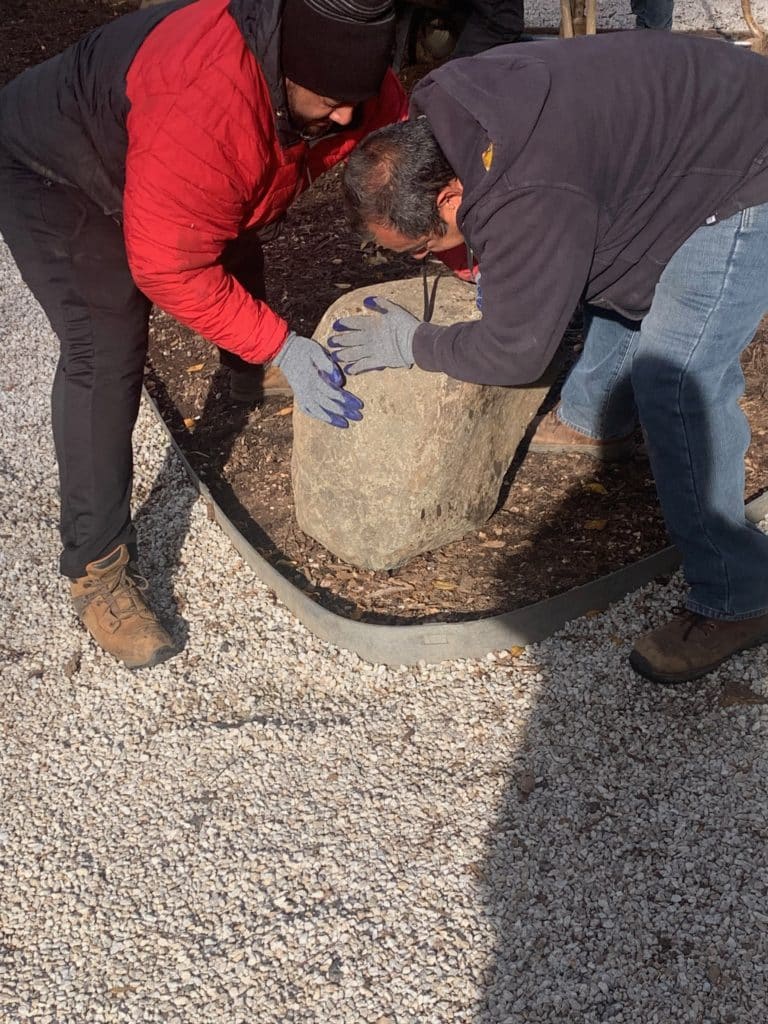
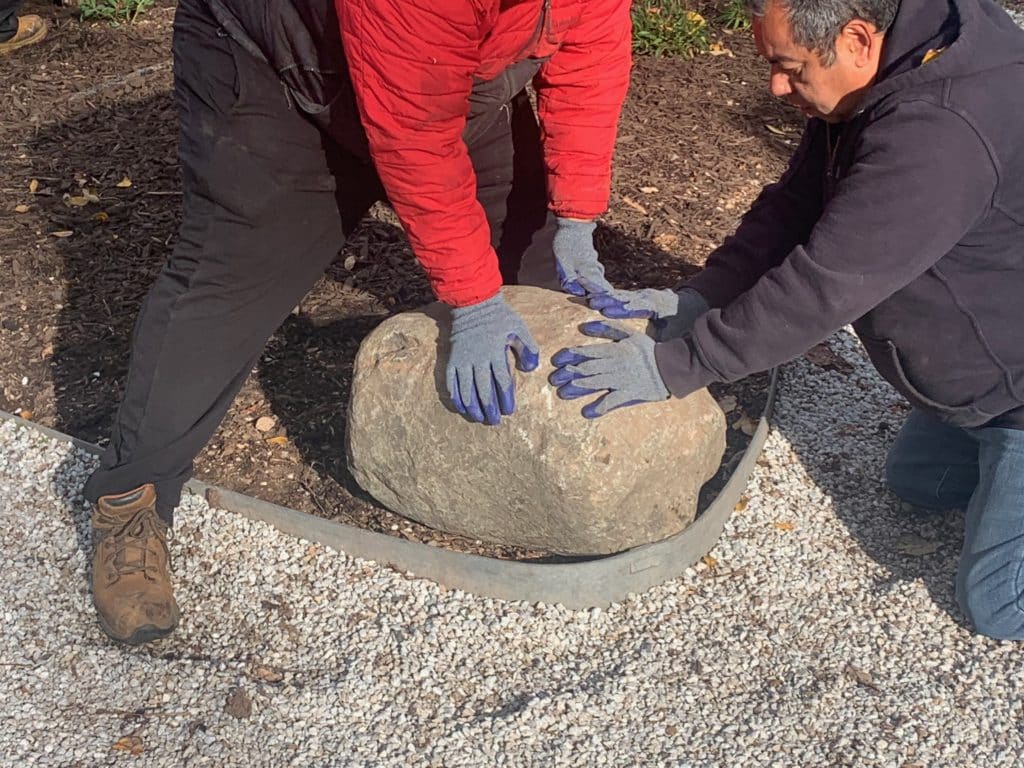
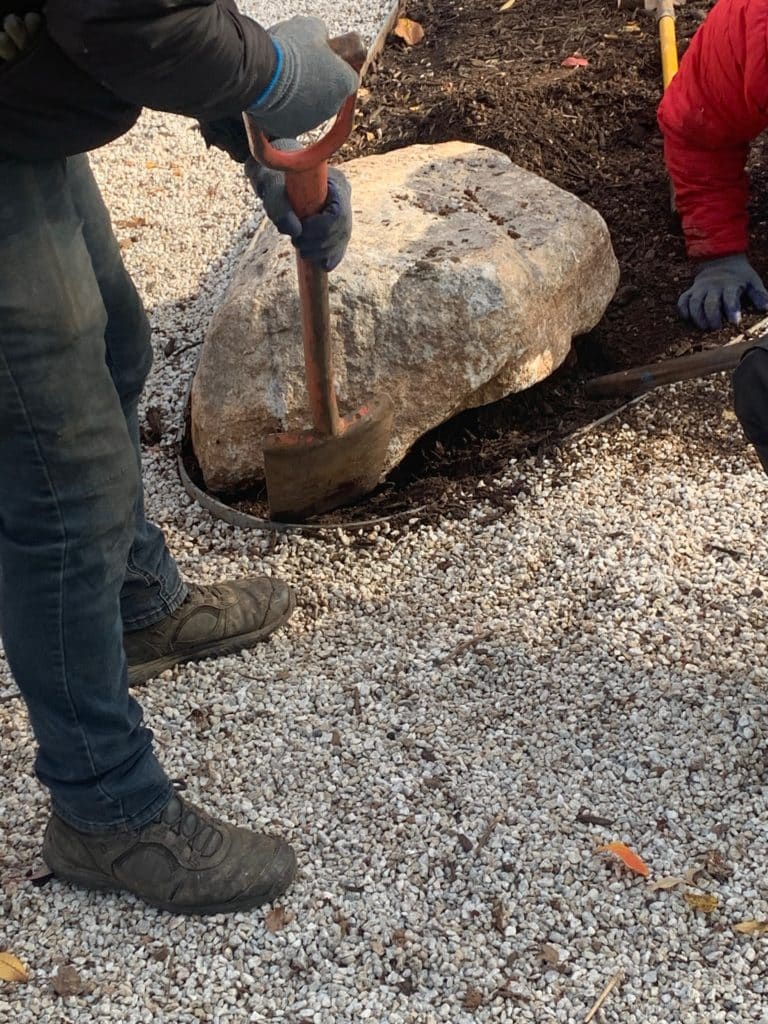
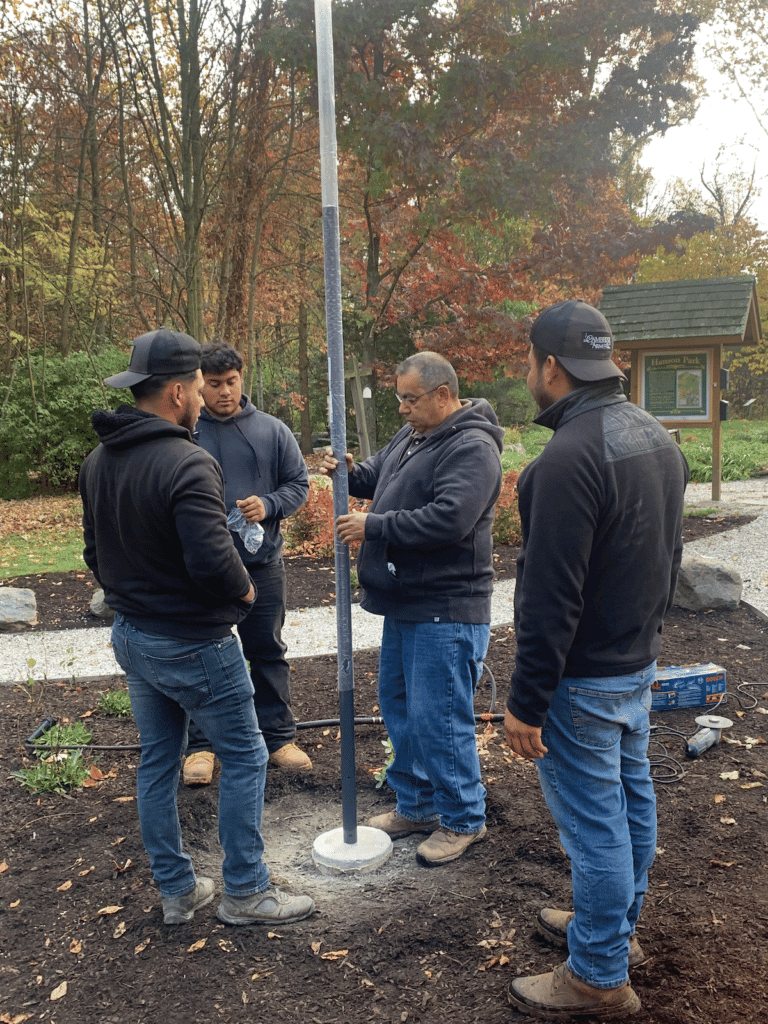
The garden’s centerpiece, the wind sculpture, was installed on Friday, November 4, 2022, eighteen months after Jan died in my arms.

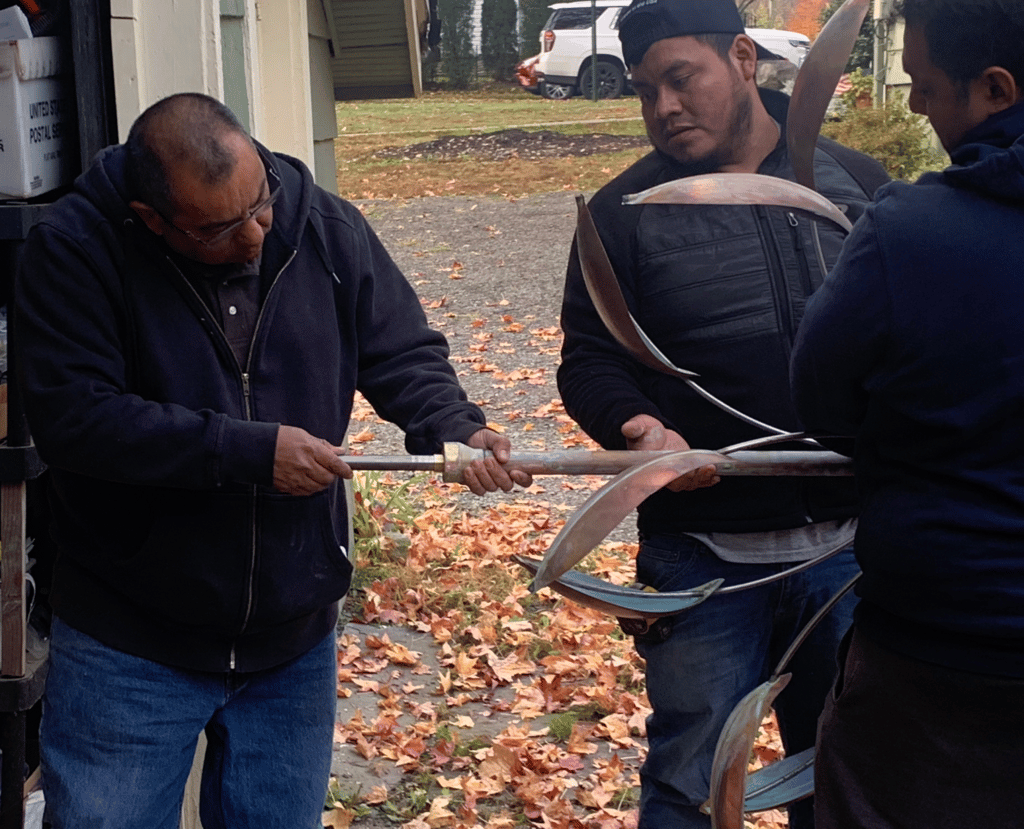
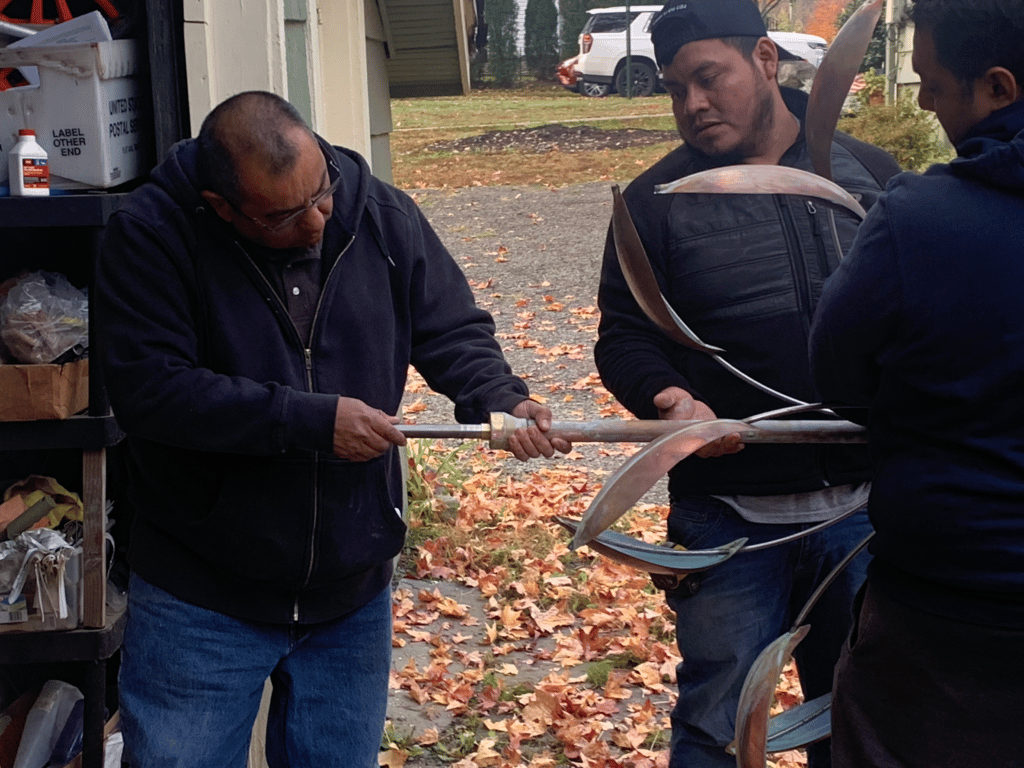
Installation of Jan’s Wind Sculpture

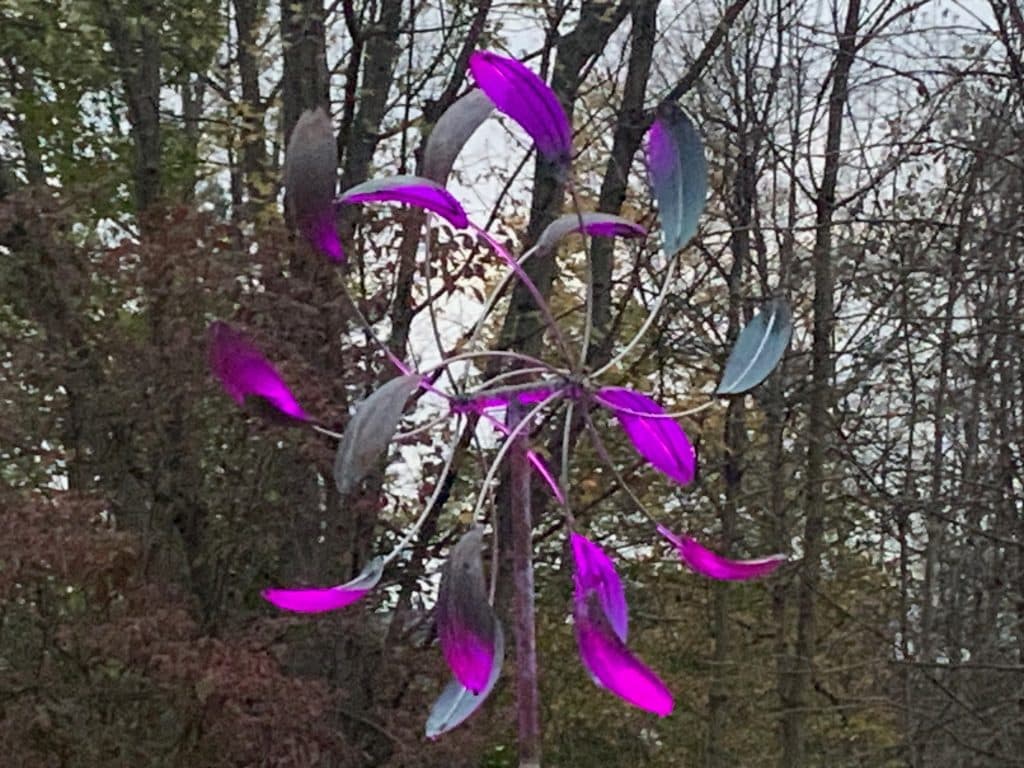
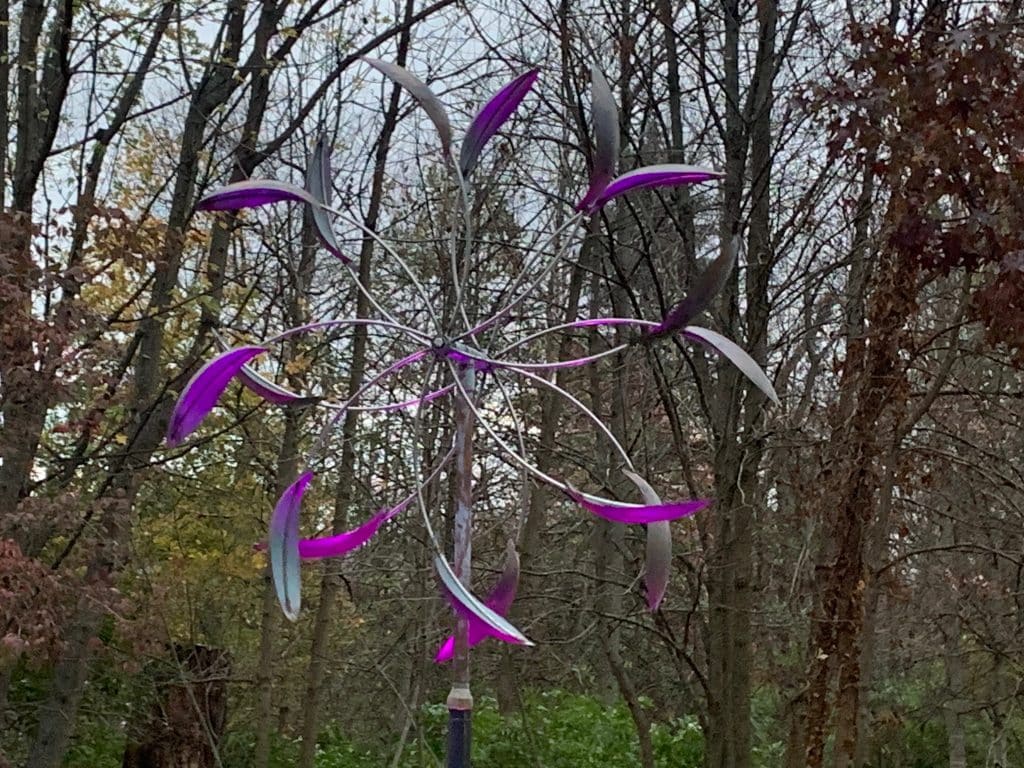
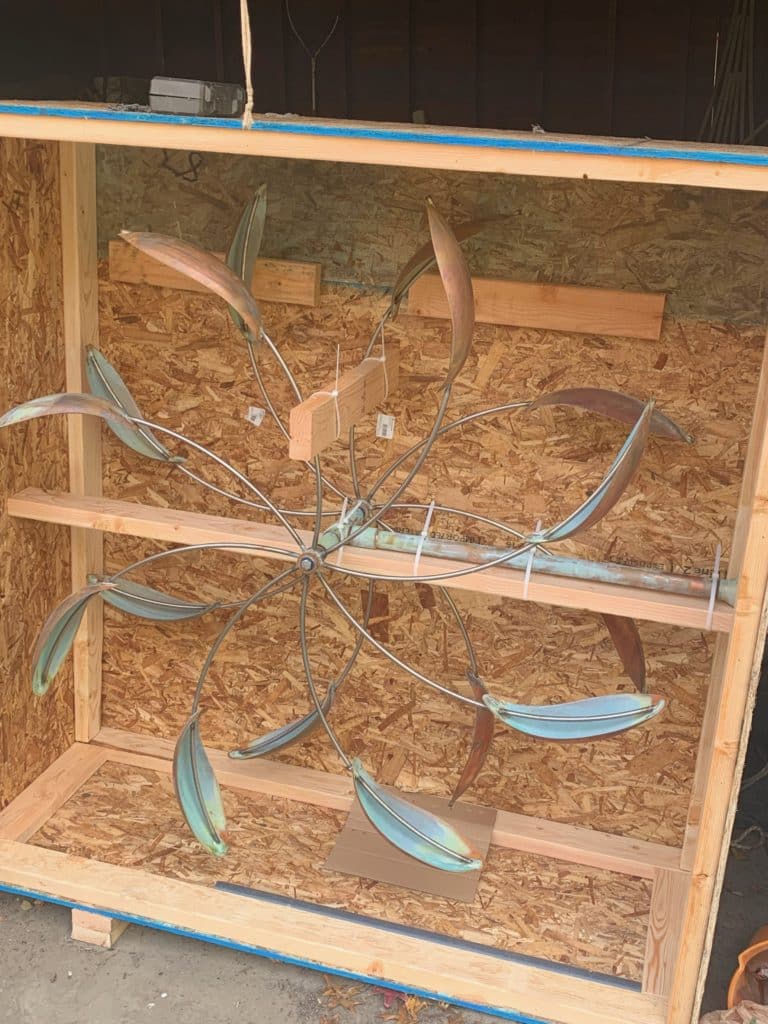
The wind sculpture was designed and built by Lyman Whitaker Wind Sculptures. The Double Spinner will reflect Jan’s spirit and enthusiasm for life. It will also be a beacon to the Cranford community and encourage more people to visit Hanson Park.
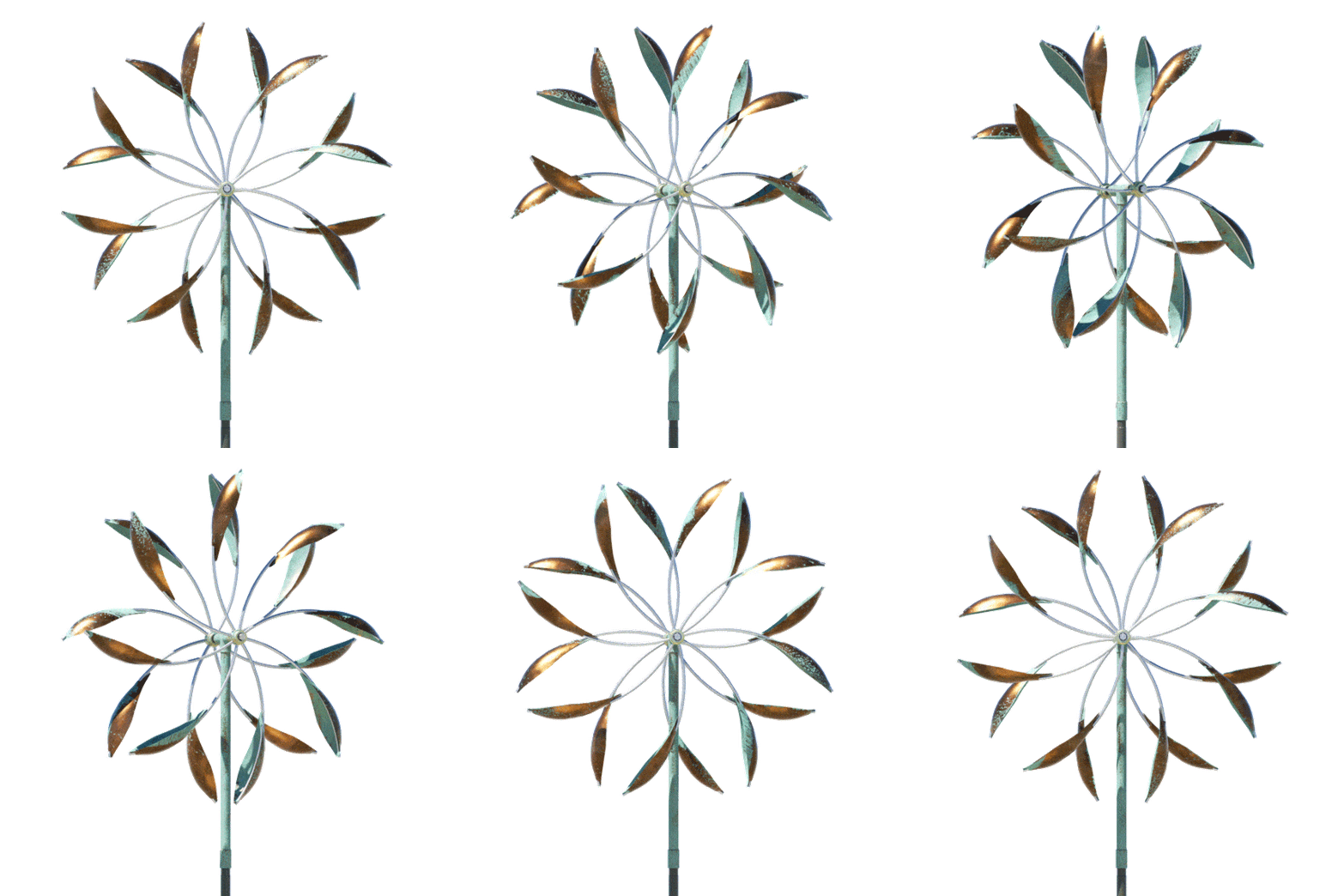
Lyman Whitaker
Double Spinner – Copper

The outdoor lighting has been installed by Proscape Irrigation.

Jan’s Purple Wind Sculpture

Hanson Park is working with Carolle Huber Landscape Architecture to develop a creative reimagination of the Hanson Park Triangle.

Click here for a PDF of the design.
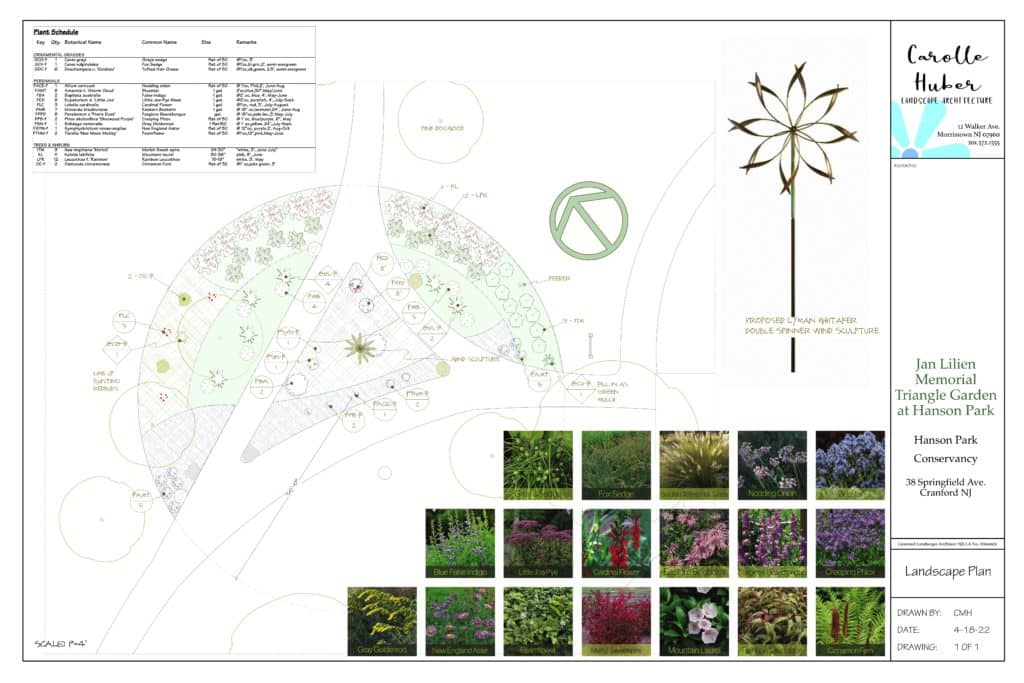
Hanson Park Display Carolle Huber
Jan Lilien Memorial Triangle Garden

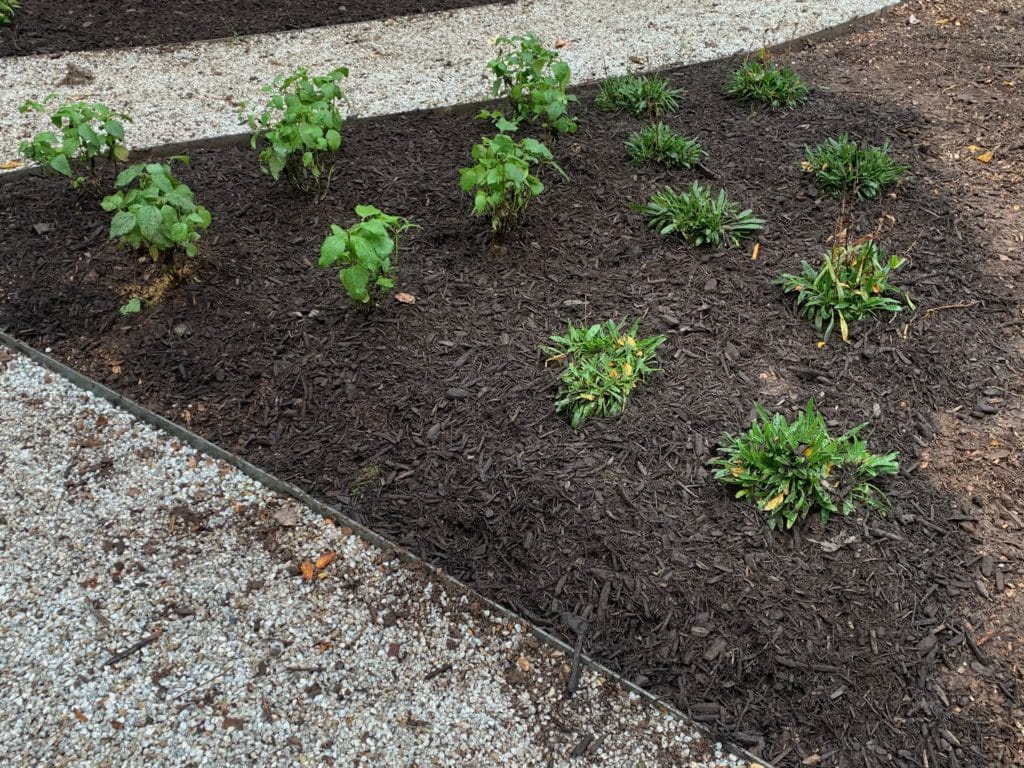
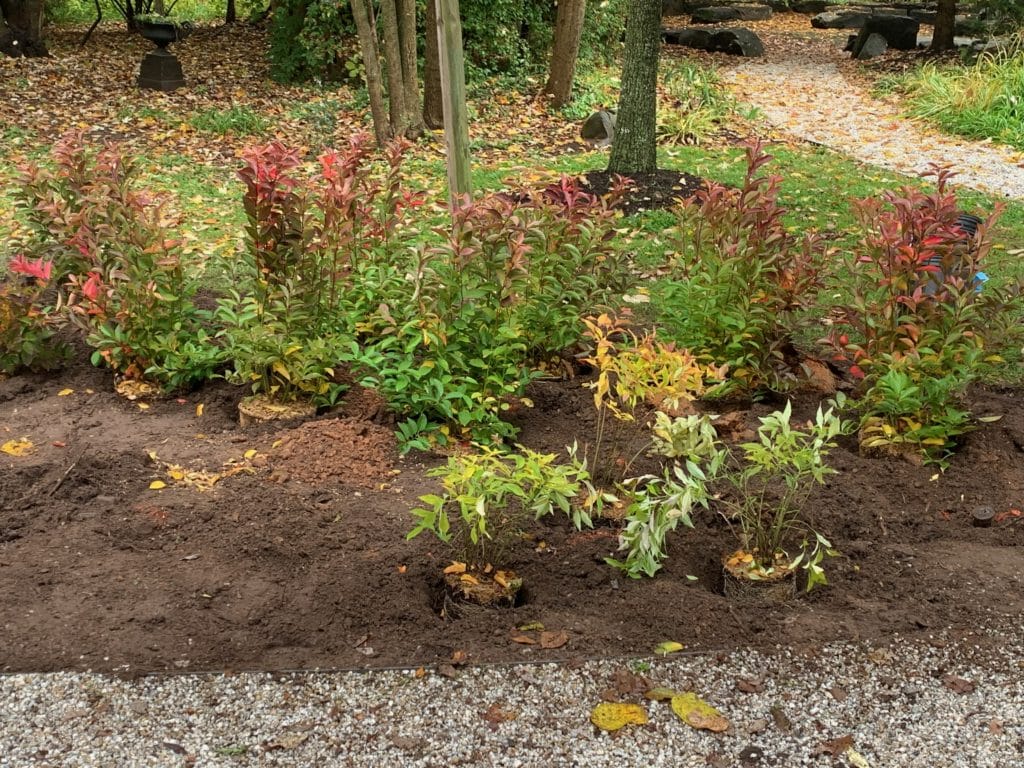
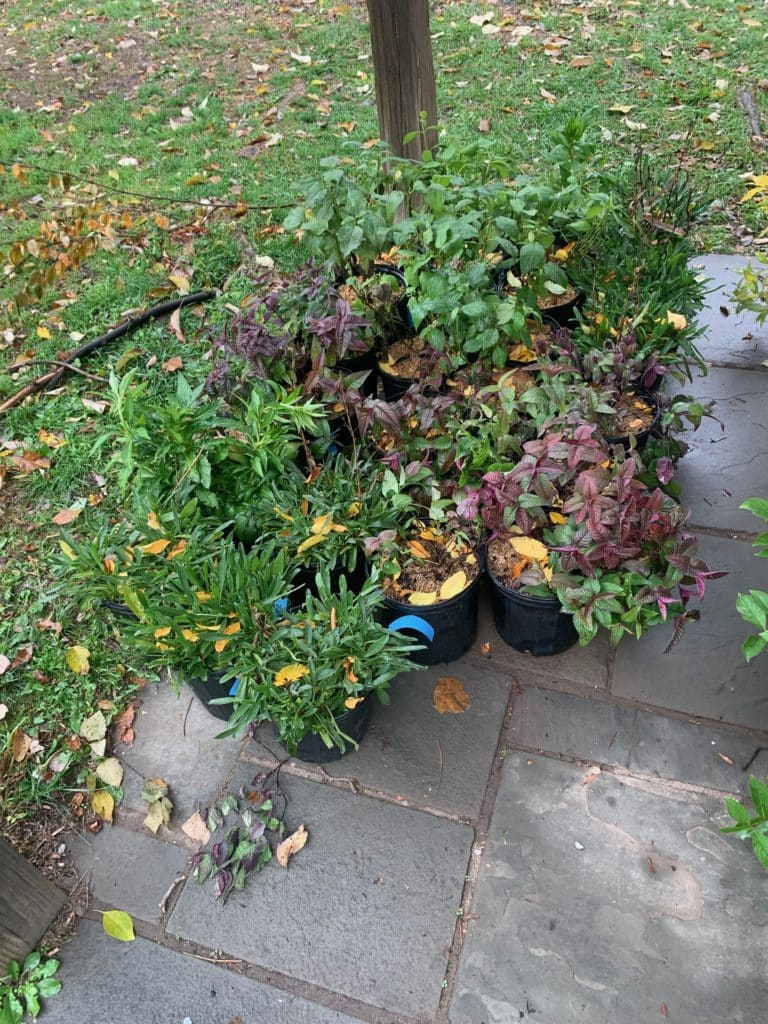
Although the wind sculpture and some plants are in place, the following three phases will have to wait until Spring 2023.

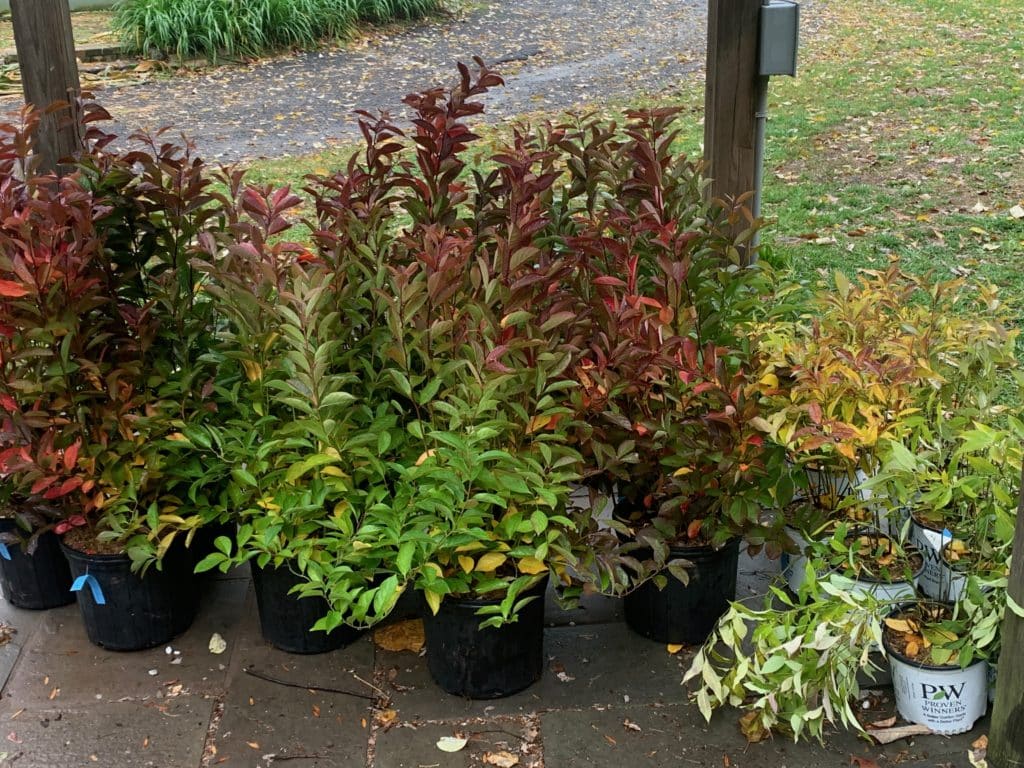
  • Additional plants as identified on the plans;
  • The lighting of the sculpture and the garden, and
  • Installation of a drip irrigation system.
  • Happy Widow
  • Day Two Building Jan's Memorial Garden
  • Jan's Memorial Garden
  • Garden Photos

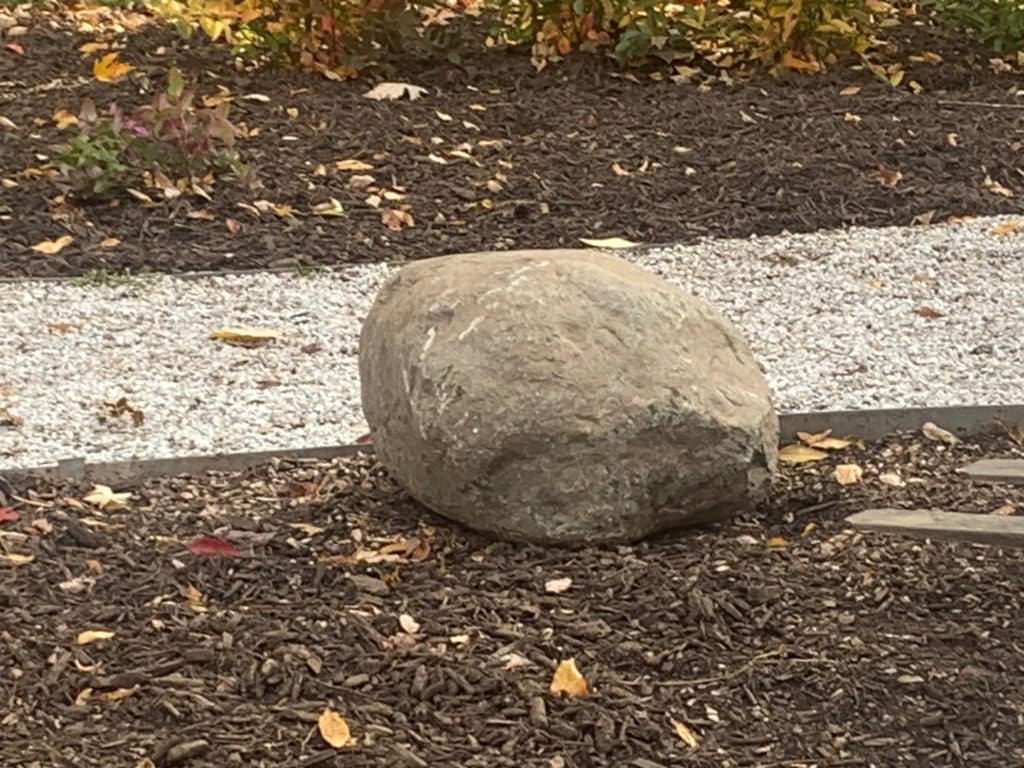
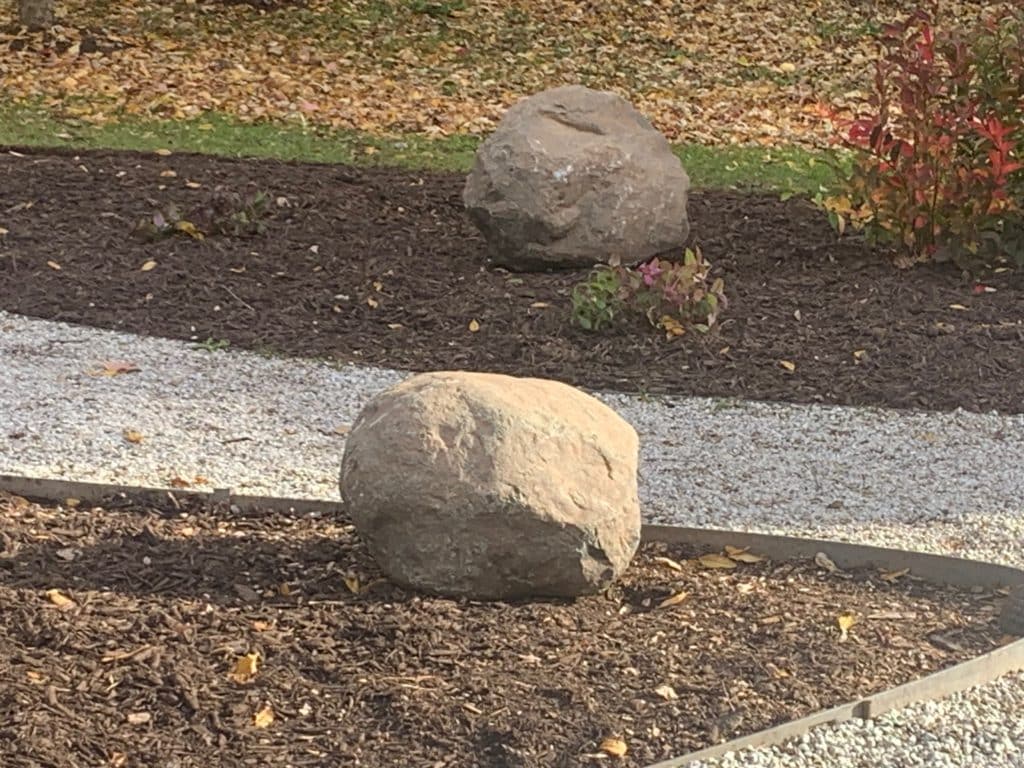
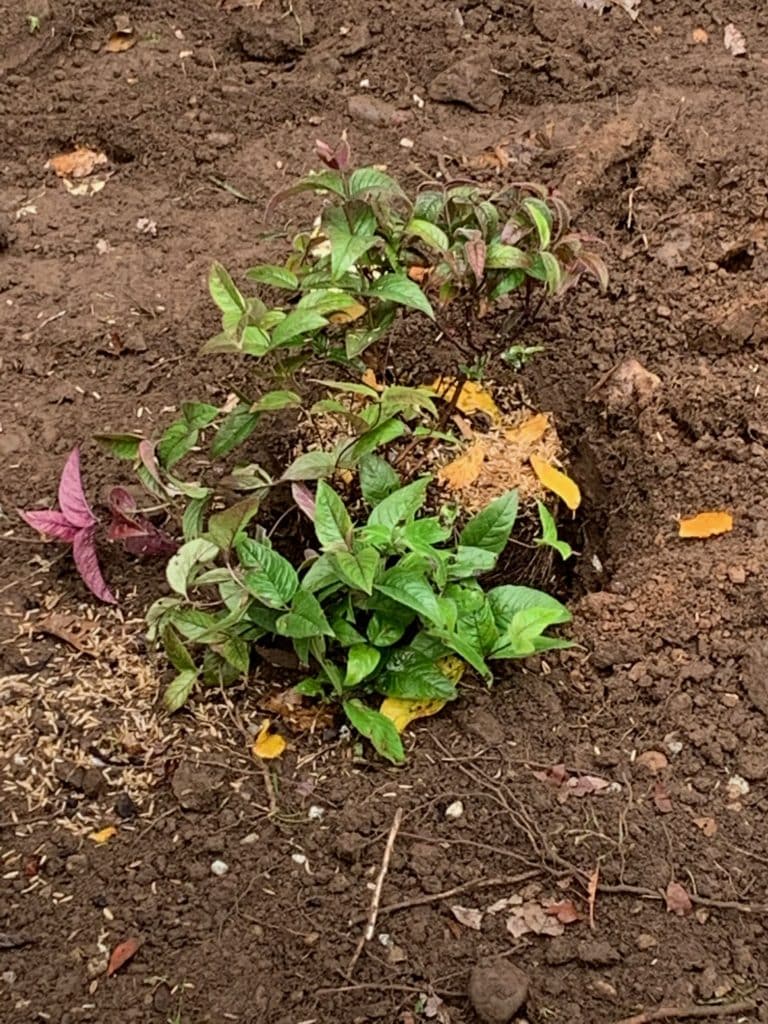
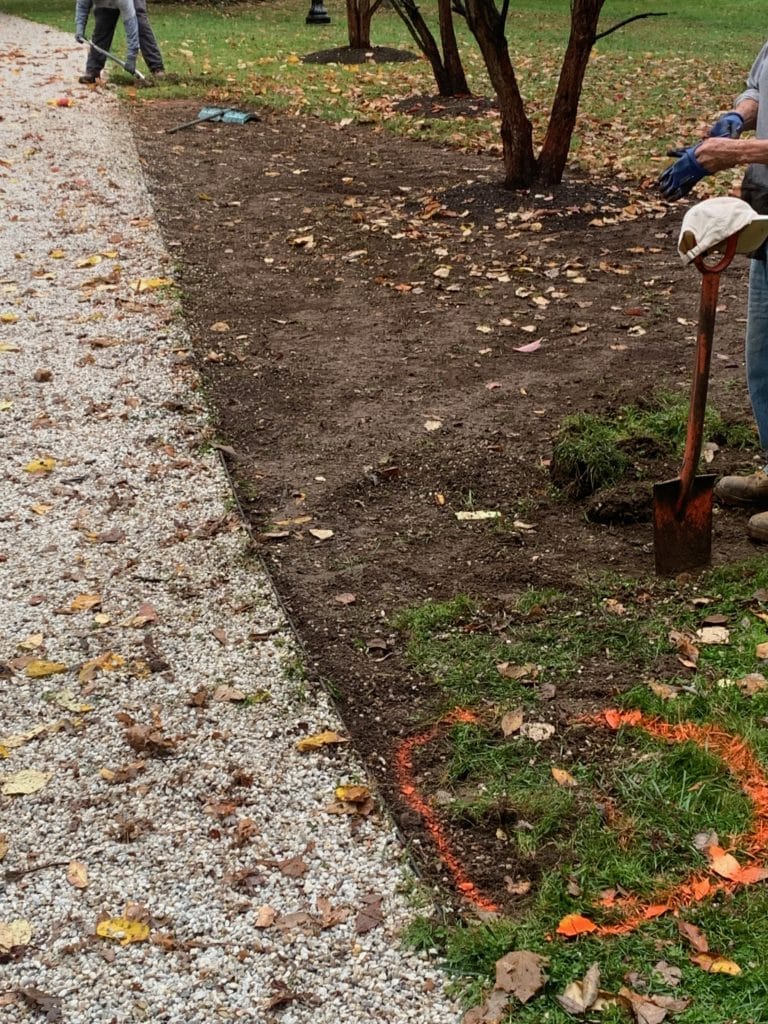
Photographs from work on Jan’s Garden and Wind Sculpture.


The Jan Lilien Education Fund sponsors ongoing sustainability and environmental awareness programs. All donations are tax-deductible.


Contact Us
Subscribe

Creative Commons License

This work is licensed under a Creative Commons Attribution-NonCommercial 4.0 International License.


Share your thoughts and ideas

This site uses Akismet to reduce spam. Learn how your comment data is processed.

The Jan Lilien Education Fund!

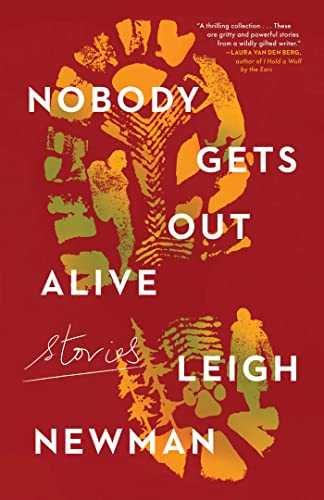
Nobody Gets Out Alive- Stories

Read: February 2023

Get this book

Nobody Gets Out Alive: Stories

by Leigh Newman

Nobody Gets Out Alive: Stories by Leigh Newman, set in Newman’s home state of Alaska and an exciting virtuosic story collection about women navigating the wilds of a male-dominated society. Nobody Gets Out Alive is a collection of dazzling, courageous stories about women struggling to survive, not just grizzly bears and charging moose but the raw, exhausting legacy of their marriages and families.

There are moments when characters in a story leap off the page and become, for a few moments, our soul mates. Ms. Newman, in each of these memorable stories, engages so fully that each character becomes so alive that I wanted to know more about their lives.

The stores span both the recent past and the founding of Anchorage. I found all of them to be stories I would happily read again. The recent stories highlight the common desire for a freer, more inclusive world for women. A woman forced to sell her home or a new bride testing limits on her return home resonates as themes of the modern world.

The final story is set in 1915 in a railroad camp. The story highlights the founding of Anchorage. As one who likes historical fiction, I was so engaged that I could not take a break. I was not expecting the outspoken heiress would stage an elaborate theatrical to seduce the wife of her husband’s employer.

I may never visit Alaska at my age, but I now know enough to feel I have lived in Seward’s Folly.

I decided to read this book after reading Ms. Newman wrote a review of The Faraway World. Ms. Newman is a skilled writer, and I highly recommend this collection and look forward to reading more of her stories in the future.

The Goodreads summary provides an overview,

In “Howl Palace”—winner of The Paris Review’s Terry Southern Prize, a Best American Short Story, and Pushcart Prize selection—an aging widow struggles with a rogue hunting dog and the memories of her five ex-husbands while selling her house after bankruptcy. In the title story, “Nobody Gets Out Alive,” newly married Katrina visits her hometown of Anchorage. She blows up her wedding reception by flirting with the host and running off with an enormous mastodon tusk.

Alongside stories set in today’s Last Frontier—rife with suburban sprawl, global warming, and opioid addiction—Newman delves into the remote wilderness of the 1970s and 80s, bringing to life young girls and single moms in search of a wilder, more accessible, more adventurous America. The final story takes place in a railroad camp in 1915, where an outspoken heiress stages an elaborate theatrical to seduce the wife of her husband’s employer, revealing how this masterful storyteller is “not only writing unforgettable, brilliantly complex characters, she’s somehow inventing souls” (Kimberly King Parsons, author of Black Light).


The Jan Lilien Education Fund sponsors ongoing sustainability and environmental awareness programs. Gifts made this month; I will match dollar-for-dollar. All donations are tax-deductible.

Subscribe

Contact Us

I receive a commission when you buy a book or product using a link on this page. Thank you for supporting Sharing Jan’s Love blog.


×
The Candy House

Read: December 2022

Get this book

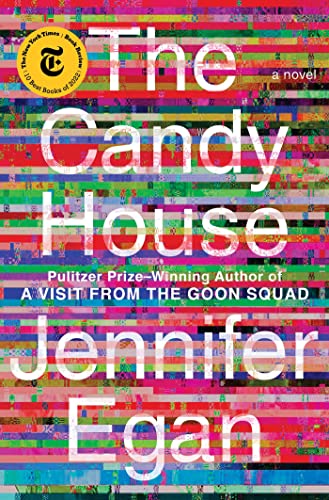
The Candy House: A Novel

by Jennifer Egan

The Candy House: A Novel by Jennifer Egan focuses on a new technology that allows you access to every memory you’ve ever had and to share your memories in exchange for access to the memories of others—it has seduced multitudes. According to the NYTimes, “this is minimalist maximalism. As a widow, I live in a world of memories, but I would not want them shared as they are in The Candy House. “It’s as if Egan compressed a big 19th-century novel onto a flash drive.”

Of course, I am not able to access my unconscious memories. Albeit in an amateur way, I write down some of my memories as they remind me of the power of the love that Jan and I shared. For example, the essay when I met Jan rekindles the memory and attempts to tell the story the way it happened, not how some would like it to be remembered.

The Candy House is one of the NYTimes’ top five fiction books of 2022. I have read two of them, The Furrows and Checkout 19. Initially, I was overwhelmed by the multitude of characters and was confused. By the novel’s middle, their interconnectedness helped me understand its real meaning. In the end, Egan delivers a fierce and exhilarating testament to the tenacity and transcendence of human longing for authentic connection, love, family, privacy, and redemption. As a widow, authenticity Is what I need to heal.

The Candy House is the seventieth (70) book I have read this year. 

The Goodreads summary provides an overview.

It’s 2010. Staggeringly successful and brilliant tech entrepreneur Bix Bouton is desperate for a new idea. He’s forty, with four kids, and restless when he stumbles into a conversation with mostly Columbia professors, one of whom is experimenting with downloading or “externalizing” memory. Within a decade, Bix’s new technology, Own Your Unconscious—that allows you access to every memory you’ve ever had and to share every memory in exchange for access to the memories of others—has seduced multitudes. But not everyone.

In spellbinding linked narratives, Egan spins out the consequences of Own Your Unconscious through the lives of multiple characters whose paths intersect over several decades. Egan introduces these characters in an astonishing array of styles—from omniscient to first person plural to a duet of voices, an epistolary chapter, and a chapter of tweets. In the world of Egan’s spectacular imagination, there are “counters” who track and exploit desires and “eluders” who understand the price of taking a bite of the Candy House.

Intellectually dazzling and extraordinarily moving, The Candy House is a bold, brilliant imagining of a world that is moments away. With a focus on social media, gaming, and alternate worlds, you can almost experience moving among dimensions in a role-playing game.​ Egan delivers a fierce and exhilarating testament to the tenacity and transcendence of human longing for real connection, love, family, privacy, and redemption.


The Jan Lilien Education Fund sponsors ongoing sustainability and environmental awareness programs. Gifts made this month; I will match dollar-for-dollar. All donations are tax-deductible.

Subscribe

Contact Us

I receive a commission when you buy a book or product using a link on this page. Thank you for supporting Sharing Jan’s Love blog.


×
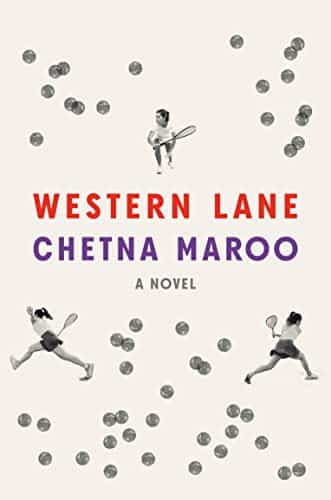
Western Lane: A Novel

Read: March 2023

Get this book

Western Lane: A Novel

by Chetna Maroo

Western Lane: A Novel by Chetna Maroo is a taut, enthralling first novel about grief, sisterhood, and a young athlete’s struggle to transcend herself. Western Lane is about three sisters who have lost their mother. Their father is encouraged to provide structure in raising his daughters. Gopi, the narrator, is a squash player, and her father imposes a brutal training regimen. I highly recommend this novel!

The following passage explains the importance of squash to Gopi and how she views the world.

In the court, your mind is not only on the shot you’re about to play and the shot with which your opponent might reply, but on the shots that will follow two, three, four moves ahead. You’re watching your opponent’s position and the game he or she is playing, making calculations. This is how you choose which way to go. Though your mind is following several paths at once, it’s not a splitting but expansion forwards and backward in time, and it happens so quickly that it feels like instinct. Sometimes, you don’t even know you are thinking.

In the first few pages, I wondered what I would have done if I had been a single parent when my sons were young. I do not believe I would have imposed on my sons what Gopi’s father did to her. However, I have found reading and art to be powerful tools to help me cope with grief. I have focused on rituals, structure, and purpose.

The Goodreads summary provides an overview,

Eleven-year-old Gopi has been playing squash since she was old enough to hold a racket. When her mother dies, her father enlists her in a quietly brutal training regimen, and the game becomes her world. Slowly, she grows apart from her sisters. Her life is reduced to the sport, guided by its rhythms: the serve, the volley, the drive, the shot, and its echo.

But on the court, she is not alone. She is with her pa. She is with Ged, a thirteen-year-old boy with formidable talent. She is with the players who have come before her. She is in awe.

An indelible coming-of-age story, Chetna Maroo’s first novel captures the ordinary and annihilates it with beauty. Western Lane is a valentine to innocence, to the closeness of sisterhood, to the strange ways we know ourselves and each other.


The Jan Lilien Education Fund sponsors ongoing sustainability and environmental awareness programs. Gifts made this month; I will match dollar-for-dollar. All donations are tax-deductible.

Subscribe

Contact Us

I receive a commission when you buy a book or product using a link on this page. Thank you for supporting Sharing Jan’s Love blog.


×
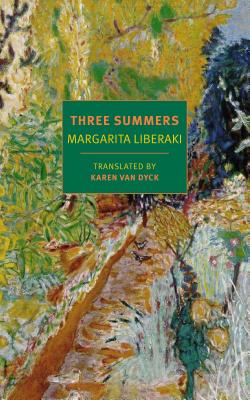
Three Summers

Read: February 2025

Get this book

Three Summers: A Novel

by Margarita Liberaki

Today, I began reading Margarita Liberaki‘s Three Summers, translated by Karen Van Dyck. This edition features a detailed introduction by Ms. Van Dyck, in which she shares her experiences meeting Ms. Liberaki and collaborating with her on the translation. The original novel, written in Greek, was titled The Straw Hats, but Ms. Van Dyck felt that this title would not resonate with foreign readers similarly.

Three Summers is the story of three sisters who grew up in the countryside near Athens before the outbreak of the Second World War. The sisters live in a large, old house surrounded by a beautiful garden. The oldest sister, Maria, is adventurous and eager to settle down and start her own family. The middle sister, Infanta, is gorgeous but emotionally distant. Katerina, the narrator, and the youngest sister is dreamy and rebellious.

Throughout three summers, the sisters share and keep secrets, fall in and out of love, and try to understand their parents and other adult figures. They also observe the peculiar behaviors of friends and neighbors while worrying about and discovering their identities. Karen Van Dyck’s translation beautifully captures the light and warmth of this modern Greek classic.

Margarita Liberaki (1919-2001) was born in Athens and raised by her grandparents, who owned the Fexis bookstore and publishing house. In addition to her novel Three Summers, she authored The Other Alexander (1950) and The Mystery (1976). She also wrote several plays, including Candaules’ Wife (1955) and The Danaïds (1956), part of a cycle she called Mythical Theater. Furthermore, she contributed screenplays, such as Jules Dassin’s Phaedra (1962) and Diaspora (1999), which focused on Greek intellectuals in exile in Paris during the junta. Her novel Three Summers is now a standard part of public education in Greece and Cyprus and was adapted into a television miniseries in 1995.

Karen Van Dyck is the Kimon A. Doukas Professor of Modern Greek Literature at Columbia University. Her research focuses on modern Greek literature, diaspora literature, gender studies, and translation. She has edited or co-edited several poetry anthologies, including A Century of Greek Poetry (2004), The Greek Poets: Homer to the Present (2010), and Austerity Measures: The New Greek Poetry (2017) for NYRB Poets. Additionally, her translations have appeared in Brooklyn Rail, Asymptote, and The Baffler.


When you purchase a book through one of my links, I earn a small commission that helps support my passion for reading. This contribution allows me to buy even more books to share with you, creating an incredible cycle of discovering great reads together! Your support truly makes a difference!


×
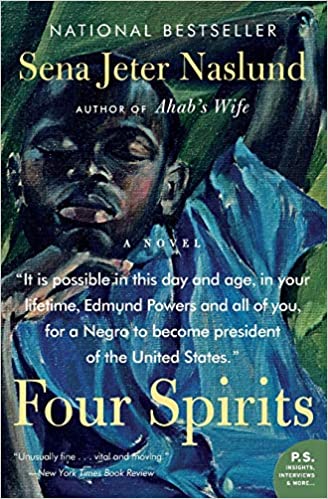
Four Spirits

Read: July 2021

Get this book

Four Spirits

by Sena Jeter Naslund

Four Spirits by Sena Jeter Naslund is a book that I could not put down. It is a page-turner. The title is from the four girls killed at Sunday School in Birmingham. When that happened in 1963, I was only a few years older and the impact brought home to me that we lived in a broken world that required repair. Like Stella Silver in the novel, my life changed as a result of the bombing. 

As my reading list may indicate, I have always preferred non-fiction with a preference for history. Picking this novel up combined my prior reading habits with my desire to read books that my wife, Jan, recommended.

Weaving together the lives of blacks and whites, racists and civil rights advocates, and the events of peaceful protest and violent repression, Sena Jeter Naslund creates a tapestry of American social transformation at once intimate and epic.

In Birmingham, Alabama, twenty-year-old Stella Silver, an idealistic white college student, is sent reeling off her measured path by the events of 1963. Combining political activism with single parenting and night-school teaching, African American Christine Taylor discovers she must heal her own bruised heart to actualize meaningful social change. Inspired by the courage and commitment of the civil rights movement, the child Edmund Powers embodies hope for future change. In this novel of maturation and growth, Naslund makes vital the intersection of spiritual, political, and moral forces that have redefined America.

Stella’s idealism reminded me of how I became the person I am. Change is not easy but, it takes all of us to risk our lives to repair the world so, it works for all of us.

The book’s critical focus on the “intersection of spiritual, political, and moral forces that have redefined America” makes this a must-read. The redefinition has made America a better country but, we may be retreating from that ideal.

Subscribe

Contact Us

×
The Singing Word

Read: September 2025

Get this book

The Singing Word

by Walt Hunter

The Singing Word: 168 Years of Atlantic Poetry, edited by Walt Hunter, celebrates the people, land, and spirit of America. This remarkable collection showcases a wide range of contemporary and historical poetry from the 168-year archive of The Atlantic magazine. Since its first issue in 1857, the poetry published in The Atlantic has drawn attention to the nation’s ongoing journey of self-discovery.

The magazine’s verse has featured odes to American leaders and landscapes, laments for the dead, and calls for change, appealing to the enduring ideals of Atlantic readers.

This one-of-a-kind collection selects poems of rousing optimism, clear-eyed realism, and moving lyricism—poems infused with the language of America’s songs, myths, and history, from the Civil War up through the present in three rich parts: National Anthems, Natural Lines, and Personal Mythologies.

Curated by The Atlantic’s Poetry Editor, this anthology features both world-famous poets—from Longfellow to Limón, including Robert Frost, W. S. Merwin, Sylvia Plath, and Adrienne Rich—as well as poets whose work has never before been published outside of the magazine.

Offering readers an essential understanding of American canon and the evolving nation, its poets have yearned to capture—the poetry of The Atlantic is the poetry of America.


Walt Hunter is a professor of twentieth- and twenty-first-century literature and chair of the English department at Case Western Reserve University. He is also the fiction and poetry editor for The Atlantic.


Discover your next favorite book and dive into a world of curated, exciting reads by purchasing through my links. You’ll have access to a diverse selection of books that I’ve personally vetted to ensure quality and enjoyment. Additionally, by supporting these selections, you’ll help me continue to provide you with more personalized recommendations. I earn a small commission from your purchase, which allows me to buy and share even more books with you. Your support truly makes a difference!


×