
The Power of Positive Thoughts

The Power of Positive Thoughts

Estimated reading time: 1 minute, 8 seconds

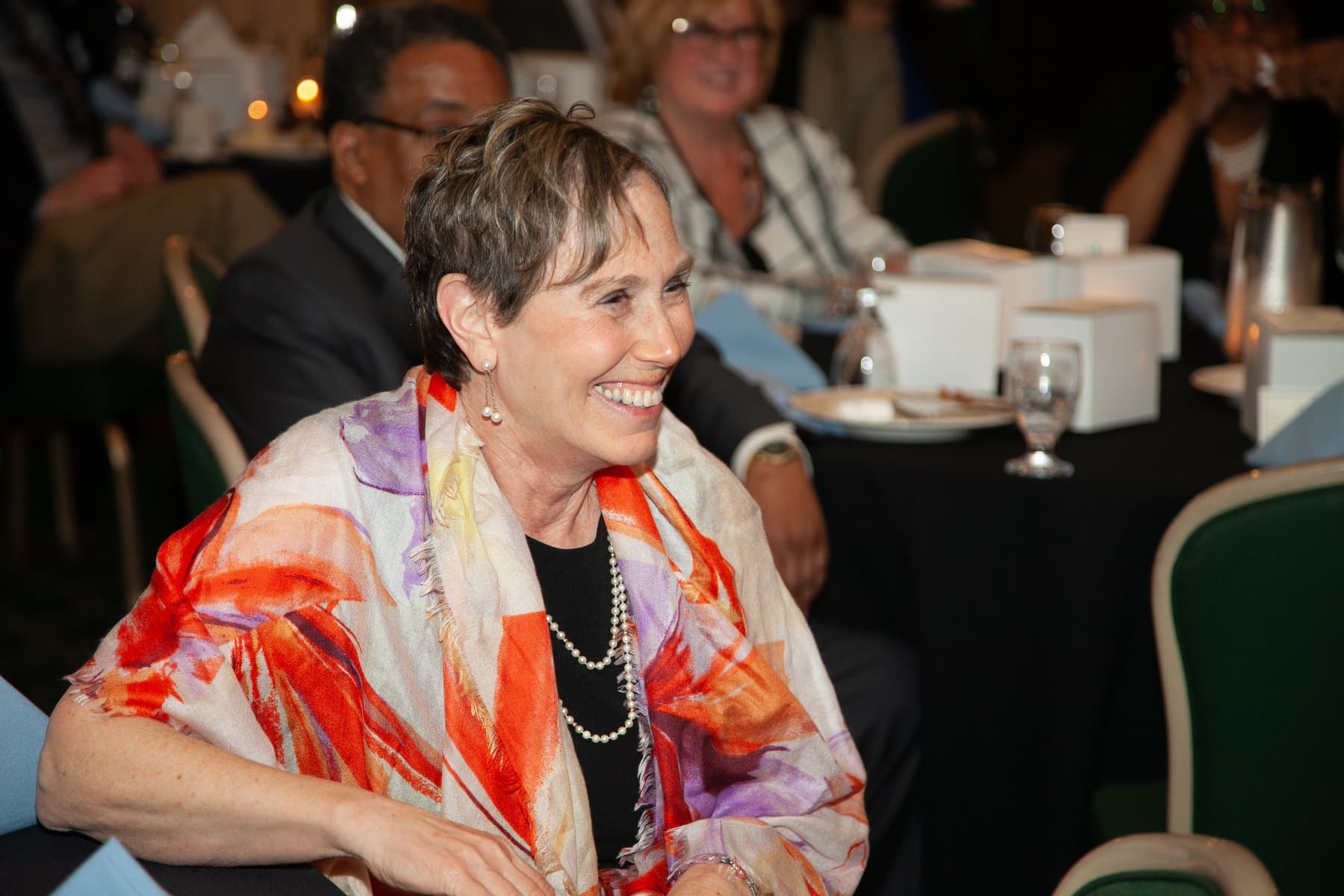
Embracing Tomorrow with JanI have lived one day at a time most of my life, and since Jan died, living one hour at a time for the early part of my grief journey, I woke up not fully rested but very positive.

The arrival of the sandman has always been fleeting at best.

But I have always awakened to positive thoughts, albeit many of late have been dim and difficult to articulate.

Today my morning thoughts were decisive, specific, and effortless to implement.

With days left in the year, my thoughts as I lay in bed focused on what can I do to invest in the charities that mattered to Jan and me.

The short-term focus was on where to make the end-of-the-year donations.

In the long term, I focused on planning to distribute the modest estate Jan created.

Hopefully, these early morning dreams will resonate in the world and assist in repairing the globe.


The Jan Lilien Education Fund sponsors ongoing sustainability and environmental awareness programs. Gifts made this month; I will match dollar-for-dollar. All donations are tax-deductible.

Subscribe

Contact Us

I receive a commission when you buy a book or product using a link on this page. Thank you for supporting Sharing Jan’s Love blog.
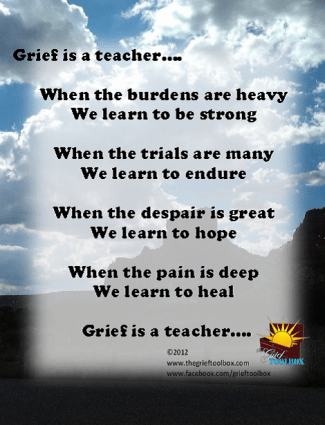


Grief is a Great Teacher

As I pray every week at Temple Sha'arey Shalom, when we remember those we lost in this passage, one of our readings is: "Grief is a great teacher when it sends us back to serve and bless the living. We learn how to counsel and comfort those who, like ourselves, are bowed with sorrow. We learn when to keep silent in their presence and when a word will assure them of our love and concern."

1 comment add your comment

Share your thoughts and ideas

This site uses Akismet to reduce spam. Learn how your comment data is processed.

The Jan Lilien Education Fund!

The Power of Positive Thoughts
×
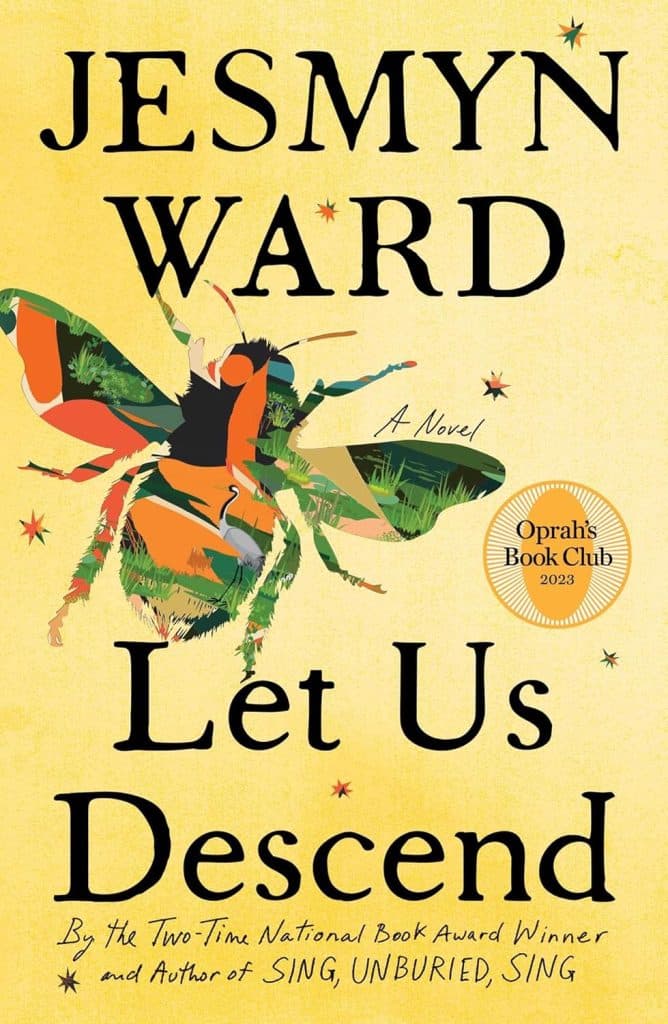
Let Us Descend: A Novel

Read: November 2023

Get this book

Let Us Descend: A Novel

by Jesmyn Ward

Today, I started reading Let Us Descend: A Novel by Jesmyn Ward. She is a two-time National Book Award winner, the youngest winner of the Library of Congress Prize for American Fiction, and a MacArthur Fellow. The book is a haunting masterpiece that is sure to become an instant classic. It tells the story of an enslaved girl in the years before the Civil War.

The book’s title is from Dante Alighieri’s Inferno: “‘Let us descend,’ the poet now began, ‘and enter this blind world.” Let Us Descend is a reimagining of American slavery, beautifully rendered yet heart-wrenching. The novel takes us on a journey from the rice fields of the Carolinas to the slave markets of New Orleans and into the fearsome heart of a Louisiana sugar plantation.

Annis is the reader’s guide through this hellscape, sold south by the white enslaver who fathered her. As Annis struggles through the miles-long march, she turns inward, seeking comfort from memories of her mother and stories of her African warrior grandmother. Throughout the journey, she opens herself to a world beyond this world, one teeming with spirits: of earth and water, of myth and history, spirits who nurture and give, and those who manipulate and take. While Ward leads readers through the descent, this, her fourth novel, is ultimately a story of rebirth and reclamation.

Let Us Descend is a magnificent novel that inscribes Black American grief and joy in the very land of the American South. Ward’s writing takes you through the rich but unforgiving forests, swamps, and rivers of the South, making this novel a masterwork for the ages.


The Jan Lilien Education Fund sponsors ongoing sustainability and environmental awareness programs. Gifts made this month; I will match dollar-for-dollar. All donations are tax-deductible.

Subscribe

Contact Us

I receive a commission when you buy a book or product using a link on this page. Thank you for supporting Sharing Jan’s Love blog.


×
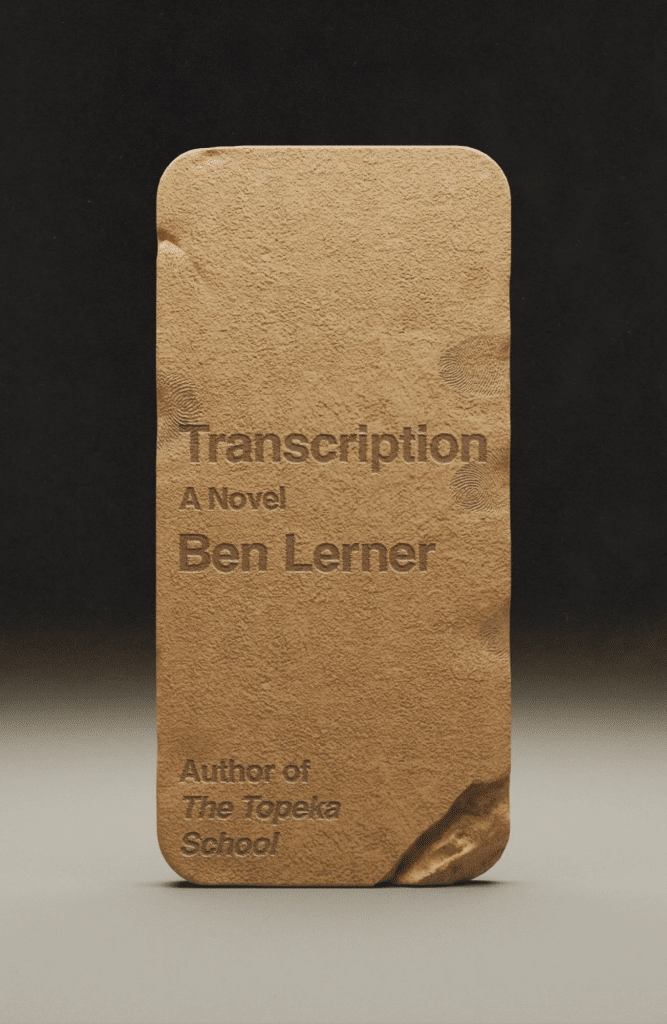
Transcription

Read: May 2026

Get this book

Transcription: A Novel

by Ben Lerner

“Transcription” by Ben Lerner has been named one of The New York Times’ Best Books of the Year (So Far). Hailed as “the most talented writer of his generation” by The New York Times Magazine, Lerner presents a gripping emotional drama that also serves as a brilliant exploration of the digital and literary devices we use to store or erase our memories.

The narrator of Ben Lerner‘s new novel has traveled to Providence, Rhode Island, to conduct what will be the final published interview with Thomas, his ninety-year-old mentor and the father of his college friend Max. Thomas is a giant in the arts who seems to hail from the future and the past simultaneously and who reenchants the air when he speaks. But the narrator drops his smartphone in the hotel sink. He arrives at Thomas’s house without a recording device, a fact he is mysteriously unable to admit.

What unfolds from this dreamlike circumstance is the unforgettable story of the triangle formed by Thomas, Max, and the narrator, as well as an exploration of fathers and sons, male friendship and rivalry, and the challenges of parenting in a burning world. One of the first great novels about the early days of COVID, it is also a brilliant meditation on those technologies that enrich or impoverish our connection to one another, that store or obliterate memory. Full of startling insight, but summoning the intensity of a séance, Lerner’s writing shows us how the air is full of messages, full of ghosts. Ultimately, Transcription demonstrates what only a work of fiction can record.


Ben Lerner is the author of several poetry and prose books, as well as collaborative works with visual artists. He has received fellowships from the Fulbright, Guggenheim, and MacArthur Foundations. Lerner has been a finalist for the National Book Award for Poetry and the Pulitzer Prize for Fiction, along with many other honors. He is a Distinguished Professor of English at Brooklyn College.


Discover your next favorite book and dive into a world of curated, exciting reads by purchasing through my links. You’ll have access to a diverse selection of books I’ve personally vetted for quality and enjoyment. Supporting these selections not only helps me continue to provide you with personalized recommendations but also ensures you have access to meaningful stories that enrich your life. Your support truly makes a difference in helping me share more books and insights with you!


×
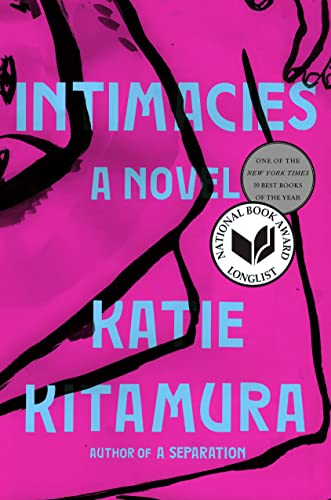
Intimacies: A Novel

Read: March 2022

Get this book

Intimacies: A Novel

by Katie Kitamura

Intimacies: A Novel by Katie Kitamura is about an interpreter who has come to The Hague to escape New York and work at the International Court. A woman of many languages and identities is finally looking for a place to call home.

Intimacies: A Novel is the second book by Ms. Kitamura that I have read this year. The multiple intimacies of the novel overlap and at times seem confusing, but in the end, it makes sense even if it is unclear how or where she will live the next phase of her life. A Separation is also written hypnotic, making it difficult to stop reading.

I not only highly recommend Intimacies: A Novel but have become a fan of Katie Kitamura and look forward to reading more of her books.

Goodreads summary provides a good overview.

She’s drawn into simmering personal dramas: her lover, Adriaan, is separated from his wife but still entangled in his marriage. Her friend Jana witnesses a seemingly random act of violence, a crime the interpreter becomes increasingly obsessed with as she befriends the victim’s sister. And she’s pulled into explosive political fires: her work interpreting for a former president accused of war crimes becomes precarious as their relationship is unbound by shifting language and meaning.

This woman is the voice in the ear of many, but what command does that give her, and how vulnerable does that leave her? Her coolly impassioned views on power, love, and violence, are tested, both in her personal intimacies and in her role at the Court. She is soon pushed to the precipice, where betrayal and heartbreak threaten to overwhelm her; it is her drive towards truth, and love, that throws into stark relief what she wants from her life.

Register to Attend Celebrate Jan Day

Subscribe

Contact Us

When you buy a book or product using a link on this page, I receive a commission. Thank you for supporting Sharing Jan’s Love blog.

×
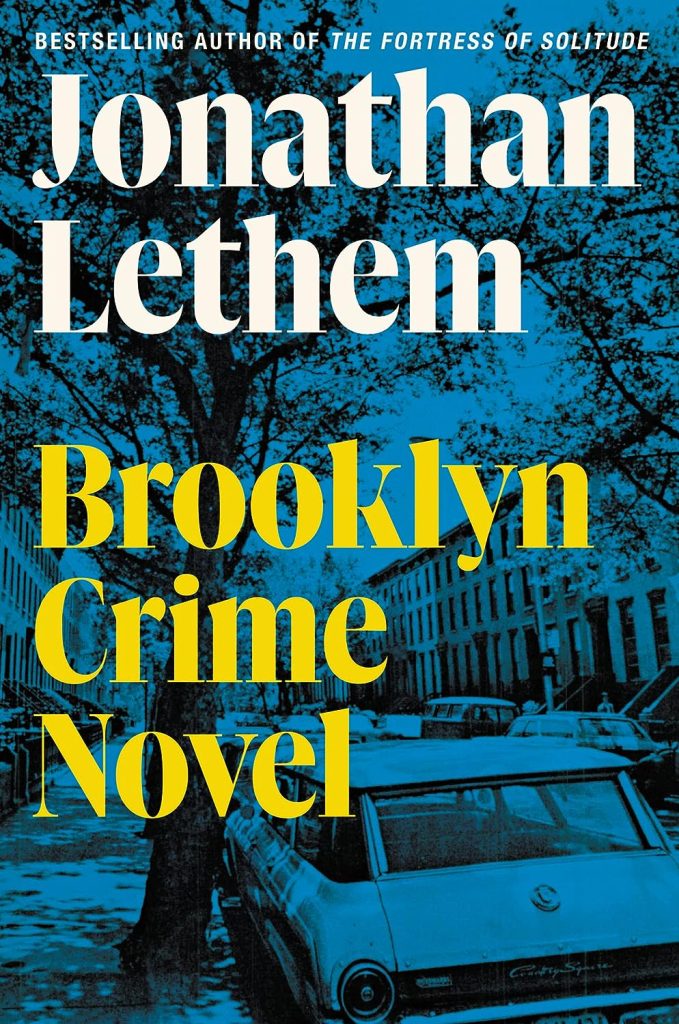
Brooklyn Crime Novel: A Novel

Read: October 2023

Brooklyn Crime Novel: A Novel

by Jonathan Lethem

I recently recommended reading “Brooklyn Crime Novel: A Novel” by Jonathan Lethem. The story is set in 1970s Brooklyn, where a daily ritual occurs on the streets. This ritual involves exchanging money, surrendering belongings, and asserting power. Violence is promised everywhere and becomes a currency itself.

Regardless of race, the street is like a stage in the shadows for the children. In the background, other players hide, including parents, cops, renovators, landlords, those who write the headlines, histories, and laws, and those who award this neighborhood its name.

Although the rules seem apparent initially, in memory’s prism, the roles of criminals and victims may appear to trade places. The voices of the past rise and gather as if in harmony, then war with one another. A street may seem to crack open and reveal what lies behind its shimmering facade. None who lived through it are ever permitted to forget.

Jonathan Lethem has written this story with kaleidoscopic verve and delirious wit, making it a breathtaking tour de force by a writer at the top of his powers. He has crafted an epic interrogation of how we fashion stories to contain the uncontainable: our remorse at the world we’ve made. He is known as “one of America’s greatest storytellers” by the Washington Post.


The Jan Lilien Education Fund sponsors ongoing sustainability and environmental awareness programs. Gifts made this month; I will match dollar-for-dollar. All donations are tax-deductible.

Subscribe

Contact Us

I receive a commission when you buy a book or product using a link on this page. Thank you for supporting Sharing Jan’s Love blog.


×
The Vanishing Half

Read: September 2021

Get this book

The Vanishing Half

by Brit Bennett

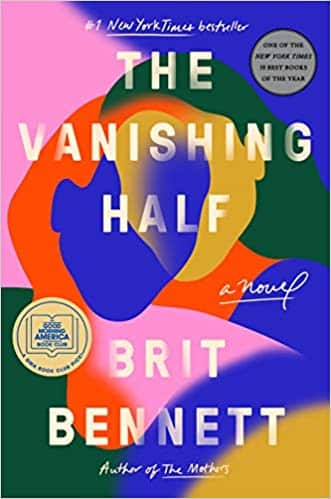
The Vanishing Half by Brit Bennett was a true page-turner, and I did not want to stop reading it even when I got to the last page. I am not a fan of sequels, but if I was ever going to change my mind, this is the book I would want to read a sequel.

Ms. Bennett focuses on two twins who run away from home at age 16. They have grown up in Mallard, a fictional town in Louisiana. “In Mallard, nobody married dark,” Bennett writes starkly. Over time, its prejudices deepened as its population became lighter and lighter, “like a cup of coffee steadily diluted with cream.” The twins, with their “creamy skin, hazel eyes, wavy hair,” would have delighted the town’s founder. One of the women chooses to pass as white while the other does not.

The Vignes twin sisters will always be identical. But after growing up together in a small, southern black community and running away at age sixteen, it’s not just the shape of their daily lives that is different as adults, it’s everything: their families, their communities, their racial identities. Many years later, one sister lives with her black daughter in the same southern town she once tried to escape. The other passes for white, and her white husband knows nothing of her past. Still, even separated by so many miles and just as many lies, the fates of the twins remain intertwined. What will happen to the next generation, when their own daughters’ storylines intersect?

Weaving together multiple strands and generations of this family, from the Deep South to California, from the 1950s to the 1990s, Brit Bennett produces a story that is at once a riveting, emotional family story and a brilliant exploration of the American history of passing. Looking well beyond issues of race, The Vanishing Half considers the lasting influence of the past as it shapes a person’s decisions, desires, and expectations, and explores some of the multiple reasons and realms in which people sometimes feel pulled to live as something other than their origins.

The question of why people choose to live differently than their origins is one that I often ponder. Growing up in a small town and living in a metropolis raises questions for me as to what my life is now and what was once.

I strongly recommend this book.

Subscribe

Contact Us

×
The Bully Pulpit

Read: October 2019

Get this book

The Bully Pulpit

by Doris Kearns Goodwin

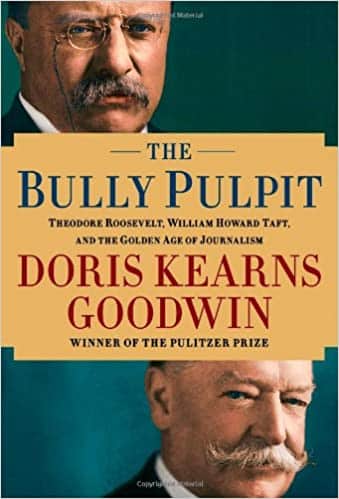
The Bully Pulpit by Doris Kearns Goodwin is a history of the first decade of the Progressive era told by focusing on the intense friendship of Theodore Roosevelt and William Howard Taft.

Although I had read many books about Theodore Roosevelt, I had limited knowledge about Taft until I read this book. Reading about their friendship and its eventual collapse helped me to understand both of these presidents and the times in which they lived in a way I had not understood previously.

The Bully Pulpit is also the story of the muckraking press, which arouses the spirit of reform that helps Roosevelt push the government to shed its laissez-faire attitude toward robber barons, corrupt politicians, and corporate exploiters of our natural resources. The muckrakers are portrayed through the greatest group of journalists ever assembled at one magazine—Ida Tarbell, Ray Stannard Baker, Lincoln Steffens, and William Allen White—teamed under the mercurial genius of publisher S. S. McClure.

Goodwin’s narrative is founded upon a wealth of primary materials. The correspondence of more than four hundred letters between Roosevelt and Taft begins in their early thirties and ends only months before Roosevelt’s death. Edith Roosevelt and Nellie Taft kept diaries. The muckrakers wrote hundreds of letters to one another, kept journals, and wrote their memoirs. The letters of Captain Archie Butt, who served as a personal aide to both Roosevelt and Taft, provide an intimate view of both men.

I recommend this book without reservations.

Subscribe

Contact Us

×