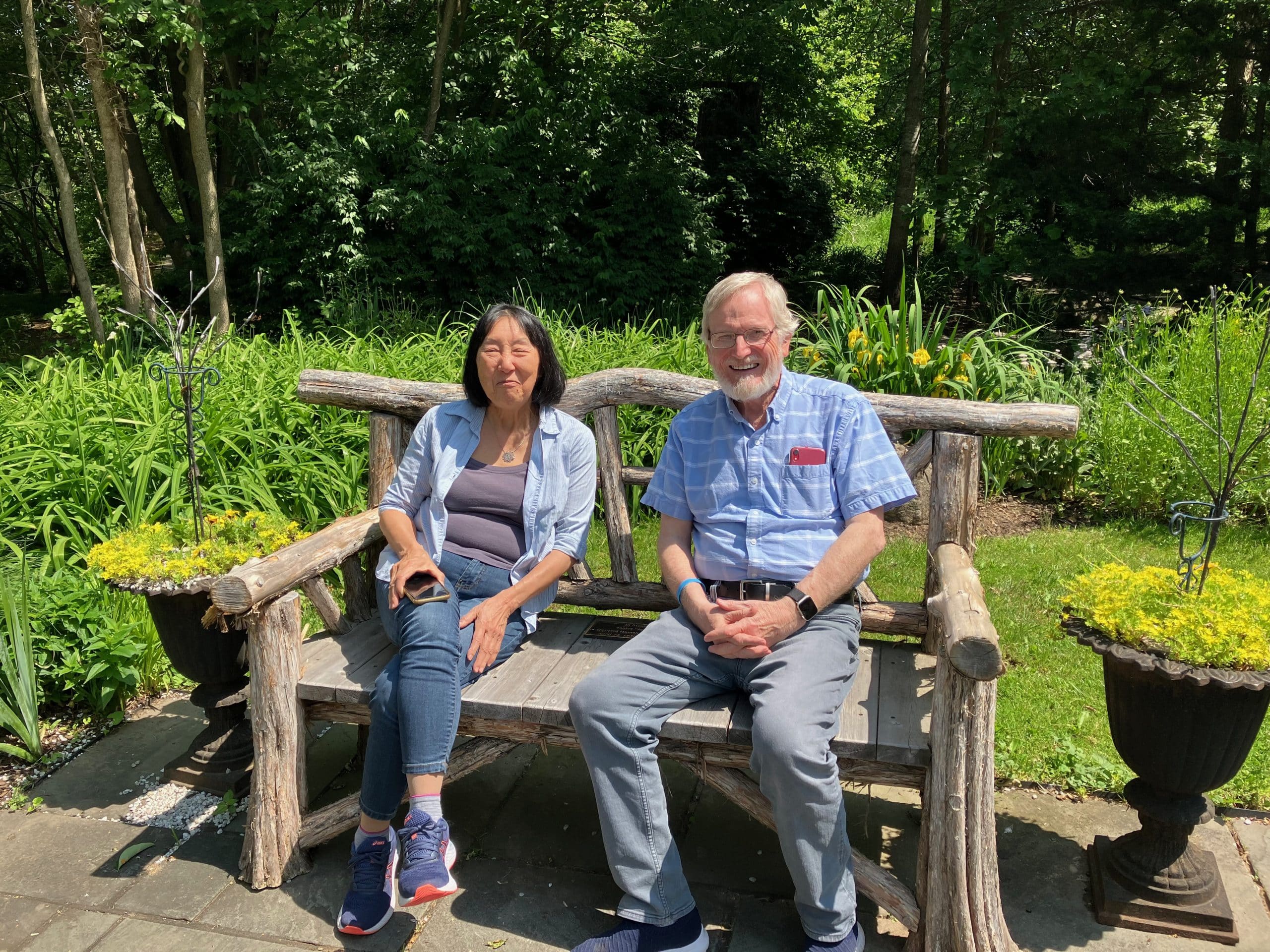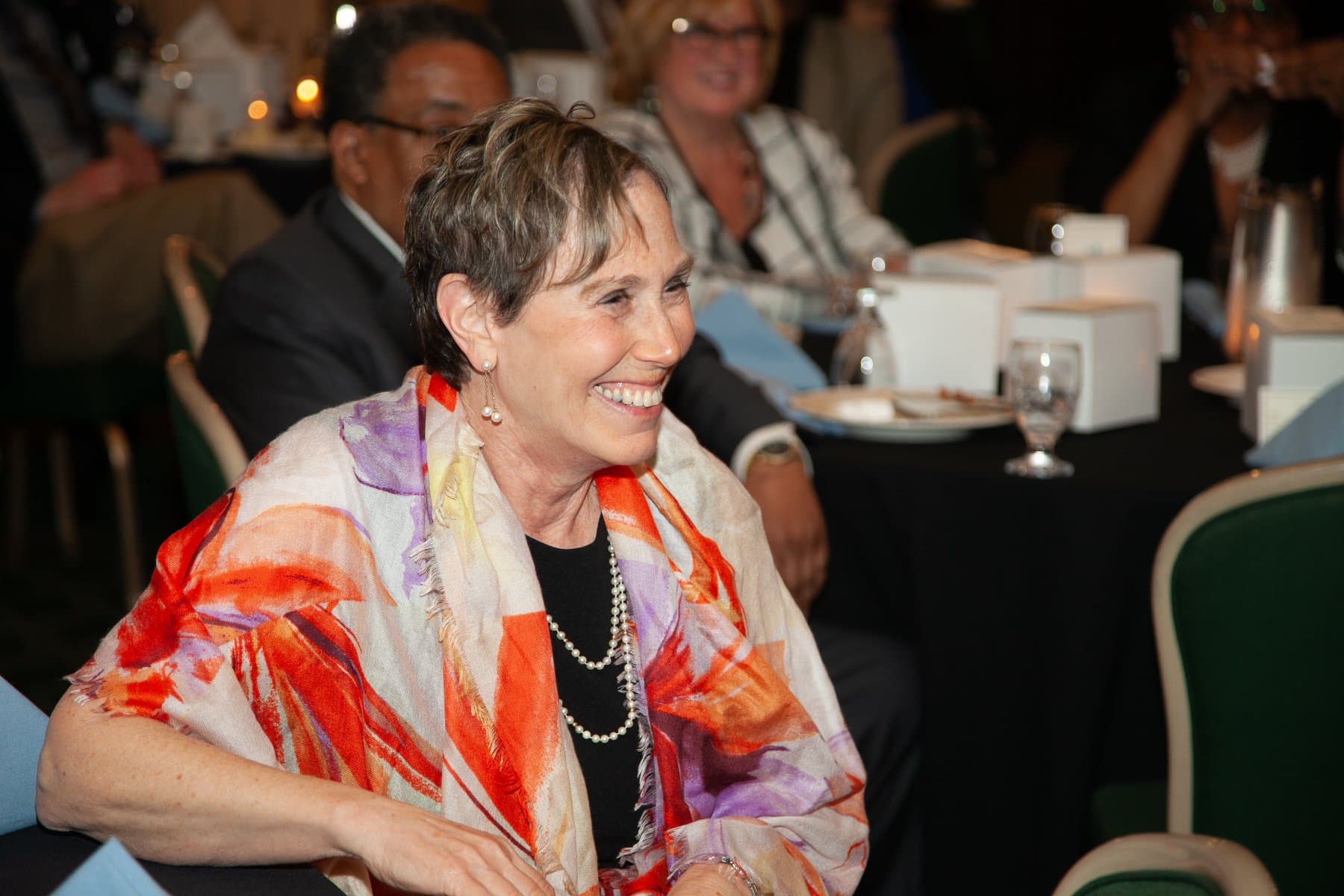

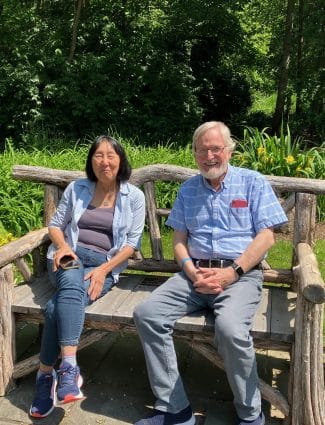
Donna and I Sitting on one of Jan's Benches

My Friends Validate My Progress

Jan Still Walks With Me in Hanson Park!

Estimated reading time: 2 minutes, 0 seconds
Donna and I are Sitting on one of Jan's Benches

Donna is Sitting Next to Me on One of Jan’s Benches.

Recently, I had two visitors from out of state who were friends in college with my late wife, Jan. I was excited to see them but also worried they might say something that would upset me about Jan. To avoid holiday parades; I took a longer route to pick them up from a friend’s house before arriving at Hanson Park.

As we approached Jan’s Garden and the Wind Sculpture, I was a tour guide and shared the park’s history with my guests. I explained why it was the perfect location for Jan’s living memorial. One of my guests remarked, “It’s much more impressive in person than in videos or pictures. Jan’s garden is so peaceful and beautiful!”

The sculpture’s arms were expanding and shrinking despite the slow wind. One of my guests observed that “It’s like an optical illusion. Our eyes are tricked into believing it’s getting smaller or larger, but it’s not.”

Sitting on the rocks in the amphitheater, my companions asked about my well-being and how I had been dealing with Jan’s passing two years ago. I shared with them how I’ve kept Jan’s memory alive and talked about the supportive communities I’ve found. I even mentioned how I felt Jan’s presence in her garden as if she was still with me and made a lighthearted joke about her watching us from behind a tree. My friends acknowledged my progress and reassured me that I was doing physically and mentally well. After not seeing them since the pandemic, receiving their kind words was comforting and unexpected.

Although I lost my beloved, I found a way to keep her memory alive. My guests complimented me on the beautiful living memorial I had created for Jan and told me I had inspired them. I felt flattered, but I knew my words were genuine and not self-interest-motivated.


The Jan Lilien Education Fund sponsors ongoing sustainability and environmental awareness programs. Gifts made this month; I will match dollar-for-dollar. All donations are tax-deductible.

Subscribe

Contact Us

I receive a commission when you buy a book or product using a link on this page. Thank you for supporting Sharing Jan’s Love blog.


Jan’s Memorial Garden

Working with the Hanson Park Conservancy, we have taken significant steps in building Jan's Memorial Triangle Garden at Hanson Park including installing the Wind Sculpture.

Show thread (1)

The Wind Sculpture – A Poem

Jan's Memorial Triangle Garden in Hanson Park, featuring The Wind Sculpture by Lyman Whitaker Wind Sculptures, is truly a sight to behold. Its recent installation on November 4, 2022, has already become a source of inspiration.

My dear friend Mark Annett was so moved by its beauty that he penned a heartfelt poem during his visit on Saturday. The sculpture's impact is undeniable, even in its mere one-day existence.

2 comments add your comment

Share your thoughts and ideas

This site uses Akismet to reduce spam. Learn how your comment data is processed.

The Jan Lilien Education Fund!

Donna and I Sitting on one of Jan's Benches
×
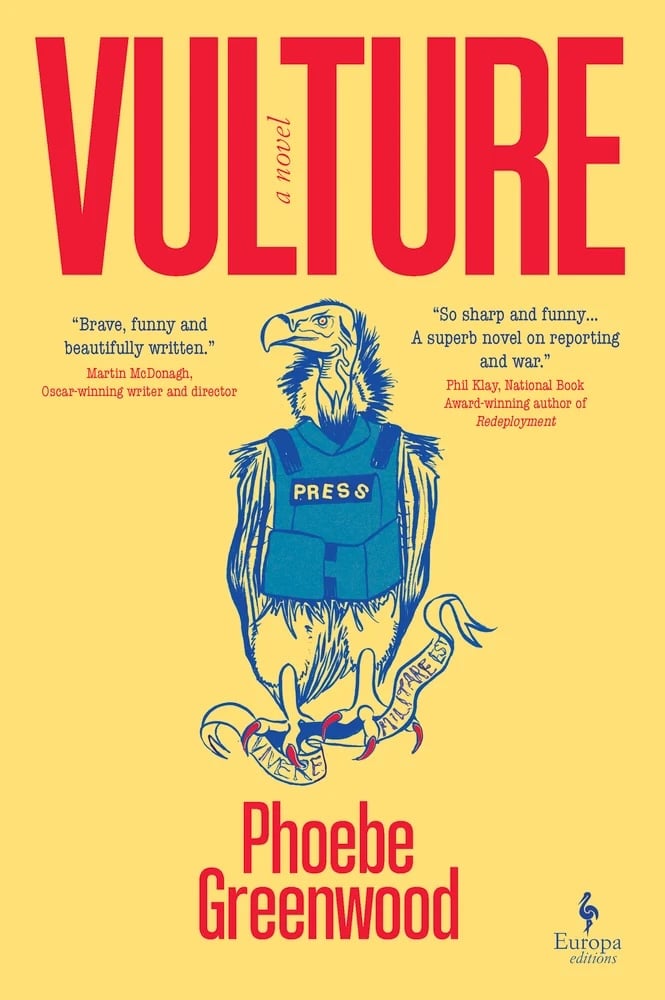
Vulture: A Novel

Read: September 2025

Get this book

Vulture: A Novel

by Phoebe Greenwood

Phoebe Greenwood‘s debut novel, Vulture, immerses readers in the dark heart of Western media and boldly questions its role in the tragedies it reports. This darkly humorous and emotionally charged satire exposes the inner workings of the war news industry. Set in the Middle East, Vulture is a fast-paced critique of war reporting, blending elements of satire with a tragicomic coming-of-age story.

In November 2012, Sara Byrne, an ambitious young journalist, is sent to Gaza to cover the war from The Beach. At the four-star hotel, the staff work tirelessly to provide safety, comfort, and generator-powered internet for the world’s media, all while their own homes and families are under threat.

Sara is determined to use this war to jumpstart her stalled career and win back her lover. When her fixer, Nasser, refuses to help her set up the dangerous story she believes will make her name, she turns to Fadi, the youngest member of a powerful militant family. Driven by the demons of a troubled and entitled childhood, Sara is willing to do anything to prove herself, even if it brings disaster to those around her.


Phoebe Greenwood is a writer and journalist based in London. From 2010 to 2013, she worked as a freelance correspondent in Jerusalem, covering the Middle East for publications such as The Guardian, The Daily Telegraph, and The Sunday Times. From 2013 to 2021, she served as an editor and correspondent at The Guardian, specializing in foreign affairs.


When you purchase a book through one of my links, I earn a small commission that helps support my passion for reading. This contribution allows me to buy even more books to share with you, creating an incredible cycle of discovering great reads together! Your support truly makes a difference!

Enjoy a limited-time offer of 20% off your next book purchase at Bookshop.org!


×
How to Commit a Postcolonial Murder

Read: January 2026

Get this book

How to Commit a Postcolonial Murder

by Nina McConigley

How to Commit a Postcolonial Murder” by Nina McConigley is a bold, inventive, and fiercely original debut novel. The story begins with the death of an uncle and features his tween niece’s private confession to the reader—she and her sister are responsible for his death, and they blame the British. The New York Times has listed it as one of “The Novels Everyone Will Be Talking About in 2026.”

Summer, 1986. The Creel sisters, Georgie Ayyar, and Agatha Krishna, welcome their aunt, uncle, and young cousin—newly arrived from India—into their house in rural Wyoming, where they’ll all live together. Because this is what families do, that is, until the sisters decide that it’s time for their uncle to die.

According to Georgie, the British are to blame. And to understand why, you need to hear her story. She details the violence hiding in their house and history, her once-unshakeable bond with Agatha Krishna, and her understanding of herself as an Indian-American in the heart of the West. Her account is, at every turn, cheeky, unflinching, and infectiously inflected with the trappings of teendom, including the magazine quizzes that help her make sense of her life. At its heart, the tale she weaves is:

a)    a vivid portrait of an extended family
b)    a moving story of sisterhood
c)    a playful ode to the 80s
d)    a murder mystery (of sorts)
e)    an unexpected and unwaveringly powerful meditation on history and language, trauma and healing, and the meaning of independence

Or maybe it’s really:

f)      all of the above.


Nina McConigley is the author of the story collection Cowboys and East Indians, which won the PEN Open Book Award and the High Plains Book Award. She has received grants and fellowships from the National Endowment for the Arts (NEA), the Radcliffe Institute, the Bread Loaf Writers’ Conference, the Vermont Studio Center, and the Sewanee Writers’ Conference.

McConigley was awarded the Wyoming Arts Council’s Frank Nelson Doubleday Memorial Writing Award and was a finalist for a National Magazine Award for her columns in High Country News. Her work has appeared in several prominent publications, including The New York Times, Orion, O: The Oprah Magazine, and The Virginia Quarterly Review.

Born in Singapore and raised in Wyoming, she currently resides in Colorado.


Discover your next favorite book and dive into a world of curated, exciting reads by purchasing through my links. You’ll have access to a diverse selection of books I’ve personally vetted for quality and enjoyment. Additionally, by supporting these selections, you’ll help me continue to provide you with more personalized recommendations. I earn a small commission from your purchase, which allows me to buy and share even more books with you. Your support truly makes a difference!


×
The Half-Life of Ruby Fielding: A Novel

Read: April 2022

Get this book

The Half-Life of Ruby Fielding: A Novel

by Lydia Kang

The Half-Life of Ruby Fielding: A Novel by Lydia Kang is a spellbinding historical mystery about hidden identities, wartime paranoia, and the compelling power of deceit. It was my free April book from First Reads, and it was a page-turner that I highly recommend.

The first year of World War II and the Manhattan Project is the backdrop of this historical fiction. The siblings’ Will and Maggie Scripps are well-defined andy sympathetic characters. I will leave it for the reader to find out the truth about them. Ruby Fielding is a fascinating character, although it takes time for her to be fully developed.

Again, I highly recommend this novel!

Goodreads provides a concise overview.

Brooklyn, 1942. War rages overseas as brother and sister Will and Maggie Scripps contribute to the war effort stateside. Ambitious Will secretly scouts for the Manhattan Project while grief-stricken Maggie works at the Navy Yard, writing letters to her dead mother between shifts.

But the siblings’ quiet lives change when they discover a beautiful woman hiding under their back stairs. This stranger harbors an obsession with poisons, an affection for fine things, and a singular talent for killing small creatures. As she draws Will and Maggie deeper into her mysterious past, they both begin to suspect she’s quite dangerous―all while falling helplessly under her spell.

With whispers of spies in dark corners and the world’s first atomic bomb in the works, the visitor’s sudden presence in Maggie’s and Will’s lives raises questions about who she is and what she wants. Is this mysterious woman someone they can trust―or a threat to everything they hold dear?

Register to Attend Celebrate Jan Day

Subscribe

Contact Us

When you buy a book or product using a link on this page, I receive a commission. Thank you for supporting Sharing Jan’s Love blog.

×
Finding Peace, One Piece at a Time

Read: September 2021

Get this book

Finding Peace, One Piece at a Time

by Rachel Blythe Kodanaz

Finding Peace, One Piece at a Time by Rachel Blythe Kodanaz is a book I wish I had long before Jan died. It provides helpful information on maintaining an organized lifestyle and handling a loved one’s possessions.

Having lost almost everything I had except for the clothes on my back after a house fire in 1972, I thought I had adopted a view that possessions were not significant. With Jan’s death, the truth is that she and I had collected essential possessions, and now it was my responsibility to decide what to do with them.

Rachel’s book is a practical guide, offering a comprehensive understanding of the significance of possessions and a step-by-step plan to manage them. Chapter 3, in particular, is a treasure trove of practical advice, focusing on Building Your Game Plan: The Ten Essentials and covering all the crucial topics – triggers, building a team, and creating a timeline, among others.

Magic of the Six Piles is a well-designed plan that will help most of us confront the possessions of our loved ones. The piles are:

  1. Keep
  2. Share
  3. Donate
  4. Sell
  5. Dispose
  6. Ponder

Having absorbed the book’s wisdom, I am ready to transition from contemplation to action. This is how I sort my wife’s possessions into six piles. I am optimistic that it will also help me streamline my possessions, making books my trusted company more accessible for my sons.

Ms. Kodanaz has presented at my bereavement groups and has been an inspiration. She has also encouraged me to write about my love for Jan in a journal.

Subscribe

Contact Us

×
August Lane: A Novel

Read: August 2025

Get this book

August Lane: A Novel

by Regina Black

“August Lane” by Regina Black is a captivating small-town romance that explores love, forgiveness, and the significance of Black women’s voices in country music. As the author of “The Art of Scandal,” Black brings her storytelling expertise to this narrative. Fans of “The Final Revival of Opal & Nev” by Dawnie Walton, which focuses on Black female empowerment, will find similar themes in “August Lane.”

Every Thursday night, former country music heartthrob Luke Randall has to sing “Another Love Song.” God, he hates that song. But performing his lone hit at an interstate motel lounge is the only regular money he still has. Following another lackluster performance at the rock bottom of his career, Luke receives the opportunity of his dreams, opening for his childhood idol–90’s era Black country music star, JoJo Lane, who’s being inducted into the Country Music Hall of Fame.

But the concert is in Arcadia, Arkansas, the small hometown he swore he’d never see again. Going back means facing a painful past of abuse and neglect. It also means facing JoJo’s daughter, August Lane — the woman who wrote the lyrics he’s always claimed as his own. This story holds personal significance for Regina Black, as it reflects her own experiences and struggles.

August also hates that song. But she hates Luke Randall even more. When he shows up ten years too late to apologize for his betrayal, she isn’t interested in making amends. Instead, she threatens to expose his lies unless he co-writes a new song with her and performs it at the concert, something she hopes will launch her out of her mother’s shadow and into a songwriting career of her own. Desperate to keep his secret, Luke agrees to put on the rogue performance, despite the risk of losing his shot at a new record deal.

When Luke’s guitar reunites with August’s soulful alto, neither can deny that the passionate bond they formed as teenagers is still there. As the concert nears, August will have to choose between an overdue public reckoning with the boy who betrayed her or trusting the man he’s become to write a different love song. This story is a testament to the transformative power of love and forgiveness, offering hope and optimism to all who read it.


Regina Black, a former civil litigator and current law school administrator, is a lifelong romance reader with a deep passion for the representation of Black women in popular culture. Her residence in Little Rock, Arkansas, with her husband and daughter, is a testament to her commitment to this cause.


When you purchase a book through one of my links, I earn a small commission that helps support my passion for reading. This contribution allows me to buy even more books to share with you, creating an incredible cycle of discovering great reads together! Your support truly makes a difference!

Enjoy a limited-time offer of 20% off your next book purchase at Bookshop.org!


×
The Field of Blood: Violence in Congress and the Road to Civil War

Read: March 2019

Get this book

The Field of Blood

by Joanne B. Freeman

The Field of Blood: Violence in Congress and the Road to Civil War by Joanne B. Freeman, Professor of History and American Studies at Yale University, is a must-read in our hyper-partisan times. The partisanship and divisiveness of the period before the Civil War have many parallels to our time, and the difference is the violence of the Civil War era. Professor Freeman recovers the long-lost story of physical violence on the floor of the U.S. Congress.

She can do this by first source materials from Benjamin Brown French. He was never elected to office but was an acquaintance of twelve consecutive presidents, from Andrew Jackson to Ulysses S. Grant. In addition, he maintained a diary for forty years that highlighted the violence and his and the nation’s political transformation.

During much of this period, he was the Clerk in the House.  His diary documents the violence that did not get covered by the press. Legislative sessions included mortal threats, canings, flipped desks, and all-out slugfests. When debate broke down, members of Congress drew pistols and waved Bowie knives. One representative even killed another in a duel. Many were beaten and bullied in an attempt to intimidate them into compliance, particularly on the issue of slavery.

The Field of Blood is one of four books I purchased after my first One Day University class.

Subscribe

Contact Us

×