
Non-fiction
These are the non-fiction books I have read since the beginning of 2019 I have been reading. I like non-fiction but have started reading fiction since the love of my life passed away.
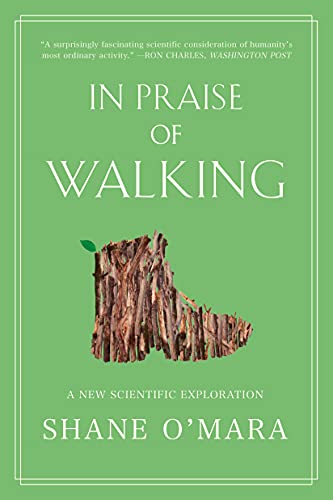
by Shane O'Mara
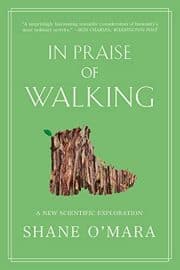
I recently received a book from my family that combines two interests: walking and reading. The book, “In Praise of Walking” by Shane O’Mara, celebrates the joys, health benefits, and mechanics of walking. It emphasizes the importance of getting out of our chairs and discovering a happier, healthier, more creative self.
One of the most important insights I gained from this book is that walking can lead to mind wandering, focusing on autobiographical memory rather than the immediate environment. This realization helped me accept and appreciate Jan’s love and move forward with her passion.
The book also explores the significance of walking to our human identity. Walking upright has given us many advantages, including the freedom of our hands and minds. Walking has enabled us to spread worldwide and has many benefits for our bodies and minds, such as protecting and repairing organs, aiding digestion, and sharpening our thinking.
Overall, “In Praise of Walking” inspires us to start walking again and recognize its many benefits to our lives and societies.
The Jan Lilien Education Fund sponsors ongoing sustainability and environmental awareness programs. Gifts made this month; I will match dollar-for-dollar. All donations are tax-deductible.
I receive a commission when you buy a book or product using a link on this page. Thank you for supporting Sharing Jan’s Love blog.
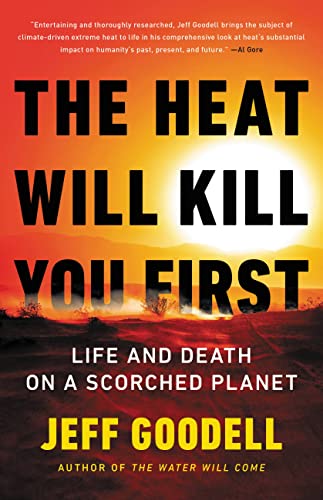
by Jeff Goodell
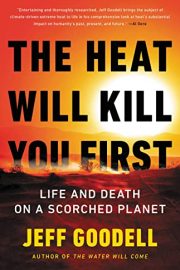
I recently started reading “The Heat Will Kill You First” by Jeff Goodell, which delves into the extreme ways our planet is already changing. The book explores how spring is arriving earlier and fall is arriving later and how this will impact our food supply and disease outbreaks. As I have stated in my Action Alert: EPA’s Carbon Rule, the time to act is now.
The book also predicts the consequences of summer days in cities like Chicago and Boston, reaching temperatures as high as 110°F. Goodell explains that heat waves are used only to affect the most vulnerable people, but as they become more intense and familiar, they will affect everyone.
It is becoming increasingly clear that the world is facing a new reality. In California, wildfires are now seasonal, while the Northeast is experiencing less and less snow each winter. Meanwhile, the Arctic and Antarctic ice sheets are melting alarmingly. Heat is the primary threat that is driving all other impacts of the climate crisis. As temperatures rise, it exposes weaknesses in our governments, politics, economy, and values.
The basic science is straightforward: If we stop burning fossil fuels tomorrow, the global temperature will also stop rising. However, if we wait for 50 years to stop burning them, the temperature will continue to rise, making parts of our planet uninhabitable. The responsibility to act is in our hands. The hotter it gets, the more our underlying issues will surface and expand.
Jeff Goodell has been an award-winning journalist in the field of environmental reporting for several decades. His latest book explains how extreme heat will cause significant changes in the world. The book is an excellent blend of scientific insights and on-the-ground storytelling, and Goodell explores some of the most significant questions surrounding the topic. He reveals that extreme heat is a force we have yet to comprehend fully.
The Jan Lilien Education Fund sponsors ongoing sustainability and environmental awareness programs. Gifts made this month; I will match dollar-for-dollar. All donations are tax-deductible.
I receive a commission when you buy a book or product using a link on this page. Thank you for supporting Sharing Jan’s Love blog.
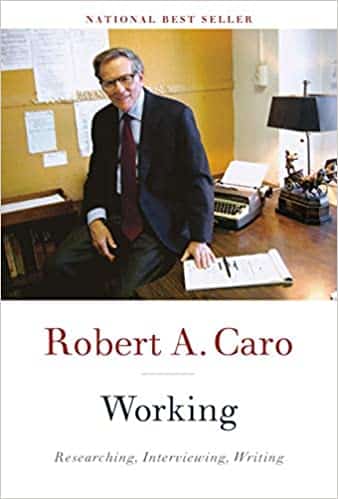
by Robert A. Caro
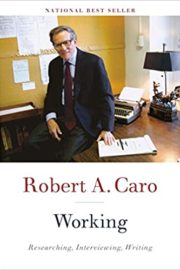
Working by Robert A. Caro is a book of evocatively written essays on his life and work. Among the many valuable words of wisdom is his case that one needs to look at every piece of information, not just what we know when we begin. Far too often, people jump to conclusions without having learned all of the facts.
He describes what it was like to interview the mighty Robert Moses and to begin discovering the extent of the political power Moses wielded; the combination of discouragement and exhilaration he felt confronting the vast holdings of the Lyndon B. Johnson Library in Austin, Texas; his encounters with witnesses, including longtime residents wrenchingly displaced by the construction of Moses’ Cross-Bronx Expressway and Lady Bird Johnson acknowledging the beauty and influence of one of LBJ‘s mistresses. He gratefully remembers how, after years of working in solitude, he found a writers’ community at the New York Public Library, and details the ways he goes about planning and composing his books.
Caro recalls the moments at which he came to understand that he wanted to write not just about the men who wielded power but about the people and the politics that were shaped by that power. And he talks about the importance to him of the writing itself, of how he tries to infuse it with a sense of place and mood to bring characters and situations to life on the page. Taken together, these reminiscences–some previously published, some written expressly for this book–bring into focus the passion, the wry self-deprecation, and the integrity with which this brilliant historian has always approached his work.
I found this one of the best books I have read and recommend it to all readers.
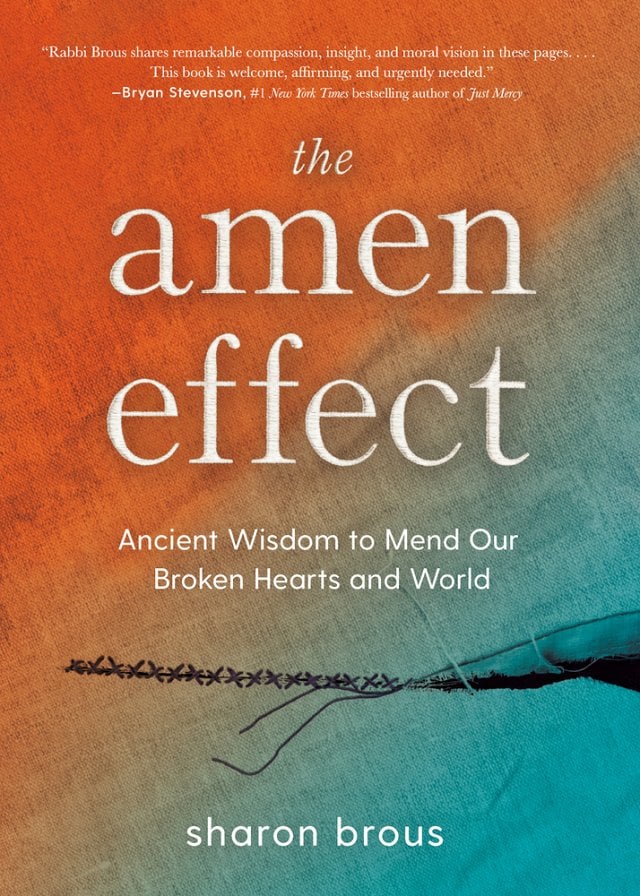
by Sharon Brous
Sharon Brous, a prominent American rabbi, argues in The Amen Effect: Ancient Wisdom to Heal Our Hearts and Mend Our Broken World that the essential spiritual work of our time—though instinctual and often countercultural—focuses on connecting through celebration, sorrow, and solidarity. We must support one another in times of joy and pain, embracing vulnerability and possibility, nurturing relationships with shared purposes, and creating communities centered on care.
From one of our country’s most prominent rabbis comes this inspiring book about the power of community, based on one of her most impactful sermons. What will it take to mend our broken hearts and rebuild our society in a time of loneliness, isolation, social rupture, and alienation?
Brous contends that honoring our most basic human instinct—the yearning for authentic connection—is the way to reawaken our shared humanity and begin the healing process. This kind of sacred presence is captured by the word amen, a powerful ancient idea that we affirm the fullness of one another’s experience by demonstrating, in body and word: “I see you. You are not alone.”
An acclaimed preacher and storyteller, Brous pairs heart-driven anecdotes from her experience building and pastoring to a leading-edge faith community over the past two decades with ancient Jewish wisdom and contemporary science. The result is a clarion call: the sense of belonging engendered by our genuine presence is both a social and biological need, as well as a moral and spiritual necessity.
With original insights and practical tools, The Amen Effect translates foundational ideas into simple practices that connect us to our better angels, offering a blueprint for a more meaningful life and a more connected and caring world.
As she writes in the preface, after listing the joys and pains of life, weddings, births, and death,
It’s in these times that I feel the weight of the work, the privilege of being alive, the blessing of being so close to such raw beauty and pain. It’s there that I have learned the power of saying ‘Amen‘ to one another’s grief and joy, sorrow and celebration with our very presence. Of bearing witness to profound suffering and protesting injustice with our very presence. Of comforting and consoling, surviving and thriving with our very presence. What I’ve learned, during the years, is the meaning of sacred companionship. I have seen, in ways subtle and pronounced, a longing to connect with others who can help hold the pain, a need to share what we’ve learned in the trenches, and a desire to give, even when we ourselves have barely caught our breath. And I have seen how knowing that we’re not alone can both heighten our joy and help us endure unimaginable hardship.
Click here to read about my experience listening to Rabbi Brous at the Kol Tzedek Speakers Series at Temple Emanu-El in Westfield.
Sharon Brous is the senior and founding rabbi of IKAR, a leading-edge Jewish community based in Los Angeles, and the author of The Amen Effect: Ancient Wisdom to Heal Our Hearts and Mend Our Broken World, a national bestseller.
In 2013, Brous blessed President Obama and Vice President Biden at the Inaugural National Prayer Service, and in 2021, returned to bless President Biden and Vice President Harris and then led the White House Passover Seder 2021 and the Hanukkah candle lighting with the Vice President and Second Gentleman in 2023. She was ranked as the number one most influential Rabbi in America by Newsweek/The Daily Beast. She has also been recognized by The Forward and the Jerusalem Post as one of the most influential Jews alive today. Her work has appeared in prominent publications, including The New York Times, The Los Angeles Times, and The Washington Post. Additionally, her TED talk, “Reclaiming Religion,” has been viewed by over 1.5 million people.
Brous is part of the inaugural cohort of Auburn Seminary’s Senior Fellows program, which brings together top faith leaders working on the frontlines for justice. She sits on the faculty of REBOOT and serves on the International Council of the New Israel Fund, as well as the national steering committee for the Poor People’s Campaign.
A Columbia University graduate (holding both undergraduate and M.A. degrees in Human Rights), she was ordained by the Jewish Theological Seminary and resides in Los Angeles with her husband and children.
When you purchase a book through one of my links, I earn a small commission that helps support my passion for reading. This contribution allows me to buy even more books to share with you, creating an incredible cycle of discovering great reads together! Your support truly makes a difference!
by Steven Levitsky and Daniel Ziblatt
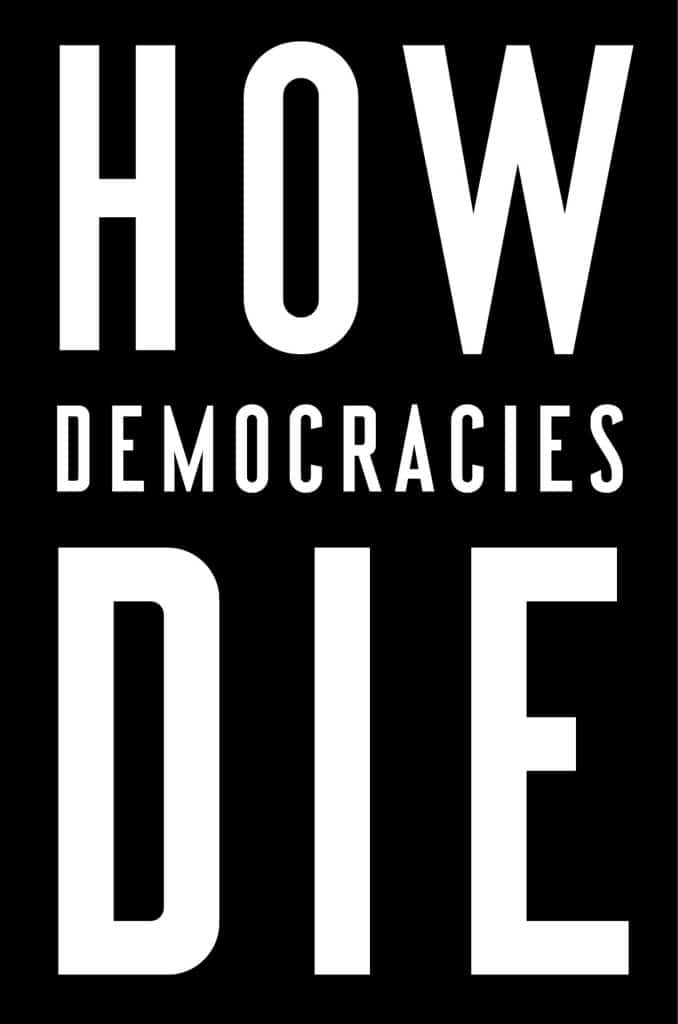
How Democracies Die: What History Reveals About Our Future by Steven Levitsky and Daniel Ziblatt was on my reading list for almost a year. In late December of last year, I started reading it and was in the final chapter on January 6, 2021. Like many of us, I never in my life expected to see a day like that in our country.
This type of event is one the authors talk about in their book.
According to the overview in GoodReads,
Donald Trump’s presidency has raised a question that many of us never thought we’d be asking: Is our democracy in danger? Harvard professors Steven Levitsky and Daniel Ziblatt have spent more than twenty years studying the breakdown of democracies in Europe and Latin America, and they believe the answer is yes. Democracy no longer ends with a bang–in a revolution or military coup–but with a whimper: the slow, steady weakening of critical institutions, such as the judiciary and the press, and the gradual erosion of long-standing political norms. The good news is that there are several exit ramps on the road to authoritarianism. The bad news is that, by electing Trump, we have already passed the first one.
Drawing on decades of research and a wide range of historical and global examples, from 1930s Europe to contemporary Hungary, Turkey, and Venezuela, to the American South during Jim Crow, Levitsky and Ziblatt show how democracies die–and how ours can be saved.
Our democracy is too valuable for us to have it die. We all need to work to preserve and strengthen it. How Democracies Die is a book that everyone needs to read!
by Craig Wright
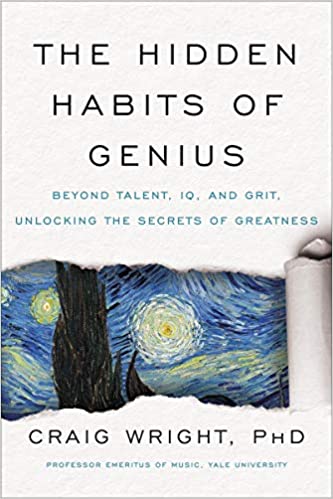
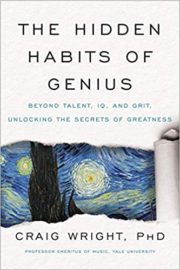
The Hidden Habits of Genius: Beyond Talent, IQ, and Grit―Unlocking the Secrets of Greatness by Craig Wright, Ph.D., I got through my membership in One Day University.
Dr. Wright raises many important questions as he analyses fourteen (14) critical traits of genius. Professor Craig Wright, creator of Yale University’s famous “Genius Course,” explores what we can learn from brilliant minds that have changed the world.
What we often presume about a genius does not match reality. Among other interesting observations, Dr. Wright reminds the reader that Picasso could not pass a fourth-grade math test, and Steve Jobs’s high school GPA was 2.65. He questions why to teach children to behave and play by the rules when transformative geniuses do not.
Examining the lives of transformative individuals ranging from Charles Darwin and Marie Curie to Leonardo Da Vinci and Andy Warhol to Toni Morrison and Elon Musk, Wright identifies more than a dozen drivers of genius, characteristics and patterns of behavior common to great minds throughout history. He argues that genius is about more than intellect and work ethic and that the famed “eureka” moment is a Hollywood fiction. Brilliant insights that change the world are never sudden, but rather, they are the result of unique modes of thinking and lengthy gestation.
I found the book to be a fascinating read and raised more questions for future thought and reading. Professor Wright argues that the habits of mind that produce great thinking and discovery can be actively learned and cultivated. In the book, he explains how. He notes that reading the book will not make you a genius but can “make you more strategic, creative, and successful, and, ultimately, happier.
by Louis P. Masur
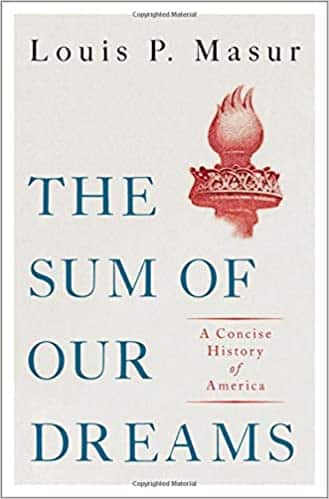
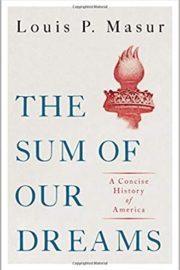
The Sum of Our Dreams: A Concise History of America by Louis P. Masur is a book I got through my membership at One Day University. Professor Masur is one of the best teaches that One Day University has. He is the Board of Governors Distinguished Professor of American Studies and History at Rutgers University.
Most concise histories leave out more than they include. I found the Sum of our Dreams to be an excellent book to read, and professor Masur conveyed the American experience concisely and clearly. The more recent history is complex as events like the Global War on Terror are still being analyzed and re-understood.
Evoking Barack Obama’s belief that America remains the “sum of its dreams,” Masur locates the origin of those dreams of freedom, equality, and opportunity and traces their progress chronologically, illuminating the nation’s struggle over time to articulate and fulfill their promise.
Masur lets the story of American tell itself. Inspired by James Baldwin’s observation that “American history is longer, larger, more beautiful and more terrible than anything anyone has ever said about it,” he expands our notion of that history while identifying its threads.
I recommend this book as well as any of Professor Masur’s lectures at One Day University.
by Geraldine Brooks
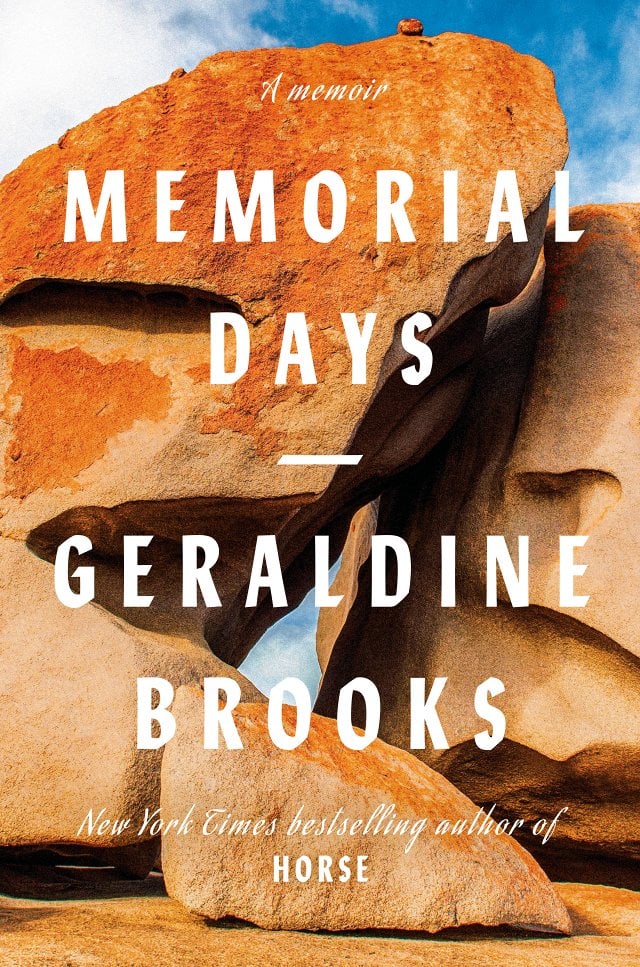
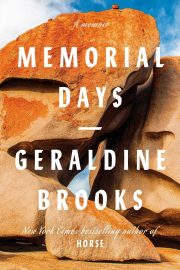
Today, I started reading “Memorial Days: A Memoir” by Geraldine Brooks, the bestselling Pulitzer Prize-winning author of “Horse”. In this poignant and beautifully written memoir, she explores sudden loss and the journey toward healing. Why do I choose to read novels and memoirs about loss and grief? Perhaps it’s because, as Martín Prechtel wrote in his book “The Smell of Rain on Dust”, “Grief is praise because it is the natural way love honors what it misses.”
Many cultural and religious traditions expect grieving people to withdraw from the world. In modern life, we frequently encounter bureaucratic obstacles and lengthy to-do lists. This is precisely what happened to Geraldine Brooks when her partner of more than thirty years, Tony Horwitz—just sixty years old and, to her knowledge, vigorous and healthy—collapsed and died on a sidewalk in Washington, D.C.
After spending their early years together in conflict zones as foreign correspondents, Geraldine and Tony settled down to raise two sons on Martha’s Vineyard. They lived a fulfilling life filled with meaningful work, good humor, and tenderness. Geraldine and Tony spent their days writing and evenings cooking family dinners or enjoying sunsets with friends at the beach. Their peaceful existence abruptly ended on Memorial Day 2019 when Geraldine received the dreaded phone call we all fear. The demands of life became immediate and overwhelming, leaving little room for grief. The sudden loss created a profound void in their lives.
Three years later, she booked a flight to a remote island off the coast of Australia to give herself the time to mourn finally. She often spent days alone in a shack on the pristine, rugged coast without seeing another person. It was a space for her to reflect on the various ways cultures grieve and consider which rituals might help her rebuild her life in the wake of Tony’s death.
“Memorial Days,” a spare and profoundly moving memoir, portrays a larger-than-life man and the timeless love between two souls. It exquisitely captures the joy, agony, and mystery of life.
Geraldine Brooks is the author of six novels, including “Horse,” “People of the Book,” “Year of Wonders,” and the Pulitzer Prize-winning “March.” She has also written acclaimed nonfiction works, including “Nine Parts of Desire” and “Foreign Correspondence.” Her books have been translated into more than thirty languages and have sold millions of copies worldwide. Born and raised in Australia, Brooks now divides her time between Sydney and Martha’s Vineyard.
My journey through grief has significantly helped me grow as a person by focusing on conscientious resilience. I make it a point to read and walk daily, engage in worship, and actively participate as a volunteer and a good neighbor in my community. Fourteen hundred days ago, I wasn’t sure if I could continue living or how to move forward. However, by concentrating on strengthening my resilience, I now lead a life filled with meaning and purpose. I choose to look back not on what I lost but on what I have gained.
As my friend Danny said nearly a year ago, “You are an incredible person! You are a new person! A better person! Although Jan is not here physically, she has done so much for you!
My Rabbi, Rav Uri, echoed similar sentiments during his remarks when I received the Rev. Dr. Martin Luther King, Jr. Distinguished Service Award. If their beliefs are true, much of my progress directly results from my conscientious resilience!
When you purchase a book through one of my links, I earn a small commission that helps support my passion for reading. This contribution allows me to buy even more books to share with you, creating an incredible cycle of discovering great reads together! Your support truly makes a difference!
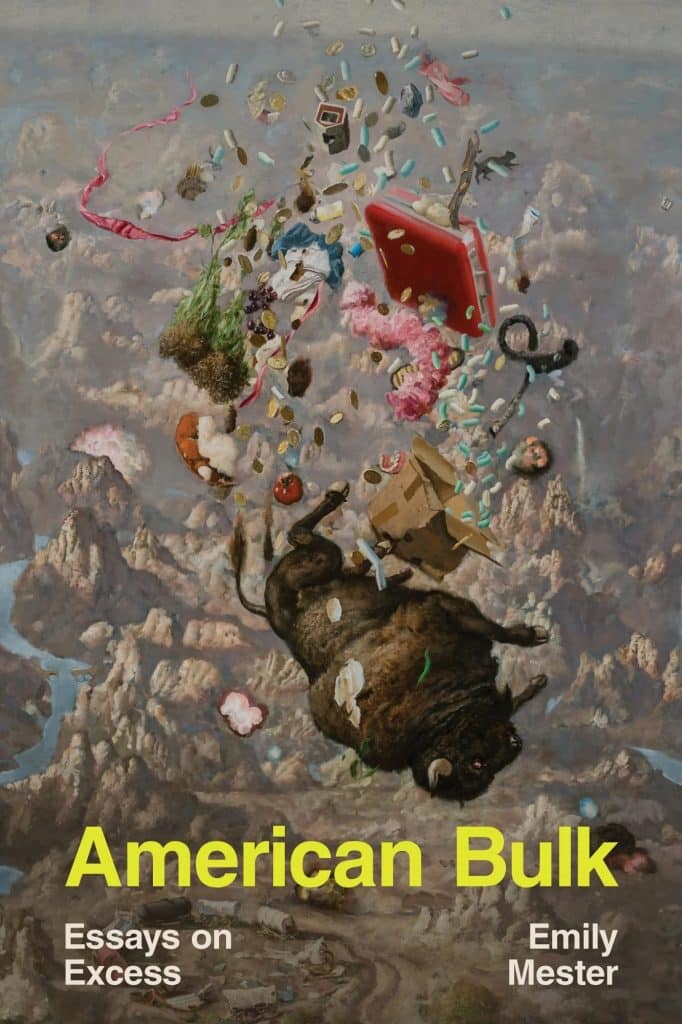
by Emily Mester
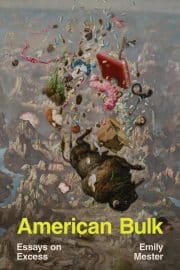
In a series of deeply personal essays, Emily Mester‘s “American Bulk” examines how the things we buy, eat, accumulate, and discard become integral parts of our lives. We often guiltily watch Amazon boxes pile up on the porch, sift through countless reviews to find the perfect product, and crave the familiar comfort of a chain restaurant. With humor and sharp insight, Mester reflects on the joys and anxieties of Costco trips, how a seasonal job at Ulta Beauty taught her the subtle art of sales, and what it means to feel “mall sad.”
In a nuanced exploration of diet culture and body image, Mester shares her experience at a fat camp during her teenage summer and the unexpected sense of liberation she discovered there. Finally, she travels to Storm Lake, Iowa, to confront her grandmother’s abandoned hoard, unraveling the dysfunction at the heart of her family’s obsession with material possessions. American Bulk introduces readers to an impressive new literary voice from the American heartland, urging us to view consumption not with guilt, but with grace and empathy.
Emily Mester is a writer from the suburban Midwest, where her family shopped at Costco every Sunday. She earned an MFA in nonfiction from the University of Iowa, where she received the Prairie Lights Nonfiction Prize. Currently, she resides in New York.
Discover your next favorite book and dive into a world of curated, exciting reads by purchasing through my links. You’ll have access to a diverse selection of books that I’ve personally vetted to ensure quality and enjoyment. Additionally, by supporting these selections, you’ll help me continue to provide you with more personalized recommendations. I earn a small commission from your purchase, which allows me to buy and share even more books with you. Your support truly makes a difference!
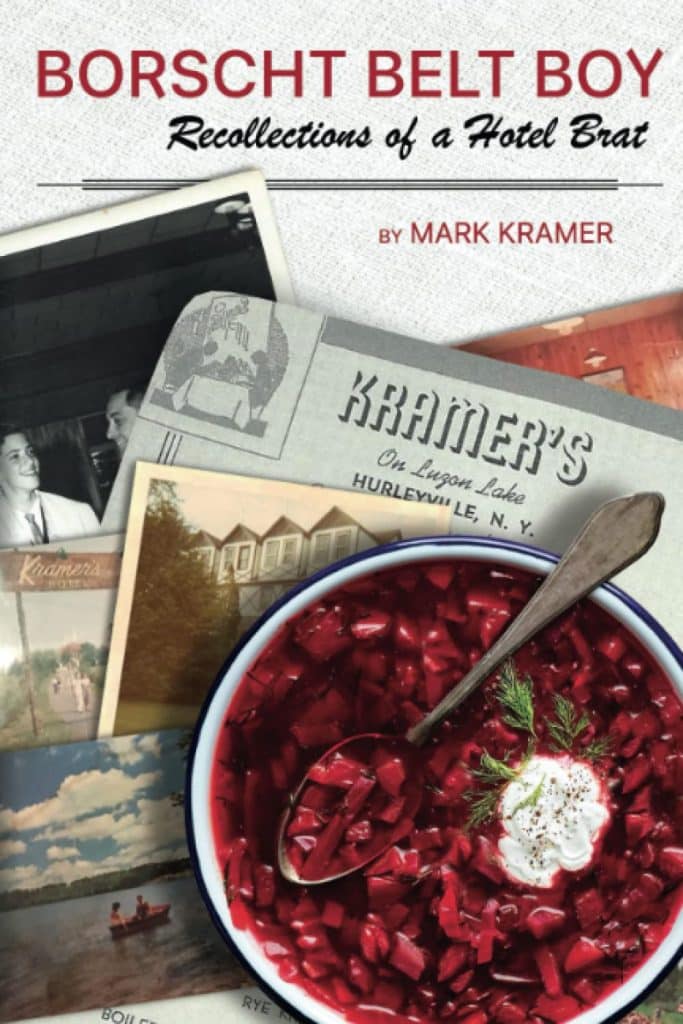
by Mark Kramer
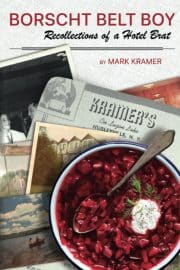
I started reading Borscht Belt Boy: Recollections of a Hotel Brat by Mark Kramer today. The book is the story of a young man who grew up in the heyday of the Borscht Belt. The author sent me a copy when I shared my 2023 reading accomplishments. I found joy in reading his memoir as the author, and I are almost the same age.
The author, the son of a Catskills Mountain resort hotel owner, describes his experiences growing up when hotels, bungalow colonies, and sleep-away camps were booming. Learn about the characters that populated this world, from the kids who worked in the dining rooms, the handymen recruited from the Bowery, to the chefs and maitre d’s.
Enjoy the author’s humorous description of the different kinds of people who summered in the mountains. Read fascinating tales of entertainers, including Buddy Hackett and Lenny Bruce’s experiences at the family hotel. There is a brief history of Catskills’ institutions, how the influx of Jews changed the landscape, and how the resort trade influenced race, religion, and class.
This lighthearted memoir will return fond memories to those who visited the Borscht Belt in their youth and enlighten those not lucky enough to have shared this particular time and place in history.
The Jan Lilien Education Fund sponsors ongoing sustainability and environmental awareness programs. Regarding gifts made this month, I will match dollar for dollar. All donations are tax-deductible.
I receive a commission when you buy a book or product using a link on this page. Thank you for supporting Sharing Jan’s Love blog.
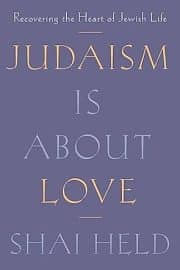
by Rabbi Shai Held
Today, I embarked on a transformative journey with Rabbi Shai Held’s book, “Judaism Is About Love.” Rav Uri‘s mention of this book during this year’s Yom Kippur service at Temple Sha’arey Shalom sparked a profound connection to the Divine, as echoed in my writings “Love Can Conquer Even Death” and “High Holiday Meditation Cleanses My Soul.” Rabbi Held’s book, which focuses on love, meaning, purpose, and faith, has guided my quest to become the best version of myself.
“Judaism Is About Love” is a beacon of understanding, offering a profound and groundbreaking perspective on Jewish life. It challenges a long-standing misinterpretation that has shaped the Western narrative: Christianity is the religion of love, while Judaism is the religion of law. Rabbi Shai Held, a leading Jewish thinker in America, passionately argues for correcting this misconception. He asserts that love is not just a part of Judaism but a fundamental aspect, thus reclaiming the heart of the Jewish tradition.
With a unique blend of intellectual rigor, respect for tradition, and a vibrant Judaism, Held’s aim is clear: to reclaim Judaism in its authentic form. He illustrates that love is the foundation of the true Jewish faith, influencing our unique perspectives on injustice, protest, grace, family life, responsibilities toward neighbors and enemies, and chosenness.
“Judaism Is About Love” is a work of ambition and revelation. It serves as a beacon, illuminating the true essence of Judaism. More than just a book, it is an act of restoration from within, reclaiming the authentic form of Judaism.
When you purchase a book through one of my links, I earn a small commission that helps support my passion for reading. This contribution allows me to buy even more books to share with you, creating an incredible cycle of discovering great reads together! Your support truly makes a difference!
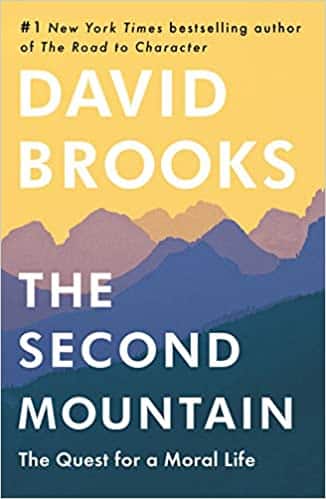
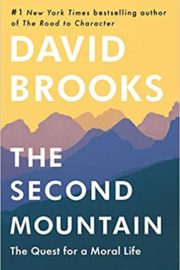
by David Brooks
 The Second Mountain: The Quest for a Moral Life by David Brooks is a book I often recommend. Mr. Brooks writes about the first mountain that most people climb. The book challenges the reader to “live for a cause greater than themselves.”
It is about “to be a success, make your mark, experience personal happiness.” Even when they reach the top of the mountain, most people find they are unhappy. The climb to the summit has become unsatisfying.
On the second mountain, life moves from self-centered to other-centered.” Life becomes interdependent, not independent; it becomes a life of commitment, not about us.
Mr. Brooks “explores the four commitments that define a life of meaning and purpose: to a spouse and family, to a vocation, to a philosophy or faith, and to a community.
We live in a society, Brooks argues, that celebrates freedom, that tells us to be true to ourselves, at the expense of surrendering to a cause, rooting ourselves in a neighborhood, binding ourselves to others by social solidarity and love. We have taken individualism to the extreme—and in the process we have torn the social fabric in a thousand different ways.
When I read The Second Mountain, it became clear that Jan and I never even attempted to climb the first mountain. We were constantly climbing the second mountain.
We had chosen to do work that repaired the world; we both had a faith community and lived in a community.
All we were missing as far as commitments when we met was each other. Our love for each other provided the missing link and allowed us to climb to the top of the second mountain.
The Jan Lilien Education Fund sponsors ongoing sustainability and environmental awareness programs. Gifts made this month; I will match dollar-for-dollar. All donations are tax-deductible.
I receive a commission when you buy a book or product using a link on this page. Thank you for supporting Sharing Jan’s Love blog.
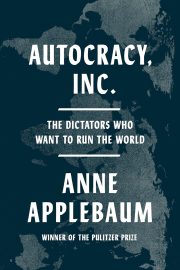
by Anne Applebaum
Today, I plunged into the captivating world of “Autocracy, Inc.: The Dictators Who Want to Run the World” by Anne Applebaum. I listened to an engaging discussion between her and the Executive Director of the YIVO Institute for Jewish Research, Jonathan Brent. Their insights left me eager for more, and I couldn’t resist making this book my next read. I’m thrilled to dive deeper into her thought-provoking perspective!
This compelling New York Times bestseller by the Pulitzer Prize-winning author paints a chilling picture of how autocratic regimes join forces to erode democracy globally. Applebaum sheds light on this pressing issue and offers insights on how we can unite to fight back.
We think we know what an autocratic state looks like: An all-powerful leader is at the top. He controls the police. The police threaten the people with violence. There are evil collaborators and maybe some brave dissidents.
But in the 21st century, that bears little resemblance to reality. Nowadays, autocracies are underpinned not by one dictator but by sophisticated networks composed of kleptocratic financial structures, surveillance technologies, and professional propagandists, all of which operate across multiple regimes, from China to Russia to Iran. Corrupt companies in one country do business with corrupt companies in another. The police in one country can arm and train the police in another, and propagandists share resources and themes, pounding home the same messages about the weakness of democracy and the evil of America.
International condemnation and economic sanctions cannot move the autocrats. Even popular opposition movements, from Venezuela to Hong Kong to Moscow, don’t stand a chance. The members of Autocracy, Inc. aren’t linked by a unifying ideology, like communism, but rather by a common desire for power, wealth, and impunity. In this urgent treatise, which evokes George Kennan’s essay calling for “containment” of the Soviet Union, Anne Applebaum calls for the democracies to reorient their policies to fight a new threat fundamentally.
There is no liberal world order anymore, and the aspiration to create one no longer seems real. But there are liberal societies, open and free countries that offer a better chance for people to live useful lives than closed dictatorships do. They are hardly perfect. Those that exist have deep flaws, profound divisions, and terrible historical scars. But that’s all the more reason to defend and protect them. So few of them have existed across human history; so many have existed for a short time and then failed. They can be destroyed from the outside and from the inside, too, by division and demagogues. Or they can be saved. But only if those of us who live in them are willing to make the effort to save them.
After finishing Autocracy, Inc.: The Dictators Who Want to Run the World,” this closing paragraph should be a call to action. Failure to respond to the challenge will doom our future to an unacceptable one. I recommend this book and encourage people to read it, discuss its contents, and take action to save our collective future.
When you purchase a book through one of my links, I earn a small commission that helps support my passion for reading. This contribution allows me to buy even more books to share with you, creating an incredible cycle of discovering great reads together! Your support truly makes a difference!
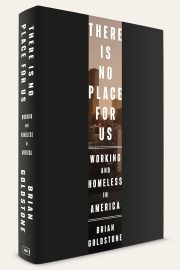
by Brian Goldstone
Today, I delved into There Is No Place for Us by Brian Goldstone, a poignant exploration of America’s escalating homelessness crisis. Goldstone’s examination of the issue’s scale, root causes, and consequences is a wake-up call, passionately arguing that housing must be recognized as a fundamental human right. His compelling narrative demands our immediate attention and action.
The phrase “the working homeless” serves as a stark reminder of the urgency of America’s homelessness crisis. In a country where hard work and determination are expected to lead to success, it is scandalous that individuals with full-time jobs struggle to maintain stable housing. Rising rents, low wages, and insufficient tenant rights have contributed to this alarming trend. Families are facing homelessness not due to a failing economy but because of a thriving one.
In his compelling and thoroughly researched book, Brian Goldstone explores the lives of five families in Atlanta. Maurice and Natalia attempt to rebuild their lives in the country’s “Black Mecca” after being priced out of Washington, D.C. Kara aspires to become an entrepreneur while working at a public hospital. Britt has secured a much-coveted housing voucher. Michelle is studying to become a social worker. Celeste works tirelessly at her warehouse job while battling ovarian cancer. Each of these individuals strives to provide a decent life for their children. Yet, one by one, they find themselves among the nation’s working homeless, demonstrating their resilience and the system’s failures.
Through intimate, novelistic portrayals, Goldstone exposes the human cost of this crisis, following parents and their children as they sleep in cars or squalid extended-stay hotel rooms, then head to their jobs and schools the next day. These are the nation’s hidden homeless—people often omitted from official statistics—showing that overflowing shelters and street encampments represent only the most visible aspects of a much larger problem.
Brian Goldstone is a journalist whose long-form reporting and essays have appeared in The New York Times, Harper’s Magazine, The New Republic, The California Sunday Magazine, and Jacobin, among other publications. He has a PhD in anthropology from Duke University and was a Mellon Research Fellow at Columbia University. In 2021, he was a National Fellow at New America. He lives in Atlanta with his family.
When you purchase a book through one of my links, I earn a small commission that helps support my passion for reading. This contribution allows me to buy even more books to share with you, creating an incredible cycle of discovering great reads together! Your support truly makes a difference!
Enjoy a limited-time offer of 20% off your next book purchase at Bookshop.org!
by Irvin D. Yalom and Marilyn Yalom
Today, I embarked on an emotional journey with “A Matter of Death and Life” by Irvin D. Yalom and Marilyn Yalom. This poignant narrative follows the renowned psychiatrist and his talented writer wife as they navigate a year filled with profound reflection following her terminal diagnosis. I received this thoughtful gift from my son Mike and his family, which makes it all the more special.
As the year winds down, I’m excited to say that this will be the final book I dive into in 2024 and will also mark the beginning of my reading adventures in 2025! Irwin and Marylin Yalom‘s exploration of love and living without regret is touching and inspiring, reminding me of the journey my wife and I took after her diagnosis of lymphoma in August 2019.
Irvin Yalom, an internationally acclaimed psychiatrist and author, dedicated his career to counseling those suffering from anxiety and grief. However, he had never faced the need to counsel himself until his wife, the esteemed feminist author Marilyn Yalom, was diagnosed with cancer. In “A Matter of Death and Life,” the Yaloms share how they confronted profound new struggles: Marilyn aimed to die a good death, while Irv sought to continue living without her.
Through alternating accounts of their last months together and Irv’s first months alone, they provide a rare window into facing mortality and coping with the loss of a beloved partner. The Yaloms enjoyed a loving family, a home in Palo Alto under a magnificent valley oak, a large circle of friends, avid readers worldwide, and a long, fulfilling marriage. Yet, they faced death, as we all do. With the wisdom acquired over two lifetimes and the familiar warmth of teenage sweethearts who grew up together, they explore universal questions of intimacy, love, and grief.
Informed by their extensive life experiences, “A Matter of Death and Life” is an open-hearted offering to anyone seeking support, solace, and a meaningful life.
When you purchase a book through one of my links, I earn a small commission that helps support my passion for reading. This contribution allows me to buy even more books to share with you, creating an incredible cycle of discovering great reads together! Your support truly makes a difference!
by Viktor E. Frankl
I recall reading portions of Man’s Search for Meaning by Viktor E. Frankl at various times, but I never completed the book. However, recently, eight and a half months after Jan’s passing, my wife and I were discussing in one of my groups. Frankl’s theory of logotherapy, which derives from the Greek word for “meaning,” centers around the idea that the primary human drive is not pleasure, as Freud believed, but rather the search for what gives life meaning. I now have a framework for my life without Jan.
For those like me who are widows, Frankl understands suffering,
In some ways, suffering ceases to be suffering at the moment it finds a meaning, such as the meaning of a sacrifice.
Jan and I lived meaningful lives. My challenge now is to continue to find meaning in my life without Jan.
As Frankl writes,
Those who have a ‘why’ to live can bear with almost any ‘how.
The love Jan and I shared was one of my primary sources of meaning. In addition, I stopped working full-time at the end of 2018 and struggled to replace the purpose I had gained from repairing the world. After Jan died, I suffered the “provisional existence of an unknown limit, ” which Frankl experienced when he was in the concentration camps.
I have replaced the loss of meaning and purpose with a series of activities:
I am also beginning to serve on the board of a few non-profits. It is time to transition from hands-on work to providing leadership in a different way.
Will this be enough to give my life meaning?
Ultimately, man should not ask what the meaning of his life is, but rather must recognize that it is he who is asked. In a word, each man is questioned by life, and he can only answer to life by answering for his own life; to life, he can only respond by being responsible.
I must continue to focus on my search for meaning, as life will inevitably change over time.
My grief journey has taught me that love never dies,
For the first time in my life, I saw the truth as it is set into song by so many poets, proclaimed as the final wisdom by so many thinkers. The truth – that Love is the ultimate and highest goal to which man can aspire. Then I grasped the meaning of the greatest secret that human poetry, thought, and belief have to impart: The salvation of man is through love and in love.
My path forward is to keep Jan’s love alive and continue to share it with others.
I recommend this book without reservation.
When you purchase a book through one of my links, I earn a small commission that helps support my passion for reading. This contribution allows me to buy even more books to share with you, creating an incredible cycle of discovering great reads together! Your support truly makes a difference!
Enjoy a limited-time offer of 20% off your next book purchase at Bookshop.org!
by Martha Beck
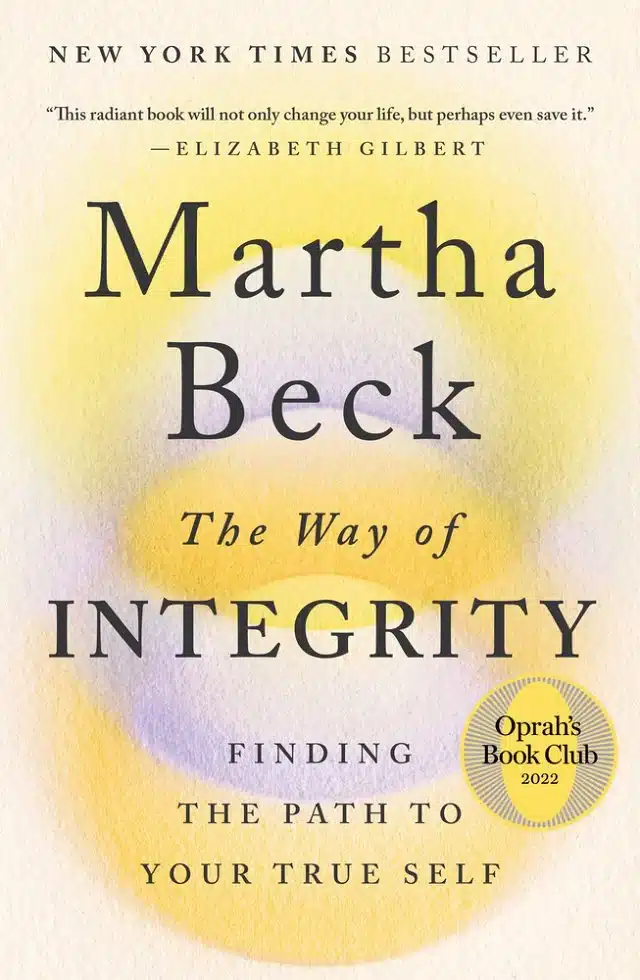
Today, I started reading Martha Beck‘s “The Way of Integrity: Finding the Path to Your True Self,” a book recommended by my friend Mark. I always appreciate receiving book recommendations from friends and readers of my blog. In her self-help book, Ms. Beck asserts, “Integrity is the cure for psychological suffering. Period.” This book will be invaluable during my early period of grief. I purchased the eBook from Bookshop and plan to do so.
Bestselling author, life coach, and sociologist Martha Beck explains why “integrity”—needed now more than ever in these tumultuous times—is the key to a meaningful and joyful life. As she writes,
This book, as you may have gleaned from the title, is all about integrity. But I don’t mean this in a moralizing sense. The word integrity has taken on a slightly prim, judgmental nuance in modern English, but the word comes from the Latin integer, meaning “intact.” To be in integrity is to be one thing, whole and undivided. When a plane is in integrity, all its millions of parts work together smoothly and cooperatively. If it loses integrity, it may stall, falter, or crash. There’s no judgment here. Just physics.
In The Way of Integrity, Beck presents a four-stage process that anyone can use to find integrity, a sense of purpose, emotional healing, and a life free of mental suffering. Many issues, such as people-pleasing, staying in stale relationships, and maintaining unhealthy habits, arise from a disconnection from what truly makes us feel complete.
Inspired by The Divine Comedy, Beck uses Dante’s classic hero’s journey as a framework to break down the process of attaining personal integrity into small, manageable steps. She shows how to read the internal signals that lead us toward our true path and recognize what we yearn for versus what our culture sells us.
With techniques tested on hundreds of her clients, Beck brings her expertise as a social scientist, life coach, and human being to help readers uncover what integrity looks like in their lives. She takes us on a spiritual adventure that will change the direction of our lives and bring us to a place of genuine happiness.
Other books I have read with a similar theme, which I also recommend, include Man’s Search for Meaning, Climbing the Second Mountain, and The Pursuit of Happiness.
When you purchase a book through one of my links, I earn a small commission that helps support my passion for reading. This contribution allows me to buy even more books to share with you, creating an incredible cycle of discovering great reads together! Your support truly makes a difference!
by Peter Wohlleben
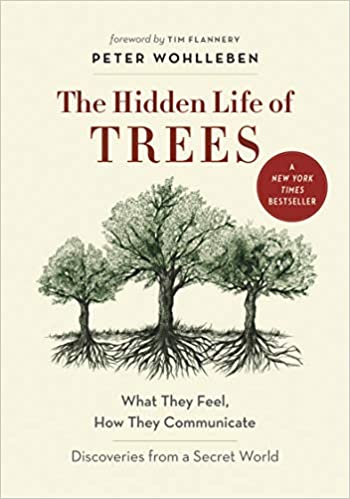
The Hidden Life of Trees: What They Feel, How They Communicate ― Discoveries from A Secret World is a book I have wanted but had not had the time to read. In July of this year, when I was still in the early stages of my recovery journey, I talked to a friend of my wife’s (whom I now count as my friend) about our plans to plant a tree in Hanson Park.
As I talked about our plans, my friend suggested I read this book as it would help me understand the importance of trees. I will forever be grateful for her recommendation, as it made me read this book sooner than later.
To read that trees have a social network with more prominent, healthier trees concerned about the smaller, weaker ones. How is it that humans, a supposedly advanced species, have a social network that divides and weakens our community?
Are trees social beings? In The Hidden Life of Trees forester and author Peter Wohlleben convincingly makes the case that, yes, the forest is a social network. He draws on groundbreaking scientific discoveries to describe how trees are like human families: tree parents live together with their children, communicate with them, support them as they grow, share nutrients with those who are sick or struggling, and even warn each other of impending dangers. Wohlleben also shares his deep love of woods and forests, explaining the amazing processes of life, death, and regeneration he has observed in his woodland.
Having read this book, I am more sensitive to trees and have enjoyed my walks more than ever. In addition, when we plant Jan’s tree in Hanson Park, I will now have even more reasons to talk about the importance of trees to Jan, myself, and the community.
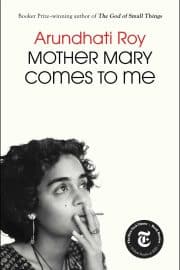
by Arundhati Roy
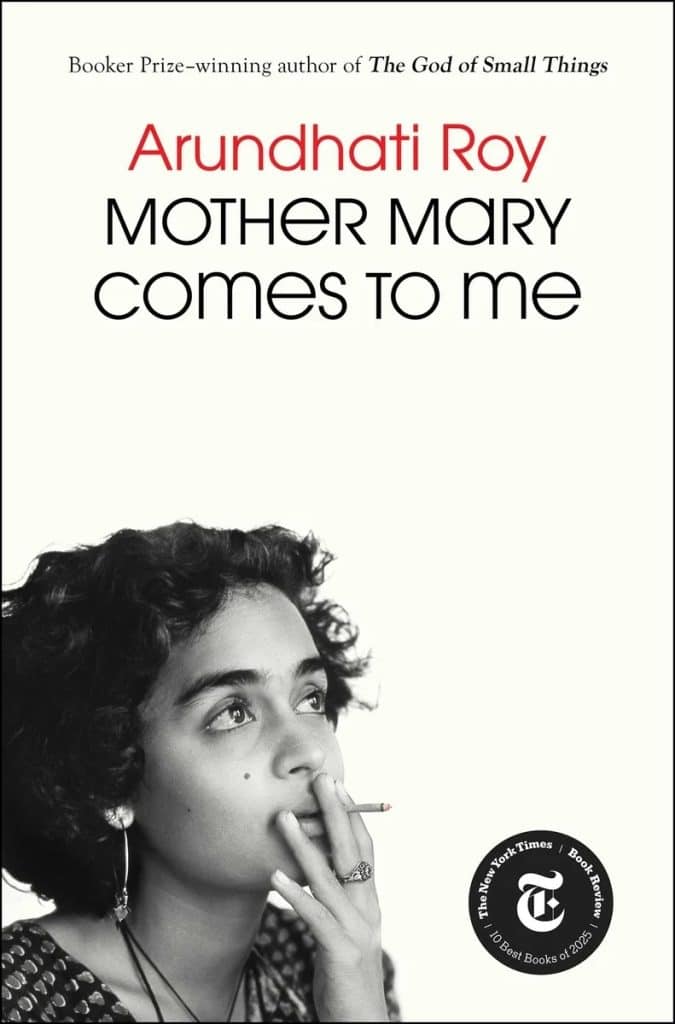
“Mother Mary Comes to Me,” Arundhati Roy‘s first memoir, is an intimate and inspiring account of how she became the person and writer she is today. It explores how her life was shaped by various circumstances, particularly her complex relationship with her extraordinary mother, whom she describes as “my shelter and my storm.” The book has been named one of the New York Times Book Review’s Top Ten Books of 2025 and is a finalist for the Kirkus Prize.
Devastated by her mother Mary’s death in September 2022, Roy experienced a mix of confusion and shame over the depth of her emotions. She began writing to understand her feelings for the mother she had distanced herself from at eighteen, not out of a lack of love, but to preserve her ability to love her. Her writing marks the beginning of an astonishing, often disturbing, and surprisingly humorous memoir that chronicles the author’s journey from her childhood in Kerala, India, where her single mother founded a school, to her accomplishments as a prize-winning novelist and essayist, and continues to the present day.
With the scope, richness, and emotional depth characteristic of her novels, “The God of Small Things” and “The Ministry of Utmost Happiness“, as well as the passion, political insight, and warmth found in her essays, “Mother Mary Comes to Me” serves as an ode to freedom and a tribute to complicated love and fierce grace—a memoir unlike any other.
Arundhati Roy is the author of “The God of Small Things,” which won the Booker Prize in 1997, and “The Ministry of Utmost Happiness,” a novel translated into more than 40 languages and longlisted for the Man Booker Prize in 2017. Roy has also published several nonfiction works, including “The End of Imagination,” “The Doctor and the Saint,” “My Seditious Heart,” and “Azadi.” In 2023, she received the prestigious European Essay Prize for lifetime achievement, and in 2024, she received the PEN Pinter Prize for telling “urgent stories of injustice with wit and beauty.” She resides in Delhi.
Discover your next favorite book and dive into a world of curated, exciting reads by purchasing through my links. You’ll have access to a diverse selection of books that I’ve personally vetted to ensure quality and enjoyment. Additionally, by supporting these selections, you’ll help me continue to provide you with more personalized recommendations. I earn a small commission from your purchase, which allows me to buy and share even more books with you. Your support truly makes a difference!
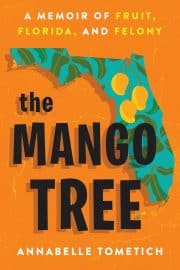
by Annabelle Tometich
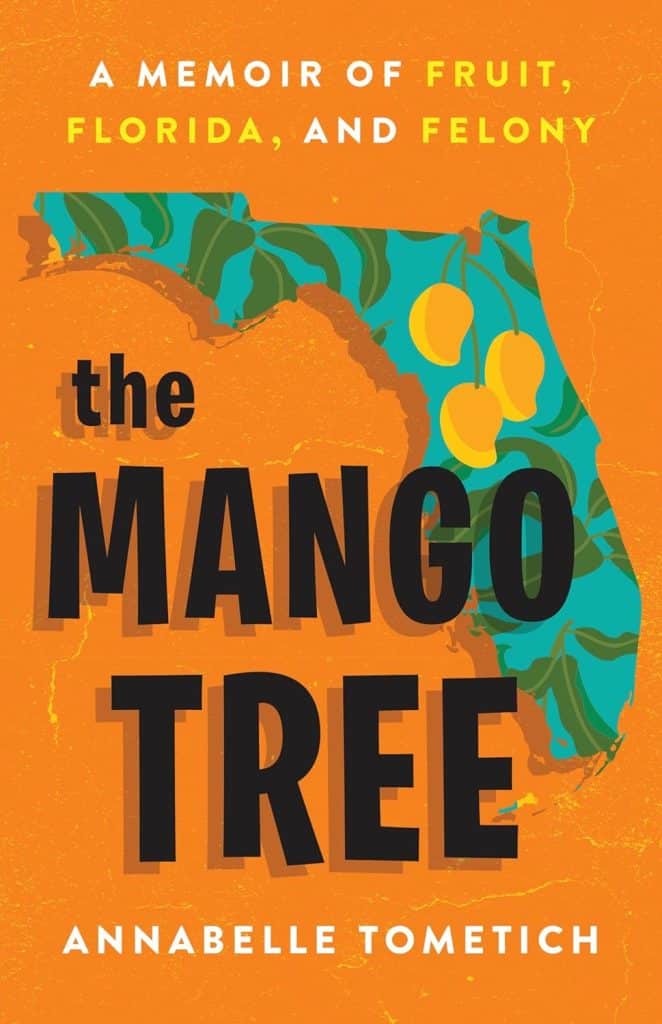
Today, I started reading Annabelle Tometich‘s The Mango Tree: A Memoir of Fruit, Florida, and Felony. The Mango Tree is not just a memoir but a profoundly emotional family saga. It takes us through the complexities of Annabelle’s life, from her childhood in a house filled with balikbayan boxes, vegetation, and luscious mangoes to her journey from aspiring medical student to restaurant critic.
It is a tribute to her fellow Filipino Americans, her younger self, and the mango tree symbolizing her family. Above all, it is a heartfelt homage to Annabelle’s mother, Josefina, who carved out a life and a home without whom Annabelle would not be who she is.
When journalist Annabelle Tometich picked up the phone one June morning, she wasn’t expecting a collect call from an inmate at the Lee County Jail. And when she accepts, she certainly isn’t prepared to hear her mother’s voice on the other end of the line. However, explaining the situation to her younger siblings afterward was easy; all she had to say was, “Mom shot at some guy. He was messing with her mangoes.” They immediately understood. Answering the questions of the breaking news reporter—at the same newspaper where Annabelle worked as a restaurant critic––proved more difficult. Annabelle decided to go with a variation of the truth: it was complicated.
Thus commences The Mango Tree, a memoir that deftly weaves a tapestry of a mixed-race Filipina’s life in suburban Florida. Annabelle’s journey is not linear but a series of interconnected stories that delve into her upbringing, her father’s tragic demise, her mother’s longing for her homeland, and her quest for identity.
Subscribe to Sharing Jan's Love Newsletter!
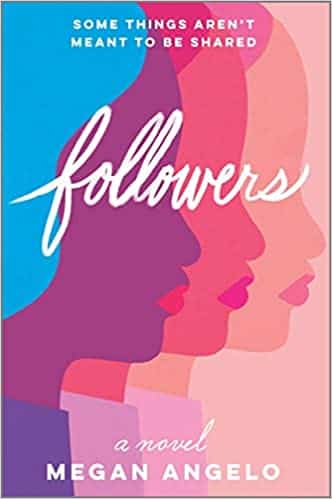
by Megan Angelo
Followers by Megan Angelo is one of NPR’s Books We Love from 2020. Goodreads describes this as an electrifying story of two ambitious friends, the dark choices they make, and the stunning moment that changes the world as we know it forever.
Followers is a novel, but it could easily be read as history with all that has occurred with technology and social media. With the increased discussion of the Metaverse, how close are we to a significant spill of personal information? With the focus on followers defining our culture, how close are we to being manipulated by social media?
As a wannabe blogger, I am impressed by a handful of likes on social media and two comments on my posts. Although I can understand the temptation of Orla and Floss to manipulate the system for their benefit, it is something I know I would not do even if I had the skills.
The spill of personal information is described in a very plausible way. It is not just credit card data but private conversations, photos, and secrets that are spilled and alter the world as we know it. Is this possible? Hopefully not, but without adequate privacy regulations, we may all wake up one day to know that our most private secrets become known by everyone.
Marlow, the daughter of two mothers, along with Orla, provides an option of how we might all leave with less reliance on blue screens. As a secessionist nation in NJ, Atlantis was an interesting alternate reality.
Goodreads provides this overview if you are not convinced to read this book.
Orla Cadden is a budding novelist stuck in a dead-end job, writing clickbait about movie-star hookups and influencer yoga moves. Then Orla meets Floss ― a striving wannabe A-lister ― who comes up with a plan for launching them both into the high-profile lives they dream about. So what if Orla and Floss’s methods are a little shady and sometimes people get hurt? Their legions of followers can’t be wrong.
Thirty-five years later, in a closed California village where government-appointed celebrities live every moment of the day on camera, a woman named Marlow discovers a shattering secret about her past. Despite her massive popularity ― twelve million loyal followers ― Marlow dreams of fleeing the corporate sponsors who would do anything to keep her on-screen. When she learns that her whole family history is based on a lie, Marlow finally summons the courage to run in search of the truth, no matter the risks.
Followers traces the paths of Orla, Floss and Marlow as they wind through time toward each other, and toward a cataclysmic event that sends America into lasting upheaval. At turns wry and tender, bleak and hopeful, this darkly funny story reminds us that even if we obsess over famous people we’ll never meet, what we crave is genuine human connection.
I recommend Followers as not only a good read but an allegory of our technology-dominated culture.
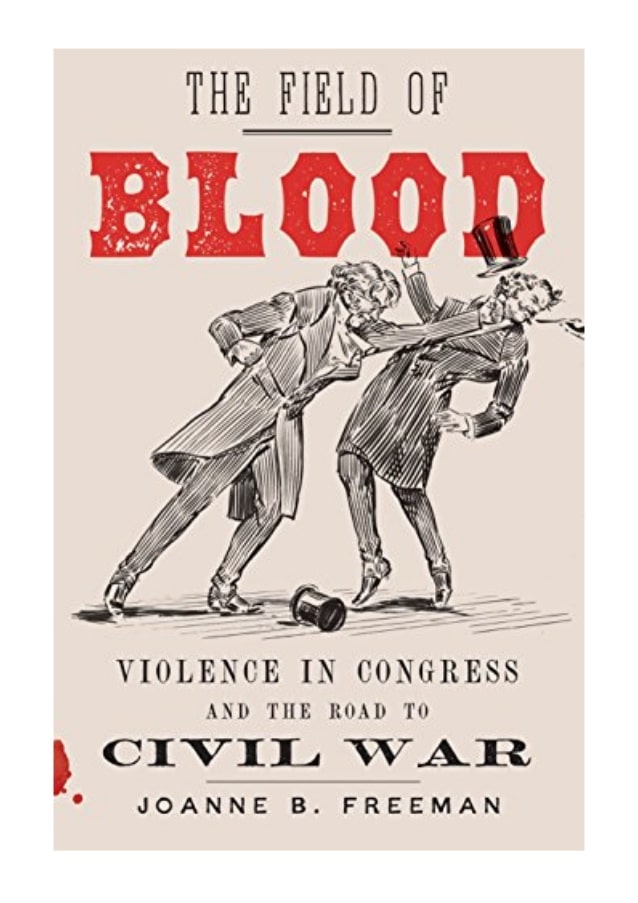
by Joanne B. Freeman
The Field of Blood: Violence in Congress and the Road to Civil War by Joanne B. Freeman, Professor of History and American Studies at Yale University, is a must-read in our hyper-partisan times. The partisanship and divisiveness of the period before the Civil War have many parallels to our time, and the difference is the violence of the Civil War era. Professor Freeman recovers the long-lost story of physical violence on the floor of the U.S. Congress.
She can do this by first source materials from Benjamin Brown French. He was never elected to office but was an acquaintance of twelve consecutive presidents, from Andrew Jackson to Ulysses S. Grant. In addition, he maintained a diary for forty years that highlighted the violence and his and the nation’s political transformation.
During much of this period, he was the Clerk in the House. His diary documents the violence that did not get covered by the press. Legislative sessions included mortal threats, canings, flipped desks, and all-out slugfests. When debate broke down, members of Congress drew pistols and waved Bowie knives. One representative even killed another in a duel. Many were beaten and bullied in an attempt to intimidate them into compliance, particularly on the issue of slavery.
The Field of Blood is one of four books I purchased after my first One Day University class.
by Andrea Cohen
Today, I explored “The Sorrow Apartments,” the eighth collection of poems by poet Andrea Cohen. Renowned poet Christian Wiman accurately describes Cohen’s work as a “cumulative force,” showcasing her deep attention, genuine intelligence, and soul. Cohen’s distinctive talents are featured in this collection, complemented by her characteristic sly humor, unwavering conciseness, and surprising moments of profound wisdom.
It’s astonishing how swiftly Cohen transports us:
Bunker
What would I
think, coming
up after
my world
had evaporated?
I’d wish
I were water.
The Sorrow Apartments house a collection of sparse and haunting poetry, each piece a captivating narrative of mystery, grief, and awe. These poems transport us not just across time but also through a spectrum of emotions. Cohen’s unique approach to illumination is evident in “Acapulco,” where an unanticipated companion muses, “as men tend to, / the stars comprising Orion’s belt — / as if it were the lustrous sparks and not / the leveling dark that connects us.” For a poet often deemed unfashionable, Cohen’s work proves that unfashionable can be beautiful.
by Elizabeth McCracken
The Hero of This Book: A Novel by Elizabeth McCracken is a searing examination of grief and renewal and a deeply felt relationship between a child and her parents. It is not a memoir but a remembrance of those we have lost. Ten months after her mother’s death, the narrator of The Hero of This Book takes a trip to London. The city was a favorite of her mother’s, and as the narrator wanders the streets, she reflects on her mother’s life and their relationship.
Thoughts of the past meld with questions of the future: Back in New England, the family home is now up for sale, its considerable contents already winnowed.
The following quote resonated with me.
I’ve always hated the notion, in life or in fiction, that the human personality is a puzzle to be solved, that we are a single flashback away from understanding why this person is cruel to her children, why that man has a dreamy, downcast look. A human being is not a lock and the past is not a key.
I highly recommend this book.
The Goodreads summary provides an overview,
The woman, a writer, recalls all that made her complicated mother extraordinary–her brilliant wit, her generosity, her unbelievable obstinacy, her sheer will to seize life despite physical difficulties–and finds herself wondering how her mother had endured. Even though she wants to respect her mother’s nearly pathological sense of privacy, the woman must come to terms with whether making a chronicle of this remarkable life constitutes an act of love or betrayal.
The Hero of This Book is a searing examination of grief and renewal and a deeply felt relationship between a child and her parents. What begins as a question of filial devotion ultimately becomes a lesson in what it means to write. At once comic and heartbreaking, with prose that delights at every turn, this is a novel of such piercing love and tenderness that we are reminded that art is what remains when all else falls away.
The Jan Lilien Education Fund sponsors ongoing sustainability and environmental awareness programs. Gifts made this month; I will match dollar-for-dollar. All donations are tax-deductible.
I receive a commission when you buy a book or product using a link on this page. Thank you for supporting Sharing Jan’s Love blog.
by ’Pemi Aguda
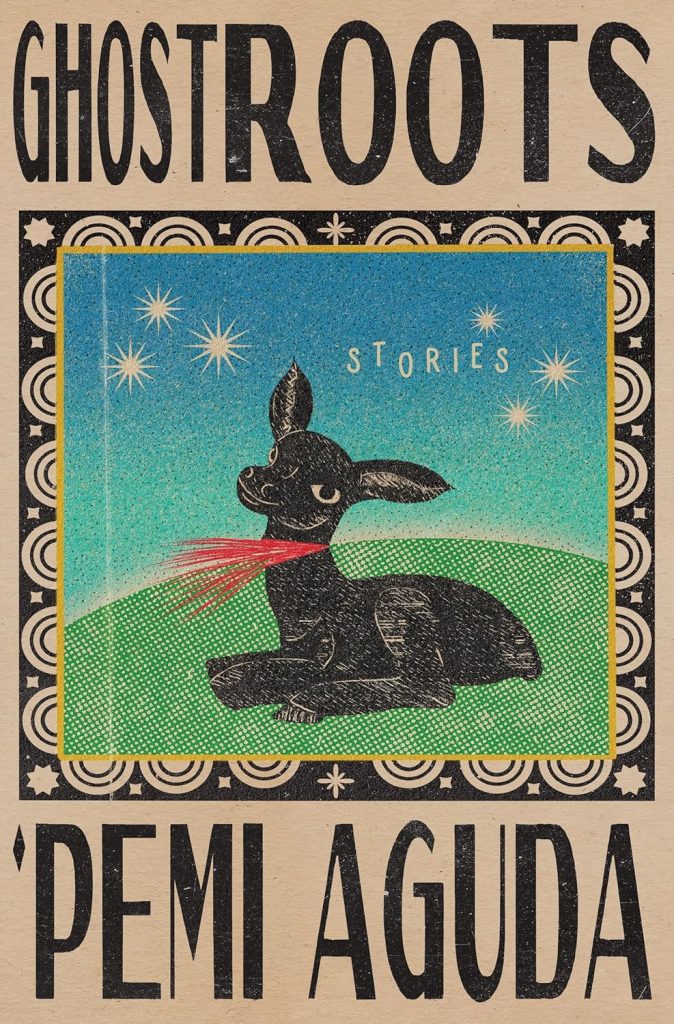
Today, I started reading Ghostroots: Stories by ‘Pemi Aguda, a finalist for the 2024 National Book Award for Fiction. This collection features twelve imaginative stories set in Lagos, Nigeria, in which ‘Pemi Aguda explores the tension between our desire to be individuals and the influence of our past. One of the stories, “Breastmilk,” was shortlisted for the 2024 Caine Prize for African Writing.
The story “Manifest” depicts a woman who sees the ghost of her abusive mother in her daughter’s face, which leads to her daughter exhibiting destructive behavior. In “Breastmilk,” a wife forgives her husband for infidelity. Still, she later struggles with producing milk for her newborn, feeling like she’s failed to uphold her mother’s feminist values and doubts her ability as a mother. Things Boys Do” follows a trio of fathers who sense something unnatural about their infant sons, leading to their lives falling apart as they fear their sons are the cause of their troubles. Lastly, “24, Alhaji Williams Street” tells the story of a teenage boy living in the shadow of a mysterious disease that’s killing the boys on his street.
These stories in “Ghostroots” delve into the emotional and physical worlds, unveiling the profound impact of family, myth, tradition, gender, and modernity in Nigerian society. Pemi Aguda’s storytelling, infused with empathy and humor, showcases her as a significant new literary talent. Her deep understanding of human emotions and thorough exploration of these societal influences will leave you feeling enlightened and informed, eager to explore more of her work.
When you purchase a book through one of my links, I earn a small commission that helps support my passion for reading. This contribution allows me to buy even more books to share with you, creating an incredible cycle of discovering great reads together! Your support truly makes a difference!